The Most Underrated Native Pennsylvania Shrub For Fall Color
Pennsylvania has no shortage of plants that deliver fall color. Maples, oaks, and dogwoods get most of the credit, and they earn it.
But there is a native Pennsylvania shrub producing fall color so vivid and so layered that it consistently outperforms many of the more celebrated options in the landscape, and most homeowners have never planted it intentionally.
It doesn’t just turn one color. It moves through several, shifting from green to orange to deep red across the same season, while simultaneously holding clusters of bright fruit that birds find irresistible and that extend the visual interest well past the peak foliage window.
It’s native, it’s ecologically generous, and it’s dramatically underplanted in Pennsylvania residential gardens.
This Native Shrub Delivers Brilliant Pennsylvania Fall Color
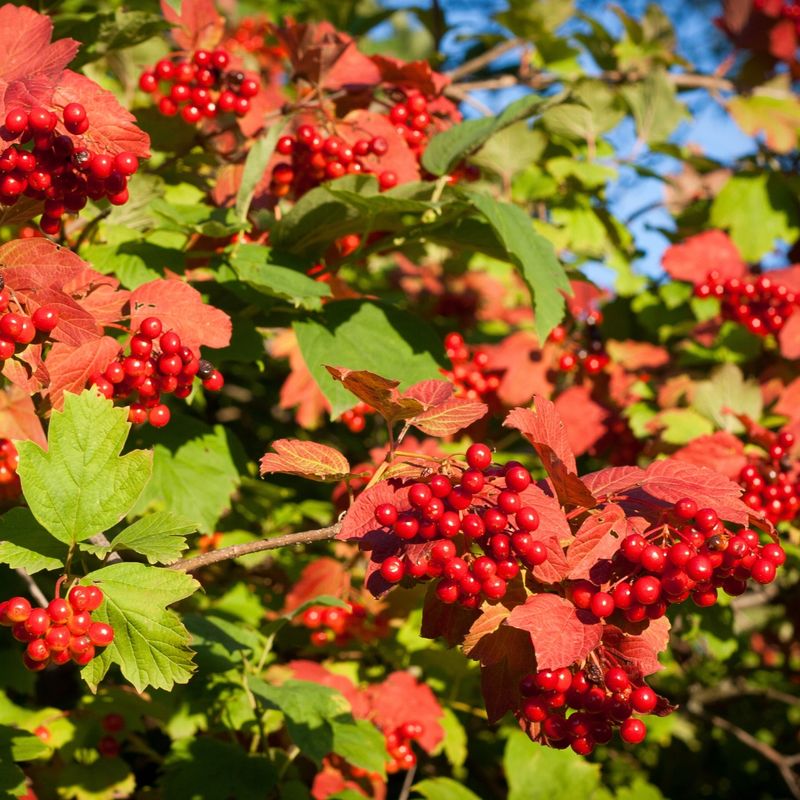
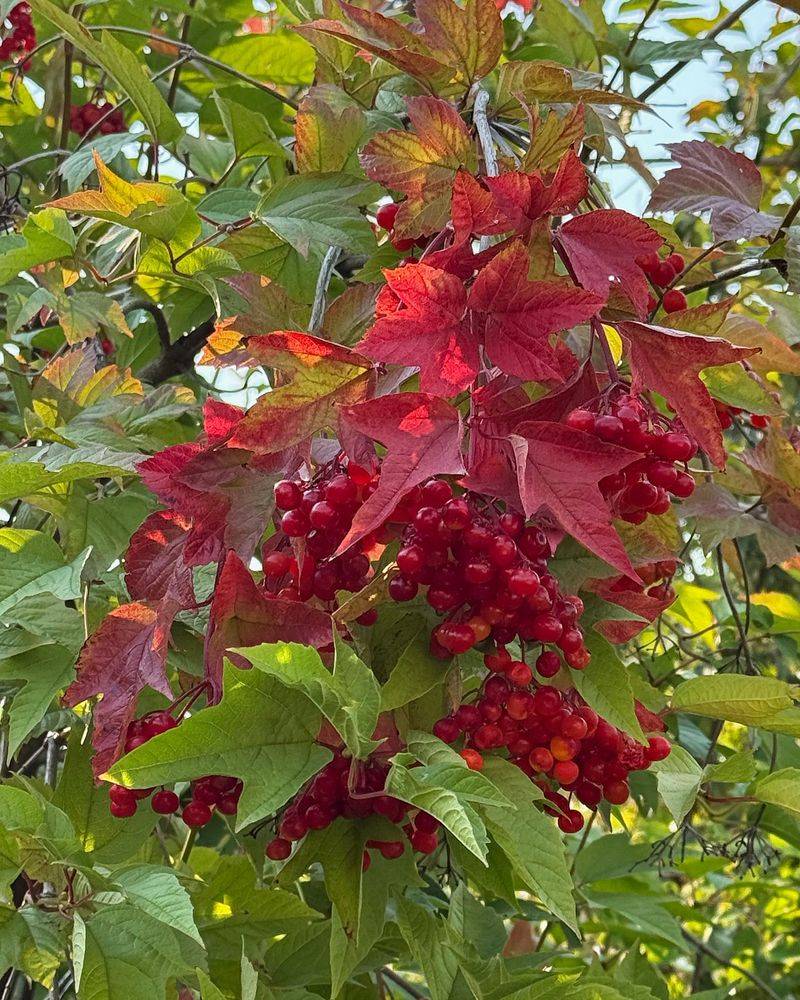
Picture a shrub that turns fiery red just as the days grow shorter and cooler. American cranberrybush viburnum, known by its scientific name Viburnum opulus var. americanum, does exactly that.
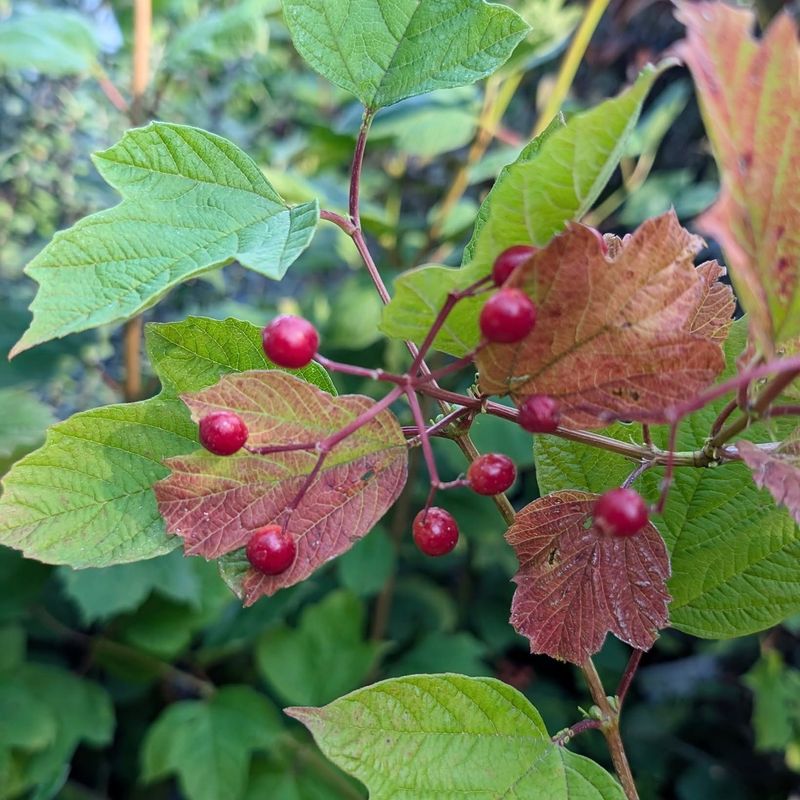
Its leaves shift from summer green into rich shades of red and reddish-purple. What makes this color so eye-catching is the way it stays vivid for weeks.
Many shrubs drop their leaves quickly, but this one holds its show longer. The warm tones look amazing against a blue autumn sky or beside evergreen plants.
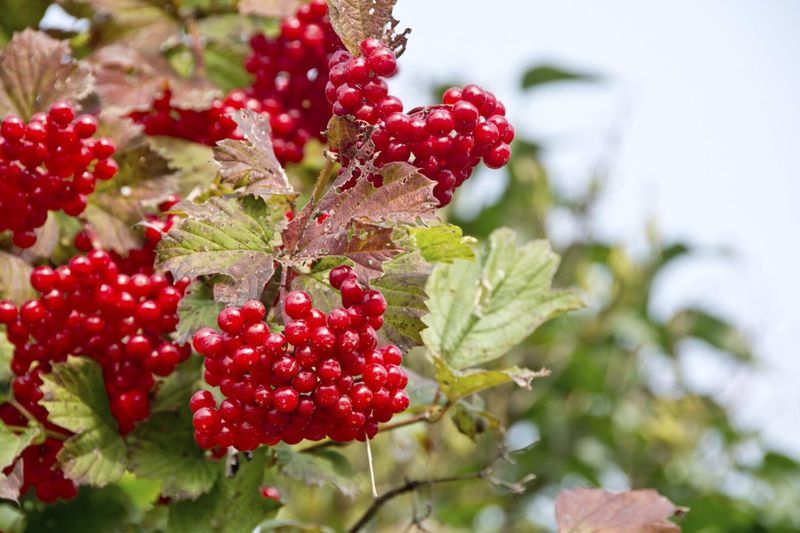
You will also notice bright red berries hanging on the branches during fall. Those berries pair with the colorful foliage to create a double dose of seasonal beauty. Together they make the shrub feel alive and glowing even on gray days.
This plant grows naturally across Pennsylvania and much of the northeastern United States.
Because it belongs here, it handles our cold winters and changing weather without complaint. That toughness is a big reason gardeners love it.
The shrub reaches around eight to twelve feet tall and wide when it matures. That size makes it a strong choice for filling empty corners or softening a fence line. It fits well in both neat yards and wilder natural spaces.
Best of all, you do not need to be an expert to enjoy it. Plant it in a good spot, give it a little care early on, and it rewards you year after year.
For anyone chasing fall color, this native shrub is a hidden gem worth discovering.
Why Cranberrybush Viburnum Is Often Overlooked
It seems strange that such a beautiful plant flies under the radar. Yet cranberrybush viburnum often gets passed over at nurseries and garden centers. Shoppers tend to grab the flashy names they already recognize.
Part of the problem is competition. Popular shrubs like burning bush, hydrangeas, and boxwoods dominate the shelves and the advertising. These familiar picks feel like the safe, easy choice for many homeowners.
Another reason is simple confusion. There is an invasive European cousin with a similar look, and some people mix them up. That mix-up gives the native version an unfair bad reputation it does not deserve.
The native shrub also takes a little time to hit its stride. Young plants can look plain in their first year or two before they fill out. Gardeners who want instant results sometimes skip it for something showier right away.
Your Pennsylvania Garden Changes Every Week. Your Plan Should Too.
Gardening in Pennsylvania changes quickly throughout the season. Every Friday you’ll receive a simple weekly plan showing exactly what to plant, prune, fertilize, harvest, and protect so you never miss the right timing.
Marketing plays a role too. Big brands push trendy plants with catchy tags, while quiet natives rarely get the spotlight. Without flashy signs, this viburnum blends into the background at the store.
Still, more people are starting to notice its value. As native gardening grows in popularity, gardeners are rediscovering plants that support local ecosystems. This shrub fits that movement perfectly.
If you ask experienced landscapers, many will quietly recommend it. They know it offers reliable color, easy care, and wildlife benefits all in one package. It just needs a little more attention from everyday gardeners.
Once you understand what it offers, its low profile feels like a missed opportunity. Choosing it means getting a standout plant while everyone else follows the crowd.
Give It The Right Conditions For Strong Fall Color
Getting the best color from this shrub starts with picking a smart planting spot. Sunlight matters a lot here. Full sun to partial shade brings out the deepest reds and purples in autumn.
Plants tucked into heavy shade still grow fine, but their fall tones turn softer. If bold color is your goal, aim for a spot that gets at least six hours of sun. More light usually means brighter leaves.
Soil moisture is another key piece. This viburnum likes soil that stays evenly moist but never soggy.
It naturally grows near stream edges and low woodland areas, so it appreciates a bit of dampness.
You can help by adding mulch around the base. A few inches of mulch keeps roots cool and holds moisture during hot spells. Just keep the mulch from touching the main stems directly.
Space is worth planning for too. Since these shrubs can spread eight to twelve feet wide, crowding them causes trouble. Give each plant room to breathe so air flows freely through the branches.
Good airflow also lowers the chance of leaf spots and other fungal issues. Healthy leaves show off richer autumn color, so spacing really pays off.
When you first plant it, water regularly for the first season. That steady watering helps roots settle in and grow strong. After it establishes, the shrub becomes much more independent.
Average garden soil works well, though the plant enjoys a little organic matter mixed in. With sun, moisture, and space handled, you set the stage for a truly stunning fall display every single year.
The Spring Flowers And Summer Fruit Add More Interest
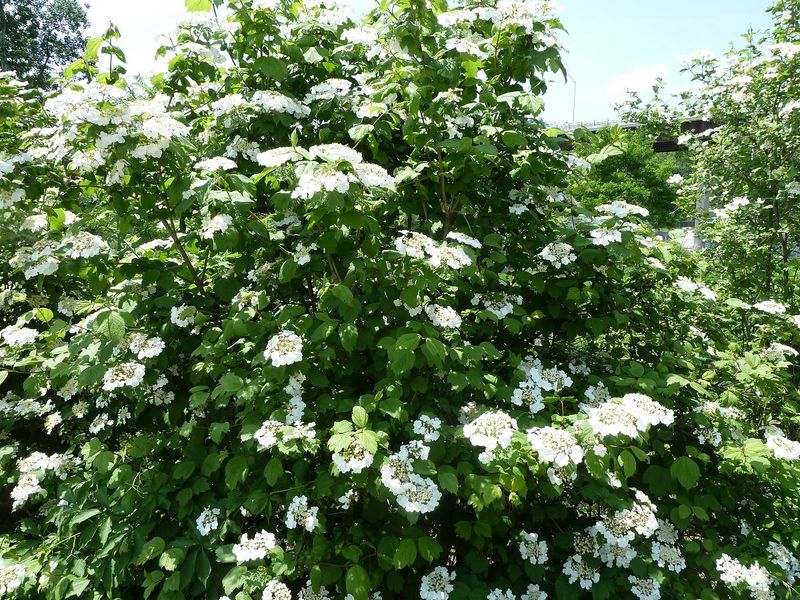
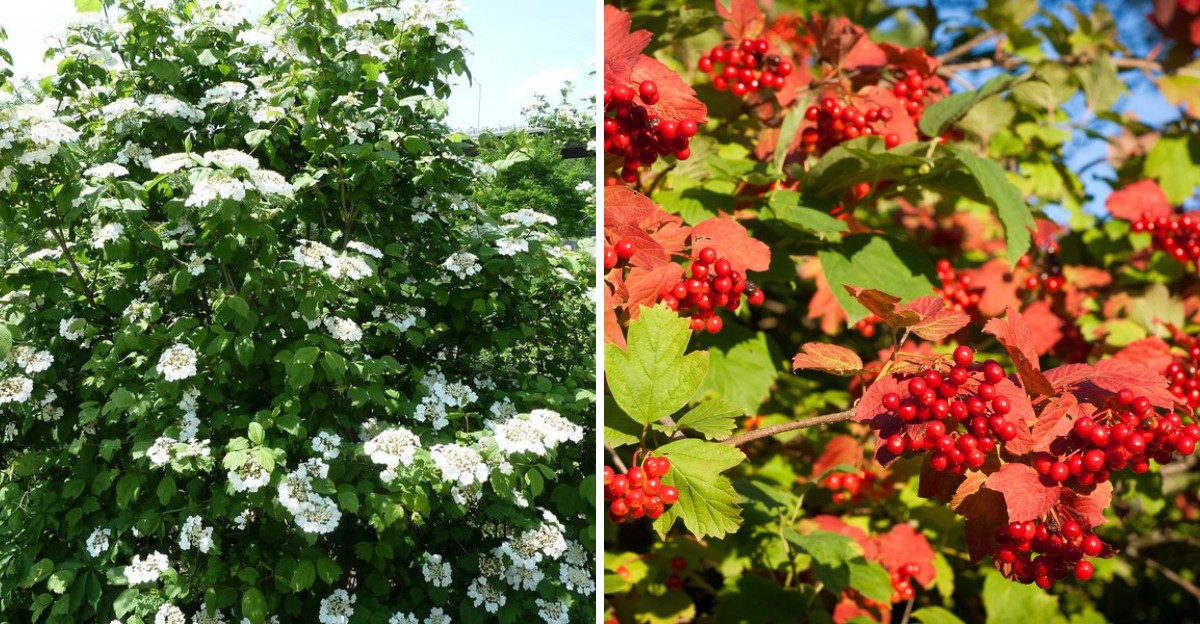
Fall color is only one chapter in this shrub’s yearly story. Spring kicks things off with clusters of white flowers that look almost like lace. The flat, round blooms sit on top of the branches like little snowy plates.
Look closely and you will see something clever. The outer ring holds larger showy flowers, while tiny fertile blooms fill the center. This design catches the eye and invites busy pollinators to visit.
Those spring flowers usually appear in May and last for a couple of weeks. They brighten the shrub right when your garden is waking up from winter. Against fresh green leaves, the white blooms really pop.
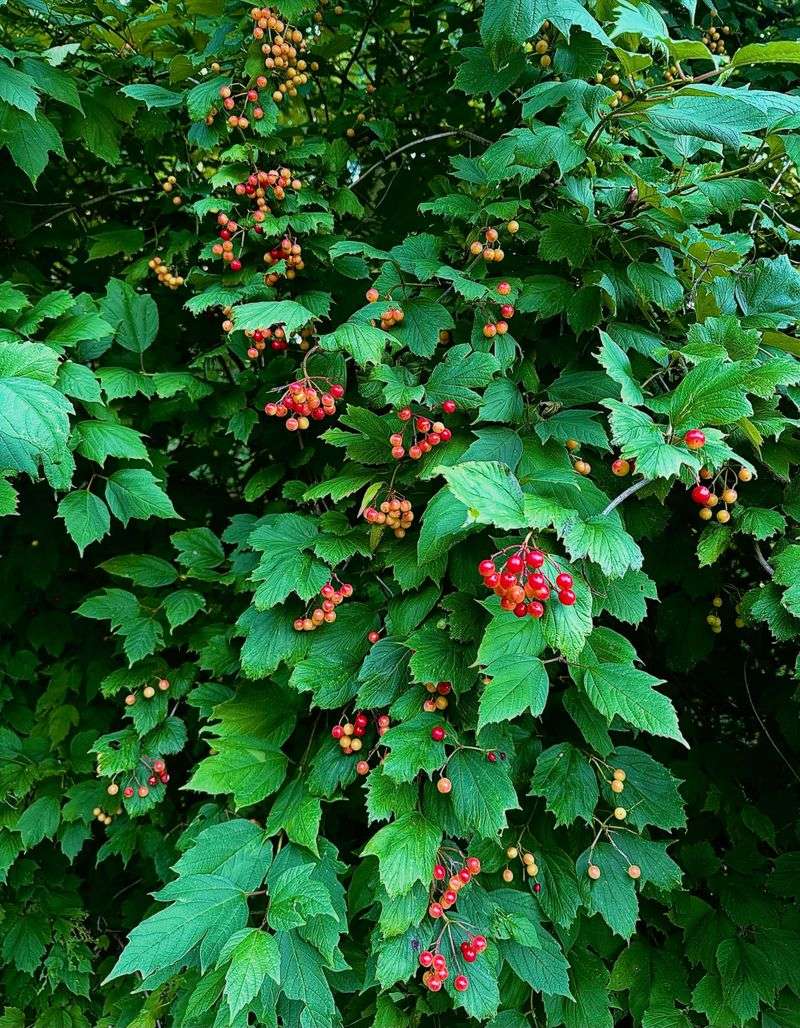
After the flowers fade, the real magic begins. Small green fruits form where the blooms once were. By late summer, they ripen into shiny, bright red berries.
These berries hang in loose clusters and stay on the plant for a long time. Their glossy red color adds a cheerful touch through summer and into fall. Sometimes they even cling on into winter.
The fruit resembles true cranberries in shape and color, which explains the shrub’s common name. While the berries are quite tart, they add wonderful visual interest to the yard.
Having flowers, fruit, and fall color means this plant earns its keep all year. Few shrubs pack so many features into one easy package. You get a fresh reason to admire it in nearly every season.
That constant change keeps your landscape feeling alive and interesting. For gardeners who love watching plants shift through the calendar, this viburnum delivers something new again and again.
How This Native Shrub Supports Wildlife
Beyond its good looks, this shrub is a friend to local creatures. Birds especially love the bright red berries it produces.
Species like cedar waxwings and robins snack on the fruit, particularly in late winter when other food runs low.
Because the berries hang on so long, they act like a backup pantry. When snow covers the ground, hungry birds still find something to eat here. That reliable food source makes the plant a real lifesaver in cold months.
Pollinators get in on the action too. During spring, bees and other helpful insects visit the white flower clusters. They gather nectar and pollen while helping the plant produce fruit.
Butterflies and small flying insects also stop by for a meal. Every visit supports the busy web of life in your yard. A single shrub can buzz with activity on a sunny spring day.
The plant offers more than food, though. Its thick, dense branching creates safe cover for wildlife. Small birds tuck into the twiggy structure to hide from hawks and other predators.
That same dense growth makes a cozy nesting spot in warmer months. Parent birds appreciate the protection while raising their young. The shrub basically becomes a little apartment for backyard wildlife.
Native plants like this one connect naturally with native animals. They evolved together over thousands of years, so the match works beautifully. Local wildlife recognizes and relies on it.
By planting it, you turn your yard into a helpful stop for birds and insects. It is a simple way to support nature while enjoying a gorgeous shrub. Everybody wins with this choice.
Use Cranberrybush Viburnum For More Than Fall Color
Think of this shrub as a hardworking team player in your landscape. Its versatility means it fits into many different garden styles. You can use it in far more ways than just a single splash of autumn red.
One popular option is a native plant border. Grouped with other local shrubs and perennials, it helps build a natural, layered look. The mix feels relaxed and welcoming rather than stiff and formal.
Wildlife gardeners love it as an anchor plant. Pair it with berry bushes, wildflowers, and grasses to create a busy habitat. Together these plants invite birds, bees, and butterflies to stay awhile.
The shrub also shines along property edges. Planted in a row, it forms a loose, living screen between yards. That green wall adds privacy while looking softer than a fence.
For larger spaces, try it in a naturalistic or woodland-style setting. It blends easily with the wild feel of meadows and forest edges. The plant looks right at home in these relaxed designs.
You can even use it near rain gardens or damp low spots. Since it enjoys moist soil, those tricky wet areas become perfect planting zones. Problem spots turn into pretty features.
Mixing it with evergreens gives you year-round structure and contrast. The dark green needles make the shrub’s red fall leaves and berries stand out even more. That combination looks striking from a distance.
However you use it, this viburnum adds beauty and purpose at the same time. It proves that one smart plant choice can do a lot of work. Give it a try and enjoy the results for years.