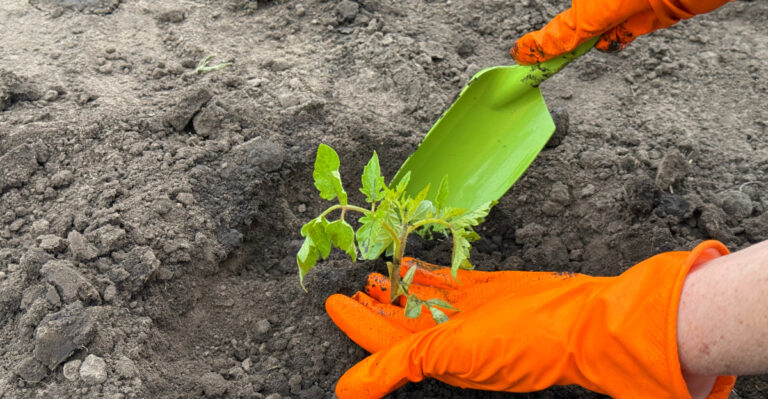
What New York Gardeners Should Do With Green Tomatoes Before The First Frost
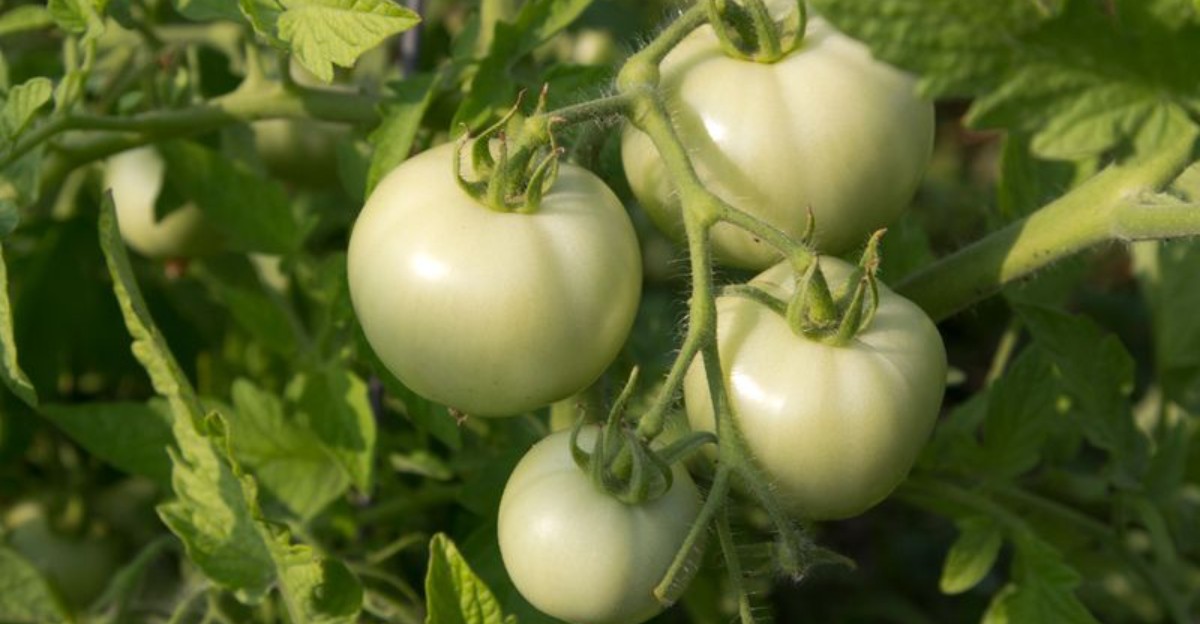
Frost can arrive just when your tomato plants are still loaded with green fruit. One cold night can turn a promising harvest into a race against the weather.
Across New York, gardeners face that scramble every fall. The vines may look tired, but plenty of tomatoes still have a chance to ripen.
Green tomatoes are not wasted tomatoes. With careful sorting and the right indoor conditions, many can ripen slowly for weeks.
Some will turn red on the counter. Others may be better suited for cooking, frying, or chutney.
The key is knowing which fruits to save and how to store them.
Pick The Mature Green Tomatoes Frost Could Ruin
Cold nights creep in fast once October settles over gardens across New York. Your tomatoes feel that chill long before frost ever glitters on the morning lawn.
Temperatures below about 55 degrees can slow ripening and may cause chilling injury, especially in mature-green tomatoes.
A frost or freeze can damage the vine and remaining fruit. Harvest ripe, breaker, and mature-green tomatoes before a frost or freeze is expected.
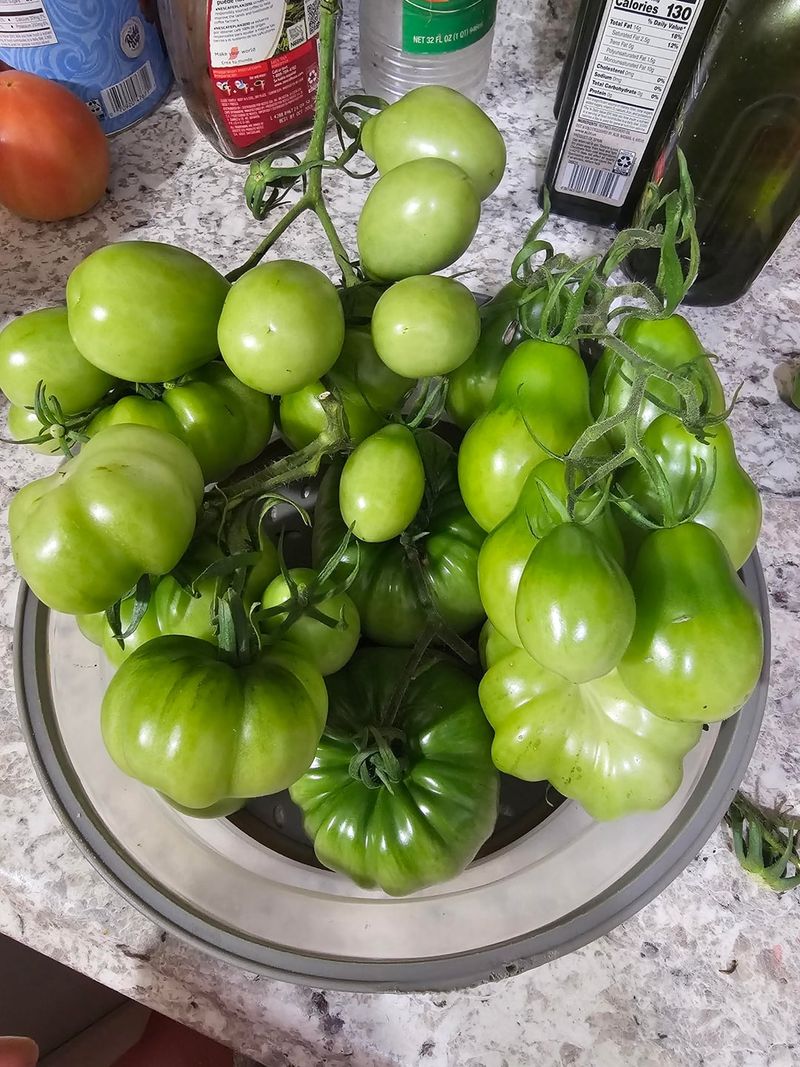
Look for fruits that have reached full size for their particular variety. Skinny or half grown tomatoes rarely carry enough stored sugar to finish properly.
A faint yellow or other color change can signal that a tomato is reaching the breaker stage. Look for the first definite break from green when choosing fruit for indoor ripening.
Slice one open if the whole basket has you guessing. Well formed seeds and a jelly like center mean indoor ripening should work nicely.
Clip fruits with clean pruners and leave a short stub of stem attached. Tugging hard tears the shoulders and invites rot during storage later.
Harvest when the fruit is dry if possible, and handle it gently to avoid bruising and moisture-related problems during storage.
Weather here swings wildly between mild afternoons and bitter nights during autumn. Watch the ten day forecast and move quickly after the first warning.
Use shallow baskets instead of deep buckets so weight does not bruise lower fruit. Carry everything straight indoors to a sheltered table or counter.
Leave Tiny Fruits On The Vine
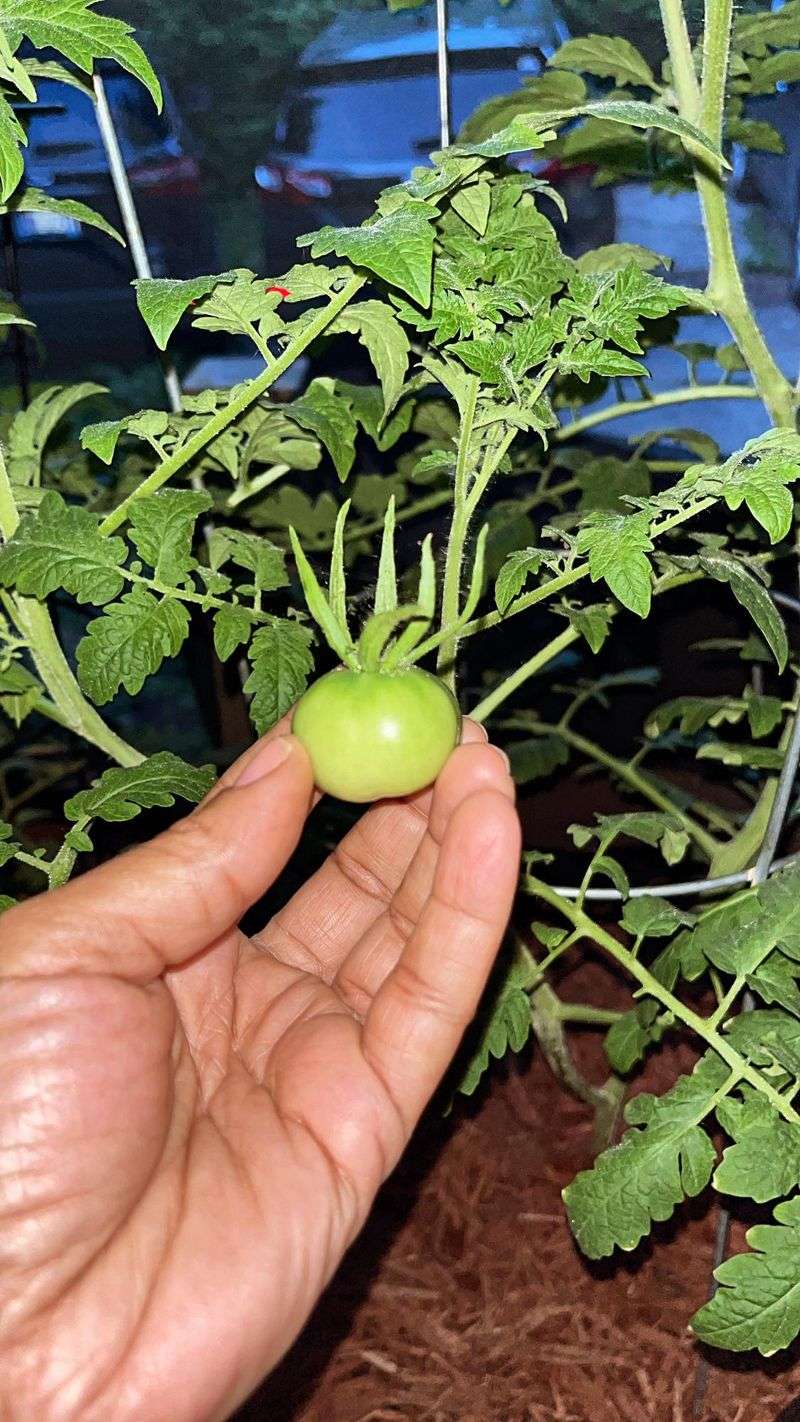
Every gardener eyes those marble sized tomatoes and wonders whether they might still count. Honestly, the smallest ones rarely reward the shelf space they take.
Truly immature fruits lack the internal sugars and seeds needed to finish ripening. Most shrivel, stay stubbornly green, or turn oddly rubbery indoors.
Flavor matters far more than numbers when you tally the final harvest. A handful of quality tomatoes beats a crate of disappointing pebbles.
So leave the tiniest fruits where they are and let the vine keep them. Compost the spent plant later, once the first hard chill passes.
Better yet, pick a few small ones for the kitchen instead of storage. Tiny green tomatoes shine in pickles, relish, and spicy chutney.
Southern cooks fry sliced green tomatoes, and kitchens borrow that trick happily. Cornmeal, a hot skillet, and a pinch of salt do the rest.
Your New York Garden Changes Every Week. Your Plan Should Too.
Gardening in New York changes quickly throughout the season. Every Friday you’ll receive a simple weekly plan showing exactly what to plant, prune, fertilize, harvest, and protect so you never miss the right timing.
Green tomato salsa verde freezes beautifully for winter soups and tacos. Chop, simmer, and jar them during the same week you harvest.
Some gardeners ferment small fruits with dill and garlic in a brine crock. The result tastes tangy, crunchy, and surprisingly close to a cucumber pickle.
Pulling every last fruit can stress you more than it helps the harvest. Let the season close gently and save energy for storage work.
Fun fact: green tomatoes hold firm pectin, which helps them keep shape while cooking. That structure makes them ideal for jams, chutneys, and relishes.
Toss Any Tomatoes Showing Damage
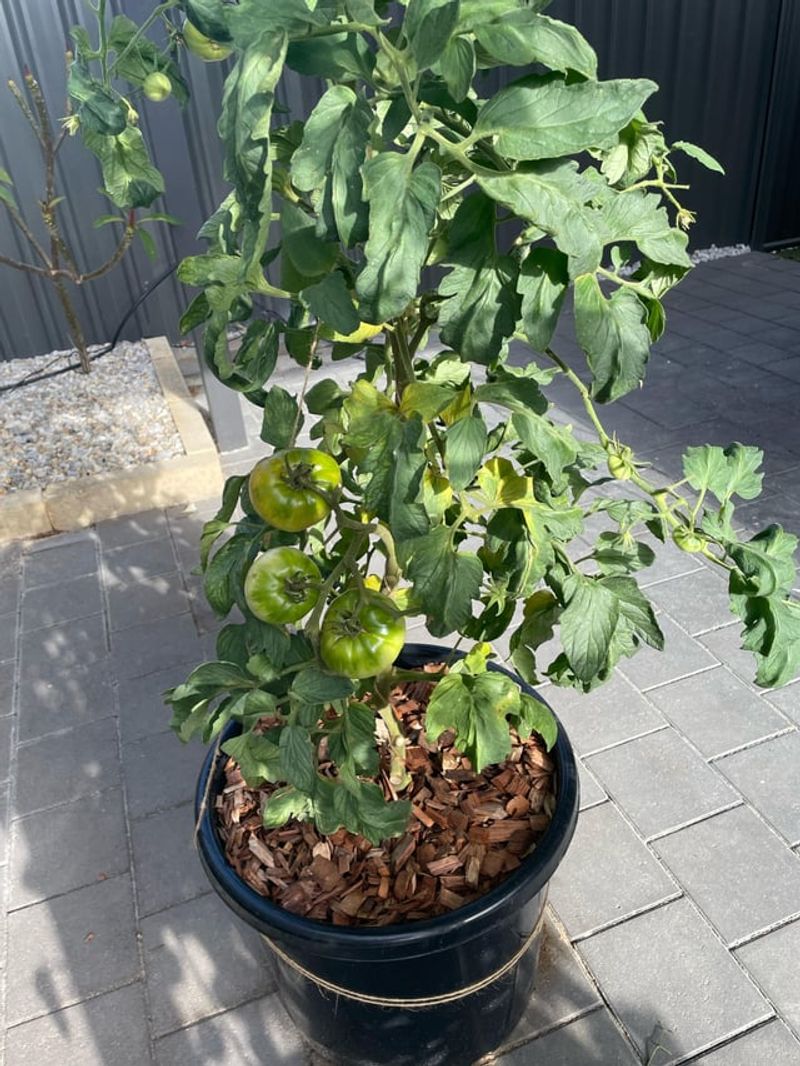
One mushy tomato can spoil an entire box, and gardeners learn that lesson once. Inspection takes minutes and protects weeks of careful work.
Turn each fruit slowly in your hands under bright light. Look for cracks, punctures, bruises, sunken areas, and cloudy patches.
Cracks around the shoulders often follow heavy September rain. Those splits open a door for mold during indoor storage.
Set questionable fruit aside in a separate bowl for immediate cooking. Anything with soft flesh belongs in the compost pile rather than storage.
Wash healthy tomatoes gently in cool water to rinse away soil and spores. Dry each one thoroughly with a clean towel before shelving.
Moisture left sitting on the skin encourages fuzzy gray mold within days. Patience with drying pays off more than most people expect.
Remove the stems too, since those stiff points puncture neighboring fruit. A quick twist usually pops them off without harming the shoulder.
Watch for late blight, which shows as greasy brown blotches spreading fast. Those tomatoes should leave the property rather than join the compost.
Hornworm chew marks and bird pecks also disqualify fruit from long storage. Slice around the damage and cook the good parts tonight.
A quick sniff test helps as well, because sour smells signal hidden trouble. Trust your nose right along with your eyes.
Keep a small bag beside your sorting table for quick disposal. Handling ruined fruit twice just spreads spores across your work surface.
Sort Tomatoes By How Close They Are To Ripening
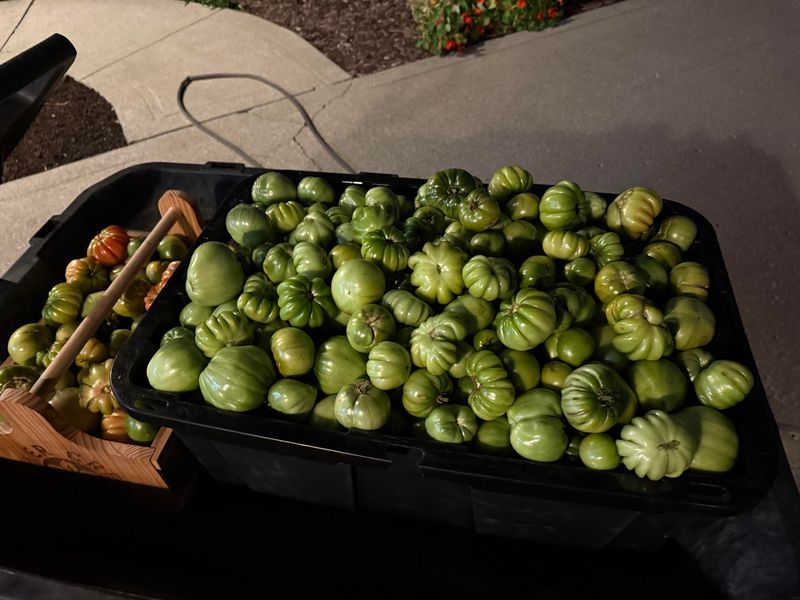
Think of your harvest as a classroom filled with students at different levels. Sorting by ripeness keeps the fast ones from rushing the slow ones.
Make three groups on your kitchen table or garage bench. Use full green, pale green with a cream hint, and blushing pink.
Fruit showing color has reached the breaker stage and ripens reliably off the vine. Plan to eat those first, within a week or so.
Mature green tomatoes, shiny and full sized, form the middle group. They finish indoors with steady warmth and a little patience.
Pale green fruits sit in the slow lane and color up last. Keep them farthest from blushing tomatoes to stretch your supply.
Ripening fruit releases ethylene gas, which nudges its neighbors toward color. Separating groups slows that chain reaction and spreads the harvest out.
Label each tray with masking tape and a date for easy tracking. Memory fades fast when three boxes look nearly identical.
Many gardeners stagger their trays so tomatoes ripen well beyond the outdoor growing season. Thoughtful sorting can help spread the harvest over several weeks.
Keep varieties apart as well, since paste types behave differently from slicers. Beefsteaks tend to finish sooner than thick walled romas.
Move fruit between groups as colors shift over the following weeks. Sorting works best as a habit rather than a one time chore.
A cardboard flat from the grocery store makes a fine free tray and costs nothing. Line it with newspaper and your sorting station is ready.
Give Each Tomato Room To Breathe
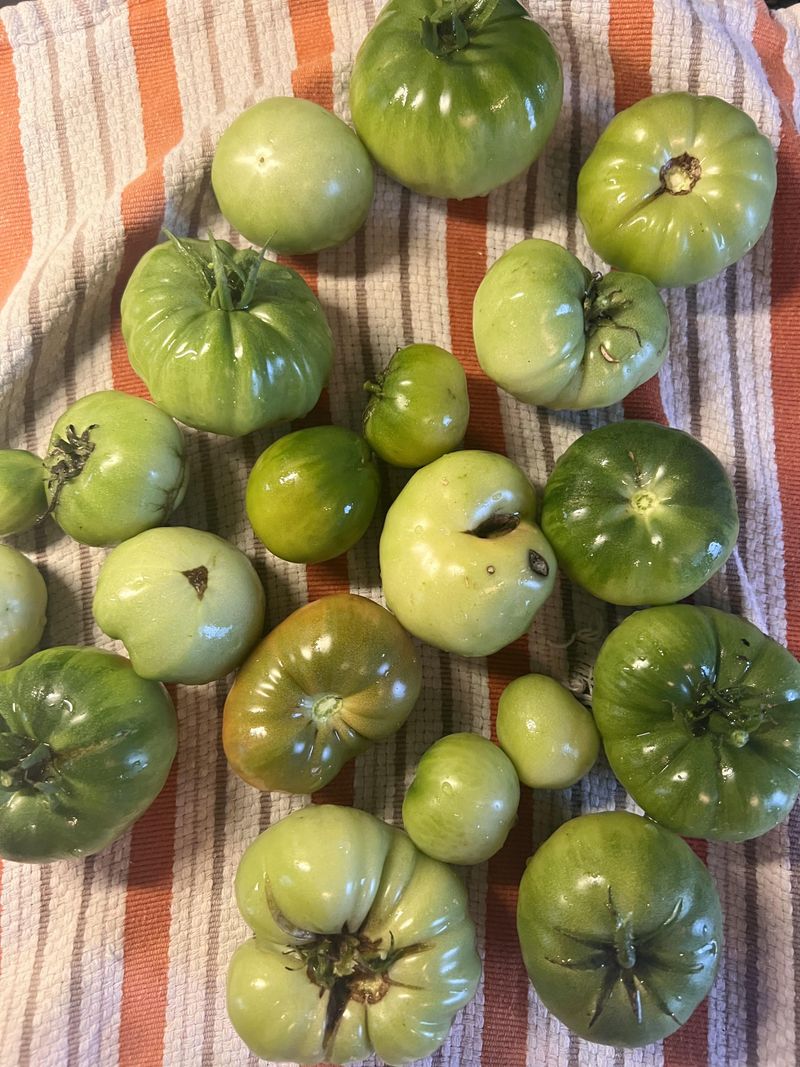
Crowded tomatoes behave like commuters on a packed train. Air cannot move, moisture builds, and trouble spreads from fruit to fruit.
Spread your harvest in a single layer whenever the space allows. Each tomato should sit apart without touching its neighbors.
Airflow carries away the moisture that molds love best. Good spacing also lets you spot problems during quick daily inspections.
If room runs short, stack no more than two or three shallow layers. Slip newspaper between each layer to cushion and absorb dampness.
Place fruit stem side down so the shoulders avoid pressing on anything. That small habit prevents bruises and dull pressure spots.
Wooden crates, cardboard flats, and mesh trays all work nicely here. Skip sealed plastic bins, which trap humid air around the fruit.
Leave a few inches between trays for circulation on your shelves. A small fan set on low helps in a stuffy basement.
Old egg cartons and apple trays cradle individual tomatoes surprisingly well. Each fruit gets its own little padded seat.
Check spacing again after removing ripe tomatoes each week. Gaps shift, and fruit rolls together without you noticing.
Basements across New York tend to run cool and slightly damp in fall. Extra breathing room matters even more under those conditions.
Gentle handling counts too, since bumps create bruises you may not see. Set tomatoes down softly instead of dropping them.
Give the fruit space and the harvest usually rewards you generously. Crowding remains the fastest route to disappointment.
Keep Green Tomatoes Warm And Dry
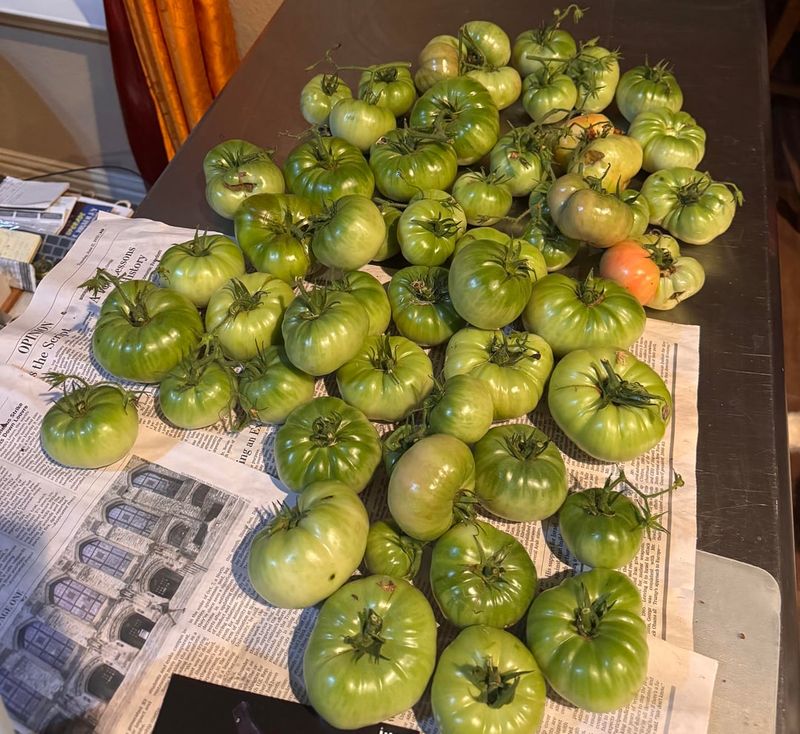
Temperature acts like the dial on your ripening speed. Warmer rooms hurry things along, while cooler ones stretch the timeline out.
For quick results, aim for 68 to 77 degrees indoors. Most kitchens and living rooms sit right inside that comfortable range.
Prefer a slower pace for a longer supply? Store the trays between 55 and 65 degrees instead of warmer rooms.
Temperatures below about 55 degrees slow ripening and can reduce quality. An unheated porch in November may be too cold for storing green tomatoes.
Moderate humidity keeps skins from shriveling while discouraging fuzzy mold growth. Roughly 60 to 70 percent suits green tomatoes nicely.
Skip the sunny windowsill, despite what your grandmother may have suggested. Direct sun toughens skins and colors fruit unevenly.
A dark closet, spare bedroom, or insulated garage works much better. Steady temperature matters more than bright light for ripening.
Keep trays away from heating vents, radiators, and drafty doorways. Sudden swings cause soft spots and wrinkled, tired looking skin.
Dampness invites rot, so wipe off any condensation you notice. A folded towel under each tray absorbs stray moisture.
Many basements hover near 60 degrees through October, which suits slow ripening. Check yours with an inexpensive thermometer before committing.
Move a few tomatoes upstairs when you want them ready for dinner. Warmth speeds that final push toward deep red.
Tomatoes color from the inside out, driven by ethylene and warmth. Sunlight plays a smaller role than most gardeners assume.
Use Paper Bags To Speed Indoor Ripening
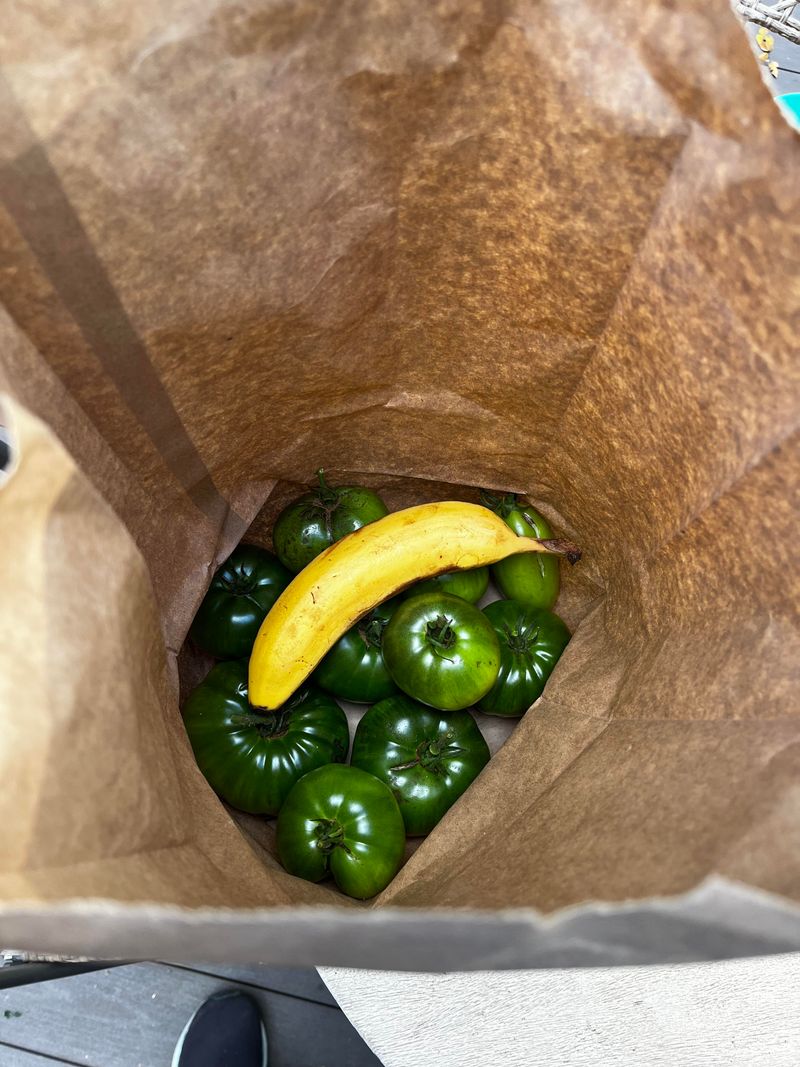
Here is a trick borrowed from old farmhouse kitchens: the humble paper bag. It costs nothing and outperforms most fancy gadgets.
Paper traps ethylene gas, the natural hormone that tells fruit to ripen. Concentrated ethylene speeds the whole process considerably.
Place three or four green tomatoes in a lunch sack or grocery bag. Crowding more than that reduces airflow and raises spoilage risk.
Fold the top over twice to hold the gas inside. Leave the fold loose enough for a little air exchange.
Adding a ripe banana or apple can help speed ripening. Check the tomatoes every few days and remove any that are ready.
Peek inside daily and pull out anything turning red or orange. Ripe fruit left behind pushes its neighbors along too quickly.
Plastic bags trap moisture along with the gas, which encourages mold. Paper breathes just enough to keep condensation down.
Cardboard boxes with loose lids work on the very same principle. Layer fruit with newspaper and tuck a banana into one corner.
Keep the bags in a warm room rather than a chilly corner. Cold slows the ethylene response down to a crawl.
Some gardeners wrap individual tomatoes in newspaper for slower, steadier ripening. That method suits fruit you hope to eat in December.
Mark each bag with the date you filled it. Simple notes prevent forgotten sacks from turning into science experiments.
Check Your Stored Tomatoes Every Few Days
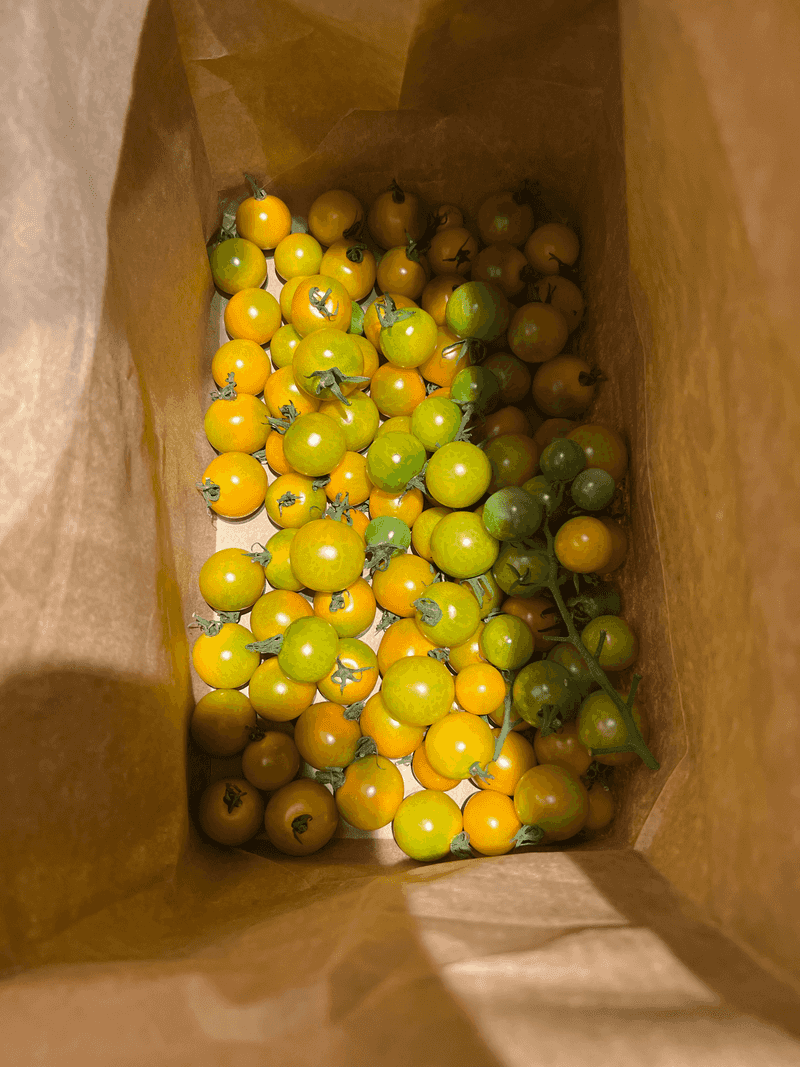
Stored tomatoes act a bit like houseplants, since they appreciate regular attention. Skipping check ins is how gardeners lose half a crate.
Set a reminder every second or third day through October and November. Two minutes with a flashlight usually covers the whole shelf.
Roll each tomato gently and look closely at the underside. Hidden soft spots love to form where fruit meets the tray.
Pull anything showing color and move it to the kitchen counter. Ripe fruit left in storage speeds up everything nearby.
Remove mold, mushy patches, or leaking fruit right away. One spoiled tomato can affect its neighbors within a single day.
Wipe the tray with a vinegar dampened cloth after removing bad fruit. Clean surfaces slow the spread of lingering spores.
Expect most mature green tomatoes to finish within two to five weeks. Late pickings sometimes carry New York gardeners into early December.
Keep a rough tally so you know what still remains. A notepad taped to the shelf makes meal planning easier.
Use ripened fruit promptly, because stored tomatoes soften faster than vine ripened ones. Sauces, soups, and sandwiches all welcome them.
Flavor runs milder than August fruit, and that outcome is perfectly normal. A pinch of salt and good olive oil brightens things up.
Toward the end of the batch, roast the stragglers and freeze the sauce. Very little from the garden needs to go to waste.
Steady checking turns a risky pile into a dependable winter supply. Your October effort keeps paying off week after week.