10 New York Herbs To Harvest And Dry Before The First Frost
That first cold snap in New York can catch gardeners off guard. One morning the basil looks lush, and the next it is slumped after a chilly night.
September is the moment to start watching tender herbs closely. A sudden frost can end the outdoor growing season before you get one last harvest.
Drying herbs is easier than it sounds. With the right timing, you can save summer flavor for soups, sauces, and cozy winter meals.
Imagine opening a jar of homegrown oregano in February while snow covers the garden. A little work now can make that moment even better.
1. Basil Needs To Come In Before Frost
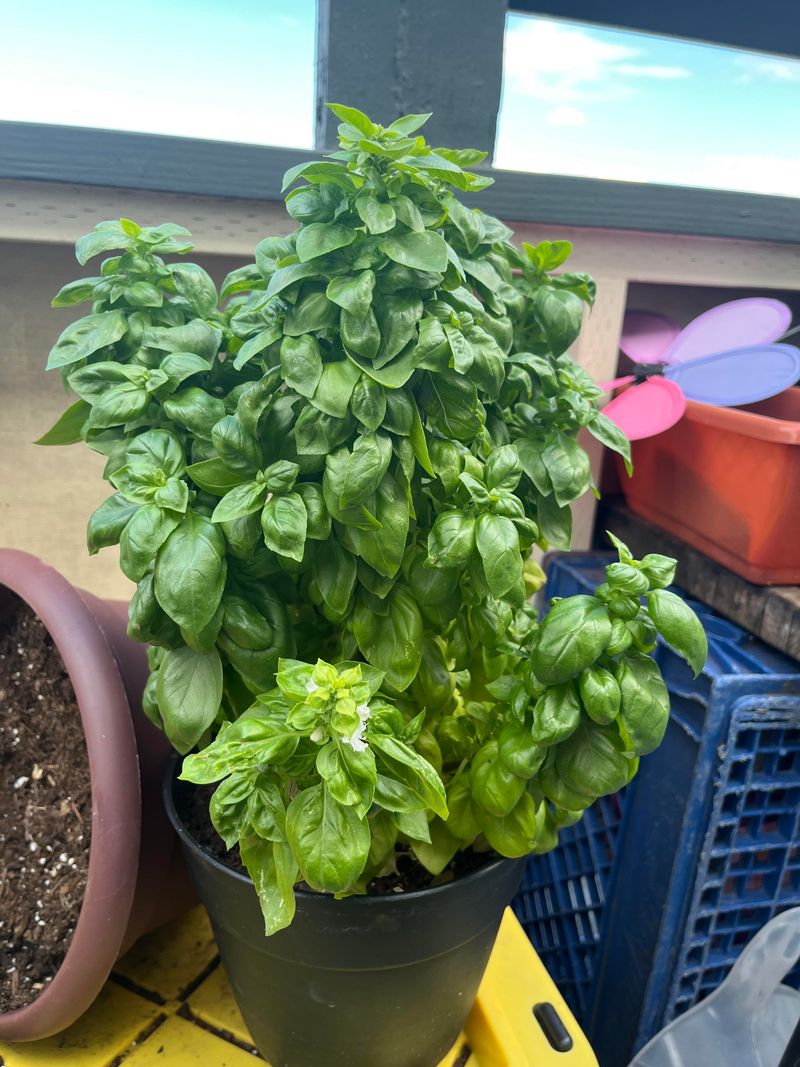
Basil is the drama queen of the herb bed. A single frosty night turns those glossy leaves black and mushy.
In most of New York, that means late September or early October is your cutoff. Watch the forecast and cut everything the day before temperatures dip near 32 degrees.
Morning is the best harvest window. Wait until the dew has dried off the leaves, but get out there before the sun heats things up.
Those early hours are when the essential oils sit strongest in the leaves. Cut whole stems just above a leaf pair instead of picking leaf by leaf.
Drying basil takes a little patience because the leaves hold so much moisture. Air drying works, but it is slow and leaves can brown before they crisp.
An oven set to its lowest setting can do the job. Spread leaves in one layer and check often so they do not scorch.
A dehydrator at 95 degrees is the gentlest route, taking two to four hours. The color stays greener and the smell stays sweeter.
Store the dried leaves whole in a jar and crush them right before cooking. Whole leaves hold their oils much longer than crumbled ones.
Fun bit of trivia: basil belongs to the mint family, which explains its bold scent. If you have extra, blend the fresh leaves with oil and freeze them in cubes.
Frozen basil keeps a brighter taste than dried for sauces. Dried basil still shines in soups, dressings, and long simmered tomato dishes.
2. Sage Can Give You One More Fall Harvest
Sage shrugs off chilly mornings like it barely notices. Gardeners often find it still going strong when tender herbs have already quit.
That toughness gives you a bonus harvest in fall. Snip stems while the plant looks healthy and the leaves feel firm.
Flavor peaks before the plant blooms, so earlier cuts taste stronger. If yours already flowered, the leaves are still useful, just a bit milder.
Take no more than about a quarter of the leafy growth at once. Leaving a good base helps sage settle in for winter.
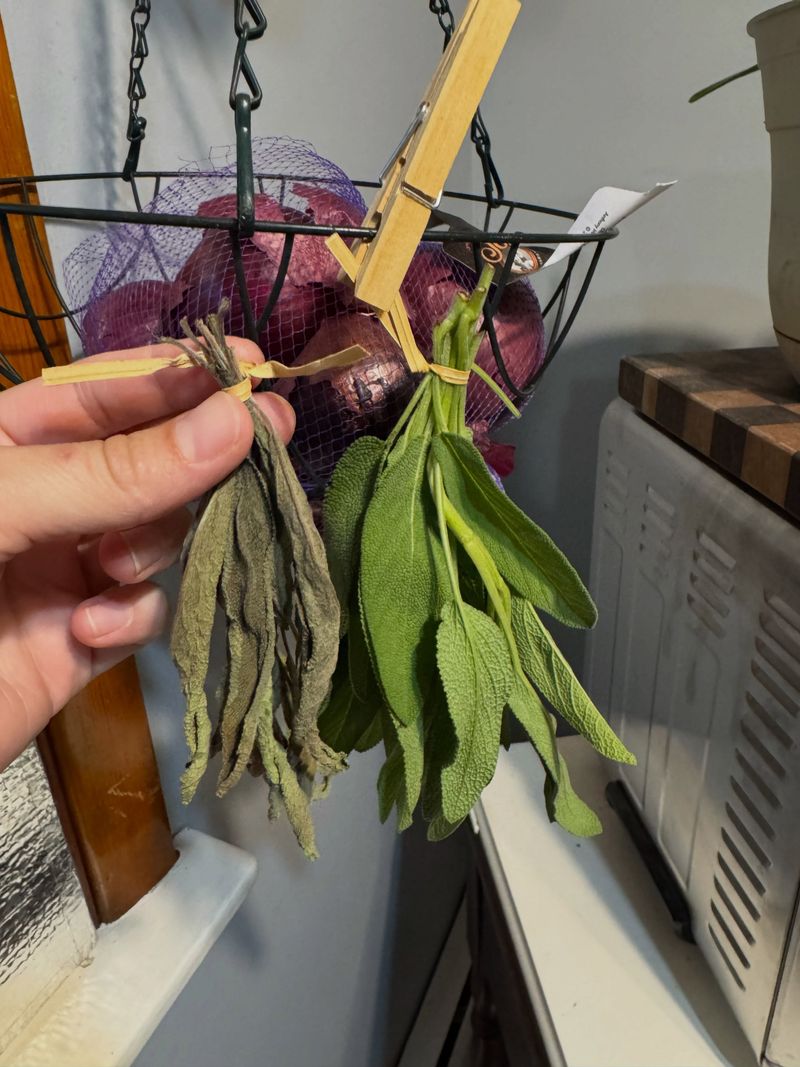
Air drying suits sage perfectly because the leaves are thick and low in water. Gather five or six stems, tie the ends with string, and hang them upside down.
Pick a warm spot with moving air, like a spare room or a dry attic corner. Give it one to two weeks and the leaves will crumble at a touch.
Your New York Garden Changes Every Week. Your Plan Should Too.
Gardening in New York changes quickly throughout the season. Every Friday you’ll receive a simple weekly plan showing exactly what to plant, prune, fertilize, harvest, and protect so you never miss the right timing.
Skip the damp basement. Humidity is the main reason home dried herbs turn moldy instead of crisp.
Once dry, strip the leaves off the woody stems and store them whole in a sealed jar. Label the jar with the month so you know how old it is.
Dried sage holds its punch for about a year. After that it fades into something closer to dusty hay.
Thanksgiving stuffing tastes different when the sage came from your own yard. Toss a few leaves into browned butter and pour it over squash or pasta.
3. Rosemary Is Worth Cutting Before Cold Arrives
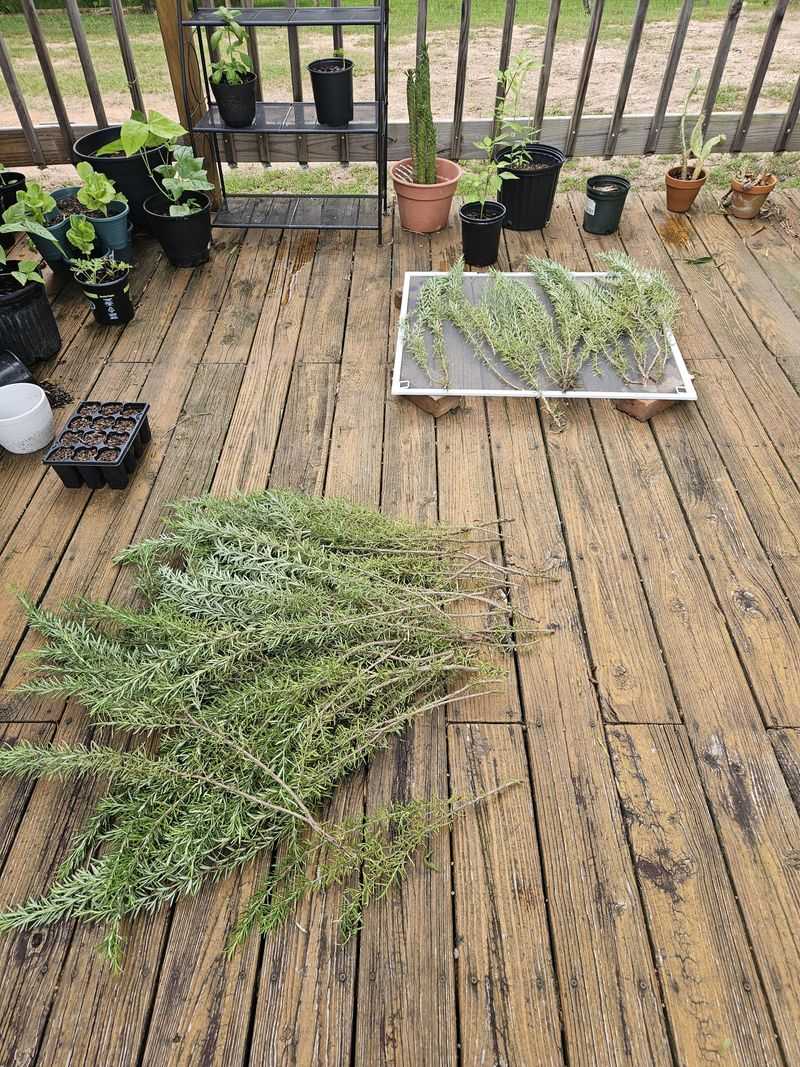
Rosemary smells like a pine forest and a pizza shop had a baby. Rub a sprig between your fingers and the scent sticks around for an hour.
In much of New York, rosemary rarely survives outdoors through winter. Most gardeners treat it as a container plant and bring the pot inside.
Even if you plan to overwinter yours indoors, take a harvest first. A trim keeps the plant tidy and gives you a jar of dried needles.
Cut soft green stems rather than thick woody ones. The newer growth dries faster and tastes better.
Bundling works beautifully here. Tie six or seven stems together and hang them upside down somewhere warm and dry.
Two weeks is usually enough, though thick stems can take longer. Bend a needle to test, and if it snaps, you are finished.
Strip the needles by running your fingers down the stem backward. They pop right off into a waiting bowl.
Store them whole and crush before use, since chopped rosemary loses aroma quickly. A coffee grinder makes a fine powder for rubs and bread dough.
Here is a handy trick: save a few long woody stems as skewers. Grilled chicken or shrimp on rosemary sticks picks up flavor from the inside out.
Toss dried sprigs into roasting pans with potatoes and garlic. The smell filling a kitchen on a gray afternoon is hard to beat.
4. Thyme Handles Cool Weather With Ease
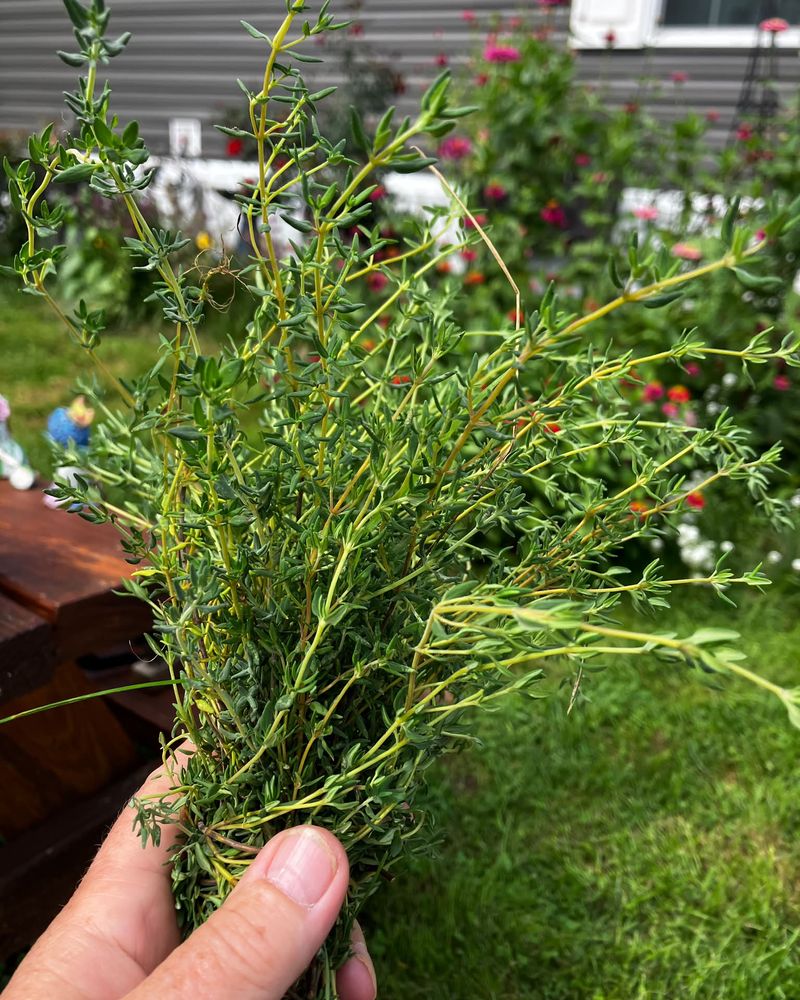
Tiny leaves, huge attitude. Thyme keeps producing while flashier herbs give up at the first chill.
Cold snaps barely faze it, and many gardens keep thyme alive under snow. Still, a fall harvest gives you the best flavor for the pantry.
Morning cutting is the rule here. Essential oils sit at their peak before midday warmth pulls them off the leaves.
Snip the soft green shoots and leave the woody bases alone. Those older stems are what carry the plant through winter.
Air drying takes the longest but needs no equipment. Hang small bundles in a dark, clean, dry spot for two to four weeks.
Darkness matters more than you might guess. Light bleaches the color and thins out the aroma.
Want faster results? A dehydrator at 105 degrees finishes thyme in two to five hours.
An oven on its lowest setting works too, taking one to two and a half hours. Prop the door open slightly so moisture can escape.
Once crisp, roll the stems between your palms over a bowl. The leaves fall off in a shower and the bare stems go in the compost.
Thyme pairs with almost everything savory, from roast chicken to lentil soup. It also makes a soothing tea when winter colds make the rounds.
One small plant can supply a household for a year. That kind of return makes thyme a smart pick for any New York herb patch.
5. Oregano Can Be Cut Back After Harvest
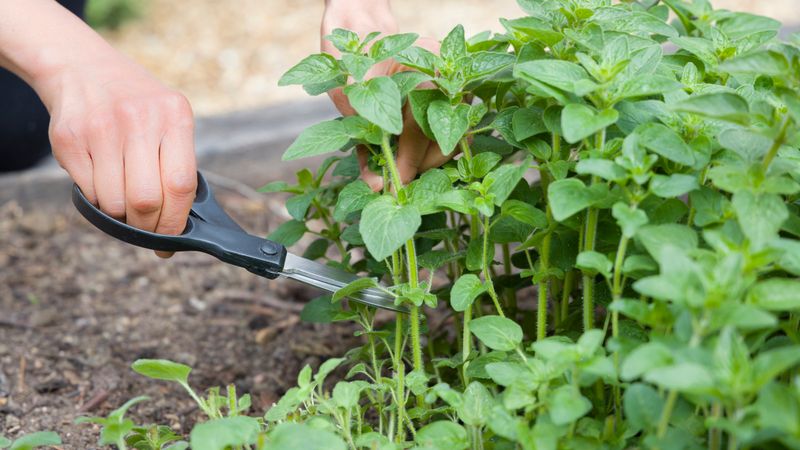
Oregano has a habit of taking over. Give it one season and it sprawls across half the bed like it pays rent there.
All that growth means generous harvests. Many gardeners cut oregano three or four times in a single season.
Timing matters for flavor. Cut just before the flower buds open, when the oils are strongest and the leaves taste sharpest.
Take stems back by about two thirds. A hard cut in fall keeps the plant compact and encourages fresh shoots next spring.
Air drying small bundles in a warm, breezy room takes one to two weeks. Keep bundles thin so air moves through the middle.
A dehydrator set between 95 and 105 degrees needs four to ten hours. Thicker stems sit on the long end of that range.
The oven route runs one to two hours on the lowest setting. Watch closely, because oregano goes from dry to toasted in a hurry.
Something surprising happens with oregano: dried leaves often taste stronger than fresh ones. Drying concentrates the oils rather than dulling them.
Crumble the dry leaves off the stems and store them in a jar away from the stove. Heat and light are the enemies of shelf life.
Homemade pizza sauce with your own oregano tastes like a small victory. Sprinkle some over roasted vegetables and you will understand the hype.
6. Mint Keeps Giving Until Cold Slows It Down
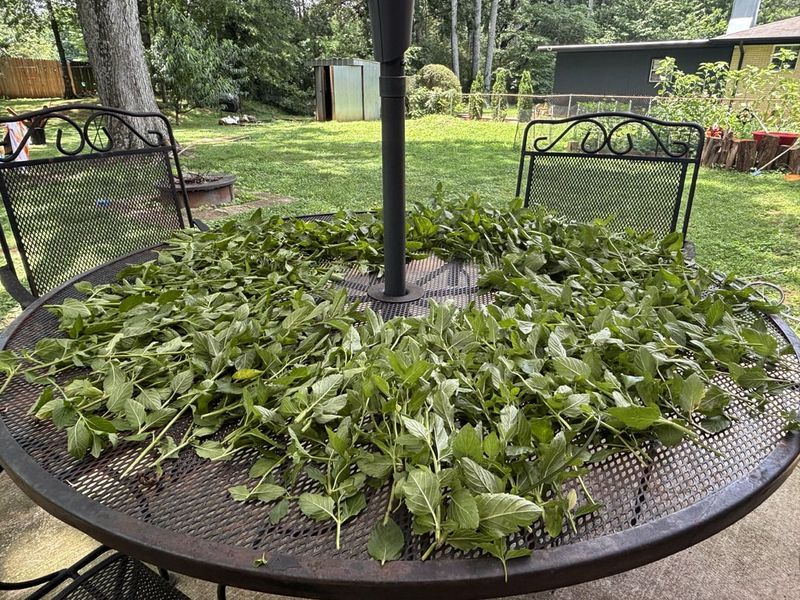
Ask any gardener about mint and you will hear a warning. Plant it in the ground and it will happily march across your whole yard.
Containers solve that problem, and mint grows just as well in a pot on a Brooklyn stoop. It keeps pushing out leaves until cold weather finally slows it down.
Morning harvest gives the strongest flavor, same as most leafy herbs. Cut stems a few inches above the soil so the plant can regrow.
Rinse the stems if they are dusty, then pat them completely dry. Wet leaves invite mold during drying.
Hanging small bundles in a warm, dark, dry spot takes about a week. Mint dries faster than many people expect.
A dehydrator handles mint in one to four hours depending on leaf thickness. Follow your machine’s guide and check early.
Low oven drying between 105 and 120 degrees finishes in a few hours. Leave the door cracked to let steam out.
Store whole leaves in a jar and crush them when you brew tea. Mint tea on a cold evening is pure comfort.
Beyond tea, dried mint brightens yogurt sauces, grain salads, and lamb dishes. A pinch in hot chocolate is an unexpected treat.
Different varieties bring different personalities. Peppermint hits sharp and cool, while spearmint leans sweeter and softer.
7. Tarragon Has One Last Harvest Before Winter
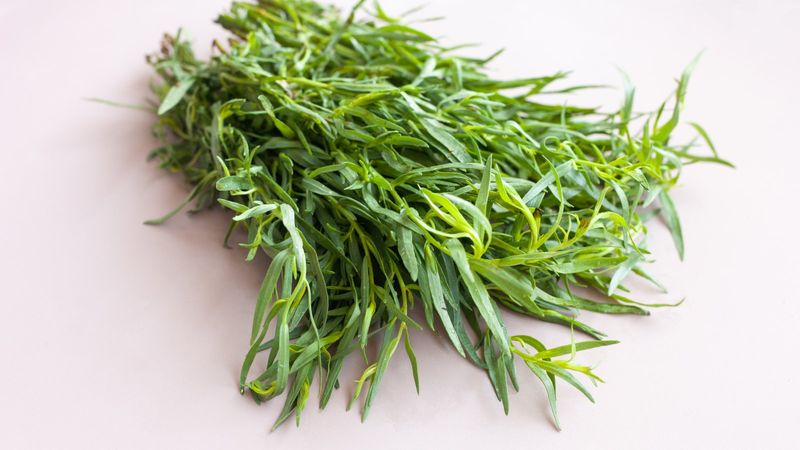
French tarragon tastes faintly of licorice and fancy restaurants. Chefs treat it like a secret weapon, and home gardeners should too.
Timing is the tricky part with this one. Stop regular harvesting about a month before your expected first frost in New York.
Why the early stop? Cutting late pushes out tender new shoots that cannot handle cold nights.
Once you reach that final harvest, go big. Shear the whole plant back to roughly four inches above the soil.
That big cut gives you a pile of stems and preps the plant for dormancy. Mulch over the crown afterward for extra winter protection.
Drying tarragon calls for a light hand. Over-drying strips out the delicate anise flavor and leaves you with green confetti.
Hang thin bundles in a warm, shaded spot and check after a few days. Pull them the moment the leaves crumble easily.
A dehydrator on a low setting works if you watch the clock. Long, hot sessions ruin the taste.
Some cooks skip drying entirely and freeze tarragon instead. Chopped leaves in a bit of water or oil hold flavor remarkably well.
Vinegar is another classic option. Tuck a few sprigs in a bottle of white wine vinegar and let it sit for two weeks.
That homemade tarragon vinegar makes salad dressings taste expensive. Not bad for a plant sitting in backyard.
8. Dill Is Easy To Snip And Dry
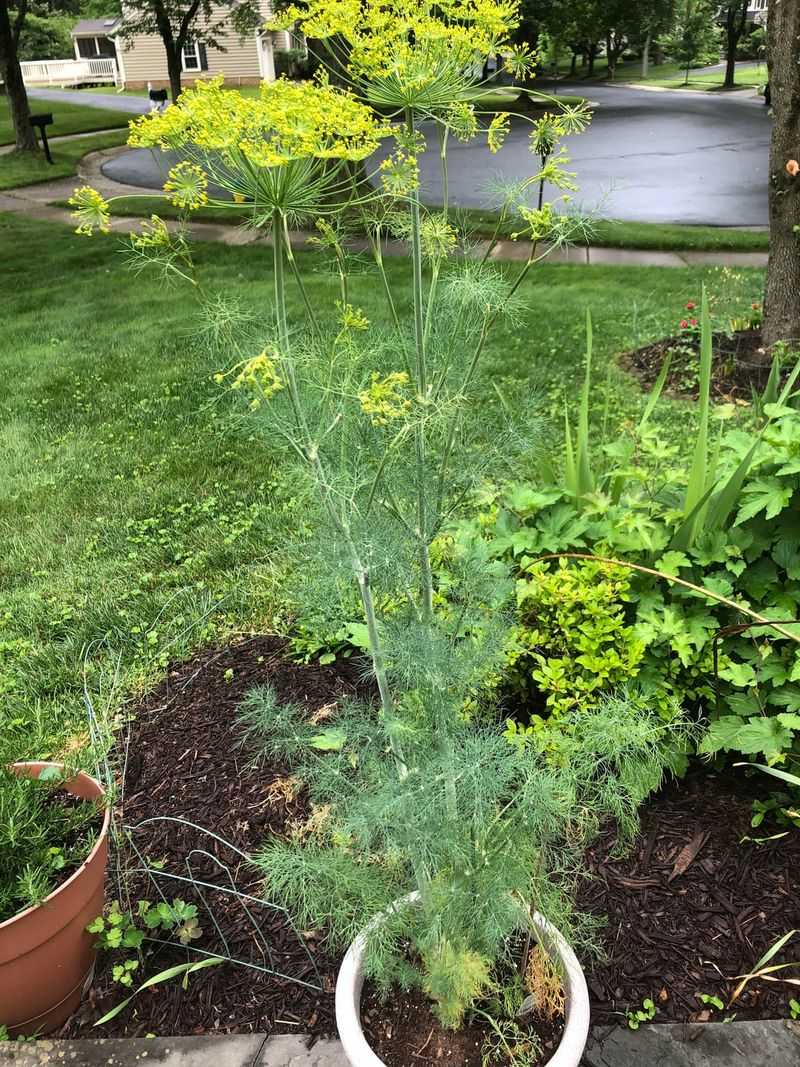
Feathery and a little wild looking, dill grows fast and bolts even faster. Blink during a warm week and it shoots up a flower head.
For leaf flavor, harvest while the plant is young and tender. Once those yellow umbrella blooms appear, the fronds lose some punch.
Cut stems from the outside of the plant first. The center keeps growing and gives you another round.
Those wispy fronds dry quickly because there is so little moisture in them. A week or two of hanging is usually plenty.
Bundle small bunches and hang them in a warm, airy room. A paper bag with holes punched in it catches any leaves that drop.
Dehydrator users can set the temperature between 95 and 105 degrees. Expect anywhere from two to eight hours.
The oven method runs about one to two hours at 100 to 120 degrees. Low and slow keeps the green color intact.
Do not toss the seed heads if the plant bolted. Dill seed is a spice in its own right and tastes great in pickles and rye bread.
Many gardeners let a little dill go to seed on purpose. It reseeds itself and shows up free the following spring.
Dried dill weed brightens potato salad, tuna, and creamy dips. Add it near the end of cooking so the flavor does not fade.
9. Parsley Can Keep Growing Into Cooler Weather
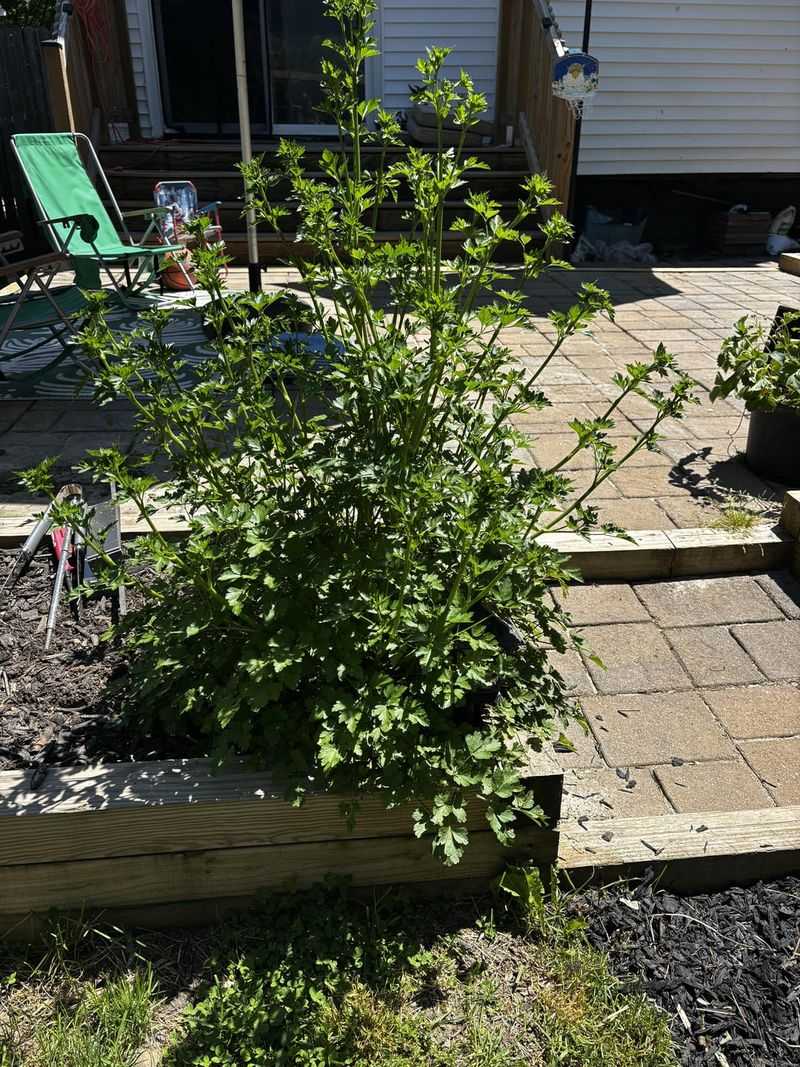
Parsley is the quiet workhorse of the herb garden. It rarely gets top billing, yet it ends up in half the recipes you cook.
Cold does not bother it much. Parsley often keeps producing well into cool weather across New York, sometimes past several light frosts.
Harvest outer stems at the base and let the inner ones continue. That pattern keeps a single plant productive for months.
Cleanliness is key before drying. Wash the leaves, then let them sit until they are fully dry to the touch.
Air drying takes one to three weeks depending on humidity. Hang small bundles in a cool, dry room out of direct sun.
An oven set to its lowest setting can finish parsley in a few hours. Stir the leaves once or twice for even drying.
A food dehydrator running at 95 to 115 degrees is the most hands off option. The color stays a bright, cheerful green.
Flat leaf parsley carries more flavor than the curly kind. Curly holds up better as a garnish, so many gardeners grow both.
Store dried parsley in a sealed jar and use it generously, since drying softens its taste. Fresh parsley still wins for salads and finishing touches.
Here is a bonus: parsley is a biennial, so a plant left in the ground may return next spring. Those second year plants bolt early but feed plenty of pollinators.
10. Lavender Needs A Lighter Touch Before Winter
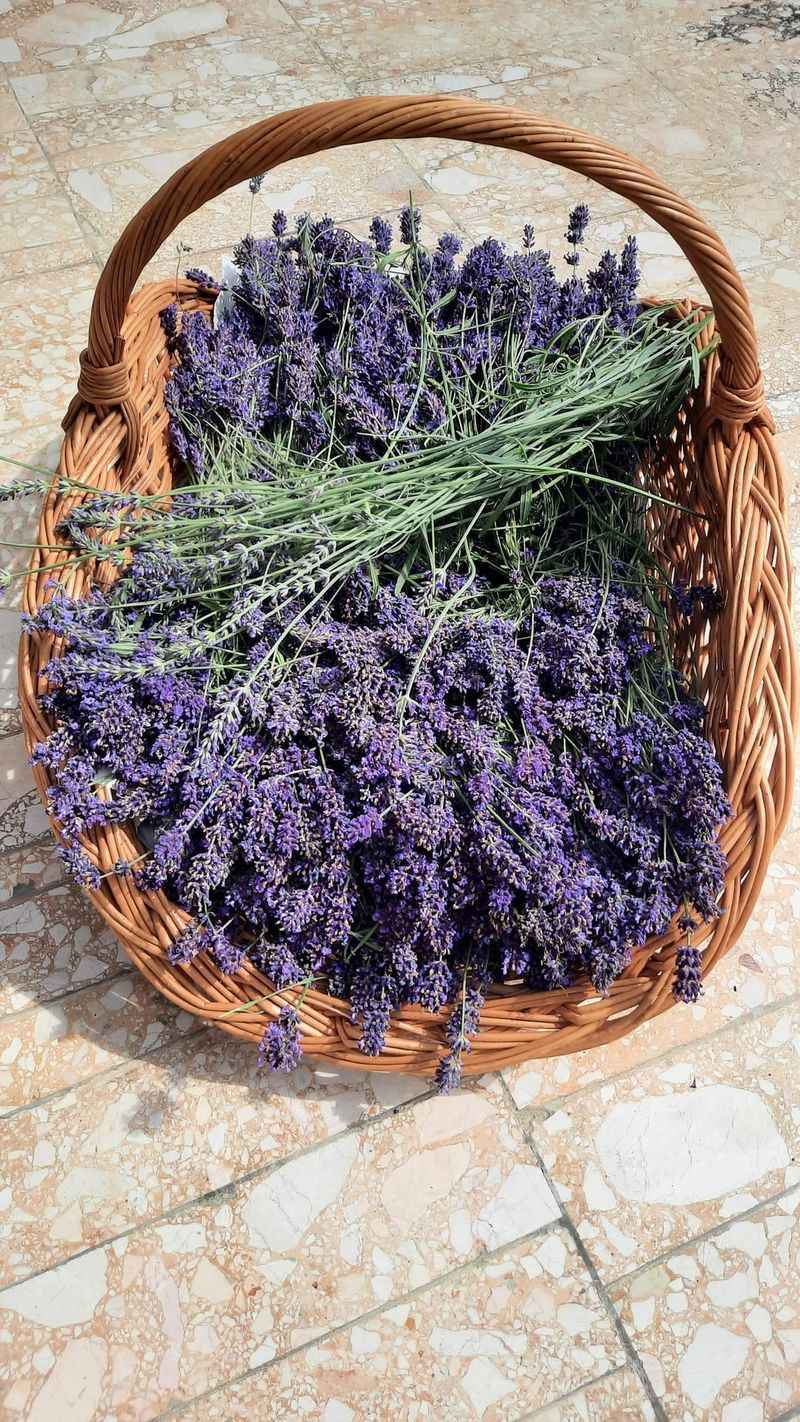
Nothing makes a garden smell better than a lavender plant brushed by a passing sleeve. The scent lingers on your hands for hours.
Harvest when the flowers are fully open but before they start to wilt. Waiting too long means petals scatter during drying.
Morning cutting after the dew dries gives the best results. The oils are concentrated and the stems are still firm.
Go easy with your pruning as fall approaches. Cutting deep into old wood late in the season leaves the plant vulnerable through winter.
Stick to the flower stems and a small bit of green growth. Save deeper shaping for later in fall or spring.
Gather eight to ten stems into a bundle and tie them snugly with string. Stems shrink as they dry, so retie if the bundle loosens.
Hang bundles upside down in a dark, warm spot with good airflow. One to two weeks preserves both the purple color and the fragrance.
A dehydrator on a low setting around 85 to 95 degrees works in roughly two hours. Higher heat drives off the scent you worked for.
Once dry, roll the buds off the stems into a jar. Fill small cloth pouches for drawers, closets, or under a pillow.
Culinary varieties like English lavender can flavor shortbread and honey. Use a light hand, because too much tastes a bit like soap.