Why California Citrus Trees Need Different Care In October Than Summer
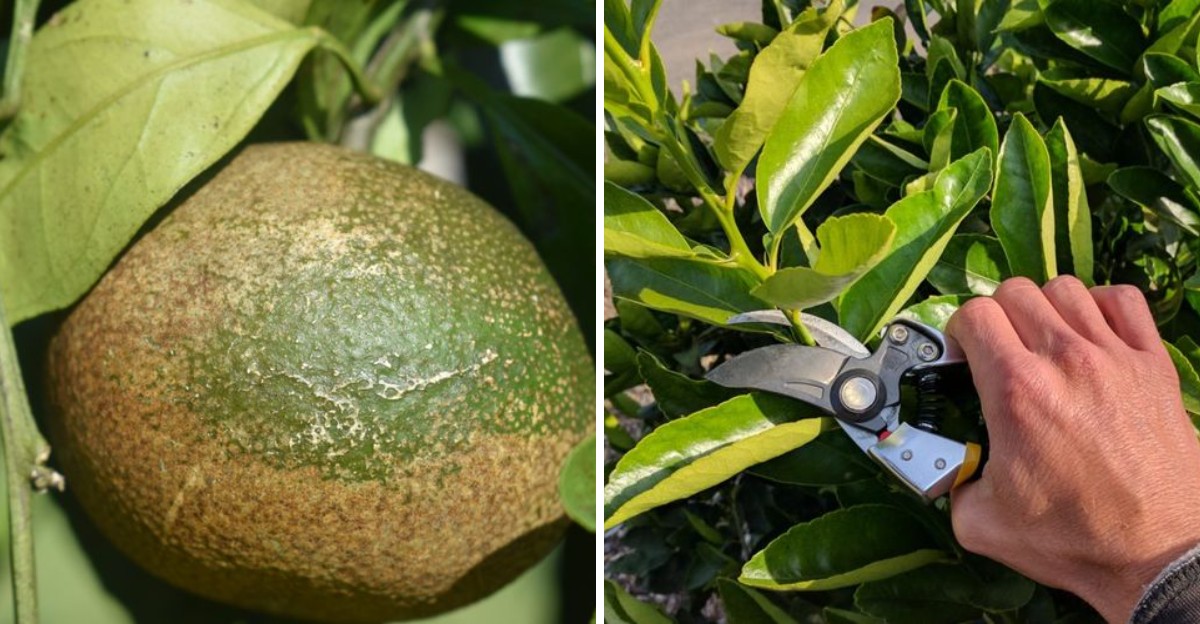
Something shifts in California citrus groves this exact week, and most people miss it until it’s too late.
Your tree has followed the same summer routine for months. Water twice a week. Feed it. Check under the leaves. That routine worked when the sun sat high and the air stayed brutal.
October flips the entire playbook.
The tree stays the same. The rules around it do not. Water needs drop, feed backfires, one pest fades out while another sneaks in behind it, and the fruit on your branch starts a quiet change nobody can rush.
A cold season problem also builds, and it has nothing to do with cold yet.
Seven shifts hit citrus trees this month. Each one has its own reason to arrive now instead of later. Miss the timing on any of them, and next year’s fruit pays the price.
Stick around. The first shift starts with something you’re probably still getting wrong right now.
1. Watering Frequency Drops As Heat Fades
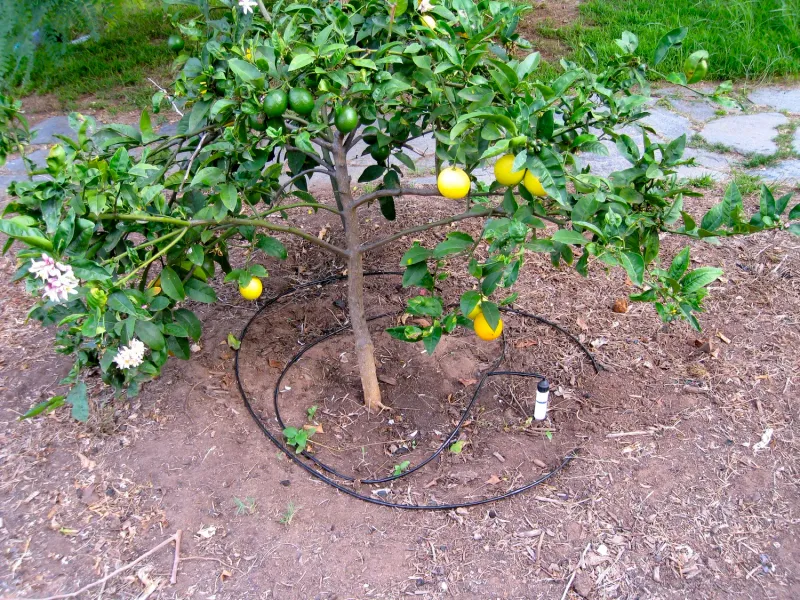
Your irrigation timer has been running like clockwork since June. Your tree drank every drop without complaint.
October changes the deal. That same schedule turns into too much of a good thing.
Cooler air, shorter days, and a lower sun angle all shrink how much water a citrus tree pulls from the ground. Extension guidance points toward deep, less frequent soaks as temperatures ease, not the tight summer cycle.
Start widening the gap between waterings during these final September days.
Skip the guesswork here. Push a long screwdriver or a soil probe about 8 inches down near the drip line.
Cool and damp on the way out means you can cancel that cycle.
Keep each watering deep, but stretch the days between them. Citrus roots live mostly in the top two feet of soil, and that zone should dry slightly before the next drink.
Frequent shallow sprinkles in fall invite root rot, especially in heavy clay.
Container citrus plays by its own rules. Pots dry out fast even in mild weather, so test the top few inches with a finger every couple of days.
Dry autumn wind steals moisture from a patio pot faster than sunshine ever could.
Jot down your current summer schedule this week. Sketch an October version next to it, with one fewer watering per stretch, then trim again after the first soaking rain.
Rain gauges beat hunches every time. Your tree will thank you in fruit, not words.
2. Fertilizer Timing Shifts This Time Of Year
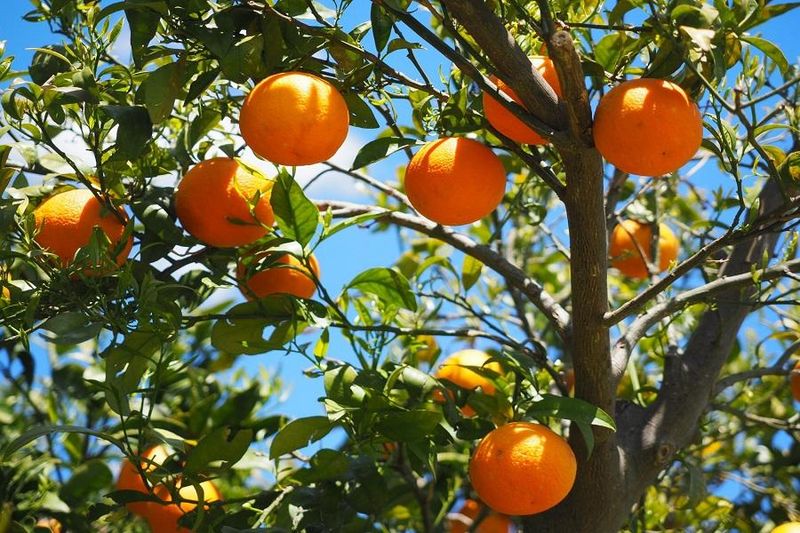
Bags of high-nitrogen citrus food can head back to the garage shelf soon. Feed a citrus tree once October opens, and you’re set up for one of the easiest mistakes in the yard.
Nitrogen tells a tree to grow. Extension research points toward January through May as the window for the bulk of a citrus tree’s nitrogen, split into two or three doses.
Fall applications push soft new shoots right as cold weather heads their way.
Tender autumn growth carries thin tissue and no time to toughen up. A light frost in November or December finds that new growth first.
Your California Garden Changes Every Week. Your Plan Should Too.
Gardening in California changes quickly throughout the season. Every Friday you’ll receive a simple weekly plan showing exactly what to plant, prune, fertilize, harvest, and protect so you never miss the right timing.
Late nitrogen can also muddy rind quality and slow the sugar buildup you want in winter fruit.
Plan your final feeding for September, not October. Skip midsummer feeding this year, and let it ride until next year instead of squeezing one more round in now.
Yellow leaves this month can tempt a quick fix. Read the pattern instead.
Yellow between green veins usually points to iron or zinc, and those treatments belong in spring flush, not fall.
Compost and mulch stay fair game all season. Spread organic matter outside the drip line, keep it a foot from the trunk, and let it break down slowly over winter.
Mark the calendar for a February feeding while the thought stays fresh.
Your tree gets a long, quiet rest, and frankly, it earned one.
3. Mite Pressure Finally Starts To Ease
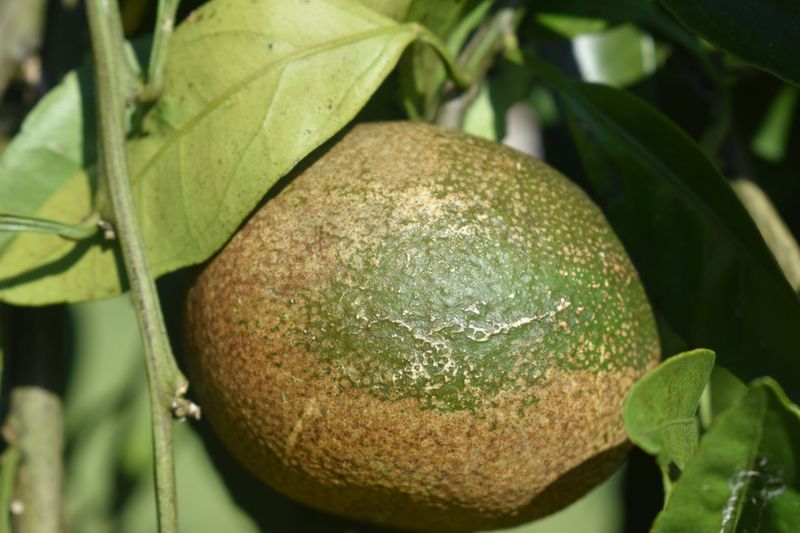
Dusty, stippled leaves and a faint bronze cast on the fruit have carried summer’s signature all season. Relief arrives with October, though it comes with a twist worth a laugh.
Pacific spider mite and twospotted spider mite thrive in hot, dry, dusty conditions. Cooler October weather slows their numbers, and natural predators keep working in the background.
Less heat stress on the tree also means less visible damage from the same amount of feeding.
Here’s the twist. Citrus red mite runs on its own calendar.
Extension research notes citrus red mite populations tend to peak in spring and fall, and dip during midsummer heat. The pest lineup does not go quiet in October. It just swaps performers.
Grab a hand lens in the coming weeks and study young leaves and green twigs closely. Citrus red mite shows up as tiny dark red specks with long hairs, and its feeding leaves silvery gray stippling behind.
Healthy trees tolerate a fair amount of mite activity without any treatment at all.
Hold off on broad-spectrum miticides for now. Sprays that wipe out predatory mites often trigger a worse flare weeks later, which defeats the whole purpose.
Set a simple routine for October. Inspect ten leaves from different sides of the tree every two weeks, and write down what you notice.
Trends matter far more than one scary leaf.
That habit takes five minutes and saves a whole lot of pointless spraying. Not bad for something shorter than your coffee break.
4. Fruit Begins Its Final Ripening Stretch
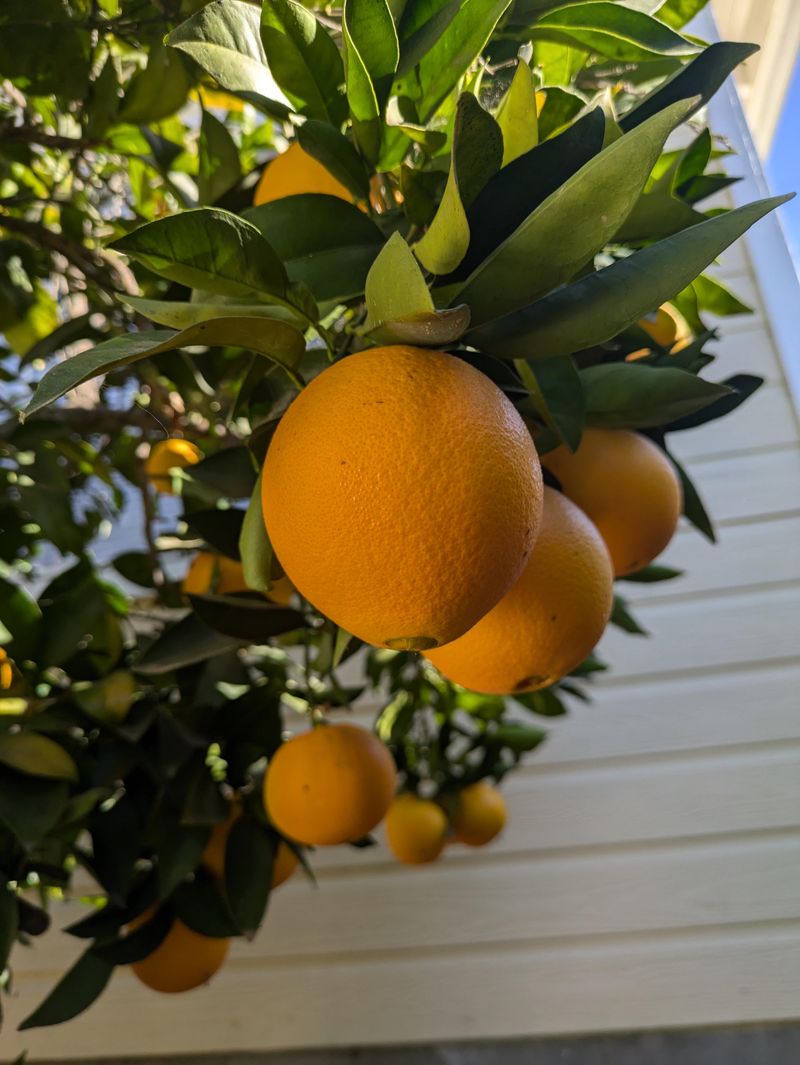
Green navels hanging heavy on the branch look stuck in place, but big changes sit just weeks away. Cool nights pull the trigger.
Citrus rind color develops as night temperatures drop, which explains why California navels start to blush orange from mid to late fall.
Sugars climb and acid falls through this stretch, so flavor keeps improving long after the peel looks ready.
Satsuma mandarins often reach peak eating quality from late October into December.
Color alone fools plenty of home gardeners. Rind color makes an unreliable ripeness gauge, since fruit can turn orange before sugars finish climbing.
Pick one fruit, taste it, wait two weeks, then taste another. Consider it a very tasty science experiment.
Steady soil moisture matters more now than any other point this year. Wild swings between bone-dry and soggy contribute to fruit splitting in navels and mandarins during fall.
Deep, even irrigation on a stretched schedule protects the crop you’ve grown since spring bloom.
Heavy limbs deserve a look before winter rain rolls in. Prop or tie branches loaded with fruit, especially on young trees, since wet fruit gets noticeably heavier fast.
Leave ripe fruit right where it hangs. Citrus stores beautifully on the branch for weeks, and navels, lemons, and mandarins hold quality better outside than in a fruit bowl on the counter.
Clip fruit with pruners instead of pulling, since a yank tears the rind and invites trouble.
Patience tastes sweeter here than speed ever could.
5. Sunburned Bark Gets A Chance To Heal
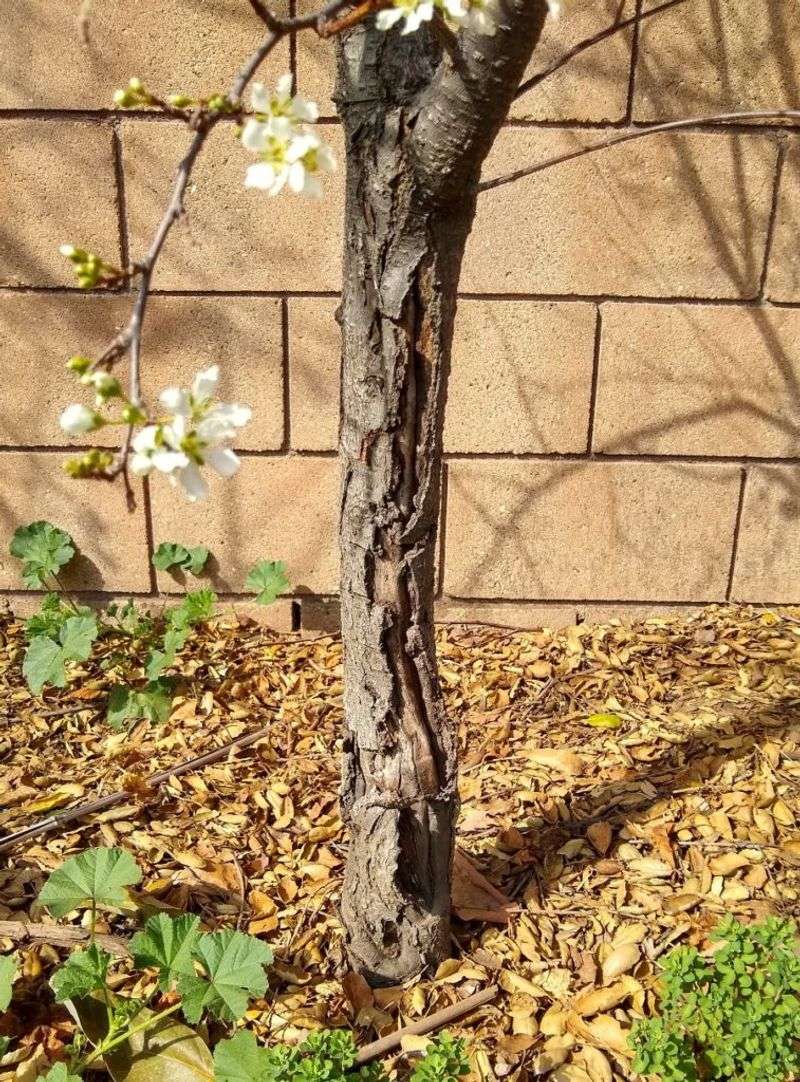
Run a hand along the southwest side of a young citrus trunk. Rough, cracked, or papery bark there tells the story of a hard summer, and it has built up since July.
Direct afternoon sun overheats thin citrus bark, especially on trunks exposed after limb loss or on recently planted trees. Once October’s sun angle drops and heat eases, that tissue finally catches a break and starts to form callus around the damaged spots.
Recovery moves slow, measured in seasons, not weeks.
Whitewash remains the standard fix. Mix white interior latex paint with an equal amount of water, then brush it onto exposed trunks and major limbs.
The coating reflects heat, costs almost nothing, and weathers off gradually on its own.
Resist the urge to peel loose bark or carve out cracks, tempting as that sounds. Open wounds invite bark borers and Phytophthora gummosis, which shows up as oozing sap near the base.
Keep irrigation water off the trunk too, since soggy bark turns far more vulnerable.
Shade helps as well. Leave low interior branches in place through fall, even the scruffy ones, because they shade the very trunk they grow from.
Light-colored cloth wraps or commercial tree guards work well on skinny young trees that need extra cover.
Plan the paint job for the first cool weekend in October. Bark that heals over the mild months handles next summer far better.
White trunks in a California orchard are not a fashion statement. They’re sunscreen, and your tree never has to reapply.
6. Pruning Waits For A Different Season
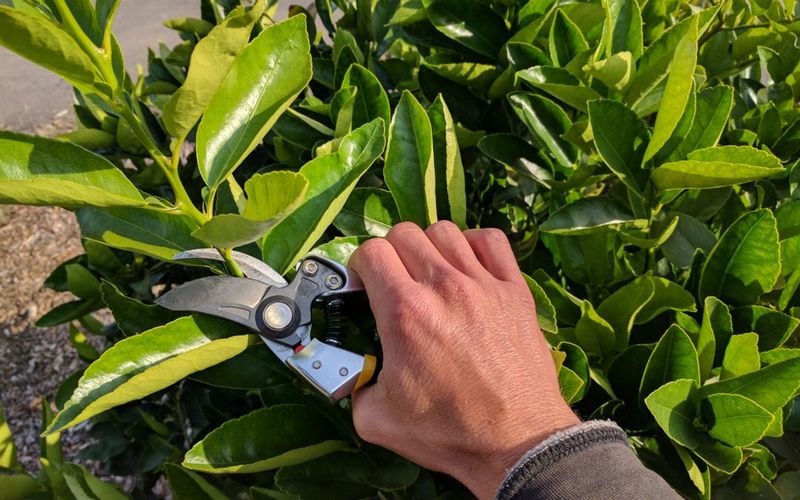
Loppers come out every fall in California backyards, usually with good intentions and bad timing. October is not the month to shape a citrus tree, no matter how tempting those stray branches look.
Cutting stimulates new growth. Fresh shoots pushed in autumn stay soft and tender, right as the first cold nights reach inland valleys.
Those shoots also pull energy away from fruit that still needs to fill out and sweeten.
Opening up the canopy creates a second problem. Every branch removed exposes bark that has stayed shaded all year, and that sets up fresh sunburn next summer.
Canopy shade acts as a citrus tree’s own sunscreen, free of charge.
Extension guidance points toward late winter and early spring, roughly February through April once frost risk passes, as the real pruning window.
Save the shaping, height reduction, and skirt lifting for then, ahead of the heavy spring bloom.
A few small tasks stay fine in October. Snip suckers that sprout below the graft union, clear brittle or broken wood, and trim back any branch that rubs a fence or roofline.
Keep those cuts small and purposeful, nothing more.
Sanitize pruners with alcohol between trees, since citrus diseases travel on blades easily. Skip hedge trimmers entirely, because they leave ragged stubs that struggle to seal over properly.
Park the loppers in the shed until Presidents Day rolls around. Your tree repays the restraint with an easier winter and a stronger spring flush.
Consider it a forced vacation. The loppers earned one too.
7. Frost Prep Starts Earlier Than You Think
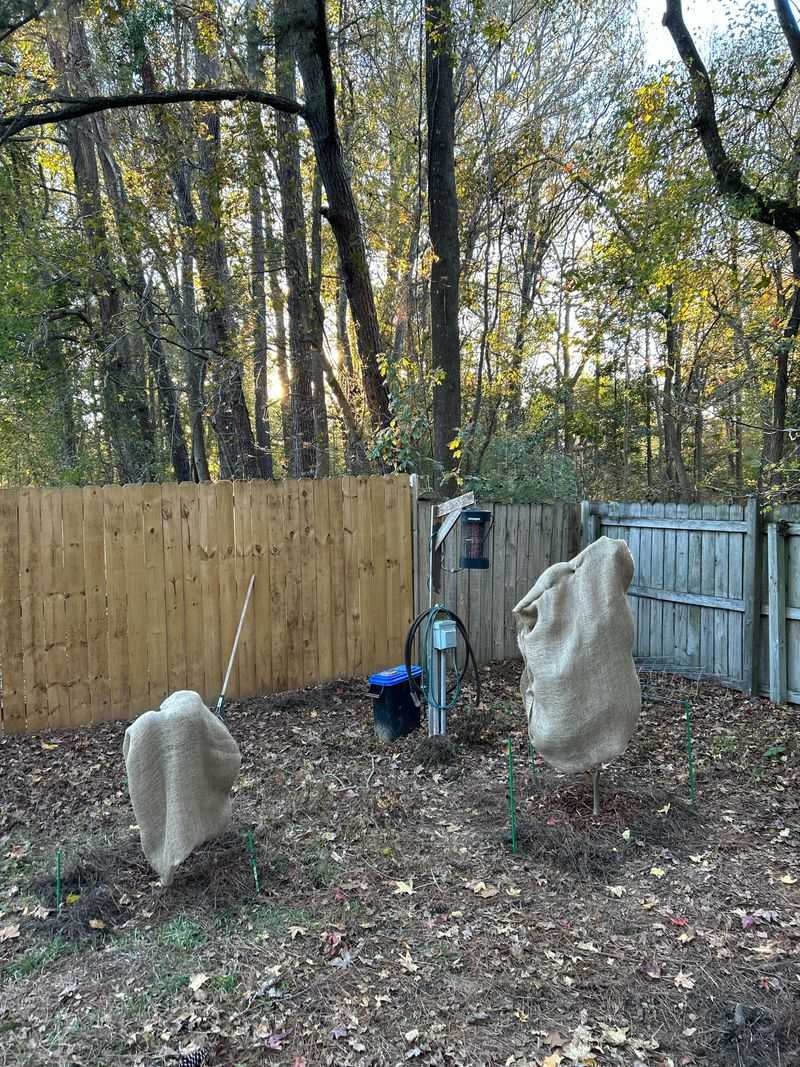
Frost cloth sells out fast the week of the first cold warning. Buy it in the coming days, and it costs the same while saving the scramble later.
Inland California valleys can see their first frost from November onward, and cold pockets occasionally catch a chilly surprise in late October.
Prep work takes real time, so treat early October as setup season. Young trees, limes, and lemons show cold damage soonest of all.
Walk the yard and note the microclimates hiding in plain sight. Low spots collect cold air, while ground near a south-facing wall stays noticeably warmer.
Knowing which tree sits in the cold sink tells you exactly where to focus first.
Extension frost protection advice favors moist, firm, bare soil under the canopy, since damp ground absorbs daytime heat and releases it back overnight.
Pull thick mulch away from directly beneath the tree, and water a day or two before a predicted cold night arrives.
Gather the kit now. Frost blankets or old sheets, stakes to hold fabric off the foliage, trunk wraps for trees under three years old, and a min-max thermometer all earn a spot on the list.
Strings of old-style incandescent lights add a few extra degrees of warmth under a cover.
Skip plastic sheeting that touches leaves, since it conducts cold straight into the tissue, and pull covers off each morning for light and air.
Lighter water, paused fertilizer, patient pruning, and early frost planning all point toward the same payoff. Heavy, sweet fruit on the branch come January, and bragging rights that last well past that.