The Backyard Feeder Mistake That Can Hurt California Hummingbirds In August
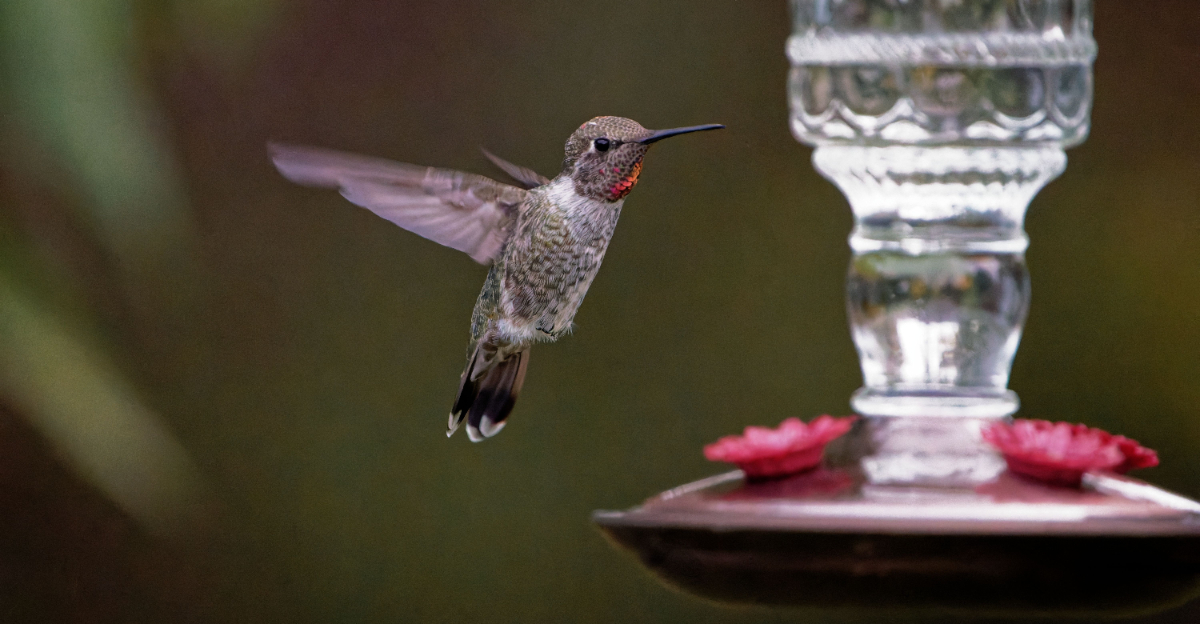
A hummingbird feeder can stay busy even when the nectar inside has been sitting there far too long. That is what makes this summer mistake so easy to miss.
California’s August heat can change sugar water quickly, especially when a feeder hangs in direct sun or goes several days without being refreshed.
The birds may keep visiting out of habit, so frequent activity does not necessarily mean the nectar is still in good condition.
Neglect becomes the real risk, not the feeder itself. A container that looks half full can already be overdue for attention, and topping it off without properly cleaning the feeder only extends the problem.
Warm weather makes a regular maintenance routine far more important than it may have seemed in spring.
If hummingbirds are relying on your yard right now, what is left sitting in that feeder deserves a closer look.
1. Make Sure You Don’t Forget The Nectar
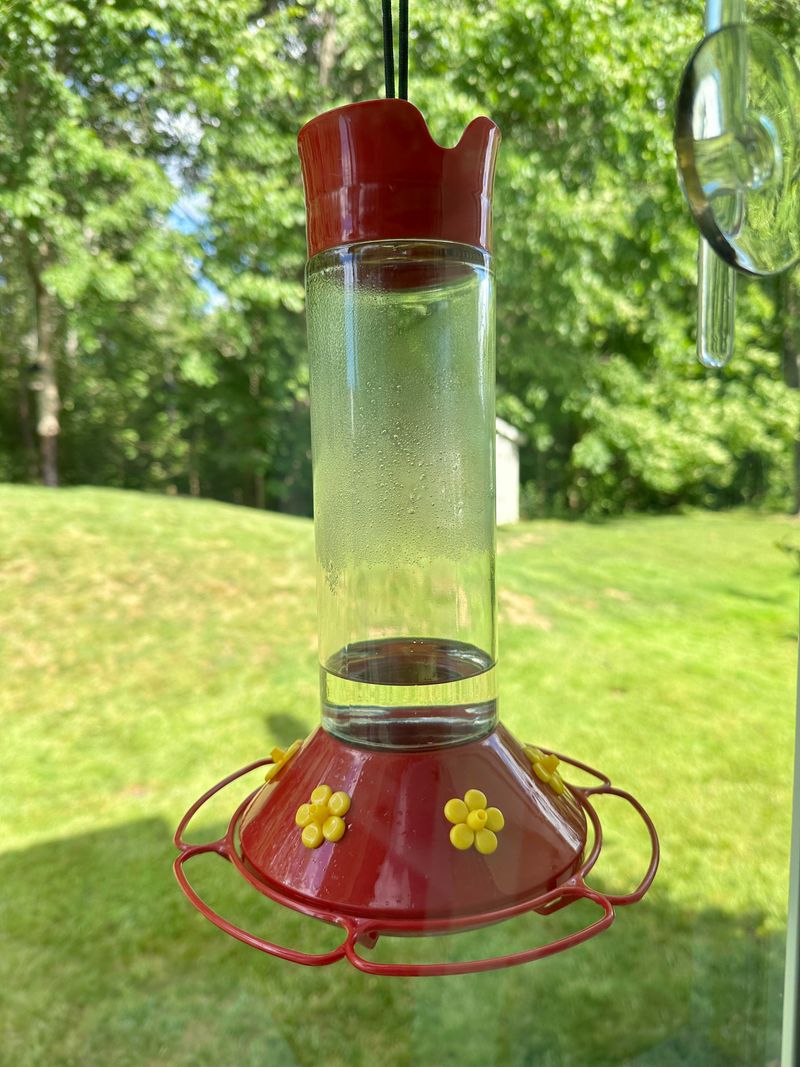
Most people set up their hummingbird feeder, fill it up, and forget about it for a week. That might work fine in cooler weather, but August is a different story.
When temperatures climb above 80 or 90 degrees, nectar can go bad in as little as one to two days.
Nectar is basically sugar water, and warm conditions make it a perfect place for mold and fermentation to grow fast.
When hummingbirds drink spoiled nectar, it can upset their digestive systems and make it harder for them to stay healthy during migration prep.
You would not drink a glass of juice that sat in the sun all week, and neither should they.
A good rule of thumb is to change your nectar every one to two days when it is hot outside. Yes, that means more frequent refills, but it also means the birds visiting your yard stay safe and keep coming back.
If you notice the nectar looks cloudy or smells sour before your scheduled change, swap it out right away. Do not wait.
Keeping a small batch of fresh nectar in your fridge makes the process easier. Mix one part white sugar with four parts water, and you are good to go.
Staying on a regular schedule during August is one of the kindest things you can do for your hummingbird visitors.
2. August Sun Turning Sugar Water Bad Fast
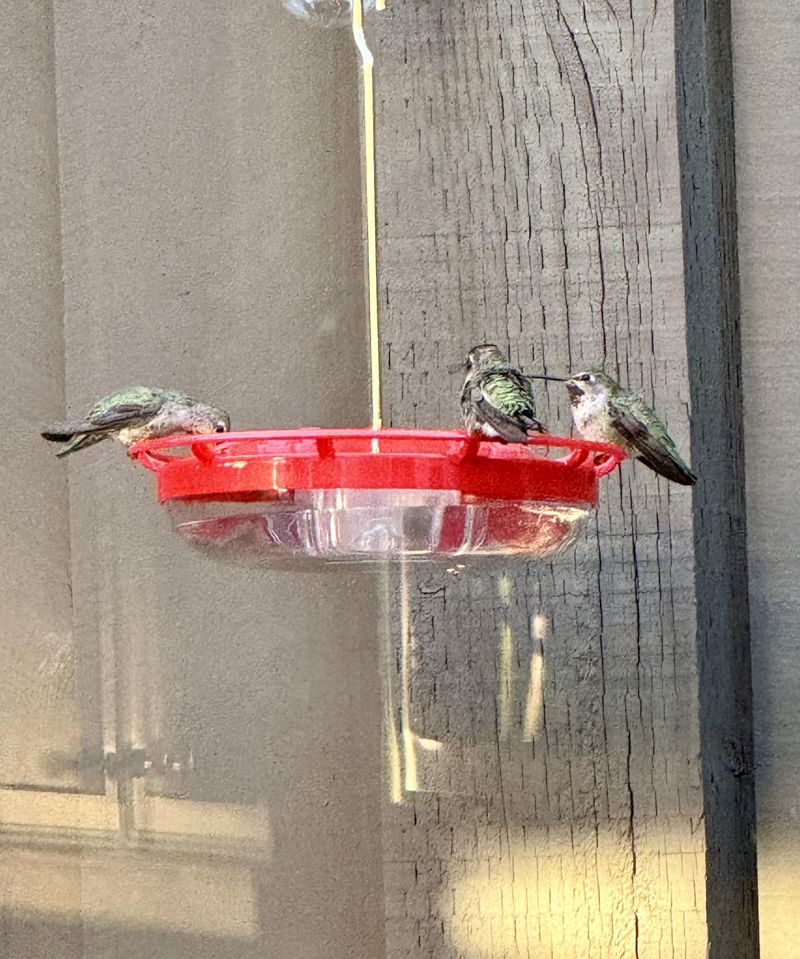
Sugar water sounds simple and harmless, but it has a short shelf life once the California August sun gets involved.
The combination of heat and sunlight speeds up the breakdown of sucrose into other compounds that are not good for hummingbirds.
What looks like clear nectar in the morning can already be on its way to spoiling by afternoon.
Sunlight also encourages algae growth inside the feeder, especially in red or clear plastic models. You might notice a greenish tint forming on the inside walls of the feeder.
That is algae, and it is a sign that the feeder needs a thorough cleaning right away.
The science behind it is pretty straightforward. Heat accelerates chemical reactions, and sugar water is no exception.
Your California Garden Changes Every Week. Your Plan Should Too.
Gardening in California changes quickly throughout the season. Every Friday you’ll receive a simple weekly plan showing exactly what to plant, prune, fertilize, harvest, and protect so you never miss the right timing.
Fermentation can begin within 24 hours on a hot day, producing small amounts of alcohol that are harmful to tiny hummingbirds. Their bodies are not built to handle fermented liquids.
One practical fix is to make smaller batches of nectar so you are not tempted to leave a large amount sitting out. Fill the feeder only halfway during peak heat weeks.
That way, the birds use it up faster, and you are refreshing it more often. Smaller and fresher is always better than a full feeder that has been baking in the sun for days.
3. Cloudy Nectar Is A Big Red Flag
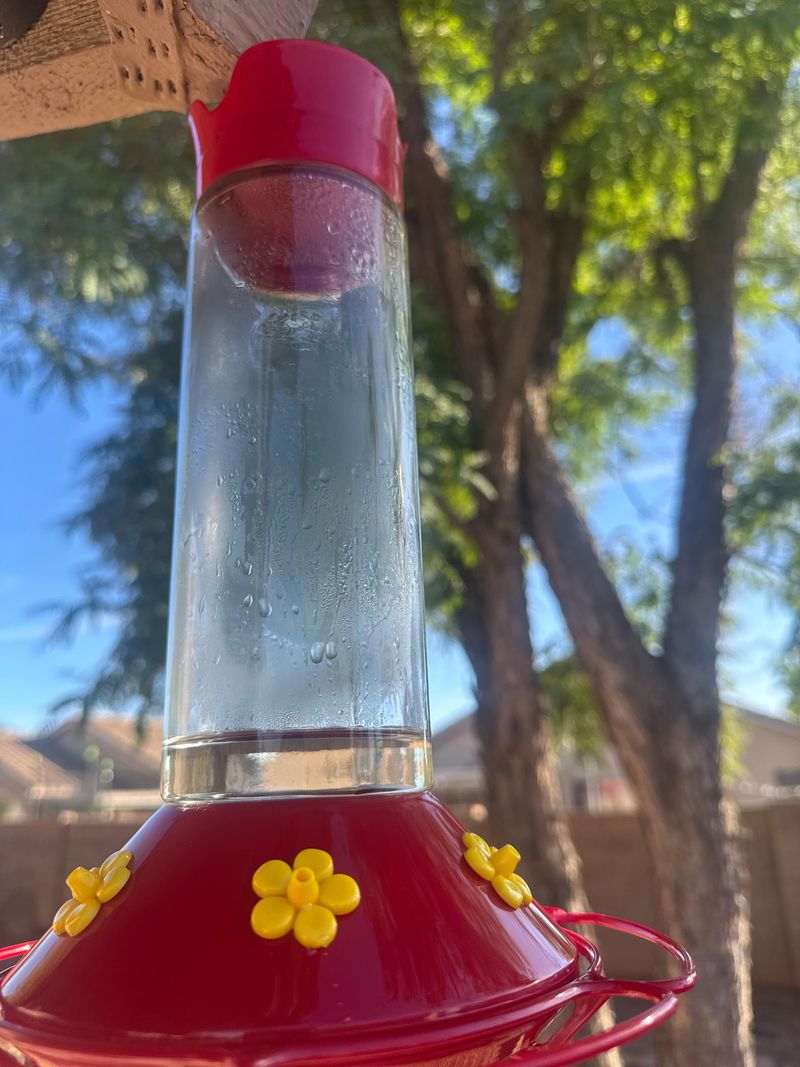
Clear nectar turning cloudy is one of the most obvious warning signs that something has gone wrong inside your feeder.
A lot of people see it and think it is just bubbles or condensation, but cloudy nectar almost always means bacterial or fungal growth has started. That is not something you want hummingbirds drinking.
Bacteria thrive in warm, sugary environments. Once they get established inside a feeder, they multiply fast.
The nectar can go from slightly hazy to full-on murky in just a few hours on a hot August day. At that point, the feeder needs to be emptied, scrubbed, and refilled before you put it back outside.
Here is what makes this tricky: hummingbirds will often still drink from cloudy nectar because they cannot smell or taste the difference the way we might.
That means the responsibility falls entirely on you as the feeder host to catch the problem before it gets too bad.
Get into the habit of doing a quick visual check on your feeder every morning. Hold it up to the light and look through the reservoir.
If the liquid looks anything other than crystal clear, it is time for a change. Keeping a clean sponge or bottle brush near the feeder makes it easier to do a quick scrub without a big production. Staying observant is your best tool here.
4. Hot Feeders Becoming Bacteria Magnets
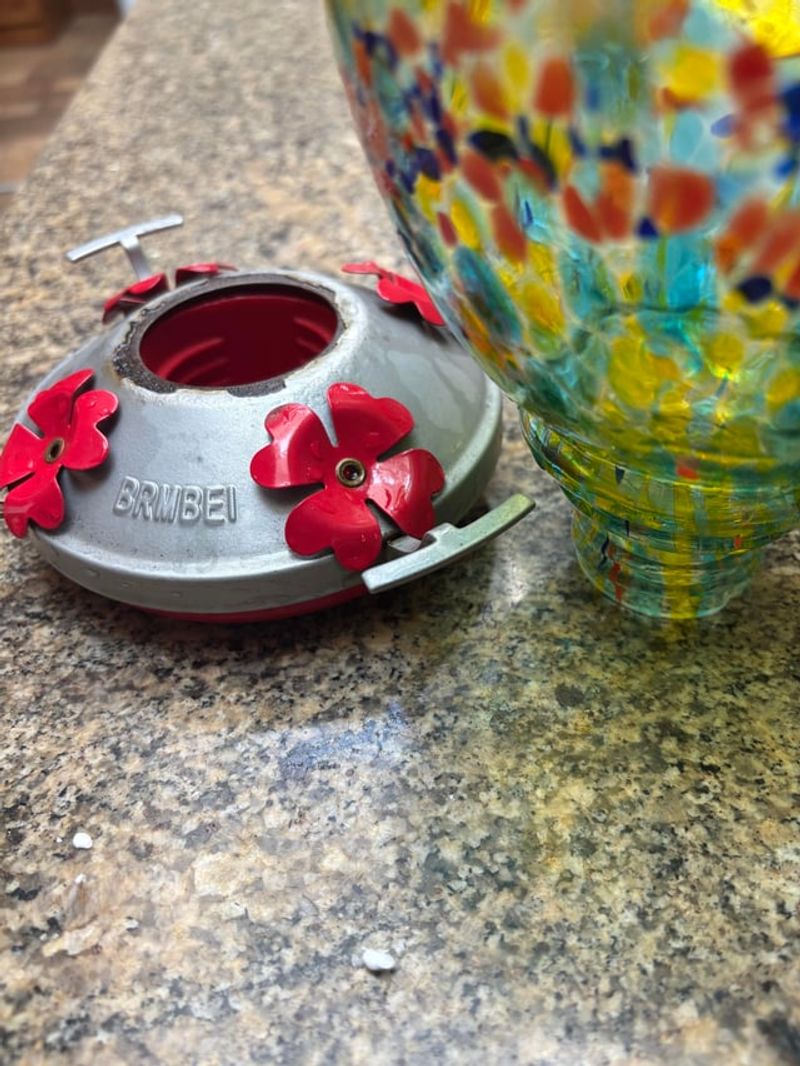
When a feeder sits in the sun all day, the plastic or glass heats up and acts almost like an incubator. The warm walls of the feeder create the perfect environment for bacteria to cling to and grow.
Even if the nectar itself looks okay, the inside surfaces of a hot feeder can be coated in a thin layer of bacteria you cannot see.
This is especially true for feeders with small ports or tight spaces that are hard to scrub. Bacteria love to hide in corners, grooves, and around the feeding ports.
A feeder that feels warm to the touch has likely already been at a temperature that encourages microbial growth for hours.
Cleaning your feeder is not just about rinsing it out. You need to use a bottle brush and warm water to physically scrub all the inner surfaces.
Some birders use a diluted white vinegar solution to help cut through any buildup. Avoid soap with strong fragrances, as residue can be harmful to hummingbirds.
Try to clean your feeder at least every two days in August, and every single day if temperatures are above 90 degrees. It sounds like a lot, but a clean feeder takes only a few minutes to wash out and refill.
Making it part of your morning routine keeps it from feeling like a chore and keeps your backyard visitors safe all season long.
5. Skipping Cleanings During The Busiest Weeks
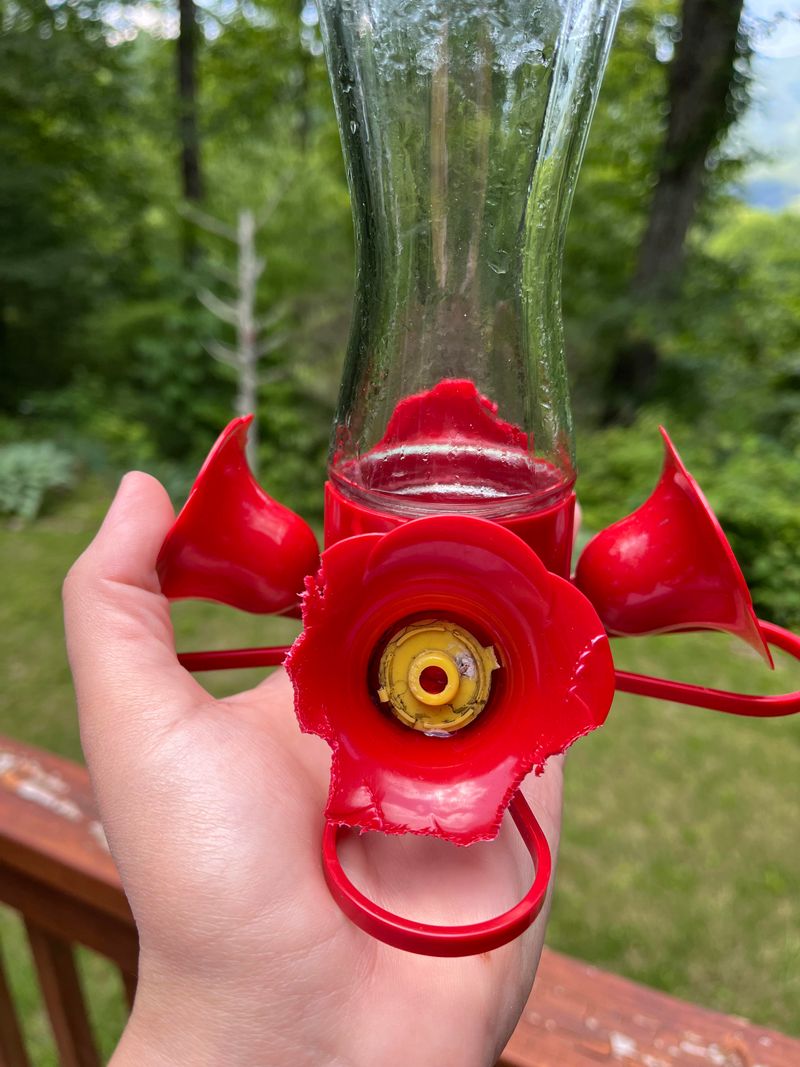
August is often the peak of hummingbird activity in many California regions. More birds are visiting, which means feeders get used up faster.
But here is the catch: more birds also means more saliva and debris gets introduced into the nectar, which speeds up spoilage even more. Skipping cleanings during these busy weeks is one of the worst things you can do.
It is easy to think that because the nectar is getting used up quickly, there is no need to clean as often. But even if a feeder is emptied and refilled daily, the ports and reservoir still need regular scrubbing.
Old nectar residue builds up on surfaces and becomes a source of contamination for fresh batches.
Black mold is a particularly common problem in hummingbird feeders during summer. It shows up as small dark spots inside the reservoir or around the feeding ports.
If you see black mold, the feeder needs more than a quick rinse. You should soak it in a diluted vinegar solution for at least an hour before scrubbing thoroughly.
Setting a reminder on your phone can help you stay consistent with cleanings. Even a quick rinse and refill every other day makes a real difference.
The birds that visit your feeder are trusting you to provide something safe. Keeping up with cleanings during the busiest weeks is how you earn that trust and keep them coming back.
6. Topping Off Old Nectar Instead Of Replacing It
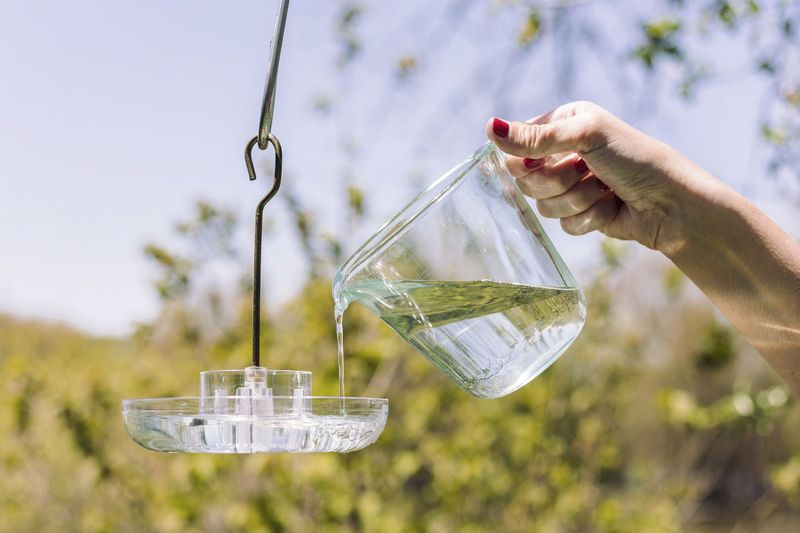
Pouring fresh nectar on top of old nectar feels efficient, but it is actually one of the most common mistakes backyard birders make.
When you add new sugar water to a feeder that still has old nectar in it, you are mixing fresh liquid with whatever bacteria, mold spores, or fermented compounds are already present.
The old stuff contaminates the new stuff almost immediately. Think of it like adding fresh milk to a glass that still has old milk at the bottom. Even if the new milk is perfectly fine on its own, the mixture becomes questionable right away.
The same principle applies to hummingbird nectar, and the stakes are higher because small birds are much more sensitive to contamination than humans are.
The right approach is to always empty the feeder completely before refilling. Give it a quick rinse at minimum, and a full scrub every two to three days.
Pouring out nectar that looks fine might feel wasteful, but it is far better than the alternative.
If you are trying to reduce waste, the solution is simple: make smaller batches. Mix only as much nectar as your feeder can hold, and only fill the feeder halfway during hot weeks.
That way, the birds use it up before it has a chance to go bad. Freshness is always more important than convenience when it comes to keeping hummingbirds healthy.
7. Hanging Feeders Where Afternoon Sun Bakes Them
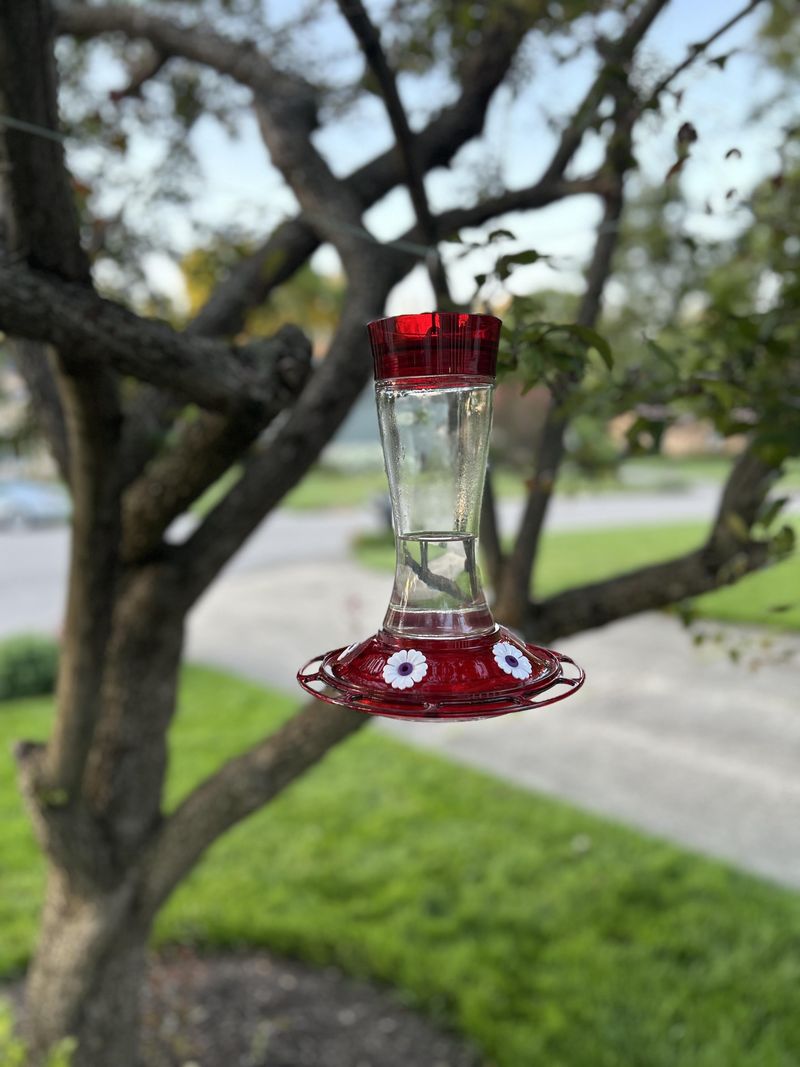
Where you hang your feeder matters just as much as how often you clean it. A feeder placed in a spot that gets direct afternoon sun in August is going to heat up fast.
The nectar inside can reach temperatures that accelerate spoilage well before you even think about changing it. Location is everything during the summer months.
Morning sun is generally okay because temperatures are still manageable early in the day. But afternoon sun, especially between noon and five in the evening, is intense.
A feeder baking in that kind of heat for several hours is essentially cooking the nectar inside. Even a feeder you just filled in the morning can be compromised by early afternoon.
Moving your feeder to a shaded spot is one of the easiest and most effective changes you can make.
Look for a location that gets morning light but is shaded by a tree, awning, or overhang during the hottest part of the day.
Hummingbirds will find it no matter where you move it, so do not worry about them losing track of the feeder.
If full shade is not possible in your yard, consider using a feeder with a built-in UV-resistant cover or hanging a small piece of shade cloth nearby. Even a few degrees of temperature difference inside the reservoir can extend the freshness of your nectar by several hours.
Small adjustments like this add up to a much safer feeding experience for the birds.
8. Why Fresh Nectar Matters More During Heat Waves
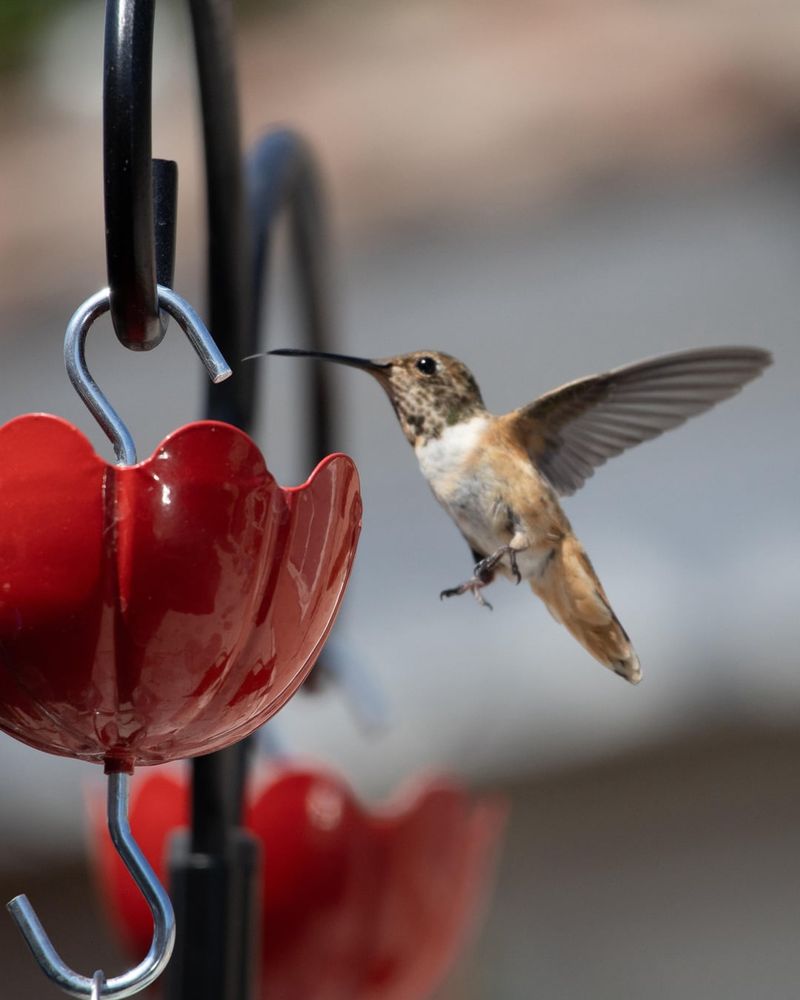
California heat waves push hummingbirds to work harder than usual. They are burning more energy just to regulate their body temperature, and they need reliable, high-quality fuel to keep going.
When the nectar in your feeder is fresh and clean, it gives them exactly what they need. When it is not, it adds stress to an already demanding situation.
During a heat wave, natural nectar sources like flowers can also dry up faster than usual. That means hummingbirds may be relying on your feeder more heavily than at any other time of year.
A feeder with spoiled or fermented nectar during this period is not just unhelpful, it is actively working against the birds you want to support.
Fresh nectar also has the right sugar concentration. When nectar sits too long, water evaporates and the sugar concentration increases, which can put strain on a hummingbird’s kidneys.
Keeping the ratio at one part sugar to four parts water, and changing it regularly, ensures the birds are getting a safe and balanced energy source.
During a heat wave, bump up your cleaning schedule to every single day if you can. Keep a pitcher of pre-mixed nectar in the fridge so refilling takes only a minute.
Your consistency during these intense weather periods makes a genuine difference in how well local hummingbirds fare. Being a responsible feeder host means stepping up your care routine when the birds need it most.