What Those Holes In Newly Planted North Carolina Broccoli Are Telling You
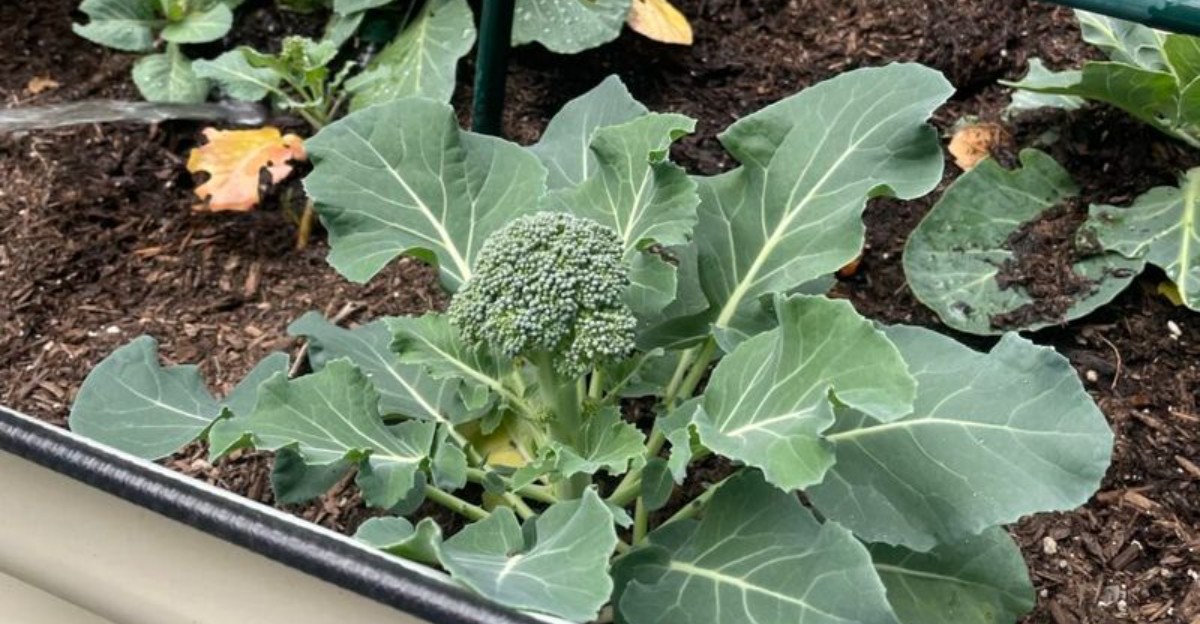
Small, irregular holes appearing in the leaves of newly planted broccoli are a common early warning sign in North Carolina gardens, usually pointing to pest activity rather than a random cosmetic issue.
Cabbage worms, flea beetles, and other common cool-season pests are frequently responsible for this kind of damage, targeting young, tender broccoli leaves that are especially vulnerable right after transplanting.
Because these seedlings have limited leaf area to begin with, even moderate feeding damage can meaningfully slow their growth compared to what it would do to a mature plant.
Identifying which pest is responsible makes a real difference in choosing an effective, targeted response rather than guessing at a solution.
Catching and addressing this damage early gives young broccoli plants a much better chance at recovering fully as they continue to establish.
1. Tiny Shot Holes Can Point To Flea Beetles
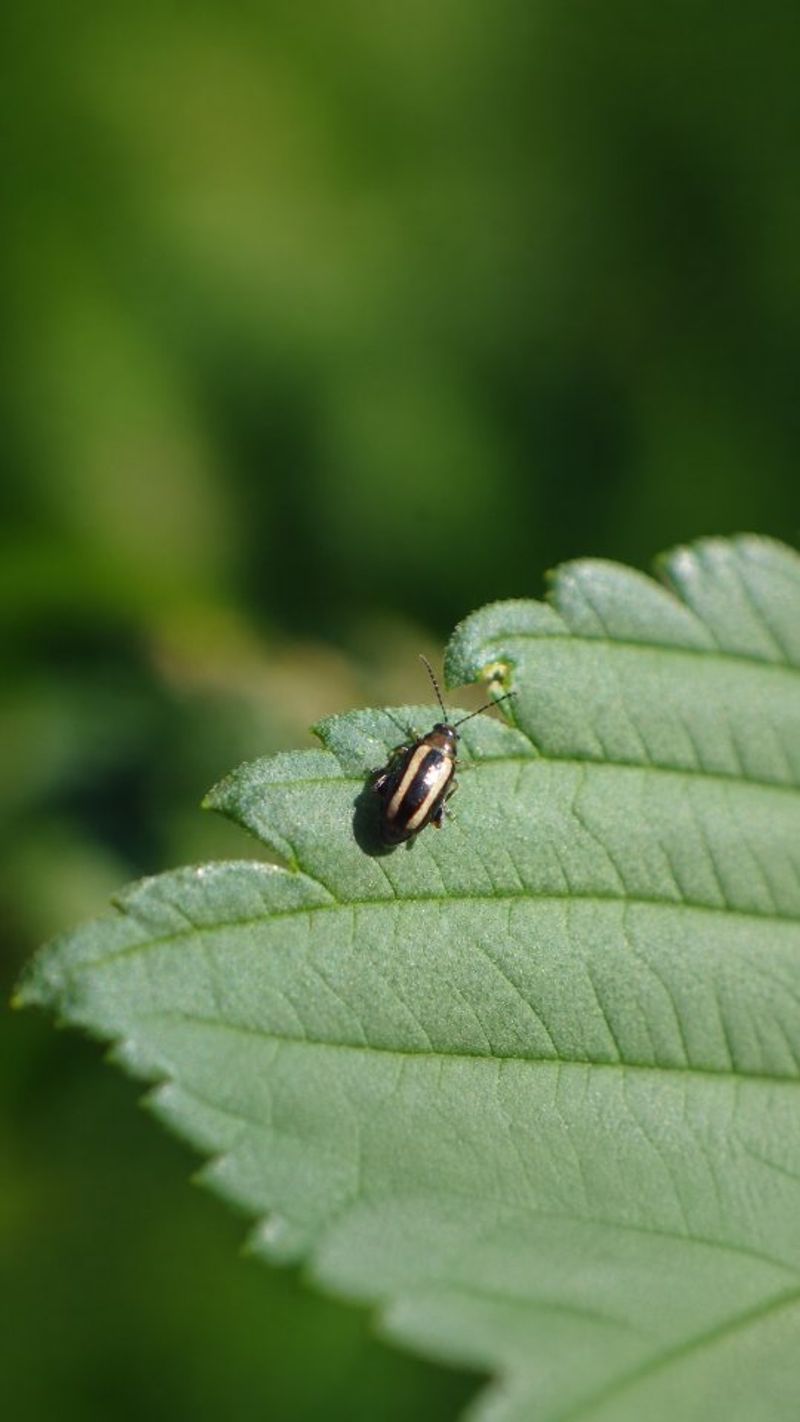
Look closely at your broccoli leaves and you might see dozens of tiny round holes that look like someone poked them with a pin. Those little marks usually point straight to flea beetles, one of the most common troublemakers for young plants.
These beetles are small, shiny, and jumpy, hopping away the second you get close. They chew fast, and because they are so tiny, gardeners often notice the damage before they ever spot the bug itself.
Seedlings and freshly transplanted broccoli are especially easy targets. Small plants have fewer leaves to spare, so even a handful of beetles can slow down growth quickly. A larger, older plant can shrug off some nibbling, but a tender seedling really feels it.
Warm spring days in North Carolina often bring these pests out in full force. They love the soft, new growth that shows up right after planting, which is exactly when your broccoli is most fragile.
Checking your plants every couple of days helps you catch the problem early. If you see the shot-hole pattern spreading, a lightweight row cover can block the beetles from reaching the leaves.
Keeping the area around your plants tidy also helps, since weeds and leftover plant bits give beetles a cozy place to hide.
A little attention now saves you from bigger headaches later, and your broccoli will thank you with faster, greener growth as the season warms up.
2. Large Irregular Holes Often Mean Caterpillars
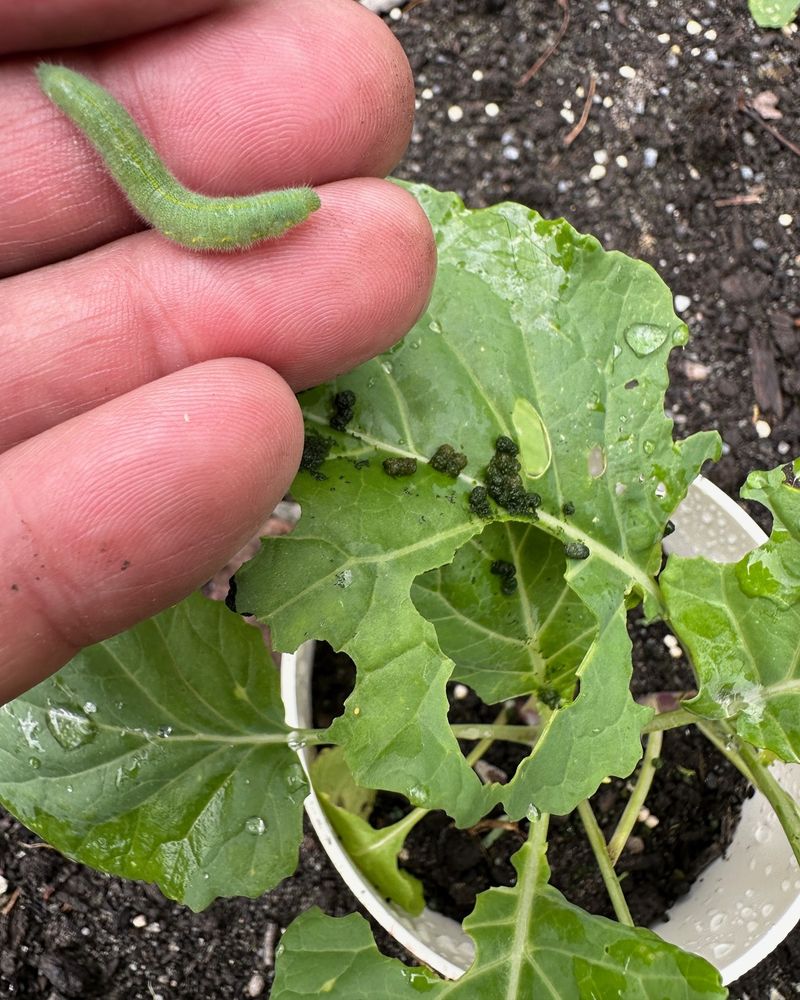
When you find big, ragged holes instead of tiny dots, caterpillars are usually the reason. These munchers take much bigger bites, leaving leaves looking torn and chewed up around the edges.
Cabbageworms are the most common caterpillar guests on broccoli, and they blend in shockingly well. Their soft green color matches the leaves almost perfectly, so they can feast for days before you notice them.
Because they hide so well, you have to look carefully. Turning over the leaves is the trick, since caterpillars love to rest on the shady underside where birds and gardeners rarely glance.
You may also spot small clusters of tiny eggs stuck to the leaf bottoms. Catching those eggs early means you can stop the next round of hungry caterpillars before they even hatch.
Your North Carolina Garden Changes Every Week. Your Plan Should Too.
Gardening in North Carolina changes quickly throughout the season. Every Friday you’ll receive a simple weekly plan showing exactly what to plant, prune, fertilize, harvest, and protect so you never miss the right timing.
The damage can add up fast. A single caterpillar might not seem like much, but a group of them can strip a young broccoli plant down to the stems in just a few days.
Watch for other clues too, like little green or dark specks on the leaves. Those specks are droppings, and they often lead you right to the caterpillar hiding nearby.
Making leaf checks part of your routine keeps you one step ahead. A quick daily walk through the garden, flipping a few leaves as you go, helps you spot trouble while it is still small.
Your broccoli grows best when you stay curious and keep watching for these sneaky visitors.
3. Check Under Leaves Before Treating
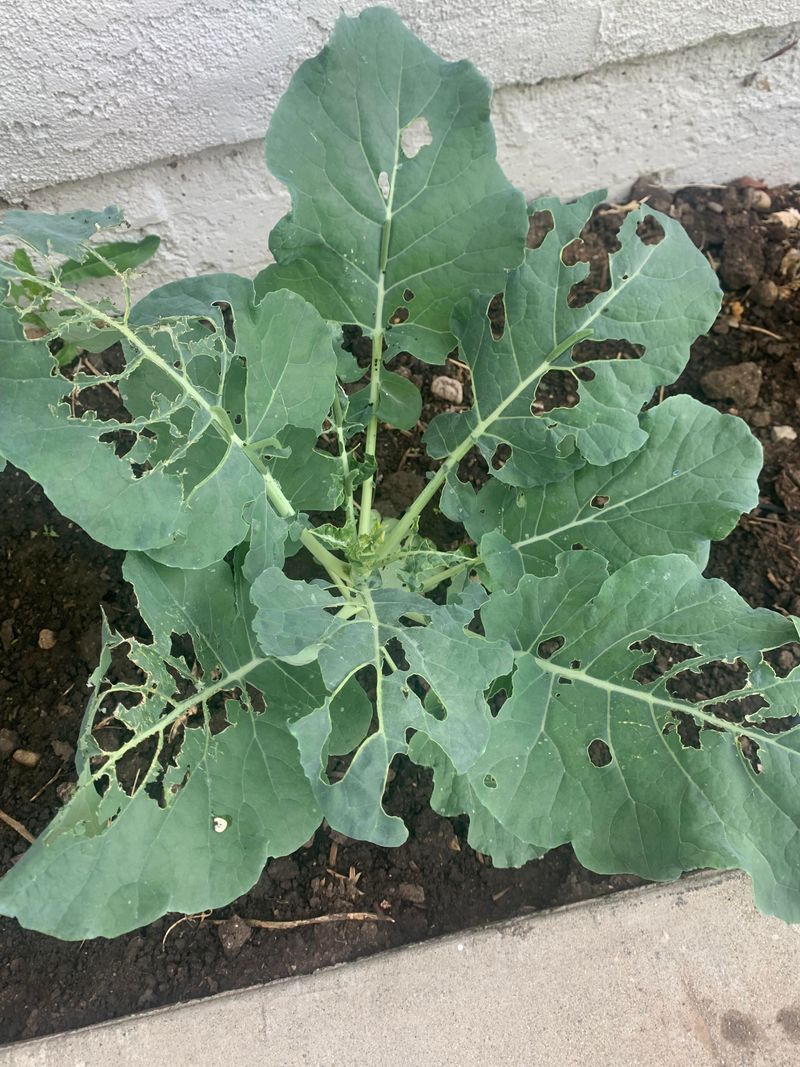
Before you reach for any spray or treatment, flip those leaves over first. The underside is where most of the action happens, and it holds the answers you need.
Pests are smart about staying hidden. Eggs, tiny caterpillars, and even clusters of aphids often cling to the bottom of leaves, safely out of sight from the top view most gardeners take.
Knowing exactly who is causing the damage changes everything. A flea beetle problem calls for a very different fix than a caterpillar or an aphid one, so guessing wrong can waste your time and effort.
Take a slow, careful look. Gently lift a few leaves and check for eggs, small bugs, or sticky spots. This quick habit gives you real information instead of just a guess.
Good lighting makes a big difference. Morning sun or a small flashlight helps you spot tiny eggs and pale larvae that would otherwise slip right past your eyes.
Once you know the culprit, you can pick a smart, targeted response. Sometimes the fix is as simple as wiping off eggs or picking a few caterpillars by hand.
Rushing to treat without checking often backfires. You might spray for one pest while the real problem keeps chewing away underneath, leaving you frustrated and your plants still struggling.
A few extra seconds of looking pays off big. When you understand what is really going on, you protect your broccoli the right way and avoid steps that never needed to happen in the first place.
4. Young Plants Need Extra Protection
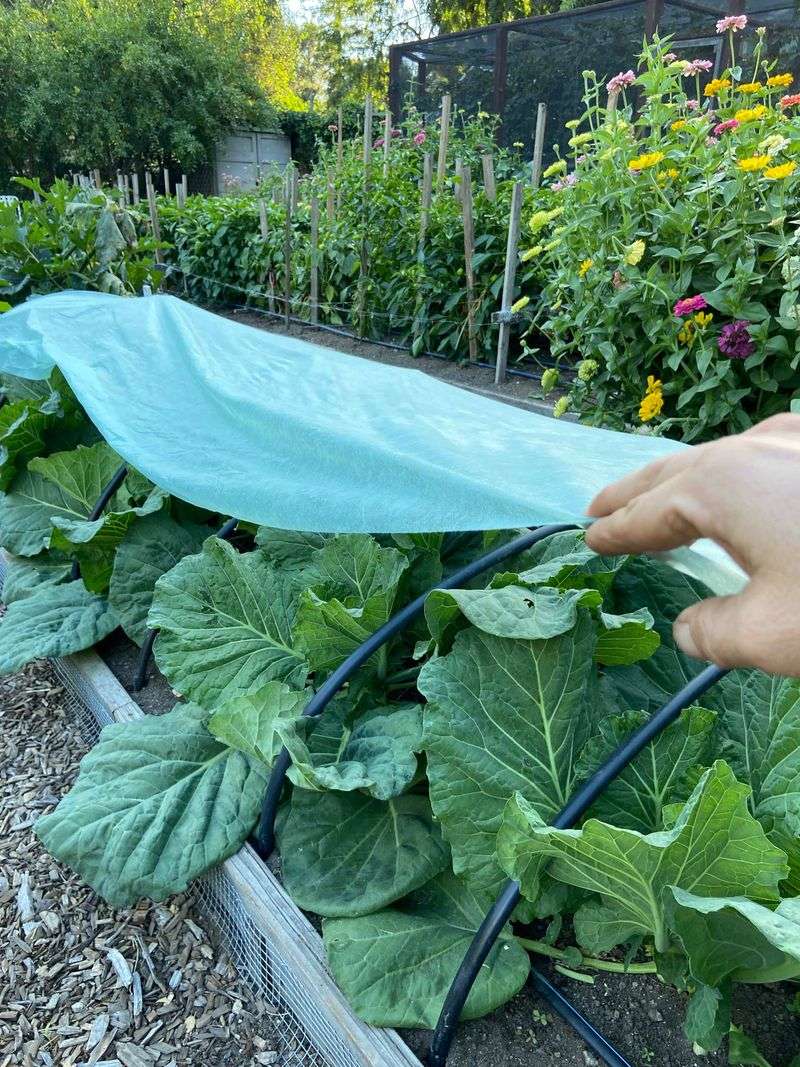
Fresh transplants are the babies of your garden, and they need a little extra care. Their small size means they cannot handle much leaf loss before growth slows down.
An older, well-rooted broccoli plant has plenty of leaves to spare. A newly planted one does not, so even a little chewing can leave it struggling to catch up.
Row covers are a gardener’s best friend during these early weeks. This light fabric drapes over your plants and blocks bugs from ever landing on the leaves, all while letting sunlight and rain pass through.
Insect netting works the same way and gives you a clear view of the plants underneath. Both options act like a gentle shield during the most fragile stage of growth.
Setting them up correctly matters. Tuck the edges into the soil or weigh them down so pests cannot sneak in through the gaps along the bottom.
Give the plants some breathing room too. Leaving a little slack in the cover lets the broccoli grow upward without getting squished against the fabric.
Once your plants grow bigger and stronger, they can handle the world on their own. Many gardeners remove the covers after a few weeks, once the broccoli looks sturdy and settled.
Timing the protection right saves you a lot of worry. By guarding those tender early leaves, you give your broccoli the strong start it needs to power through the rest of the season with ease.
5. Remove Visible Caterpillars By Hand

Sometimes the simplest fix works the best, and hand-picking caterpillars is proof. In a small garden, your own two hands can be the most powerful pest tool you own.
Grab a small container and head out to your plants. When you spot a caterpillar, gently pluck it off and drop it into the container to carry it far away from your broccoli.
Look for egg masses too. Those tiny clusters on the leaf undersides can be scraped off with a finger or a leaf, stopping the next wave before it starts.
This method costs nothing and works quickly. You get to skip the sprays entirely while still cutting down the feeding damage on your plants.
Morning is a great time to hunt. Caterpillars move slowly in the cool air, making them easier to spot and grab before the day heats up.
Follow the clues to find them. Fresh holes, droppings, and chewed edges all point you toward where the caterpillars are hiding on the plant.
Doing this every day or two keeps numbers low. A quick check turns into a habit, and soon you will spot the intruders almost without trying.
Hand-picking also keeps helpful bugs safe. Since you only remove the pests you can see, the ladybugs and other good insects in your garden stay right where they belong.
For a handful of broccoli plants, this hands-on approach often does the whole job. It is easy, free, and honestly kind of satisfying once you get the hang of it.
6. Keep An Eye Out For Imported Cabbageworms
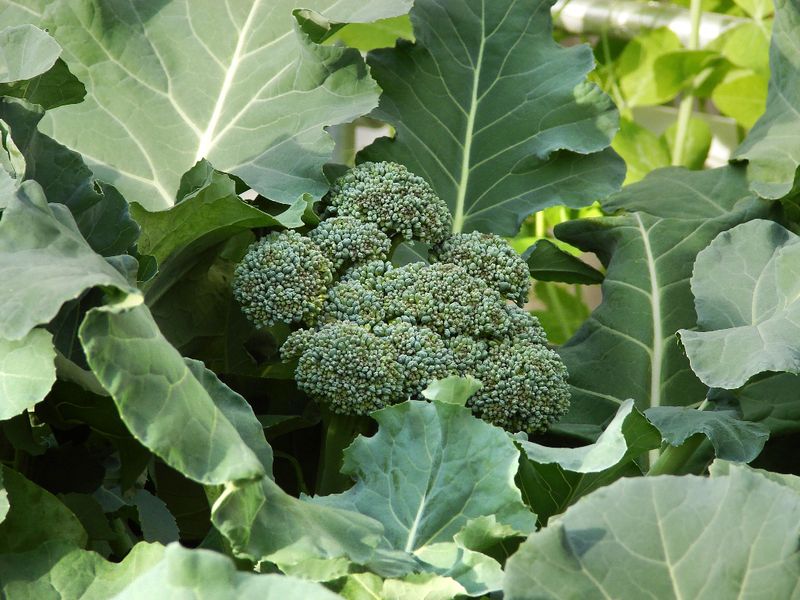
One caterpillar deserves special attention, and that is the imported cabbageworm. This velvety green muncher has a huge appetite for broccoli and its leafy cousins.
You often see the adult before the caterpillar. The white butterfly fluttering around your garden is the parent, and it lays eggs that hatch into these hungry feeders.
They target brassicas hard. Broccoli, cabbage, kale, and collards all sit high on their menu, which makes them a familiar sight in North Carolina vegetable beds.
Young plants take the biggest hit. Because these caterpillars eat so much, they can chew through a small broccoli plant faster than you might expect.
Their green color makes them tricky to find. They stretch out along leaf veins and edges, blending in so well that a quick glance often misses them completely.
Regular checking is your best defense. Looking over your plants every couple of days while they are young helps you catch these caterpillars before they cause serious trouble.
Watch for their droppings too. Small dark specks scattered on the leaves are a clear sign that an imported cabbageworm is munching somewhere close by.
When you find one, pick it off right away. Removing them by hand keeps their feeding under control without any need for sprays in a small garden.
Staying alert during those early weeks makes all the difference. Once your broccoli grows large and sturdy, it handles the pressure much better, but early watchfulness keeps your plants growing strong and full.
7. Avoid Spraying Without Identifying The Pest
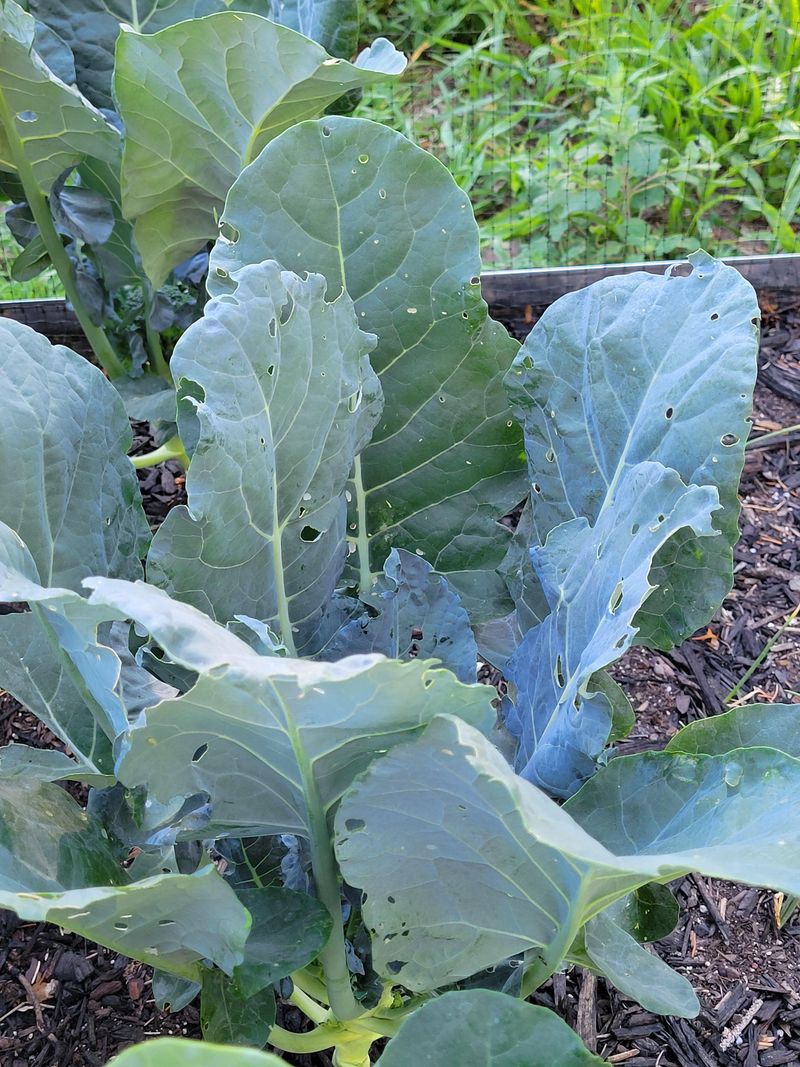
Grabbing a spray bottle might feel like the fastest fix, but slowing down first pays off. Different pests need different solutions, and one treatment rarely handles them all.
What stops a caterpillar may do nothing for a flea beetle. Spraying blindly often means missing the real cause while the damage keeps piling up on your plants.
Broad sprays come with a hidden cost. They can harm the helpful bugs in your garden, like ladybugs and tiny wasps that naturally keep pest numbers down.
Those good insects are quiet heroes. When you wipe them out by accident, pests can bounce back stronger, leaving you with an even bigger problem than before.
Figuring out the pest first keeps you in control. Once you know exactly who is chewing, you can pick a fix that targets that bug and leaves the rest alone.
Many problems do not even need a spray. Hand-picking, row covers, or a strong blast of water often solves the issue without any chemicals at all.
Take a good look before acting. Flip the leaves, study the hole shapes, and search for eggs or droppings to build a clear picture of what is happening.
This careful approach protects more than your broccoli. It keeps your whole garden balanced, healthy, and full of the beneficial life that helps plants thrive.
Patience really is powerful here. A few minutes of detective work saves money, protects good bugs, and helps you choose the smartest path to strong, thriving broccoli.
8. Protect New Growth Until Plants Recover
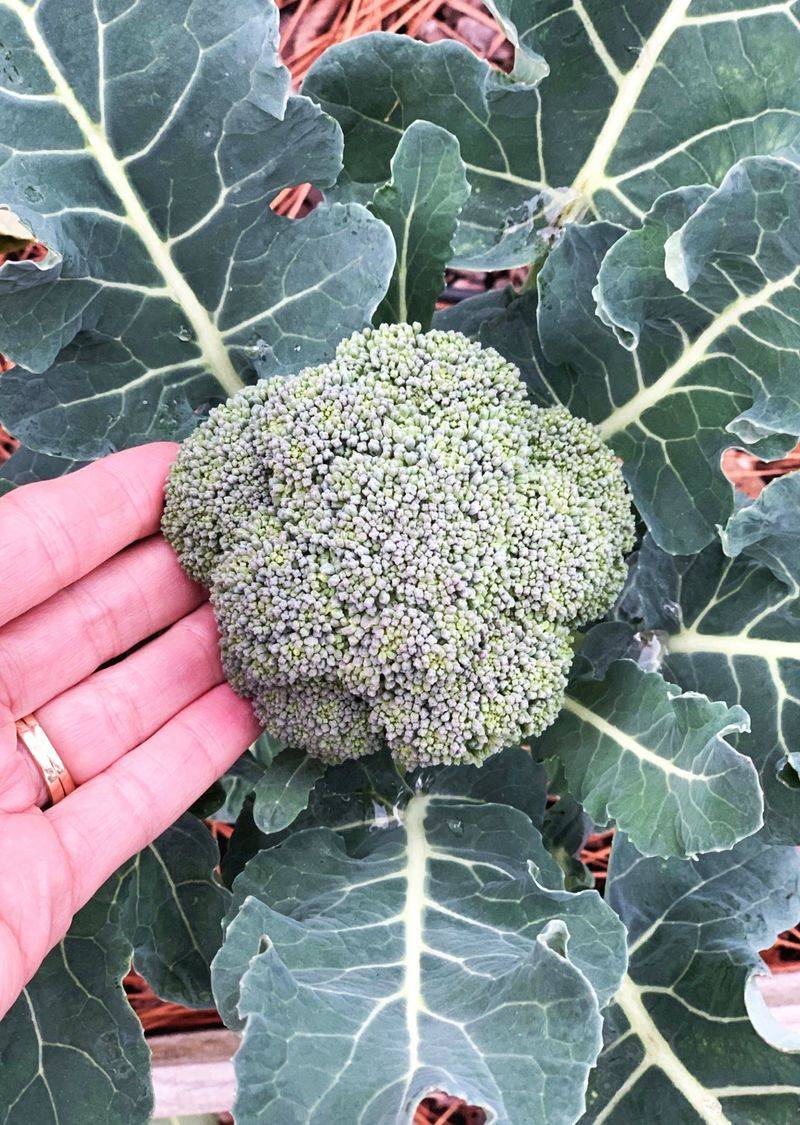
After pests have done their nibbling, the goal shifts to helping your broccoli bounce back. Fresh new leaves are the sign of recovery, and protecting them makes all the difference.
Keeping insect feeding low is step one. Fewer pests means the plant can spend its energy growing instead of constantly repairing chewed-up leaves.
Water plays a big role too. Steady, even moisture keeps your broccoli strong and helps it push out healthy new growth after a rough patch.
Do not let the soil dry out completely. Young plants recovering from damage need reliable watering to stay stress-free and keep developing at a good pace.
Guard those tender new leaves. A row cover or netting can shield the fresh growth while the plant rebuilds its strength and fills back out.
Check on your plants often during this stage. Catching any returning pests early keeps the recovery on track and stops small problems from growing large.
Timing matters as the season moves along. In North Carolina, cooler weather rolls in, and your broccoli needs to be well established before those chilly days arrive.
A little steady care goes a long way. Good watering, gentle protection, and regular check-ins give your plants the boost they need to thrive again.
Watch for the payoff. When you see bright green new leaves unfolding, you know your broccoli has turned the corner and is heading toward a healthy harvest full of tasty heads worth all the effort.