Why You Might See More Skunks Foraging In Texas Yards This Fall
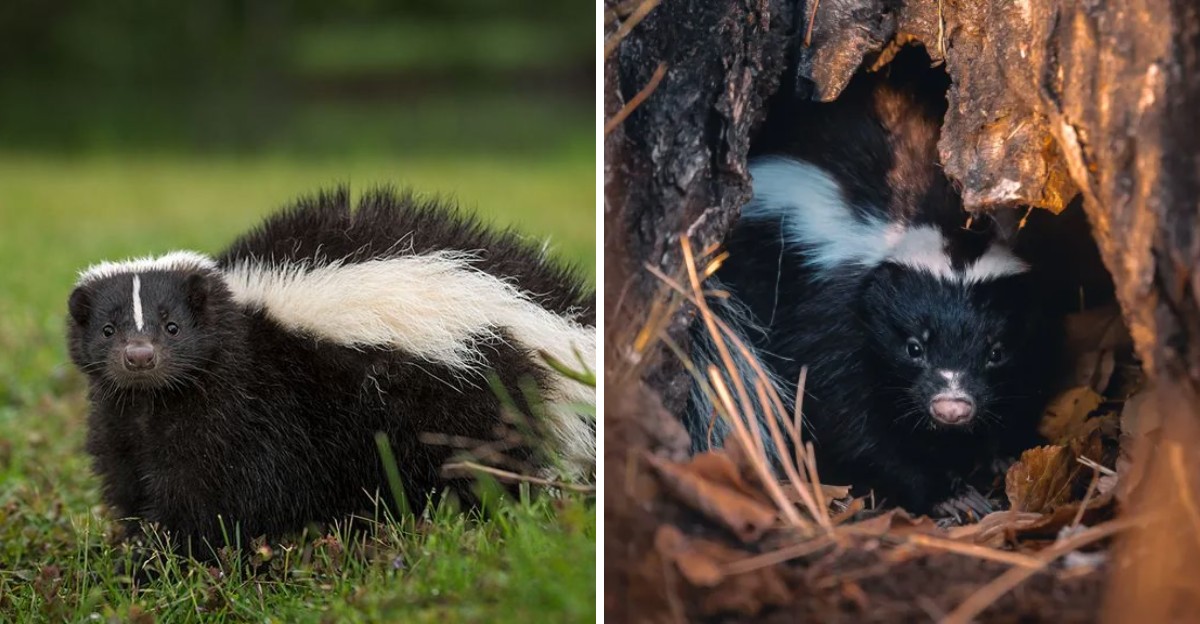
Skunks are not the kind of yard visitor most Texas homeowners welcome, but fall tends to bring them out with a regularity that catches people off guard.
If you’ve been noticing skunk activity in your yard more frequently as the season shifts, there are specific reasons behind it.
They have everything to do with what fall creates in and around residential Texas properties.
Skunks don’t forage randomly. They follow reliable food signals, and fall generates several of them.
Understanding what’s drawing skunks into Texas yards right now gives you a practical starting point for reducing encounters before they escalate into something more difficult to manage. It also explains why certain yards see far more activity than their neighbors.
1. They’re Fattening Up Before Winter
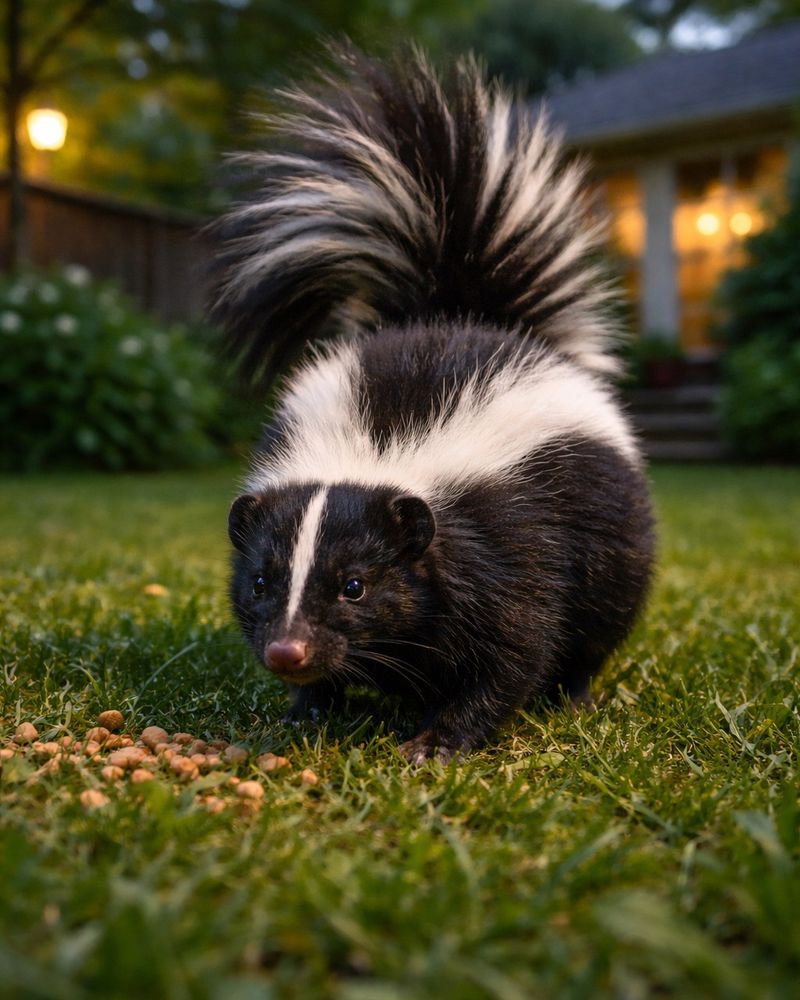
Fall is like a giant buffet season for skunks. They know colder days are coming, so they eat as much as they can to build up fat.
That extra fat helps them stay warm and survive when food gets harder to find. Because of this, skunks spend more hours each night searching for meals.
Your yard might have exactly what they crave. Bugs, worms, grubs, and fallen fruit make an easy snack for a hungry skunk.
They are not picky eaters at all. A skunk will happily munch on beetles one minute and nibble on berries the next.
During autumn, their appetite grows stronger than usual. This means they roam farther and dig more often as they hunt for calories.
You may notice small holes in your grass where a skunk dug up grubs. These little cone-shaped holes are a common sign of a foraging visitor.
To make your yard less tempting, try picking up fallen fruit and clearing away leaf piles. Keeping your lawn tidy removes some of the food they love.
You can also treat your grass for grubs if digging becomes a big problem. Fewer grubs means fewer reasons for skunks to stop by.
Remember that skunks are just doing what nature tells them to do. They are storing energy for the tough months ahead.
By understanding their fall feasting habits, you can adjust your yard to be less appealing. A few simple changes go a long way toward keeping these striped diggers at a distance.
2. Young Skunks Leaving Home
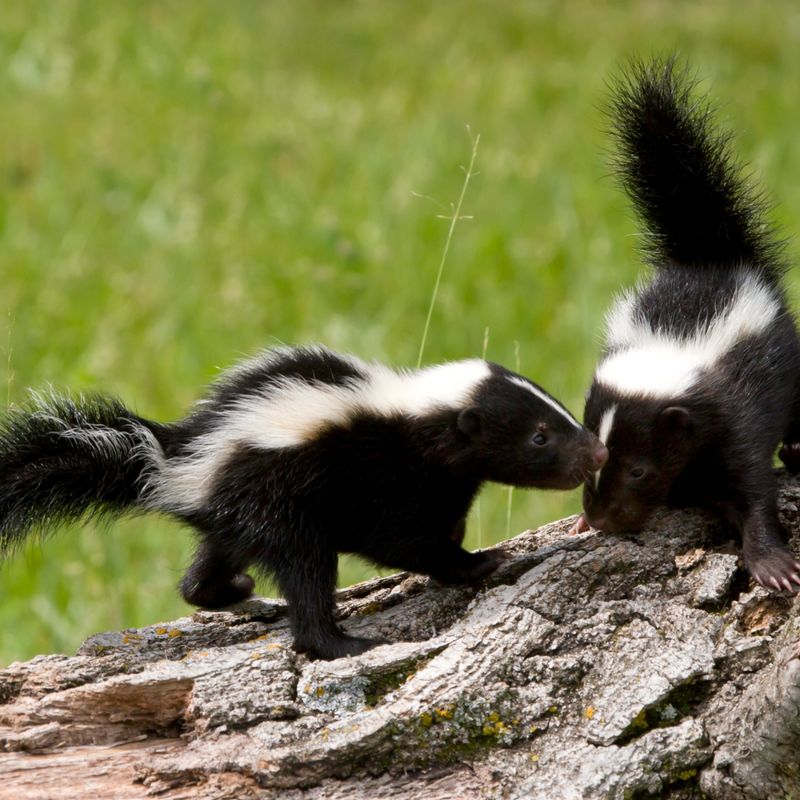
Springtime brings baby skunks, and by fall those babies have grown into curious teenagers. These young skunks are ready to leave their mothers and find their own space.
When they head out on their own, they wander into new places, including neighborhoods. That is one reason you might spot more skunks during autumn nights.
Young skunks are still learning the ropes. They have not yet figured out which yards are safe and which ones are risky.
Because of this, they often show up in surprising spots. You might see one wobbling across your driveway or poking under your porch.
These inexperienced foragers are also bolder than older skunks. They may come closer to homes because they have not learned to fear people yet.
Your Texas Garden Changes Every Week. Your Plan Should Too.
Gardening in Texas changes quickly throughout the season. Every Friday you’ll receive a simple weekly plan showing exactly what to plant, prune, fertilize, harvest, and protect so you never miss the right timing.
All that exploring means more skunk sightings for you. A single family of youngsters can spread out across several yards in one neighborhood.
To keep young skunks moving along, remove easy food sources. Secure trash cans and bring in pet bowls before nightfall.
You can also block off cozy hiding spots under decks and sheds. Sealing these gaps encourages young skunks to search elsewhere for a home.
Motion-activated lights or sprinklers can gently startle them away. Skunks prefer quiet, dark corners, so a little activity discourages them.
Keep in mind that these youngsters are simply finding their way in the world. They mean no harm and are mostly looking for a safe place to settle.
With a few smart tricks, you can guide these teenage travelers to move past your yard peacefully.
3. Cooler Weather Feels Just Right
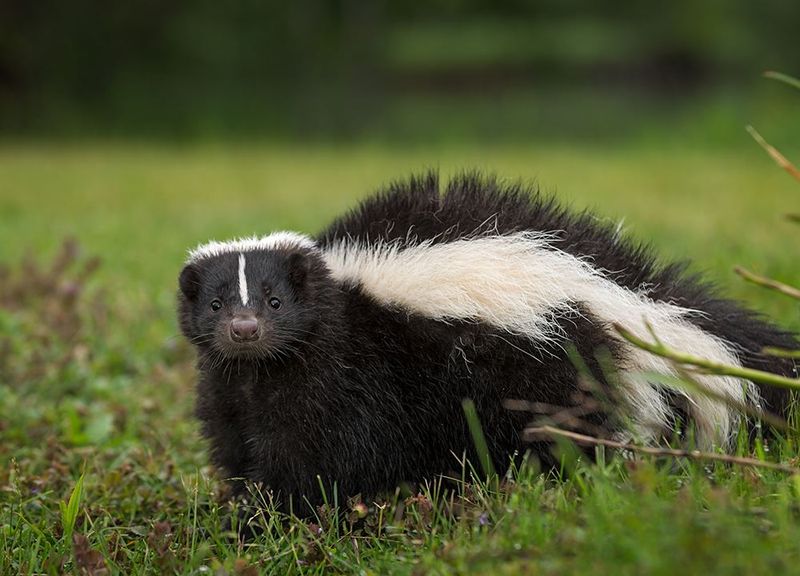
Texas summers can be brutally hot, and skunks feel that heat too. When temperatures soar, these animals often stay hidden to avoid the scorching sun.
Once fall arrives and the air turns cooler, skunks become far more comfortable moving around. The mild evenings feel perfect for a long night of foraging.
You might notice them out earlier in the evening during autumn. The pleasant weather lets them stretch their search for food over more hours.
Skunks are mostly active at night, but cool fall temperatures encourage even more roaming. They no longer need to hide from blazing daytime heat.
This comfy weather also means they cover more ground. A skunk that stayed put in summer may now wander through several yards each night.
Crisp autumn air brings out other creatures too, like insects and rodents. These make tasty targets for a skunk on the move.
To handle this seasonal boost in activity, keep your outdoor areas neat. Store firewood off the ground and clear away clutter where skunks might rest.
Check your yard at dusk for any signs of digging or wandering. Catching problems early makes them much easier to fix.
If you enjoy sitting outside on cool evenings, keep pet food indoors. Leftover kibble is a magnet for hungry skunks enjoying the nice weather.
The changing season simply matches what skunks like best. Cooler nights give them the perfect setting to explore.
By staying tidy and alert, you can enjoy the fall weather while keeping striped visitors from settling in.
4. They’re Searching For Winter Shelter
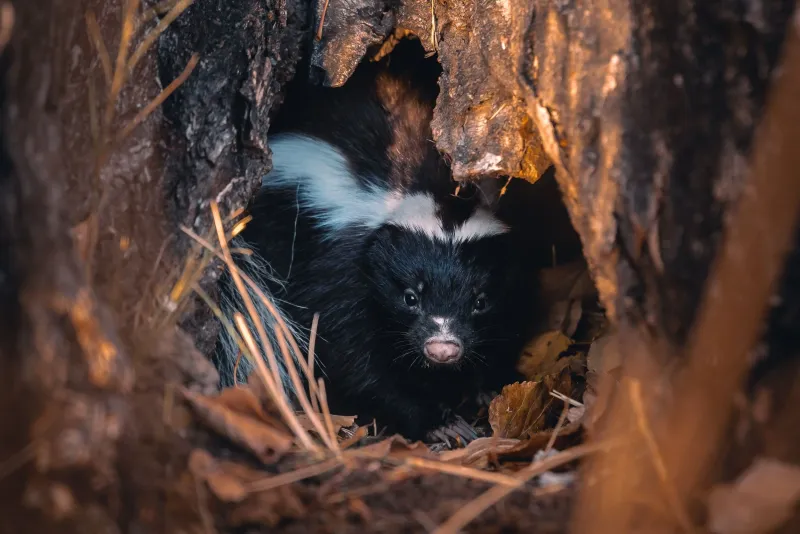
As the days grow shorter, skunks start hunting for a cozy place to stay warm. Fall is when they scout for winter dens to hide in during cold snaps.
Your yard could offer some very appealing spots. Skunks love spaces under decks, sheds, porches, and even inside old woodpiles.
These hidden areas give them shelter from wind and rain. A dark, quiet nook feels like the perfect winter home to a skunk.
During autumn, they check out many possible dens before choosing one. That exploring leads them straight into neighborhoods and backyards.
If a skunk finds a good hiding place in your yard, it may decide to stay. Once settled, it becomes much harder to encourage them to leave.
The best defense is to seal off these tempting spaces early. Use wire mesh or boards to close gaps under structures before winter begins.
Make sure no skunk is already inside before you seal an opening. You can sprinkle flour near the entrance and watch for tracks at night.
Clean up brush piles and stacked debris that could serve as a den. Removing these hiding spots makes your yard far less inviting.
Skunks also like unused pipes and hollow spaces, so check those too. A quick inspection now can save you trouble later.
Keeping your yard open and tidy tells skunks to look somewhere else. They prefer sheltered, undisturbed corners over busy, clear areas.
With a little effort in the fall, you can prevent a skunk from turning your property into its winter hideout.
5. Trash Cans And Easy Snacks Attract Them
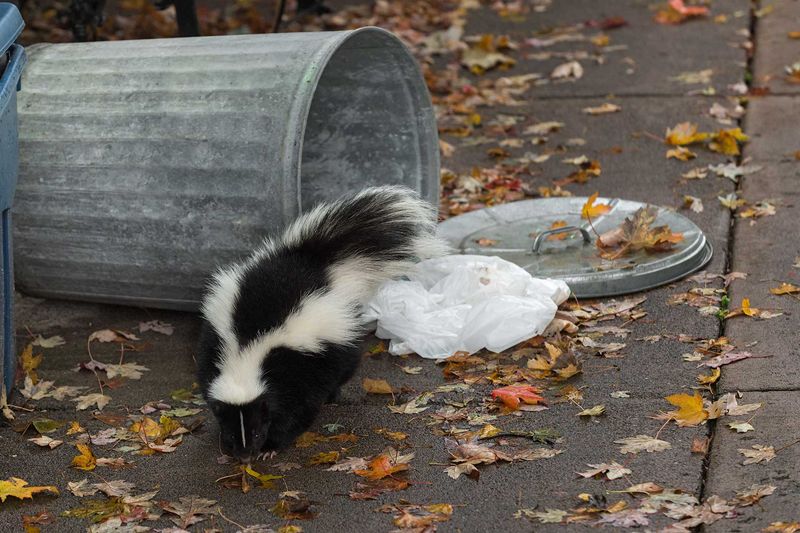
Nothing draws a skunk faster than an easy meal, and open trash cans are like an invitation. The smell of leftovers travels far and reaches their sensitive noses.
When garbage is easy to reach, skunks will happily dig right in. They tip over cans, tear into bags, and scatter scraps across the lawn.
Fall makes this behavior worse because skunks are eating more than ever. Free food from your trash saves them time and energy.
Pet food left outside is another big temptation. A bowl of kibble on the porch is basically a skunk snack bar.
Even birdseed that falls to the ground can attract them. Skunks will clean up spilled seeds along with any bugs hiding nearby.
To stop this, use trash cans with tight, locking lids. Secure lids keep the smell in and keep skunks out.
Store your bins in a garage or shed until pickup day if you can. The less access skunks have, the less they will visit.
Feed your pets indoors or pick up bowls right after they eat. Never leave food sitting out overnight.
Clean up under bird feeders regularly to remove fallen seed. A tidy feeding area gives skunks one less reason to stop by.
Rinsing out recycling containers also helps cut down on smells. Skunks follow their noses, so removing odors makes a big difference.
By locking up your trash and food, you take away the easiest meals in the neighborhood. A skunk that finds nothing tasty will quickly move on to look elsewhere.
6. Fewer Natural Predators Around
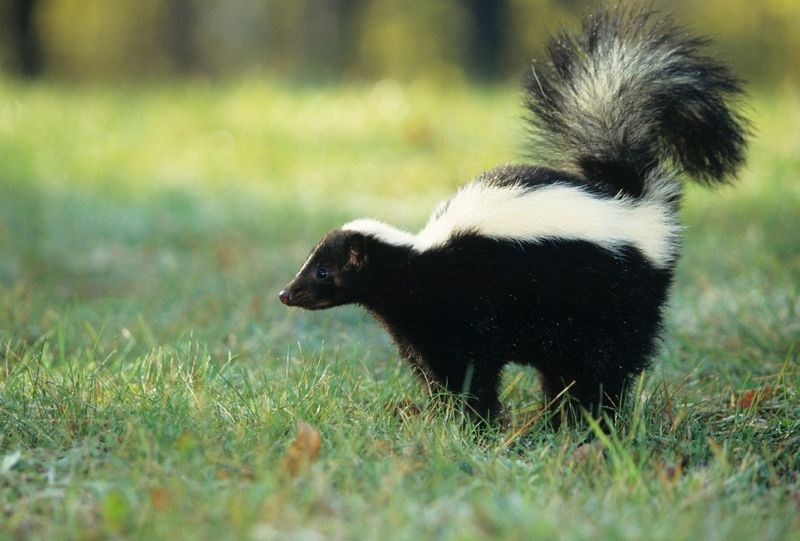
In many Texas neighborhoods, skunks have very little to worry about. The big predators that once hunted them are mostly gone from busy areas.
Without much danger around, skunks feel free to roam wherever they please. That confidence brings them right into your yard.
In the wild, animals like coyotes and owls keep skunk numbers in check. But in suburbs, those hunters are far less common.
Fewer threats mean skunks can forage longer and more openly. They do not have to rush or stay hidden as much.
This safety allows their population to grow in some areas. More skunks in the neighborhood naturally leads to more sightings each fall.
Skunks also have a built-in defense that keeps most animals away. Their famous spray makes many predators think twice before attacking.
Because they feel so protected, skunks wander boldly through yards. They may even ignore you as they search for their next meal.
To make your space less welcoming, use gentle deterrents. Motion lights and sprinklers can create a sense of danger that skunks dislike.
Keeping a dog in the yard during the day can also help. Skunks prefer areas without much activity or noise.
Do not try to handle or corner a skunk yourself. A frightened skunk may spray, and the smell lingers for a long time.
Instead, focus on making your yard feel busy and unpredictable. A little movement and light go a long way.
Since skunks feel safe in quiet suburbs, adding some activity reminds them your yard is not the peaceful spot they were hoping to find.
7. Fall Insects Are Everywhere
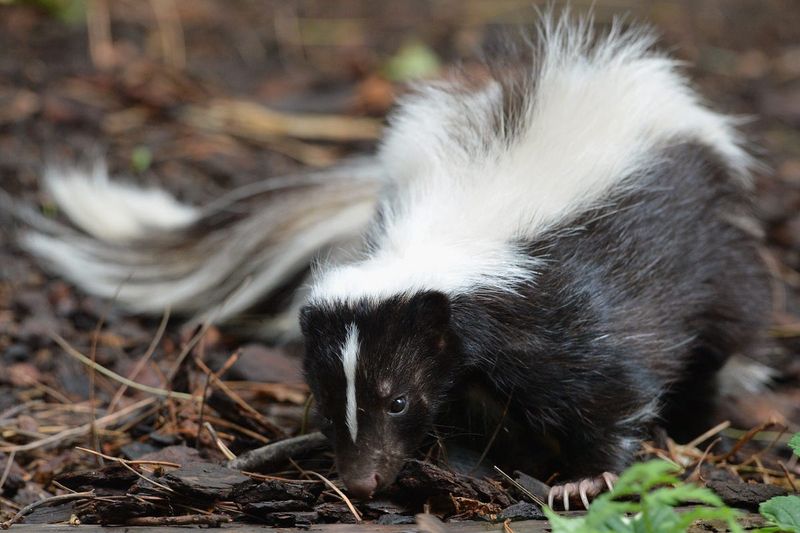
Autumn is a huge season for bugs, and skunks absolutely love an insect feast. Grubs, beetles, crickets, and worms are all favorite snacks.
During fall, many insects move closer to the surface of the soil. This makes them easy pickings for a digging skunk.
Your lawn might be hiding a whole buffet of grubs underground. Skunks can smell these tasty treats and will dig to reach them.
That is why you sometimes wake up to small holes dotting your grass. A skunk was busy overnight snacking on the bugs below.
Warm fall days keep insects active longer than you might expect. As long as bugs are around, skunks will keep coming back for more.
Crickets and beetles also gather near porch lights at night. These bright spots become easy hunting grounds for hungry skunks.
To cut down on the bug buffet, treat your lawn for grubs. Fewer grubs means skunks have less reason to dig up your yard.
You can also switch outdoor lights to yellow bulbs that attract fewer insects. Less light means fewer bugs gathering near your home.
Keep your grass healthy and watered so it recovers quickly from any digging. A strong lawn handles a few holes better than a weak one.
Remove damp piles of leaves where insects like to hide. Drier, cleaner areas hold fewer bugs for skunks to find.
Since insects are the main attraction, reducing them makes your yard far less exciting. A skunk that finds no grubs to dig will simply search somewhere else for its autumn meal.