Large Paper Nests Are Becoming Visible In Indiana Trees As The Leaves Thin
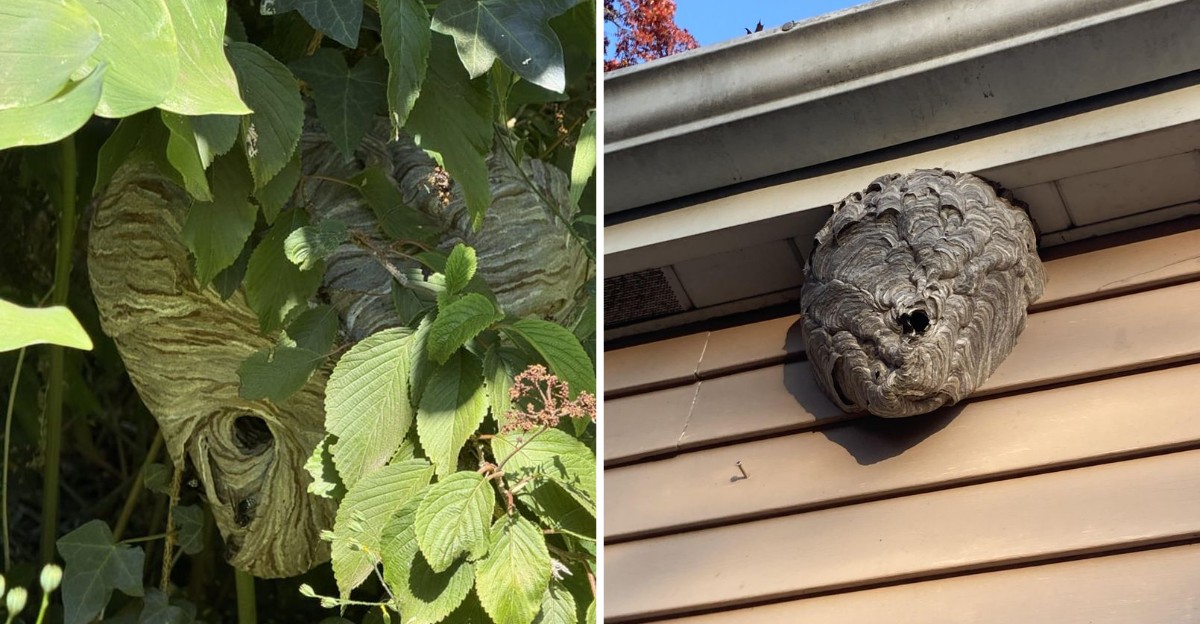
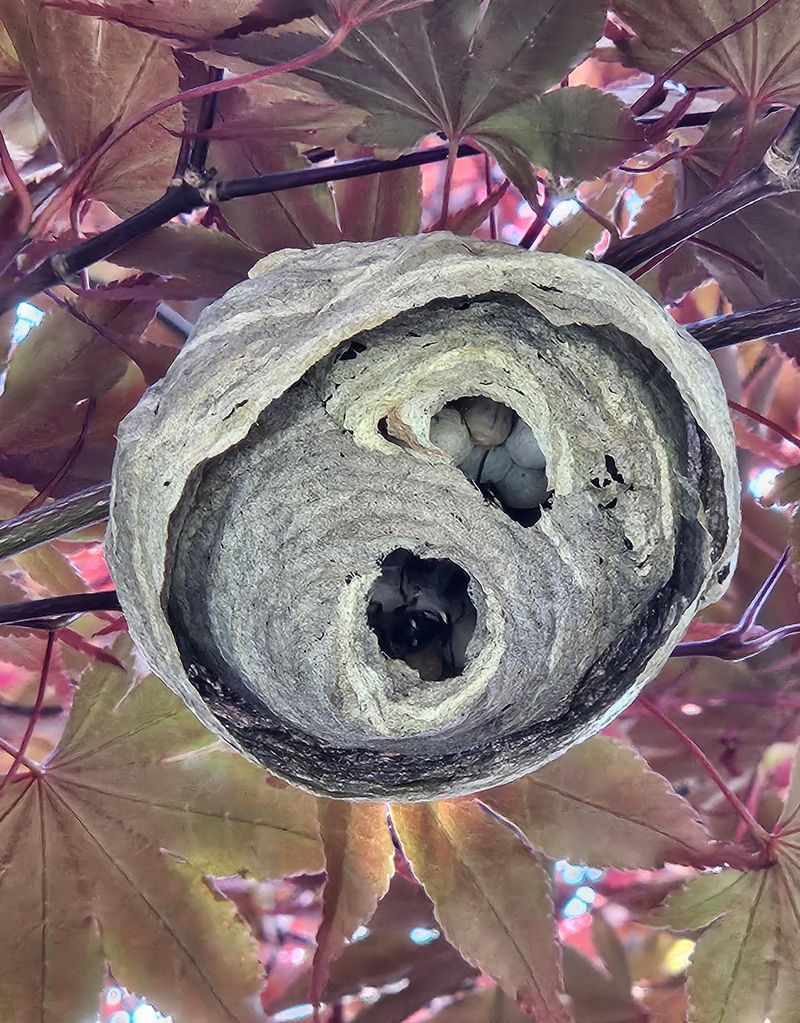
Something the size of a football just showed up in trees across Indiana, and it has been there since summer. Nobody noticed because a wall of leaves was covering it the entire time.
Now the branches are going bare, and that gray shape is impossible to miss. It hangs low, sways slightly in the wind, and has a papery, almost lantern-like texture.
Homeowners keep asking the same three questions on neighborhood forums: what is it, who made it, and should anyone be worried. Two of those answers are simple. The third one depends entirely on timing.
By the time most people spot one of these, the real drama already happened months ago. What is left now is basically an abandoned apartment building, minus the tenants.
Bald-Faced Hornets Behind The Gray Globes
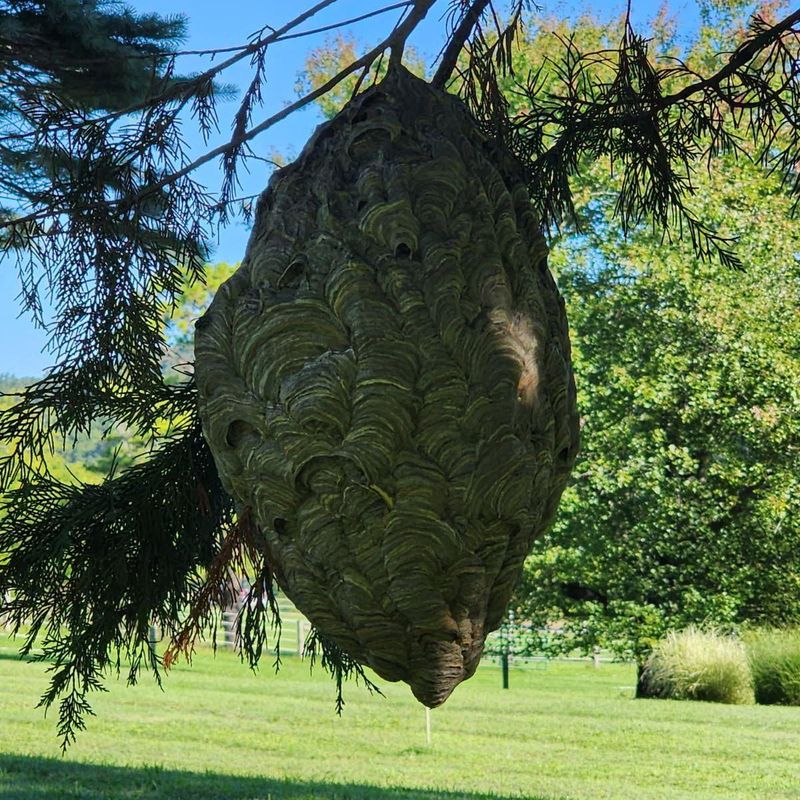
Those papery gray globes swinging from bare branches belong to bald-faced hornets, not to birds or squirrels. They build a fresh home every single year, then abandon it once cold weather arrives.
One queen starts the project in spring, mixing chewed wood fibers with her own saliva. Workers take over and expand the walls all summer until the nest reaches football size.
Despite the tough-sounding name, these insects are actually a black and white type of yellowjacket. Pale markings across the face earned them the nickname that Indiana gardeners repeat every autumn.
Inside the shell sit stacked combs of hexagon cells, arranged like floors in an apartment tower. The outer paper envelope blocks rain and helps hold a steady temperature for developing young.
A strong colony may house several hundred workers by late August, which explains the dramatic size. Numbers drop quickly through October as cool nights and shorter days shut the operation down.
Only newly mated queens make it through winter, hidden under loose bark or deep leaf litter. Everyone else finishes the season, leaving the giant nest behind as a hollow souvenir.
That timing matters for anyone staring up nervously at a branch in late November. An old nest holds no guards, though guessing wrong in early fall can sting badly.
Neighbors often assume the structure is a beehive, but honey bees prefer hollow trunks or boxes. No honey waits inside a paper nest, just empty cells and a papery gray shell.
Leaf Drop Timing Across Indiana
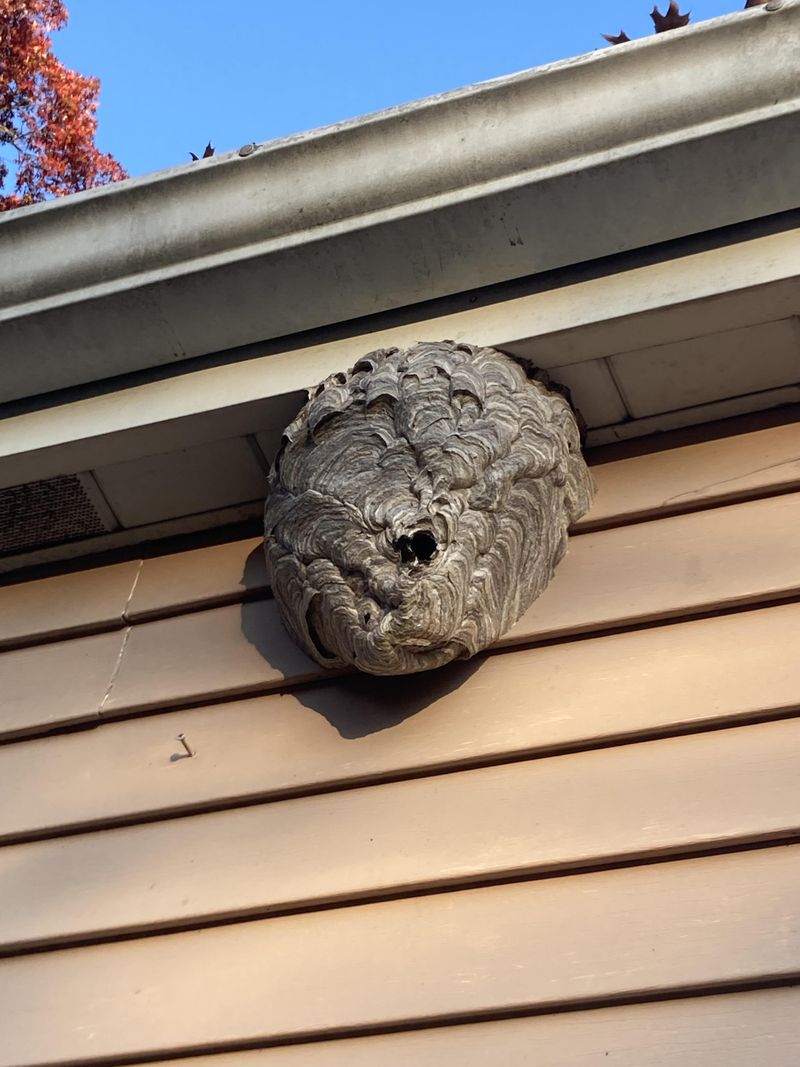
Calendars matter more than eyesight here, because the nests did not appear overnight at all. Indiana foliage usually peaks in mid-to-late October, then thins fast through the first weeks of November.
While green leaves hung thick, a football sized structure twenty feet up stayed nearly invisible. Remove that screen of foliage and suddenly the whole neighborhood notices the same branch.
Northern counties near South Bend generally lose leaves first, thanks to earlier hard frosts. Southern areas around Evansville often hold color a week or two longer into November.
By that point the colony has already wound down its busy summer schedule. Cold nights below freezing end egg production, and the workers stop patrolling the entrance.
So the moment you finally see the nest is usually the moment it matters least. Early September, when leaves still hide everything, is the riskiest stretch for accidental bumps.
Your Indiana Garden Changes Every Week. Your Plan Should Too.
Gardening in Indiana changes quickly throughout the season. Every Friday you’ll receive a simple weekly plan showing exactly what to plant, prune, fertilize, harvest, and protect so you never miss the right timing.
Mowing, raking, or pruning under a leafy branch in August causes most surprise encounters. Vibration travels up the trunk, and guards near the opening react within seconds.
Keep a rough mental log of where you spot nests each autumn around the yard. Those same sheltered corners often attract builders again, even though old nests go unused.
A quick October walk with binoculars beats a surprise discovery from the top of a ladder. Fifteen minutes of looking up can save an afternoon of shouting in the driveway.
Flashlights help too, since an outline shows clearly against a bright winter sky. Dusk is the easiest time to spot the shape sitting high in a fork.
Common Missteps With A Newly Spotted Nest
Every autumn somebody decides a baseball is the right tool for a high gray nest. That plan ends poorly often enough to be a running joke among ER nurses every fall.
Spraying a garden hose upward ranks a close second among regrettable backyard decisions. Water rarely reaches the interior, though it does a fine job of angering residents.
Fire and gasoline show up in old advice, and both create far bigger problems. Scorched siding, damaged trees, and insurance calls are a steep price for one paper ball.
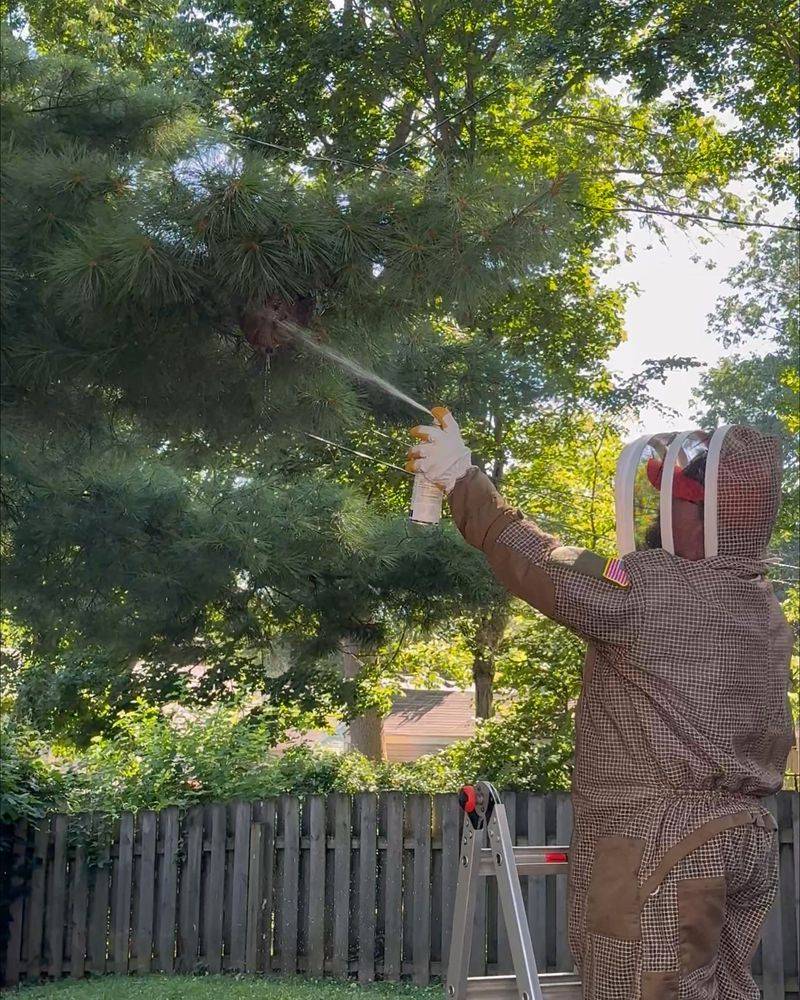
Standing on a wobbly ladder with an aerosol can adds a second hazard on top of stings. Falls hurt more than the insects do, especially when someone panics halfway up.
Plugging the single entrance hole sounds clever, but the residents simply chew a new one. Paper walls offer very little resistance to insects that built them from scratch.
Warm September afternoons bring peak activity, so that is the worst window for any attempt. Hundreds of workers may be home, alert, and ready to defend the front door.
Bumping a nest with a mower, blower, or pole saw counts as a mistake too. Give any active structure a buffer of at least ten or fifteen feet.
If someone in the household reacts strongly to stings, skip the experiments and call a professional. Bravery looks much less impressive from inside an ambulance on a Saturday afternoon.
Photos from a safe distance satisfy most curiosity without any drama at all. Zoom lenses cost less than urgent care visits, which is a pleasant surprise.
Safe Removal Choices For Indiana Homeowners
Here is the easiest advice in the whole article: many nests need no action whatsoever. A structure high in a shade tree, far from doorways, poses little real risk.
Leaving it alone through winter costs nothing, and weather handles the cleanup for free. Removal makes sense mainly when a nest sits beside a porch, swing set, or mailbox.
For active nests, licensed pest control operators carry proper suits and long reach equipment. Most Indiana companies charge a modest fee for a visit that rarely runs long.
Professionals work at night or in early morning, when foragers are inside and calm. Cooler temperatures slow the insects and make the whole job far more predictable.
Winter removal is a different story, since the nest stands empty after hard freezes. A long pole, a trash bag, and steady footing handle the task in minutes.
Wear gloves anyway, because old nests collect grime, spiders, and crumbling paper dust. Drop the whole thing straight into a bag instead of shaking it over the lawn.
Beekeepers generally do not relocate these colonies, so calling one rarely leads anywhere useful. Local extension offices, however, offer free guidance and can confirm what you are seeing.
Renters should report an active nest to the landlord rather than buying spray. Maintenance crews carry insurance for exactly this sort of ladder adventure.
Keep pets and children indoors during any treatment, and close nearby windows first. Twenty minutes of patience prevents a very lively story at the dinner table.
Winter Breakdown Of Abandoned Nests
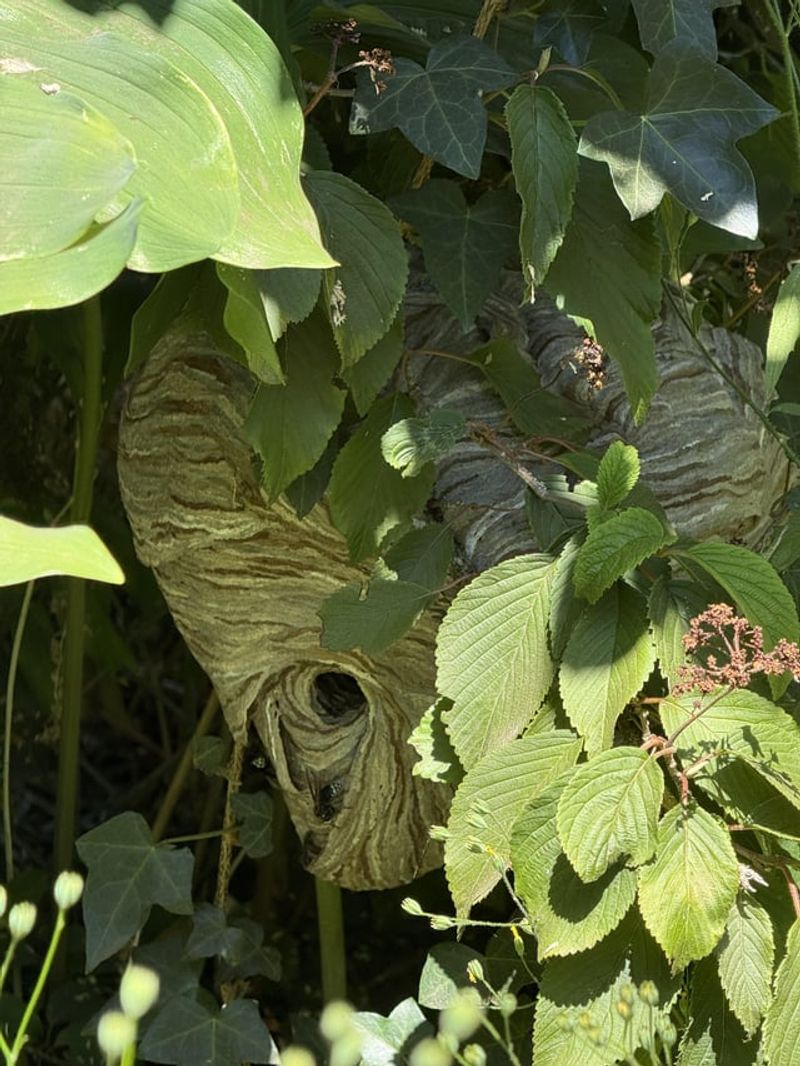
Nature recycles these paper globes without any help from you, which is oddly satisfying. Rain soaks the outer layers, ice splits the seams, and wind finishes the demolition.
By March, most nests hanging in Indiana trees have shredded into loose gray flakes. A few tough ones cling on until spring storms knock the last pieces down.
Chickadees, nuthatches, and woodpeckers often pick at the papery walls during cold months. They hunt leftover larvae and insects tucked inside the abandoned comb cells.
Almost nobody moves back in the following year, which surprises plenty of homeowners. Each spring queen builds from scratch, usually in a fresh spot several yards away.
That single fact removes most of the urgency people feel about winter removal. An empty nest in January is basically a very large, very lightweight decoration.
Collectors sometimes bring one indoors after a long freeze, sealed inside a clear box. Science teachers love them, though the paper crumbles easily once it dries out fully.
Cut sections reveal stacked combs, tidy hexagons, and swirling gray bands of chewed wood. Kids usually find the layered structure more impressive than any store bought model.
Compost piles accept old nest material without complaint, since it is mostly wood fiber. Toss it in, turn the pile, and the story ends quietly in the garden.
Squirrels occasionally tear nests apart for nesting fluff during rough February weather. Their shredding looks violent, yet it speeds up a process winter started anyway.
Prevention Steps Before Next Spring
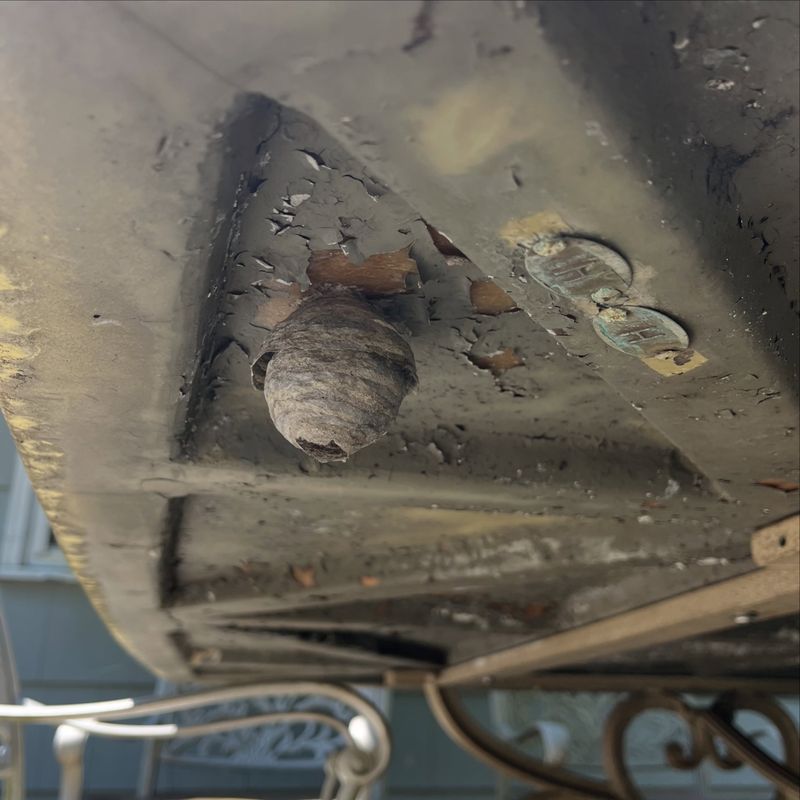
Next April is when a homeowner actually holds the advantage, and hardly anyone uses it. New queens start tiny nests roughly the size of a golf ball in late spring.
Check eaves, porch ceilings, sheds, playsets, and low branches every couple of weeks. A starter nest with one queen is far simpler to handle than an August fortress.
Knocking down a small early nest with a hose works when nobody is allergic. Do it at dusk, wear long sleeves, then walk away without hanging around.
Food sources matter too, since foragers hunt flies, caterpillars, and sugary spills all summer. Cover trash cans, rinse recycling, and pick up fallen fruit under backyard trees.
Outdoor pet bowls, open soda cans, and sticky grill drip pans invite constant visits. Ten seconds of cleanup after a cookout saves a lot of frustration in September.
Trim branches that hang over walkways, patios, or the spot where kids play most. Open sightlines let you notice construction early, back when it is still harmless.
Seal gaps in soffits, vents, or shed siding, because sheltered corners attract builders. Repairs in March take minutes, while removal in August takes money.
Decoy nests get plenty of online hype, though research on them stays pretty thin. Regular inspections work better than any gadget sold as a hornet repellent.
Mark a reminder on the calendar for early May, right beside garden planting. Future you, standing safely on the lawn, will appreciate the thoughtfulness.