Why California Gardeners Are Changing Their Watering Habits In Fall
A sprinkler timer in a Fresno garage is still faithfully running the exact schedule someone set back in July.
It’s the third week of October. Mornings are cool and gray. The lawn squishes underfoot, and a rose bush keeps dropping yellow leaves for reasons nobody’s quite connected yet.
The water bill, meanwhile, has not budged one bit.
That mismatch is playing out in yards across California right now, and most gardeners don’t notice until something starts to suffer.
Here’s the thing nobody tells you at the nursery. Your irrigation controller has no idea what season it is. It just repeats whatever you told it months ago.
Eight shifts explain exactly what’s happening underground right now, and why the fix is easier than most people assume.
Curious what your own sprinklers might be getting wrong this week? It starts with a number most gardeners have never heard of.
1. Cooler Air Lowers Overall Plant Demand
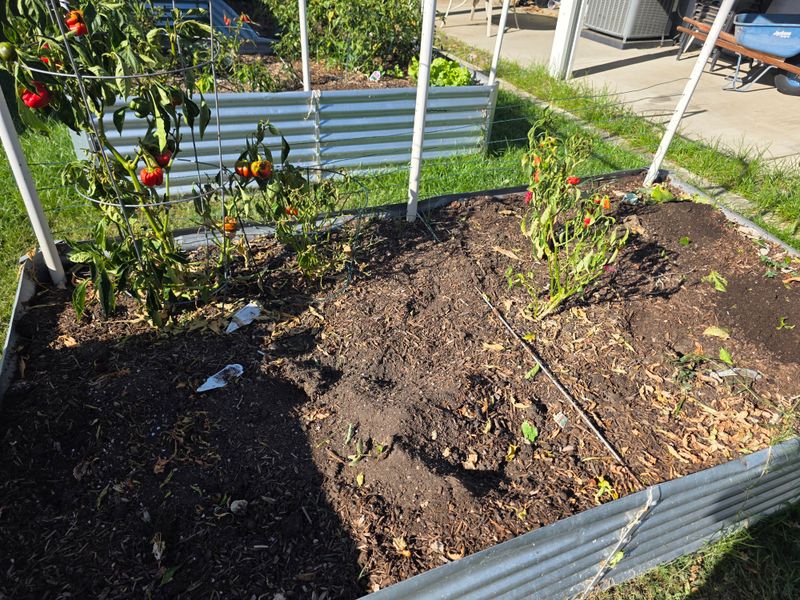
Picture a tomato vine in July, drinking water almost as fast as the sprinklers can deliver it. That same vine in late October barely sips at all.
The gap between those two moments has a name. Evapotranspiration.
Evapotranspiration measures water that evaporates from soil plus the moisture plants release through their leaves. Irrigation scheduling ties directly to that number, since it rises and falls with the weather.
Hot, dry, windy, sunny days push it up, while cool, cloudy, short days pull it down fast.
California fall brings all the demand-lowering conditions at once. Daytime highs slide, nights cool off, and the sun sits lower in the sky for fewer hours each day.
Leaves lose less moisture, so roots ask the soil for less in return.
The practical result stays simple. A landscape that genuinely needed deep, frequent irrigation in August may need noticeably less in October, and less again come November.
Coastal gardens with morning fog often see the drop earlier than inland valleys do.
Rather than guessing, watch the plants and the soil directly. Dig down a few inches with a trowel or a long screwdriver before each cycle. Damp soil at four inches means your schedule is still stuck in summer mode.
Small adjustments now prevent bigger problems later, and your water bill will notice too. Check again every couple of weeks as the season keeps cooling.
2. Overwatering Risk Rises As Growth Slows
Slower growth is the part most gardeners miss entirely. As light fades and soil cools, shrubs, perennials, and lawns shift out of active growing mode and start coasting toward winter.
A plant that isn’t pushing new leaves and stems does not need the fuel, or the water, that fast growth demands.
Meanwhile the soil itself holds moisture longer than it did in July. Cooler air and weaker sun mean less evaporation from the surface, and water that soaks in sticks around for days instead of hours.
Layer a summer schedule on top of that, and moisture starts stacking up below the root zone fast.
Your California Garden Changes Every Week. Your Plan Should Too.
Gardening in California changes quickly throughout the season. Every Friday you’ll receive a simple weekly plan showing exactly what to plant, prune, fertilize, harvest, and protect so you never miss the right timing.
This mismatch counts as a common cause of overwatering in California landscapes, where most irrigation runs on automatic timers that are easy to forget about entirely.
The sprinklers keep their August rhythm while the garden has clearly moved on without them.
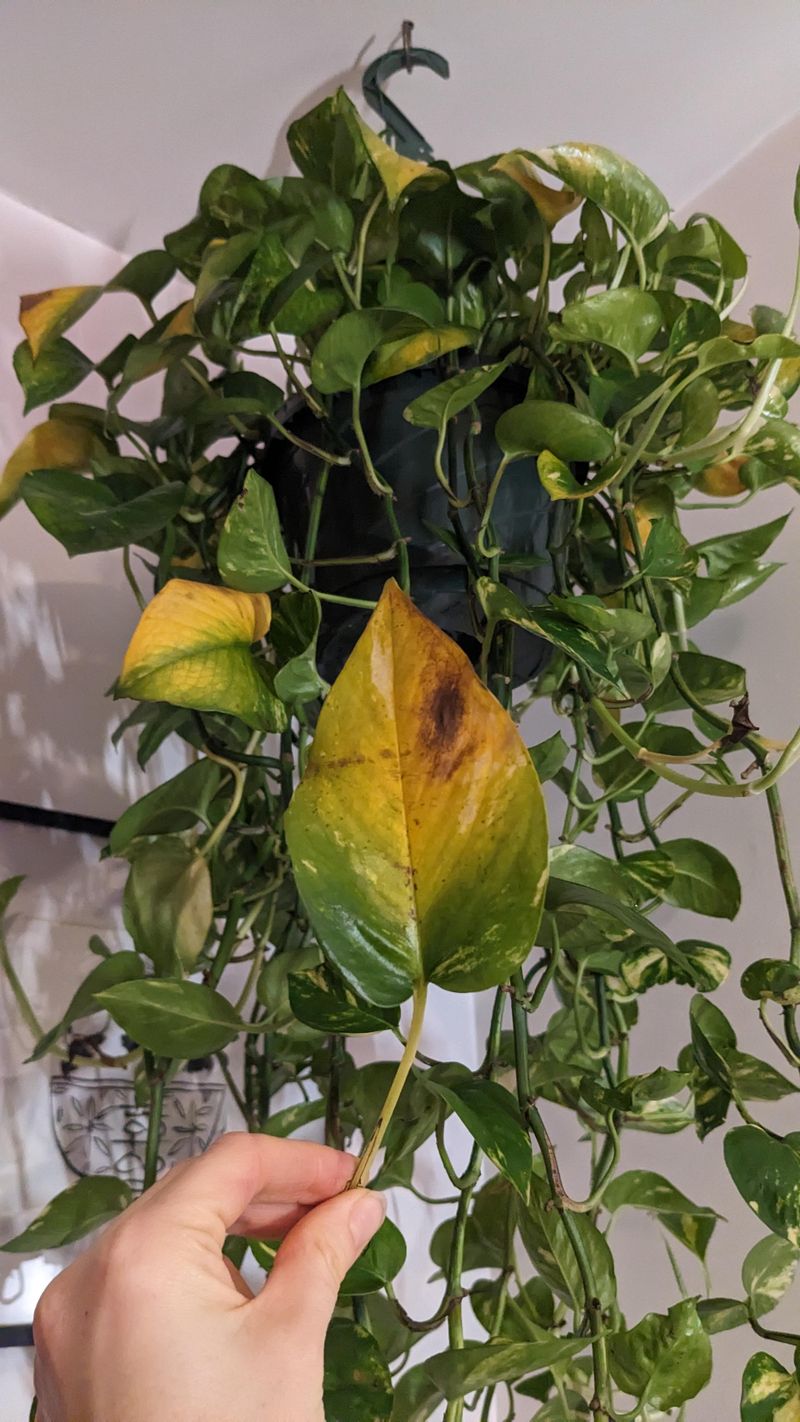
Warning signs show up quietly at first. Yellowing lower leaves, soggy soil that never seems to dry, mushrooms popping up in turf, and mossy patches near emitters all hint at too much water. Puddling or runoff onto the sidewalk is another clue worth watching.
Fixing it costs nothing at all. Stretch the days between waterings first instead of only shortening each cycle, since deep but infrequent soaking still encourages strong, downward roots.
Watering less often, not less deeply, is the key move here. Check moisture before every cycle for two weeks and let the soil, not the calendar, set the pace.
3. Root Rot Becomes A Real Concern
Roots need air to survive. That fact surprises people who picture roots as simple straws, but root tissue breathes, and the tiny pockets of air between soil particles supply the oxygen it needs.
Fill those pockets with water for too long, and roots begin to struggle badly.
Once roots are weakened and oxygen-starved, soil-borne pathogens move in fast. Water-loving organisms such as Phytophthora and Pythium thrive in saturated ground, and persistently wet soil links directly to root and crown rot in trees and shrubs.
Heavy clay, common across much of California, holds water longest and raises the odds considerably.
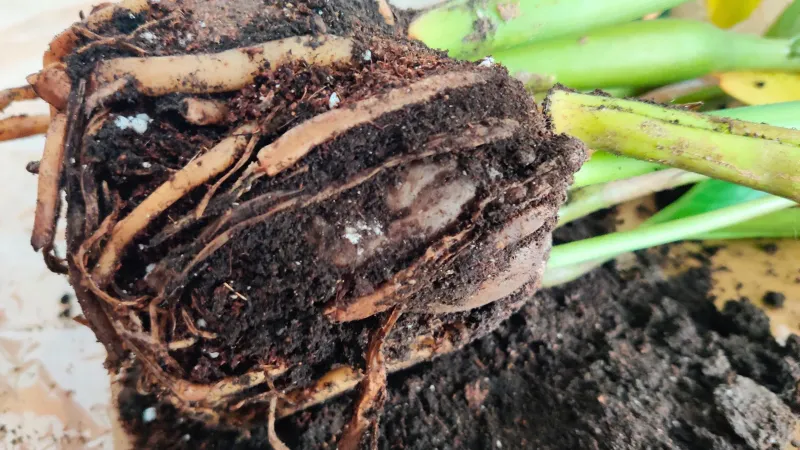
The confusing part is how root rot actually looks from above ground. Wilting, dull leaves, stunted growth, and branch decline all mimic drought stress, so worried gardeners water more and make matters worse.
Dark, mushy, brittle roots instead of firm pale ones tell the real story underneath.
Prevention beats treatment here, because badly rotted roots rarely bounce back. Keep water away from trunks and crowns, skip nightly short cycles that keep the top layer constantly damp, and let the surface dry between irrigations.
Check that drip emitters haven’t shifted up against a stem while you’re at it.
California natives and Mediterranean favorites like lavender, rosemary, ceanothus, and manzanita are especially unforgiving about summer-schedule water in cool weather.
Many evolved with dry warm seasons and wet cool ones, so soggy soil during mild fall days stresses them badly.
4. Irrigation Controllers Need A Seasonal Adjustment
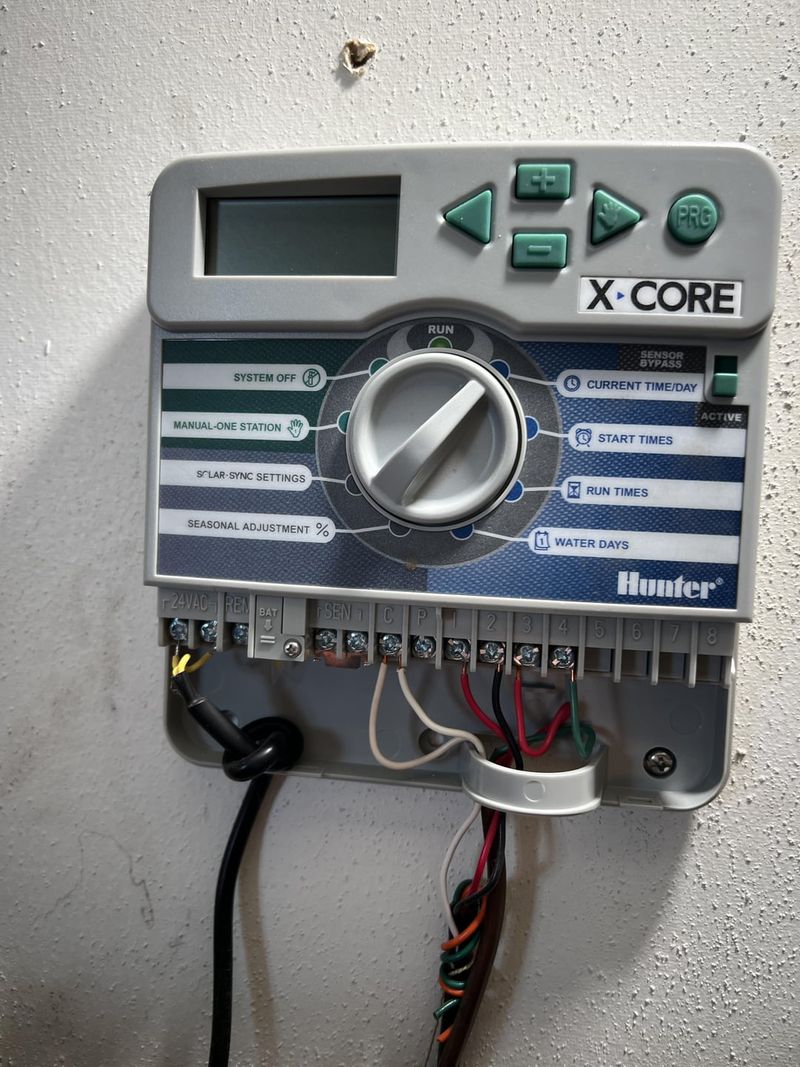
Most California yards are watered by a timer that has no idea what month it is. That little box on the garage wall will happily repeat June instructions until somebody changes them by hand.
Making that change is the highest-value fall garden chore there is, hands down.
Start by finding the seasonal adjust or water budget button, which scales every run time by a percentage. Trimming to roughly two-thirds of the summer setting is a common starting point for early fall.
Better yet, reduce how often the system runs rather than only shaving minutes off each cycle. Two days a week instead of four keeps soakings deep while giving soil time to breathe properly.
Shallow daily sprinkles train lazy, surface-bound roots that never learn to dig deeper.
Zone by zone matters here too. Lawns, shrub beds on drip, and shady corners all dry at different speeds, so one blanket setting usually overwaters something in the yard.
Walk each zone, run it manually, and watch for runoff or stubborn dry spots you might have missed.
Rain sensors and weather-based smart controllers handle much of this work automatically, and many California water agencies offer rebates for them. Matching schedules to current weather beats a fixed calendar every time.
Set a phone reminder for early October and another in November. Write the old settings down before changing anything, so spring resets take seconds instead of guesswork.
5. Established Plants Need Far Less Than Summer
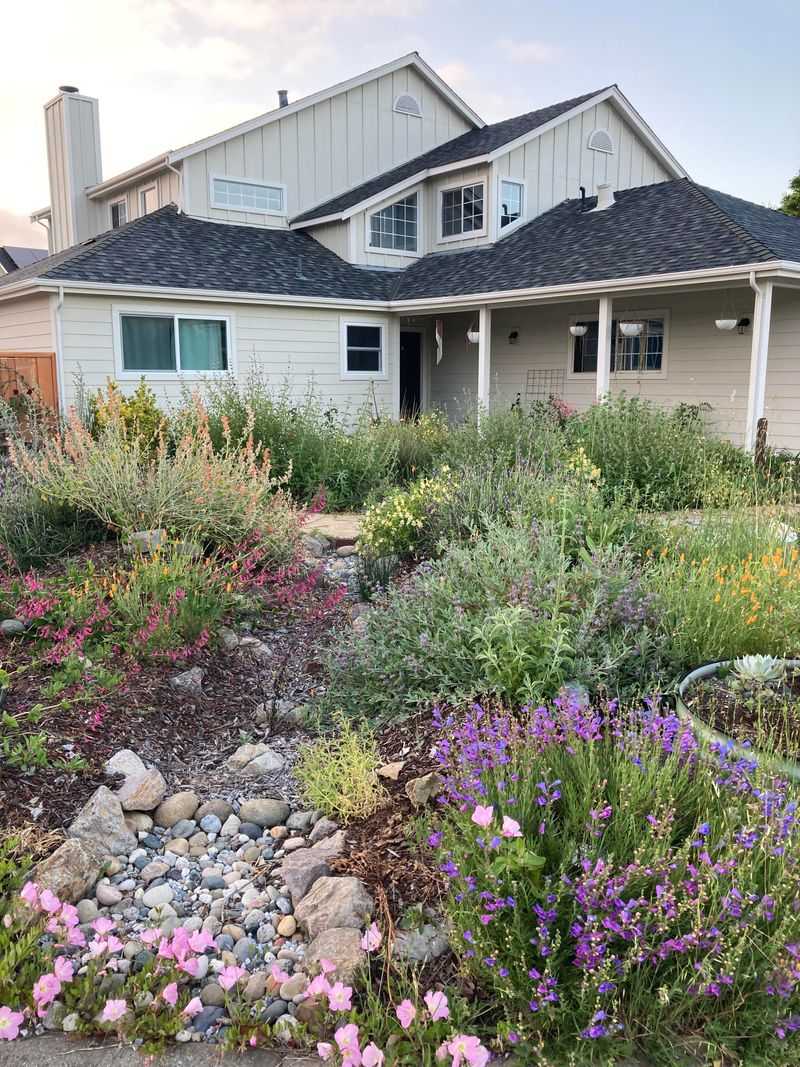
Three years in the ground changes everything for a shrub. By then roots have spread well beyond the original planting hole, reaching into a much larger volume of soil and the moisture stored there.
Established plants can coast between waterings in ways a new transplant simply never could.
During peak summer heat, even deep-rooted shrubs and trees draw hard on that stored moisture reserve. Come fall, their demand falls off sharply while the soil reservoir refills faster than it empties.
Watering as if nothing changed simply keeps that reservoir overfull for no reason.
Mature natives and Mediterranean plants deserve extra caution here. Many go semi-dormant in dry months and resent frequent irrigation once soil cools, which favors occasional deep soakings over regular light ones.
Newly planted material is the clear exception, and fall happens to be prime planting season in much of the state. Young roots sit in a small ball of soil and can dry out quickly, so they may still need attention every few days while the rest of the garden waits.
A cheap soil probe or a long screwdriver settles most arguments quickly. If it slides in easily to six or eight inches, plenty of moisture sits where established roots live.
If it stops short in dusty resistance, water deeply and then wait.
Grouping plants with similar needs on one valve makes these calls far easier next season.
6. Rainfall Timing Changes The Whole Equation
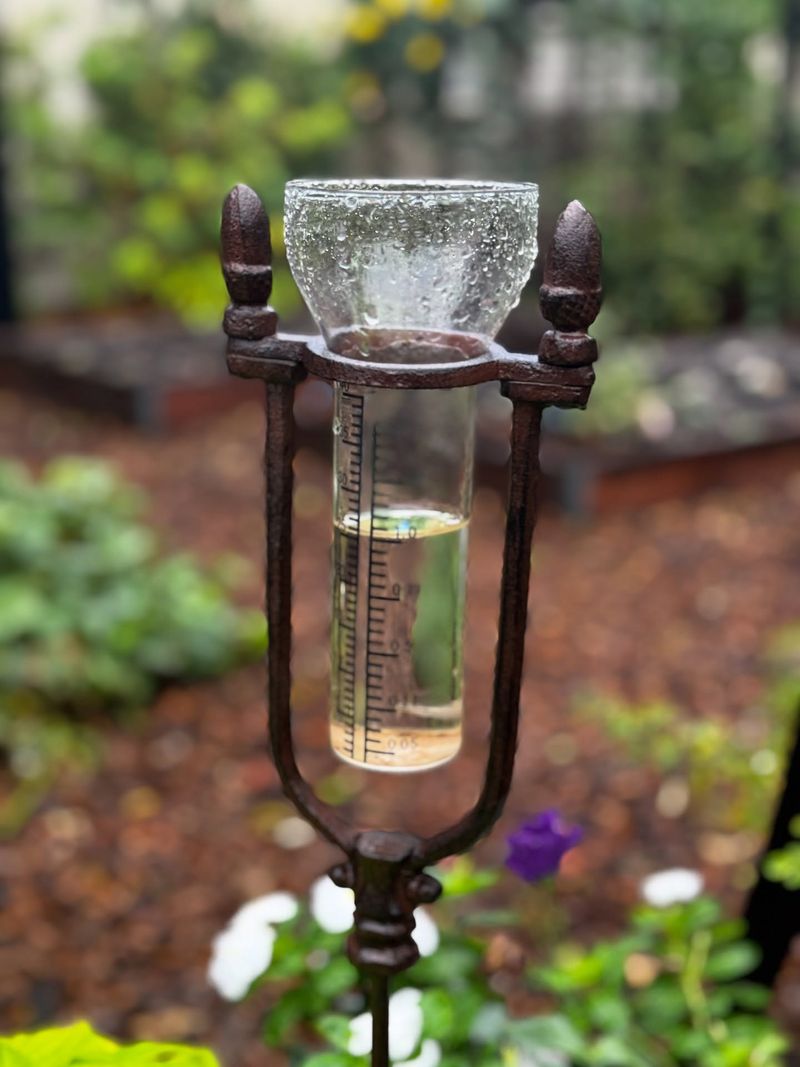
One good storm can reset an entire irrigation schedule overnight. Half an inch of steady rain soaking into dry ground often replaces a week or more of sprinkler time, especially once evaporation slows down.
The trick is knowing what actually landed in your yard.
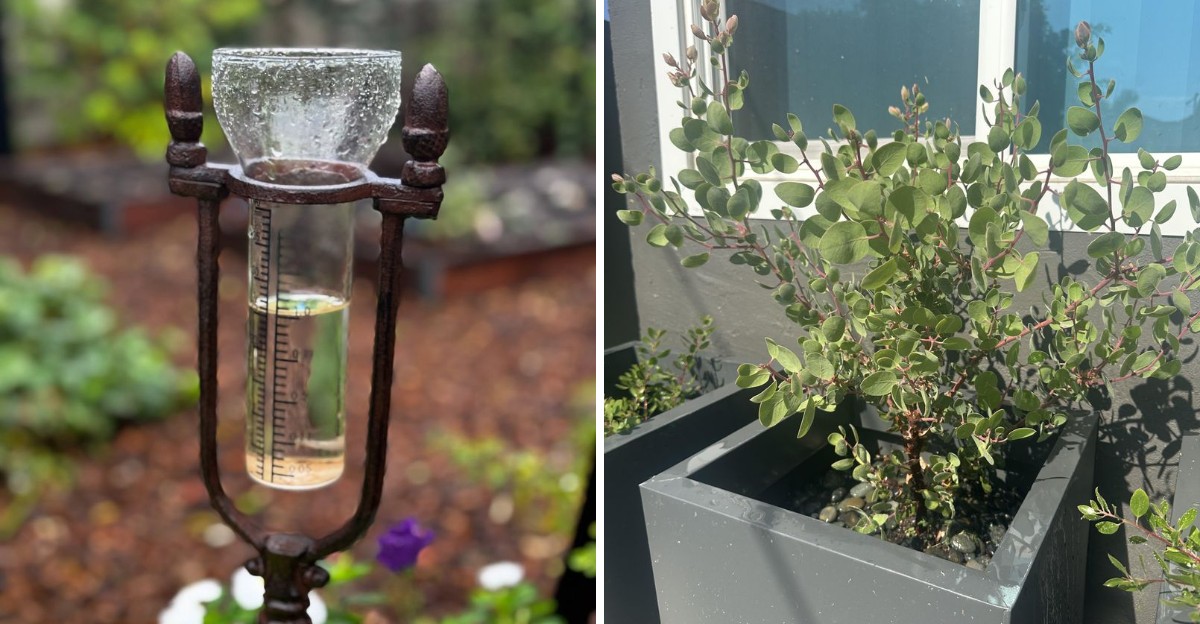
Keep an inexpensive rain gauge somewhere sprinklers cannot reach it. Drizzle that darkens the pavement may deliver almost nothing, while a true atmospheric river can saturate soil a foot deep.
Checking the gauge beats trusting the forecast every single time.
California rain rarely arrives on a tidy schedule anyway. Some years the first real soaking lands in October, other years gardens stay bone dry into December, so advice to stop watering on a fixed date tends to backfire.
After a soaking storm, switch the controller off or use the rain delay for several days, then probe the soil before restarting anything. Clay soils can stay wet for a week or longer, while sandy and decomposed granite soils drain much faster.
Between storms, warm dry Santa Ana winds undo a surprising amount of that moisture. Windy, low-humidity stretches pull water from leaves and soil, so a brief return to irrigation sometimes makes sense even in November.
A rain sensor or weather-based controller automates most of these decisions for you. Either way, the habit worth building is checking real conditions instead of repeating last week’s routine.
7. Containers Still Dry Out Faster Than Beds
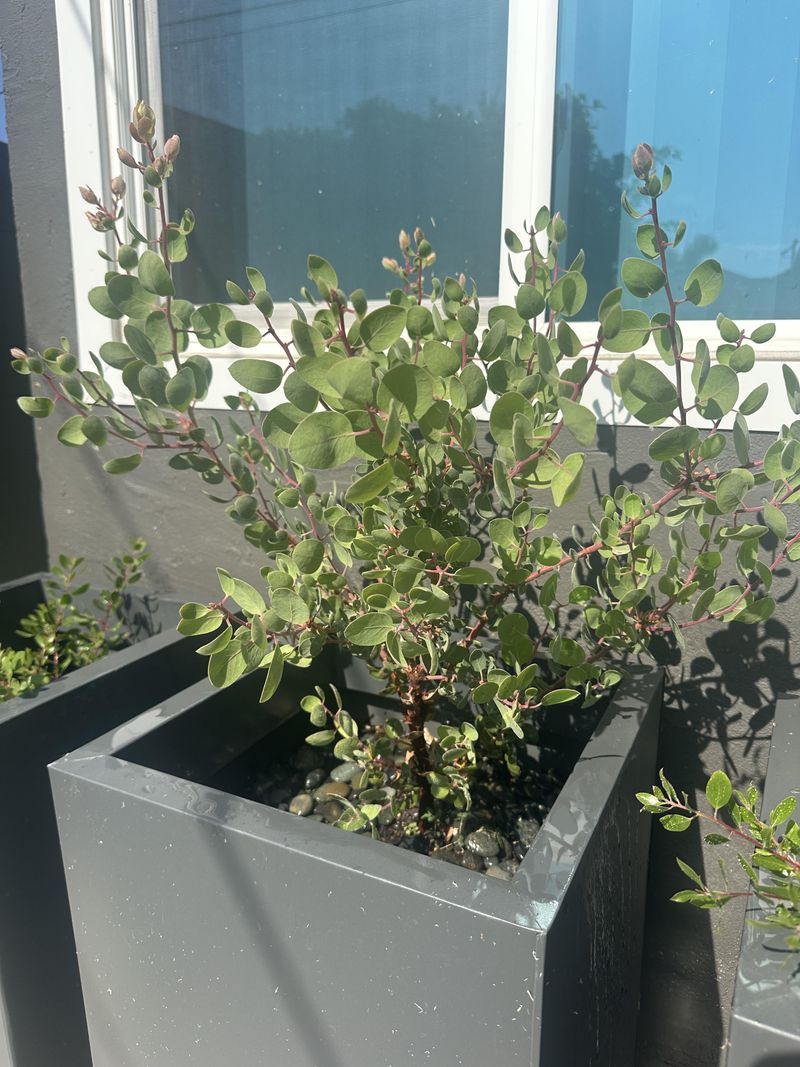
Pots play by their own rules entirely. A fifteen-gallon container holds a tiny fraction of the soil a garden bed offers, and its walls sit exposed to air on every side.
Moisture escapes quickly as a result. Cooler fall weather slows that loss but never stops it completely.
Terra cotta breathes and dries fastest of all the materials, while glazed ceramic and plastic hang onto moisture longer. Dark pots in a south-facing spot can still warm up considerably on a sunny October afternoon in Sacramento or Riverside.
Hanging baskets dry out quickest of anything in the yard.
Because of that, container plants usually deserve their own watering rhythm, separate from whatever the in-ground zones are doing. Many still want water every two or three days in early fall, even while shrub beds have been cut back to weekly.
Lift and feel tests work beautifully here. A pot that feels light is thirsty, and potting mix pulling away from the sides is another giveaway worth watching for.
Water until it runs from the drainage holes, then let the top inch dry before the next round begins.
The overwatering warning still applies to pots too. Saucers left full of water can drown roots just as surely as a stuck sprinkler valve, so empty them after storms pass through.
Grouping containers in a sheltered spot cuts wind exposure and moisture loss, trimming watering chores through the cool months ahead.
8. Smarter Watering Saves Water And Plants
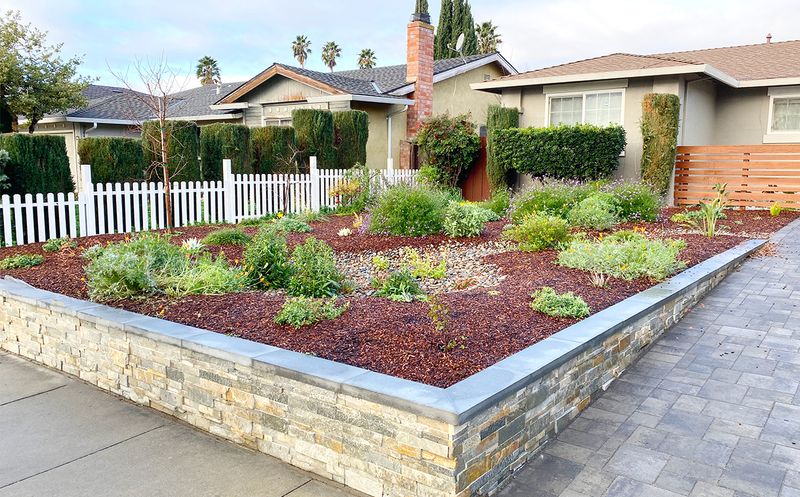
Here’s the happy part of this whole adjustment. The garden and the water bill both come out ahead once you make the switch.
Landscape irrigation makes up a large share of residential water use across California, and outdoor watering is where the easiest savings hide.
Cutting frequency in fall trims that usage without asking anything of the plants, since they weren’t using the extra water anyway. Runoff into the gutter stops too, which also keeps fertilizer and soil out of storm drains.
Plant health improves right alongside the savings. Roots get the oxygen they need, fungal troublemakers lose their foothold, and trees and shrubs head into winter without waterlogged, stressed root systems.
Fewer replacements mean less money spent come next spring.
Habits, not heroics, make the difference here. Adjust the controller when the weather cools, keep a rain gauge, probe the soil before running a cycle, and treat pots separately from everything else.
Those four moves cover most of what a California garden needs through fall.
One more thought worth carrying into winter. A dry January still happens here regularly. During long rainless stretches, an occasional deep soak protects trees even in cold weather, so the real goal is responsive watering rather than simply less watering.