Why Michigan Birds Are Showing Up At Feeders Earlier This Year
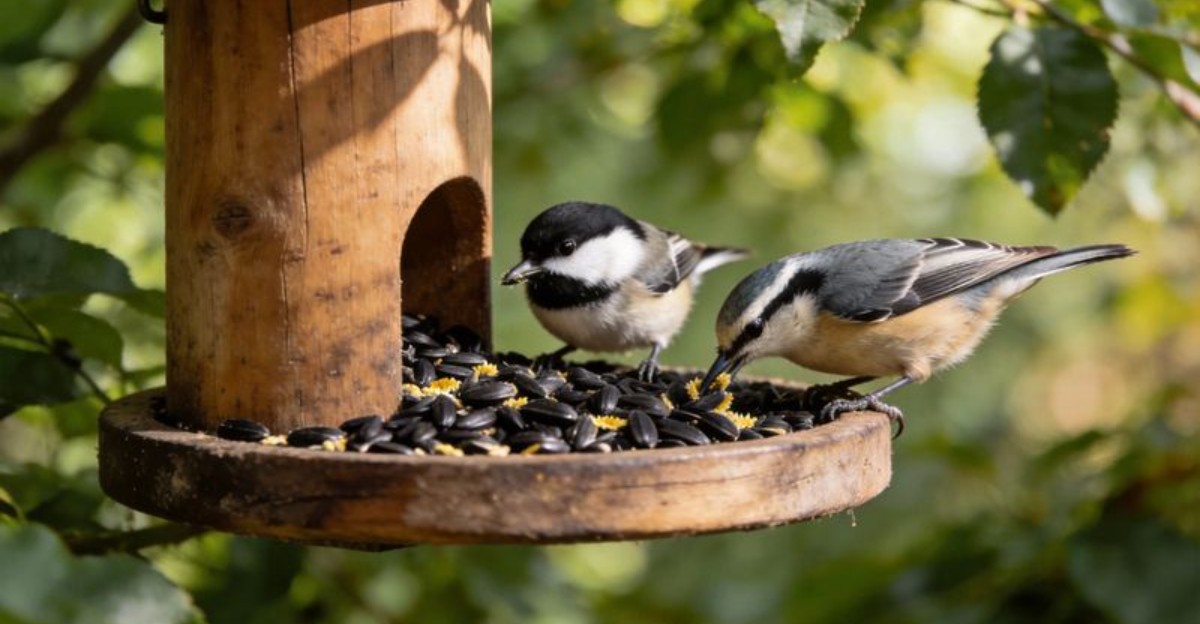
Bird activity at Michigan feeders has picked up earlier than usual this year, and the shift often points to a combination of environmental factors rather than any single clear cause.
Changes in natural food availability, like a lighter seed or berry crop in the wild, can push birds toward reliable feeder sources sooner than in typical years.
Weather patterns, including an earlier cold snap or unusual temperature swings, can also accelerate the timing of migration and feeding behavior.
Because bird activity is so closely tied to these environmental cues, a noticeably early season isn’t necessarily unusual on its own, even if it feels that way to homeowners used to a later pattern.
Understanding these contributing factors helps put this year’s earlier feeder activity into better context.
1. Weather Can Change Bird Movement
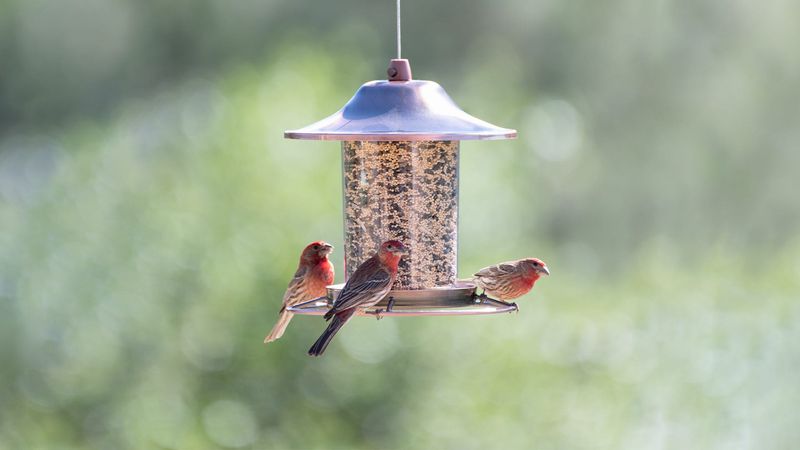
Cold snaps and sudden storms have a big say in how birds move across Michigan. When temperatures drop fast, birds burn energy quickly to stay warm, so they search harder for reliable food. Feeders suddenly become the easiest meal in town.
A strong cold front pushing down from Canada can nudge flocks southward earlier than expected. Wind direction plays a role too, giving traveling birds a helpful push and dropping them into new areas overnight.
That is why you might spot fresh faces at your feeder the morning after a big weather change.
Rain and heavy snow also shape feeder visits. When natural food gets buried or soaked, birds turn to the dependable seed you set out.
A warm stretch, on the other hand, can spread birds out because they find plenty of food in fields and forests.
Michigan sits in a spot where weather swings often, and birds respond fast to those shifts. Watching your local forecast can actually help you predict busy feeder days.
Before a cold front arrives, you may see extra activity as birds fuel up ahead of the change. Keeping seed stocked during these swings gives birds a steady spot to rely on. Adding a bit of high-fat food like suet helps them handle chilly mornings.
Simple steps like these turn your yard into a welcome stop during unpredictable weather. Paying attention to the sky can make you feel like you are reading the birds’ schedule.
2. Migration Timing Is Not Identical Every Year
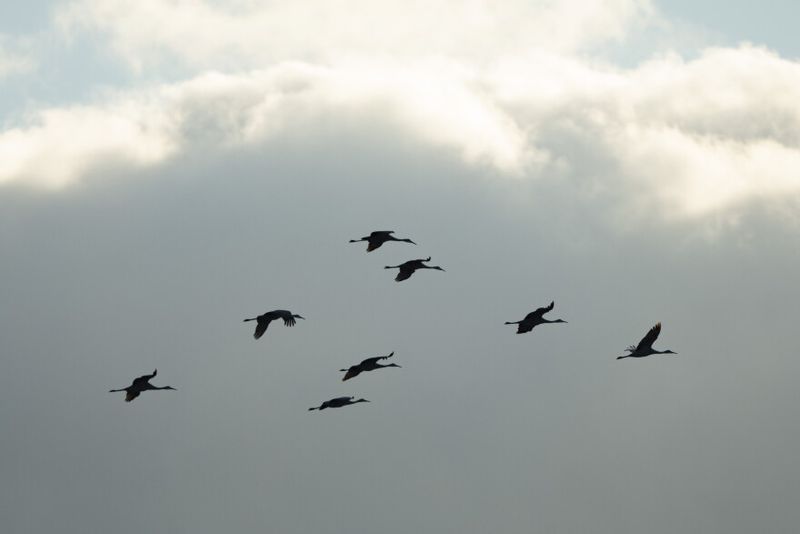
Migration is not a strict calendar event. Birds do not check a date and leave on cue. Instead, they read signals like daylight length, temperature, and food supply, and those signals shift a little each year.
One spring might feel warm and early, while the next drags cold weather deep into the season. Because of this, the same species can show up at your feeder a week or two off from last year.
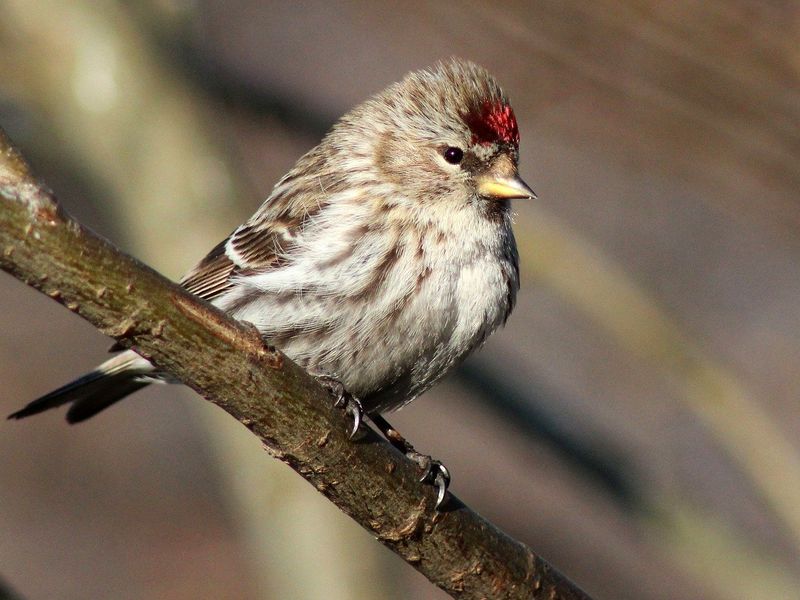
That wiggle in timing is completely normal and part of how birds survive. Some years bring what birdwatchers call an irruption, when large numbers of northern birds move south in search of food. Pine siskins and redpolls are famous for this surprise behavior.
Your Michigan Garden Changes Every Week. Your Plan Should Too.
Gardening in Michigan changes quickly throughout the season. Every Friday you’ll receive a simple weekly plan showing exactly what to plant, prune, fertilize, harvest, and protect so you never miss the right timing.
When it happens, feeders fill with visitors you might not see every winter. Weather patterns hundreds of miles away also matter. A tough season in northern forests can send birds toward Michigan sooner than expected.
What looks early in your yard may actually be a ripple from something far off. Keeping a simple journal of arrival dates makes these patterns easier to spot. Jot down which species appear and when, and over a few years you will notice the natural swings.
It turns casual watching into a rewarding hobby. Rather than assuming something is wrong, enjoy the variety.
Each year tells a slightly different story, and that unpredictability is part of what makes feeding birds so exciting. No two seasons ever match perfectly.
3. Natural Food Supplies Can Change Feeder Visits
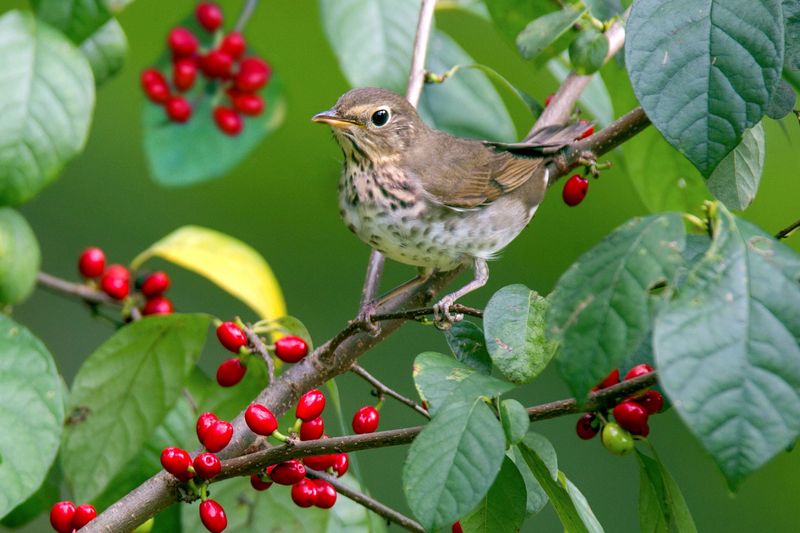
Nature offers a huge buffet of seeds, berries, fruits, and insects, and birds usually prefer these wild options first. When the landscape is loaded with food, your feeder might sit quiet for days.
Birds simply do not need it. Everything changes when that natural supply shrinks. After a poor berry season or a light seed crop from trees, birds start hunting for backup meals.
That is when feeders become popular gathering spots again. Oak, maple, and pine trees do not produce the same amount every year. A big seed year is called a mast year, and it can keep birds happily fed in the woods.
The following season often brings far less, pushing hungry birds toward yards. Insects follow their own cycles too. Warm, wet summers can boost bug numbers, giving birds plenty of protein.
Cooler stretches or early frosts reduce that supply, making seed and suet more appealing.
Watching what your yard offers compared to the surrounding area helps explain feeder traffic. If berries are still hanging on nearby bushes, birds may skip your seed for a while. Once those wild treats run low, expect a rush.
Planting native shrubs that produce fruit gives birds another reason to stick around. Serviceberry, dogwood, and viburnum are great choices for Michigan yards.
Pairing natural food with feeders creates a reliable spot birds return to season after season.
Understanding these food swings takes the mystery out of quiet or crowded feeder days. It is all part of nature’s rhythm.
4. Birds May Be Responding To A Changing Food Landscape
Sometimes a burst of feeder activity has nothing to do with early migration at all. Birds may simply be reacting to food becoming harder to find nearby. When wild sources thin out, feeders turn into the go-to option.
Picture a field that gets mowed or a patch of berry bushes that finishes early. Birds that once fed there now need a new spot. Your yard, stocked with fresh seed, suddenly looks like the best restaurant around.
Construction, land clearing, and changing weather can all shrink the natural pantry. Even a dry spell can lower insect numbers and dry up seed heads. Birds notice these changes fast and adjust where they eat.
Because of this, more visitors at your feeder does not automatically mean birds arrived earlier this year. It may just mean they are relying on you more heavily than before. That is an important difference to keep in mind.
Watching the wider neighborhood helps you understand what is really going on. If nearby food sources have shrunk, expect your feeder to stay busy. The birds have not necessarily changed their travel schedule at all.
Offering a variety of foods makes your yard even more valuable during these shifts. Black oil sunflower seeds, nyjer, and suet appeal to different species. A dependable spread keeps birds coming back through lean stretches.
Thinking about the whole food picture, not just your feeder, gives you a clearer view. It helps you appreciate why your backyard has become such a hotspot lately.
5. Different Species Follow Different Patterns
Not every bird plays by the same rules. Chickadees and nuthatches stick around Michigan all year, so you see them in every season.
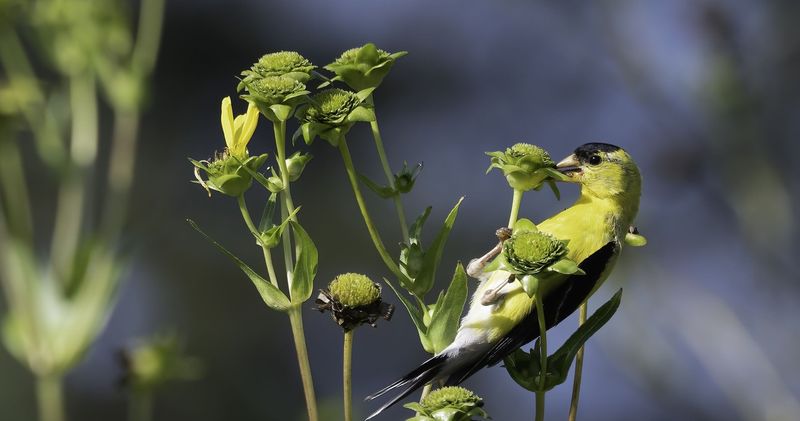
Their steady presence makes them feeder favorites no matter the month. Finches behave differently. Goldfinches change color through the year and travel in loose flocks that come and go based on food.
House finches often stay close, while others roam widely searching for seeds. Sparrows add another layer of variety. Some species nest here in summer, while others pass through only during spring and fall migration.
Their timing depends on where they breed and where they spend the colder months. True long-distance travelers, like certain warblers, follow their own strict schedules tied to daylight and food.
They may barely touch feeders at all, preferring insects instead. Seeing them is often a brief seasonal treat.
Because each group follows its own calendar, your feeder can look busy for one reason and quiet for another. A crowd of finches does not mean sparrows are early too. Every species tells its own story.
Learning to tell these birds apart makes watching far more rewarding. A simple field guide or phone app helps you match names to the visitors at your feeder. Soon you will recognize who stays and who is just passing by.
Understanding these different patterns keeps you from expecting all birds to behave alike. It also helps you appreciate the mix of year-round residents and seasonal guests that share your backyard.
6. Your Yard May Be More Attractive Than Before
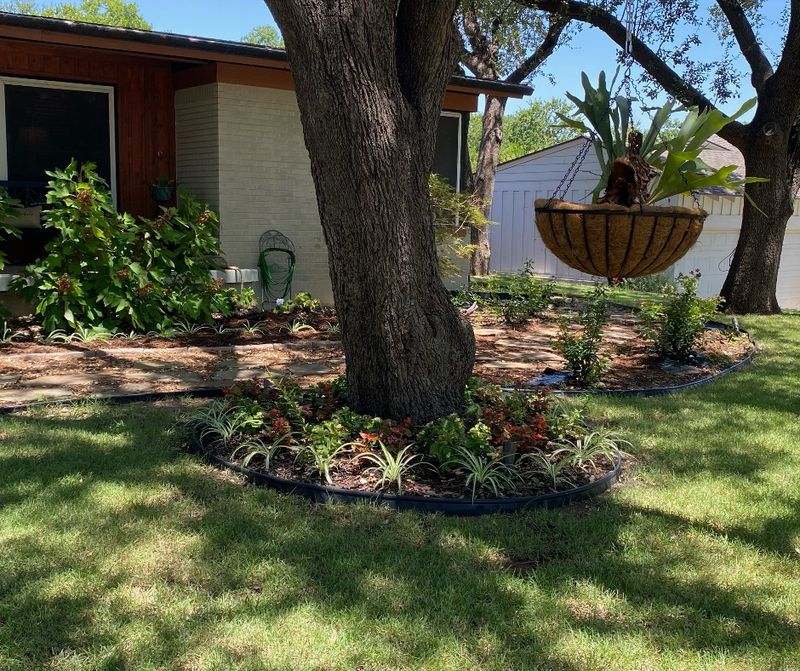
Sometimes the reason for extra birds is closer than you think. Your yard itself may have become more welcoming without you even realizing it. Small improvements can make a big difference to birds.
A clean feeder filled with fresh seed sends a strong signal that food is safe and reliable. Birds quickly learn which spots they can trust. Once they mark your yard as a good stop, they return again and again.
Water is another powerful draw. A simple birdbath gives birds a place to drink and bathe, especially when natural puddles are scarce.
Moving water, like a small dripper, catches their attention even faster. Mature trees and thick shrubs offer shelter from wind and hiding spots from hawks. Birds feel safer feeding when cover is close by.
That sense of safety often matters as much as the food itself. Maybe a neighbor stopped filling their feeder, sending those birds to yours. Or perhaps your plants finally grew tall enough to feel protective.
These quiet changes can boost visits even when regional bird movements stay the same.
Adding native plants, keeping brush piles, and placing feeders near cover all make your yard more inviting. Little touches build a space where birds want to linger. Over time, your backyard becomes a favorite neighborhood destination.
Looking at your own setup helps explain the extra traffic. Before assuming something big is happening across Michigan, consider that your yard may simply have leveled up.
7. Keep Feeders Clean During Increased Activity
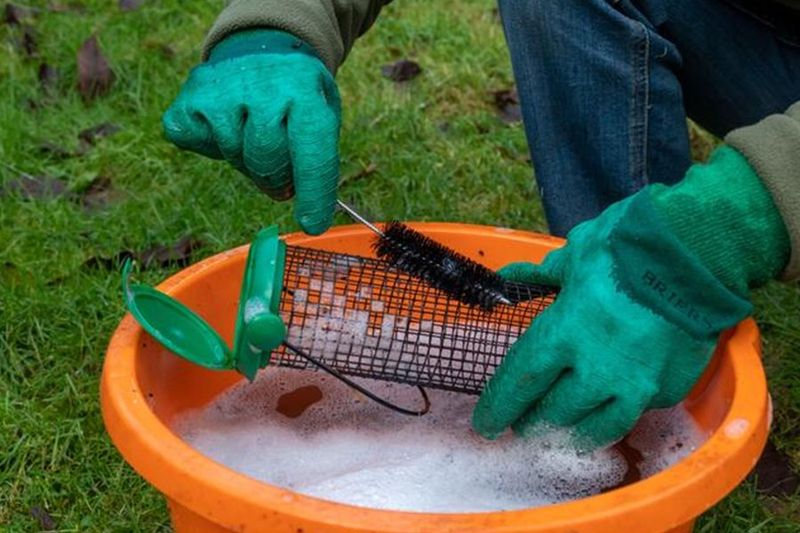
Busy feeders are exciting, but crowds bring extra responsibility. When many birds gather in one spot, illness can spread more easily between them. Regular cleaning keeps your visitors healthy and happy.
Wet or moldy seed is a common problem, especially after rain or snow. Spoiled food can make birds sick, so tossing it out matters. Fresh seed is always the safer choice.
A good routine involves scrubbing feeders every couple of weeks with warm, soapy water. Rinsing well and letting them dry fully removes germs and buildup. During heavy activity, cleaning more often is even better.
Do not forget the ground beneath the feeder. Old hulls and dropped seed pile up quickly and can grow mold.
Raking or sweeping that area keeps the whole space tidy. Birdbaths need attention too. Change the water often and scrub away any slimy film.
Clean water keeps birds coming back for a safe drink. Spacing out multiple feeders reduces crowding, giving birds more room to eat calmly. Less crowding means less chance of passing along illness.
It also lets shyer species get a turn. Watching for signs of unwell birds, like puffed feathers or trouble moving, helps you act fast. If you notice several, taking feeders down for a short time can stop problems from spreading.
A clean setup shows real care for the birds you enjoy. With a few simple habits, you can keep your feeder a safe and welcoming place all season long. Healthy birds make for better watching.
8. Watch The Pattern Before Drawing Conclusions
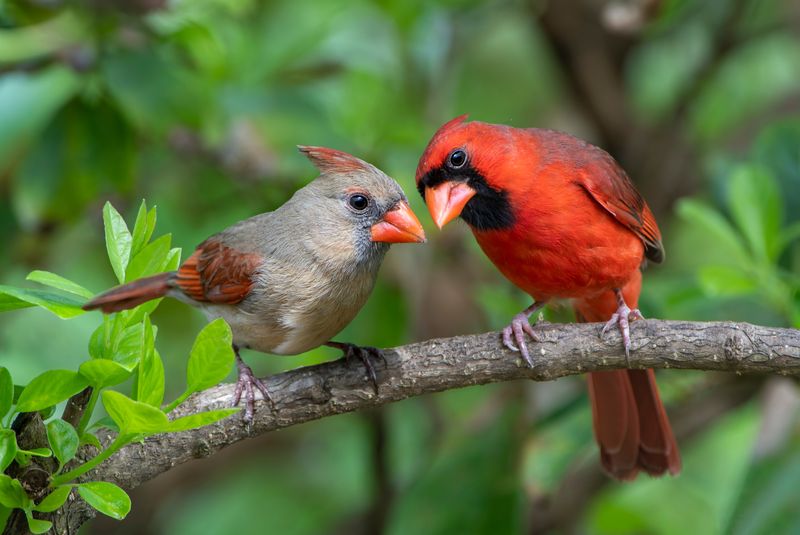
Before deciding that birds are truly arriving early, take time to observe carefully. One busy morning does not prove a big change. Patterns tell a far more reliable story than single moments.
Start by noting which species show up and how long they stick around. Are these year-round residents or true migrants passing through? The answer shapes what the activity really means.
Pay attention to the weather during these visits too. A cold front, storm, or warm spell can explain a sudden crowd. Matching bird behavior to conditions helps you separate real trends from short bursts.
Natural food matters just as much. If wild berries and seeds have run low, feeder visits will climb no matter the season. Keeping that in mind stops you from jumping to conclusions.
Writing things down turns guessing into understanding. A simple notebook or app lets you track arrival dates, species, and weather side by side. Over a few seasons, the picture becomes clear.
Comparing your notes year to year reveals what is normal for your yard. Some swings are natural, while bigger shifts may point to real changes worth watching. Either way, you will know because you paid attention.
Sharing observations with local birding groups adds even more value. Others may notice the same thing, or offer a different explanation. Together, backyard watchers build a fuller understanding.
Careful observation makes you a smarter, more confident birdwatcher. Instead of assuming, you will have real answers backed by what you have seen right outside your window.