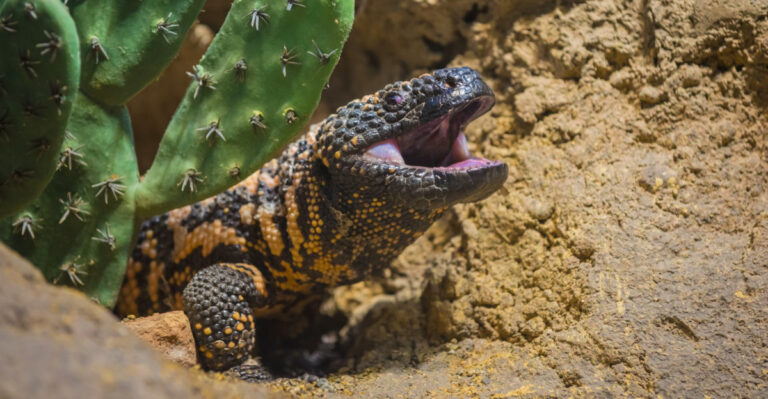
The Arizona Yard Shrub That’s Quieter Than A Rattlesnake But Just As Dangerous To Handle
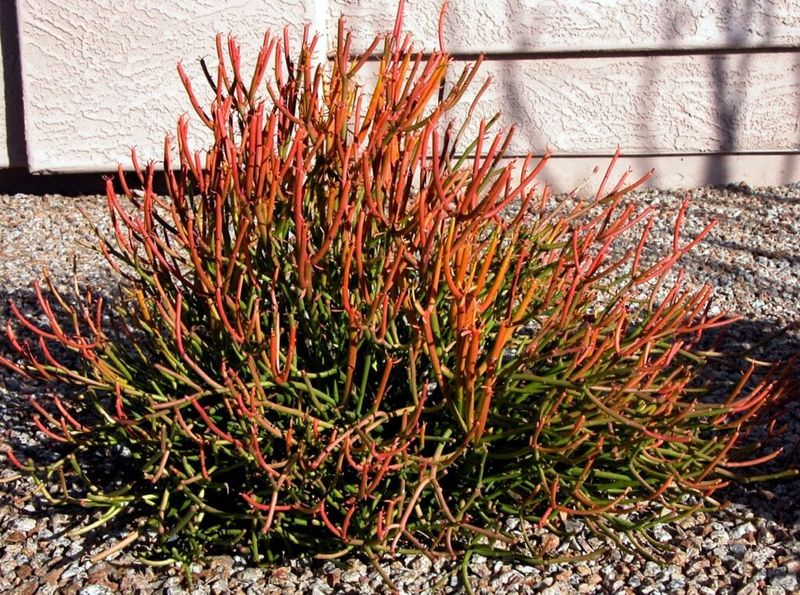
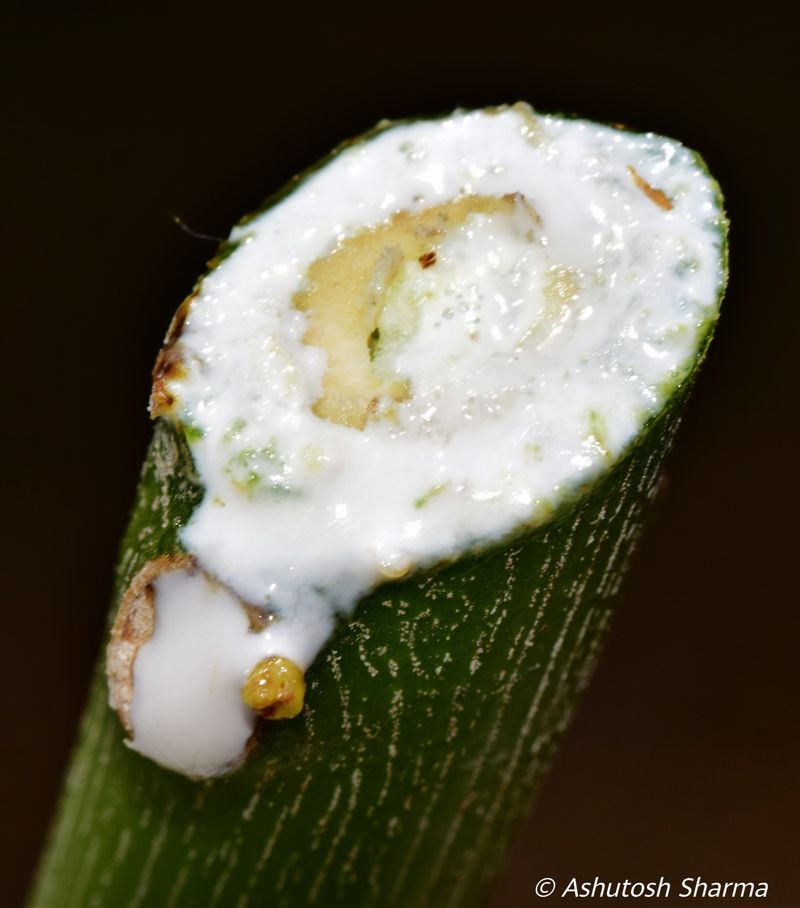
Tucked into Phoenix and Tucson yards alongside boulders and gravel, a popular ornamental shrub looks completely harmless until you pick up the pruning shears. Euphorbia tirucalli, sold under names like firestick and pencil cactus, releases a milky latex the moment its stems are cut or snapped.
That sap can irritate skin and cause serious eye injury, making it one of the most underestimated handling hazards in low-desert landscaping.
Meet Firestick, the Euphorbia Often Called Pencil Cactus
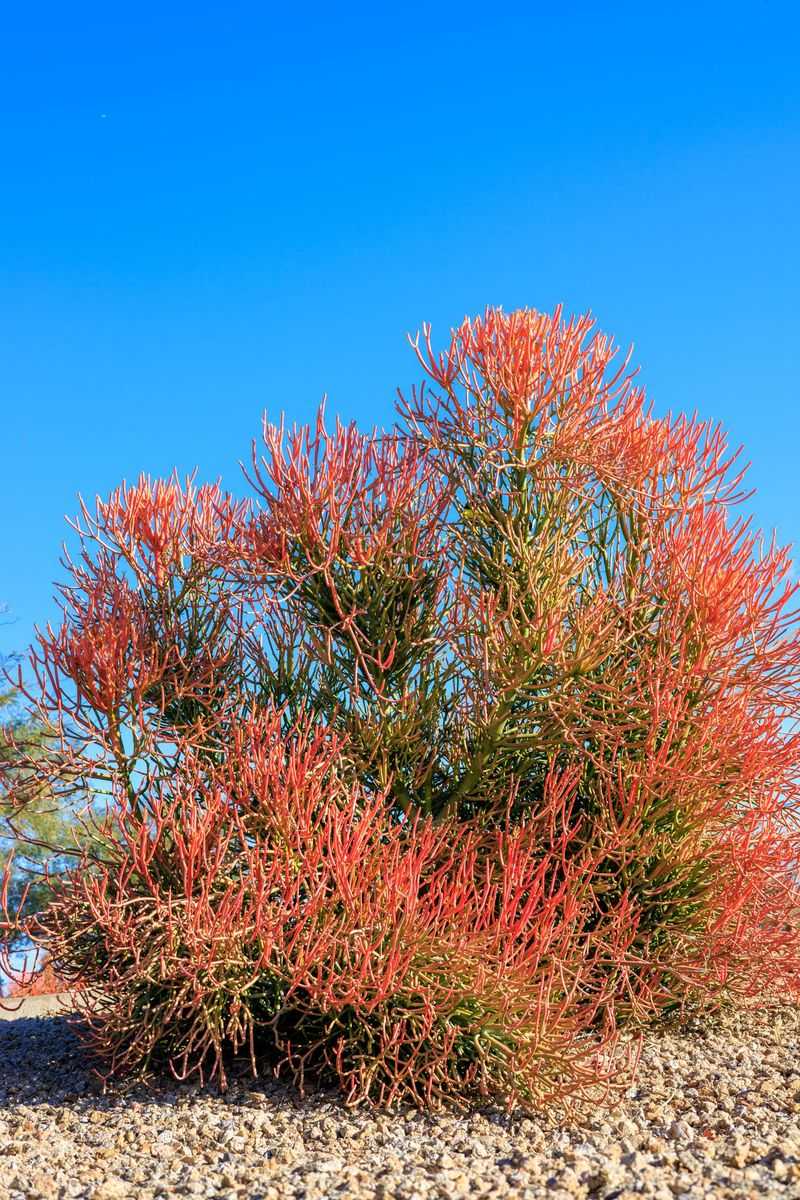
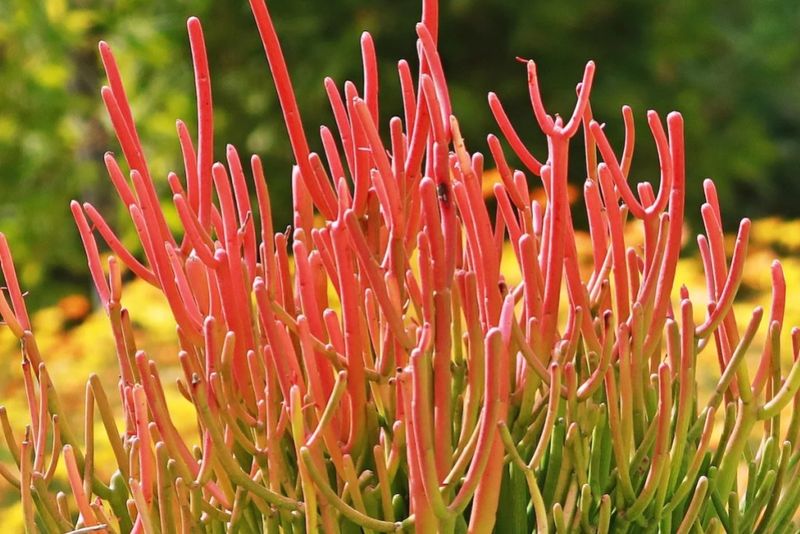
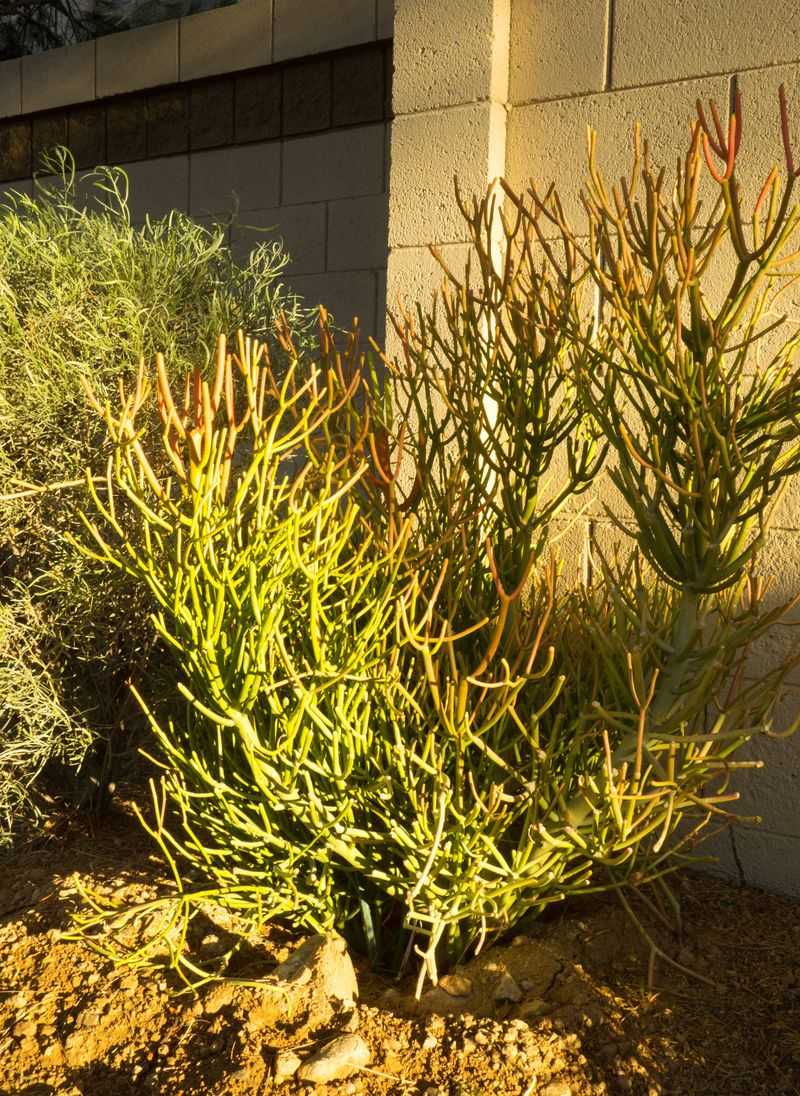
Walk through almost any nursery in the Phoenix or Tucson metro and you will likely spot a shrub with slender, finger-thick stems that branch outward in tight clusters. That plant goes by several names: firestick, fire sticks, sticks on fire, pencil cactus, pencil tree, and milk bush.
Its scientific name is Euphorbia tirucalli, and despite one of its most popular common names, it is not a true cactus at all.
Euphorbia tirucalli belongs to the genus Euphorbia, a large and diverse group of plants that share one notable trait: many of them produce a milky latex when their tissue is damaged. True cacti belong to the family Cactaceae, a completely separate group.
The “pencil cactus” label is a nickname based on the look of the stems, not the plant’s biology.
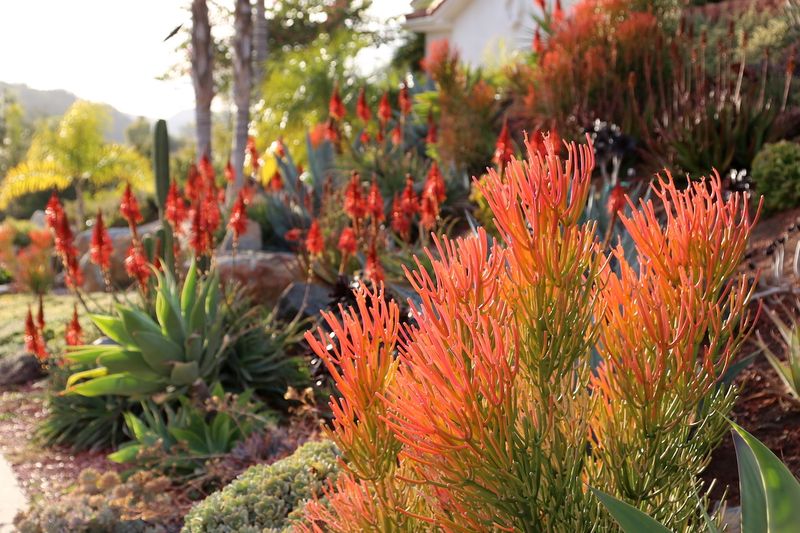
In low-desert ornamental plantings, firestick is valued for its sculptural, leafless form and its ability to handle intense heat with minimal water. Stems shift from green to vivid orange or red at the tips during cooler months, which makes it a standout accent plant.
The University of Arizona Campus Arboretum classifies it as toxic and flags it as a serious skin and eye irritant, which is the part most homeowners do not learn until after they have already pruned it without protection.
Broken Stems Release the Plant’s Irritating Latex
Firestick spends most of its life looking completely safe. Pedestrians brush past it, kids walk near it, and homeowners admire it without any problem.
The hazard begins the moment a stem is cut, snapped, bent sharply, or otherwise broken open.
Damage to the stem tissue triggers an immediate release of milky white latex. Published toxicology research on Euphorbia latex identifies this sap as the plant’s principal handling hazard, containing compounds that irritate skin, mucous membranes, and especially the eyes.
The amount of latex released, where it lands on the body, and how long it stays in contact all influence how much irritation follows.
Skin reactions from latex contact vary considerably from person to person. One gardener may notice mild redness that fades within an hour, while another with greater sensitivity develops swelling or blistering.
Ordinary contact with an intact plant, such as touching an unbroken stem, carries far less risk than pruning, deadheading, or snapping off a branch. The key distinction is whether the stem is broken, because that is when the latex flows.
Eye Exposure Deserves the Strongest Warning
Of all the ways firestick latex can reach the body, eye contact stands apart as the most urgent concern. Sap that lands on the skin generally causes a localized reaction.
Your Arizona Garden Changes Every Week. Your Plan Should Too.
Gardening in Arizona changes quickly throughout the season. Every Friday you’ll receive a simple weekly plan showing exactly what to plant, prune, fertilize, harvest, and protect so you never miss the right timing.
Sap that reaches an eye can cause burning, intense inflammation, blurred vision, and in some documented cases, temporary major vision loss.
Medical literature describes a condition called keratoconjunctivitis following Euphorbia sap exposure to the eye, which involves inflammation of both the cornea and the conjunctiva. Corneal injury is also possible.
Outcomes from these exposures depend heavily on how quickly the eye is rinsed and whether medical care follows. Prompt irrigation can limit how far the reaction progresses, while delayed treatment allows the latex to remain in contact longer and cause more damage.
The transfer route is easy to overlook. A gardener cuts a stem with one hand, the latex coats a glove or finger, and then that same hand adjusts sunglasses, wipes sweat from a brow, or rubs an eye.
That secondary contact is enough to start a serious reaction. Case reports in ophthalmology literature document severe ocular inflammation following Euphorbia sap exposure, reinforcing why protective eyewear is not optional when pruning this plant.
The sap does not inevitably cause permanent blindness, but eye injury from it can become sight-threatening without immediate and appropriate care.
Wear Protection Before You Start Pruning
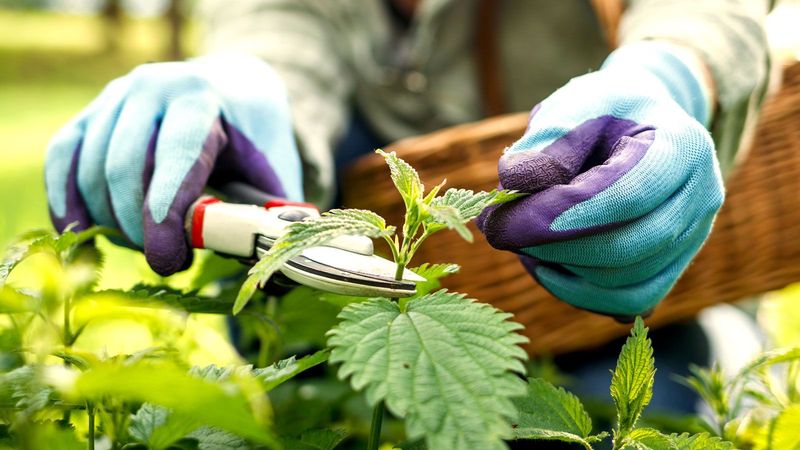
Before picking up any cutting tool near firestick, put on three things: gloves, long sleeves, and protective eyewear. Nitrile or rubber gloves provide better protection than thin fabric garden gloves because latex can seep through loosely woven material.
Safety glasses or wraparound goggles keep sap from reaching eyes even if a stem snaps unexpectedly and sends a small spray of latex outward.
Long sleeves cover the forearms, which often catch drips or brush against cut stems during pruning. Once you are working, keep your hands away from your face entirely.
That habit matters more than it sounds, because most accidental eye exposures happen not from a direct sap splash but from touching the face with a contaminated glove or finger.
Identify the plant before starting any work. Firestick grows in low-desert ornamental plantings across the Phoenix and Tucson areas, sometimes mixed in with other succulents that do not carry the same latex hazard.
Confirming you are working with Euphorbia tirucalli, and not a look-alike, tells you to apply the full protection routine before a single stem is cut. Wearing this gear does not mean every pruning session will end in injury.
It means you are controlling the exposure before it has a chance to happen.
Wash Skin Exposure Promptly
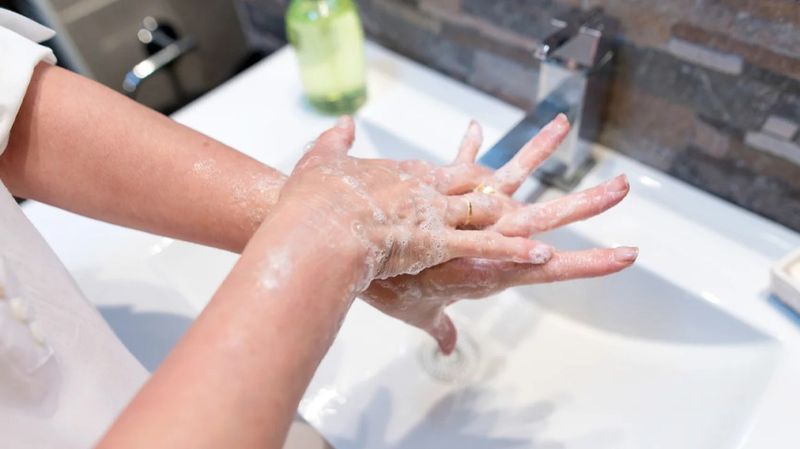
Latex on the skin calls for a straightforward response: remove any clothing the sap has soaked into, then wash the affected area gently with soap and water. Getting the clothing off first prevents the latex from spreading to more skin while you work on cleaning up.
Soap matters here. Water alone may not remove the latex effectively because of the way its compounds bind to skin.
A gentle wash with regular hand or dish soap, rinsed thoroughly with water, clears the sap and limits how long the irritants stay in contact. Scrubbing hard is not necessary and can increase irritation on already sensitized skin.
Possible skin reactions range from mild redness that fades quickly to more pronounced swelling or blistering in people with greater sensitivity. These reactions are real and worth taking seriously, but they are generally localized and different in character from the more urgent situation that eye exposure creates.
If skin irritation persists, worsens significantly, or covers a large area, a call to Poison Control at 1-800-222-1222 can help you decide whether medical evaluation makes sense. Treating a skin exposure promptly and correctly usually keeps the reaction manageable.
Rinse an Exposed Eye for 15 to 20 Minutes

If firestick latex reaches an eye, stop what you are doing and start rinsing immediately. Hold the eye open under a gentle stream of clean, room-temperature water and rinse continuously for 15 to 20 minutes.
Timing matters: the goal is to dilute and flush out the sap before it causes deeper irritation to the cornea or conjunctiva.
A few things to avoid during that rinse: do not use soap anywhere near the eye, do not wipe or rub the eye with a cloth or finger, and do not wait to see whether symptoms develop before starting. Wiping can drive latex further into the eye tissue.
Soap causes its own irritation to delicate eye surfaces. Waiting gives the sap more time to work.
After rinsing, call Poison Control at 1-800-222-1222 or go directly to an urgent care clinic or emergency room if you notice vision changes, severe pain, light sensitivity, or irritation that does not ease. Do not return to yard work after an eye exposure, even if the immediate burning seems to settle.
A medical provider can check for corneal injury that is not obvious from the outside. Poison Control can also walk you through next steps in real time if you are unsure whether the exposure warrants a clinic visit.
Arizona Use Does Not Prove Statewide Presence

Firestick appears regularly in Arizona nurseries, plant sales, and landscaping projects, particularly in the low-desert areas around Phoenix and Tucson. Regional plant lists from Arizona Cooperative Extension programs include it as an option for ornamental plantings suited to warm, dry conditions.
That documented regional use does not mean the plant grows in every yard across the state.
Arizona covers an enormous range of elevations and climates, from the low Sonoran Desert below 2,000 feet to mountain communities above 7,000 feet where winter temperatures regularly drop well below freezing. Euphorbia tirucalli is frost-sensitive.
A hard freeze can damage or finish it off, which means it is not a practical outdoor landscape plant in Flagstaff, the White Mountains, or other high-elevation communities. Microclimates within the low desert also matter: a north-facing wall with poor air drainage may expose the plant to cold that a protected south-facing courtyard would never see.
Plant lists from Pinal County programs and low-desert garden sales document firestick as a recognized ornamental option for the region. That regional footprint is meaningful for Phoenix and Tucson homeowners who may encounter the shrub in neighbors’ yards, shared common areas, or their own ornamental beds.
Knowing where it realistically grows helps you recognize it accurately rather than assuming it is everywhere or nowhere.
The Rattlesnake Comparison Does Not Measure the Risk
Headlines comparing firestick to a rattlesnake make for a striking hook, but the comparison does not hold up as a factual statement. A rattlesnake bite delivers venom through puncture wounds and can cause systemic effects requiring antivenom.
Firestick latex causes external irritation and, in the case of eye exposure, potentially serious local injury. The two hazards are different in mechanism, severity range, and medical response.
No published source reviewed for this article compares Euphorbia tirucalli sap injuries with rattlesnake bites for likelihood, severity, or mortality. The available research documents that the latex can cause irritant dermatitis on skin and significant ocular inflammation in the eye.
Those findings support treating the plant with real caution, not casual dismissal, but they do not support ranking it alongside envenomation.
The practical takeaway is more useful than any dramatic comparison. Firestick is a latex-exposure hazard, and the most consequential route of that exposure is through the eyes.
Treating it that way, by wearing protection, rinsing exposures promptly, and getting medical evaluation when vision is affected, is exactly the right response. That response does not require believing the plant is as dangerous as a venomous snake.
It just requires understanding what the sap can actually do.
Prune It as a Latex-Hazard Plant
Before any pruning session with firestick, confirm the plant’s identity, put on gloves, cover the arms, and wear protective eyewear. Assume that any broken stem will release latex, because it will.
Keep hands away from the face throughout the job.
If latex reaches the skin, remove soiled clothing and wash the area with soap and water. If it reaches an eye, rinse with clean water for 15 to 20 minutes and seek medical evaluation if pain, blurred vision, or persistent irritation follows.
Poison Control at 1-800-222-1222 is available for guidance any time.
Firestick is a legitimate ornamental plant with a real handling hazard, and knowing the difference between those two facts keeps the risk in proportion. Careful preparation makes it a manageable plant to maintain rather than one to fear.