Why You Might See More Woolly Bear Caterpillars Moving Around Pennsylvania In Early Fall
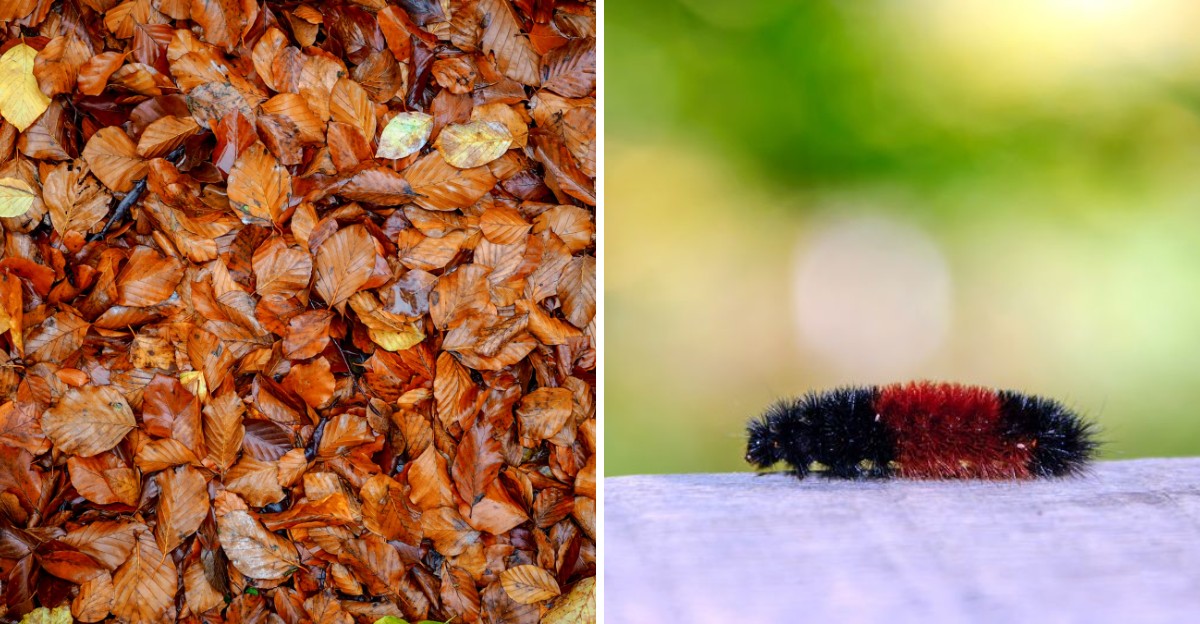
You just stepped around a creature that can freeze nearly solid and thaw out fine. That bristly shuffler is a woolly bear caterpillar, larva of the Isabella tiger moth.
Right now, across Pennsylvania, crowds of them are racing past you toward shelter. They hunt for loose bark, fallen logs, and deep leaf litter before frost hits.
Inside their bodies, a natural antifreeze called glycerol shields cells from ice damage. Spring thaws them out, and they resume munching plantain and dandelion.
Soon after, they spin fuzzy cocoons and emerge as pale orange moths. Chances are, you heard the folklore about their rust band. Wider rust supposedly promises you a gentler winter.
Narrow rust warns you to stack extra firewood. Lewisburg, Pennsylvania, even throws a Woolly Worm Festival around the legend. Scientists tell a far stranger story, and you deserve to hear it.
Cooler Nights Send Them Searching For Shelter
Picture yourself stepping outside on a chilly September morning without a jacket. You would scurry back inside fast, and woolly bears feel that same urge when nights start cooling down.
Unlike many insects, woolly bears ride out the whole winter in their fuzzy larval form. They skip the cocoon until spring, so they need a safe hiding spot before cold weather arrives.
In many parts of Pennsylvania, nighttime temperatures often slip into the 40s by mid to late September. That drop acts like an alarm clock, telling each caterpillar it is time to go house hunting.
Their ideal shelter is tucked away from wind and sheltered from big swings in temperature. Good choices include thick leaf piles, spaces under logs, loose tree bark, and gaps beneath flat rocks.
Finding that perfect spot can mean a long trip across lawns, patios, and roads. A woolly bear might crawl a surprising distance in just one afternoon while it searches for cover.
Sometimes they wander right up to your house and squeeze into window wells or garage corners. They are harmless to your home, so you can gently move them to a leafy garden bed.
Want to lend these little travelers a hand this fall? Leave a small corner of your yard a little messy, with leaves and sticks piled up for cover.
That tiny patch of wildness can become a cozy winter hotel for several fuzzy guests. Come spring, you might even spot the pale orange moths they turn into fluttering nearby.
Their Last Big Meals Happen Before Frost
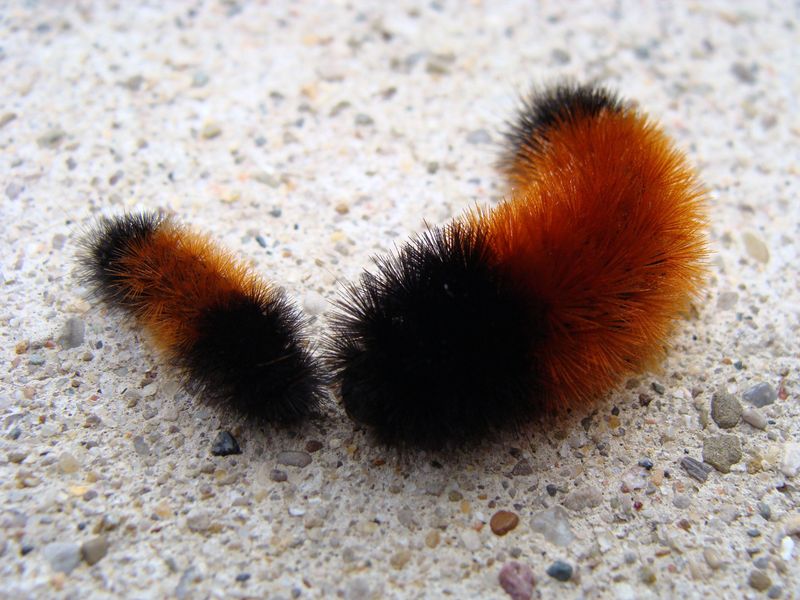
Think of early fall as the woolly bear version of an all-you-can-eat buffet. Before winter shuts the kitchen, these caterpillars try to eat as much as possible.
Their menu is not fancy at all, and that works in their favor. They munch on common plants like dandelions, plantain, clover, nettles, and many kinds of grasses and wild weeds.
Those plants grow almost everywhere in Pennsylvania, from backyards to roadside ditches. So the caterpillars roam from patch to patch, snacking as they go, which puts them in your path.
Your Pennsylvania Garden Changes Every Week. Your Plan Should Too.
Gardening in Pennsylvania changes quickly throughout the season. Every Friday you’ll receive a simple weekly plan showing exactly what to plant, prune, fertilize, harvest, and protect so you never miss the right timing.
You might notice them most along the edges of fields and yards. Those borders are packed with weeds, so caterpillars gather there like shoppers at a busy farm stand.
Why the big eating spree right now? A well-fed caterpillar stores extra energy to carry it through months of freezing and thawing weather.
Once frost starts browning the leaves, fresh food gets harder to find. That pushes them to travel even farther, hunting for the last green bites of the season.
Here is a fun detail about their appetite. Woolly bears are not picky, and they happily switch plants based on whatever grows nearby.
A 2009 study even found that parasitized woolly bears eat more of certain plants that help them survive parasites. It is a little like reaching for chicken soup when you feel a cold coming on.
If you want to support them, go easy on lawn chemicals this time of year. A few dandelions and clover patches make a great snack bar for fuzzy visitors passing through.
Shorter Days Signal A Big Life Change
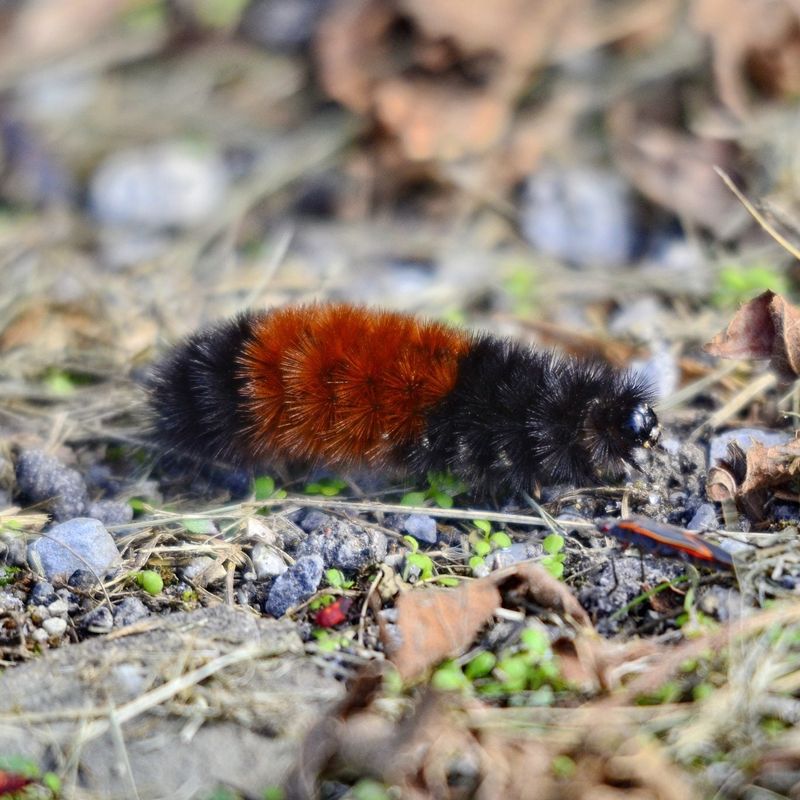
By late September, Pennsylvania loses about two to three minutes of daylight every single day. You might not notice right away, but woolly bears are paying close attention.
Many insects use day length as a natural calendar. Shorter days tell these caterpillars that winter is coming, even on a warm afternoon that feels like summer.
In southern Pennsylvania, woolly bears can have two generations each year, while northern areas often have just one. The summer batch becomes moths quickly, but the fall batch is the one you spot crawling around.
That fall group gets a special signal from the fading light. Instead of turning into moths right away, their bodies switch into a slow, resting mode called diapause.
Diapause is a bit like hitting the pause button on growing up. Before that pause kicks in, though, the caterpillars need to eat, wander, and settle into a hiding place.
That in-between stage is exactly when you see them most. They are restless and on the move, like kids packing for a trip the night before they leave.
Here is a neat science fact to share at dinner tonight. Woolly bears can freeze nearly solid in winter, then thaw out in spring and carry on with life.
Their bodies make a natural antifreeze that protects their cells from sharp ice crystals. The shorter days help trigger that amazing preparation, so the light really does matter.
Next time you notice darker evenings, take a quick look at your sidewalk. Chances are good that a fuzzy neighbor is responding to the same change you just felt.
Fallen Leaves Offer A Natural Winter Blanket
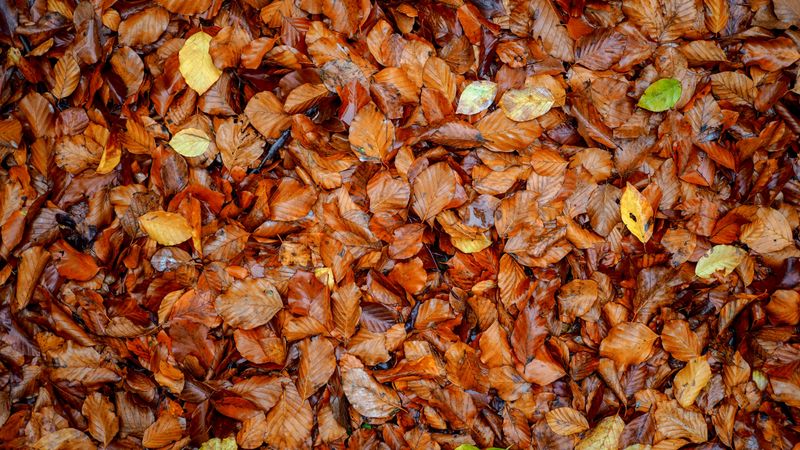
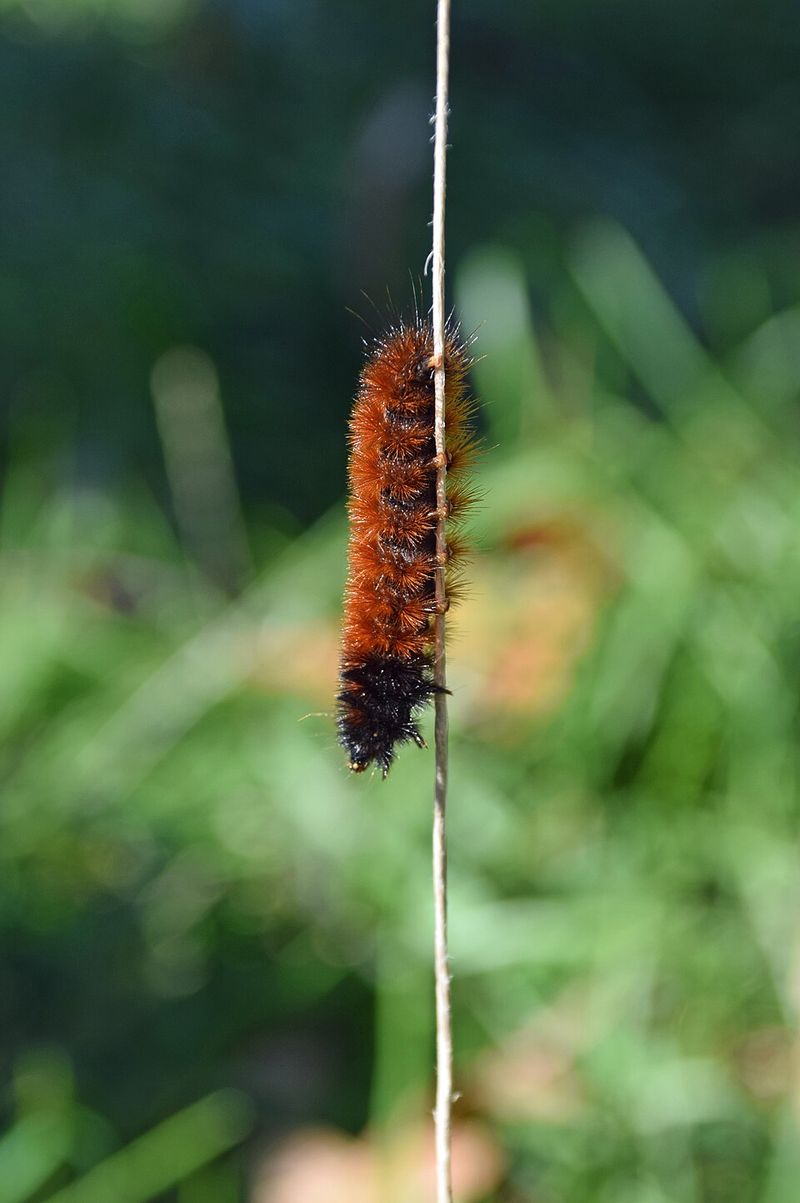
Remember jumping into a giant pile of leaves as a kid and sinking right to the bottom? Woolly bears love leaf piles too, though they are looking for shelter instead of fun.
Once maples and oaks start dropping leaves, the ground gets a new layer. That crunchy layer traps warmth and moisture, creating a snug spot for small creatures to spend winter.
In Pennsylvania, leaf drop picks up in late September and October. As leaves pile up, caterpillars move toward them, scouting for the thickest and most protected piles.
Snow actually helps them out later in the season, too. Snow on top of leaves keeps ground temperatures steadier, which is easier on a resting caterpillar.
Here is where many homeowners accidentally cause trouble. Raking, blowing, and bagging every single leaf removes the hiding spots these fuzzy critters are counting on.
You do not have to leave your whole yard buried, though. Try raking leaves into flower beds or under shrubs, where they can act as natural mulch all winter.
Your plants get a free layer of protection, and the soil gets extra nutrients as leaves break down. Plus, you save time and a stack of paper yard bags.
Many gardening groups now encourage people to leave the leaves for exactly this reason. Fireflies, bumblebees, and butterflies also depend on leaf litter to make it through the cold months.
So when you spot a woolly bear heading for your leaf pile, give it a friendly nod. It is tucking itself into bed, just like you do on chilly nights.
Busy Roads And Sidewalks Make Them Easy To Spot
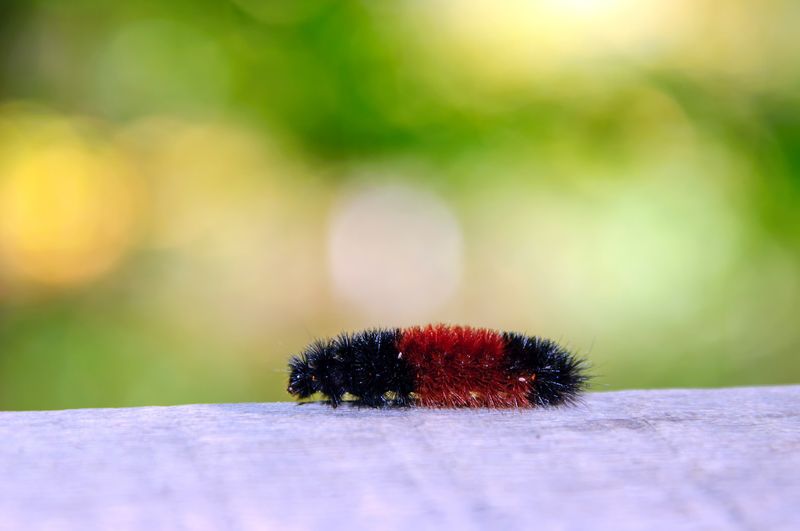
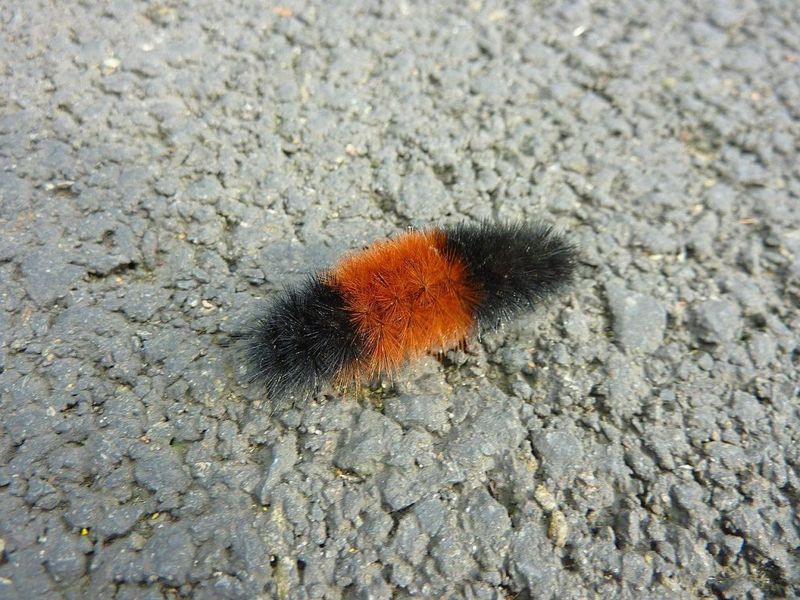
Woolly bears may not be more common on roads, but they sure are easier to see there. A rusty, bristly body stands out against gray pavement like a ketchup stain on a white shirt.
In a grassy field, the same caterpillar blends right in with brown stems and dry leaves. On a sidewalk or country road, though, there is nowhere to hide from curious eyes.
Pennsylvania has thousands of miles of rural roads that cut through fields and woods. Caterpillars searching for shelter often have to cross these paths to reach the other side.
Why did the woolly bear cross the road? To find a cozy leaf pile, of course, which is a better answer than any chicken joke.
Warm pavement also attracts them on cool mornings. Asphalt soaks up sunlight, so a caterpillar might pause there to warm up before moving on.
Sadly, that sunny rest stop can be a risky place to linger. Cars, bikes, and even hurried feet can squash these slow travelers before they reach safety.
You can help with one simple move if it is safe to stop. Gently scoop the caterpillar onto a leaf and carry it in the direction it was already heading.
Do not be surprised if it curls into a tight, fuzzy ball in your hand. That is its way of playing possum, and it will uncurl once it feels safe again.
One quick tip: those bristles can make sensitive skin itchy, so washing your hands afterward is smart. Kids especially should wash up before grabbing an after-school snack.
Warm Afternoons Get Them Moving Again
Early fall weather in Pennsylvania loves to play tricks on everyone. One morning you need a hoodie, and by mid-afternoon it feels like a July pool day.
Woolly bears notice those temperature swings more than we do. As cold-blooded creatures, they depend on outside heat to power their muscles and keep their bodies running.
On chilly mornings, they tend to stay tucked away and move slowly, if at all. Once the sun warms things up, they perk up and start crawling with real purpose.
That is why afternoons are prime time for woolly bear sightings. If you want to find one, take a walk between noon and late afternoon on a sunny day.
Believe it or not, these fuzzy movers can travel faster than you might expect. Some reports clock them at around four feet per minute when they are really motivated.
That might not sound like much, but it adds up quickly. In one warm afternoon, a determined caterpillar could cover the length of a few football fields.
Surprise warm spells in early fall can bring out a whole crowd at once. After a few cool days, the first warm afternoon feels like a green light for every caterpillar nearby.
This is a great time to turn caterpillar spotting into a family game. Count how many you see on a walk and compare numbers on warm days versus cooler ones.
You will likely notice a clear pattern pretty fast. More sunshine usually means more fuzzy traffic, and that makes for a fun science lesson without a worksheet.
Mild Summers Can Boost Their Numbers
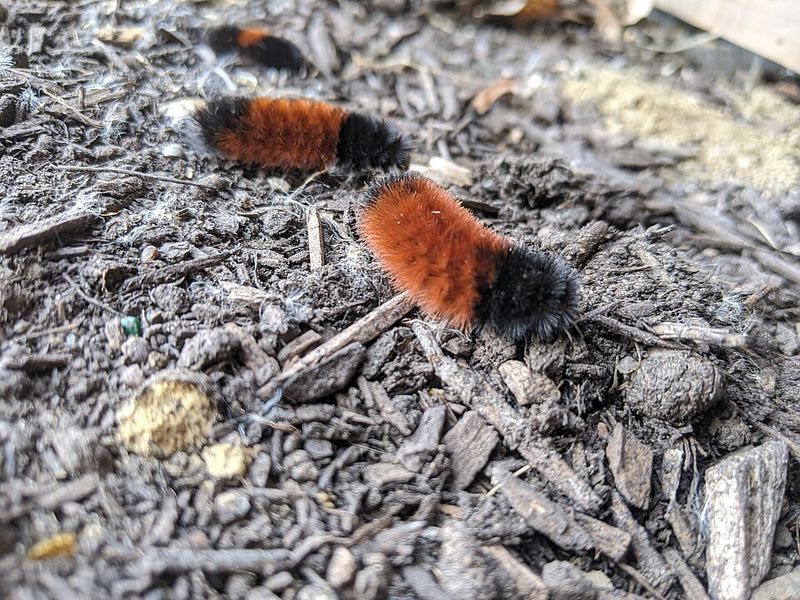
Some years it feels like woolly bears are everywhere, while other years you barely spot one. Weather during spring and summer plays a big role in how many show up by fall.
A mild, steady summer with regular rain keeps their favorite plants green and growing. More food means more caterpillars grow big and healthy enough to reach early fall.
Harsh droughts can have the opposite effect on their numbers. When grasses and weeds turn crispy and brown, fewer young caterpillars find enough to eat.
Pennsylvania summers vary a lot from year to year and from county to county. A wet year in the southeast might look very different from a dry one out west.
Predators and parasites shape the final count, too. Birds, spiders, and tiny tachinid flies all take their share, and those numbers shift yearly.
Tachinid flies are parasites with an unusual strategy. They lay eggs on caterpillars, and the fly larvae develop inside the host.
Even with all those threats, a good growing season can produce a bumper crop. That is when neighbors start swapping stories about finding them on porches, steps, and mailboxes.
Keep a simple nature journal this fall if you like tracking patterns. Jot down how many you spot each week, along with notes about the weather that day.
Over a few years, you might notice connections between summer rain and fall sightings. Real scientists use this same kind of citizen science to learn how insects are doing.
Old Weather Legends Keep People Watching Them
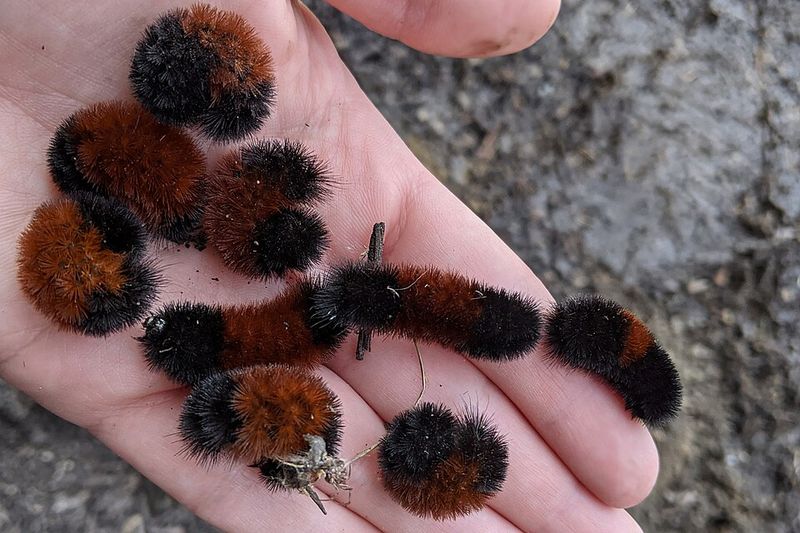
Ask a Pennsylvania grandparent about woolly bears, and you might get a winter forecast. Folklore says the width of the brown middle band predicts how rough the coming months will be.
A wide brown band supposedly means a mild winter, while a skinny one warns of harsh cold. Extra black on the ends is said to mean more snow ahead.
The legend got a big boost back in the late 1940s. A scientist named Charles Curran from the American Museum of Natural History studied the bands and told reporters.
His small study seemed to support the idea, and the story spread quickly. Before long, many people were checking caterpillars before deciding whether to buy a snow shovel.
Here is the real scoop from modern scientists, though. Band colors mostly depend on the caterpillar’s age, food, and growing conditions, not on future weather.
Woolly bears add more rusty brown as they grow and shed their skin. A caterpillar that had a long, well-fed season often shows a wider brown band.
So the bands might tell you about last summer, but not next January. That said, the tradition is still a joyful excuse to get outside and look closely at nature.
Some towns even throw festivals in honor of these fuzzy forecasters. Ohio’s Woollybear Festival began in 1973 in Birmingham and later moved to Vermilion, where it still features a big parade and costume contests.
This September, grab a buddy and make your own prediction from the next woolly bear you meet. Just keep a winter coat handy, no matter how wide that brown stripe looks.