Why Those Tiny Holes Appearing In Ohio Lawns This Fall May Have Nothing To Do With Moles
Moles take the blame for every mess in an Ohio yard, and most of the time the charge sticks. This fall, though, a lot of homeowners have the wrong suspect.
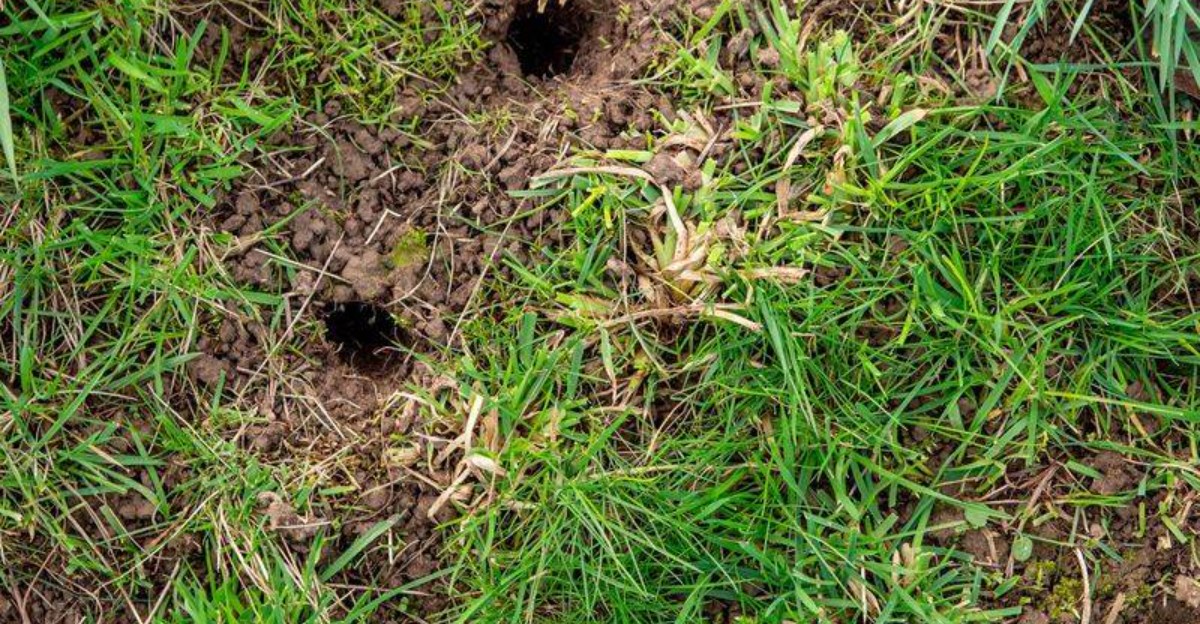
The evidence shows up after a cool, damp week. Small round holes appear in the grass, spread out in no clear pattern, with no tunnels or ridges of soil to connect them.
Some are barely the width of a pencil. A few look like somebody jabbed the turf with a broom handle.
Moles do not work this way. They push soil up and out, and they leave behind raised trails you can feel underfoot.
So who made the holes? The list of culprits is longer than you might think, and it includes a few guests you would actually want to keep around.
Each one leaves its own signature, and once you know how to read it, the mystery solves itself.
1. Earthworms Can Leave Small Openings Behind
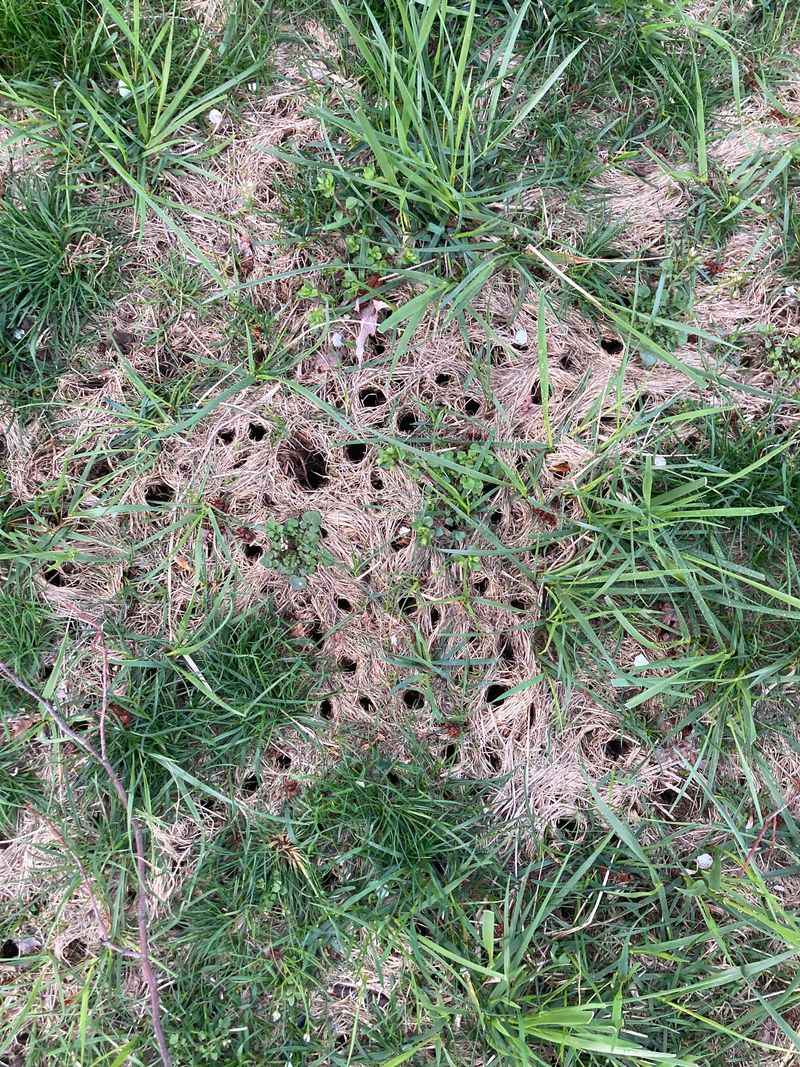
Picture a quiet October morning with dew still clinging to every blade. You bend down and spot dozens of little openings, each one no wider than a drinking straw.
Before you panic, meet one of the hardest workers in your yard. Earthworms tunnel through soil as they feed, leaving small holes wherever they pop up for air.
Many of these holes come with tiny piles of lumpy, granular soil nearby. Those piles are called castings, and they are basically worm leftovers packed with nutrients.
Worms eat bits of soil and old plant material, then pass it back out as rich little pellets. Gardeners often call castings black gold because plants love them.
Fall is a busy season for worms in Ohio. Cool temperatures and moist ground bring them closer to the surface, so their openings become easier to see.
Their tunnels help air, water, and food reach grass roots. In a way, worms give your lawn a free aeration service every single night.
Heavy casting activity can make a lawn feel bumpy under your feet or mower. If that bothers you, let the piles dry, then break them up with a stiff rake.
Try to skip harsh chemicals meant to chase worms away. A lawn full of worm holes is usually a sign of healthy, living soil.
2. Ground-Nesting Bees Create Tiny Soil Holes
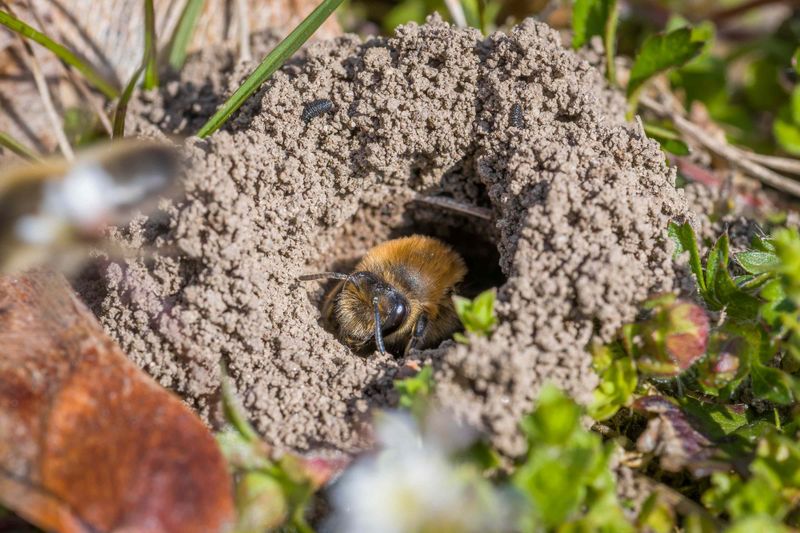
A buzzing patch of bare dirt might look alarming at first glance. Up close, though, it could be a peaceful neighborhood of hardworking native bees.
Many Ohio bees live alone instead of in big hives. Each female digs her own private burrow several inches deep, then stocks it with pollen for her young.
The entrance holes are small, often about the width of a wooden pencil. You may notice a tiny ring of loose soil around each opening, like a miniature volcano.
These bees favor sunny, dry spots with thin grass and well-drained soil. That is why they often settle on sunny slopes or sparse corners of the backyard.
Worried about stings? Male bees cannot sting at all, and the females stay calm unless someone grabs or steps on them barefoot.
Your Ohio Garden Changes Every Week. Your Plan Should Too.
Gardening in Ohio changes quickly throughout the season. Every Friday you’ll receive a simple weekly plan showing exactly what to plant, prune, fertilize, harvest, and protect so you never miss the right timing.
Many ground-nesting bees are most noticeable during their active nesting season, so fall holes may be older openings or may belong to another animal. Still, spotting bee burrows tells you a lot about your soil.
These little diggers are valuable pollinators for vegetable gardens, fruit trees, and roadside wildflowers. Losing them would mean fewer blooms and smaller harvests in your neighborhood.
If you want them to relocate, water the area regularly, since they prefer dry ground. Thickening your grass with fall overseeding also makes the spot less inviting.
3. Cicada-Hunting Leave Larger Burrows
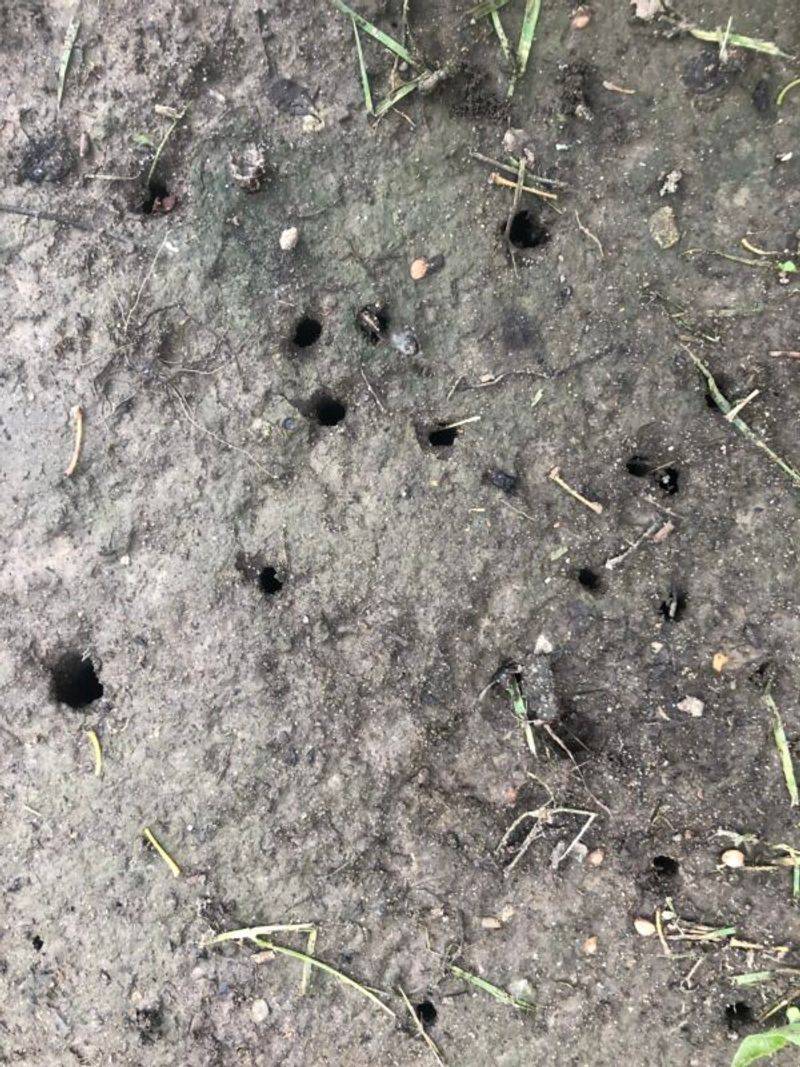
Imagine a wasp nearly two inches long zooming low over your lawn. It sounds like a horror movie, but this insect is far less scary than it looks.
Cicada-hunting wasps are large, solitary insects found across Ohio and much of the Midwest. Their name comes from their favorite meal plan, which involves catching cicadas for their babies.
A female digs a burrow that can reach 6 to 10 inches deep. The opening is usually about half an inch to one inch wide, much bigger than a bee hole.
Look for a U-shaped mound of loose soil spread out beside the entrance. That tidy pile is one of the easiest clues for spotting their work.
These wasps like full sun, sandy or loose soil, and thin grass. You will often find their burrows near sidewalks, patios, or the edges of flower beds.
Their busy season runs from late June through early September, peaking in July and August. By mid-fall, the holes you see are likely leftovers from summer activity.
Here is a fun fact to share at dinner. Males cannot sting, and females rarely sting unless someone handles them roughly.
To discourage them next year, water dry areas and encourage thicker turf. A layer of mulch in bare spots can also make digging much harder.
4. Voles Create Runways Instead Of Open Holes
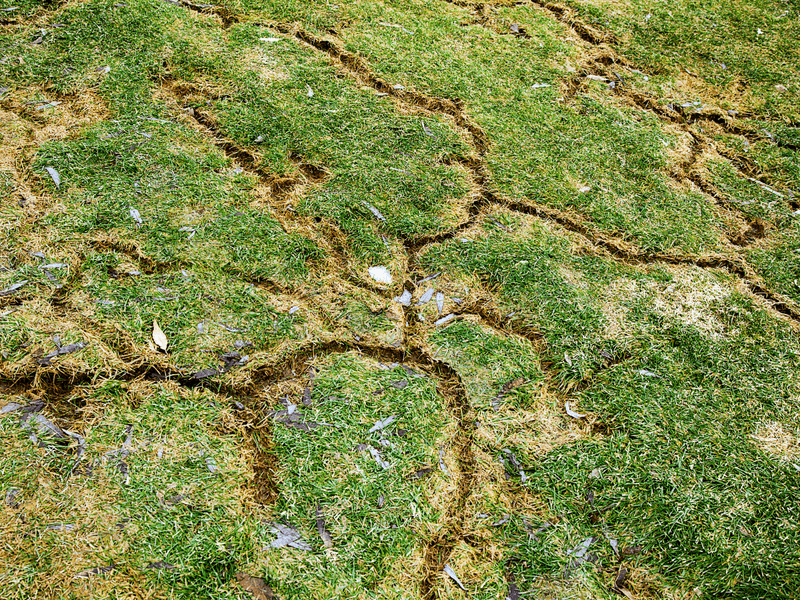
Voles are the sneaky cousins of the rodent world. Often mistaken for mice, these small, stocky critters prefer to travel in the open rather than dig deep.
Instead of big holes, they create runways across your lawn. These are narrow paths, about two inches wide, where the grass has been nibbled and worn down.
The runways often show up most clearly in late winter after snow melts away. In fall, though, you might catch early signs as voles settle in for the colder months.
Voles do dig small entry holes to reach their burrows. Those openings are usually about 1 to 1.5 inches across and have no dirt pile on top.
Their diet is mostly plants, including grass, roots, and tender stems. During autumn, they stash seeds, tubers, and flower bulbs to snack on later.
Unlike some animals, voles stay active all year long. Under snow cover, they can chew on shrub bark and young tree trunks without being noticed.
To make your yard less cozy for them, keep grass mowed and trim tall weeds near the edges. Pull mulch a few inches away from tree trunks, too.
Hardware cloth wrapped around young trees can protect bark through winter. A tidy yard with fewer hiding spots gives voles a reason to look elsewhere.
5. Grubs Can Draw Digging Wildlife To Turf
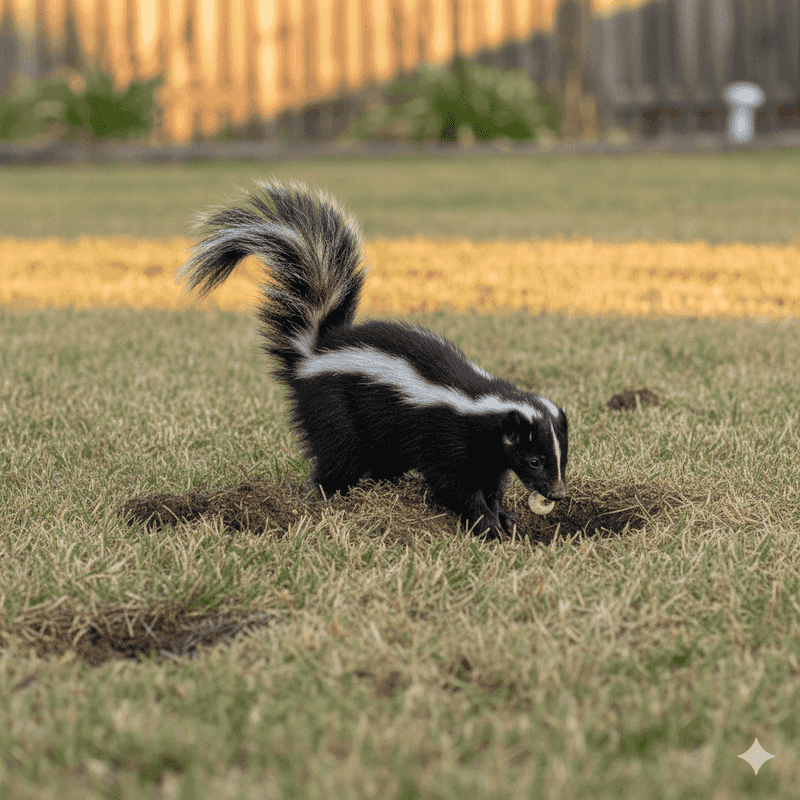
Waking up to torn turf and scattered divots can feel like a crime scene. The real story, though, often starts with something hiding underground.
Grubs are C-shaped white larvae of beetles such as Japanese beetles and European chafers. They live in Ohio lawns and munch on grass roots.
A few grubs are no big deal for healthy grass. Large numbers, however, can weaken turf, leaving it spongy and marked with uneven brown patches.
Here is where the digging comes in. Raccoons, skunks, and birds love grubs and will tear into lawns to find them.
Skunks tend to leave small, cone-shaped holes, often just a few inches wide. Raccoons are messier, sometimes flipping back strips of sod like pancakes.
An increase in nighttime digging can be your first warning of a grub problem. Try the tug test by gently pulling on damaged grass.
If it lifts like a loose rug, peel back a square foot and count the grubs. A high grub count, especially alongside thinning or damaged turf, is a stronger reason to investigate whether treatment is warranted.
Talk with a local garden center or OSU Extension about treatment timing. Once the grubs are handled, the digging visitors usually move on.
Afterward, rake loose soil back into place and scatter grass seed over bare patches. Cool fall weather gives new grass a great chance to fill in quickly.
6. Rain Can Expose Existing Soil Tunnels
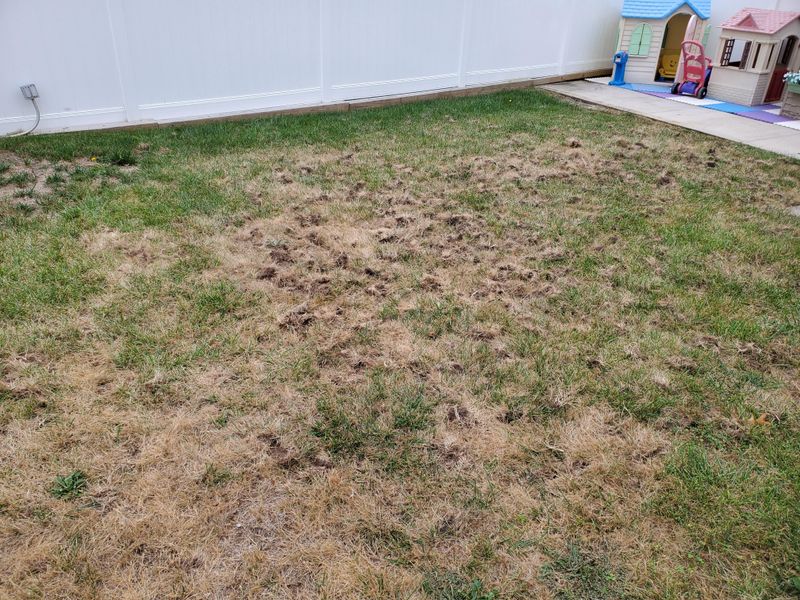
Ever notice how a lawn looks totally different after a big storm? Heavy rain has a way of revealing secrets the soil was keeping quiet all summer.
When the ground gets soaked, water can wash loose soil away from old tunnels and burrows. Holes that were hidden under thatch or grass suddenly appear overnight.
Rain also invites earthworms to wiggle up toward the surface. Their fresh castings and openings become much easier to spot on a wet morning.
Many Ohio yards sit on heavy clay soil that drains slowly. Water may pool in low spots, softening the ground and making surface marks more obvious.
Standing water is tough on grass, too. Roots need oxygen to grow, and soggy soil can leave them gasping for air.
So those holes after a rainy week might not be new at all. They could be old tunnels from worms, insects, or small animals that simply lost their soil cover.
Give the lawn a few dry days before deciding what caused the holes. Once things firm up, look for fresh soil, small mounds, or insect activity near each opening.
If puddles repeatedly form after storms, identify the source of the drainage problem first; core aeration may help with compaction, while other low spots may require different corrections.
7. Birds May Peck Through Turf For Insects
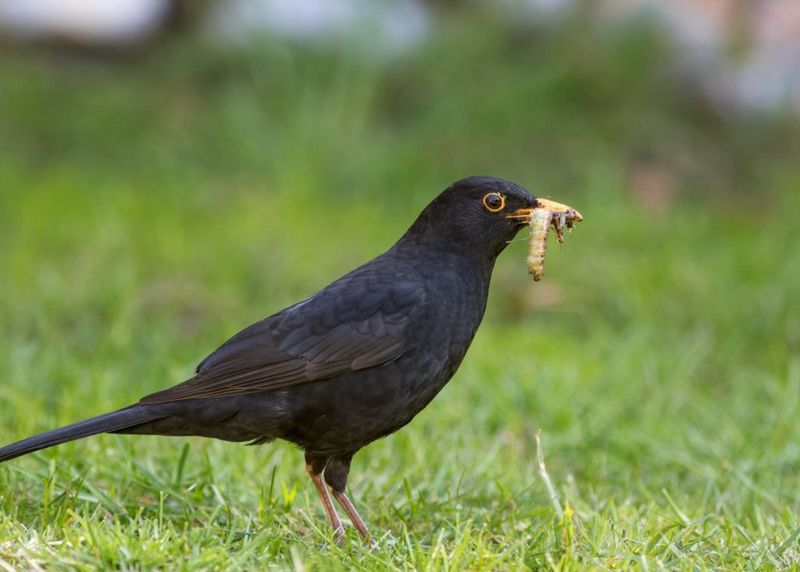
Robins hopping across the grass might look cheerful and harmless. Every so often, though, one stops, tilts its head, and jabs its beak straight into the turf.
Birds are skilled lawn detectives. They peck through grass to reach worms, grubs, and other insects living just below the surface.
The holes they leave are small, shallow, and often cone-shaped. You may find clusters of them in one area where the hunting is especially good.
Starlings, robins, crows, and grackles are common lawn visitors in Ohio during fall. Flocks of starlings can poke hundreds of tiny holes in a single afternoon.
Robins use visual cues and other sensory information to locate prey in the soil and turf.
Bird holes on their own rarely harm a lawn. The bigger question is what the birds are eating down there.
A sudden jump in bird traffic can hint at a grub problem. If flocks keep returning to the same patch, check the roots for white, curled larvae.
Try to enjoy the free pest control while it lasts. Birds help keep insect numbers down, and their pecking can even loosen the top layer of soil a little.
Keep a notebook of when and where the birds gather. Patterns over a week or two can point you toward trouble spots quickly.
8. Compacted Soil Can Change Hole Patterns
Think of compacted soil like a crowded elevator with no room to breathe. Air, water, and nutrients struggle to squeeze through to the grass roots.
Clay-heavy soil is common across Ohio, and it packs down easily. Foot traffic, mowers, and even kids playing tag can press it tighter over time.
Compacted ground does not create holes by itself. What it does is change how holes look and where they tend to show up in your yard.
Hard soil pushes worms and insects toward softer spots, so you might see holes clustered in a few areas. Thin, patchy grass also makes existing openings stand out more.
Water tends to run off packed soil instead of soaking in. That can leave puddles, weak roots, and bare patches that invite digging animals.
Want a simple test? Push a screwdriver into moist soil, and if it fights you after an inch or two, compaction is likely.
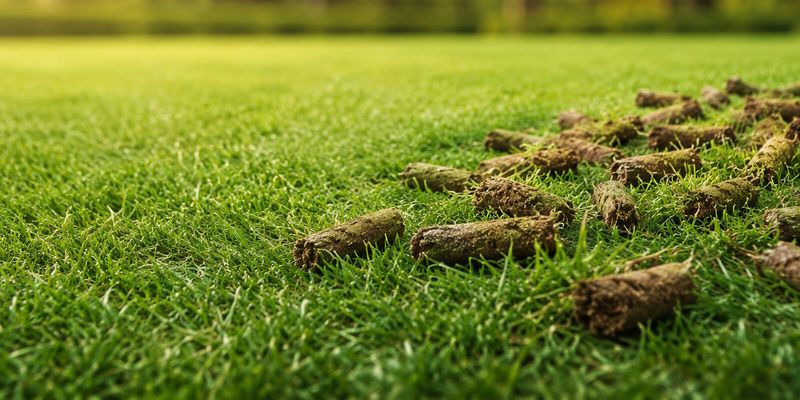
Fall is the perfect season to fix the problem with core aeration. This process pulls small plugs of soil out of the lawn, giving roots room to stretch.
Yes, aeration leaves holes of its own, but they are the helpful kind. Follow it with overseeding and a thin layer of compost for thicker, stronger turf.
9. The Hole Shape Often Reveals The Culprit
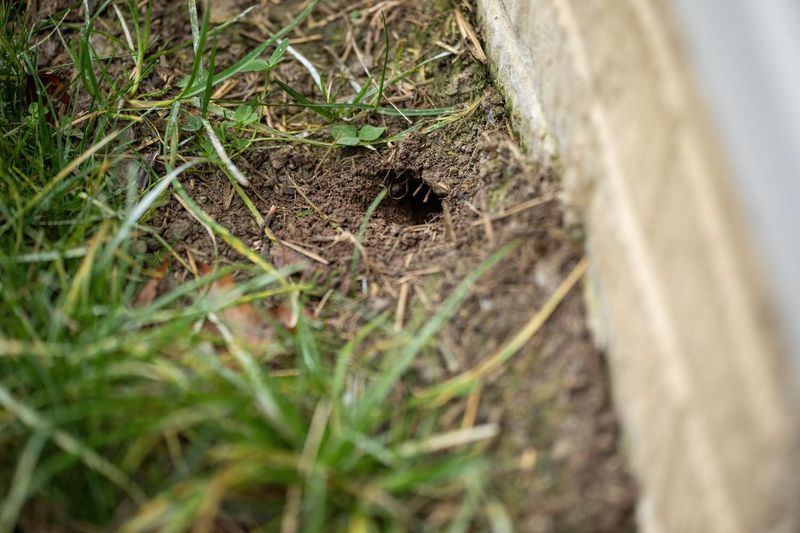
Every hole tells a story if you know how to read it. Grab a ruler, a pencil, and a curious mindset before heading outside.
Small, neat, round holes about the size of a pencil often point to earthworms or ground-nesting bees. Worm holes usually have little piles of granular castings nearby.
Bigger round burrows, roughly half an inch to an inch wide, with a U-shaped mound suggest cicada-hunting wasps. Those tend to appear in sunny, bare spots during summer.
Shallow divots or torn-up turf that appear overnight usually mean animals were hunting grubs. Skunks, raccoons, and birds are the most common suspects.
Narrow, worn paths through the grass belong to voles. You may see small entry holes along those paths, but without big dirt piles.
So what about moles? Their work looks different, with raised ridges across the lawn and volcano-shaped mounds of soil instead of open holes.
Snap a few photos with a coin next to each hole for scale. Comparing pictures over several days can reveal whether activity is fresh or fading.
When in doubt, OSU Extension offices across Ohio can help identify tricky cases. A little detective work saves time, money, and plenty of guesswork.
Once you name the culprit, you can choose the right fix with confidence. Sometimes the smartest move is simply leaving helpful critters alone.