What Florida Orchids Need In September After A Long, Humid Summer
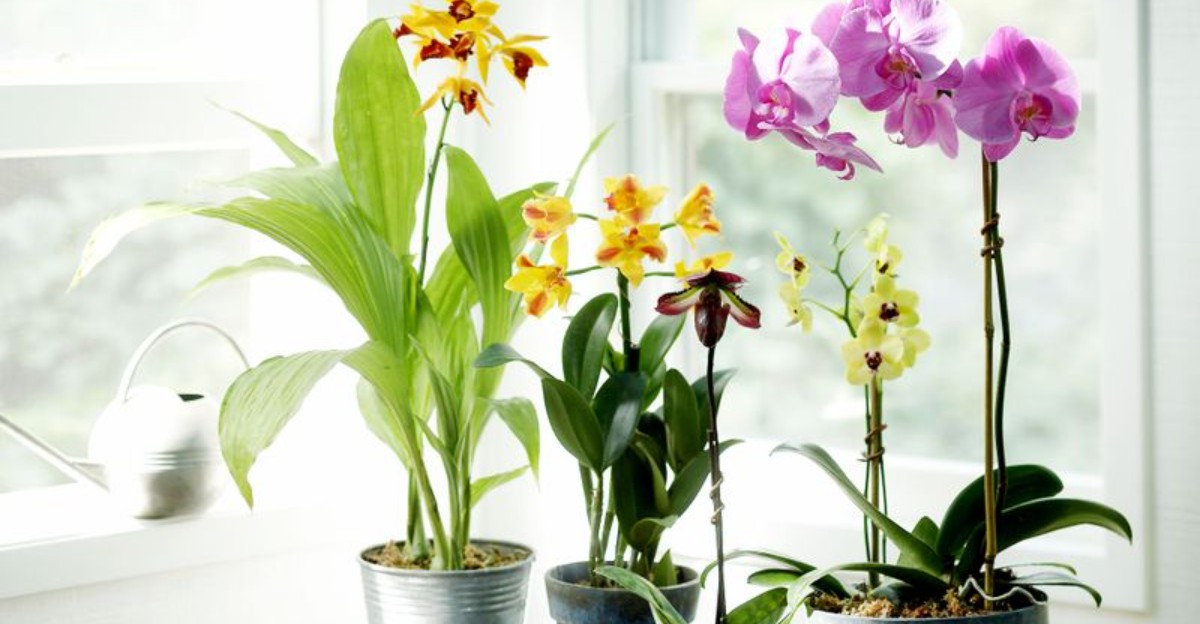
Your orchids survived the Florida summer. Now comes the part most growers get wrong.
After months of sticky heat, afternoon storms, and air so thick it feels like soup, your plants may look fine on the surface. Green leaves.
Firm roots. Maybe even a new spike.
But September hides problems that summer created, and many stay invisible until it is too late.
This month marks a quiet turn in the orchid year. Days grow shorter.
The sun sits lower. Nights cool down a few degrees.
Rain patterns shift. Your plants notice every one of those changes, even when you do not.
The care that kept them alive in July can start to hurt them now. Too much water, the wrong feed, or a missed pest can undo months of effort in just a few short weeks.
Get September right, and your orchids could reward you with their best blooms yet.
1. Let Orchid Roots Breathe After A Wet Summer
Picture wearing wet socks for three straight months. That soggy feeling is roughly what your orchid roots have lived through since June.
Most orchids grow on tree branches in the wild, not in dirt. Their roots are built to grab moisture fast and then dry off in the breeze.
A long Florida rainy season flips that design upside down. Air stops moving, moisture lingers, and roots start to struggle.
September is the perfect month to fix the airflow. Start by walking around your growing area and noticing where the air feels still and heavy.
Outdoor plants usually catch a natural breeze, so pull them away from walls and thick shrubs. Hanging baskets and open benches help air reach every side of the pot.
Indoor growers can set a small fan on low nearby. Aim it so leaves flutter a little, not so hard that the plants whip around.
Spacing matters too, and it costs nothing. Slide pots a few inches apart so each plant has its own pocket of moving air.
Check the pots themselves as well. Containers with limited drainage can hold moisture longer, while slotted pots or baskets can improve drainage and airflow around the roots.
Healthy roots will thank you with plump, silvery tips. Give them air now, and they will carry your plants happily into fall.
2. Check For Rot Before Giving Another Drink
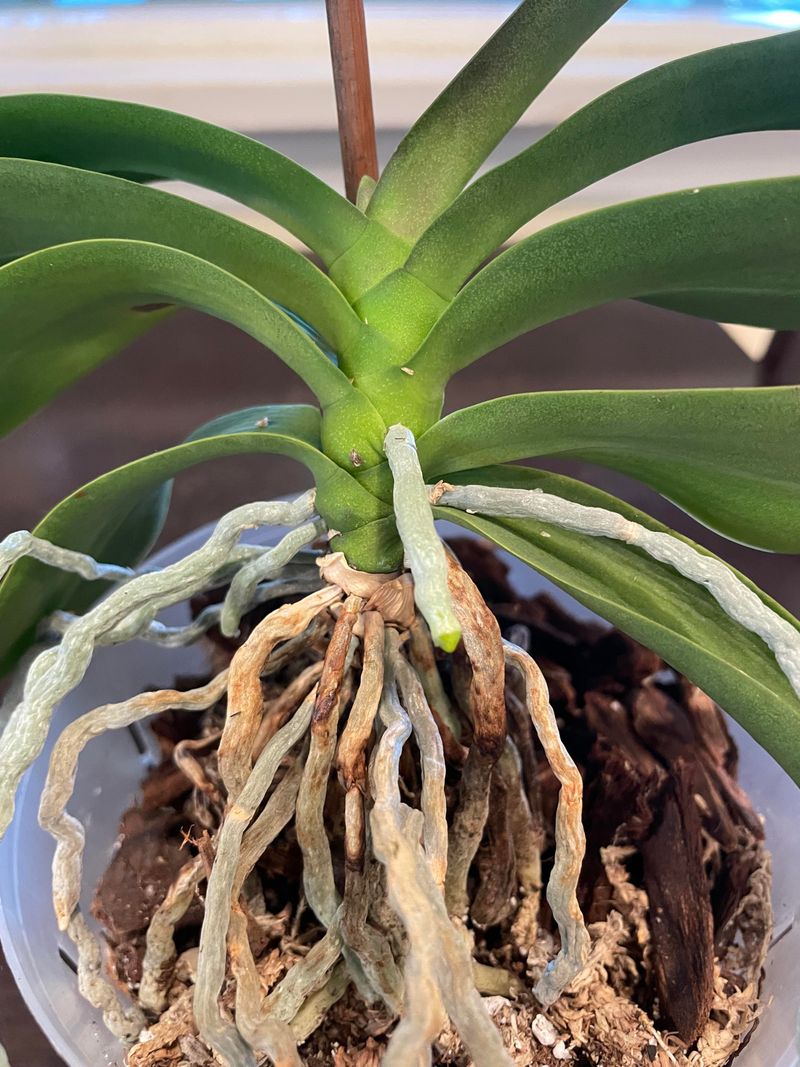
Think of yourself as a plant detective before you grab the watering can. A quick root check can save you from a very sad mistake.
Healthy orchid roots look silvery white or pale green with bright green tips. After a drink, they turn a rich green, then fade back within a few days.
Roots in trouble tell a different story. They turn black or brown, feel mushy when squeezed, and sometimes smell sour.
The leaves give clues too. Watch for yellowing, drooping, or limp, floppy leaves, and flower buds that drop before opening.
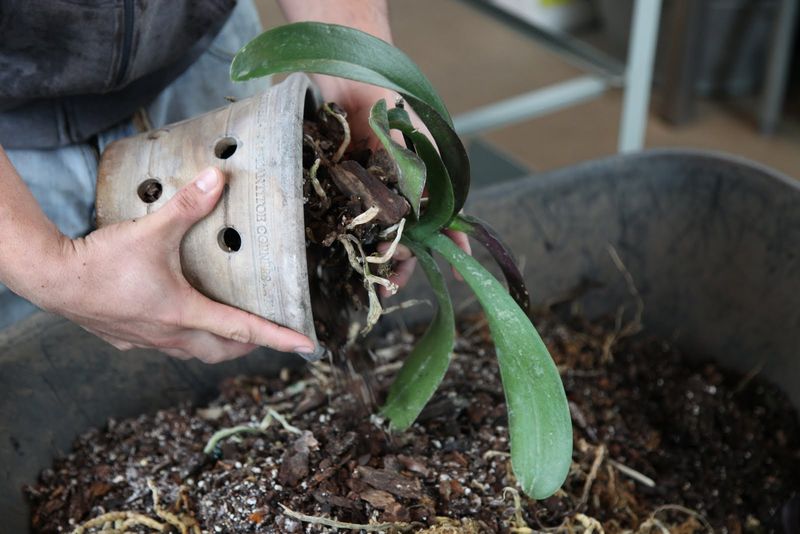
To peek at the roots, gently tip the plant out of its pot. Clear pots make this job easy, since you can see the roots without disturbing anything.
Your Florida Garden Changes Every Week. Your Plan Should Too.
Gardening in Florida changes quickly throughout the season. Every Friday you’ll receive a simple weekly plan showing exactly what to plant, prune, fertilize, harvest, and protect so you never miss the right timing.
If you find clearly rotted roots, remove the damaged tissue with clean, sterilized tools and improve airflow and drainage. Then follow the watering needs of the specific orchid and its fresh potting conditions.
Next, test the potting mix before every watering. Push a finger or a wooden skewer an inch deep, and wait if it still feels damp.
Morning is the best time to water in Florida. Extra moisture has all day to dry off before the cooler, stiller night air settles in.
A little patience goes a long way here. Skipping one drink rarely hurts an orchid, but one drink too many can.
3. Give Phalaenopsis More Air Around Crowded Leaves
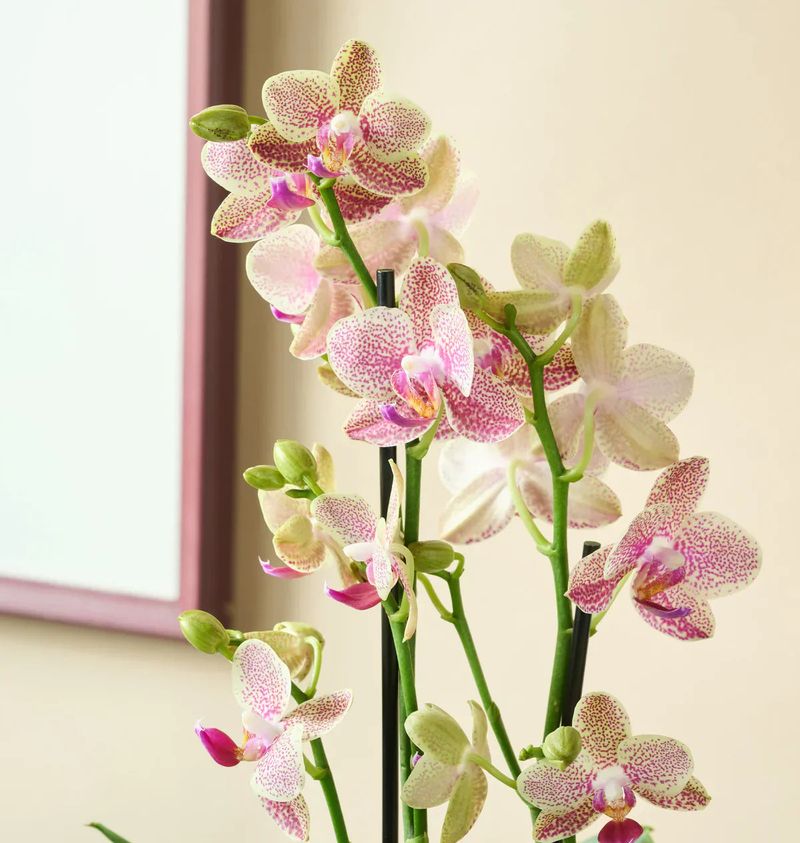
Ever been stuck in a packed elevator on a muggy afternoon? Moth orchids feel the same way when their wide leaves press against their neighbors.
Phalaenopsis, often called moth orchids, have broad, flat leaves that overlap easily. When plants crowd together, moisture gets trapped between those leaves and stays put.
That damp, still air invites trouble like gray mold, bacterial leaf spots, and crown problems. Spots may look watery, tan, or brown, and they can spread fast in September heat.
The fix starts with a little rearranging. Give each pot enough space so its leaves do not touch the plant next door.
Better airflow does more than stop spots. It helps water evaporate quicker, keeps heat from building up, and supports stronger roots and leaves.
Indoor moth orchids love a small oscillating fan on its lowest setting. A gentle, steady breeze works better than a strong blast aimed right at the plant.
Outdoors, hang plants under a shady patio or tree where breezes pass through. Avoid tucking them into tight corners where air sits still.
Take a moment to clean up too. Remove yellow leaves and old flower spikes so they do not hold moisture or hide problems.
Fun fact: the name moth orchid comes from the flowers, which look a bit like moths in flight. Give them room, and they will reward you with healthier leaves.
4. Keep Cattleyas Bright Without Baking Them
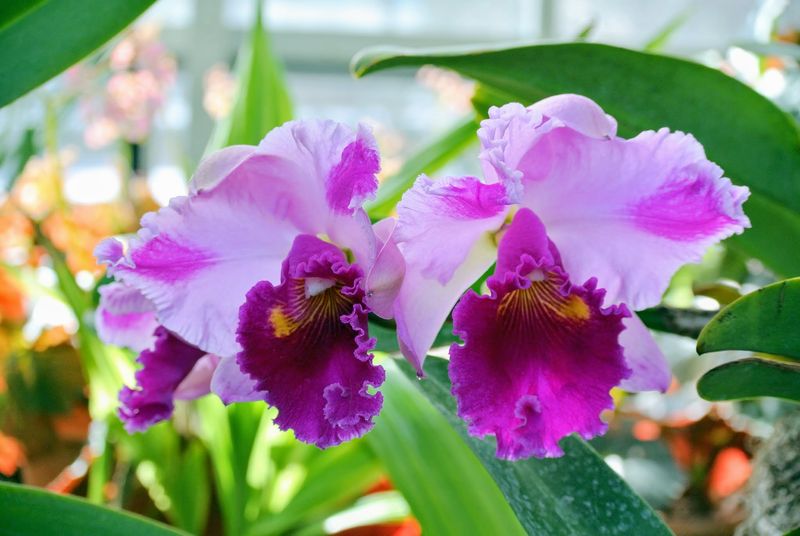
Cattleyas are the sun lovers of the orchid world, but even sun lovers can get burned. These showy, fragrant plants need more light than moth orchids to bloom well.
Bright, indirect light is the sweet spot. Direct midday Florida sun, though, can scorch leaves in a single afternoon.
Your plant will tell you how it feels through leaf color. Medium, apple green means happy, while dark green hints the plant wants more light.
A reddish or yellowish tint usually signals too much sun. White or tan patches often mean a sunburn has already happened.
September adds a twist, since the sun’s angle starts to shift. A spot that was shady in July might get harsher light now, or less of it.
Walk your yard at different times of day and watch where the light falls. Move plants a few feet if needed, and do it slowly so they can adjust.
Shade cloth rated around 50 percent works nicely for many Florida growers. Morning sun with afternoon shade is another friendly setup for these plants.
Heat is easier to handle when other things line up. Extra humidity, steady watering, strong airflow, and a bit of shade help cattleyas stay cool.
Fun fact: cattleyas are often called the corsage orchid. Their big, ruffled blooms were a favorite for school dances for decades.
5. Feed Orchids Only When New Growth Is Still Active
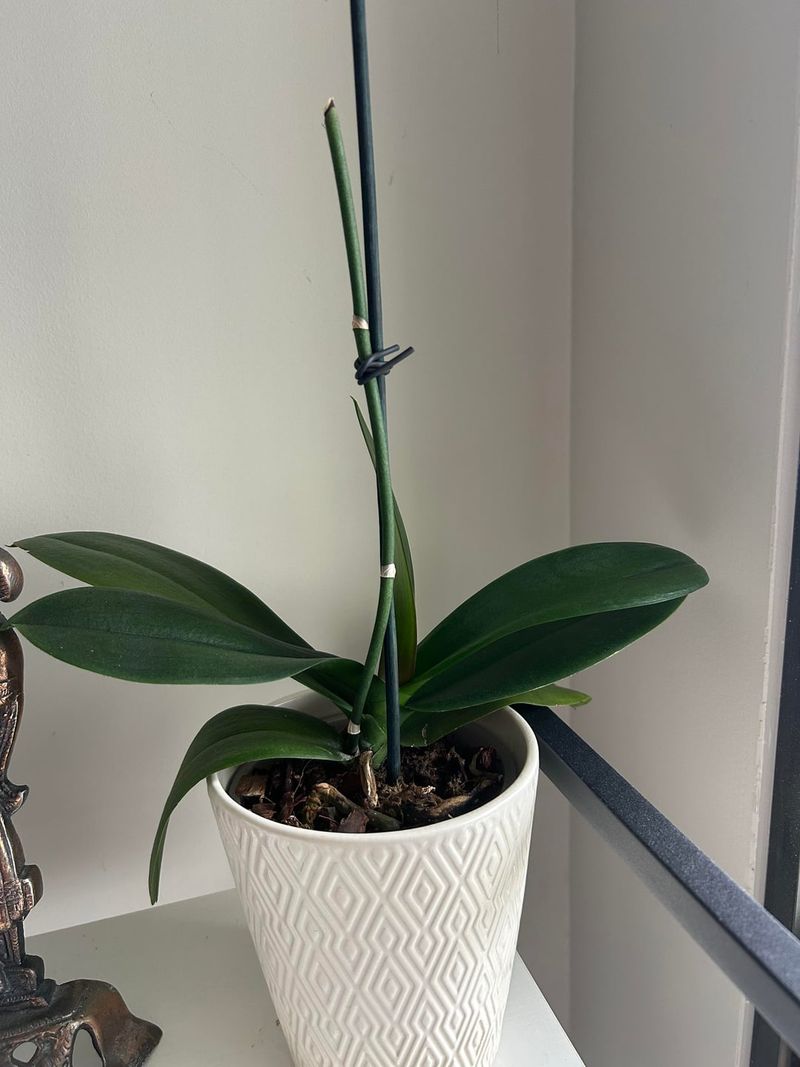
‘Weakly, weekly’ is a phrase orchid growers love to repeat. It means feeding a diluted fertilizer about once a week while the plant is actively growing.
Mix your fertilizer at one-quarter to one-half the strength on the label. Orchids in the wild sip tiny amounts of nutrients from rain and bark, not big meals.
September is a turning point for feeding. Many orchids are still growing, but some start to slow as days get shorter.
So how do you tell the difference? Look for fresh roots with green tips, new leaves unfolding, or a flower spike pushing up.
If the plant is actively producing roots or new growth, continue feeding according to your fertilizer’s label and your normal growing routine. If growth slows, reduce feeding rather than continuing the same schedule.
Water your orchid with plain water first, then add fertilizer. Dry roots soak up fertilizer too quickly, which can burn their delicate tips.
Once a month, give the pot a good flush with plain water. Let it run through for a minute to rinse away leftover fertilizer salts.
Salt buildup often shows up as a white crust on the pot or bark. Brown, crispy root tips are another hint that it is time to flush.
Think of fertilizer as a vitamin, not a cure. A healthy, growing orchid uses it well, while a resting one just stores up extra salt.
6. Look Under Leaves For Tiny Orchid Pests
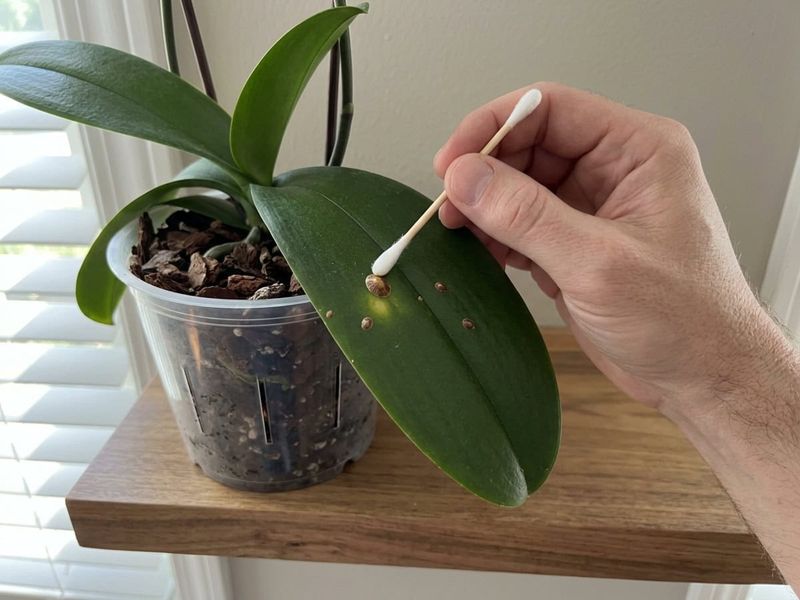
Some of the biggest orchid troublemakers are smaller than a grain of rice. After a warm, sticky summer, their numbers can quietly explode.
Florida growers often run into scale, mealybugs, thrips, aphids, and tiny phalaenopsis mites. Boisduval scale and brown soft scale are especially common on cattleyas and other hard-leaved types.
These pests love hiding places. Check under leaves, where leaves meet the stem, and beneath the papery sheaths on pseudobulbs.
Grab a flashlight and a magnifying glass for the hunt. Look for white cottony clumps, small bumps that scrape off, or silvery streaks on leaves.
Sticky, shiny spots on leaves are another big clue. That goo, called honeydew, is left behind by sucking insects and can grow black sooty mold.
Fine webbing or speckled, dull leaves may point to mites. Mealybugs can weaken a plant enough that it drops leaves, buds, and flowers.
Catching problems early makes treatment much easier. Wipe small groups away with a cotton swab dipped in 70 percent rubbing alcohol, then check again in a week.
Isolate any infested plant so pests do not hop to its neighbors. Insecticidal soap or horticultural oil can help with bigger outbreaks, following label directions.
Make inspections part of your weekly routine. Five minutes with a flashlight now can save you weeks of battle once fall arrives.
7. Keep Water Out Of Leaf Crowns And New Growth
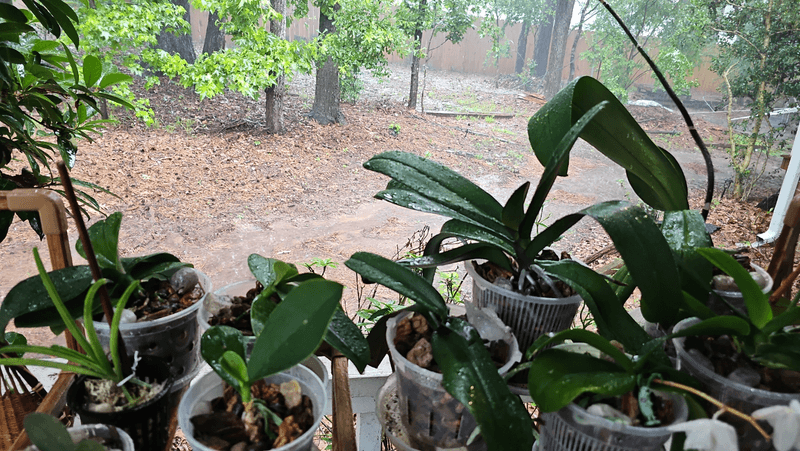
A friend once watered her moth orchid from above every evening, just like her ferns. By October, the center leaf pulled right out with a soft, brown base.
That problem is called crown rot, a common orchid trouble in humid places. The crown is the center point where new leaves grow from the top of the plant.
Water that settles in the crown has nowhere to go. In warm, still air, it becomes a cozy home for fungi and bacteria.
Phalaenopsis are especially at risk because their leaves form a cup shape. New growths on cattleyas and other types can also rot if water sits in them.
Water at the base of the plant instead of pouring over the top. Aim for the potting mix, and keep the spout low and slow.
Morning watering gives any stray drops time to dry before night. Evening watering leaves moisture in the crown for hours of cool darkness.
Accidents happen, especially after a surprise rain shower. Dab the crown with a paper towel, or tilt the plant gently so water runs out.
Outdoor plants can be tipped slightly in their pots or mounts. That small angle lets rain drain away from the center rather than pooling.
Keep an eye on the newest leaf each week. Firm and green is great, but a soft or darkening base needs attention right away.
8. Refresh Tired Potting Media Before Roots Suffocate
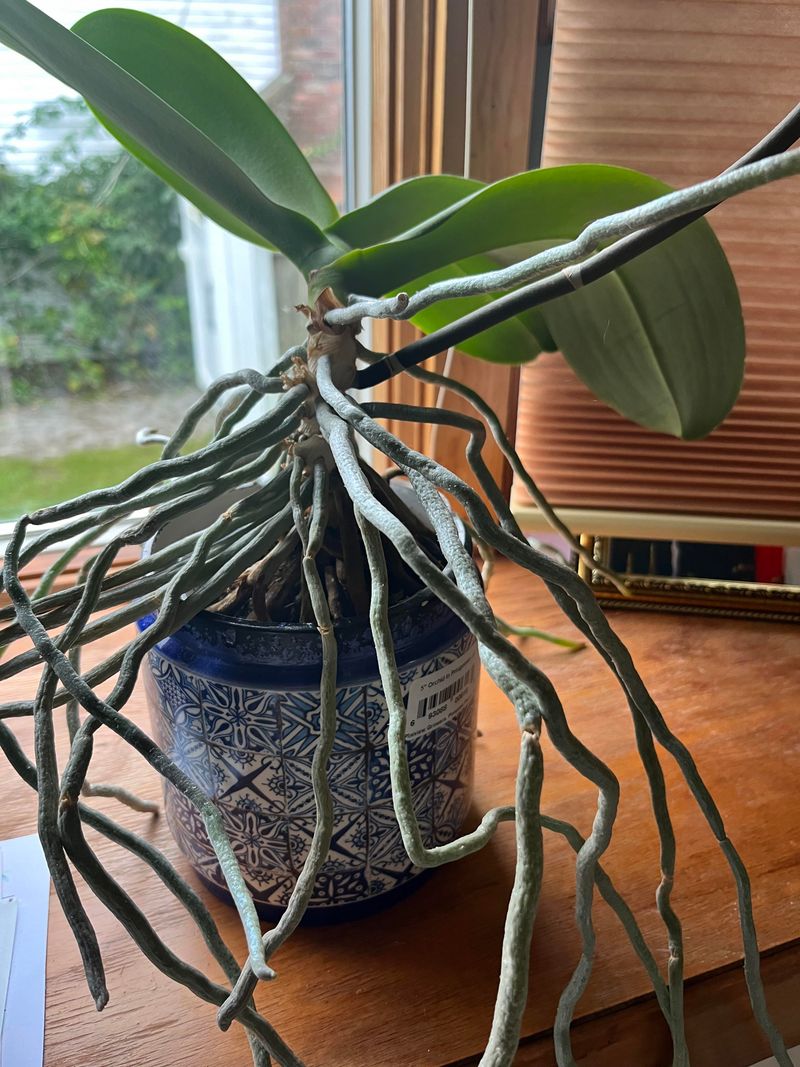
Orchid bark is a bit like a cookie left out in the rain. Given enough time and moisture, it softens, crumbles, and falls apart.
A hot, soggy Florida summer speeds up that breakdown. Broken-down bark packs tightly around roots, holds too much water, and blocks the air they need.
Watch for a few telltale signs. Bark that feels soft or crumbly, mix that stays wet for days, and water that drains slowly are all red flags.
Give the pot a sniff too. A sour or musty smell, along with algae or mold on top, means the mix is worn out.
Most orchids need repotting every one to three years. The best timing is after blooming, when fresh roots or new shoots are starting to appear.
Try to avoid repotting a plant while it is in full flower. The stress can make those blooms fade early.
When you repot, gently pull away all the old mix. Trim off any mushy, hollow, or blackened roots with clean scissors.
Choose a fresh orchid mix and a pot with plenty of drainage holes. Clear plastic pots with side vents let you see roots and boost airflow.
Water lightly for the first week or so while roots settle in. Fresh mix gives your orchid a clean, airy home heading into the cooler months.
9. Give Fall-Blooming Orchids Room To Finish Strong
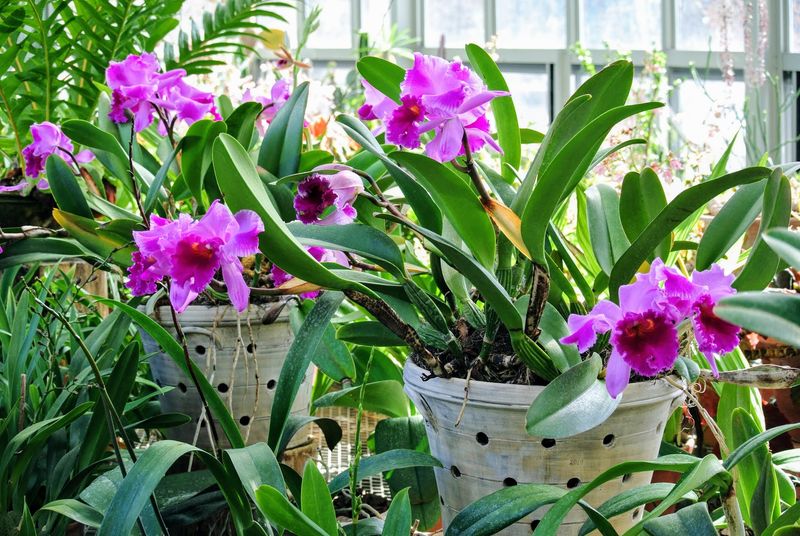
Some orchids save their best show for last. Certain cattleyas, oncidiums, and dendrobiums get ready to bloom as summer fades into fall.
Think of September as the final stretch before the big game. These plants need space, light, and a little extra support to finish strong.
Start by clearing some elbow room. Spreading out crowded plants lets more air and light reach each one.
Faster drying means fewer chances for spots and rot to take hold. It also keeps developing buds from sitting in damp, stale air.
Cooler nights play a big role too. Some orchids need that small drop in nighttime temperature to start forming flower spikes.
Leave outdoor plants outside on mild fall evenings so they can feel the change. Bringing them into steady air conditioning too early may delay their blooms.
If the plant is actively preparing to bloom, continue a balanced fertilizer routine appropriate for that orchid rather than increasing phosphorus simply to force flowering.
Shorter days mean less light, so watch your plants closely. Shift them to a brighter spot if leaves turn dark green or spikes stall.
Once spikes appear, avoid moving the plant around too much. Buds can twist or drop when the light direction suddenly changes.
With a little care now, you will get a colorful reward. Few things beat fresh orchid blooms on a crisp fall morning in Florida.