The California Garden Plants That Benefit From A Fall Soil Check
A gardener in Sacramento grabs the same bag of all-purpose fertilizer every October and scatters it everywhere, just like last year.
She’s never once checked what her soil already holds.
Some of her plants might be starving. Others could be getting far more than they’ll ever use.
A simple fall soil check clears up that mystery fast, and certain plants benefit from the answer more than others.
Eight specific plants show exactly what a fall soil test can reveal, from a hydrangea’s color swings to a lemon tree’s quiet decline nobody noticed in time.
Curious which plant in your own yard is due for a checkup? It starts with blooms that change color depending on what’s underground.
1. Hydrangea Reveals Nutrient Gaps By Fall
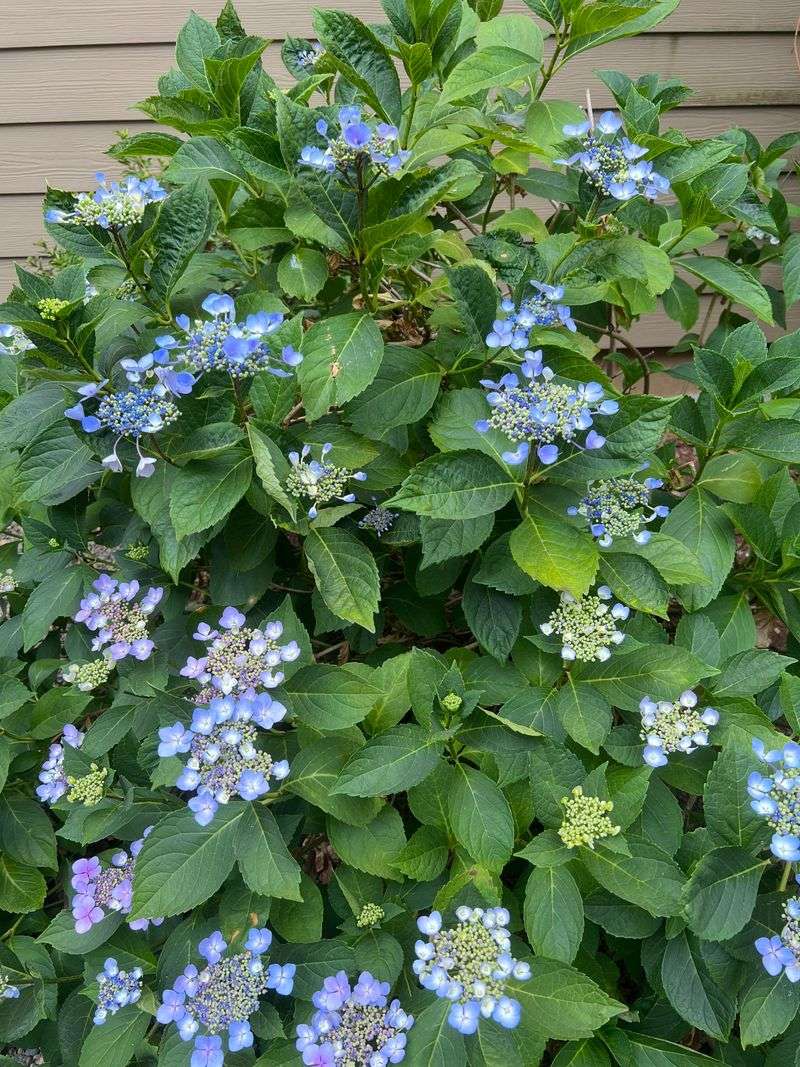
By October, a hardworking hydrangea has pushed out bloom after bloom since early summer. All that flowering takes real fuel, and hydrangeas rank among the heaviest feeders in a typical yard.
After months of steady growth, the soil around them often has less to give than it did back in April.
Hydrangeas also do something few other plants manage. Their flower color actually shifts with soil chemistry, swinging from blue to pink depending on how available aluminum is in the root zone.
That quirk makes a fall soil check especially useful here. A pH reading tells you not just what nutrients sit ready to use, but which color your blooms will likely lean toward next season.
Phosphorus tends to build up in garden soil over time, since it doesn’t wash away easily with normal watering. Extra doses on top of that may do nothing useful at all.
Fall timing works nicely for hydrangeas specifically. Blooming has wound down, and the plant is heading into dormancy. Results in hand now give you time to plan any pH adjustments before new growth starts in spring.
Salt buildup deserves a look too, since irrigation water in many California yards leaves minerals behind in the root zone over time.
Think of it as a report card for your hydrangea bed after a long, colorful season.
2. Artichokes Show Real Wear By Season’s End
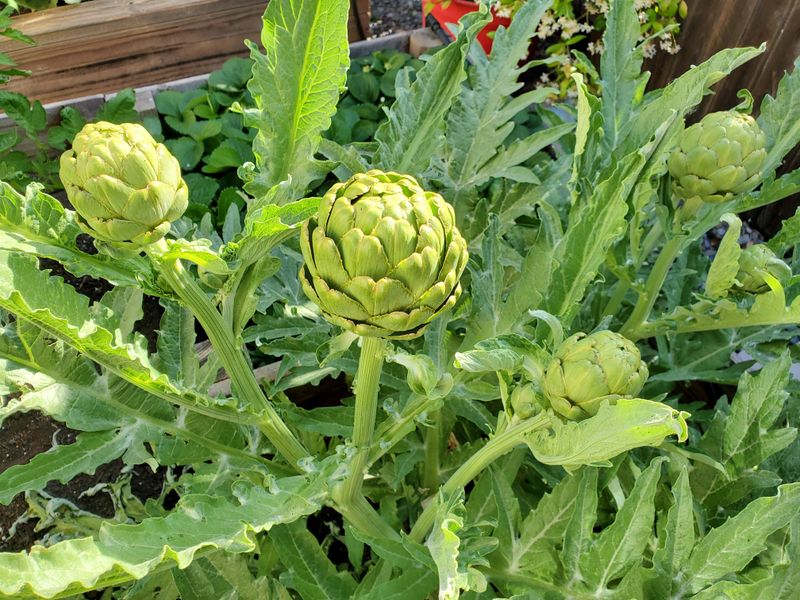
Picture your artichoke bed as a busy kitchen that’s been running nonstop since spring. Big, leafy plants have been pulling nutrients out of the soil for months to build those thick, edible buds.
By fall, the pantry underneath might be looking pretty bare.
Artichokes are perennial in much of California, which means the same plant keeps drawing from the same patch of soil year after year without a break. That steady demand adds up differently than an annual vegetable that gets replanted fresh each season.
Fall is a smart moment to check because many gardeners want their artichoke bed heading into winter dormancy with reserves intact. A weak plant going into cold months often struggles to bounce back with vigor come spring.
A basic test tells you the pH and levels of phosphorus and potassium sitting in that bed. If numbers look low, working in compost now gives the plant a head start before it wakes up.
Your California Garden Changes Every Week. Your Plan Should Too.
Gardening in California changes quickly throughout the season. Every Friday you’ll receive a simple weekly plan showing exactly what to plant, prune, fertilize, harvest, and protect so you never miss the right timing.
Many longtime growers discover they’ve been overfeeding phosphorus for years without realizing it. Adding more won’t help and can wash off toward nearby waterways instead.
A well-balanced artichoke bed going into winter often means bigger, more tender buds by the following spring.
3. Gardenias Depend On The Right pH
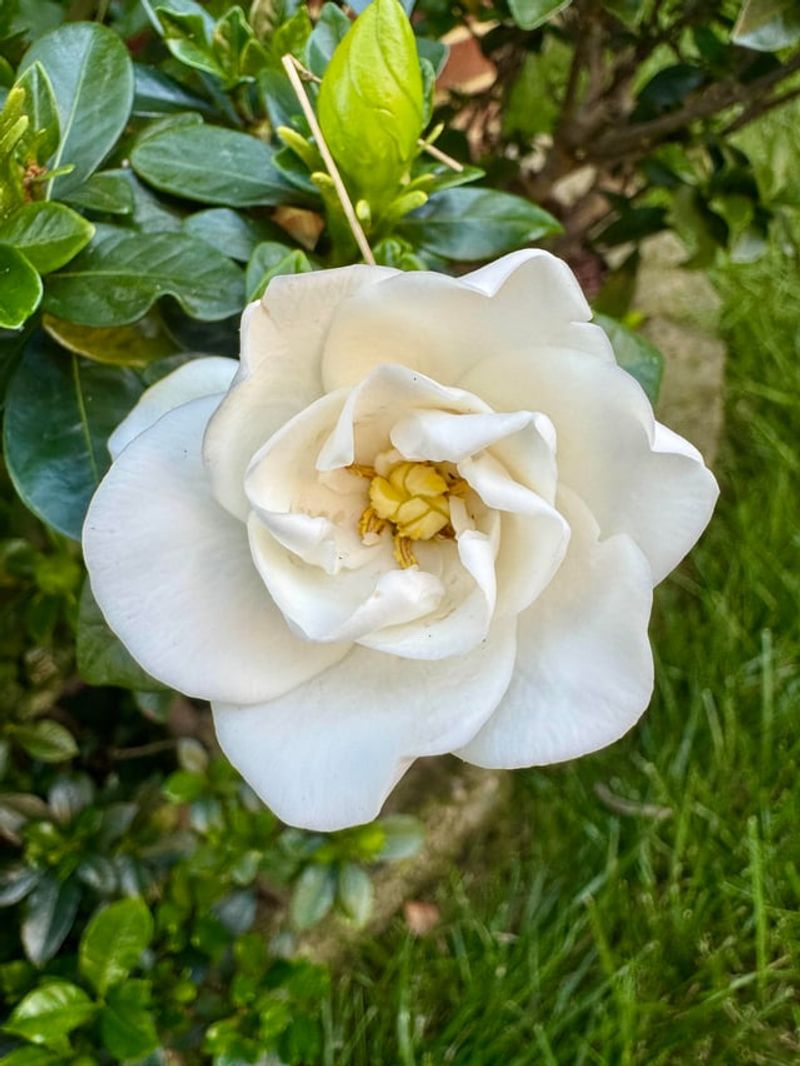
Yellow leaves with bright green veins can make a gardenia look sickly, even when you water and feed it faithfully all season. The cause is often hiding underground in the form of the wrong pH entirely.
Gardenias are famously picky, and they want soil on the acidic side to thrive.
Gardenias do best in soil with a pH roughly between 5.0 and 6.5. When soil climbs too high, iron and other nutrients get locked up chemically, and the plant simply cannot absorb them even when they’re present in the ground.
Here’s the California twist worth knowing. Many parts of the state have naturally alkaline soil, and a lot of tap and well water runs alkaline too. Every time you irrigate, you may be nudging the pH upward a little at a time.
A fall check shows whether your gardenia is slowly drifting out of its comfort zone. Catching it early matters, because lowering pH takes real time to work.
Products like elemental sulfur work gradually, so starting in fall gives them months to act before the gardenia’s next flush of fragrant blooms.
Where native soil runs very alkaline, growing gardenias in containers with an acid-friendly mix can be considerably easier than fighting the ground itself.
4. Meyer Lemon Trees Benefit From A Baseline Check
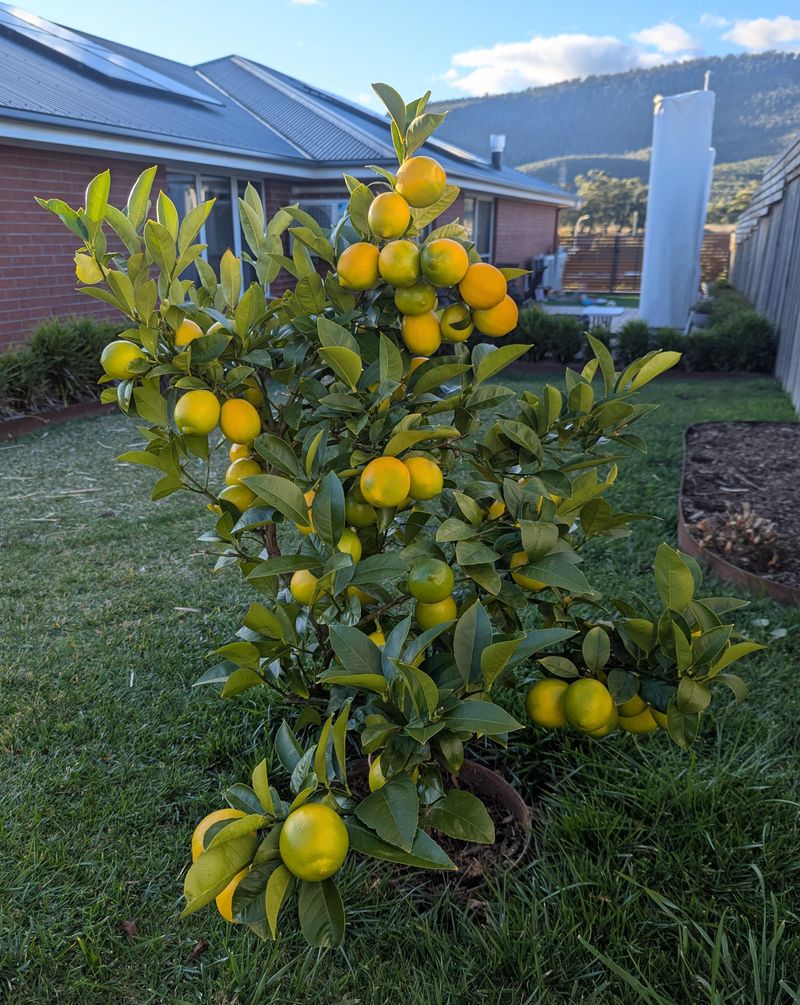
A neighbor’s old Meyer lemon tree has never had a soil test in its life, and it still produces armloads of fruit most winters. Plenty of California citrus trees are tough like that.
Still, even a reliable old tree can quietly struggle when something in the soil shifts.
Unlike a rose or a vegetable bed, an established citrus tree usually doesn’t need a soil test every single year. Its roots spread wide and deep, pulling from a large volume of ground most gardeners never think about.
A baseline check gives you starting numbers for pH, phosphorus, potassium, and salts. If the tree later shows weak growth, yellowing leaves, or thin fruit, you can compare new results to the old ones.
That comparison makes it much easier to tell a soil problem apart from pests, watering issues, or simple disease.
Fall works well here because harvest for many citrus varieties is still ahead, and the tree is easing toward its slower winter growth. Any soil changes you make now have months to settle in before spring pushes new growth.
Take samples from under the canopy, where most feeder roots actually live and work. That old lemon tree might be doing just fine, but a little data never hurts anyone.
5. St. Augustine Grass Shows Whether Fall Feeding Is Needed
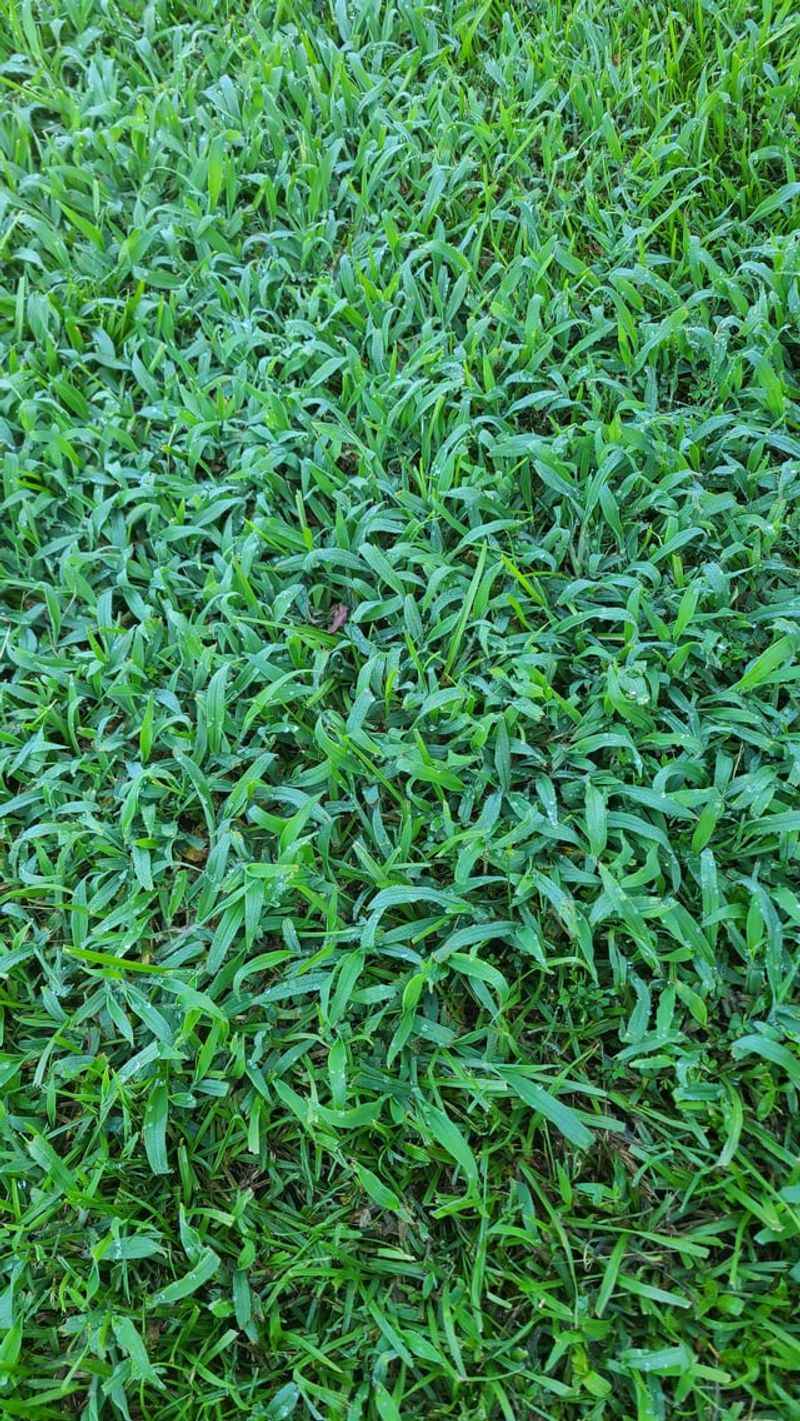
Should you really fertilize St. Augustine grass this fall, or is that just habit talking at this point? A lot of California homeowners feed their lawn on a fixed schedule without knowing whether it needs anything at all.
A soil check turns that guess into an actual decision.
St. Augustine is a warm-season grass, which means it slows down considerably as fall temperatures cool off. It generally needs far less fertilizer heading into winter than a cool-season lawn would at this time of year.
So where does a soil test fit into this picture? Grass almost always needs some nitrogen regardless, and soil tests aren’t a reliable way to measure that particular nutrient.
What a test does reveal is whether phosphorus and potassium already sit at healthy levels, and whether the pH falls in a workable range for turf.
That information can save real money and protect nearby water. If your soil already holds plenty of phosphorus, you can pick a fertilizer blend that leaves it out entirely.
A test can also flag salty soil, common in parts of California with hard water. Salty soil can make grass look thirsty even right after watering, and fertilizer won’t fix that particular problem.
6. Potted Blueberries Deplete Soil Fastest
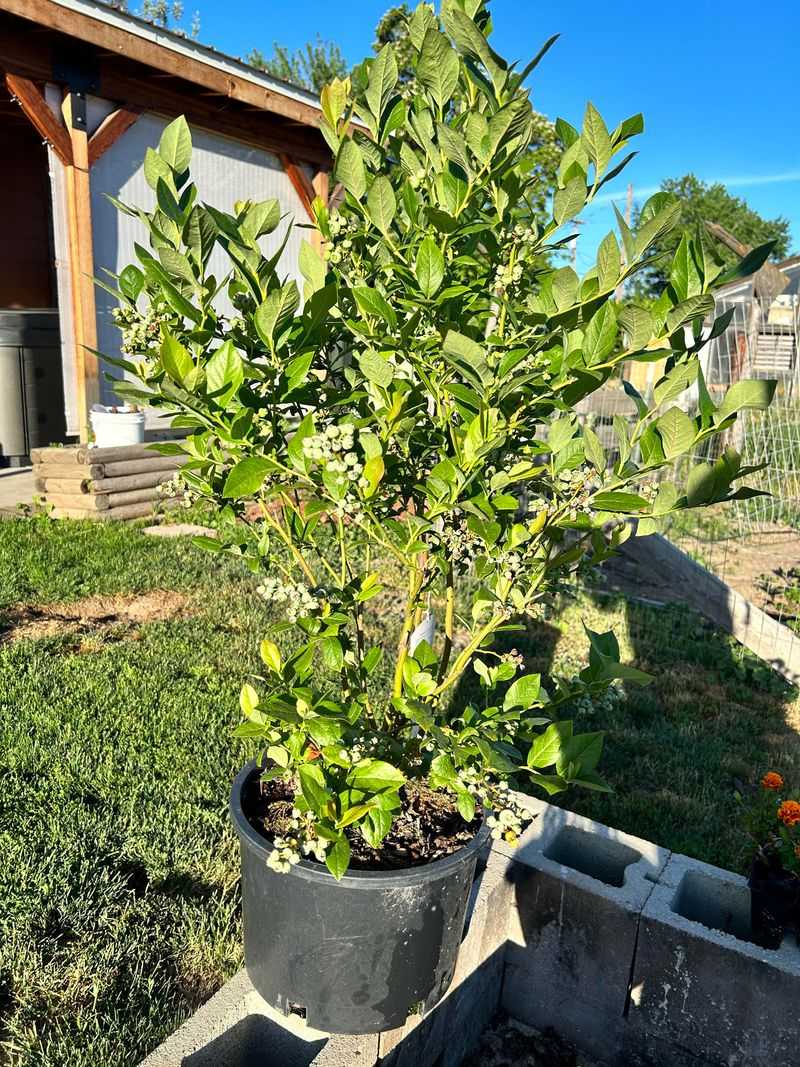
A blueberry bush in a patio container lives a bit like someone in a tiny studio apartment. Everything it needs has to fit in that small space, with no surrounding yard to borrow nutrients from.
Once supplies run low, the plant has nowhere else to look for more.
In-ground blueberries can send roots outward searching for fresh nutrients over time. Container blueberries cannot do that, so they rely completely on whatever soil mix fills that pot.
Blueberries also carry the same pH pickiness as gardenias and azaleas, wanting distinctly acidic soil to actually absorb iron properly. A container makes that chemistry easier to control, but also easier to lose track of over a season.
Watering speeds up nutrient loss even more than usual. Pots dry out fast in California heat, so they get watered often, and every soaking flushes some nutrients straight out the drainage holes.
By the end of a long, hot summer, a container can be surprisingly empty of what it started with in spring.
A fall check, whether a lab test or a simple home pH kit, helps you decide what comes next. Low nutrients call for feeding, while salty buildup calls for a good flush or fresh potting mix entirely.
7. Wisteria Rewards A Fall Soil Check
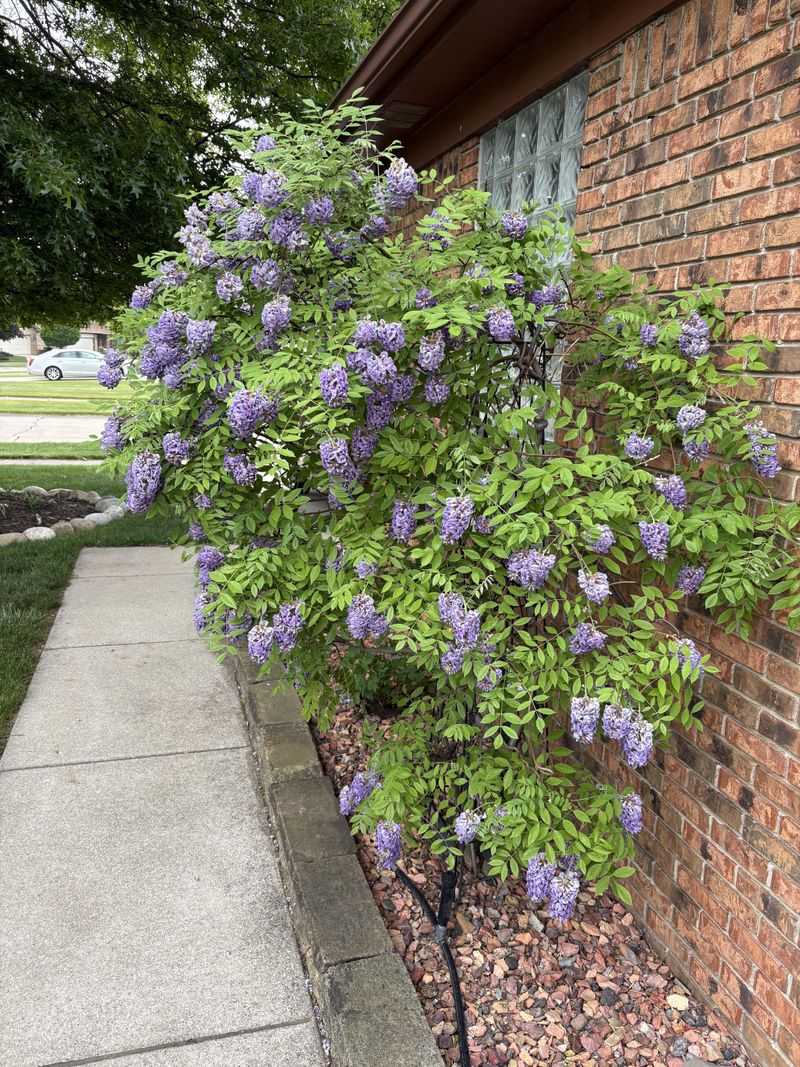
Wisteria has a reputation for being either wildly productive or stubbornly reluctant to bloom, and the soil underneath often explains which version you’re dealing with.
Too much nitrogen tends to push wisteria into producing lush green growth at the expense of flowers, since the plant simply doesn’t feel pressure to bloom when nutrients run abundant.
A fall soil test reveals whether your wisteria’s soil already runs rich, which might explain a vine that climbs beautifully but never quite flowers the way you’d hoped.
Phosphorus and potassium levels matter more here than nitrogen alone. A soil that leans toward these two nutrients, rather than heavy nitrogen, tends to coax more blooms out of an established vine.
Fall gives you a clear read before the vine goes dormant for winter. Any adjustments made now have the whole cold season to settle into the root zone before spring growth resumes.
Salt buildup is worth checking too, especially if your wisteria climbs a wall or trellis near a walkway that gets deicing products or heavy foot traffic runoff nearby.
A vine that’s been sulking for a season or two might just need a soil reset rather than a harder prune.
8. Japanese Maple Roots Reveal Long-Term Soil Health
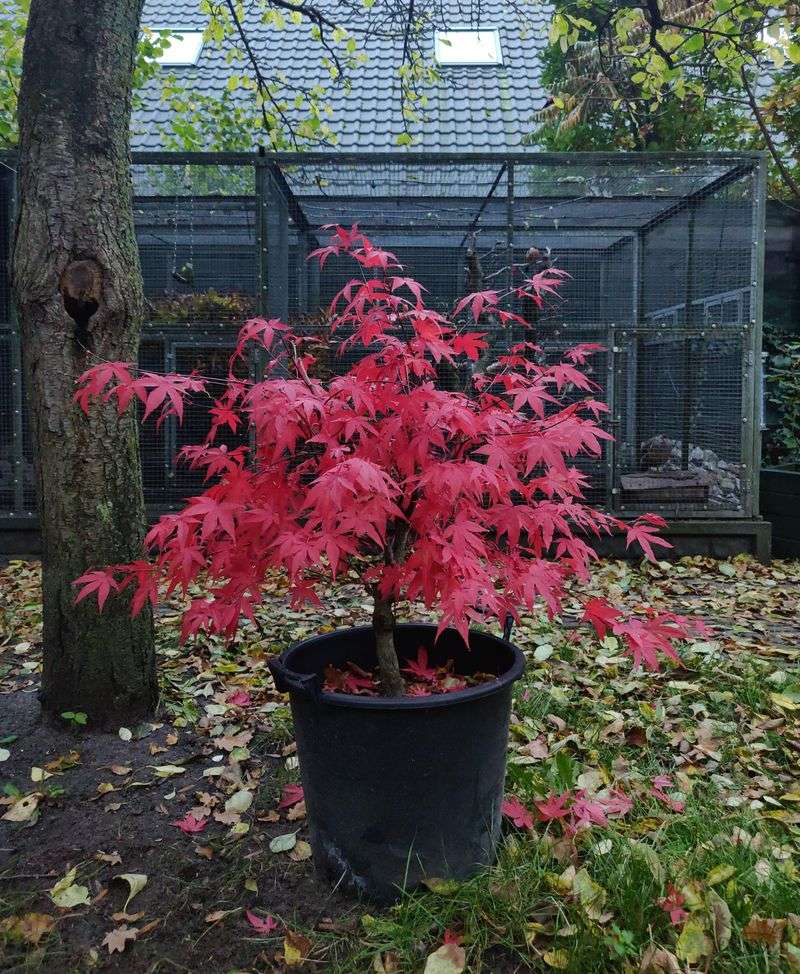
A Japanese maple’s delicate, papery leaves make it one of the fastest plants in the yard to show soil trouble, often well before anything else in the garden does.
Scorched leaf edges, early fall color that arrives weeks ahead of schedule, or leaves that stay small and pale can all trace back to something happening underground rather than anything visible above it.
Japanese maples are sensitive to salt buildup in particular, more so than many other ornamental trees commonly planted in California yards. Irrigation water carrying dissolved minerals can accumulate around the root zone over several seasons.
A fall soil test catches that buildup before it shows up as real damage next summer.
Salts concentrate most heavily during dry stretches, so checking now, ahead of winter rain, tells you whether those rains alone will flush things clean or whether you need to help the process along.
pH matters here too, since Japanese maples generally prefer soil on the slightly acidic side, similar to camellias and gardenias in that regard.
Fall works well for testing since the tree is easing into dormancy, and any amendments have the whole winter to settle in before spring’s delicate new growth appears.