Missouri Wildflower Seeds Need Winter Cold Before They Sprout In Spring
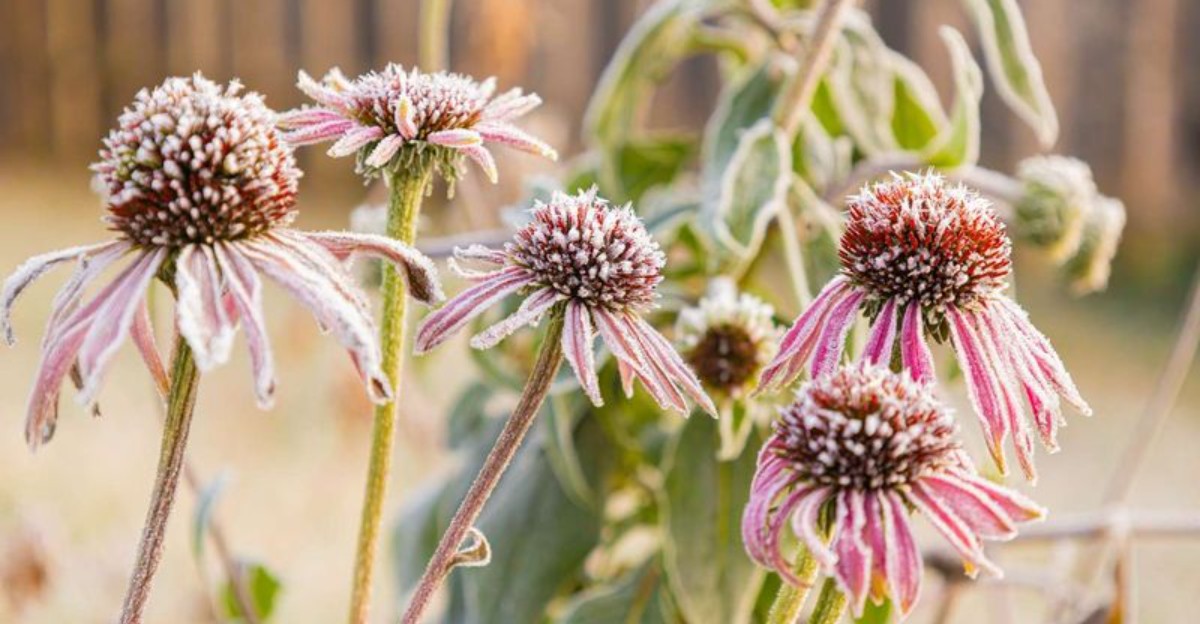
Picture a frosty January morning, when your breath hangs in the air like a tiny cloud. Most gardeners stay inside with cocoa, but something sneaky is happening under the snow.
Tiny specks of future color are sitting in the frozen dirt, waiting for a signal only winter can send. They need that chill the way a sleepy kid needs an alarm clock, loud and a little rude.
Skip the cold, and many of them just sit there, stubborn as a mule at a county fair. Give them a real Missouri winter, and spring pops off like a box of crayons dumped on the lawn.
September is a great month to hatch a plan, while the air still smells like cut grass and warm sidewalks. Somewhere, a patch of frozen mud is out-gardening you, and it did not even need cocoa.
Dormancy Built Into Native Seed Coats
Native Missouri seeds come with a built-in lock, and winter holds the only key. Scientists call this lock dormancy, a resting state that stops seeds from sprouting at the wrong time.
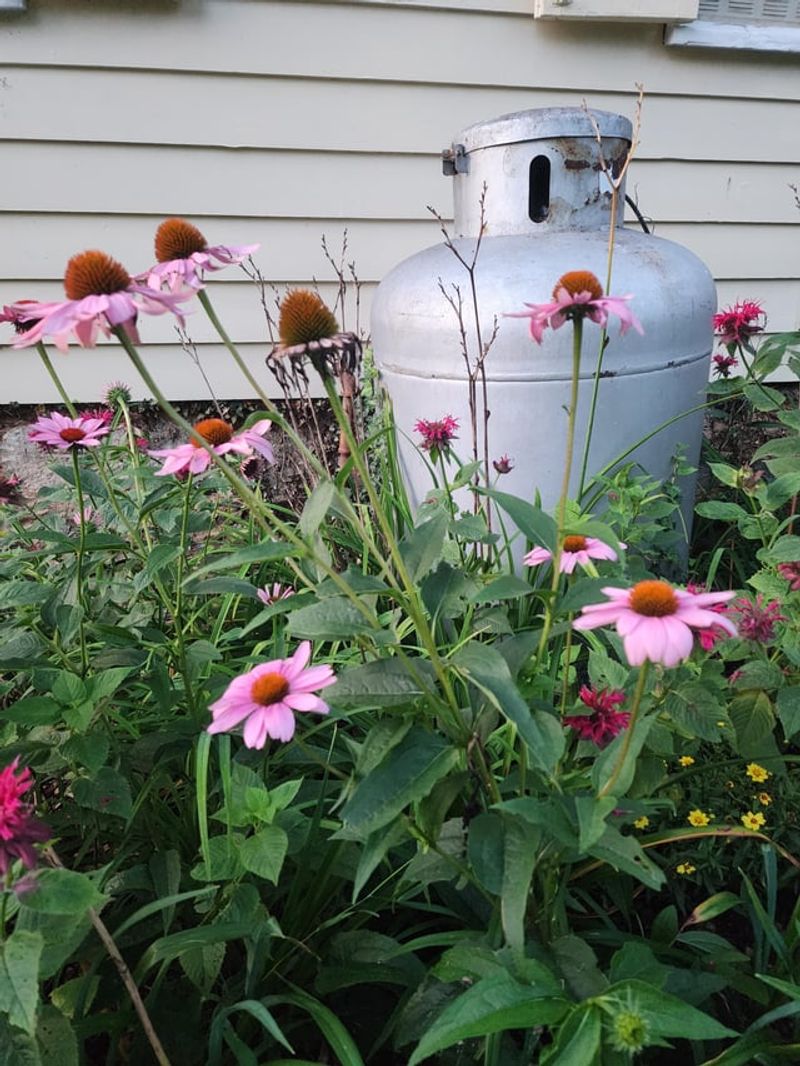
Imagine a purple coneflower seed dropping in late August and sprouting a week later. The tiny seedling would face its first hard frost before growing strong roots, which would be bad news.
Plants solved that problem long ago by building chemical brakes right into their seeds. Some seed coats hold compounds that block growth until months of cold, damp weather break them down.
Other seeds have tough outer shells that water struggles to soak through on its own. Freezing and thawing cycles crack those shells a little at a time, like ice splitting a sidewalk.
Most Missouri natives need somewhere between 30 and 90 days of cold, moist conditions. Temperatures between 33 and 40 degrees Fahrenheit do the best job of unlocking them.
A warm basement or sunny shelf will not trigger the change, no matter how long seeds sit there. The chill has to come with moisture, since dry cold barely nudges the lock open.
Here is a fun fact to share at dinner. Some seeds in prairie soil can lie dormant for years before conditions finally line up.
Knowing about dormancy helps you plan smarter and waste fewer seeds. Instead of fighting nature’s timer, you simply let a real Missouri winter do the heavy lifting for you.
Missouri Species Worth Sowing Before Winter
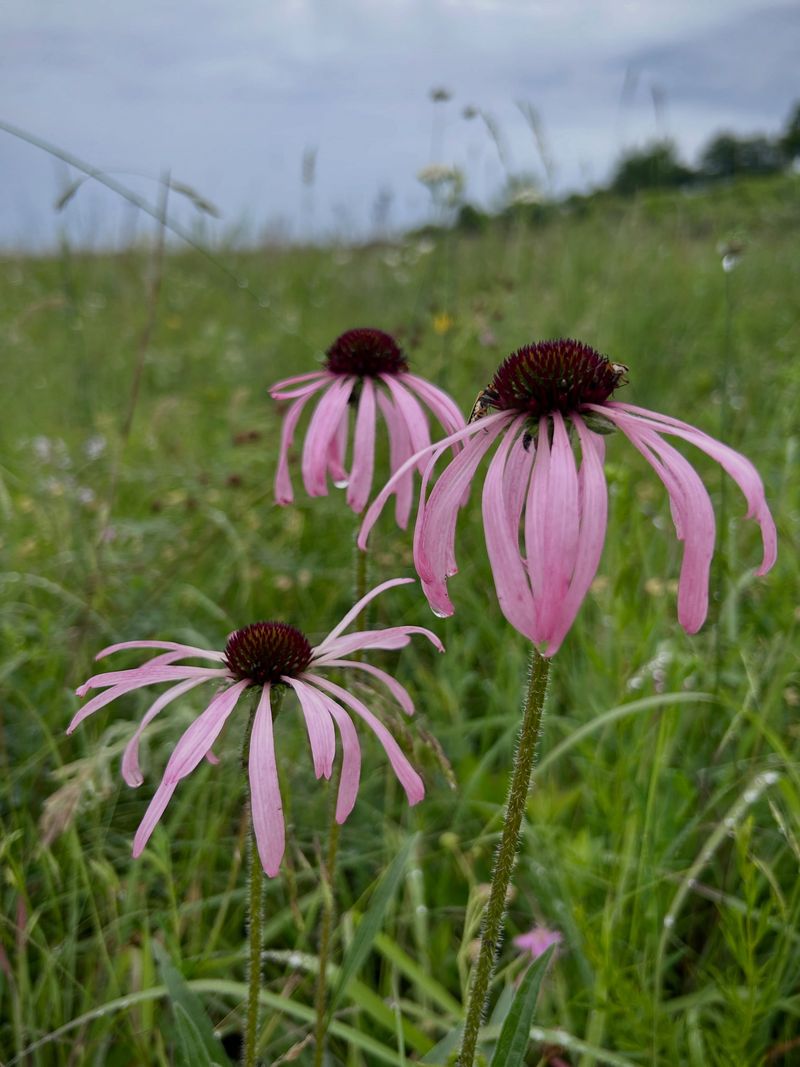
Walk through a Missouri prairie in July, and you will spot a parade of purple, gold, and orange. Many of those bright faces started as seeds that spent a winter buried in cold mud.
Purple coneflower tops the list for beginners because it grows easily and feeds goldfinches in fall. Pale purple coneflower, a close cousin, has droopy petals that look like a messy hairdo.
Butterfly milkweed and common milkweed both need a cold spell, and monarch caterpillars depend on their leaves. Plant a sunny patch, and you might host a few striped, hungry guests next summer.
Rattlesnake master looks like a spiky alien from outer space, and pollinators adore it. Its round white flower heads buzz with tiny native bees from June through late August.
Your Missouri Garden Changes Every Week. Your Plan Should Too.
Gardening in Missouri changes quickly throughout the season. Every Friday you’ll receive a simple weekly plan showing exactly what to plant, prune, fertilize, harvest, and protect so you never miss the right timing.
Wild bergamot fills the air with a minty smell, while royal catchfly shows off scarlet blooms hummingbirds love. Blue false indigo and prairie blazing star are other strong picks.
Rattlesnake master got its name from pioneers who believed its roots could treat snakebites. Science has not backed that claim, but the catchy name stuck around anyway.
Buy seeds from Missouri sources whenever you can, since local plants handle our wild weather best. Growers like Missouri Wildflowers Nursery and Hamilton Native Outpost sell seed collected close to home.
September is a smart time to place your order, before popular species sell out. Store the packets somewhere cool and dry until your sowing date in late fall or winter.
Site Preparation Down To Bare Soil
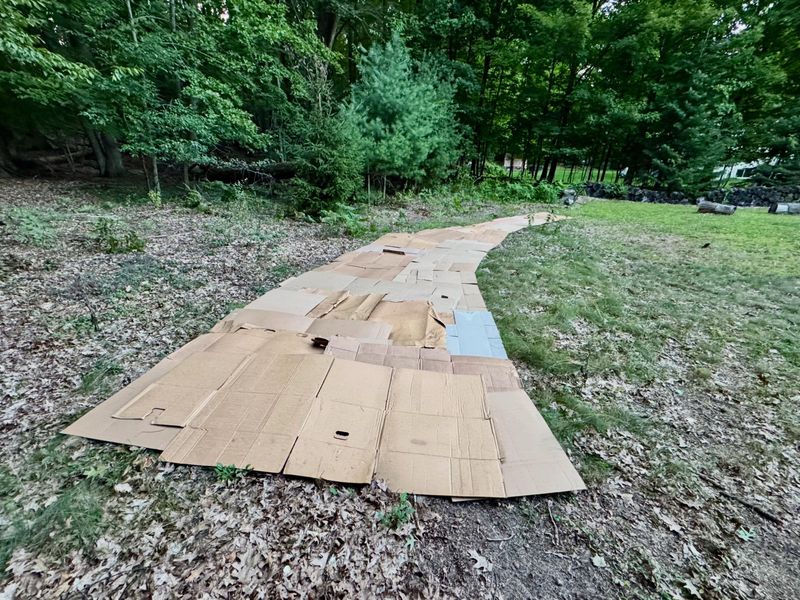
Seeds tossed onto thick lawn grass are basically a free buffet for birds. Without contact with bare soil, they cannot soak up moisture or feel the full bite of winter.
September gives you plenty of time to get the ground ready. Starting now means your patch will be clean and waiting when sowing season arrives in November or December.
Smothering is the easiest method for most homeowners. Cover the area with cardboard or a dark tarp, weigh it down, and wait six to eight weeks.
Sunlight gets blocked, and the grass underneath weakens and turns brown. Rake away the leftover thatch afterward so the soil surface shows through like an open page.
Tilling might seem faster, but it can backfire in a big way. Turning the soil drags buried weed seeds up to the surface, where they sprout eagerly next spring.
Pick a spot that gets at least six hours of direct sun each day. Most prairie natives sulk in the shade and flower poorly under big trees.
Skip the fertilizer and compost for this project. Native wildflowers evolved in lean soil, and rich soil mostly helps weeds grow faster and crowd them out.
Pull any stubborn perennial weeds, like bindweed or thistle, by hand before sowing day. A little effort now saves you hours of frustration when the tiny seedlings finally appear.
Mark the edges with stakes or flags so nobody mows over your future meadow by mistake. Neighbors and family members will thank you for the friendly reminder.
Broadcast Rates For Small Home Plots
One ounce of purple coneflower seed holds close to 9,000 seeds. Knowing that number helps you avoid sowing too thin or wasting money by sowing too thick.
A common target for home plots is 40 to 60 seeds per square foot. For a mixed native blend, that often works out to about a quarter ounce per 100 square feet.
Check the seed packet anyway, because seed sizes vary wildly between species. Tiny foxglove beardtongue seeds look like dust, while blue false indigo seeds are closer to peppercorns.
Mixing seeds with slightly damp sand makes spreading much easier and more even. Use about four parts sand to one part seed, then stir it in a bucket like cookie dough.
The pale sand shows exactly where you have already tossed seeds. Split the mix into two halves, spread one half walking north to south, then the other walking east to west.
That simple crisscross pattern keeps bare patches and thick clumps from forming. Afterward, press the seeds down by walking over the area or rolling it with a lawn roller.
Do not bury them deep, since many natives need light to germinate. Firm contact with the soil surface is plenty, and winter snow and rain will settle them in.
Sowing a bit extra is fine, since birds and mice will snack on some seeds. Think of it as a small tax you pay for a meadow full of blooms later.
The Refrigerator Method As A Backup
Somewhere in Missouri, a family is staring at a bag of damp sand in the fridge next to the pickles. Nobody panics, because it belongs to the gardener of the house.
Missed the fall sowing window, or worried about hungry birds? Your refrigerator can fake a Missouri winter with just a little prep work.
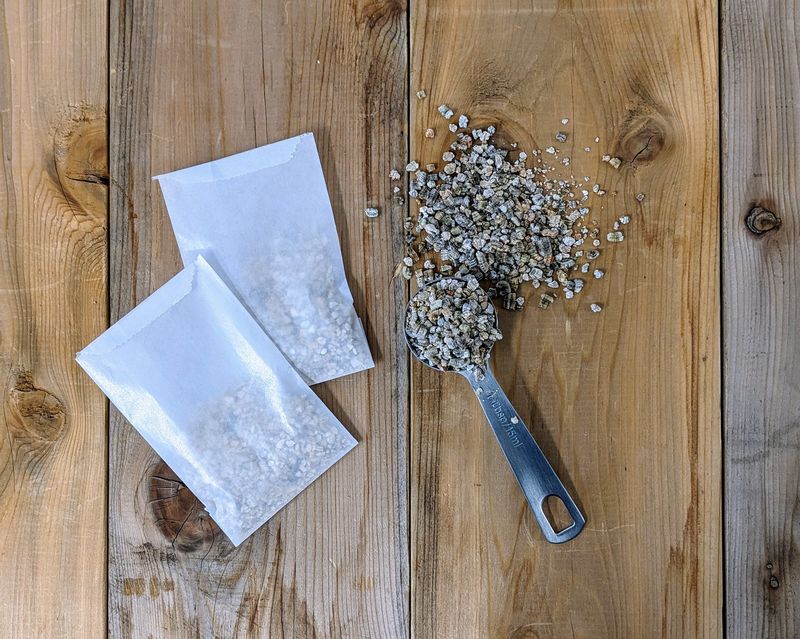
Start by mixing seeds with a handful of slightly moist sand, vermiculite, or peat. The mix should feel like a wrung-out sponge, damp but not dripping.
Seal everything in a zip-top bag and write the species name and date on it with a marker. Place the bag in the main fridge compartment, not the freezer.
Most species need 30 to 60 days of this chilly treatment, depending on the packet directions. Check the bag every week or two for mold or early sprouts.
Keep the bag away from apples and other ripening fruit. Fruit gives off ethylene gas, which may mess with how some seeds respond to the chill.
Once the chill time ends, sow seeds outdoors in early spring or start them in sunny trays. Spread the sand right along with them, since separating tiny seeds is a headache.
Fun fact, gardeners have a fancy name for this trick: cold moist stratification. Say it three times fast and you will sound like a botanist at a science fair.
Outdoor sowing is still the easier choice for big areas. The fridge shines for small batches, pricey seed, or late planners who want a second chance.
First-Year Growth That Happens Below The Surface
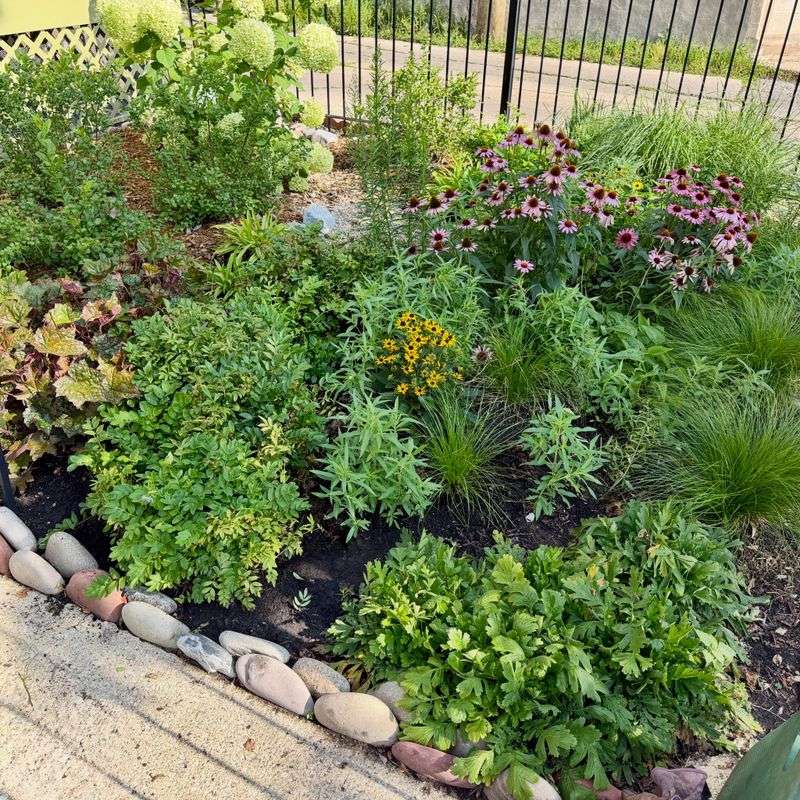
Prairie gardeners love an old saying: first year they sleep, second year they creep, third year they leap. Your meadow will likely follow that same slow and steady script.
By late spring, tiny seedlings pop up, but they might look disappointing at first glance. Many stay just a few inches tall all summer and skip blooming altogether.
Underground, though, the real action is happening fast. Roots of plants like compass plant and prairie dock can reach more than a foot deep during their first season.
Mature compass plant roots can dig down about 15 feet, nearly as deep as a giraffe is tall. Those long roots help native plants shrug off drought and summer heat in later years.
Weeds are the biggest threat during this quiet first year. Mow the whole area to about six inches tall whenever weeds reach a foot high.
Sounds scary, right? The short native seedlings slip under the mower blade, while taller weeds get chopped before they can make seeds.
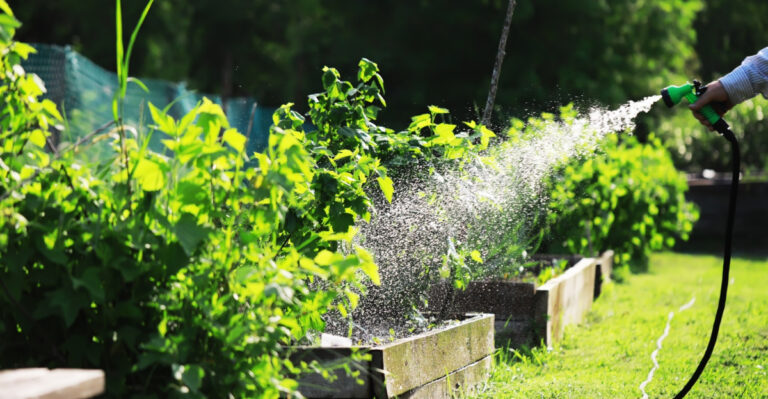
Water only during long dry spells, since natives prefer tough love over pampering. A good soaking once a week during a July drought is plenty for young plants.
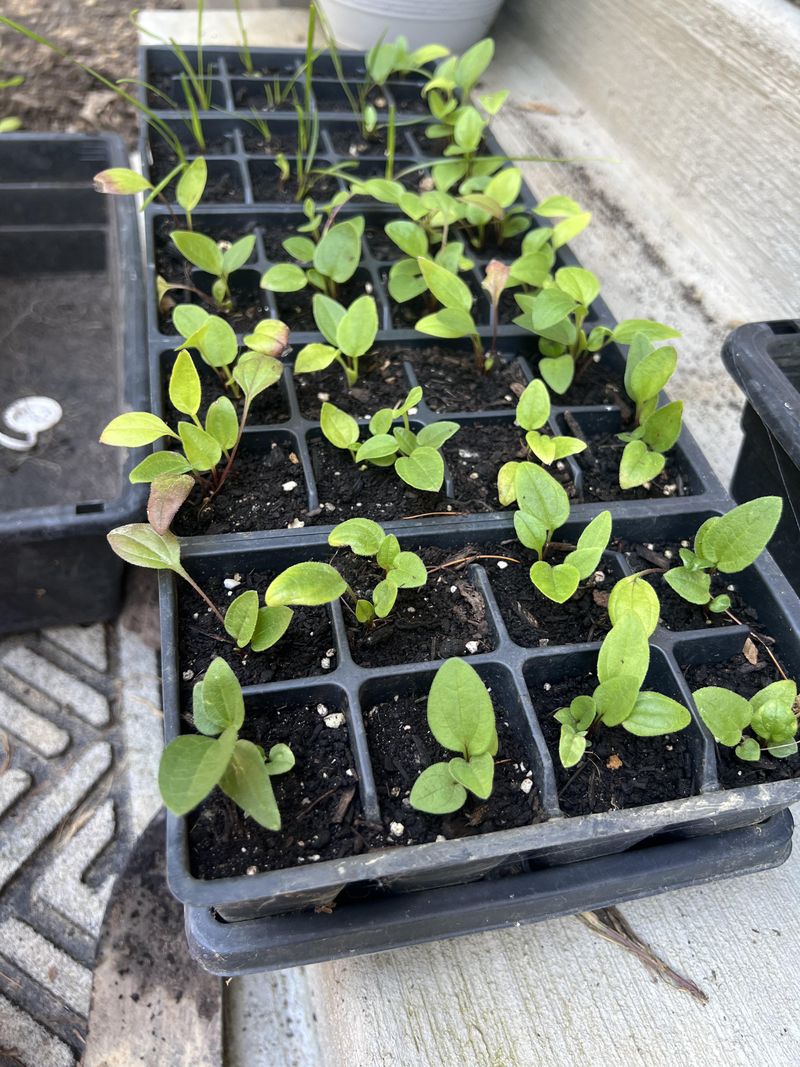
Learn what the seedlings look like so you do not pull them by accident. Seedling photo references from native seed companies make handy cheat sheets.
Patience pays off in a big way here. By the third summer, that sleepy patch can explode with color, butterflies, and the happy hum of bees.