8 Native Berries Ripening In New Jersey Yards Right Now That Migrating Birds Depend On
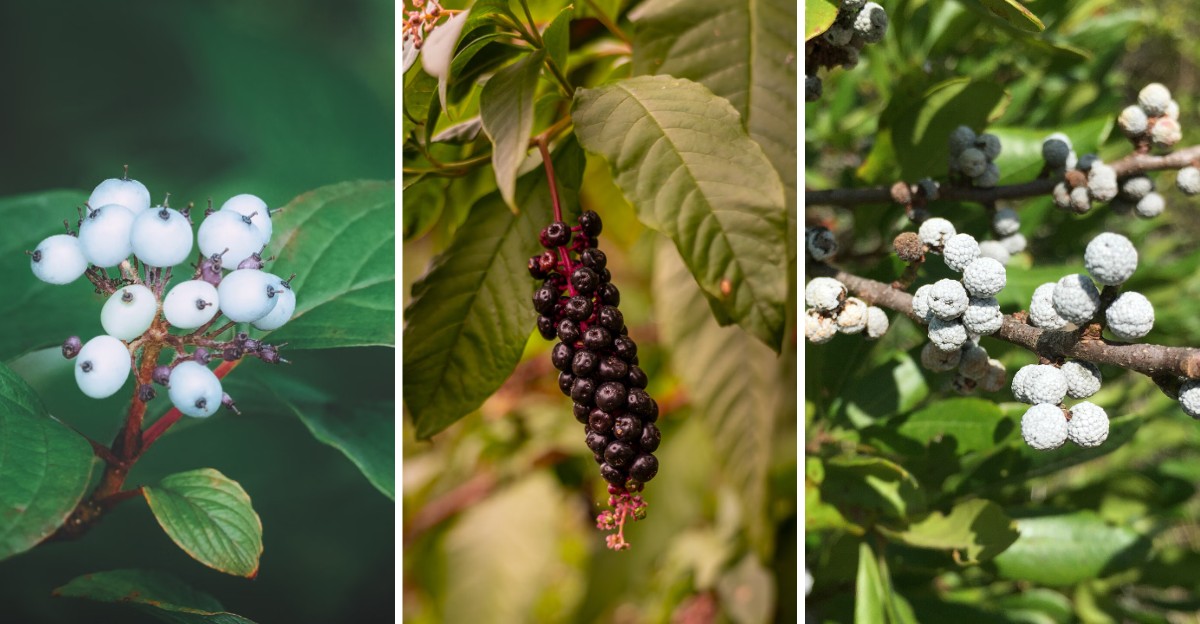
Hungry warblers are feasting in the shrubs outside your window, and you missed it. Overnight, thrushes and vireos dropped out of Canadian skies into New Jersey.
Their flight spent the fat they had stored up north. Now they crave calories, and they want them fast. Spicebush answers with glossy red berries loaded with fat.
Flowering dogwood follows with scarlet fruit that catbirds gulp by the beakful. Arrowwood viburnum sags under blue clusters that thrushes swallow whole.
Pokeweed dangles purple berries, and robins will fuss if you stand too close. Bayberry hides the strangest prize: waxy gray beads few birds can digest. Myrtle warblers easily process that wax, so they winter along the New Jersey coast.
Meanwhile, invasive autumn olive and honeysuckle lure birds with sugary, lean snacks. Here is how you spot the winners before the next flock arrives hungry.
1. Flowering Dogwood Feeds Migrants With Fat-Rich Red Fruit
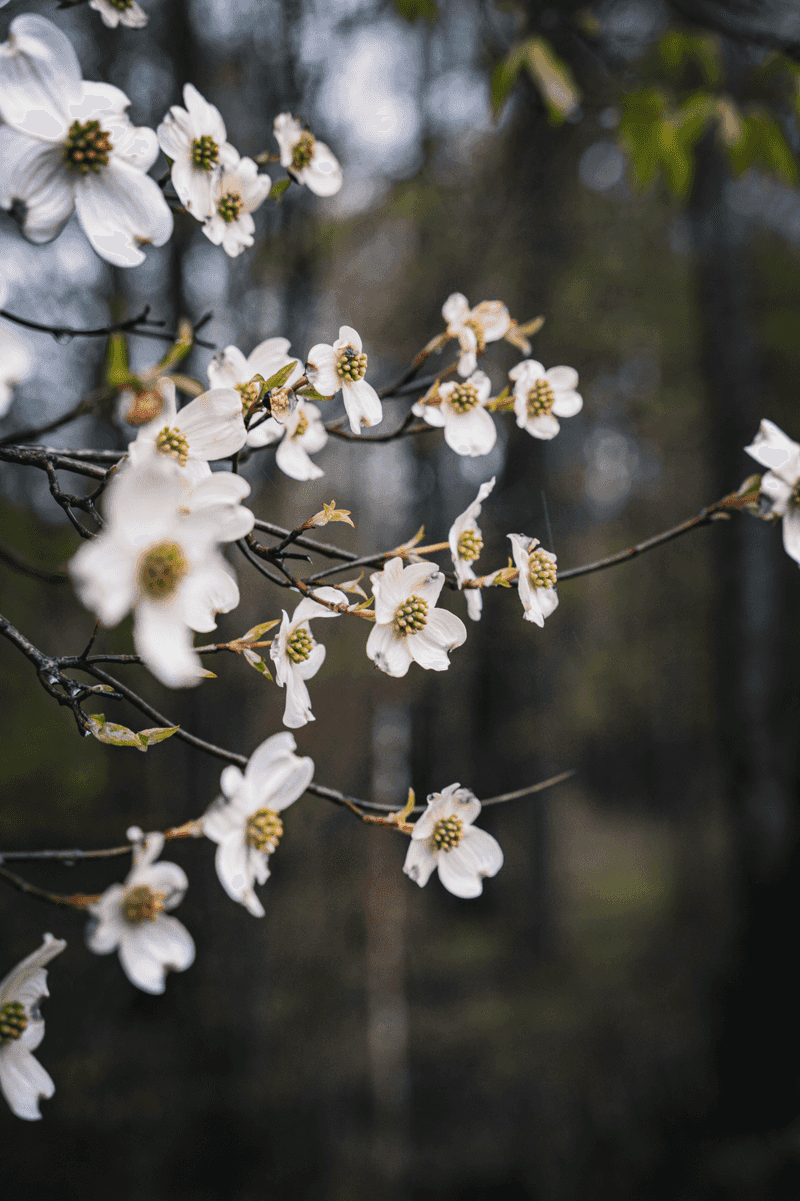
Few trees pull double duty like this one, with white spring blooms and shiny red fall fruit. By mid-September, those berries glow like tiny stoplights, and birds treat them as a green light.
Flowering dogwood fruit is loaded with fat, sometimes over 20 percent of its dry weight. That rich fuel helps thrushes, vireos, and catbirds build energy for long nights of flying.
Scientists who study migration call it a high-quality fruit because of its rich fat content. It ripens just as big waves of songbirds start heading south along the Atlantic coast.
Watch a single tree for ten minutes and you might spot a whole parade of visitors. Robins, bluebirds, and even woodpeckers often join the party once word gets around the neighborhood.
Planting one is easy if you pick a spot with morning sun and afternoon shade. Dogwoods grow naturally at the edges of forests, so they enjoy a little protection.
Keep the roots cool with a ring of mulch, but do not pile it against the trunk. Water deeply during dry spells for the first two summers while the young roots settle in.
Dogwood is the state tree of Virginia, not New Jersey, though it thrives here too. Our own state tree is the northern red oak, another huge favorite with local wildlife.
Skip the Asian kousa dogwood if feeding birds is your main goal. Its big, lumpy fruit is hard for small songbirds to swallow, while native berries fit their beaks nicely.
2. Spicebush Offers Aromatic Red Berries For Hungry Thrushes
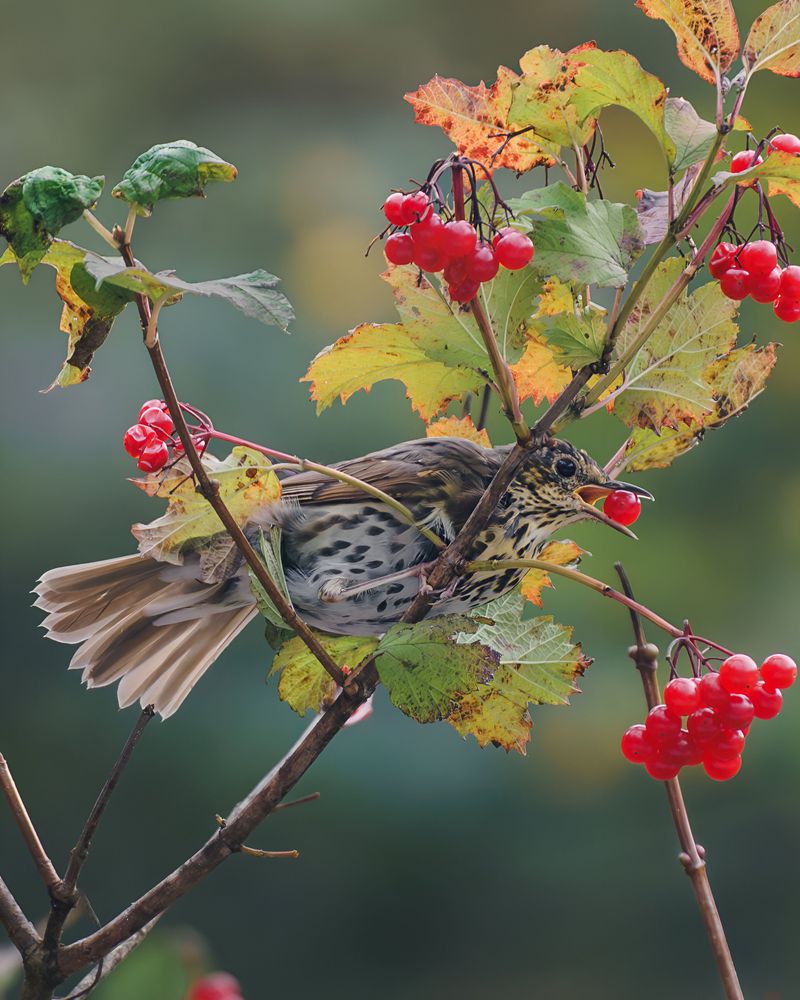
Crush a leaf between your fingers and your nose gets a surprise that smells like lemon and pepper. Spicebush is a humble, shady shrub hiding a seriously zesty personality under its plain green leaves.
In September, female plants show off glossy scarlet berries shaped like tiny footballs along their gray twigs. Each one is packed with fat, often more than a third of its dry weight.
Wood thrushes, veeries, and gray-cheeked thrushes gobble them up like kids raiding a Halloween candy bowl. For a bird about to fly hundreds of miles, that fat is pure rocket fuel.
Your New Jersey Garden Changes Every Week. Your Plan Should Too.
Gardening in New Jersey changes quickly throughout the season. Every Friday you’ll receive a simple weekly plan showing exactly what to plant, prune, fertilize, harvest, and protect so you never miss the right timing.
Here is the tricky part you should know before heading to the garden center this weekend. Spicebush plants are either male or female, and only the females grow those bright red berries.
Planting three or more in a group gives you the best odds of getting both kinds. Males are still helpful, since their pollen makes the whole berry show possible.
Spicebush happily settles into damp, shady spots where many other popular shrubs just sulk and struggle. That makes it perfect for the soggy corner of your yard near a downspout or creek.
Bonus points arrive in summer, when this shrub becomes a nursery for a butterfly with funny-looking babies. Spicebush swallowtail caterpillars eat the leaves and wear fake eyespots that look like a tiny cartoon snake.
Early settlers dried and ground the berries as a stand-in for allspice. Leave them on the branch this fall, though, since thrushes need them more than your pumpkin pie.
3. Arrowwood Viburnum Brings Blue Fruit Clusters To Fall Flocks
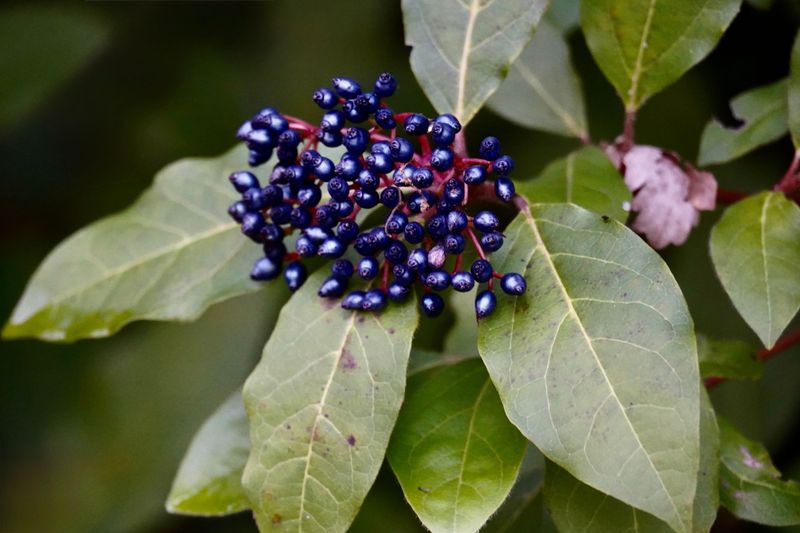
Native Americans once shaped arrow shafts from this shrub’s straight stems, which explains the name. Today, its real claim to fame is a heavy crop of dark blue berries that birds adore.
Arrowwood viburnum grows wild across New Jersey, from Pine Barrens edges to shady stream banks. By September, its flat clusters of fruit turn from green to a deep, glossy navy.
Eastern bluebirds, gray catbirds, and northern flickers are some of the biggest fans of the fruit. Migrating warblers and vireos also swing by for a quick bite before continuing their trip south.
The berries have a good amount of fat, which is exactly what tired travelers crave. Some years, a busy shrub can be picked clean in just a few days.
Busy gardeners love this plant because it is tough, forgiving, and happy in so many spots. It handles sun or part shade, wet or dry soil, and even a bit of neglect.
For the best berry crop, plant two or more different varieties near each other. Viburnums set much more fruit when busy bees can carry pollen back and forth between unrelated shrubs.
Look for plants labeled Viburnum dentatum or arrowwood at local native plant nurseries and spring sales. Some fancy cultivars, like Blue Muffin, stay compact and still produce plenty of fruit.
One small warning comes with this crowd-pleaser, and it involves a hungry little insect from Europe. Arrowwood is one of the viburnum leaf beetle’s favorite hosts, and the beetle can chew leaves into lace, so check twigs for egg clusters each winter.
4. Gray Dogwood Pairs White Berries With Shelter For Songbirds
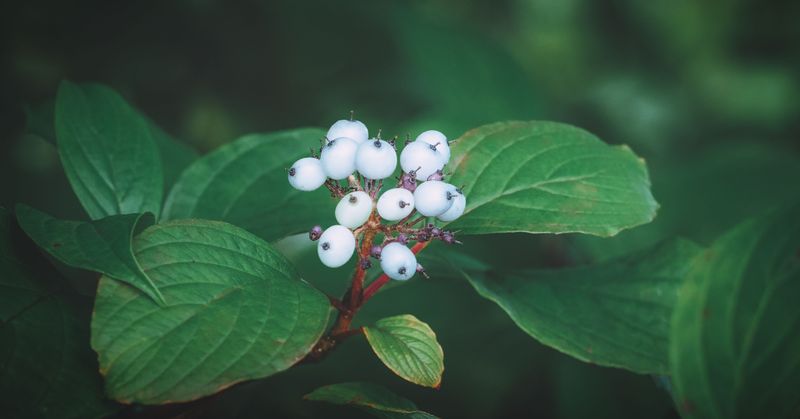
Ever notice a scrappy shrub along a highway with bright red stalks holding white berries? Gray dogwood rarely wins any beauty contests, but hungry birds treat it like a genuine rock star.
In late summer and early fall, its clusters of pearly white fruit sit on candy-red stalks. After birds finish the berries, those red stalks stay behind like empty plates after a feast.
Wildlife guides list dozens of bird species that eat gray dogwood fruit across the Northeast. Eastern kingbirds, red-eyed vireos, and northern cardinals are among the regulars grabbing a quick meal.
Kingbirds are a fun one to watch, since they usually eat flying insects all summer. Come fall, they switch to fruit to fuel their long flight to South America.
This shrub spreads by underground roots and forms thick little colonies over time. That makes it a smart pick for a natural hedge or a wild corner of your property.
Thick branches also give small birds a safe place to hide from hawks while they eat. Food and shelter in one package is a real win for worn-out wanderers.
Gray dogwood is about as tough as native plants get, which is great news for beginners. It shrugs off heavy clay, summer drought, and soggy spring ground, and it handles moderate road salt.
Give it room to roam, or trim the outer suckers each spring to keep it in bounds. Its fall leaves turn a lovely purplish red, so you get a color show as a bonus.
5. Pokeweed Draws A Crowd With Its Purple Berry Clusters
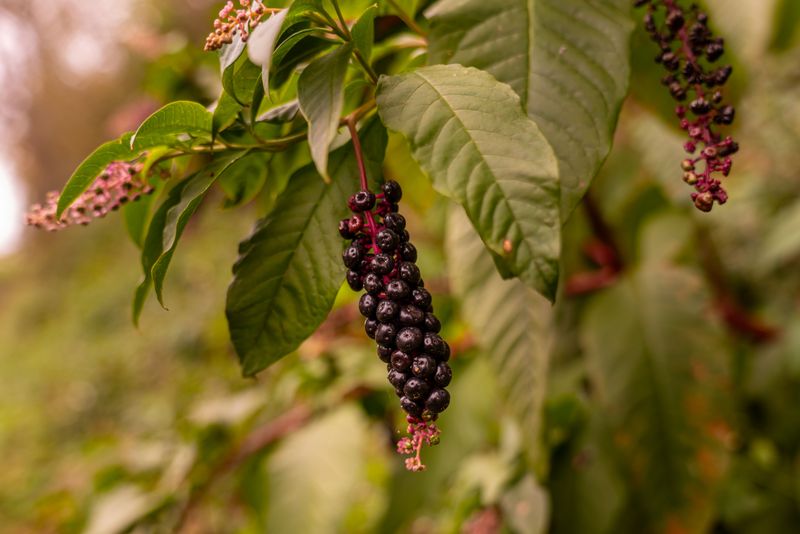
Most people yank it out, but pokeweed might be the most generous plant in your yard this month. Its magenta stems and drooping purple berry clusters are hard to miss in September.
Yes, it is a weed, and yes, it can grow taller than a basketball player. Migrating birds do not care one bit about its messy reputation, and they flock to it anyway.
Catbirds, mockingbirds, robins, and thrushes gulp down the juicy berries by the dozen. The fruit ripens a few berries at a time, which creates a steady snack bar for weeks.
That slow, steady ripening matters a lot during the busy weeks of fall migration in New Jersey. Different flocks pass through at different times, and pokeweed has something waiting for each wave.
Now for the serious part, so parents and pet owners should listen up for a second. Every part of pokeweed is toxic to people and pets, especially the roots and seeds.
Birds eat the berries without apparent harm, and the seeds pass through them intact. Kids and dogs cannot eat them safely, so teach little ones to admire the purple fruit without tasting it.
If you have space, let one plant grow in a back corner away from play areas. Wear gloves whenever you handle it, since the sap and berry juice can irritate sensitive skin.
Fun history bit: Civil War soldiers sometimes wrote letters home using pokeberry juice as ink. Today, the birds use that same juice to sign purple autographs all over your parked car.
6. Black Gum Ripens Blue Fruit Just As Migration Peaks
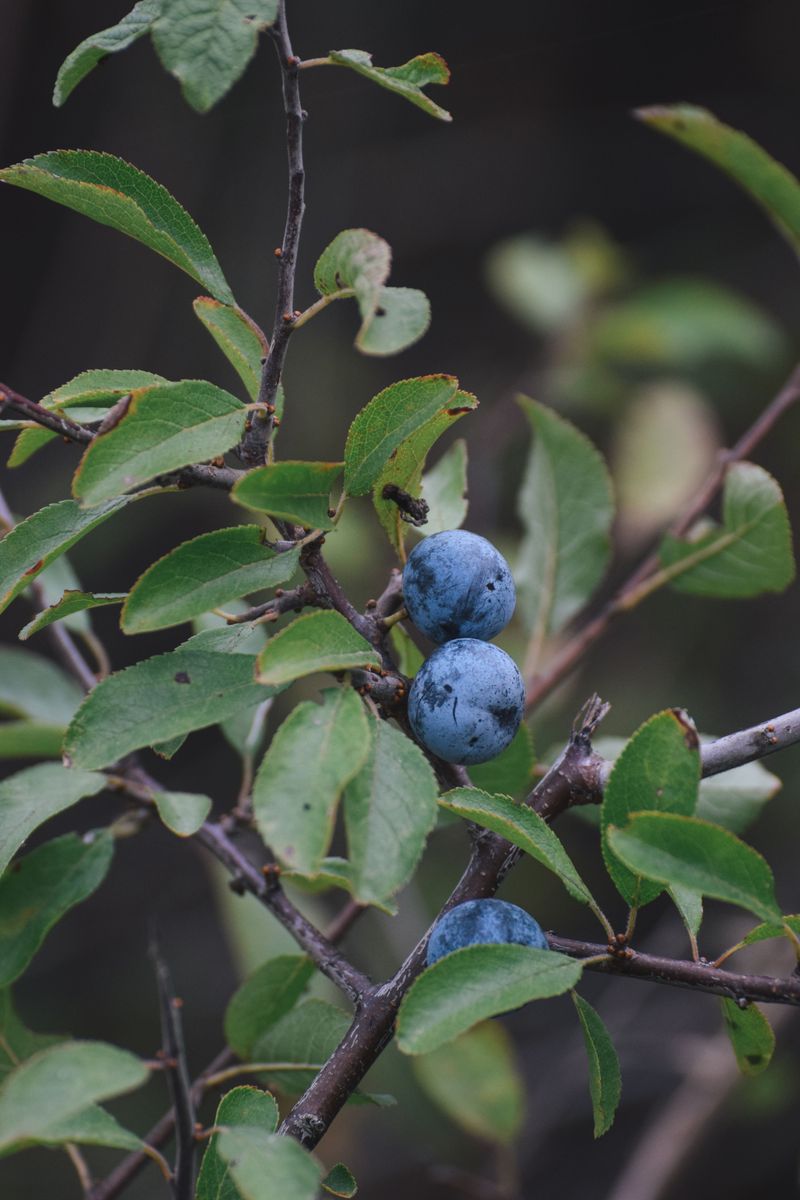
Hidden in swamps across the Northeast, some black gum trees have been growing for more than 500 years. Their fruit is small, but its role in fall migration is enormous.
Also called black tupelo or sour gum, this tree grows oval blue-black berries by early September. Each fruit is roughly the size of a blueberry and holds one hard, ridged pit inside.
The berries are rich in fat, which makes them a prized snack for thrushes, flickers, and wood ducks. Even black bears and foxes wander over for a taste now and then.
Scientists describe a possible strategy called fruit flagging that this tree may use each autumn. Its leaves turn scarlet early, which researchers think may help passing birds find the ripe fruit.
Whatever the reason, birds often clear the berries within just a few days of ripening. Songbirds flying high overhead may spot the glowing red treetop and swoop down for a speedy refuel.
Planting a black gum takes a little patience, since young trees grow slowly at first. Choose a permanent spot right away, because its long taproot strongly dislikes being dug up and moved.
Like spicebush, most black gum trees are either male or female, and females carry the fruit. Buying from a native nursery that knows its stock can help you land a berry producer.
It thrives in wet or dry soil and handles full sun with ease. Plant one for the birds today, and your great-great-grandkids might still enjoy its shade centuries from now.
7. Northern Bayberry Gives Warblers A Rare Waxy Winter Food
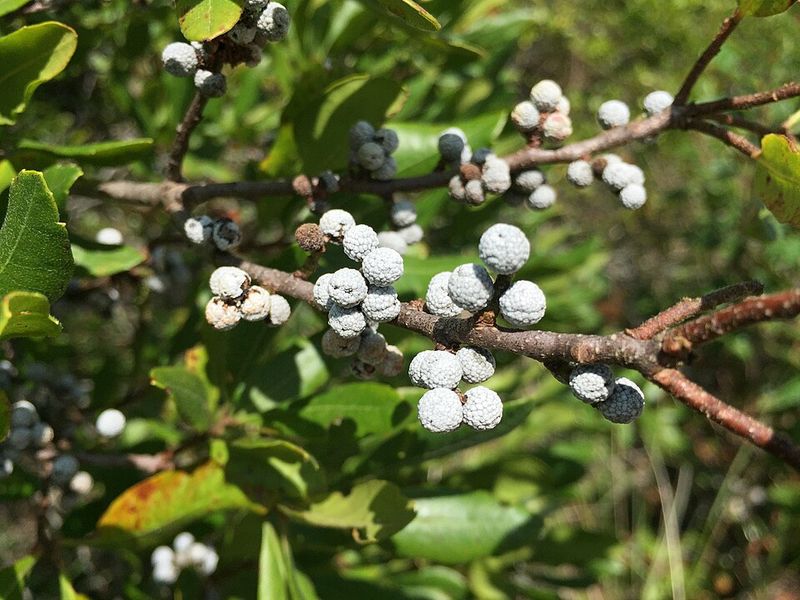
Picture a windy stretch of Jersey Shore dunes, where a low shrub smells faintly of candles. Northern bayberry has been quietly perfuming these salty ocean breezes since long before the boardwalks arrived.
Colonial families boiled its tiny gray berries to skim off wax for sweet-smelling holiday candles. It took a huge pile of berries to make just a handful of candles for the dinner table.
That same waxy coating is exactly what makes bayberry such a valuable treasure for certain birds. Most songbirds cannot digest wax, but yellow-rumped warblers and tree swallows have special guts that can.
Thanks to bayberry, these warblers can linger along the Jersey coast much later than their cousins. Some even spend the whole winter here, surviving mostly on those waxy little gray fruits.
Tree swallows devour bayberries too, especially during their giant fall gatherings near Cape May. Watching thousands of them swirl over the dunes feels like seeing a living tornado.
You do not need a beach house or oceanfront property to grow this hardy shrub at home. Bayberry handles sandy, poor soil and even salty winter road spray with surprising grace.
Its roots team up with bacteria to pull nitrogen from the air, so it barely needs fertilizer. Plant it in full sun, and give it a few years to fill out.
Just like a few other shrubs on this list, bayberry needs both male and female plants for fruit. A small group of three to five usually does the trick.
8. Virginia Creeper Tucks Blue Berries Beneath Early Red Leaves
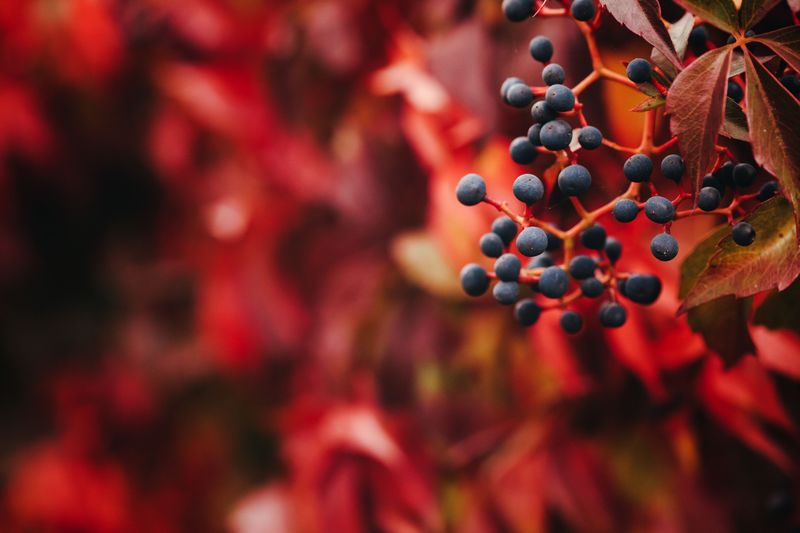
Did you know one of the best bird feeders in New Jersey might already be climbing your fence? Virginia creeper hides its fruit so well that plenty of homeowners miss it.
Around Labor Day, its leaves start flipping to fiery red before most other plants change color. Tucked beneath them are clusters of small, dark blue berries on bright red stems.
That early red glow may be another example of fruit flagging, just like black gum. Migrating birds may read those colors like a neon Jersey diner sign glowing on a lonely highway.
Pileated woodpeckers, vireos, thrushes, and scarlet tanagers all drop in for a nibble. Chickadees and even wild turkeys join the crowd, so the vine stays busy for several weeks.
People often confuse this vine with poison ivy, but there is an easy way to tell them apart. Virginia creeper usually has five leaflets in a hand shape, while poison ivy has only three.
Growing it is almost too easy, since this vine climbs walls, fences, and tree trunks on its own. Tiny sticky pads on its tendrils grip surfaces like little suction cups.
Keep it off wooden siding and gutters, where those pads can leave marks and trap moisture. A sturdy trellis, stone wall, or old stump makes a much better home.
One heads-up: the berries are toxic to people, so they are strictly for the birds. Some people also get a mild rash from the sap, so wear gloves when you prune it.