Planning Next Year’s New Jersey Yard? Choose Native Pinelands Plants
Why does a patch of plain sand outperform your polished lawn? New Jersey woods on sandy soil flourish without sprinklers, fertilizer, or helping hands.
Those wild communities persisted through fire for millennia. You can borrow that resilience this coming spring.
Several native grasses and wildflowers send roots deep, seeking water far below your feet. Bees will gather at your blossoms, and goldfinches will visit your seed heads.
Monarchs will stop to refuel on your milkweed. Your water bill shrinks after establishment. Autumn hands you a head start, because native seed needs cold soil to wake. Sandy ground often suits you better than lush, water-hungry turf does.
Sketch your layout, dig your beds, and sow seed before the ground hardens. Across New Jersey, sandy yards that host native plants often attract more pollinators. Highbush blueberry first thrived commercially in these sands.
1. Highbush Blueberry Delivers Sweet Summer Snacks
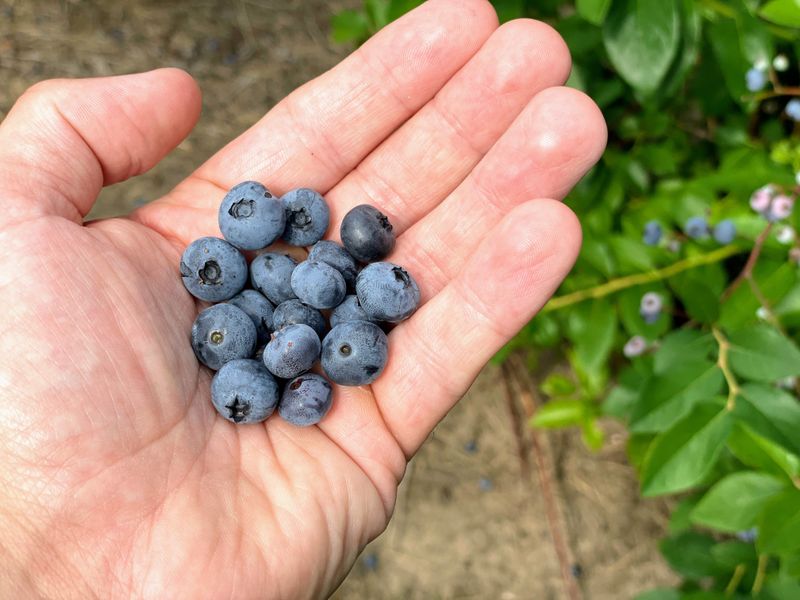
Few things beat wandering outside in July and eating breakfast straight off a bush in your own yard. Highbush blueberry was first cultivated as a farm crop in Whitesbog, New Jersey, over a century ago.
Elizabeth White and Frederick Coville worked together in the Pinelands to breed bigger, tastier berries. Their teamwork turned a wild swamp shrub into one of the state’s proudest crops today.
In a home yard, this tidy shrub usually grows about six to twelve feet tall. It loves acidic, sandy soil, which much of South Jersey already has, so check your own soil first.
Spring brings dangling white flowers shaped like tiny bells, and hungry bumblebees adore them. Summer brings the berries, and fall paints the leaves a fiery scarlet and orange.
October is a great month to plant, since cool air and warm soil help roots settle. Pick a sunny spot, because more sunlight means more flowers and more fruit later on.
Plant at least two different varieties so the flowers can cross-pollinate and boost your harvest. Mix pine needles or shredded oak leaves into the mulch, and test soil yearly for acidity.
Birds may eat some of your berries, so toss lightweight netting over the bushes in early summer. Catbirds and robins may call loudly, but sharing a few berries keeps everyone content.
Pruning is simple once the plant is three or four years old. In late winter, snip out the oldest, thickest canes to make room for fresh, fruitful growth.
2. Mountain Laurel Brings Showy Spring Blooms
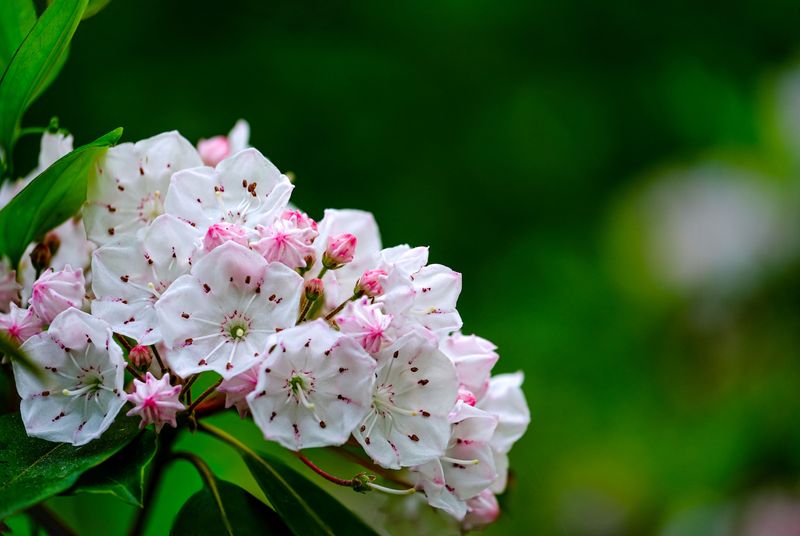
Up close, mountain laurel flowers look like someone piped tiny pink frosting cups onto every branch. Each bloom even hides little spring-loaded stamens that flick pollen onto visiting bees.
Pennsylvania claims it as their state flower, but plenty of it grows wild in the Pinelands too. You can spot it along shady stream banks and under tall oaks and pines.
This evergreen shrub keeps its glossy leaves through winter, so your yard stays green in January. Most plants reach five to eight feet tall, with a rounded, relaxed shape.
Partial shade suits it best, especially a spot with morning sun and afternoon cover. Like many Pinelands natives, it craves acidic soil that drains well after a rain.
Your New Jersey Garden Changes Every Week. Your Plan Should Too.
Gardening in New Jersey changes quickly throughout the season. Every Friday you’ll receive a simple weekly plan showing exactly what to plant, prune, fertilize, harvest, and protect so you never miss the right timing.
Plant it this fall, keeping the top of the root ball even with the ground. Spread two inches of mulch around it, but keep the mulch from touching the stems.
Water deeply once a week until the ground freezes, then let winter take over. Next spring, your reward arrives in late May and early June with clouds of blooms.
Keep in mind that every part of mountain laurel is toxic if eaten. Plant it away from spots where pets or toddlers like to nibble on leaves.
Deer usually leave it alone for the same reason, which is a nice bonus. Gardeners in deer-heavy towns often find it survives when tulips and hostas get browsed.
Pair it with ferns and blueberries for a woodland corner that feels like a hiking trail. Add a little bench nearby, and you might start calling it your secret garden.
3. Inkberry Holly Keeps Hedges Green Through Winter
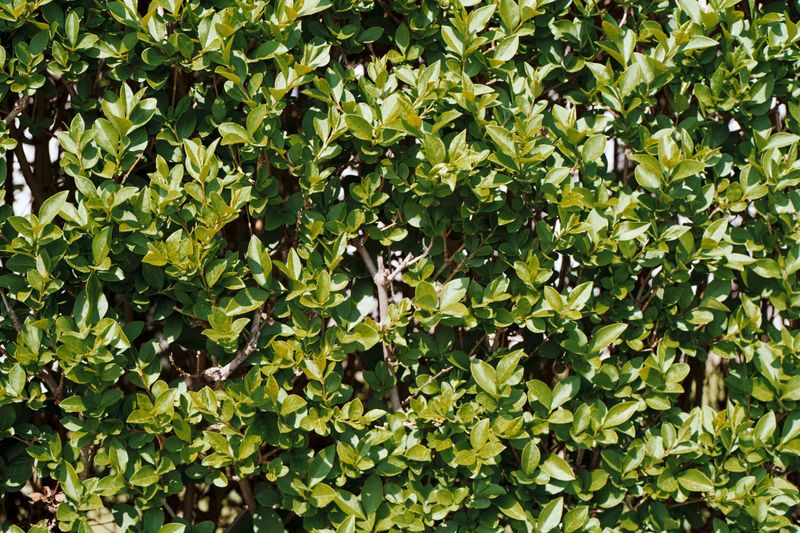
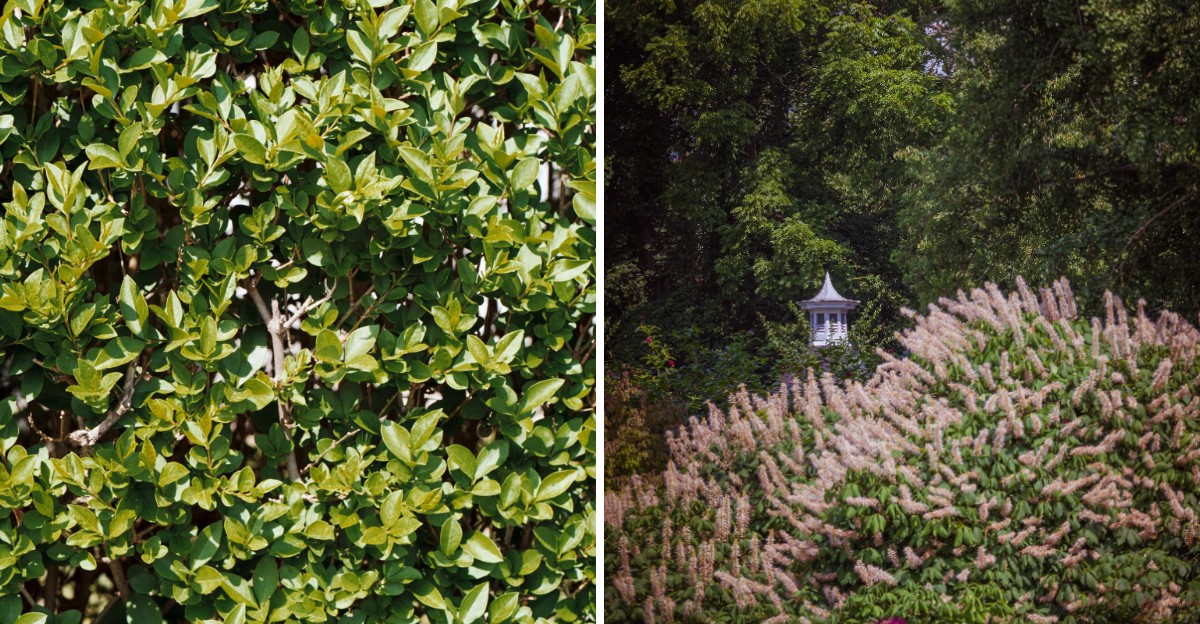
Want a hedge that stays full through February? Inkberry holly, Ilex glabra, stays dark green and tidy straight through the snowiest New Jersey winters.
The name comes from its small black berries, which early settlers reportedly used to make ink. Unlike the classic Christmas holly, its leaves are smooth and soft, with no prickly edges.
In the wild, it grows in damp Pinelands bogs and along sandy forest edges. That background makes it surprisingly flexible, handling both wet spots and dry, sandy patches.
Most inkberry shrubs reach four to eight feet tall and spread slowly by underground roots. Compact types like Shamrock stay closer to three or four feet, which suits small yards.
Use it as a living fence, a foundation shrub, or a screen around the trash cans. It handles light shearing well, so you can shape it neatly if you like.
Female plants make the berries, but they need a male plant nearby for pollination. Ask your nursery for one male for every five to ten females.
Birds like robins and bluebirds snack on the berries during late winter when food runs low. The tiny white flowers in spring also draw small native bees and honeybees.
Fall planting works wonderfully, since the shrub can grow roots before summer heat arrives. Give it full sun to part shade, and water weekly for its first growing season.
Older plants sometimes lose leaves near the bottom and look a bit leggy. Cutting a few old stems low in early spring encourages fresh, bushy growth from the base.
4. Little Bluestem Turns Copper In Fall
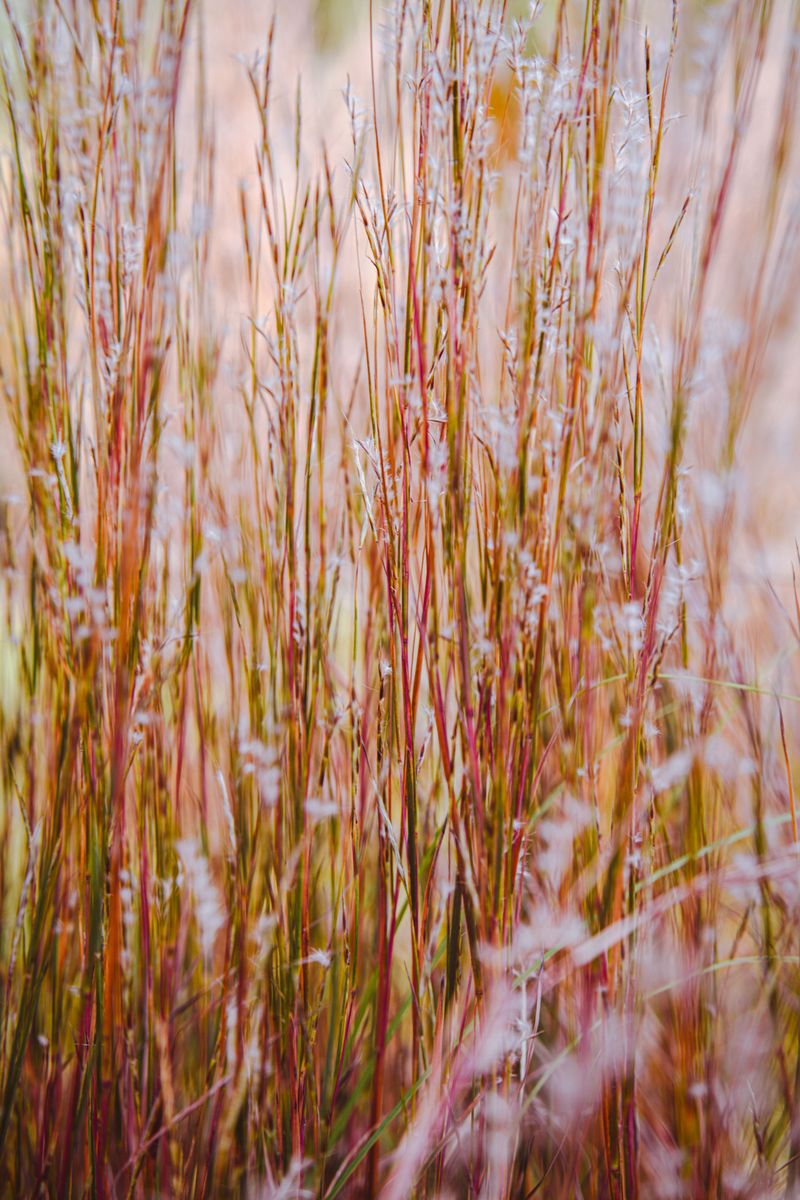
Walk through a Pinelands clearing in October, and you might think the ground is glowing. That copper-red shimmer often comes from little bluestem, a native grass with serious fall style.
All summer, its slender blades look blue-green, almost silvery in the morning light. Once the nights turn chilly, the color shifts to rusty orange, burgundy, and soft bronze.
Fluffy white seed heads catch the low autumn sun and sparkle like tiny feathers. Kids love running their hands through it, and it rustles pleasantly in every breeze.
Little bluestem grows two to four feet tall and forms neat, upright clumps. It loves full sun and poor, sandy soil, so rich garden beds can make it floppy.
Skip the fertilizer, because too much food makes this grass soft and floppy. Once established, it shrugs off drought, which helps during those dry August weeks.
Songbirds such as sparrows and juncos pick at the seeds through late fall and winter. Several skipper butterflies also lay their eggs on the leaves, feeding the next generation.
Leave the stems standing until early spring instead of cutting them in fall. The tan clumps add texture to snowy yards and give insects a cozy winter shelter.
In March, trim everything down to about four inches tall before new growth appears. Fresh blue shoots appear as spring warms, ready for another year of color.
Try it along a sunny walkway, on a gentle slope, or mixed with native wildflowers. Small plugs planted this fall fill out over two or three seasons.
5. Butterfly Weed With Bright Blooms Pollinators Love
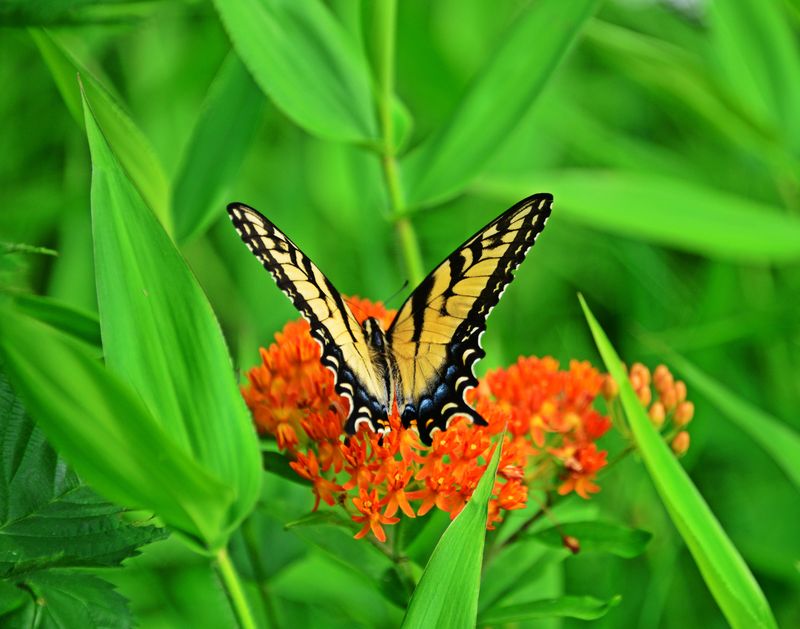
Orange is loud, and butterfly weed is not shy about it. From June through August, its bright flower clusters attract many passing butterflies and bees.
Asclepias tuberosa is a type of milkweed that grows wild in dry, sandy Pinelands fields. Monarch caterpillars depend on milkweed leaves, so planting it helps feed a famous traveler.
Unlike common milkweed, this species has clear sap and stays a tidy one to two feet tall. It also stays put instead of spreading aggressively across your whole garden.
Bees, hummingbirds, and swallowtail butterflies all visit the bright blooms on sunny afternoons. Sit nearby with a cold drink, and you get a free nature show.
Butterfly weed grows a long, deep taproot, which makes it great at handling drought. That same root also means it resists being moved, so pick its spot carefully.
Full sun and sandy or rocky soil keep it happiest and most colorful. Heavy clay that stays soggy can rot the roots, so avoid low, wet corners.
October is a smart time to scatter seeds, since winter cold helps them sprout. Nursery plants establish best in spring, so wait to buy them until the weather warms.
Be patient next spring, because this plant wakes up late, often in mid-May. Mark its location with a stake so you do not dig it up by accident.
By late summer, slim seed pods split open and release silky seeds that float away. Save a few pods to share with neighbors, and your butterfly party grows bigger.
6. Sweet Pepperbush Adds Fragrance To Late Summer
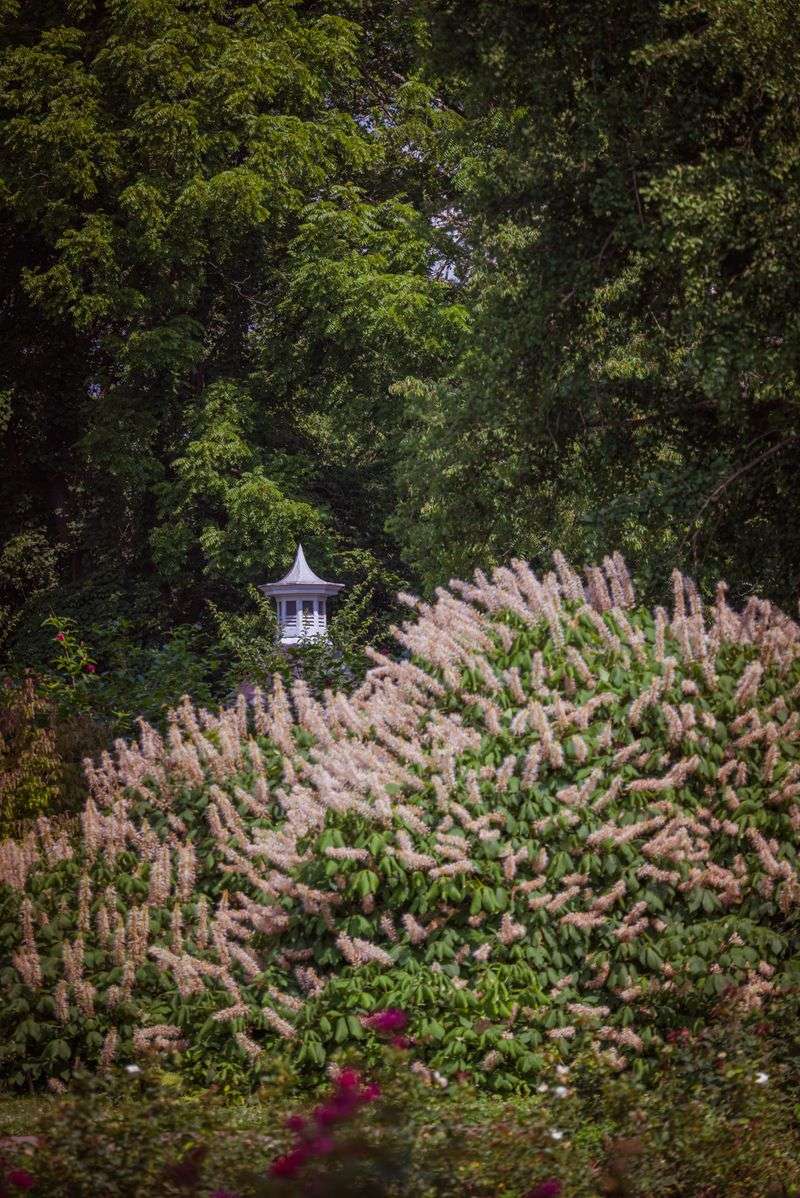
One whiff on a hot August evening, and you will understand why people call it summersweet. Sweet pepperbush fills the air with a spicy, honey-like perfume when many flowers have faded.
Its fuzzy white flower spikes look like little bottle brushes pointing toward the sky. Pink varieties like Ruby Spice add a softer color if you prefer something different.
In the Pinelands, Clethra alnifolia grows along streams, swamps, and soggy forest edges. That makes it a strong pick for soggy yards where other shrubs tend to struggle.
Most plants reach four to eight feet tall and spread slowly into a loose thicket. Smaller types like Hummingbird stay around three feet, perfect for tighter garden beds.
Butterflies, hummingbirds, and loads of native bees crowd the blooms in mid to late summer. Gardeners sometimes hear the shrub before they see it, thanks to all that buzzing.
Autumn brings another treat, as the leaves turn buttery yellow or golden orange. Plant it now, and you can enjoy a peek of that color before winter.
Sun or part shade both work, though extra sun means even more flowers. Acidic, moist soil is ideal, but it handles average yard soil with regular watering.
It even tolerates some salt, which helps homeowners living near the Jersey Shore. Place it near a patio, porch, or open window to enjoy the fragrance fully.
Pruning is easy because it blooms on fresh new wood each year. Trim lightly in early spring, and it will bounce back with fresh flower spikes.
7. Pitch Pine As A Sturdy Anchor In Sandy Soil
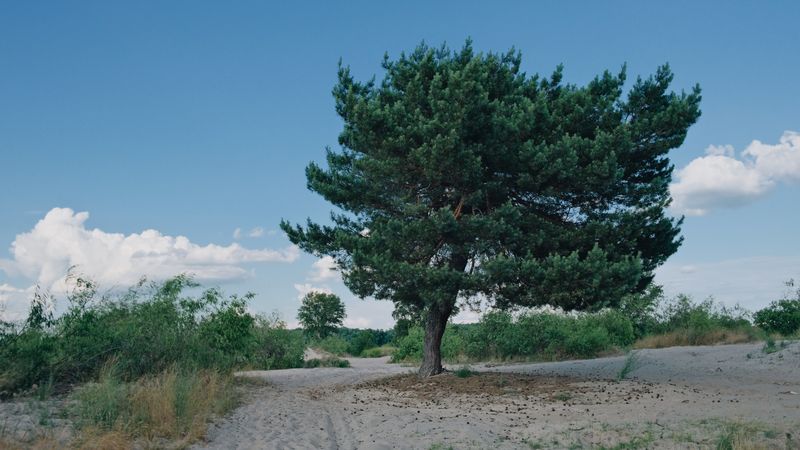
Few trees can survive a wildfire and sprout fresh needles right from their scorched trunks. Pitch pine, Pinus rigida, pulls off that trick, and it is the true backbone of the Pinelands.
Its thick bark plates protect the living wood inside when flames race through the forest. Some pitch pine cones stay sealed until heat melts their resin and releases the seeds.
For homeowners, this tree offers light shade, privacy, and a rugged look that suits Jersey. It grows forty to sixty feet tall, often with twisty, character-filled branches.
Sandy, poor soil where many trees struggle to grow is exactly where pitch pine thrives. It handles drought, salty coastal air, and hot summers without much fuss.
Give it plenty of room and full sun, since it struggles in shady spots. Plant it well away from houses and power lines, keep needles off roofs, and check Pinelands Firewise guidance for safe distances.
Fall planting lets the roots spread out while the air stays cool. Choose a small young tree, because pines settle in better when they start little.
Wildlife love it too, as chickadees, nuthatches, and squirrels feast on its seeds. Owls and hawks often perch high in the branches to watch for a meal.
Fallen needles make a free, natural mulch for nearby blueberries and mountain laurel. Instead of bagging them, rake thin layers under acid-loving shrubs, away from your home.
Over time, a single pitch pine can anchor your whole native landscape plan. Kids and grandkids may one day climb the same tree you planted this October.
8. A Low, Spreading Ground Cover Called Bearberry
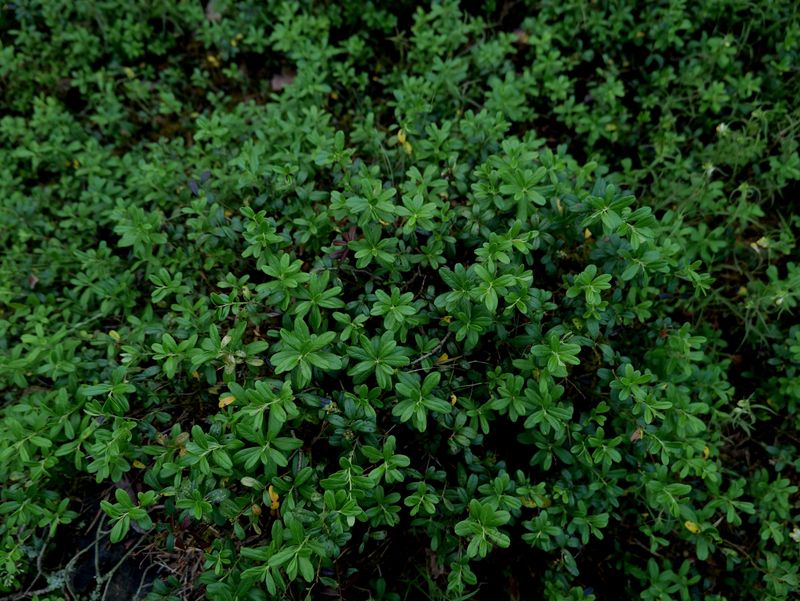
Bears really do eat its berries, which explains the name. Bearberry, also called kinnikinnick, is a low evergreen carpet that hugs dry, sandy ground.
In the Pinelands, it spreads across dry clearings, quiet roadsides, and sunny sand dunes. Its tiny, glossy leaves turn a rich reddish bronze once cold weather settles in.
Spring brings small pink and white flowers shaped like miniature hanging lanterns. By late summer, bright red berries appear, feeding birds and the occasional curious fox.
This plant stays under a foot tall but can eventually spread several feet wide. That makes it perfect for sunny slopes where mowing grass feels like a workout.
Bearberry loves poor, sandy soil and does poorly in rich, heavy garden dirt. Good drainage matters most, so avoid low spots where puddles linger after storms.
It can be slow to start, so buy healthy potted plants instead of trying seeds. Space them about two feet apart, and they will knit together over a few seasons.
Mulch with pine needles or gravel to keep weeds down while it gets established. Water regularly during its first year, then let nature handle most of the work.
Once settled, bearberry handles drought and salt well, but tolerates little foot traffic. It also stops soil from washing away during heavy rain, which helps protect local streams.
Planting this fall gives roots time to grip the ground before spring growth begins. Pair it with little bluestem and butterfly weed for a low-water native garden.