South Florida Gardeners Can Start Papaya In September – But Give It This One Thing First
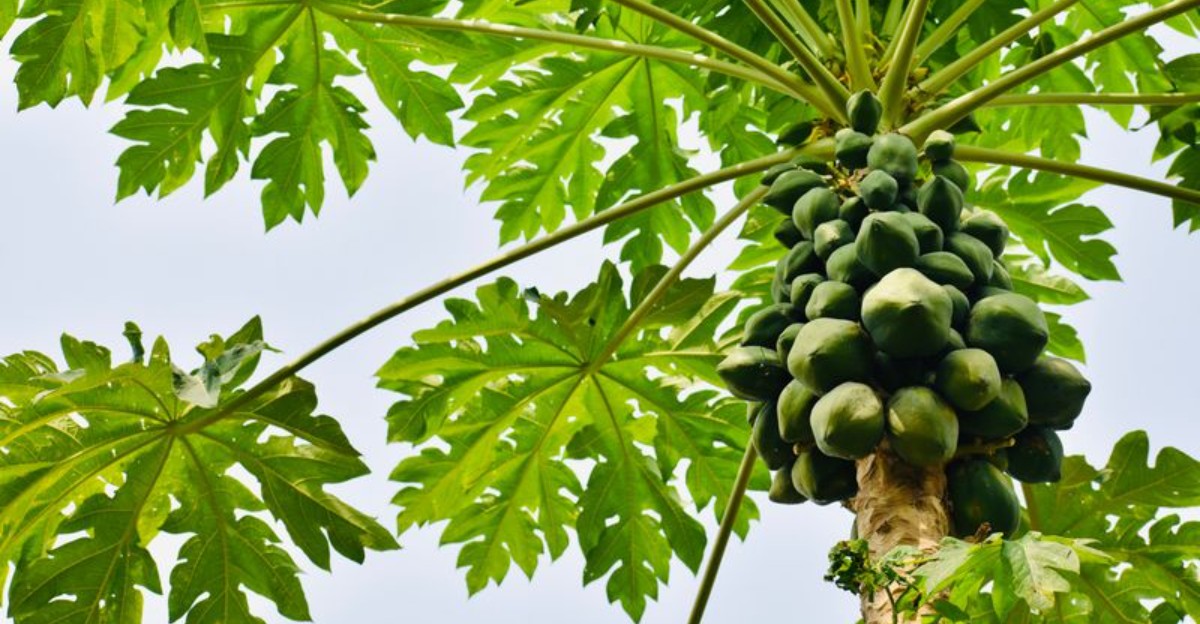
South Florida’s warm fall stretch makes September prime time for papaya, but skip one step at planting and you’re setting yourself up for a tree that struggles from day one.
Papaya grows fast when conditions line up right, and this time of year gives South Florida gardeners a real head start most other regions never get. That speed comes with a catch though.
One specific requirement at planting decides whether your tree takes off strong or spends months fighting problems that trace straight back to how it went into the ground.
Skip this step and you might not see the consequences right away, but they show up eventually, usually right when your tree should be thriving instead of struggling.
Get this one detail right before you plant this week. It could be the difference between papayas by next year and a tree that never quite catches up.
1. Give Papaya Warmth Before Anything Else
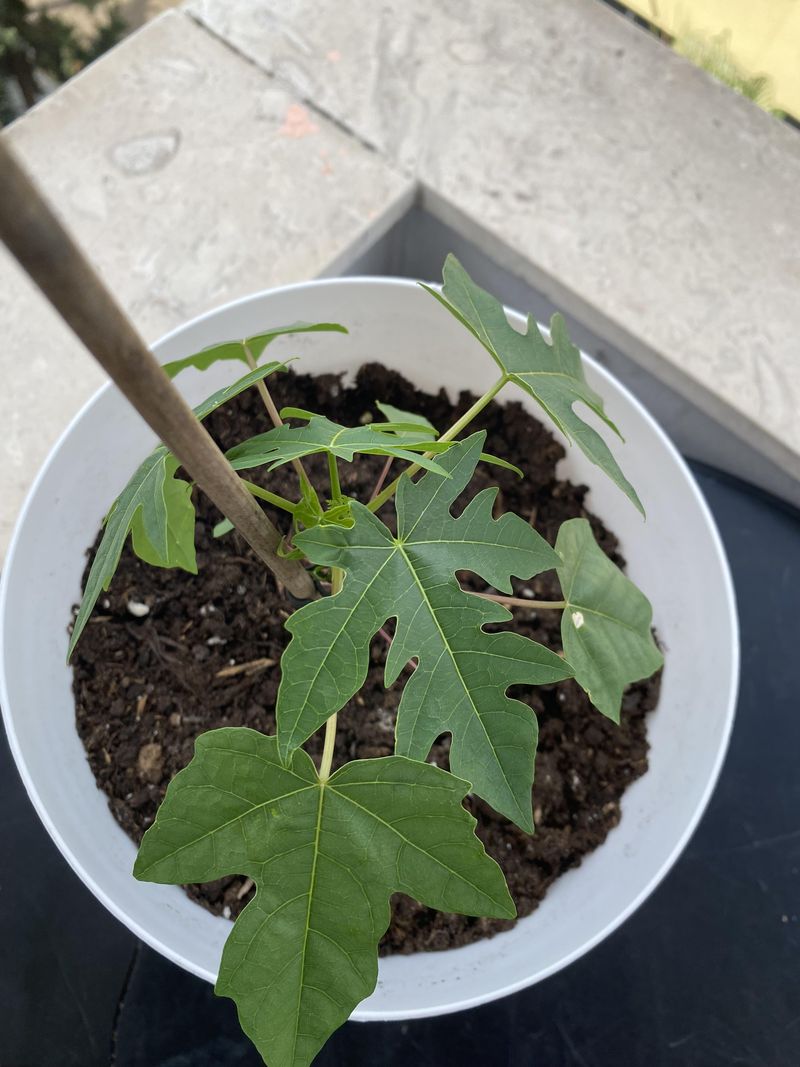
Picture a papaya seedling as a sunbather who packed only flip-flops. It wants heat, and it wants plenty of it.
The sweet spot for papaya sits between 70 and 90 degrees Fahrenheit. Growth slows once the air dips below 60, and flowering can stall near 59.
Luckily, South Florida sits in USDA Zones 10 and 11. September here still feels like a warm hug, which is exactly what young papayas crave.
Air is only half the story, though. Roots grow best when the soil stays above 60 degrees, so warm ground matters as much as warm breezes.
Before planting, press your palm flat on the soil for a few seconds. If it feels cozy rather than cool, your bed is ready.
Cold pockets can sneak into low spots in a yard. Cool air settles there on rare chilly nights, so choose higher ground when you can.
A south-facing wall or fence can also help a lot. Stone and wood soak up afternoon heat and release it slowly after sunset.
Here is a fun fact to share with friends. Papaya is not a true tree at all, but a giant herb with a soft, hollow stem.
That tender build explains its love of steady warmth. Give it heat first, and every other step on this list works better.
2. Choose A Sunny Spot With Room To Grow
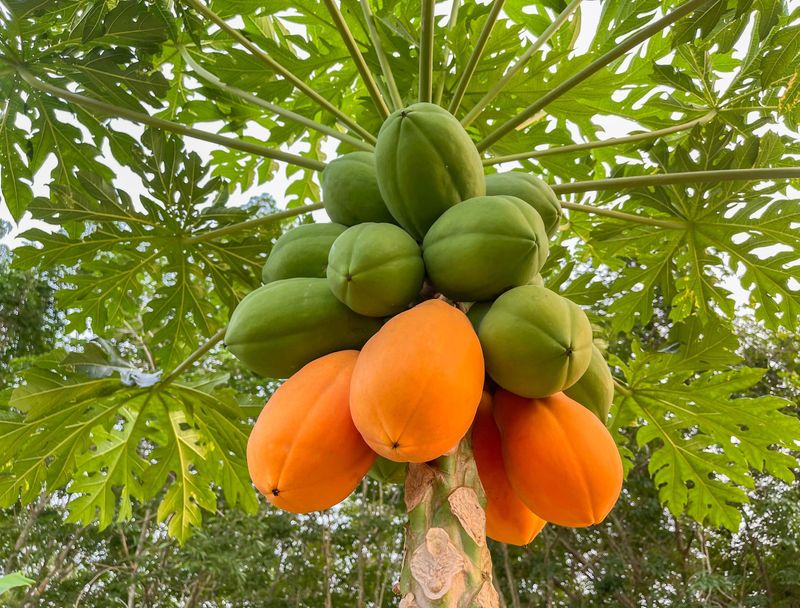
Ask any papaya what it wants for its birthday, and the answer is sunshine. Six to eight hours of direct light each day keeps it healthy and loaded with fruit.
Shade is sneaky in a Florida yard. That small palm or neighbor’s oak can grow fast and steal your light within a year.
Spend one Saturday watching your yard from morning to late afternoon. Note which spots stay bright the longest, then pick the winner.
Height is the next surprise for many new growers. Most papayas reach 8 to 15 feet, and some types can climb past 20 feet over time.
Keep that tall future in mind before you dig. Power lines, roof edges, and patio covers can get in the way sooner than you think.
Your Florida Garden Changes Every Week. Your Plan Should Too.
Gardening in Florida changes quickly throughout the season. Every Friday you’ll receive a simple weekly plan showing exactly what to plant, prune, fertilize, harvest, and protect so you never miss the right timing.
Spacing matters too, especially if you want more than one plant. Aim for 7 to 10 feet between papayas so they do not crowd each other.
Wide gaps let breezes move through the leaves. Better airflow helps foliage dry quickly after those afternoon storms roll through.
A crowded planting also means fruit hidden in shade. Pale, slow fruit is often a sign that neighbors are blocking the light.
Think of it like giving each plant its own sunny stage. With space and light, papaya puts on quite a show.
3. Keep September Soil Moist But Never Soggy
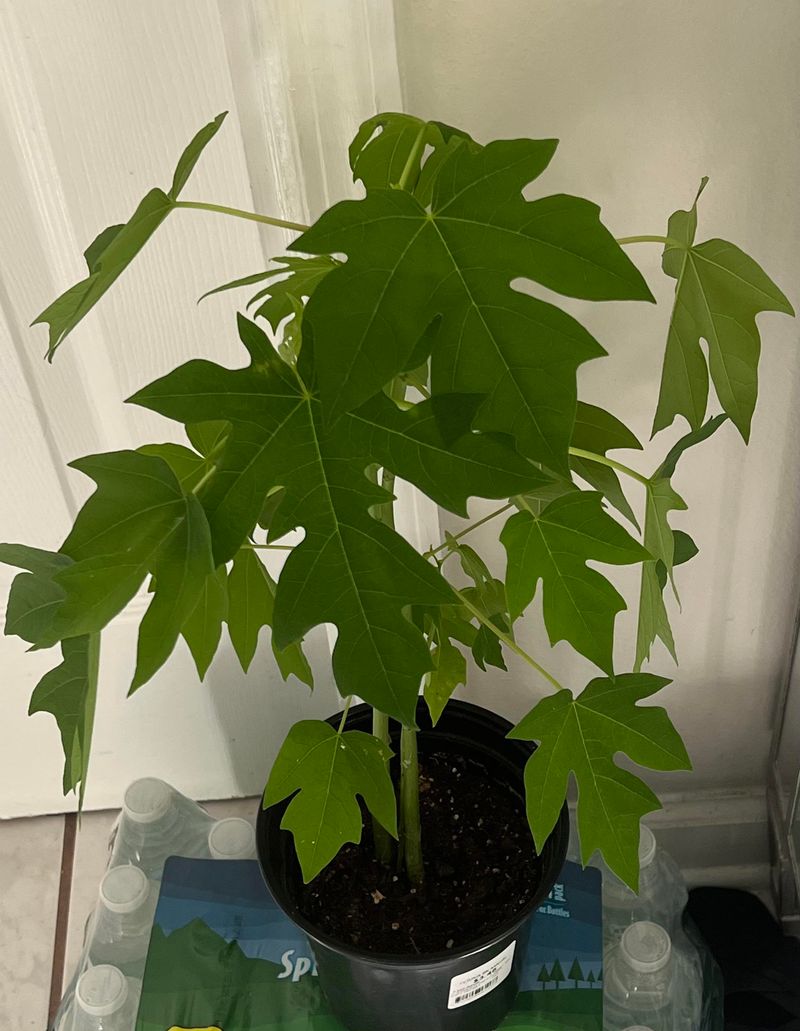
September in South Florida can feel like a moody roommate. One day brings a downpour, and the next day bakes the yard dry.
Papaya needs you to balance both moods. It wants steady moisture, yet it sulks the moment roots sit in standing water.
Fast growth drinks a lot of water. Deep, regular watering helps the plant build strong stems and big, healthy leaves.
Skimping on water brings its own trouble. Thirsty papayas often drop leaves, flowers, and even young fruit.
Fruit from stressed plants tends to be smaller too. It can also taste less sweet, which feels like a real letdown after months of waiting.
The finger test is your best friend here. Push a finger two inches into the soil, and water only if it feels dry at that depth.
After a heavy storm, skip the hose entirely. Let rain do the job, and check again in a day or two.
Morning is the best time to water on dry days. Leaves and the soil surface dry before evening, which keeps the plant happier.
A layer of mulch helps even out the ups and downs. Keep it a few inches away from the stem so the trunk stays dry.
A rain gauge costs only a few dollars and takes guesswork away. Once you know how much fell, you can adjust your schedule with confidence.
4. Protect Young Papaya From Strong Coastal Winds
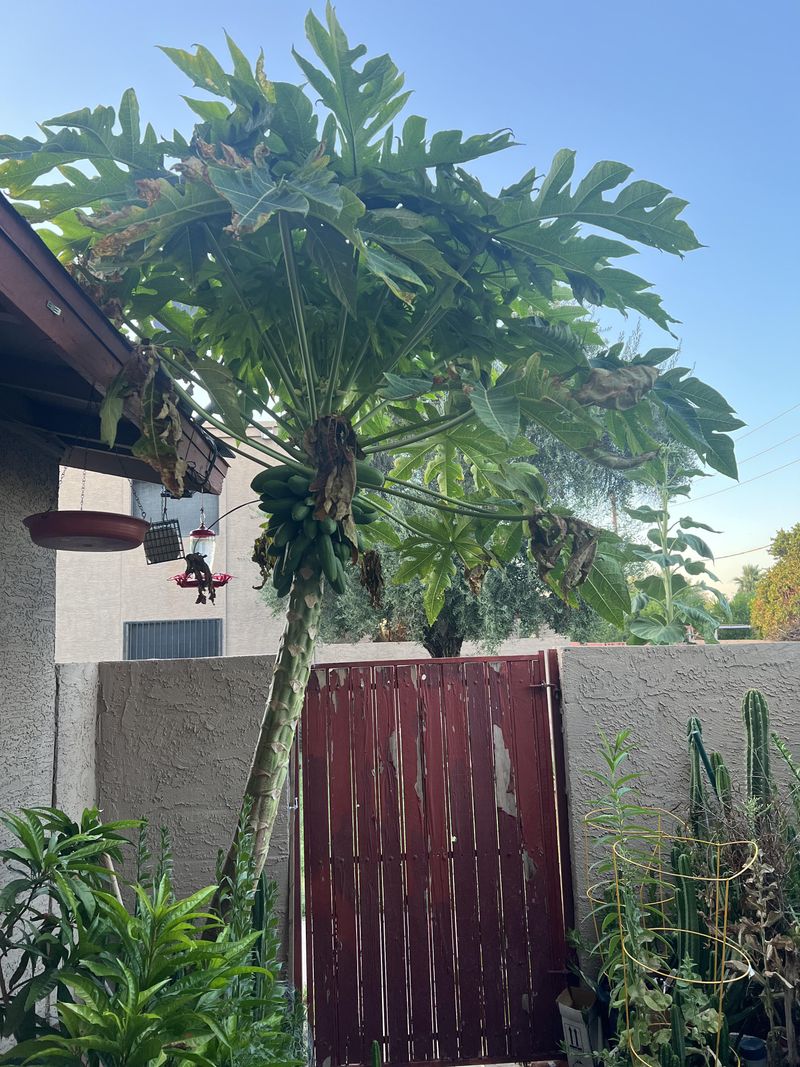
Anyone who has lived near the coast knows the wind has opinions. A young papaya, with its soft stem, takes those opinions very personally.
Constant gusts slow growth and shred the big leaves. Over time, a windy spot can mean far less fruit on the plant.
Heavy fruit adds another risk later on. A tall plant loaded with papayas can tip over in a strong blow.
September also falls in the heart of hurricane season. That makes planning for wind extra smart this time of year.
Start by looking for natural shelter in your yard. The side of a house, a fence, or a row of sturdy shrubs can block the worst gusts.
No shelter nearby? A simple windbreak of shade cloth stretched between two posts works surprisingly well.
Staking helps too, especially for the first few months. Drive a sturdy stake a few inches from the stem, then tie the plant loosely with soft cloth strips.
Skip wire or thin string for ties. Those can cut into the tender stem as it thickens.
Check the ties every couple of weeks and loosen them as needed. A snug hug is good, but a tight squeeze is not.
Once the trunk thickens, the plant can handle more breeze on its own. Until then, a little shelter goes a long way.
5. Start With Fast-Draining Soil From Day One
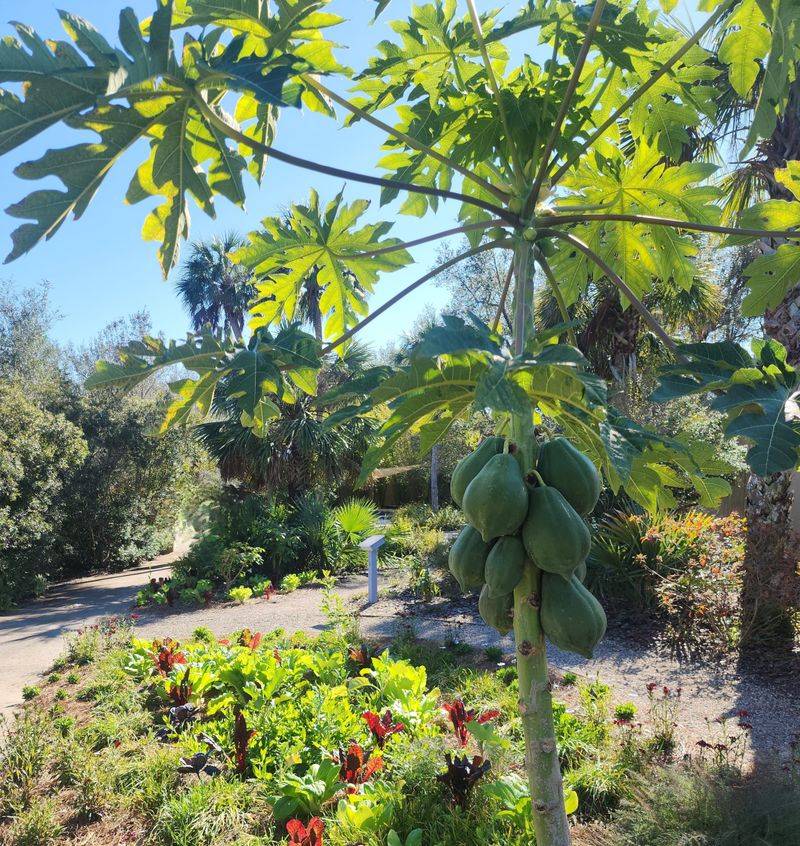
Here is the secret most experienced growers share over the fence. Great papaya harvests begin underground, long before the first flower opens.
Papaya loves soil that drains quickly and stays rich in organic matter. Sandy, loamy, and even rocky ground can work well.
Heavy clay and boggy spots are a different story. Water lingers there, and papaya roots struggle to breathe.
Try a quick drainage test before planting. Dig a hole about a foot deep, fill it with water, and see if it empties within a few hours.
Slow drainage means it is time for a mound. University of Florida experts suggest a raised mound of native soil 2 to 3 feet high and 4 to 10 feet wide.
That might sound huge, but it pays off. Roots stay above soggy ground even during the rainiest weeks.
Mixing in compost or well-rotted manure helps too. It loosens tight soil and adds food for the growing plant.
Soil pH is worth a quick check as well. Papaya prefers a range of 6.0 to 6.5, though it can adjust to a much wider range with care.
Much of South Florida has alkaline, limestone-based soil. A cheap test kit tells you where you stand before you plant.
Good soil is like a solid foundation for a house. Build it right on day one, and everything above it stands stronger.
6. Give Papaya Roots Plenty Of Breathing Room
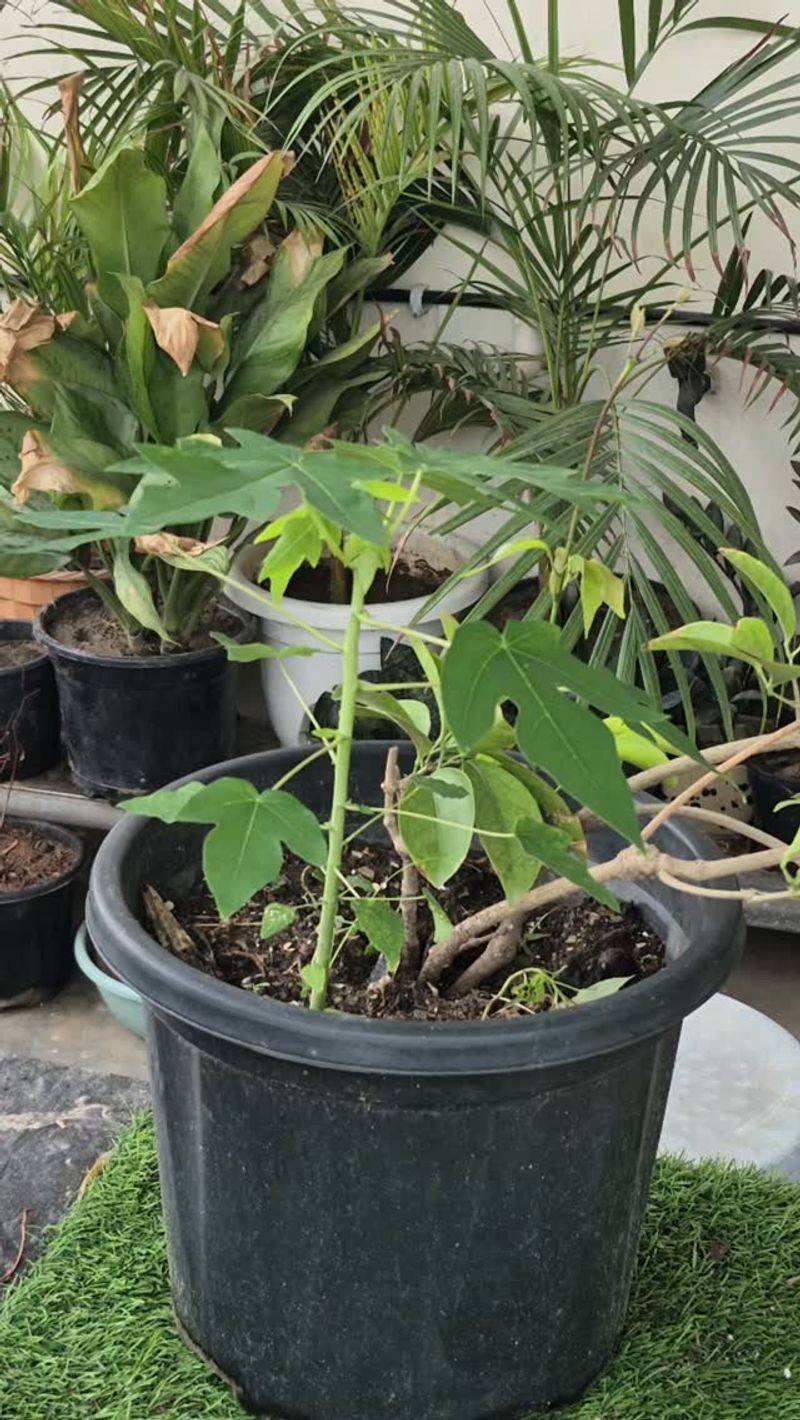
Below the surface, papaya keeps things surprisingly shallow. Most of its feeding roots live in the top 20 inches of soil.
A few roots may reach 2 to 2.5 feet down. Still, the busy zone stays close to the top, where air and water mix.
That shallow system explains why papaya dislikes being disturbed. Rough handling at planting time can set a young plant back for weeks.
Handle the root ball like a carton of eggs. Slide the plant out of its pot gently instead of tugging on the stem.
Plant at the same depth it grew in the container. Burying the stem deeper invites rot and slows growth.
Check nursery plants for a root-bound mess before buying. Roots circling tightly around the pot mean the plant has waited too long for a new home.
Try to avoid digging or raking close to the trunk later on. Pulling weeds by hand is kinder to those shallow roots.
Container growing works well for small yards and patios. Choose a pot that holds 15 to 25 gallons and has plenty of drainage holes.
Skip the saucer under the pot during rainy months. Trapped water can soak the lower roots and leave them gasping.
Roots that breathe easily build a stronger plant. Give them loose soil and room to spread, and the leaves above will thank you.
7. Feed Young Plants Once New Growth Takes Off
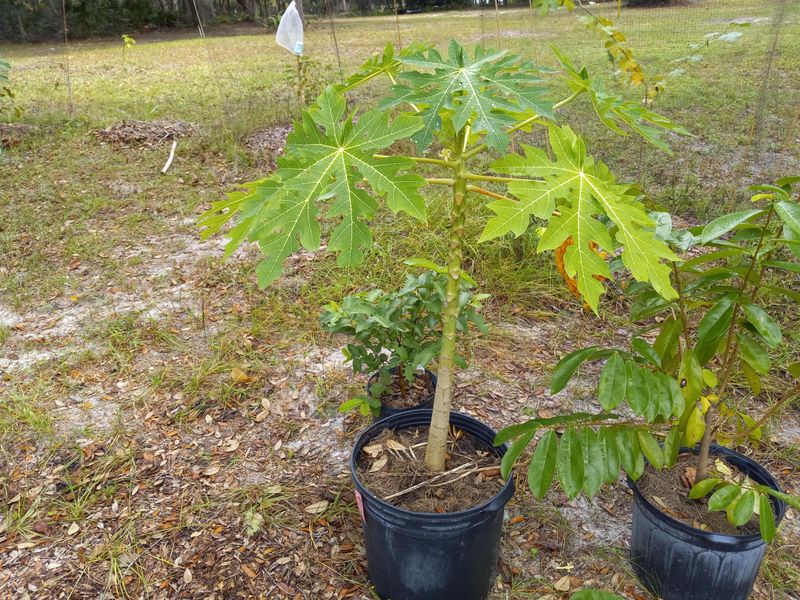
Think of a teenager raiding the fridge after school. A growing papaya has a similar appetite, and it likes small snacks often.
Hold off on fertilizer right at planting time. Tossing it into the hole can burn tender new roots before they settle in.
Wait until you see fresh leaves unfolding at the top. That new growth is the signal that roots are ready to eat.
A balanced mix works best for young plants. Look for numbers like 10-10-10 or 14-14-14 on the bag.
University of Florida guidance suggests about a quarter pound of complete fertilizer every 14 days for young papayas. Increase the amount slowly as the plant gets bigger.
Once the plant is established, feeding every two to four weeks keeps it going strong. Small, frequent meals beat one giant dose.
Scatter fertilizer in a ring around the base, not against the stem. Water it in lightly so it soaks down to the roots.
Prefer the organic route? Compost and fish emulsion are both excellent choices that feed the soil as well as the plant.
Fish emulsion does smell a bit funky for a day. Your papaya will not mind, even if the neighbors raise an eyebrow.
Keep a simple calendar note for each feeding. It is easy to lose track when life gets busy.
8. Watch New Leaves For Early Stress Signs
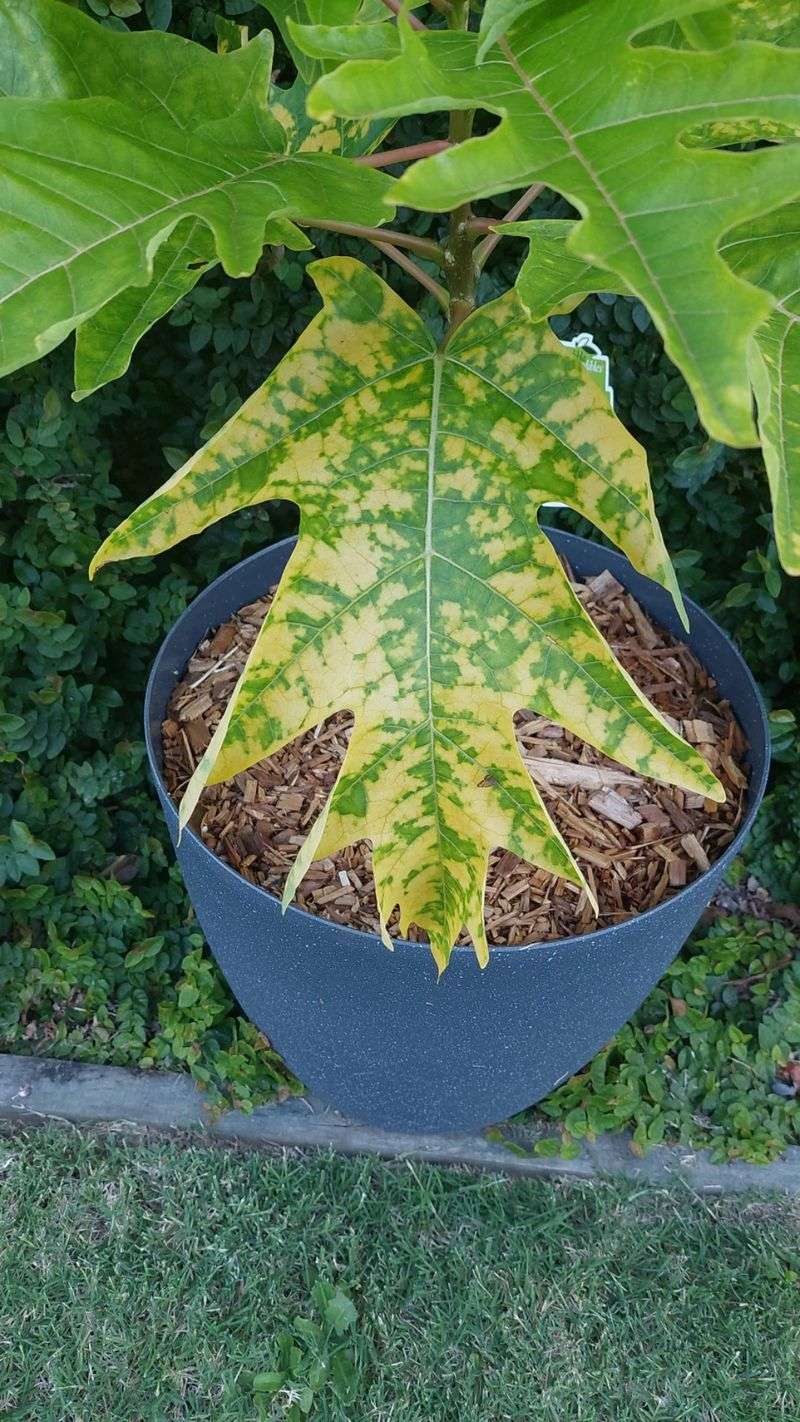
Papaya leaves work like a mood ring for the whole plant. Learn to read them, and you can fix small problems before they grow.
Take a slow walk around your plant every few days. Look at both the fresh leaves up top and the older ones lower down.
Pale or evenly yellow older leaves often point to low nitrogen. Growth may slow, and new leaves may come in smaller than usual.
Yellow between green veins on older leaves hints at low magnesium. Sometimes brown spots or reddish-purple edges show up next.
Small leaves with scorched, brown edges can mean a potassium shortage. In some cases, the whole plant starts yellowing early.
New leaves that open light green, then turn yellow, may signal low sulfur. Curled edges and tiny spots on recently matured leaves can point to calcium.
A dark, bluish-green tint on older leaves may hint at phosphorus trouble. Fewer new leaves and stalled growth often come along with it.
Snap a phone photo each week from the same angle. Comparing pictures makes slow changes much easier to spot.
Catching a problem early usually means a quick, simple fix. Waiting too long can cost you weeks of growth and fruit.
Your local county extension office can help with a soil or leaf test. That takes the guessing out of the diagnosis.
9. Plant Now For A Faster Start To Fruit Production
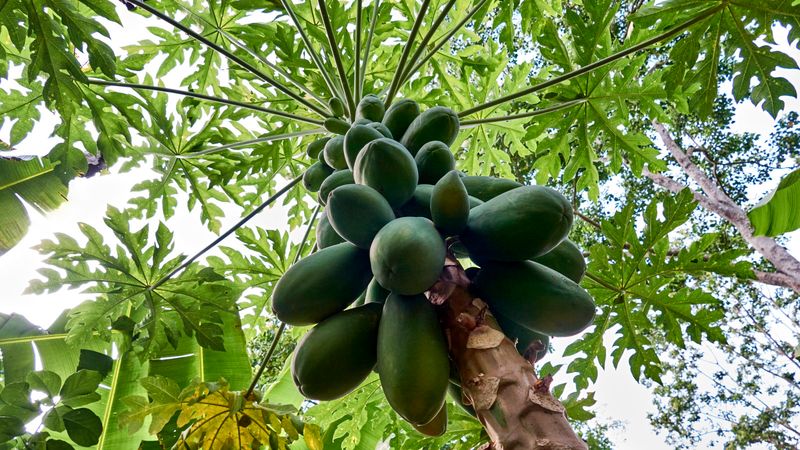
Few fruit plants reward patience as quickly as papaya does. Well-cared-for plants can start flowering about 4 months after planting.
Fruit follows faster than most people expect. Many plants produce ripe papayas within 7 to 11 months of going in the ground.
September planting gives your papaya a head start. Warm soil and long, bright days help roots settle in before cooler months arrive.
By the time winter rolls around, the plant is already established. That early foundation can mean earlier flowers once spring warms things up.
South Florida growers enjoy a special bonus here. Papayas in this region can fruit nearly year-round once they mature.
Imagine slicing a fresh, orange-fleshed papaya next summer. Picture the sweet, musky scent filling your kitchen, all from a seedling you planted this fall.
Keep a garden journal to track your progress. Jot down the planting date, first flower, and first fruit so you can learn for next time.
Here is a fun fact for curious gardeners. Papaya seeds are edible and have a peppery bite, a bit like mustard or black pepper.
Planting a second papaya a few months later can stretch your harvest. That way, a new plant takes over as the older one slows down.
Warmth, sun, good drainage, and a little care all add up. Start this month, and your future breakfast bowl will thank you.