This Invasive Ant Is Spreading Through Texas Yards Faster Than Fire Ants
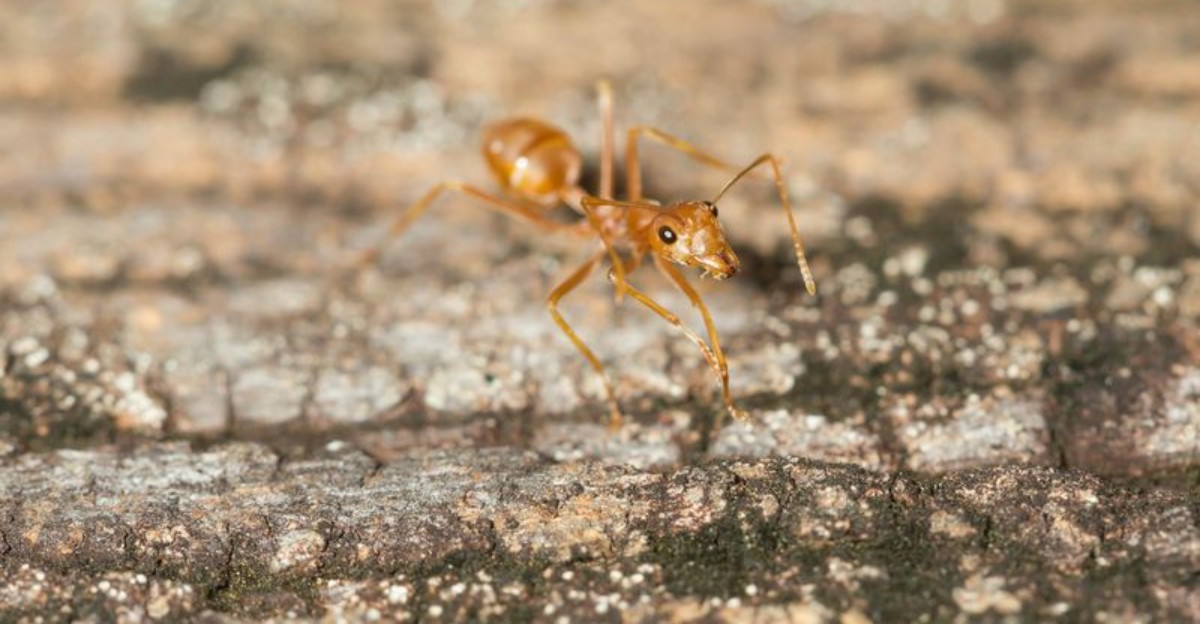
Those reddish specks racing across your porch are not fire ants. Meet a bold South American newcomer rewriting the rules of pest control. A Houston exterminator spotted them early, and scientists soon took notice.
Fire ants, those legendary Texas tough guys, lose ground when these arrivals appear. Their trick is ingenious: they coat themselves in formic acid, neutralizing fire ant venom.
Unlike fire ants, they skip mounds and hide under debris. Colonies swell into sprawling supercolonies with multiple queens, reaching staggering densities.
They also crowd into electrical boxes, air conditioners, and computers, causing costly short circuits. Standard fire ant baits leave these tiny travelers unbothered.
You can sweep, spray, and scrub, yet another wave marches in. Across Texas, homeowners like you discover that clever tactics outperform sheer effort. Your advantage begins with knowing what this mysterious visitor hopes you overlook.
Tawny Crazy Ants, The Culprit Behind The Takeover
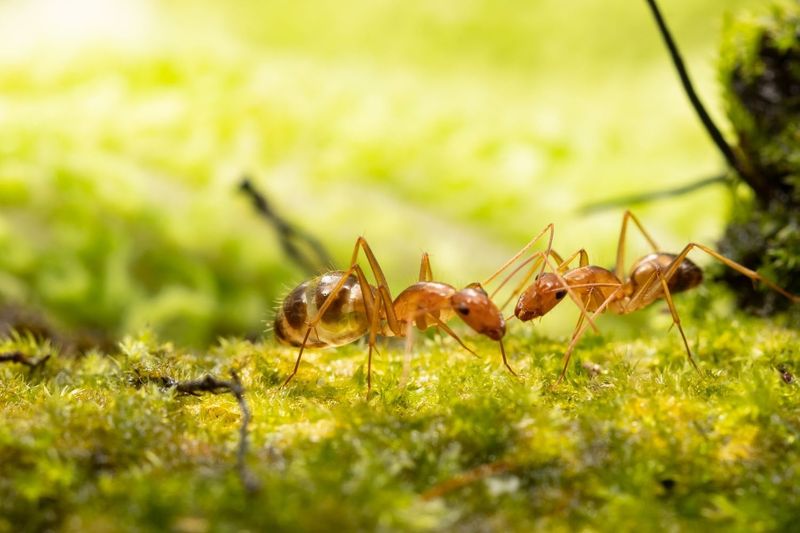
Picture a fire ant getting chased off its own mound by something smaller and far jumpier. That bully is the tawny crazy ant, a South American invader now roaming across Texas.
Scientists call it Nylanderia fulva, and Texans first spotted it near Houston around 2002. An exterminator named Tom Rasberry noticed the strange swarms, so many Texans still call them Rasberry crazy ants.
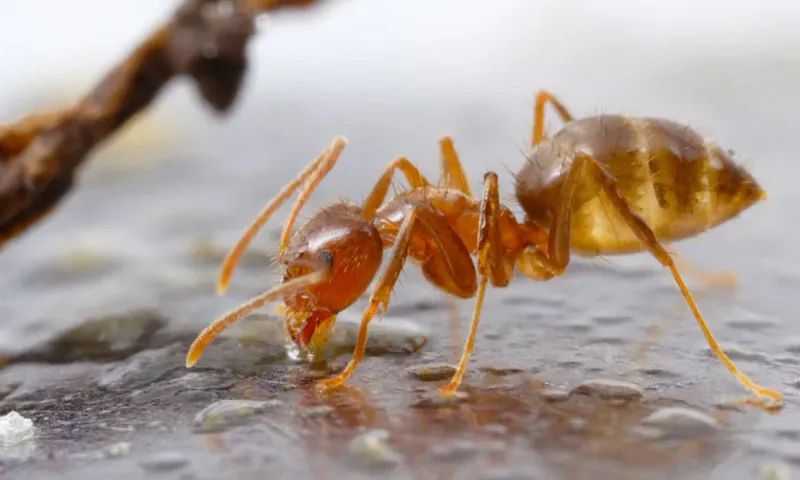
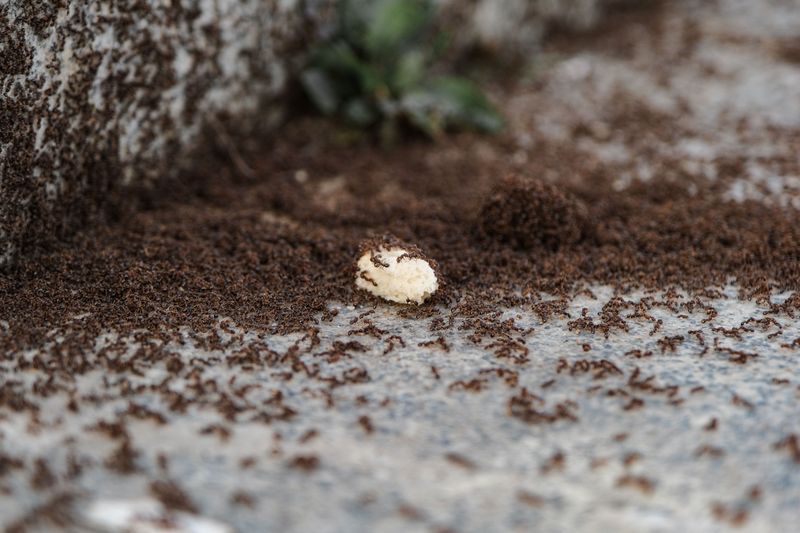
Each worker is less than one-eighth of an inch long, with a reddish-brown body and long legs. Their movement gives them away, since they zip around in wild, looping paths instead of neat lines.
Fire ants build tall dirt mounds, but these ants skip the mounds and hide under clutter. Logs, rocks, leaf piles, and potted plants all make cozy homes for their huge colonies.
Here is the surprising part about their rivalry with fire ants. When stung, a tawny crazy ant coats itself in its own acid, which neutralizes fire ant venom.
That clever trick gives them a rare edge over fire ants. In many invaded yards, fire ant mounds fade away as the crazy ants take over.
The good news is that these ants cannot sting people, though they can give a small bite. The bad news is their numbers, since a single infested neighborhood can host enormous populations.
So if your yard suddenly looks like it is crawling with jittery pepper flakes, pay attention. You may be hosting an invasive ant that Texas experts are working hard to contain.
A Hitchhiking Habit That Fuels The Spread
On their own, tawny crazy ants are slow travelers, spreading only a few hundred yards each year. That pace sounds harmless, but these tiny tourists have found a much faster ride.
Humans are their favorite taxi service, and we usually have no idea we are giving rides. Queens and workers tuck themselves into potted plants, mulch bags, hay bales, and firewood stacks.
RVs, boats, and moving trucks can carry them too, especially when stuff sits outside for weeks. One camping trip or yard sale can drop a new colony into a fresh neighborhood.
Their unusual colony setup makes the whole problem even worse for homeowners. Each colony holds many queens, so just a handful of stowaways can start a brand-new population.
Your Texas Garden Changes Every Week. Your Plan Should Too.
Gardening in Texas changes quickly throughout the season. Every Friday you’ll receive a simple weekly plan showing exactly what to plant, prune, fertilize, harvest, and protect so you never miss the right timing.
Fire ants usually spread when winged queens fly off to start mounds one at a time. Crazy ants skip that step and simply bud off, forming supercolonies that stretch across whole blocks.
Workers from nearby nests do not fight each other, so the group keeps growing without any civil war. That teamwork helps them outnumber rival ants in a surprisingly short time.
Since the first Houston sighting, the ants have popped up in dozens of Texas counties. Many of the newest spots trace back to shipments of plants, soil, or landscaping materials.
Think of every flowerpot you buy as a possible suitcase full of uninvited guests. A quick peek before unloading it can save your lawn and garden a lot of trouble.
Late Summer And Fall Population Peaks
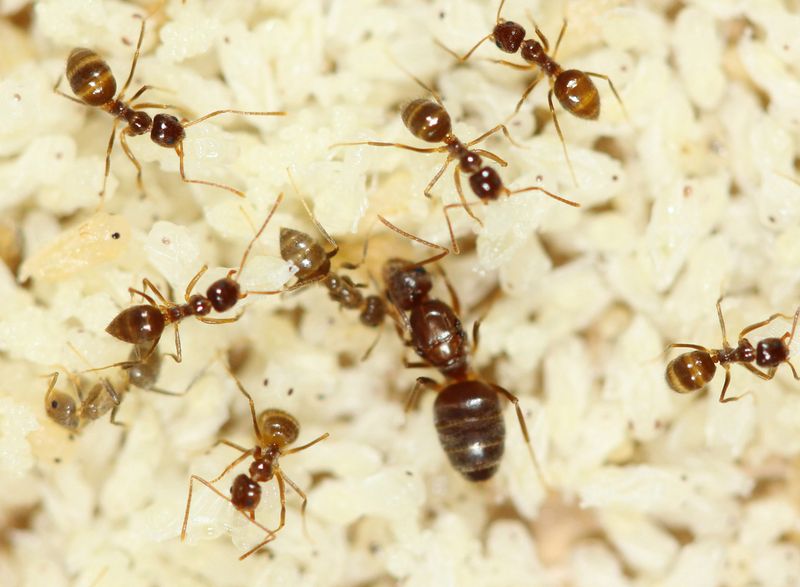
September in Texas brings football games, cooler mornings, and, for some yards, an ant surge.
Tawny crazy ant numbers climb all summer and usually hit their highest point in late summer and fall.
Warm soil and plenty of food help colonies grow fast from spring through early autumn. By now, some homeowners report sidewalks and walls that look coated in moving brown paint.
Rain plays a big role too, since late-season storms can flood nests and push ants indoors. After a heavy shower, check baseboards, kitchen counters, and bathroom sinks for sudden visitors.
Electrical gear becomes a hot spot during this season. Crazy ants love crawling into air conditioner units, outlets, and breaker boxes, where they can cause short circuits.
When ants contact live current, more workers often follow them inside. Soon a whole pile of ants gathers inside the switch, which can ruin expensive equipment.
Your AC works hard through a Texas September, so a failure now feels extra painful. Checking the outside of your AC unit for ant clusters once a month is a smart habit.
Leave breaker boxes and electrical panels to a licensed electrician or HVAC technician. Cooler winter weather slows the ants down, but it rarely makes them pack up and leave.
Colonies simply shrink, hide under debris, and wait for spring to come roaring back. Fall is your window to act while the ants are easy to find and track.
The Costly Fire Ant Bait Mistake
Imagine a Pearland homeowner scattering a whole bag of fire ant bait across his lawn, feeling proud. Two weeks later, his yard has more ants than ever, just a different kind.
Extension experts warn that this kind of mix-up is easy to make. Fire ant baits are designed for fire ant feeding habits, so tawny crazy ants rarely take enough to matter.
So the bait lowers fire ant numbers while barely touching the tawny crazy ants. With their main rival weakened, the crazy ants move in faster and spread with fewer obstacles.
Another common slip is spraying the few ants you can see and calling it a day. Surface sprays may clear a patio for an afternoon, but far larger numbers wait under nearby clutter.
Repellent sprays often just push ants to new spots, leaving the colony intact. You spend money, yet the colony keeps thriving just out of sight.
Some people also toss grass clippings, boards, and old pots into a corner and forget them. Those piles become perfect ant hotels with damp, shady rooms and plenty of space.
Moving infested plants or mulch to a friend’s house is another easy error to make. You might think you are sharing a gift, but you could be sharing a colony.
The lesson here is pretty simple, and it is a little humbling too. Know which ant you are fighting before you spend money on products that target the wrong enemy.
Patient Treatment For Infested Texas Yards

Pest pros often compare fighting crazy ants to running a marathon instead of a sprint. Winning takes steady work over several weeks and months, not one magic spray.
Step one is a serious yard cleanup that removes the places where colonies love to hide. Haul away leaf piles, rotting logs, loose boards, and extra rocks from around the house.
Next, cut off their sugar supply by treating plants covered in aphids and scale insects. Those pests make sweet honeydew, and crazy ants guard them like cattle ranchers guarding a herd.
Then comes the treatment itself, which works best with non-repellent insecticides the ants cannot detect. Products with fipronil or similar ingredients let workers carry the chemical back to the nest.
Many of the strongest products are sold only to licensed pros, so hiring help often makes sense. A good technician will spray a perimeter around your home and target nesting spots.
Sweet liquid baits can help too, since these ants crave sugar more than fire ants do. Place bait stations near trails and refill them often, because huge colonies drain them quickly.
Expect to see piles of ants gather after treatment, which actually means the product is working. Repeat applications every few weeks are normal, especially during the busy late-summer and fall season.
With patience and help from neighbors, many families see ant numbers drop noticeably over time. Your patio, AC unit, and sanity will all thank you for sticking with the plan.
Everyday Habits That Keep Crazy Ants Out

Ever heard the saying that an ounce of prevention beats a pound of cure? With tawny crazy ants, that ounce might be the smartest thing you ever do for your yard.
Start at the garden center by inspecting every potted plant before it goes in your car. Tip the pot, look at the drainage holes, and watch for scurrying reddish ants.
Bagged mulch, soil, and firewood deserve the same quick check, especially if they sat outdoors. Buying from local suppliers you know and trust lowers the chance of bringing home stowaways.
Around the house, keep a tidy strip of bare ground or gravel next to the foundation. Trim bushes and tree limbs so they do not touch walls, roofs, or electrical lines.
Seal gaps around pipes, cables, and utility boxes with caulk or foam to block easy entry points. A little sealing now could save you an expensive AC repair next summer.
Store firewood, lumber, and pet food up off the ground and away from the house. Fix leaky outdoor faucets and hoses too, since these ants love moist, shady spots to settle.
Talking with your neighbors matters more than you might expect. Supercolonies ignore property lines, so a whole street working together gets far better results than one lonely yard.
If you spot the jittery ants, report them to your county Texas A&M AgriLife Extension office. Your sighting helps experts track the spread and protect the rest of the Lone Star State.