Why Your Florida Yard May Suddenly Have Birds You’ve Never Seen Before This September
New birds showing up in your Florida yard this month aren’t lost, and they’re not random either.
September kicks off a migration stretch that funnels species through Florida you won’t spot the rest of the year, using the state as a rest stop on a much longer trip south.
Homeowners notice a strange bird at the feeder and assume it’s a one-off, when really it’s part of a predictable wave most people never learn to expect.
Certain yard features make your property more likely to catch these visitors than the yard next door, and small adjustments right now can turn a rare sighting into a regular one.
Pay closer attention to your feeder and trees this week. What shows up might not stick around long, but it’s worth catching while it’s here.
1. Fall Migration Can Turn Your Yard Into A Bird Hotspot
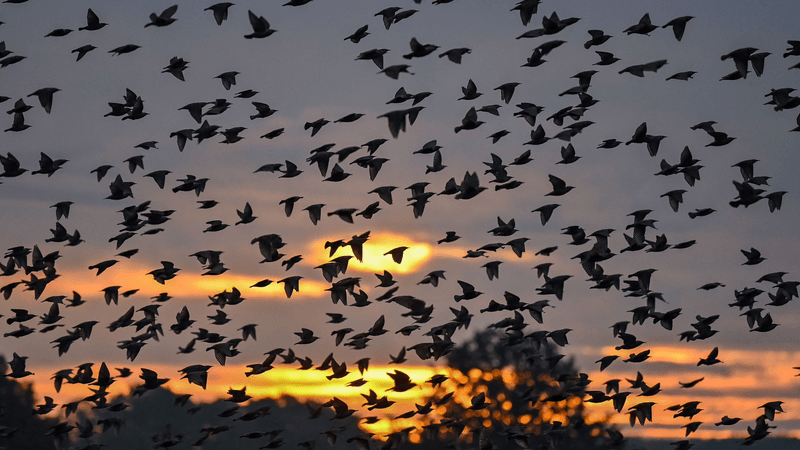
Picture a highway at rush hour, only the drivers have feathers and fly at night. September is the busiest month for songbirds heading south through the state.
Fall migration runs from August into November, with the biggest waves in September and October. Our state’s long, skinny shape works like a funnel, steering millions of travelers down the peninsula.
Weather radar can even pick up these flights. On some nights, radar screens light up with millions of birds crossing the state at once.
Most of these visitors are short-term guests. They land to rest and eat for a day or two, then push on toward Central and South America.
A few species decide Florida is good enough and stay all winter. That means the bird you spot in September could still be around at Thanksgiving.
Identifying them can be tricky, so do not feel bad if you are stumped. Many birds wear duller feathers in fall than they do in spring.
Here is a helpful tip for beginners who want in on the fun. Keep binoculars and a field guide app by the window, and check your yard early in the morning.
Inland yards may see even more birds in fall than in spring. So even if you live far from the beach, your trees could host some surprise guests.
2. Warblers May Be Passing Through Without Staying Long
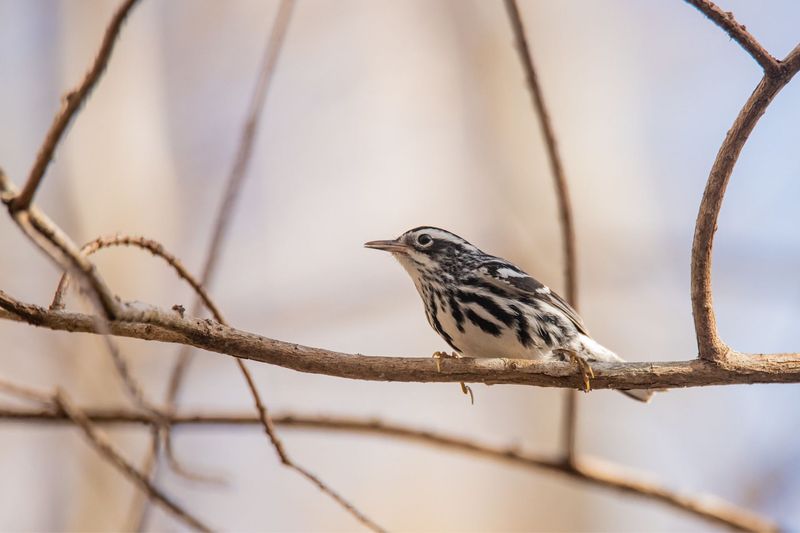
Blink and you might miss them. Warblers are tiny, fast, and busy, flitting from branch to branch like they are late for a flight.
In a way, they are. Many warbler species hit their migration peak in September, so your oak tree may become a quick snack stop.
The list of possible visitors is long and fun to say out loud. Look for the American Redstart, Black-and-white Warbler, Magnolia Warbler, Northern Parula, and Chestnut-sided Warbler.
Lucky birders might even spot a Blackburnian or Cerulean Warbler. The Ovenbird is another sneaky one that walks along the ground instead of hopping.
Most of these little birds rest along Florida’s coasts before long flights to Central and South America. Your yard is more like a gas station than a hotel for them.
Your Florida Garden Changes Every Week. Your Plan Should Too.
Gardening in Florida changes quickly throughout the season. Every Friday you’ll receive a simple weekly plan showing exactly what to plant, prune, fertilize, harvest, and protect so you never miss the right timing.
Warblers mostly eat insects, so a yard buzzing with bugs is a big draw. Skipping pesticides gives them more caterpillars and gnats to grab.
Listen for soft chip notes in the treetops on cool mornings. Follow the sound, and you may catch a flash of yellow darting between leaves.
Patience pays off with these speedy guests. Sit still for ten minutes near a leafy tree, and the branches may start to wiggle with life.
Fun fact: the Yellow-rumped Warbler often sticks around for winter. Birders nickname it the butter butt because of the bright patch above its tail.
3. Baltimore Orioles Can Stop For A Quick Refuel
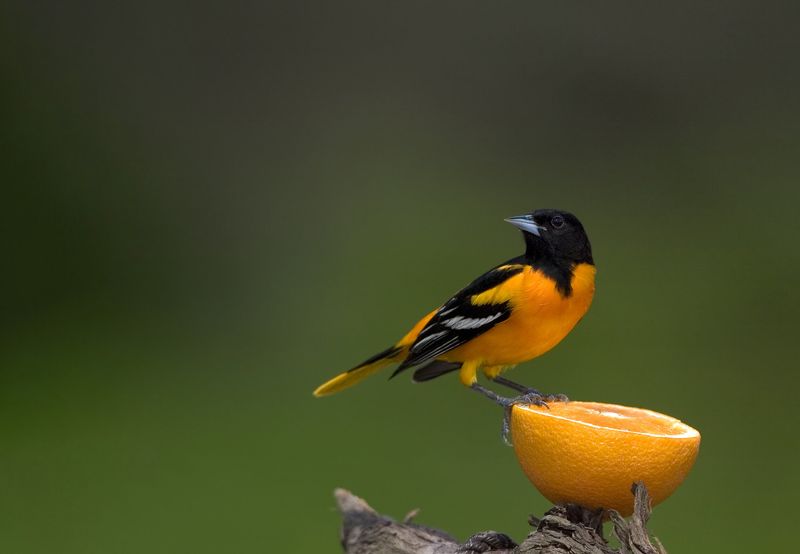
A flash of bright orange against green leaves can stop you mid-sip of your morning coffee. That burst of color might belong to a Baltimore Oriole on its way south.
These songbirds nest in the northern United States and southern Canada. They spend winter in Central America and northern South America, and Florida sits right on the route.
Some orioles start moving as early as July or August. Florida sightings pick up from late September into early November, peaking in early to mid-October.
Orioles have a sweet tooth, which makes them easy to please. Slice an orange in half and press it onto a nail or branch, or set out a small dish of grape jelly.
Suet is another treat they enjoy for quick energy. Keep portions small so the jelly does not spoil in the heat.
Watch how they eat, because it is pretty neat. Orioles use a trick called gaping, where they poke a closed beak into soft fruit and then pry it open to sip the juice.
Baltimore Orioles do not nest here, so each sighting feels like a small gift. Still, a few decide to spend the winter in Florida and Georgia, so keep that orange handy.
Hang an orange feeder near a window in late September. You might end up with a front-row seat to one of fall’s brightest shows.
4. Scarlet Tanagers May Appear Before Moving South
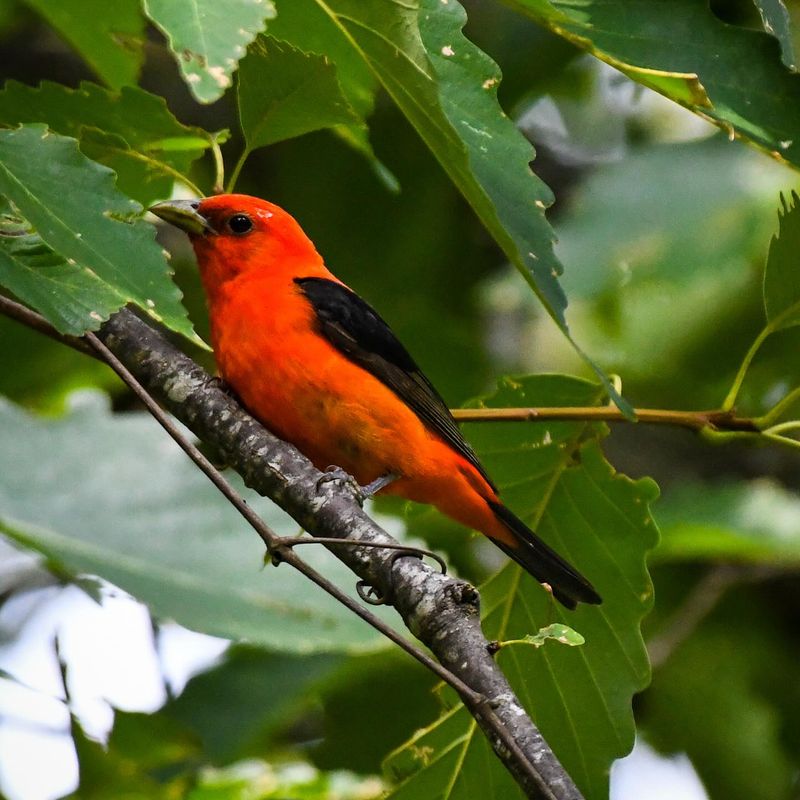
Imagine flying nonstop across the Gulf of Mexico with no place to land. Scarlet Tanagers pull off that wild trip, usually under cover of darkness.
These birds nest in forests of the eastern United States. They winter far away in the Andean foothills of northwestern South America.
Their trip south begins in midsummer, and most are on the move by early October. In Florida, the best window to spot one runs from September to October.
Here is the twist that surprises many people. Males swap their bright red body feathers for a greenish-yellow coat in fall, keeping only their black wings.
That makes a sharp eye extra useful. Look for a chunky, olive-colored songbird with dark wings creeping through the treetops.
Tanagers munch on insects and berries to fuel up for the big flight. Fruiting shrubs and trees full of caterpillars give them exactly what they need.
Keep an eye on mixed flocks of songbirds bouncing through your trees. A tanager may be tagging along with warblers and vireos, blending right in.
Spotting one in your own yard feels like finding a hidden gem. Tall shade trees and native berry bushes boost your odds of that lucky moment.
A good pair of binoculars helps a lot with these high-flying guests. Scan the upper branches slowly, since tanagers tend to sit still and hide among the leaves.
5. Rose-Breasted Grosbeaks Can Show Up Unexpectedly
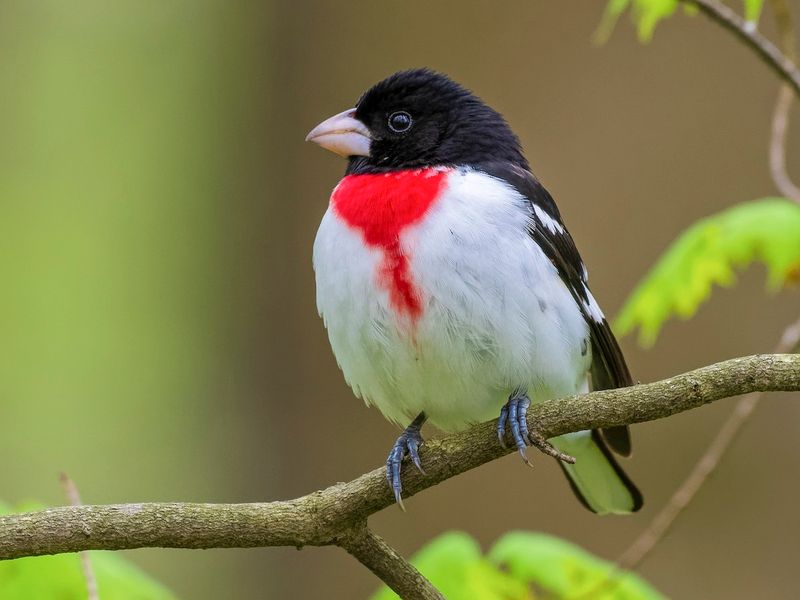
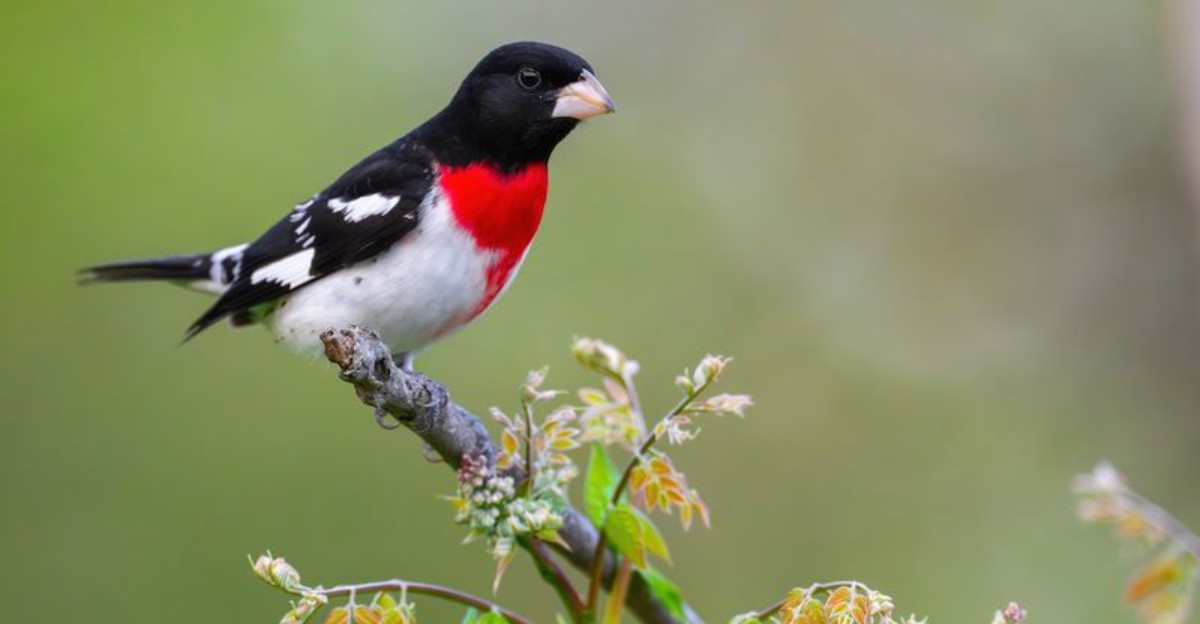
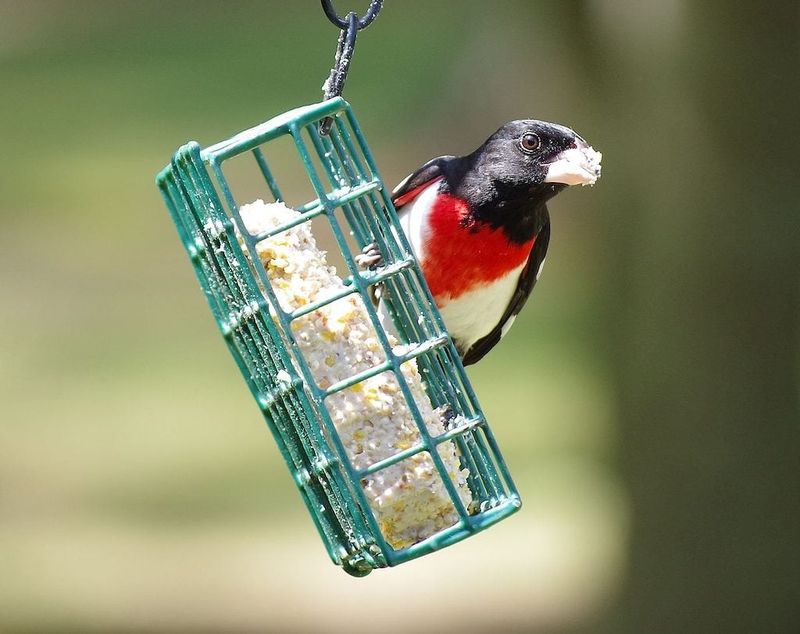
One morning your feeder looks normal, and the next it hosts a bird wearing what seems to be a red bib. Meet the Rose-breasted Grosbeak, one of fall’s biggest surprises.
Adult males sport a black-and-white body with a bright rosy triangle on the chest. Females and young birds look more like big, streaky sparrows with bold white eyebrows.
These grosbeaks pass through the state during fall migration. The first ones trickle in during late September, and October is usually the best month to spot them.
Their name gives away their secret weapon. Gros means large in French, and that thick beak cracks even tough seeds with ease.
Black oil sunflower seeds are a top pick for them. Safflower seeds are a strong second choice and also appeal to hungry cardinals.
A hopper or platform feeder gives these stocky birds room to perch. Tiny tube feeders with small ports can make them struggle.
Keep feeders stocked in September even if things seem quiet. Grosbeaks often travel in small groups, so one visitor may bring a few friends.
Listen for a sharp squeak, like a sneaker on a gym floor. That quirky call is a handy clue that a grosbeak is nearby.
Snap a photo if you can, since friends may not believe you. Sharing sightings on apps like eBird also helps scientists track migration.
6. Migrating Thrushes Follow Fruit-Rich Yards
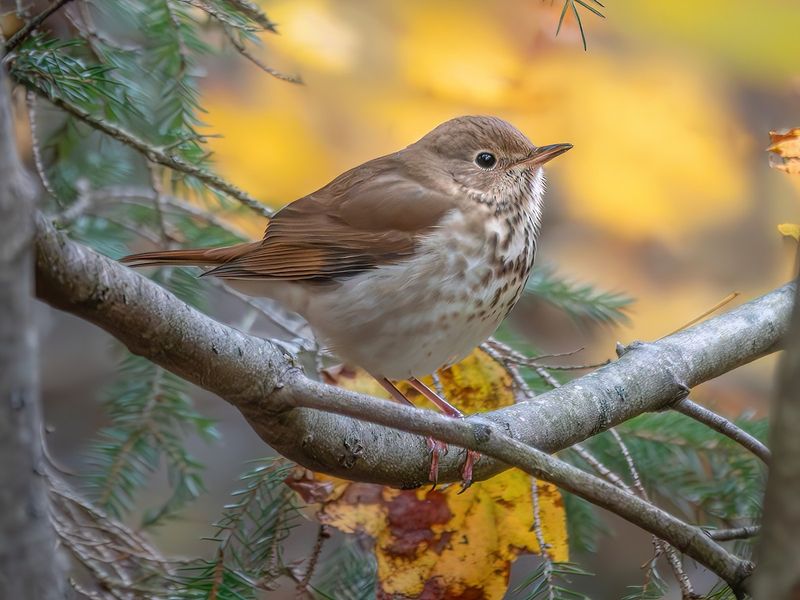
Some visitors prefer to stay out of the spotlight. Migrating thrushes are shy, brown-backed birds that slip through shady undergrowth like quiet shadows.
Gray-cheeked Thrushes pass through Florida mostly in September and October. Swainson’s Thrushes nest across northern North America and fly over the peninsula toward Central and South America.
Wooded corners are where these birds feel safest. A yard with thick shrubs and a few trees feels much more inviting than a wide-open lawn.
Fruit is the real magnet during migration. Thrushes need quick energy, and berries and seeds deliver it fast.
Sweetbay Magnolia produces bright red seeds that thrushes love to gobble. American Robins, which belong to the thrush family, happily feast on sabal palm fruit.
You can also set out sliced fresh fruit or a little jelly on a low platform. Put it near shrubs so shy visitors can dash back to cover.
Leaf litter matters too, so try not to rake every corner clean. Thrushes and Brown Thrashers love to flip leaves looking for bugs and worms.
Early mornings are the best time to look and listen. On quiet nights in fall, you might even hear soft calls from thrushes flying overhead in the dark.
Step outside after sunset with a cup of tea and a curious ear. Those faint peeps above the rooftops are travelers heading south under the stars.
7. Native Plants Give Traveling Birds More Reasons To Stop
Think of your yard as a roadside diner for tired travelers. Native plants stock the menu with insects, seeds, berries, and nectar that birds recognize and trust.
Oak trees are the true superstars in this story. Oaks support nearly 1,000 kinds of moth and butterfly caterpillars, which are prime bird food.
Leave the fallen leaves under your oak if you can. Many caterpillars transform into moths in that leaf layer, creating a hidden snack bar.
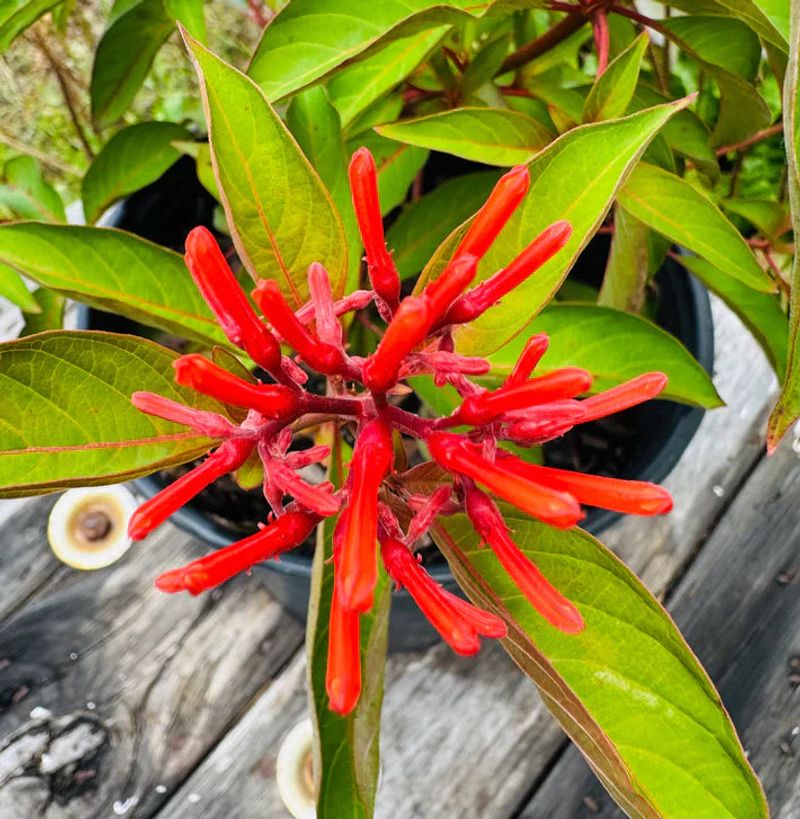
Berry plants give migrants the calories they crave. American beautyberry, wax myrtle, firebush, Simpson’s stopper, wild coffee, and Walter’s Viburnum are all Florida-friendly picks.
Beautyberry is a standout, offering cover and purple berries through fall and winter. Firebush adds dense leaves plus nectar for hummingbirds.
Wildflowers help as well by feeding birds seeds and attracting bugs. Goldenrod, Coreopsis, Black-eyed Susan, and Stokes’ aster are easy, cheerful places to start.
Try planting in layers, like a mini forest. Tall trees, medium shrubs, and low ground covers give birds food and shelter at every level, from treetop to soil.
Swap some lawn for low plants like Sunshine Mimosa or Fogfruit. Also pull invasive plants like Brazilian pepper and nandina, since they support far fewer insects.
Bonus: native plants usually need less water and fertilizer. Your wallet, your weekend, and the birds all come out ahead.
8. Fresh Water Can Pull Migrants Into Your Backyard
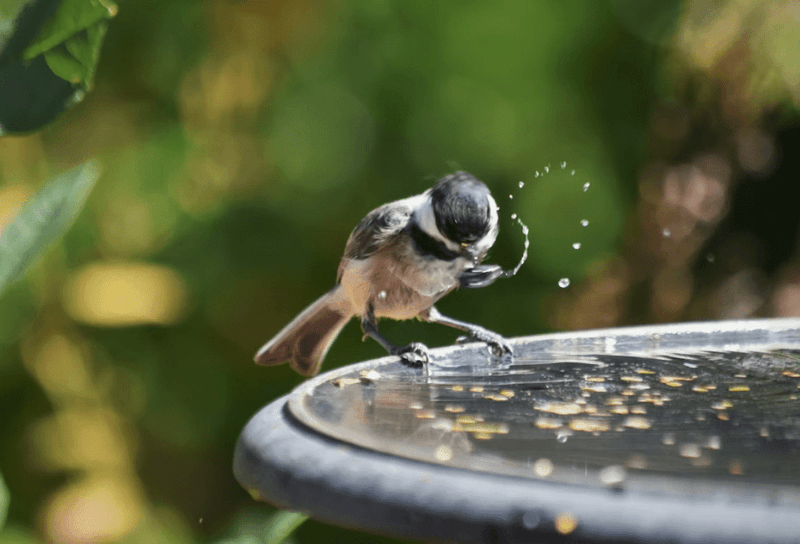
Few things draw a crowd like a splash on a hot afternoon. Birds feel the same way, and a simple birdbath can pull in migrants that ignore your feeders.
Warblers and other insect eaters rarely visit seed feeders. Yet many will happily stop for a quick drink and a bath after a long night of flying.
Shallow is the magic word here. Aim for water about one to two inches deep, with a rough bottom so tiny feet can grip.
Moving water works even better than still water. A small dripper or recirculating pump creates sparkle and sound that travelers notice from above.
Florida heat makes cleaning extra important. Change the water every two to three days to keep algae and mosquitoes from taking over.
A quick scrub with a stiff brush once a week keeps slime away. Skip harsh soaps, since plain water and elbow grease usually do the job.
Placement takes a little balance. Birds like having bushes nearby for a quick escape, but thick shrubs right beside the bath can hide sneaky cats.
A spot a few yards from cover usually works well. That way, bathers can flee fast while still spotting trouble coming.
Pull up a chair nearby and enjoy the show. Watching a tiny warbler flutter and fluff in the water might become your favorite part of September.
9. Leave Food And Cover Ready For The Next Arrival
Good hosts keep the porch light on, and good bird hosts keep feeders full. Migration burns huge amounts of energy, and fall food gets harder to find as the season shifts.
Black oil sunflower seed is a crowd-pleaser thanks to its soft shell and rich nutrition. Safflower suits cardinals and grosbeaks, while peanuts win over woodpeckers, wrens, and even some warblers.
Fruit lovers need their own menu. Oranges, grapes, bananas, and jelly can attract orioles, catbirds, and robins.
Suet packs a high-fat punch that many birds adore. In Florida, look for summer suet, which is made to hold up in heat and humidity.
Mix up your feeder styles to welcome more guests. Tube, hopper, platform, and suet cage feeders each suit different beaks and habits.
Place feeders five to ten feet from shrubs or trees for safety. Clean them every few days in warm weather to stop mold and germs from spreading.
Cover matters as much as food. A brush pile of fallen branches or a cluster of evergreens gives birds a hideout from storms and hawks.
Let flower seed heads stand instead of trimming them right away. Cutting back on pesticides also keeps plenty of insects around for hungry beaks.
Migration keeps rolling through October and November. Stay ready, and your yard could welcome a brand-new face any morning.