This Tiny Iowa Frog Is Picking Your Windows As Its Winter Hideout For A Surprising Reason
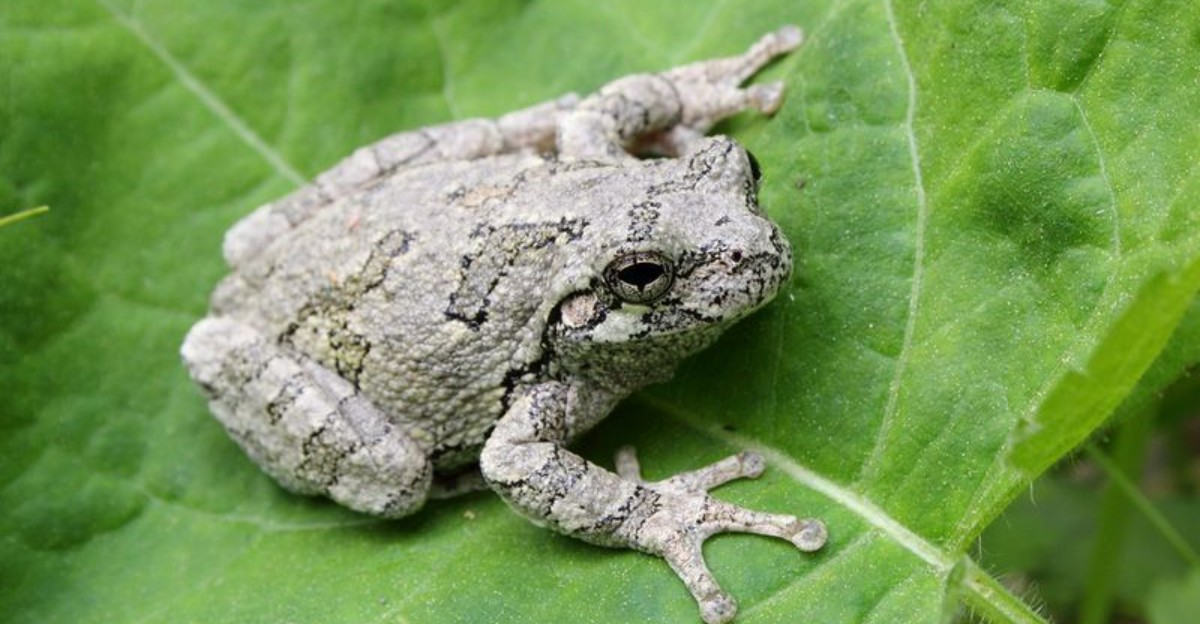
That gray visitor clinging to your window just blinked back at you. You are looking at a tiny mystery, and it chose your house deliberately. Across Iowa, these small climbers are claiming window frames as autumn nights sharpen.
Sticky toe pads let them grip slick glass without slipping. Porch lights draw in moths, and your window becomes a dinner table with a view.
When winter arrives, this guest tucks under leaves and lets ice spread. Its heartbeat pauses and breathing goes quiet for weeks. Glycerol and glucose flood its cells, acting as homemade antifreeze.
Then spring thaw restarts its heart, and off it hops, unbothered. So the tenant on your Iowa window is a living cryogenics lab.
Researchers study its chemistry hoping to store donor organs far longer. Before you tap that glass, you need to know what happens next.
Warm Window Frames That Feel Like Tree Bark
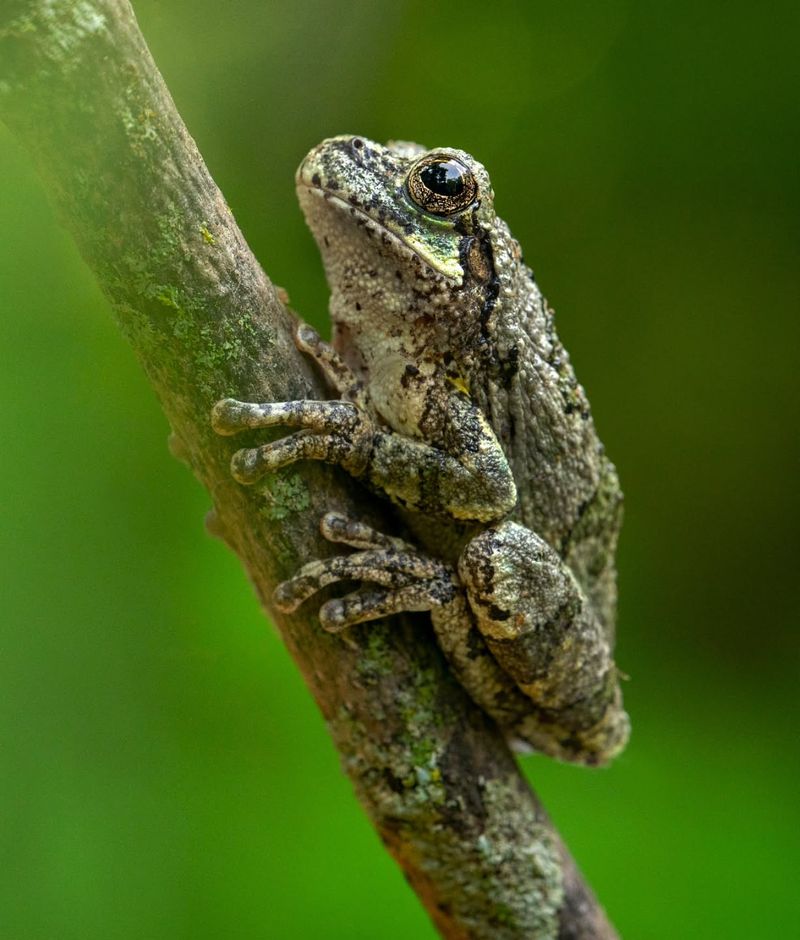
Picture a gray treefrog in the woods, squeezing into a crack in an old oak tree. Your window frame offers the same snug gap, plus a few extra perks.
Glass and metal soak up afternoon sun and hold onto that warmth after dark. Your house also leaks a little heat through the frame, which feels like a heated blanket.
Then comes the real prize, which is food. Bright windows and porch lights pull in moths, gnats, and flies all evening long.
A treefrog parked on the glass can snag dinner without hopping more than an inch. Fattening up in fall matters, because that stored energy carries it through months without eating.
Its gray, bumpy skin also blends in nicely with weathered wood and dusty screens. Birds and snakes often pass right by, fooled by a lump that looks like old paint.
Height helps as well, since a perch above the ground keeps it away from many ground predators. From up there, the frog can watch the evening unfold and strike when a moth lands.
Wooden frames that have weathered for years offer tiny splits and ridges. Those rough edges give the frog extra grip and a snug pocket to tuck into overnight.
Sticky toe pads grip smooth glass with a thin film of moisture. So your window is basically a warm, bug-filled tree with a view.
The September Scramble For Shelter
Iowa nights often dip into the 40s by late September, and treefrogs feel that chill fast. Cold-blooded animals slow down when the air cools, so the hunt for shelter kicks into gear.
Late spring and early summer were party season, full of loud trilling calls near ponds and backyard pools. Now the music has faded, and frogs are house hunting before the first hard frost.
You will likely notice plenty of window visitors from mid-September through October. Warm afternoons bring them out to sunbathe, while chilly nights send them deeper into cracks.
Some frogs stay on one window for weeks, like a picky tenant testing a new apartment. Others move on to leaf piles, log stacks, or loose bark once the ground cools.
Your Iowa Garden Changes Every Week. Your Plan Should Too.
Gardening in Iowa changes quickly throughout the season. Every Friday you’ll receive a simple weekly plan showing exactly what to plant, prune, fertilize, harvest, and protect so you never miss the right timing.
Keep an eye out after a rainy day, when frogs feel safe moving around. Damp air keeps their thin skin moist, so drizzly evenings are prime travel time.
Watch the edges of your siding and deck railings too. These frogs test several hiding spots before settling, so today’s window guest may be tomorrow’s downspout lodger.
Temperature swings play a role as well. A bright afternoon following a frosty morning can send frogs right back onto sunny glass to warm up before sundown.
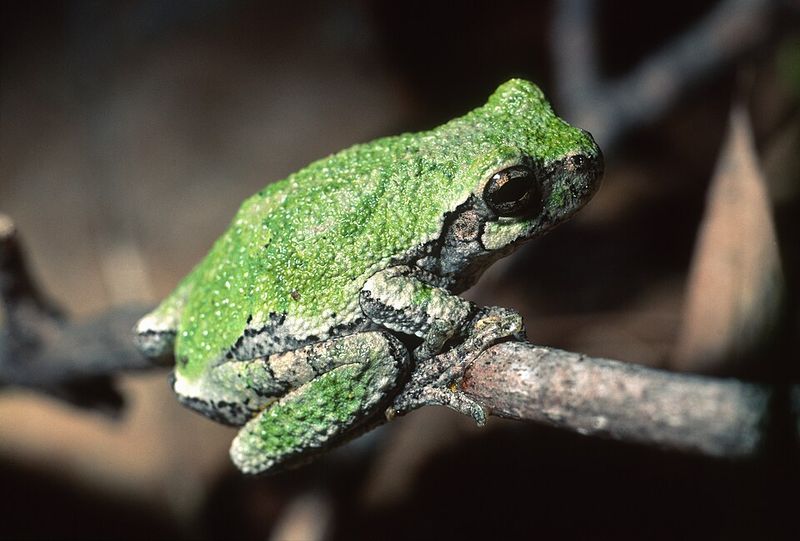
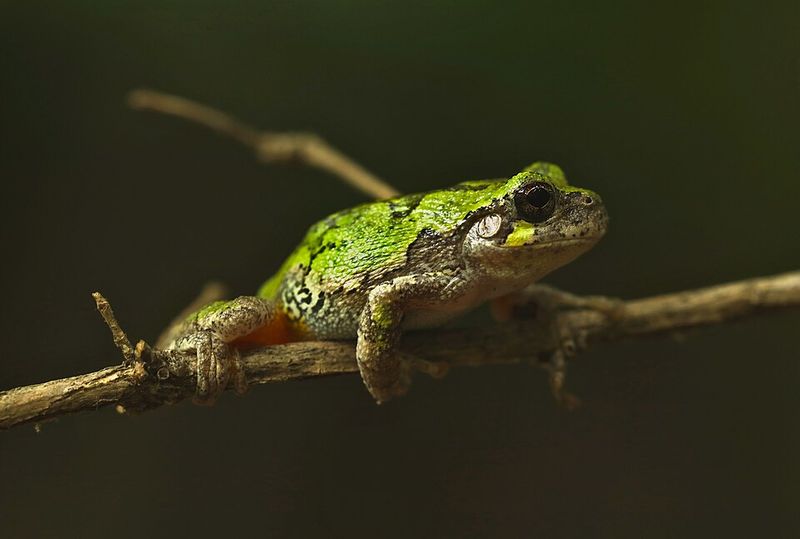
Did you know these frogs can shift between bright green and dull gray? Cooler, darker fall days often bring out their best camouflage outfit.
A Warm Kitchen Is The Wrong Gift
Picture a kind-hearted kid in Ames scooping a chilly frog off the window and carrying it inside. It seems like the sweetest rescue, but it can quickly go wrong.
Gray treefrogs are built for winter, not for a cozy room at 70 degrees. Indoor warmth keeps their bodies running, but there are few bugs to eat in a kitchen.
A hungry frog burns through its stored fat quickly and loses strength within weeks. Dry household air also pulls moisture from its skin, which it needs for breathing.
Moving it back outside in January creates another problem. Without time to prepare its natural antifreeze, the sudden cold can be too much for its body.
Chemical sprays around windows are a concern too, since frog skin absorbs a wide range of substances. Bug spray, window cleaner, and hand lotion can all irritate a tiny visitor.
Pets add another layer of stress. A curious cat or dog may paw at a frog on the floor, and even gentle play can leave it frightened and exhausted.
Tap water poses a hidden issue for indoor frogs. Chlorine and other additives can bother their sensitive skin, which absorbs water instead of drinking it through the mouth.
The kindest choice is often the simplest one. Let the frog stay wild and follow the clever winter plan nature gave it long ago.
A Gentle Move To A Leafy Backyard Bed
Sometimes a frog picks an awkward spot, like a sliding door track or a window you open daily. Good news, relocating one is simple when done with care.
Start by rinsing your hands with plain water so they are clean and a little damp. Soap, sunscreen, and lotion residue can irritate that delicate frog skin.
Cup the frog gently, or nudge it into a clean plastic container with a soft paper towel. Move slowly, since those sticky toes may hold on tighter than you expect.
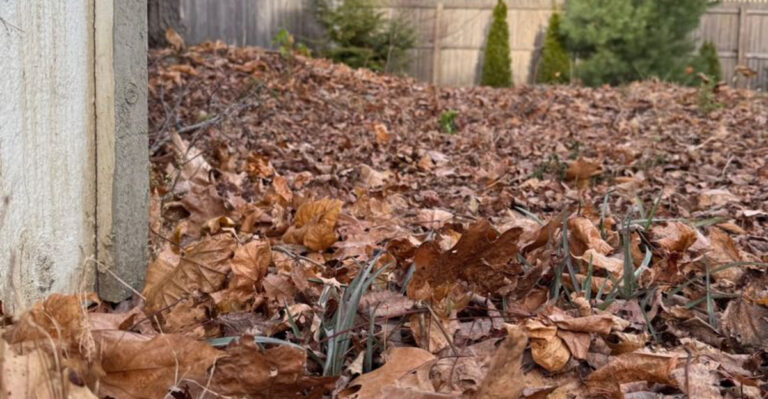
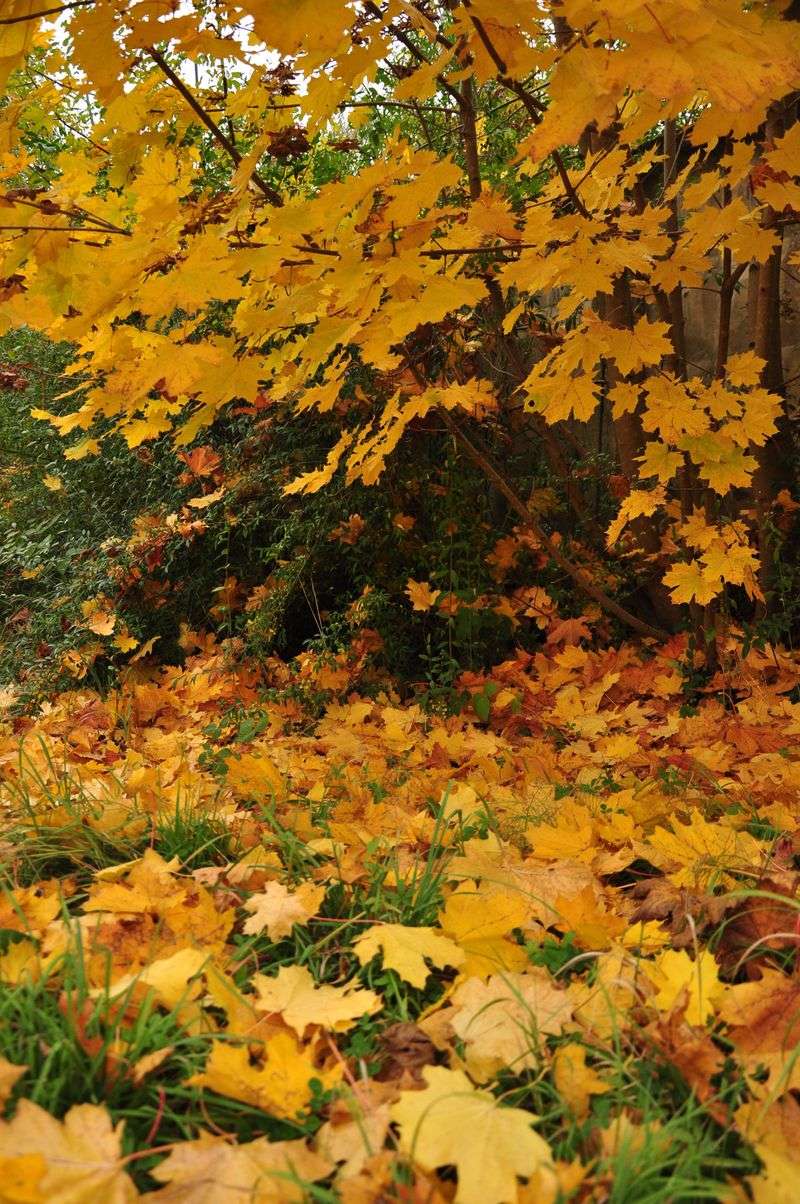
Next, carry your guest to a shady corner of the yard, ideally near trees. A loose pile of fallen leaves, a brush heap, or a stack of logs makes a cozy bedroom.
Set the frog down at the edge of the pile and let it choose its own nook. Frogs are fussy decorators, so give it a few minutes of privacy.
Skip spots near busy paths, dog runs, or the lawnmower’s route. A quiet corner that stays undisturbed until spring gives your guest the calm it needs.
Resist the urge to check on your guest daily. Moving leaves or lifting logs disturbs its chosen spot and may prompt it to wander off in search of a quieter hideout.
Do this in September or early October, while days are still mild. That timing gives the frog plenty of chances to settle in before real cold arrives.
A Frozen Frog That Wakes Up In Spring
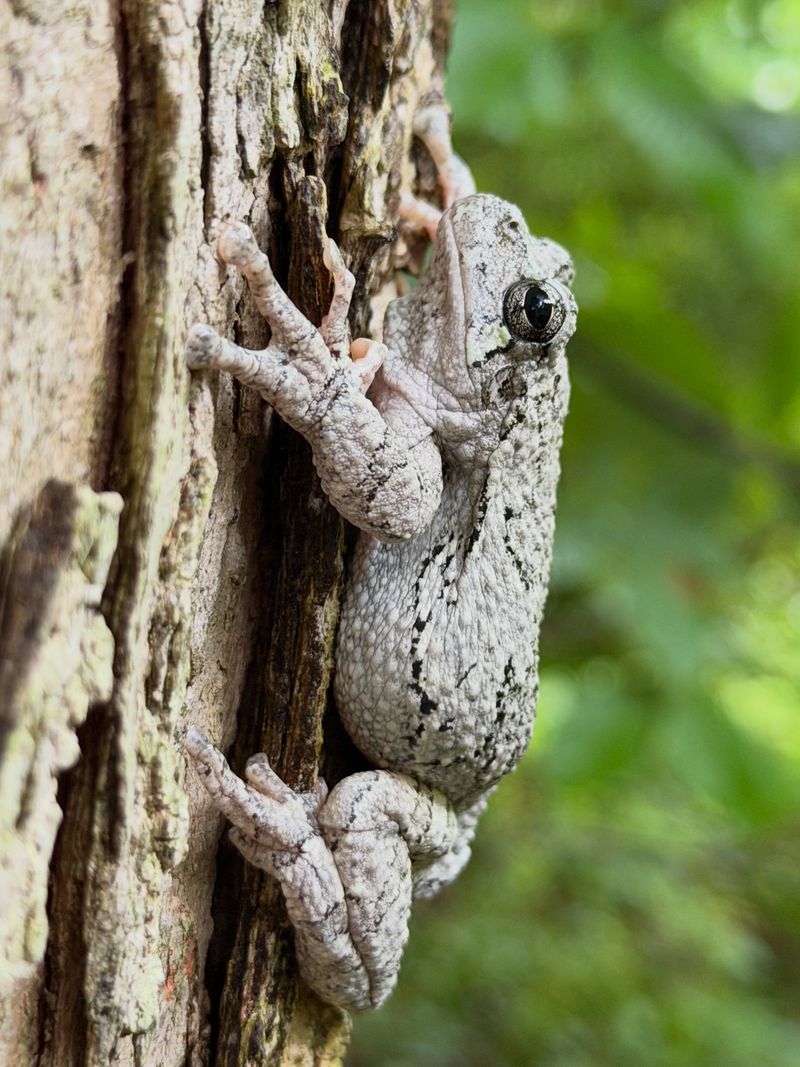
Imagine turning into a frog-shaped ice cube and then hopping away in April. For a gray treefrog, that wild plan is how it handles Iowa winters.
As temperatures fall, its liver pumps out glycerol, a syrupy substance that acts like antifreeze. This goo protects the insides of its cells from sharp ice crystals.
A large share of the water in its body can turn to ice. Its heartbeat pauses, its breathing goes quiet, and it rests motionless under the leaves.
Then spring sunshine warms the forest floor, and something amazing happens. The ice melts, the heart starts ticking again, and the frog goes looking for breakfast.
Scientists study this trick closely because it could help doctors store human organs longer. That little backyard hopper might hold secrets that help patients someday.
Glucose joins the effort too, pulled from sugar stored in the liver. Together these compounds keep delicate tissue flexible while the surrounding water turns to crystal.
Ice forms outside the cells rather than inside them. That careful arrangement lets organs shrink safely during winter and plump back up once warm spring rain arrives.
By late April or May, you may hear its bird-like trill ringing from trees near your home. Consider it a thank-you note for leaving it alone all winter.
Sealed Gaps And Softer Porch Lights

Not thrilled about a frog roommate on your bedroom window this fall? A few simple tweaks can steer these visitors toward better spots.
Walk around your house in September and look for gaps around frames, vents, and siding. Fill small cracks with caulk and replace worn weatherstripping before the frogs start shopping.
Peek into each gap first, though, so you do not close off a hidden guest by accident. A flashlight check takes seconds and brings real peace of mind.
Lighting plays a bigger role than many people realize. Bright white bulbs attract swarms of insects, and frogs follow the crowd.
Swap in warm yellow or amber bulbs, or put outdoor lights on a motion sensor. Closing curtains at night also cuts the glow that turns windows into bug magnets.
Screens deserve attention as well. Patch torn mesh and check that frames fit snugly, since a tiny climber can slip through surprisingly narrow openings.
Plants hugging your walls offer frogs an easy ladder to the windows. Trimming shrubs a short distance back from the siding quietly redirects their favorite climbing routes over time.
Finally, offer a better option out back by leaving a leaf pile under a tree or shrub. Leave a few corners unraked, and your yard becomes a five-star frog hotel.
You win with this setup, and so does your window washer. The glass stays clear, and the frogs get a safe place to snooze.