Could a Chuparosa Near Your Kitchen Window Bring Hummingbirds Into View?
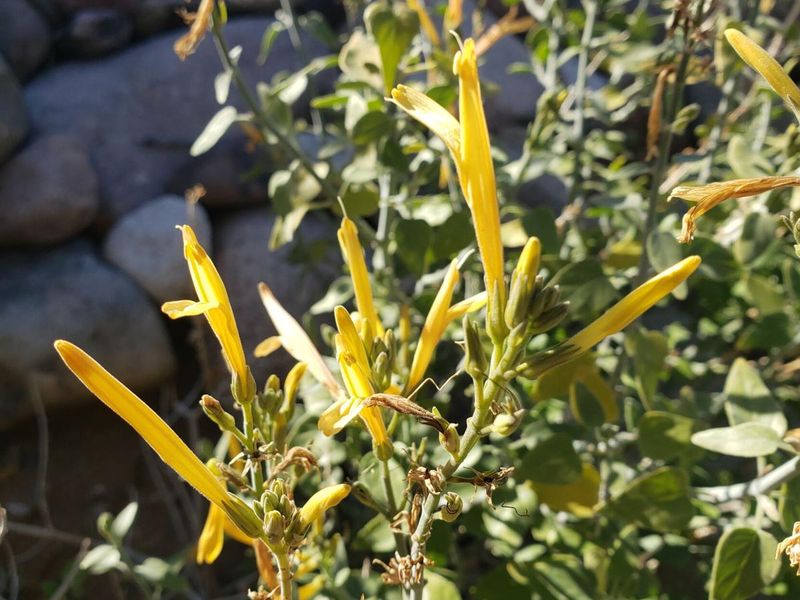
Chuparosa is a low-water native shrub that produces bright tubular flowers hummingbirds love, and some low-desert Arizona homeowners are discovering it can make wildlife watching easy from right inside the house. Planted thoughtfully in the Phoenix or Tucson area, a well-placed chuparosa may reward you with a front-row seat to hummingbird activity without leaving the kitchen.
Before you pick a spot by the window, though, it helps to understand what the plant actually does well, where it fits, and what to realistically expect.
Hummingbirds are the potential window-side payoff
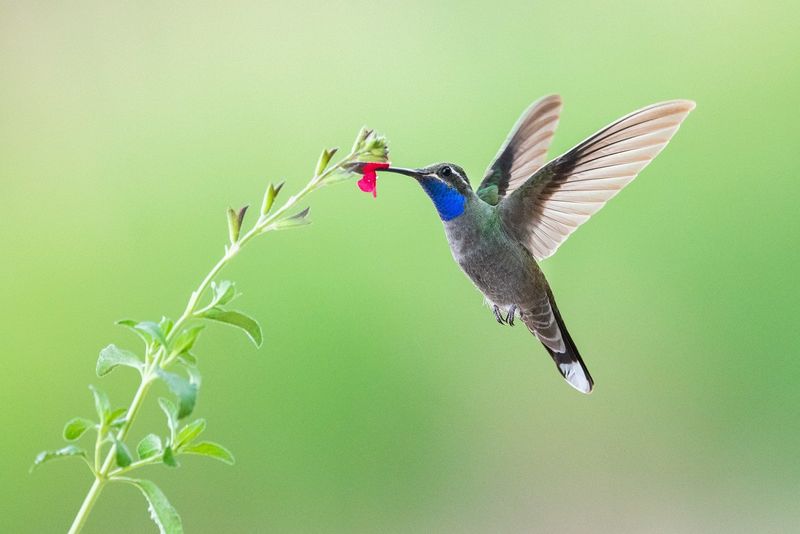
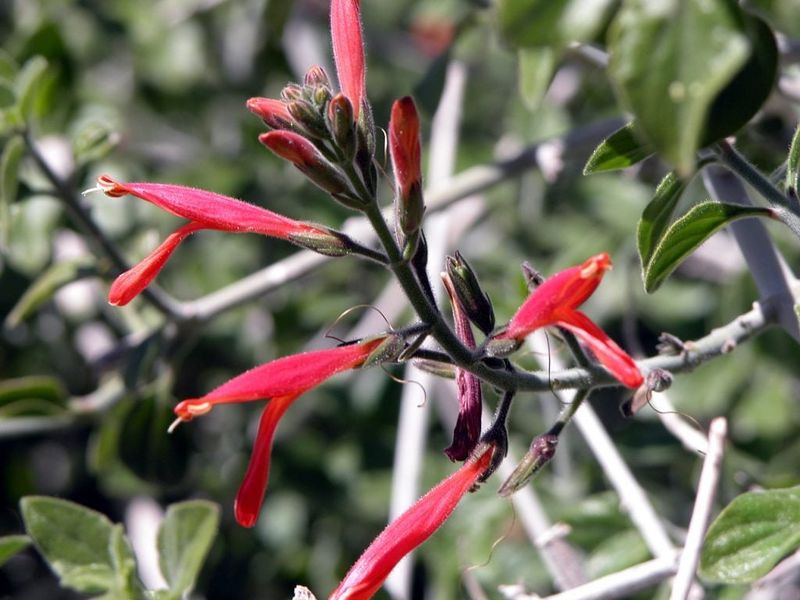
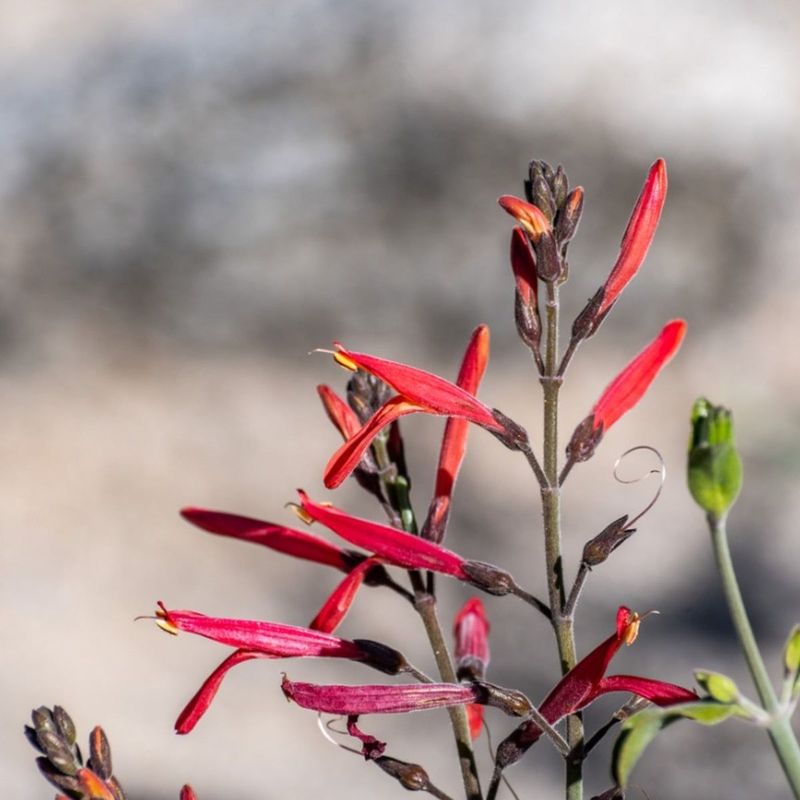
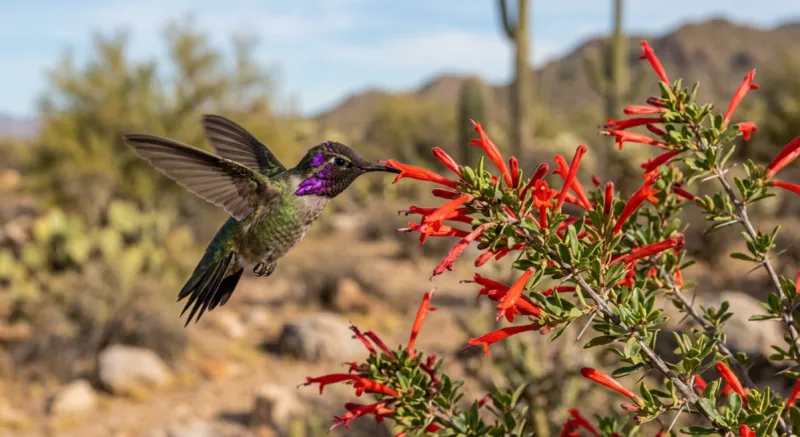
Chuparosa’s real draw is its nectar. The plant produces slender, bright red tubular flowers that are practically built for hummingbird bills, and the University of Arizona Campus Arboretum describes it as closely associated with hummingbird activity.
Place the shrub within sightline of a kitchen window and you give yourself a chance to watch that activity from indoors, which is a genuinely satisfying payoff for a low-water plant.
That said, attraction is not a promise. Whether hummingbirds show up at your specific window depends on your yard, your neighborhood, and what else is competing for their attention.
The ecological case for chuparosa is solid; a guaranteed show at any particular pane of glass is not.
Two things this plant does not do: establish a documented trend of Arizonans rushing to plant it by kitchen windows, and repel scorpions or other household pests. The appeal here is straightforward wildlife habitat, not pest control.
A thoughtfully sited shrub may make hummingbird visits easier to notice from indoors, and for many low-desert homeowners, that is reason enough to consider it.
Chuparosa suits low-desert Arizona, not every elevation
Not every Arizona gardener is working with the same climate, and chuparosa is not a one-size-fits-all plant for the state.
The Arizona Native Plant Society maps its in-state range from the Yuma area through Tucson and north into the Phoenix region, which is the low Sonoran Desert zone.Homeowners in Flagstaff, Prescott, or other higher-elevation communities are working with a different climate and should not assume chuparosa will perform the same way there.
Being a native Arizona plant is a meaningful credential, but it describes where the plant evolved, not a blanket guarantee that it will thrive anywhere in the state. Elevation, temperature swings, and soil character all shift considerably as you move away from the low desert, and chuparosa’s performance follows those conditions.
If you garden in the Phoenix or Tucson metro area, you are in the heart of its native range and the conditions it knows best. If you are outside that zone, check with a local nursery or extension office before committing to a planting spot, especially near a window where you are counting on the plant to perform.
Flowers and foliage change with the season
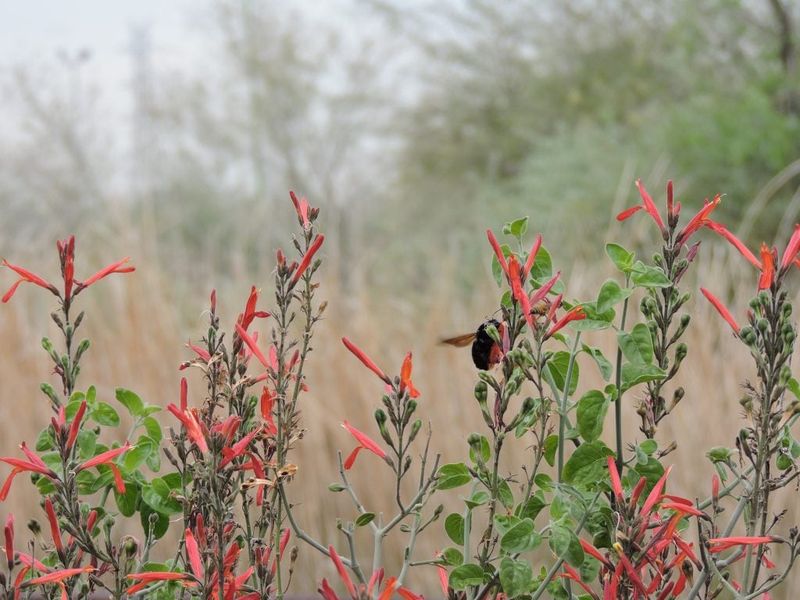
Watching through a kitchen window is most rewarding when you know what to look for and when. Chuparosa’s main flowering season runs roughly March through June, according to the University of Arizona Campus Arboretum, so that stretch of late winter into early summer is when the plant is most likely to draw hummingbirds within view.
Your Arizona Garden Changes Every Week. Your Plan Should Too.
Gardening in Arizona changes quickly throughout the season. Every Friday you’ll receive a simple weekly plan showing exactly what to plant, prune, fertilize, harvest, and protect so you never miss the right timing.
Outside of bloom time, the plant’s appearance shifts. During dry periods, chuparosa may drop its leaves entirely, leaving behind a framework of green stems.
The Desert Botanical Garden notes that this drought-deciduous habit is a normal survival strategy, not a sign that something has gone wrong. The green stems keep photosynthesizing even when leaves are absent, so the plant stays alive and functional even when it looks sparse.
For window-side viewers, this means the plant offers a lively spring show and quieter periods the rest of the year. Planning around that rhythm, rather than expecting a constant floral display, sets you up for genuine satisfaction rather than disappointment.
Hummingbirds may still pass through outside of peak bloom, but the densest activity tends to follow the flowers.
Allow room for a sprawling shrub
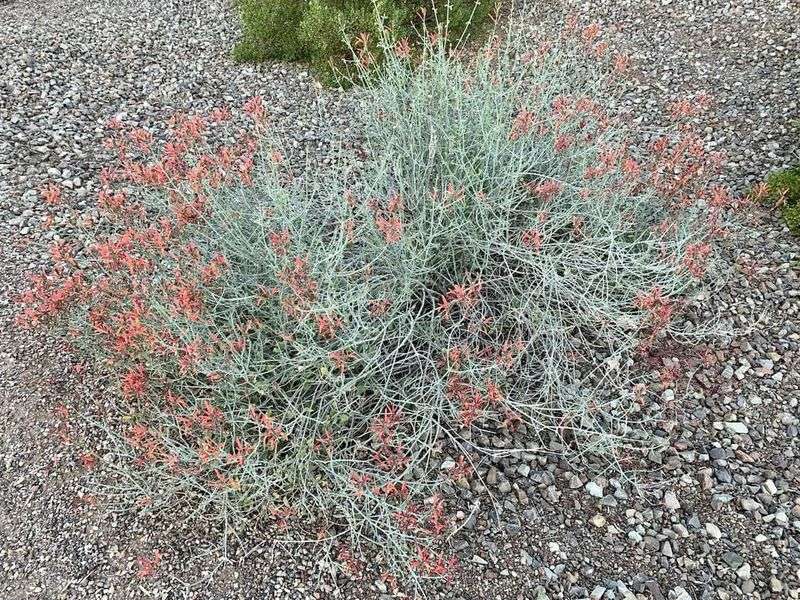
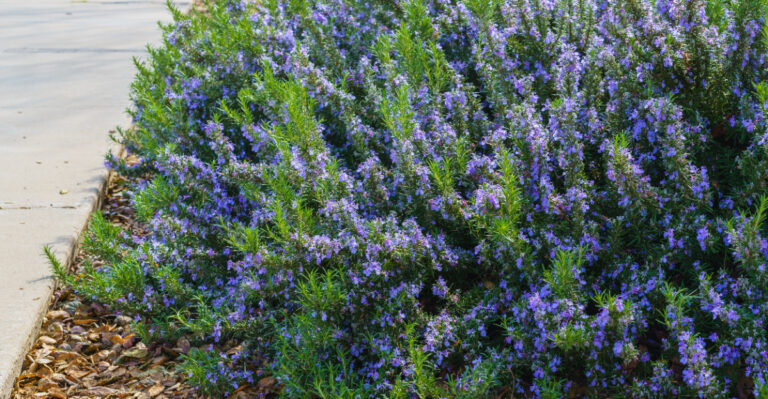
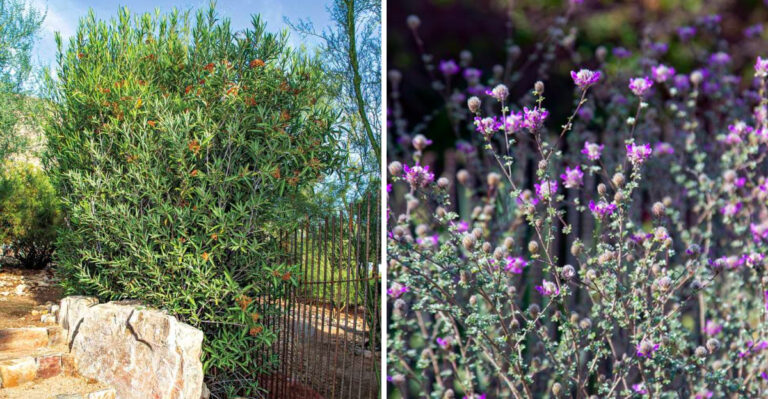
Chuparosa has a relaxed, arching growth habit that earns it the label sprawling in most plant profiles, and that character matters when you are choosing a window-facing location. Size estimates vary depending on the source and site conditions: the University of Arizona Arboretum plant profile notes it can reach 6 to 10 feet, while the Arizona Native Plant Society lists a more modest 3 feet wide by 3 to 5 feet tall.
Both figures come from credible sources, and the difference reflects real variation driven by water availability, soil, and sun exposure.
Rather than locking in one expected dimension, allow generous space from the start. A plant that outgrows its spot quickly becomes a pruning project, and crowding it against the house creates its own problems, covered in a later section.
Pick a location where the mature plant can spread naturally without pressing against the structure or blocking a path.
Before finalizing a spot, ask a local nursery what size is typical for your specific neighborhood conditions. That conversation can save you from placing a 6-foot-wide shrub in a 3-foot gap between a window and a walkway.
A little planning at the start means you get the wildlife view without the headache of constant cutbacks.
Low water still calls for site-aware care
Low water needs are one of chuparosa’s most practical selling points for Arizona homeowners, but low does not mean none. The plant is classified as drought-deciduous, meaning it conserves resources by dropping leaves when water is scarce, and it strongly prefers well-drained soil.
Planting it in a spot where water pools or clay holds moisture can cause root problems even in a desert yard.
After establishment, one regional waterwise guide suggests deep watering every three to four weeks as a general starting point, but that interval is meant to be adjusted based on how dry the soil actually is, how hot the weather has been, and what your specific site drains like. Sandy soil in full sun dries faster than a shadier spot with more organic matter, so a fixed schedule works better as a reminder to check than as a rule to follow blindly.
Getting the plant established in the first place takes more attention. Newly planted chuparosa needs more frequent watering until its roots spread into the surrounding soil, typically over one to two growing seasons.
Once established, it can handle long dry stretches with minimal help, which is exactly the low-fuss payoff low-desert homeowners are after. The key is matching your care to what the plant and the site actually need, not defaulting to a generic desert watering routine.
Choose planting time with frost exposure in mind
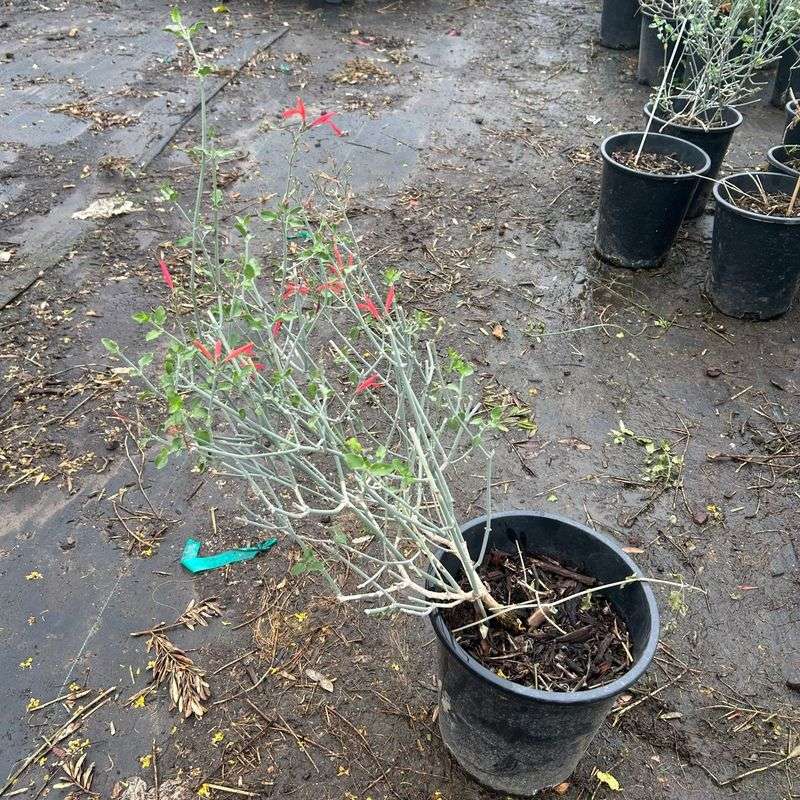
Timing a chuparosa planting takes a bit more thought than simply picking a cool month. The University of Arizona identifies the monsoon season as chuparosa’s natural planting window, when warm soil and seasonal rain help roots get established.
General xeriscape guidance from the University of Arizona Cooperative Extension does suggest late fall as a good planting period for many desert species, but that advice comes with an explicit carve-out for frost-sensitive plants.
Chuparosa falls into that frost-sensitive category. The Arizona Native Plant Society lists its minimum temperature tolerance at roughly 20 to 25 degrees Fahrenheit, and the Waterwise Garden Planner warns that winter frost can damage the plant.
A stated minimum temperature is not a guarantee of survival; a hard freeze, an exposed north-facing wall, or an unusually cold night can push a young plant past its limits even when average winter lows seem manageable.
For homeowners in the Phoenix metro, frost risk is lower and a late-fall planting may work fine in a sheltered spot. Tucson gardeners and anyone in a lower-lying area prone to cold air drainage should be more cautious and may find the monsoon window safer.
Wherever you garden, check your microclimate before planting in fall, and consider holding off if frost is in the forecast within the next several weeks. A plant put in the ground just before a hard freeze has little time to settle in.
Keep the viewing spot clear of the house
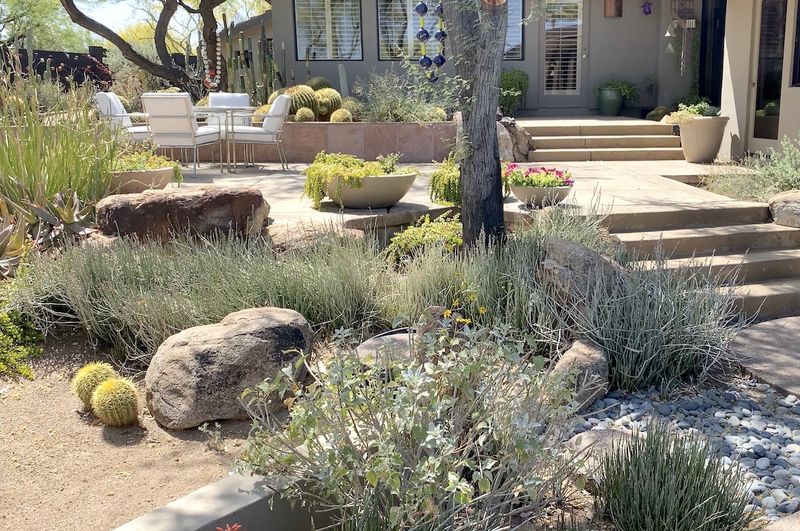
A window-facing planting works best when the shrub has room to grow naturally and the area between the plant and the house stays open. Crowding vegetation against a structure creates hiding spots in the debris and dense growth near the foundation, and University of Arizona scorpion guidance consistently recommends keeping vegetation pruned away from buildings as part of general habitat management around the home.
That guidance applies to any dense shrub near a structure, not specifically to chuparosa. The plant does not attract scorpions, and there is no evidence it deters them either.
Treat scorpion-aware landscaping as a general practice: keep a clear zone between plantings and the exterior wall, remove leaf litter regularly, and prune low-hanging branches that bridge the gap between plant and structure.
Practically, this means siting chuparosa far enough from the house that you can still see it well from the kitchen window while maintaining that buffer. A few feet of open ground between the plant and the wall is usually enough to preserve both the view and good habitat hygiene.
You get the hummingbird activity in your sightline without creating conditions that make the area around your foundation harder to manage.
Choose chuparosa for habitat and a realistic view
Chuparosa earns a place in a low-desert yard when the conditions line up: you are in the Phoenix or Tucson area, you have a spot with well-drained soil and enough room for a sprawling shrub, and you can account for frost exposure when timing the planting. Meet those conditions and the plant is genuinely low-fuss once established.
A possible hummingbird view from the kitchen window is a real benefit, not a marketing promise. The plant’s nectar-rich flowers attract hummingbirds during the spring bloom season, and a thoughtfully placed shrub can put that activity within easy sightline.
What it will not do is guarantee daily visits or keep pests away from your home.
Chuparosa rewards patience and realistic expectations. Give it the right site, the right spacing from the house, and a planting window that avoids frost, and it can become one of the more satisfying plants in a water-wise yard.
A native shrub that earns its keep by feeding wildlife is a better long-term investment than one chosen for looks alone.