The One August Task That Determines How Well Your Arizona Citrus Overwinters
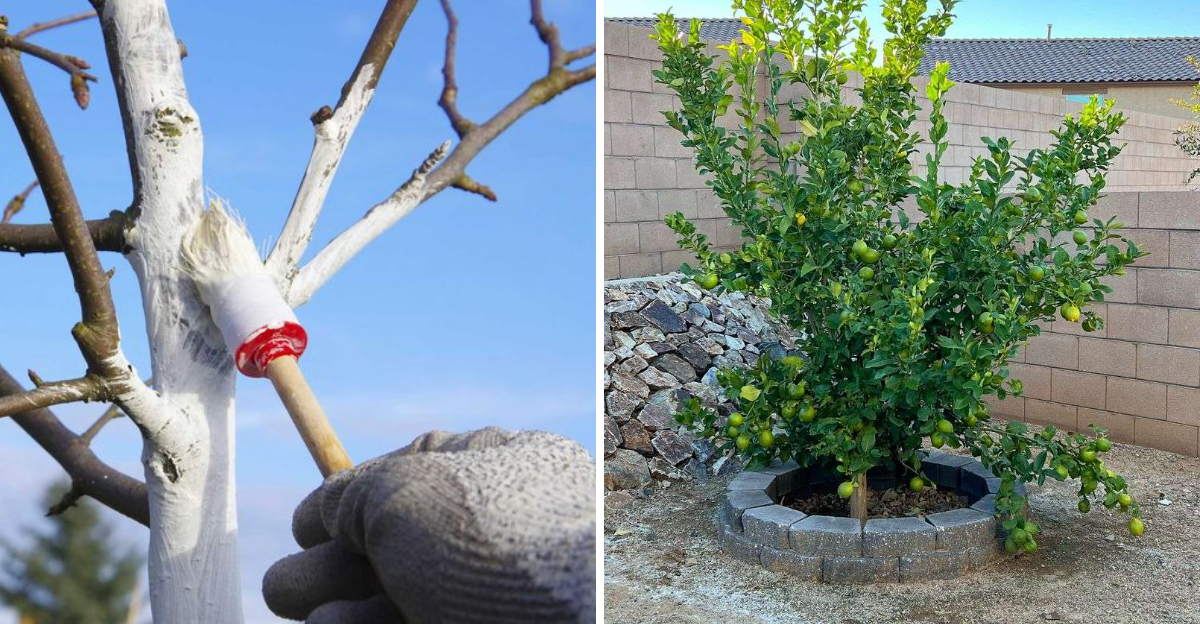
August can seem too early to think about winter, but citrus trees are already responding to the conditions around them. What happens now can influence how they handle colder months ahead.
Many citrus problems appear after the weather turns cooler, not during the hottest part of the year. That is why preparation before winter arrives matters so much.
Arizona summers push citrus trees through intense heat and stress. Giving them the right attention before the season changes can help them enter winter in much better shape.
This late summer window does not last forever. The choices made during these weeks can have a lasting effect on next year’s growth and fruit production.
Your citrus tree is already preparing for what comes next.
One August task can make the difference between a tree that struggles through winter and one that comes back stronger in spring.
1. Whitewashed Trunks Resist Sunburn Better
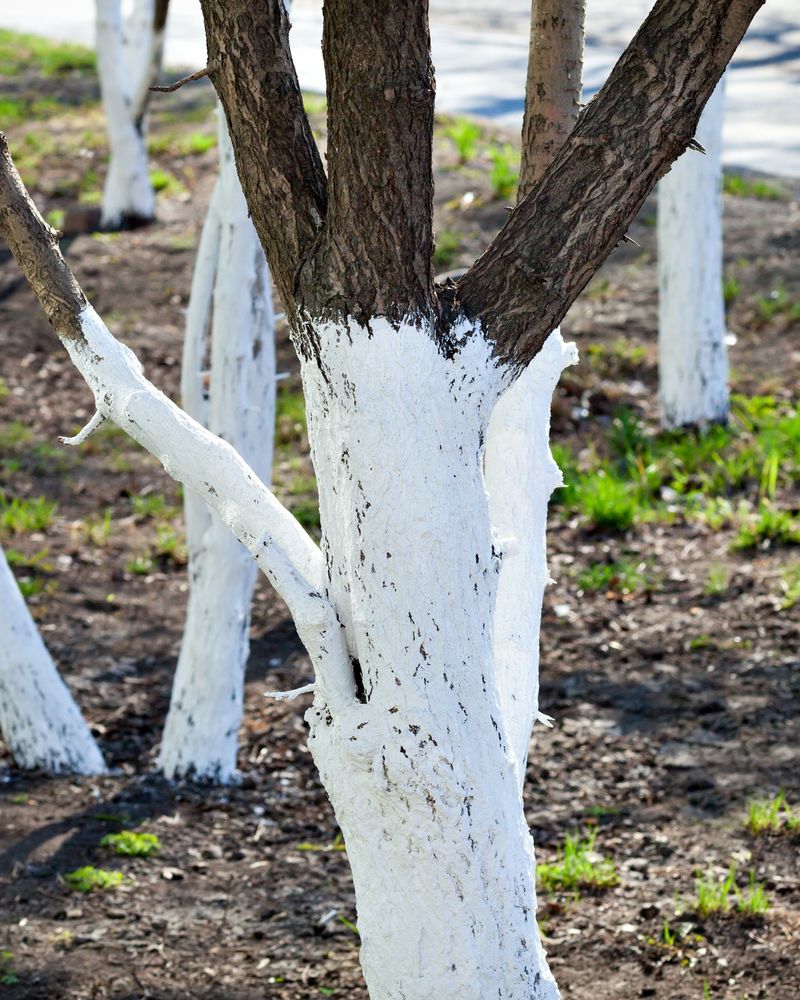
Bare citrus bark is more vulnerable than most people realize. Without any protection, the sun bakes exposed trunks during the hottest parts of the day, causing a condition called sunscald.
Sunscald happens when bark heats up fast and then cools down quickly, especially on the southwest-facing side of a trunk. Repeated heat stress causes the outer bark to crack and peel.
Once cracking starts, pests and pathogens have an easier time getting in.
Whitewashing reflects a large portion of solar radiation away from the bark surface. Lower trunk temperatures mean less stress on the tissue underneath.
Cooler bark is more stable bark.
Citrus trees in hot desert regions face extreme sun exposure year-round, but the angle and intensity shift as summer winds down. August is when that transition begins, making it the right moment to coat trunks before fall and winter conditions arrive.
A whitewashed trunk going into winter is starting from a stronger position. Bark that has been protected through summer tends to stay more intact and supple.
Intact bark is better at regulating internal moisture and temperature during cold snaps.
Skipping trunk protection is one of those small oversights that snowballs over time. A few seasons of unprotected bark can age a tree faster than almost anything else in the garden.
2. Late August Is The Best Time To Apply It
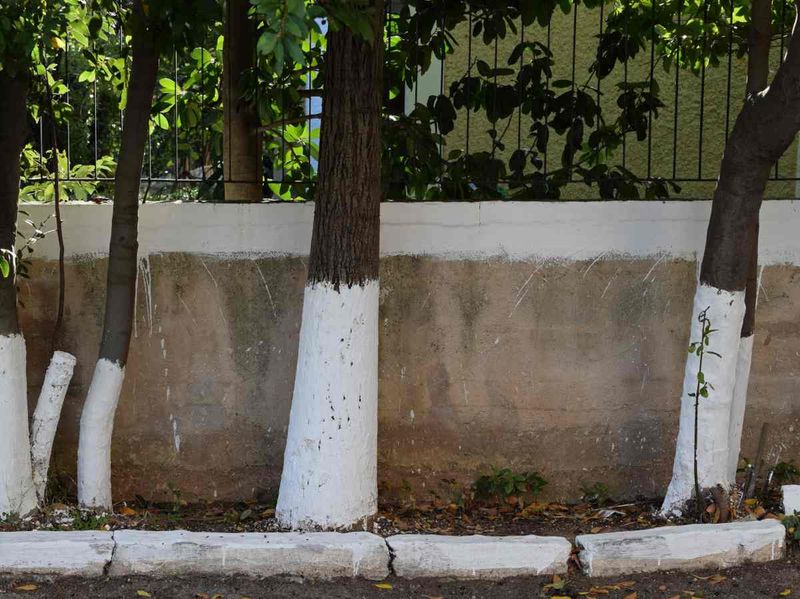
Timing matters more than most gardeners expect with trunk whitewashing. Apply it too early in summer and heavy monsoon rain may wash it off before it does much good.
Wait until fall and you have missed the preparation window entirely.
Late August lands right in that useful middle ground. Monsoon activity typically slows down by late August in many parts of the Southwest.
That means paint has a better chance of curing and sticking before cooler weather moves in.
Bark also tends to be drier at the end of August than it is mid-monsoon. Dry bark accepts the paint coating more evenly and lets it bond better.
A coat applied to wet or damp bark may peel off within a few weeks.
Arizona’s transition from extreme summer heat to milder fall temperatures usually begins in September. Getting the whitewash on before that shift means the tree enters its slower growth period with protection already in place.
Your Arizona Garden Changes Every Week. Your Plan Should Too.
Gardening in Arizona changes quickly throughout the season. Every Friday you’ll receive a simple weekly plan showing exactly what to plant, prune, fertilize, harvest, and protect so you never miss the right timing.
Think of late August as a preparation window, not the last chance to get things done. If life gets in the way and you apply it in early September, that is still far better than not applying it at all.
Flexibility matters, but earlier in that window is preferable.
3. Diluted White Latex Paint Works Best
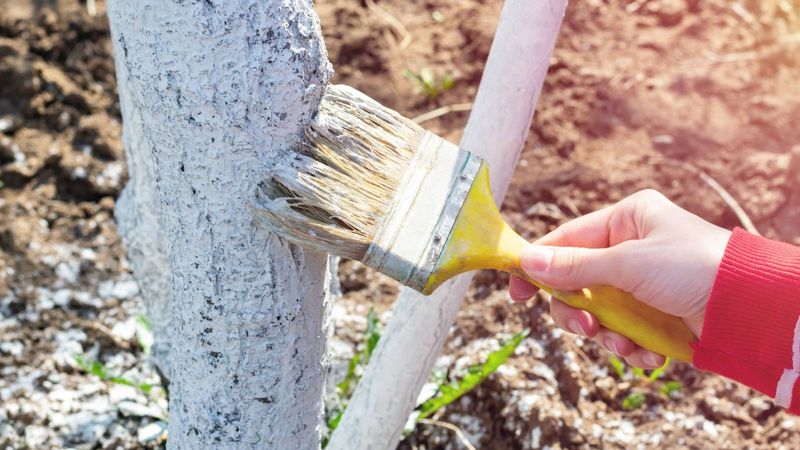
Not every white paint works the same way for trunk protection. Oil-based paints can trap moisture and harm bark.
Specialty tree paints exist but are not always easy to find locally.
White latex paint diluted with water is the most practical and widely recommended option for home gardeners. A common mixing ratio is roughly one part paint to one part water, though some growers go slightly heavier on paint for better coverage.
The dilution matters because full-strength paint can be too thick. Thick coats may crack and peel as the trunk expands and contracts with temperature changes.
A thinner mix moves with the bark instead of fighting against it.
White is the color that reflects the most sunlight. Avoid tinted or off-white paints since they absorb more heat than bright white.
Flat or matte finishes tend to breathe better than glossy ones, which can trap heat under the surface.
Interior latex paint works fine for this purpose. Exterior latex is also acceptable and may hold up slightly longer in outdoor conditions.
Either way, make sure the paint is free of fungicides or additives that could irritate bark tissue.
4. Coat The Trunk And Lower Limbs Evenly
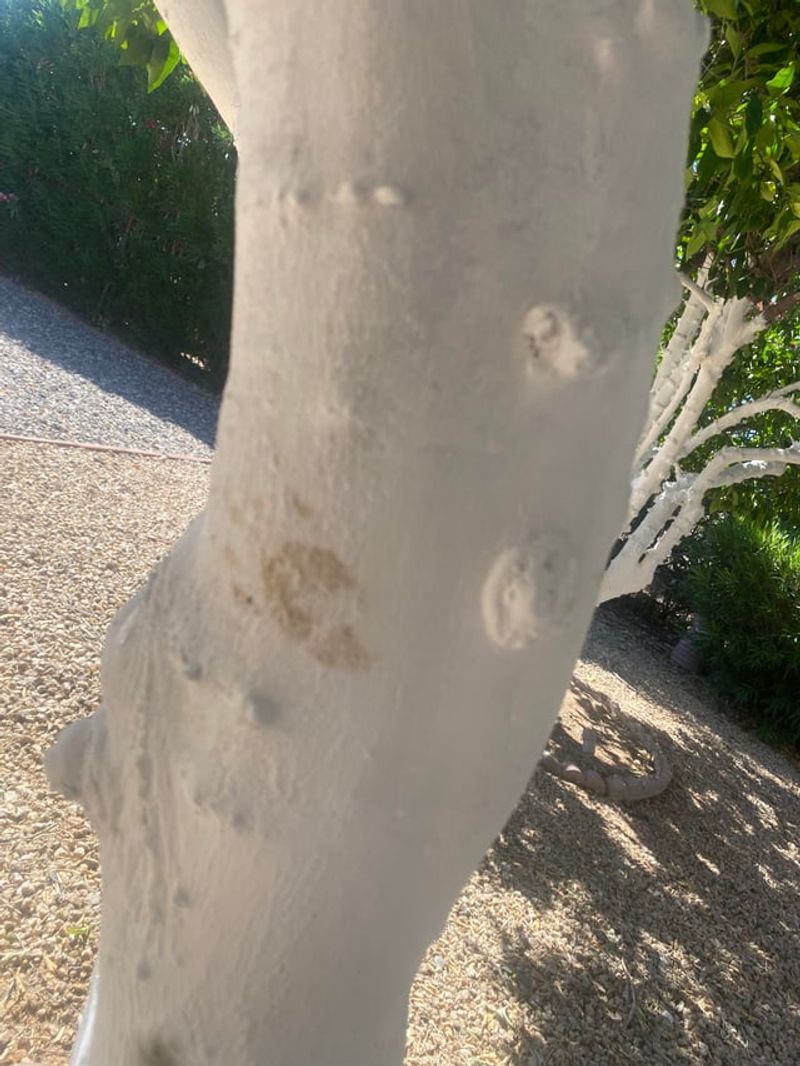
Painting just the bottom six inches of a trunk is not enough. Sunlight hits bark at a low angle during winter months, meaning higher sections of the trunk and lower limbs are also at risk.
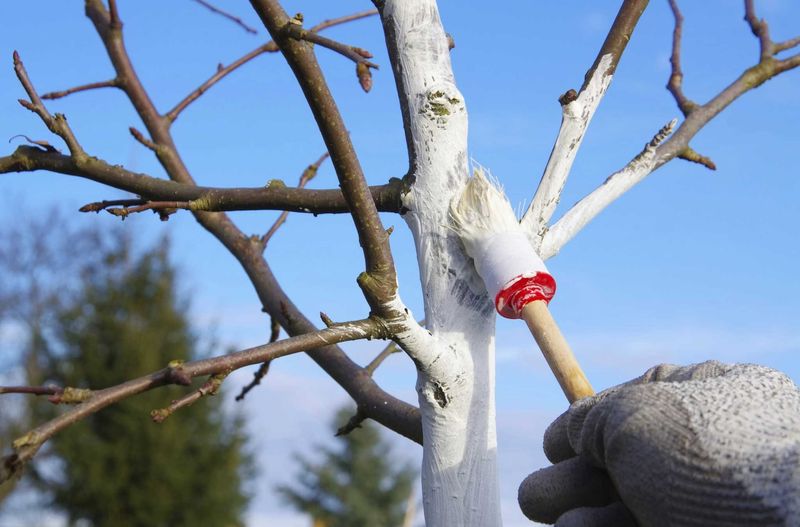
Aim to coat from just below the soil line up through the first set of major scaffold branches. Cover every surface that gets direct sun exposure, including the undersides of low-hanging limbs where reflected heat can cause damage.
Use a wide paintbrush for the trunk itself. A smaller brush helps you work paint into rough bark texture and around branch junctions where bark tends to be thinner and more sensitive.
Apply the coat evenly without leaving thick globs or bare patches. Uneven coverage means some spots are protected while others remain exposed.
Take your time moving around the tree to check all sides, not just the side you can easily see.
Two thin coats work better than one thick coat. Let the first coat dry for a couple of hours before adding the second.
Two layers give more consistent coverage and hold up longer through weathering.
Do not rush the process. A careful application now can hold up for several months and carry the tree through the most critical stretch of the year.
Sloppy work tends to need reapplication sooner than careful work does.
5. Young Trees Need The Most Protection
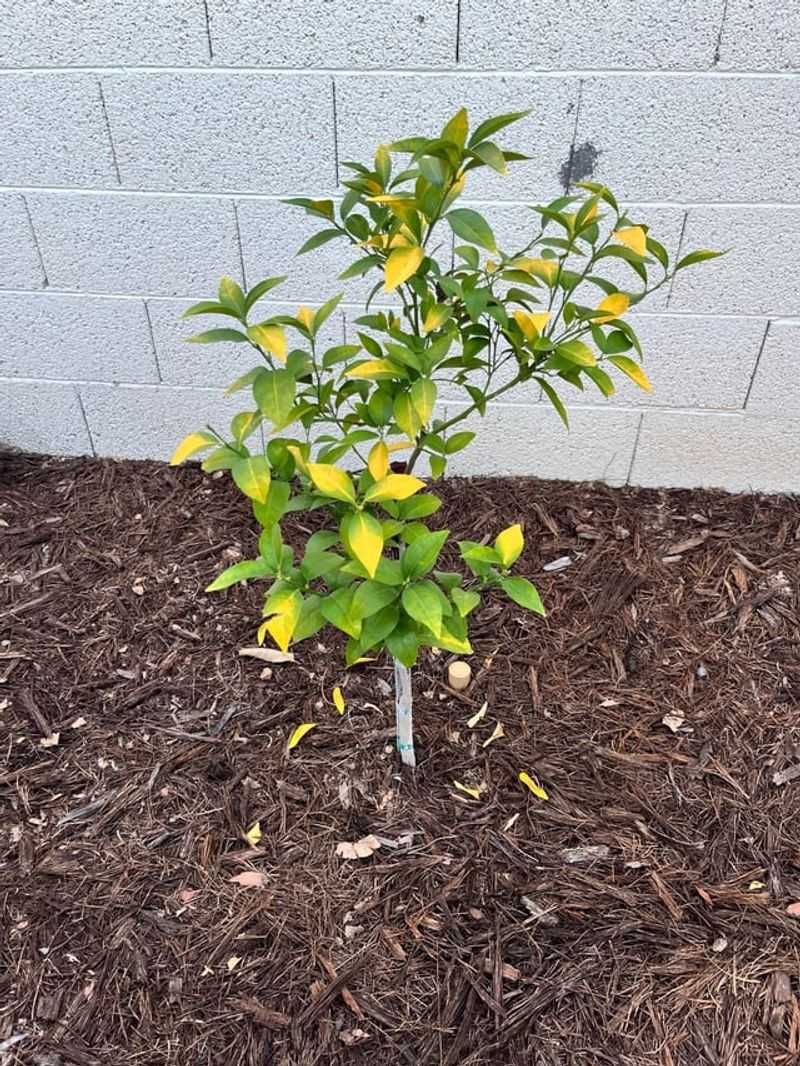
Young citrus trees have thin bark that has not yet developed the toughness of a mature tree. That thin outer layer offers very little natural insulation against temperature extremes or intense sun.
A mature tree that has been in the ground for a decade has bark that is thicker and more layered. It can handle a bad day of heat or an unexpected cold snap with more resilience than a sapling can.
First and second-year trees are especially worth protecting. Their trunks are narrow, which means heat penetrates to the inner layers faster.
Sunscald on a young tree can set back growth significantly and weaken structural development.
Newly planted citrus in Arizona often goes through a tough first summer. Roots are still establishing, and the tree is not yet pulling moisture efficiently from the soil.
Added bark stress on top of that is a real setback.
Whitewashing young trees is a low-cost way to reduce one major stressor. Pair it with consistent watering and some afternoon shade if possible during the hottest weeks.
Combined care makes a meaningful difference during those early years.
6. Reapply The Coating After Heavy Weathering
One coat applied in August will not last forever. Rain, wind, and general weathering wear it down over time.
Checking on the coating periodically is a smart habit to build into your routine.
After a heavy monsoon rain or a stretch of windy weather, take a walk around your citrus trees. Look for spots where the paint has faded, cracked, or washed away.
Bare patches need attention before the next cold stretch arrives.
Reapplication does not require stripping off the old coat. If the existing paint is still mostly intact, just touch up the bare or thin spots with fresh diluted paint.
A full recoat is only needed when most of the original layer has worn off.
Winter in the Southwest can bring surprise cold events that catch gardeners off guard. Having bark that is freshly coated going into those cold snaps gives your trees a meaningful advantage.
Faded protection is better than none, but fresh protection is better than faded.
Keep a small container of your diluted paint mix in the garage through fall and winter. That way, reapplication is quick and easy whenever you notice wear.
Waiting until you can mix a fresh batch sometimes means the repair gets delayed too long.
A quick visual check every few weeks takes less than five minutes and can catch problems early before bark damage has a chance to develop.
7. Healthy Bark Improves Winter Survival
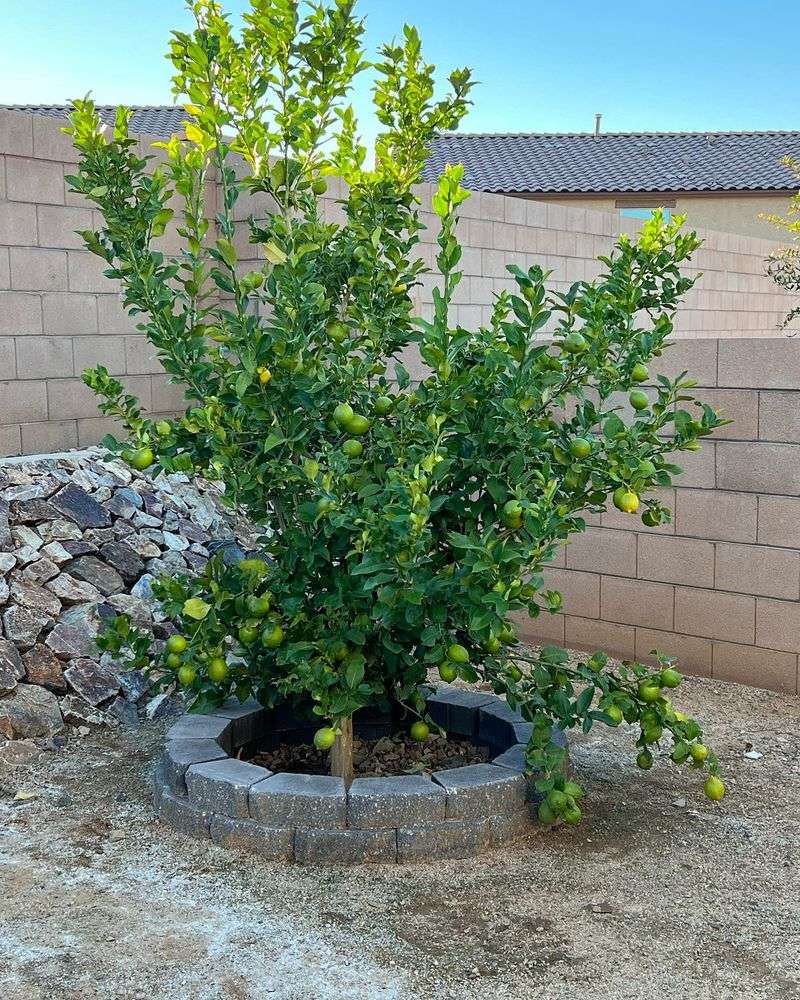
Bark is not just the outer shell of a tree. It is the protective layer that regulates water movement, guards against pests, and insulates inner tissue from temperature swings.
When bark is cracked or damaged from sunscald, it loses some of that protective function. Moisture escapes more easily, and cold air penetrates closer to the living tissue underneath.
Both of those outcomes put a tree under more stress during winter.
Healthy, intact bark entering winter means the tree is better positioned to handle cold nights without losing too much internal moisture. Citrus is sensitive to freezing temperatures, and every layer of protection helps buffer against sudden drops.
Bark health also affects how well a tree bounces back after a cold event. Trees with intact bark tend to show new growth sooner in spring.
Damaged bark can slow that recovery significantly.
Whitewashing is one piece of the puzzle, but it works best when combined with proper watering and appropriate nutrition leading into fall. Bark reflects the overall health of the tree, so a well-cared-for tree will have stronger bark to begin with.
Putting in a small effort in August to protect bark pays off in a big way when temperatures drop in December and January.