Why Your Virginia Yard Is Attracting Copperheads This September
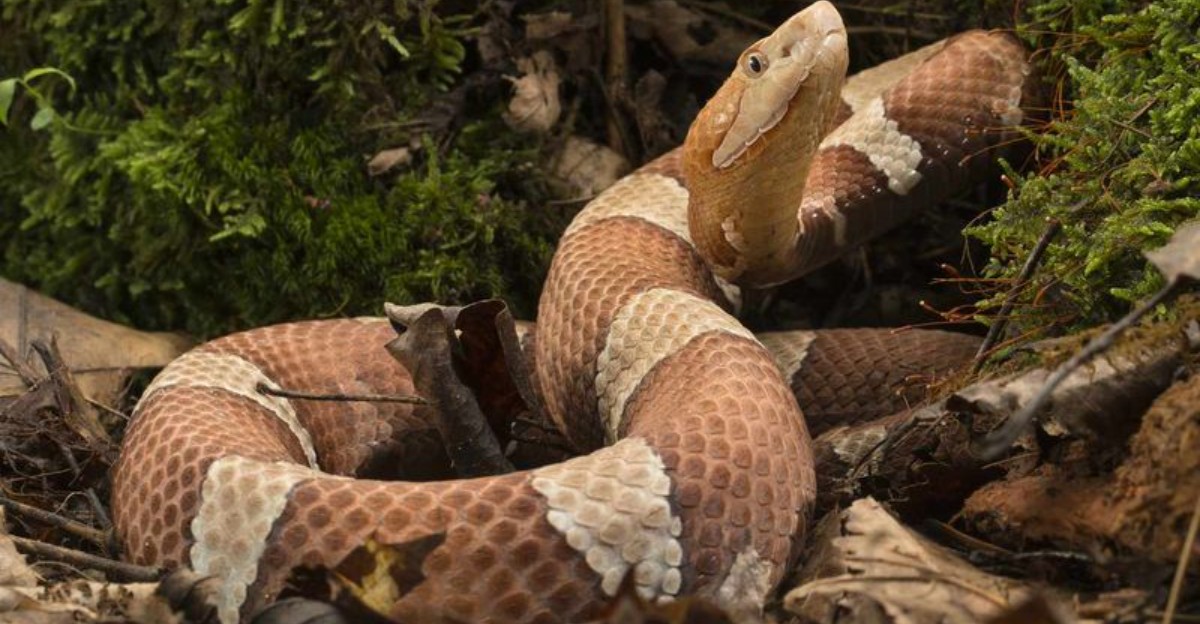
Late summer into early fall brings a wave of copperhead sightings across Virginia. Mothers give birth to live young now, and the curious babies explore every shady corner.
Most homeowners assume the snakes simply wandered in by accident. The truth is more personal, because your yard may offer exactly what a copperhead wants.
Mice, rock piles, firewood stacks, and cool, damp shade can turn an ordinary lawn into snake headquarters. Luckily, most of those welcome mats are easy to roll up.
The common reasons copperheads settle in are below, along with simple fixes for each.
Your Dense Vegetation Gives Copperheads Cool Hiding Spots
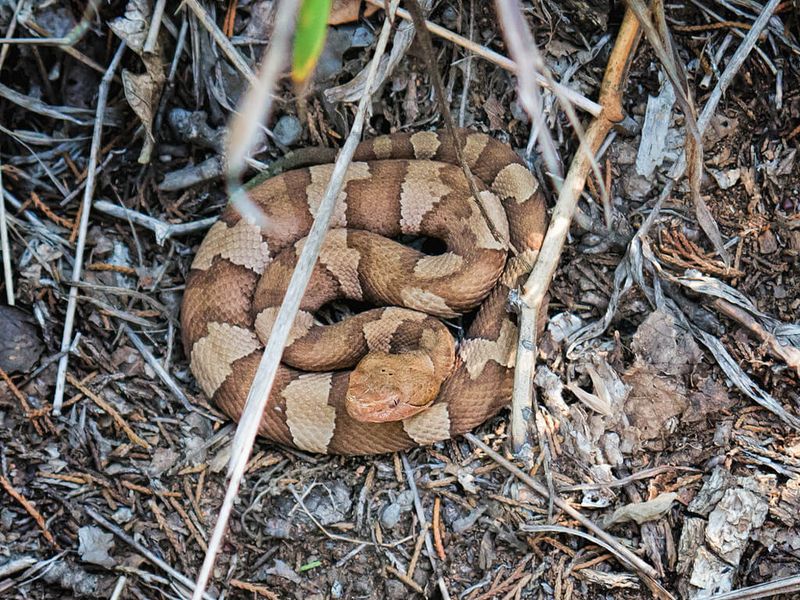
Picture a copperhead stretched out beneath your azaleas on a warm September afternoon. You could stroll right past it and not notice a single scale.
Thick shrubs, ground cover, and crowded plantings give these snakes deep shade during hot afternoons. Copperheads are ambush hunters, so staying hidden matters more to them than almost anything else.
Their copper and tan bands look a lot like dried leaves and shadows. Inside a dense patch of plants, that camouflage works almost like an invisibility cloak.
September adds another twist because copperheads give birth to live young in late summer. Newborn snakes often tuck themselves into leafy ground cover right away to stay safe.
Plants like English ivy, liriope, and pachysandra form thick mats close to the soil. Snakes love those mats because birds and people rarely see beneath them.
Good news, though, since a few pruning chores can make a big difference. Trim shrubs so their lowest branches sit several inches above the ground.
Keep bushes and tree limbs cut back from your house, porch, and walkways too. Open space near your doors gives you a clear view of anything slithering by.
Wear sturdy gloves and closed shoes whenever you reach into thick plantings. A long-handled rake can part the leaves first, so your hands stay safely out of reach.
You do not need to rip out every shrub you love. Thinning dense areas simply makes your yard a much less cozy hotel for snakes.
Wood Piles In Your Backyard Give Snakes Dark Hiding Spots
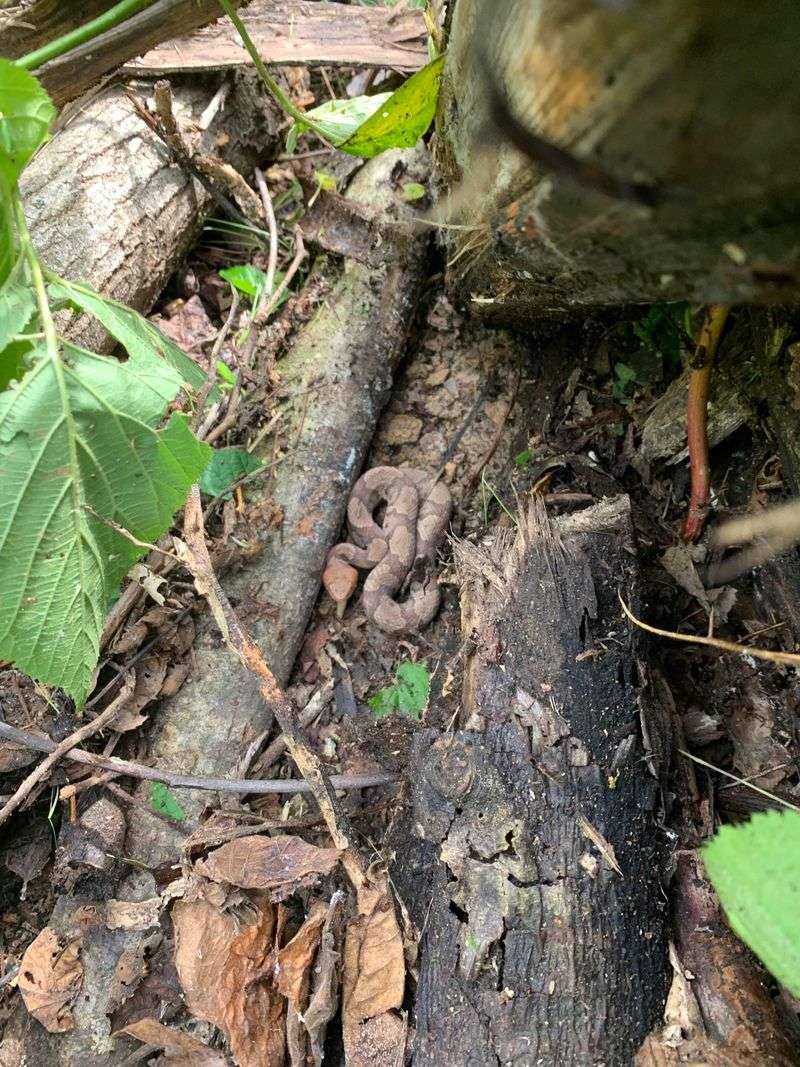
Your neat stack of firewood by the back door might feel like a smart winter plan. To a copperhead, it looks more like a free apartment with great views.
Wood piles stay shady and fairly steady in temperature, even when September afternoons turn hot. Gaps between the logs give snakes easy doors to slip in and out.
Mice and chipmunks enjoy the same hiding spots, which makes the deal even sweeter. A snake can rest, stay safe, and grab a meal without much travel.
Here is a surprising bit of trivia from wildlife experts. Copperheads often share dens with other snakes and may return to the same spots year after year.
So a woodpile that hosted a snake last fall could welcome visitors again. Moving it now can break that habit well before cooler weather arrives.
Store firewood at least 20 to 30 feet away from your home if you can. Stack it on a raised rack about a foot off the ground.
Your Virginia Garden Changes Every Week. Your Plan Should Too.
Gardening in Virginia changes quickly throughout the season. Every Friday you’ll receive a simple weekly plan showing exactly what to plant, prune, fertilize, harvest, and protect so you never miss the right timing.
Raised racks let air and light reach underneath, and snakes dislike that open feeling. You will also spot unwanted guests much faster when you walk by.
Grab logs from the top of the pile instead of reaching into dark gaps. Heavy leather gloves add one more layer of protection for your fingers.
Old lumber, scrap boards, and forgotten fence posts count as shelter too. Clear them out or stack them neatly on racks so no dark tunnels form underneath.
Rock Piles Offer Warm And Protected Spaces For Copperheads
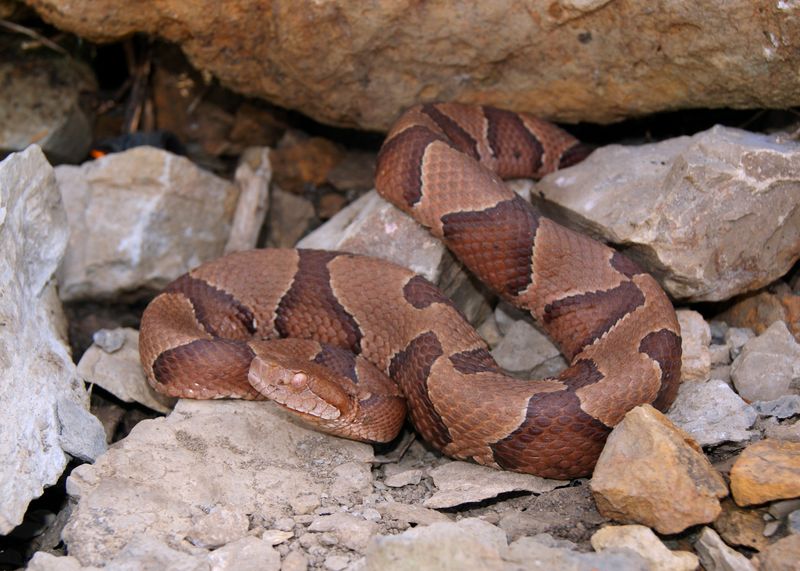
Snakes cannot make their own body heat, so they borrow it from their surroundings. Sun-warmed rocks happen to be one of their favorite outdoor heaters.
Stones soak up sunshine during the day and release warmth slowly after the sun drops. On cool September mornings, a copperhead can bask on top and warm up fast.
When afternoons get too hot, the snake simply slides into shady cracks below. One rock pile gives it both a sunny patio and a cool basement.
Across Virginia, copperheads turn up often in rocky hillsides, stone walls, and retaining walls. Homeowners in the western mountains see them around rocky outcrops quite a bit.
Decorative boulders and loose stone borders can create the same kind of shelter. Gaps between stacked stones work like little caves for snakes and the mice they chase.
If you are planning new landscaping, consider skipping large rock features near your house. Smooth gravel paths or solid edging offer a clean look with fewer hiding holes.
Already have a rock pile from an old project sitting out back? Haul it away or spread the stones out so no deep crevices remain.
For stone walls you want to keep, fill larger gaps with mortar or packed soil. Pull weeds along the base, since plants growing there add even more cover.
Moving rocks by hand can surprise a resting snake, so work carefully. Flip each stone toward you with a pry bar, letting it act as a shield.
Tall Grass Gives Copperheads Cover While They Hunt
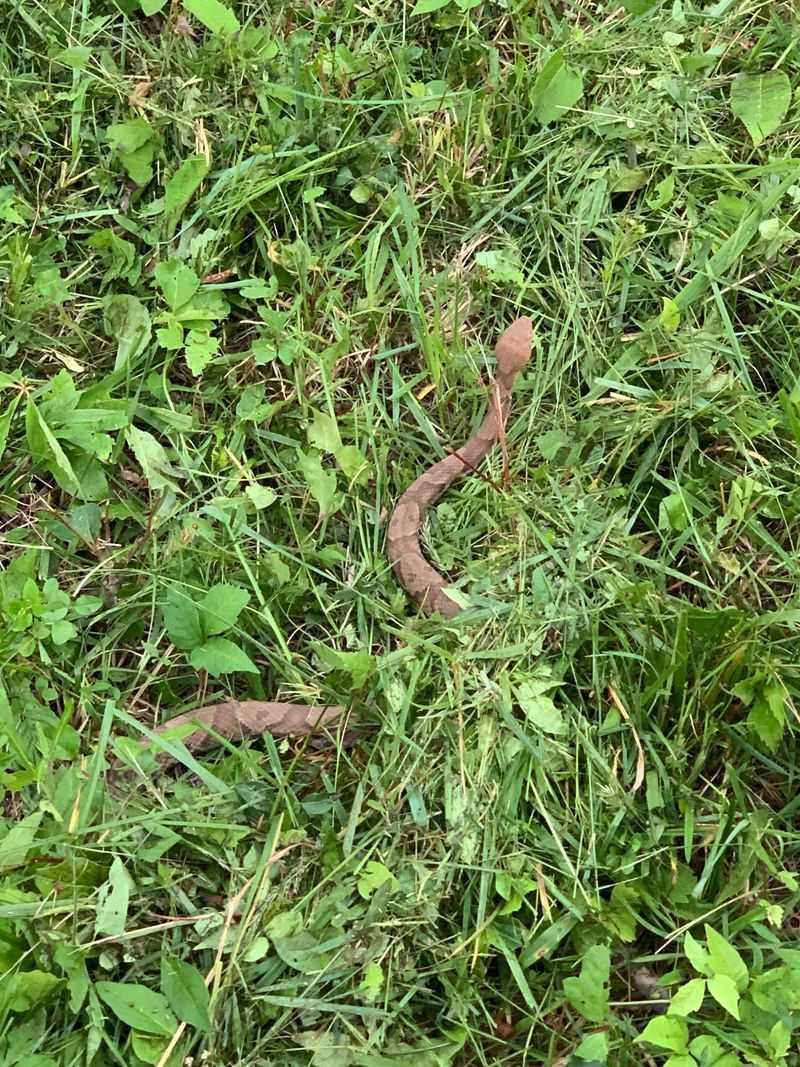
Ask any neighbor who has mowed a shaggy lawn in September, and you may hear a story. More than a few have spotted a copperhead zipping away from the mower.
Tall grass makes a perfect hunting blind for a patient predator. Copperheads coil up, stay perfectly still, and wait for a meal to wander close.
Their patterned skin blends right in with dry, tan grass blades and fallen leaves. By late summer, many lawns and field edges turn that same brownish shade.
Longer grass also holds moisture near the soil, which draws in crickets and grasshoppers. Young copperheads snack on those insects, especially during their first weeks of life.
Here is a fun fact: baby copperheads have bright yellow tail tips. They wiggle those tails like tiny worms to lure frogs and lizards within striking range.
Your best tool here is simple, and it is probably sitting in your garage. Keep your lawn mowed to around three or four inches through fall.
Pay extra attention to spots the mower skips, like fence lines, ditches, and property edges. A string trimmer can tame those strips in just a few minutes.
Keep a mowed buffer between wooded areas and the parts of the yard where kids play. Even a ten-foot strip of short grass makes snakes feel exposed.
Before mowing a tall patch, walk it slowly while wearing boots and long pants. Many snakes move away from footsteps, but copperheads often freeze instead, so tap ahead with a rake or stick.
Rodents Around Your Property Provide A Ready Food Source
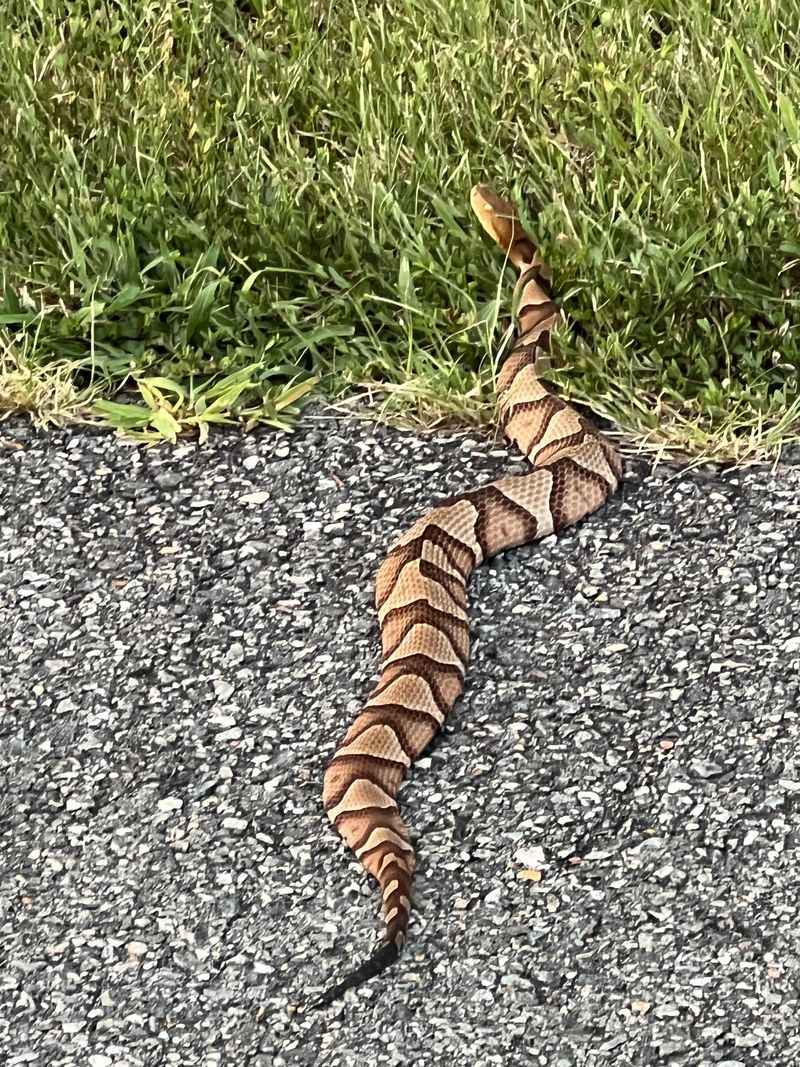
Follow the food, and you will usually find the snake close behind. Adult copperheads mostly eat mice, voles, chipmunks, and other small mammals that scurry around yards.
Their menu also includes lizards, frogs, small birds, and big insects like cicadas. A yard packed with such critters is basically an open, all-day buffet.
Bird feeders are a sneaky part of the problem for many homeowners. Spilled seed on the ground attracts mice, and mice attract hungry copperheads.
September makes rodent activity even busier as mice gather food before cold weather. Snakes are also fattening up before winter, so both sides are on the move.
Pet food left out on porches or decks can send the very same invitation. Bring bowls inside at night, and store kibble in sealed metal or plastic bins.
For feeders, use trays that catch falling seed, or rake up spills every few days. Some folks simply pause bird feeding during the late summer and early fall months.
Garbage cans need tight lids, and compost bins should stay closed and well managed. Loose food scraps can turn a quiet corner into a rodent hangout overnight.
Watch for signs of mice, such as droppings, chewed bags, or small burrows near foundations. Covered trap stations help control mice while keeping curious pets and birds safe.
Skip poison baits if you can, since they can harm owls, hawks, and pets. Fewer rodents mean fewer reasons for a copperhead to stick around your property.
Your Garden Beds Create More Places For Snakes To Remain Hidden
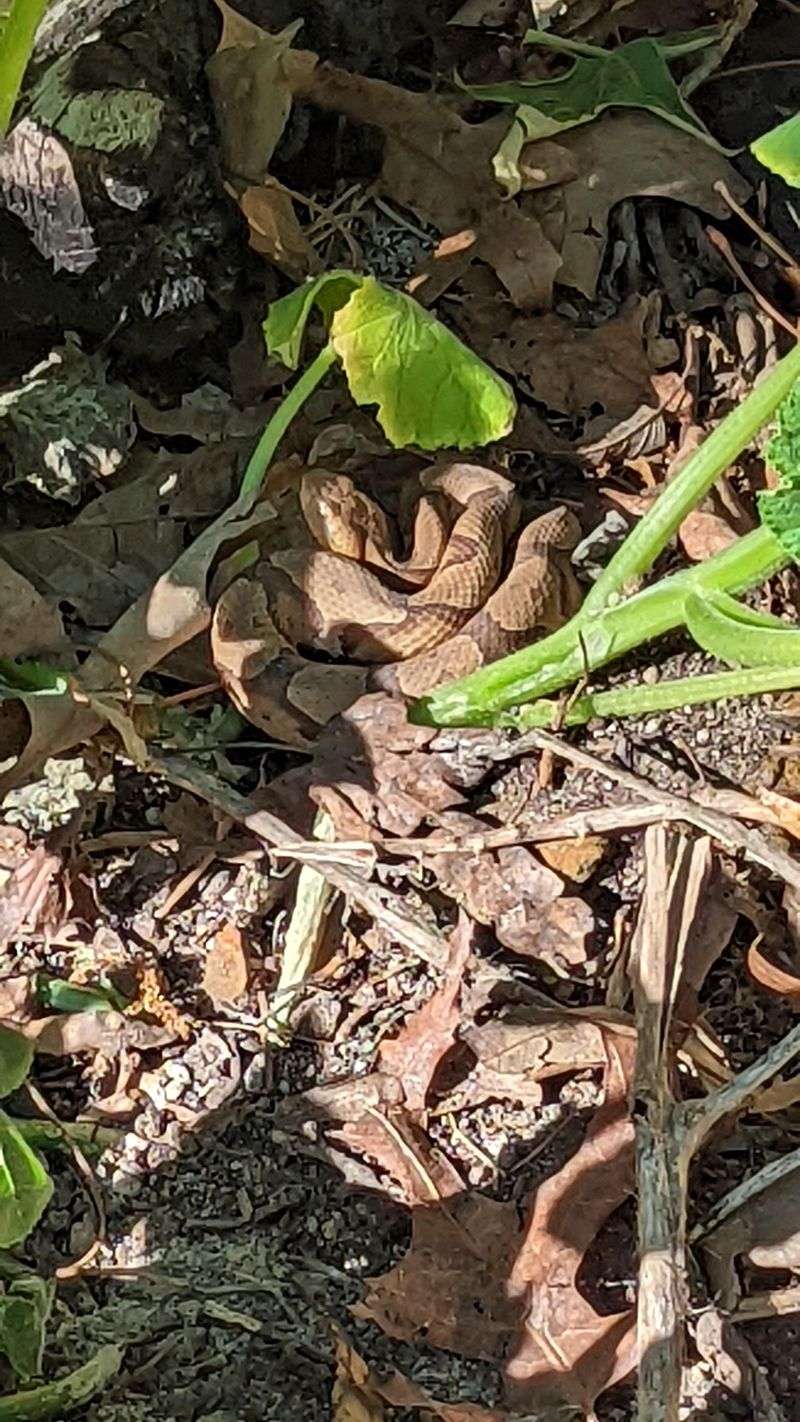
Gardeners everywhere know the feeling of reaching for a ripe tomato and freezing mid-grab. Sometimes a copperhead is curled up quietly right under the leaves.
By September, many garden beds look like jungles after a long summer of growth. Sprawling squash vines, flopping flowers, and weeds create shady tunnels near the soil.
Snakes appreciate those tunnels because the ground stays cool and damp underneath all day. Frogs, toads, and insects hang out there too, which adds easy snacks.
Thick mulch can make things worse when it piles up several inches deep. Loose, fluffy mulch gives snakes a soft, dark blanket to crawl beneath.
Aim for mulch about two to three inches deep, and keep it pulled back from your foundation. Pea gravel or rubber edging near the house leaves fewer cozy pockets.
Compost piles sitting beside the garden deserve a quick look as well. Rotting food scraps attract mice, and those mice can bring copperheads right to your vegetables.
A closed compost bin with a solid bottom helps keep rodents out. Place it away from your house and turn it often to discourage nesting.
Tidy beds matter most in late summer, when plants are at their fullest. Pull spent crops, trim sprawling vines, and weed regularly so you can see the ground.
Use a hand rake or hoe to part foliage before sticking your fingers in. Garden gloves will not stop every bite, but they add welcome protection while you work.
Leaf Piles And Yard Debris Add Extra Shelter Near The Ground
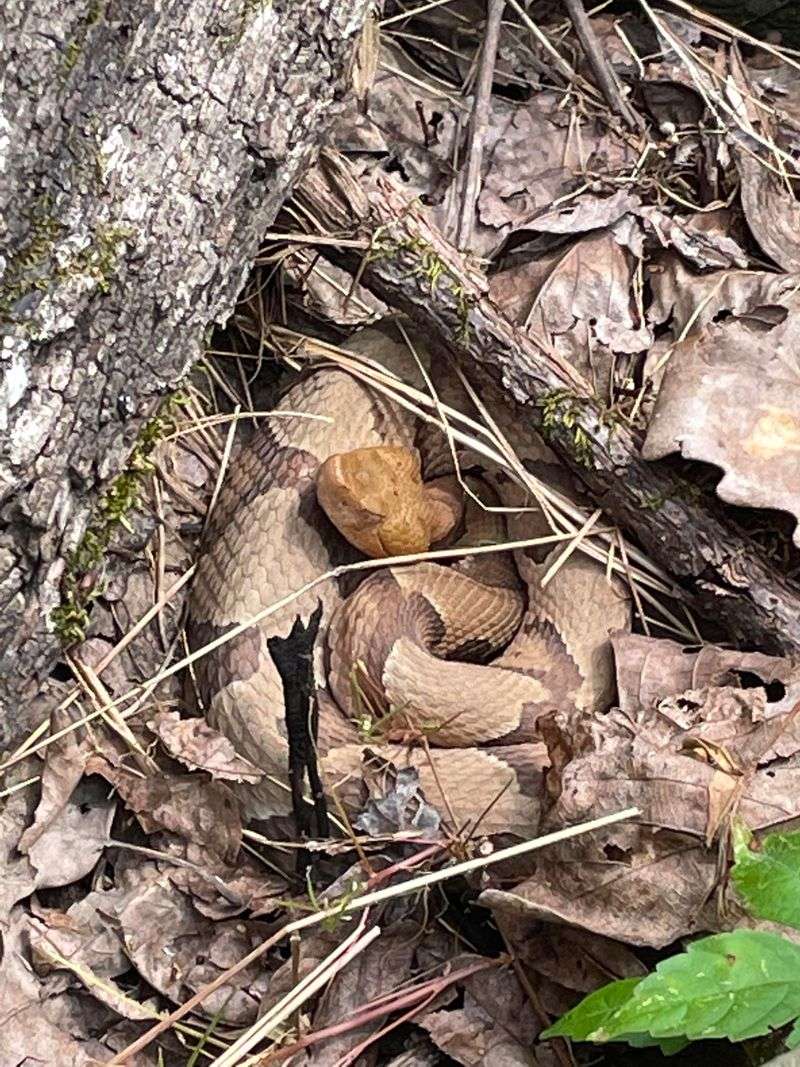
Crunchy leaves, cooler breezes, and the first hints of autumn make September feel special. Unfortunately, the leaf piles that come with fall can double as snake hideouts.
Copperheads are masters of leaf litter camouflage. Their hourglass bands look almost exactly like a scattering of brown and tan leaves on the ground.
Researchers and hikers often say they spot the snake only after nearly stepping on it. A pile in your yard creates an even thicker version of that disguise.
Leaves are not the only culprit near the ground. Brush piles, grass clippings, fallen branches, and old tarps all offer instant shelter too.
Anything lying flat and forgotten can trap moisture and warmth underneath. Kids’ toys, flattened cardboard, and spare plywood sheets are common surprise hiding places.
A quick weekly cleanup can remove a surprising number of snake shelters. Rake leaves into bags or bins instead of leaving big heaps sitting for days.
Love composting leaves or using them as garden mulch? Shred them first with a mower so they break down fast and stay flat.
Brush piles are harder to manage, but they still need attention in a yard near woods. Chip the branches, haul them off, or move them far from play areas.
Rake with a long-handled tool and keep your feet away from the edge of the pile. Wearing boots while cleaning up is a small habit with big benefits.
Try to finish yard cleanup during daylight hours rather than at dusk. Copperheads get more active on warm evenings, especially in early fall.
Water Sources Can Keep Parts Of Your Yard Cool And Moist
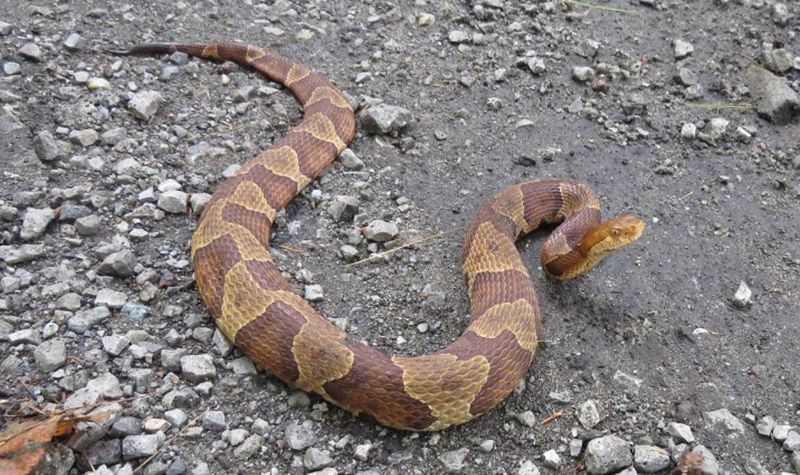
Water is a magnet for life, and snakes are no exception. A shady, damp corner can feel like a cool retreat when September heat lingers.
In the wild, copperheads often live in thick brush near streams, swamps, and moist soil. Eastern Virginia neighborhoods near creeks and marshes tend to see plenty of them.
Backyard ponds, birdbaths, and fountains can create a similar setting on a smaller scale. Frogs gather around the water, and frogs are a favorite snack for young copperheads.
Heavy lawn watering plays a sneaky role, too. Soggy soil draws worms, slugs, and insects, which then attract toads and other small hunters.
Before long, a whole food chain forms in one damp patch of yard. A copperhead sitting at the top of it simply has to wait.
Water your lawn early in the morning so the ground dries out by evening. Deep, less frequent watering keeps grass healthy without leaving puddles behind.
Fix leaky hoses, dripping spigots, and clogged gutters that create soggy spots near the house. Downspouts should send water away from your foundation, not pool beside it.
If you have a pond, keep the plants around its edge trimmed short. Open banks make it easier to spot snakes and harder for them to hide.
Swimming pool owners may occasionally find a copperhead floating or resting nearby. Check skimmer baskets carefully, and use a pool net rather than your hands.
Keeping a water feature does not mean inviting trouble. Regular upkeep around the edges goes a long way toward fewer surprises.
Gaps Around Sheds And Foundations Give Copperheads Access To Shelter
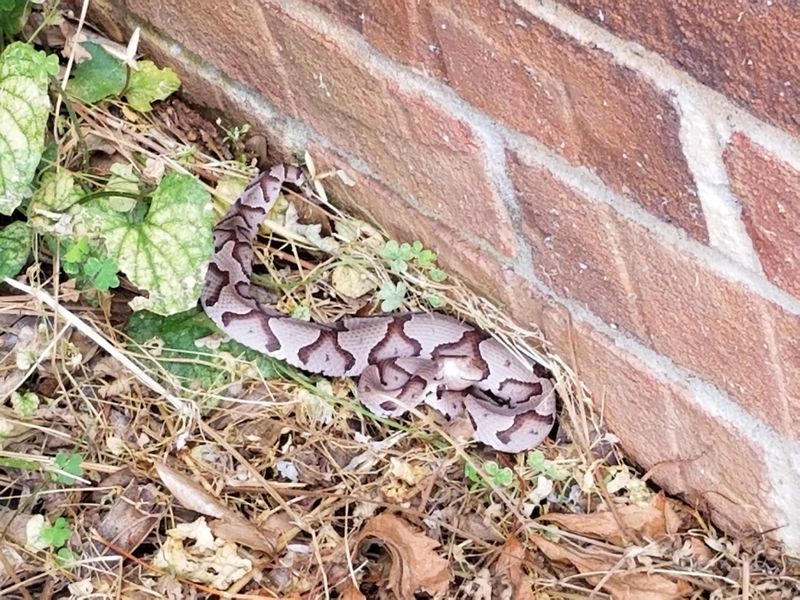
Imagine opening your shed door to grab a rake and finding a coiled copperhead by the lawn mower. It happens more often than most people expect.
Sheds, garages, barns, and crawl spaces offer shade, shelter, and steady temperatures. A crack about the width of a pencil can be enough for a young snake.
Copperheads also like tucking themselves beneath decks, porch steps, and utility boxes. Some homeowners have even found them hiding under covered grills on the patio.
As nights get cooler in September, snakes start searching for spots that hold warmth. Foundations and shed floors soak up daytime heat and release it after dark.
Walk around your home and outbuildings with a flashlight and look closely at the bottom edges. Cracked foundations, loose siding, and gaps under doors are common entry points.
Seal small cracks with caulk or expanding foam made for outdoor use. For bigger openings, hardware cloth with quarter-inch mesh makes a sturdy barrier.
Door sweeps on garage and shed doors close the gap many people forget. Weatherstripping helps too, and it can lower energy bills as a bonus.
Skirting around decks and porches blocks off dark spaces underneath. Bury the bottom edge a few inches into the soil so snakes cannot slip under it.
Inside the shed, keep items on shelves instead of piled on the floor. Less clutter means fewer hiding spots and a much calmer trip for garden tools.
Spot a snake you cannot identify? Back away slowly and call a local wildlife removal professional for help.