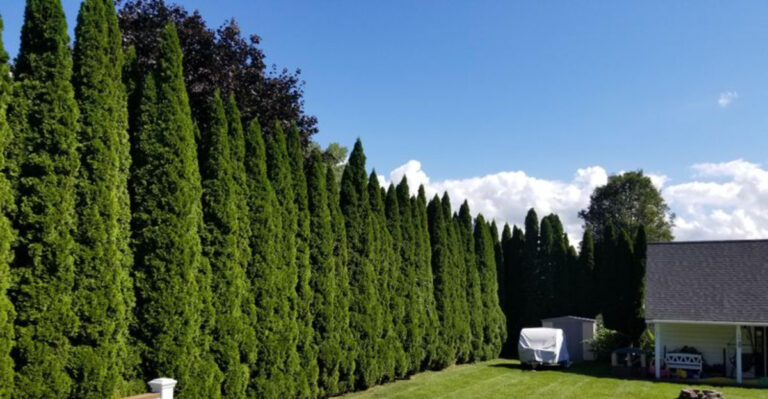
What It Means When Needles On Your New Jersey Pines And Arborvitae Start Browning
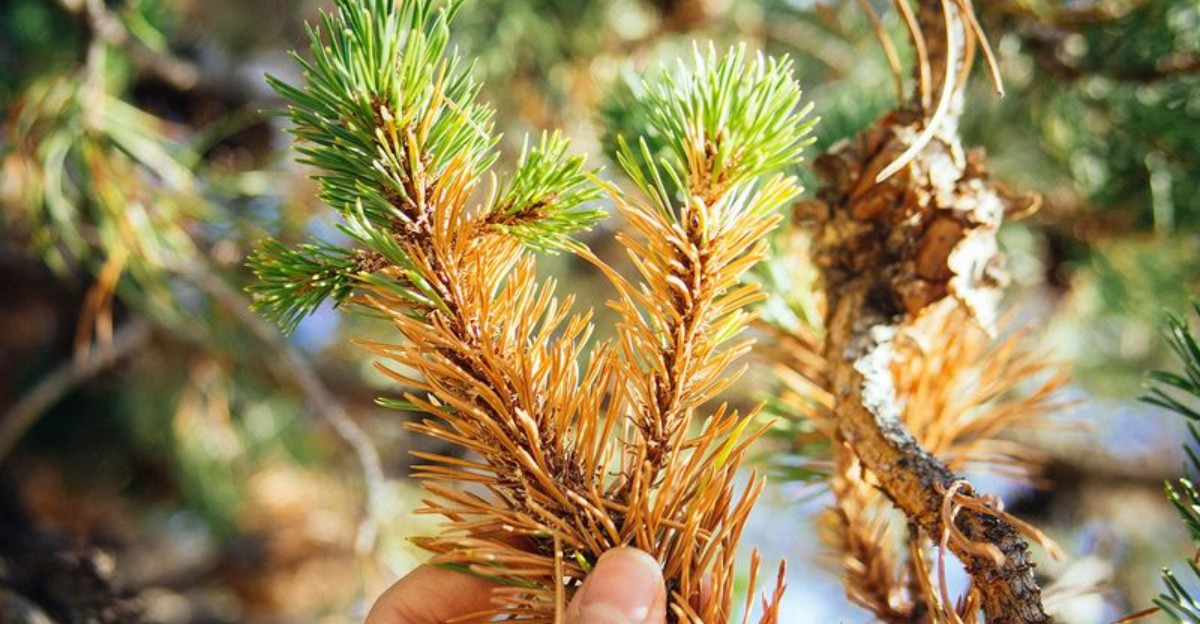
Copper needles on an evergreen can mean routine shedding or a spreading fungus. You need to know which before you call a tree removal crew.
White pines like yours drop their oldest inner needles each autumn. Your arborvitae follows the same schedule, browning inside while outer tips stay green.
Problems look noticeably different. Watch for brown moving inward from branch tips or down from the crown.
Blue spruce across New Jersey face Rhizosphaera needlecast, a fungus that thins lower branches. Drought stress from a dry New Jersey August can catch you weeks later. Bend a twig.
Brittle signals concern; flexible means your tree is still working. Scratch the bark with your thumbnail and look for green tissue.
Each clue narrows your options and protects your wallet from rushed spending. Here’s exactly how you separate harmless shedding from a real problem.
A Natural Fall Cleanout Of Older Inner Needles
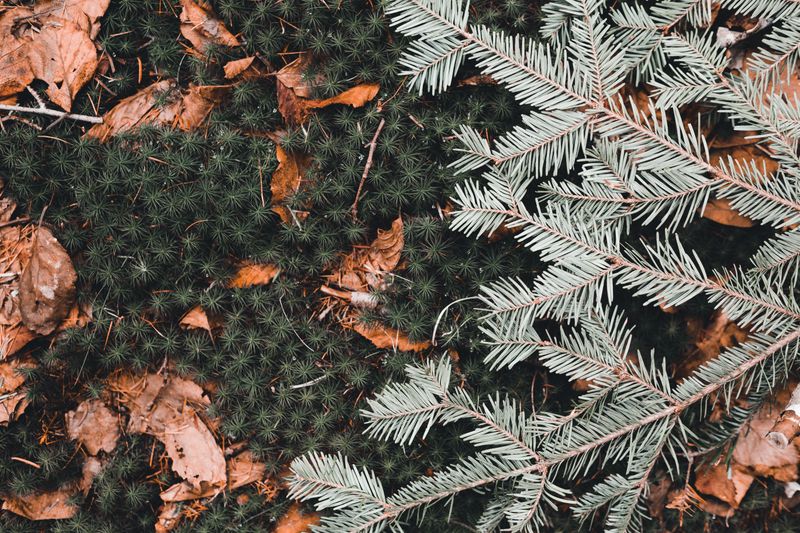
Think of your yard’s evergreens as tidy roommates who clear out old clutter each autumn. The browning you spot is often just older, worn-out foliage from deep inside the tree making its exit.
Pine needles have a limited lifespan, even on trees people proudly call evergreen in New Jersey. Many pines hold each needle for two to five years, then shed the oldest batch in fall.
Eastern white pines are famous for this show, turning their inner needles bright yellow before they drop. Arborvitae do something similar, with sprays near the trunk fading to orange, rust, or tan.
Austrian and Scotch pines shed seasonally too, though their drop is often less showy than a white pine’s. Norway spruce and Colorado blue spruce hold their needles much longer, so their seasonal drop usually looks lighter and harder to spot.
The key word here is inner, since healthy shedding happens close to the trunk and main branches. Branch tips and the outer shell of the tree should stay green, soft, and fresh looking.
Shaded inner needles stop making much food, so the tree pulls nutrients back and lets them go. It is smart, thrifty recycling, not a cry for help from your favorite backyard tree.
You can confirm this by parting the branches and peeking toward the trunk. A tidy band of yellow or tan behind lush green tips is the classic signature of normal, healthy seasonal shedding.
The Autumn Calendar For Seasonal Needle Drop
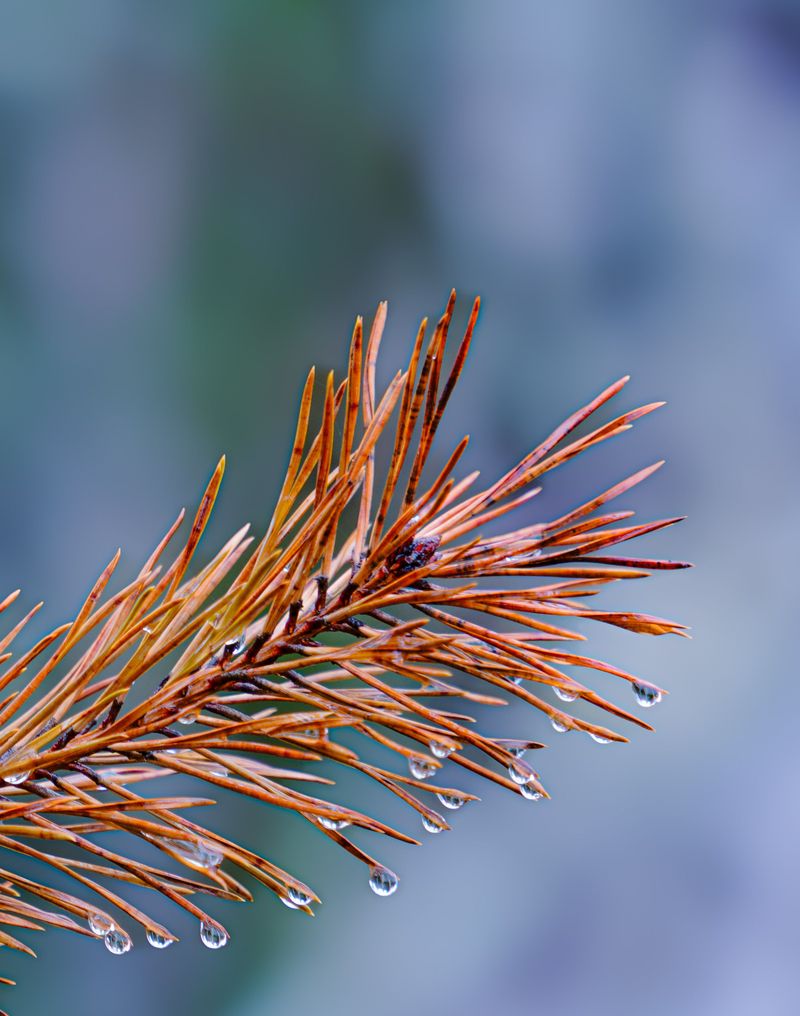
Mark your calendar, because New Jersey trees follow a steady schedule, like a school bell each fall. Seasonal shedding usually starts in late August and peaks from mid-September through the end of October.
By early November, the bulk of the yellow and brown needles have fallen or blown away. The tree then looks a bit thinner inside, but still green and lively along its outer branches.
Weather can nudge the timing a few weeks earlier or make the display more dramatic. A hot, dry summer, like many recent ones in South Jersey, often leads to heavier fall drop.
Your New Jersey Garden Changes Every Week. Your Plan Should Too.
Gardening in New Jersey changes quickly throughout the season. Every Friday you’ll receive a simple weekly plan showing exactly what to plant, prune, fertilize, harvest, and protect so you never miss the right timing.
Arborvitae browning often overlaps with pine shedding and can run a little later into October. Seeing both trees change a few weeks apart is perfectly normal and points to a healthy, well-timed seasonal rhythm.
Stressed trees sometimes let go of an extra year of older needles to save precious water. That can look scary, yet the tree usually recovers with fresh new growth next spring.
Down in the Pine Barrens, native pitch pines follow this same autumn shedding rhythm. Nature was running this routine for thousands of years before anyone in New Jersey owned a rake.
Browning that appears in spring or midsummer tells a different story. Needle color changes outside the usual fall window deserve a closer look, since healthy seasonal shedding rarely happens during those months.
The Hasty Pruning And Fertilizer Mistake
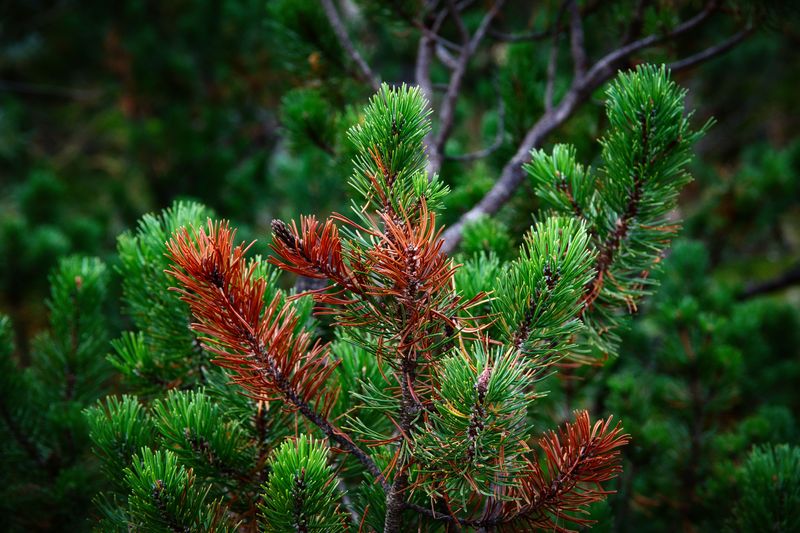
Picture a neighbor on a ladder in September, snipping brown sprigs with stubborn determination. It feels productive, but that burst of weekend energy can set the tree back instead of helping it.
Cutting deep into the brown inner zone of an arborvitae is a common slip for eager gardeners. Those bare inner stems rarely sprout new foliage, so heavy cuts can leave lasting gaps.
Pines are just as picky, since they mainly push new growth from buds at the branch tips. Remove those tips in fall, and you may stunt that branch for years to come.
Pruning wounds made in autumn also heal slowly as the tree winds down for winter. Open cuts during cool, damp weather give fungal spores an easy doorway into the exposed wood beneath the bark.
Fertilizer is the other tempting quick fix, though timing matters a great deal. Feeding in late summer or early fall can trigger tender new growth that an early frost may brown within a few weeks.
Instead, rake up the fallen needles or leave them in place as free, natural mulch under the tree. Doing less is sometimes the smartest, cheapest gardening move you can make this crisp month.
Save any shaping for late winter or early spring, when the tree is rested and ready to grow again. A light trim of green tips at that time encourages fuller, denser branches by early summer.
A Simple Fall Rescue Plan For Stressed Trees
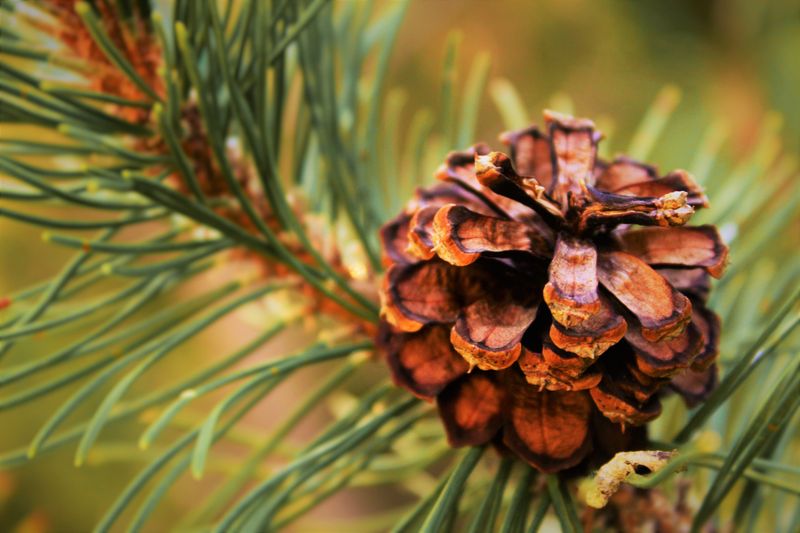
Start with a slow walk around the tree, like a curious detective looking for clues. Healthy shedding stays inside, while real problems tend to show up on branch tips or outer layers.
Browning on one entire side, or at the very top, deserves a much closer look. So do little brown sacks dangling from arborvitae, since those are bagworm cases holding next year’s eggs.
Tap a branch over white paper to check for tiny moving specks, which are likely spider mites. If you find pests or spreading decline, call a certified arborist or Rutgers Cooperative Extension.
Check the trunk too, looking closely for sticky white sap, small round holes, or loose, peeling bark. These signs can point to boring insects, which a professional should evaluate before winter sets in.
For normal seasonal shedding, the best help you can offer is a long, deep drink of water. Check local watering restrictions first, then soak the root zone slowly once a week during dry spells until the ground freezes.
A soaker hose left running on low for about an hour works wonders without puddling. Add two to three inches of shredded bark mulch, keeping it a hand’s width from the trunk.
Hand-pick bagworm cases now and drop them into a bucket of soapy water to reduce next year’s hatch. Clearing fallen needles from the base of arborvitae also improves airflow and sunlight around the lower branches.
The Payoff Of Patience By Next Spring
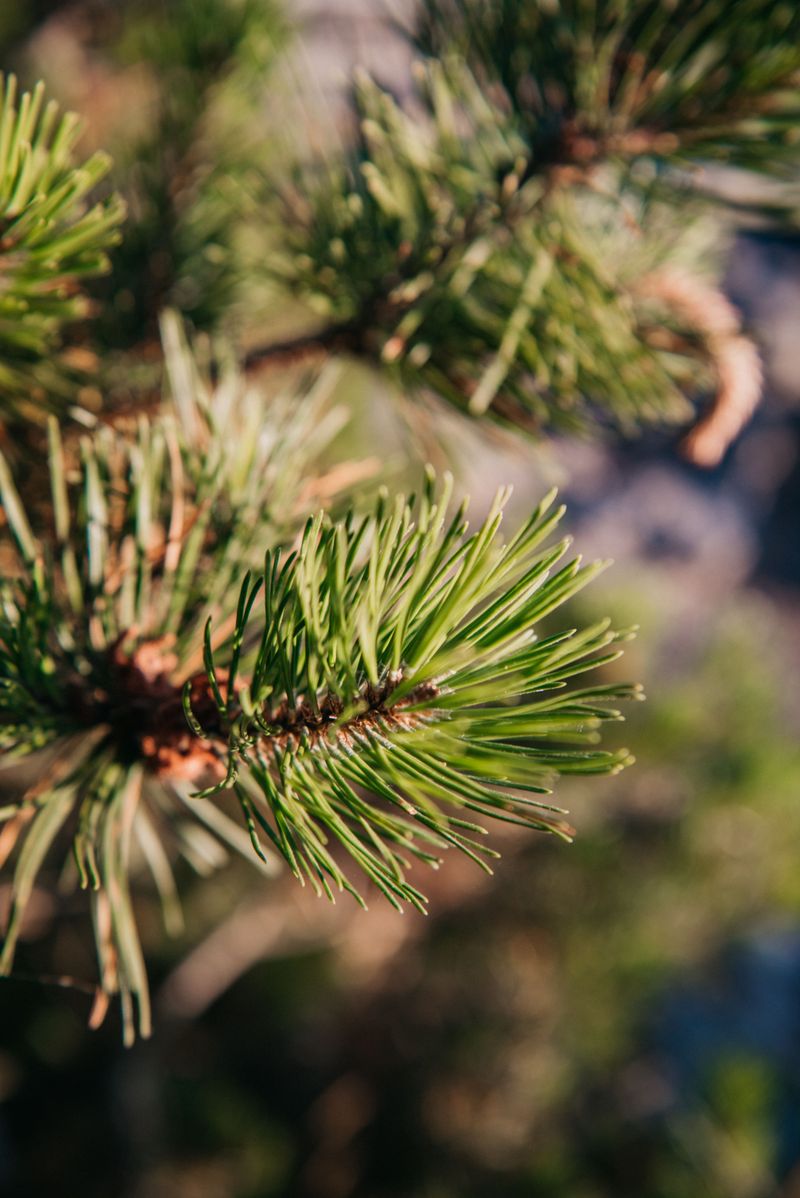
Gardeners like to say a white pine wears an autumn sweater before tossing it off. By late April, a healthy tree can look as fresh as a newly painted front porch.
Trees that shed normally in fall bounce back beautifully in spring without extra fuss from you. New shoots called candles push out on pines in April and May, filling in the outer branches.
Arborvitae respond in their own way, adding soft, bright green sprays along their outer edges each spring. The inner brown patches stay hidden behind that new growth, so your neighbors are unlikely to notice them.
Spruce trees follow a similar pattern, with pale green buds opening in May and early June. Those soft new tips darken by midsummer and blend smoothly into the older foliage behind them.
Stressed trees that got steady deep watering and fresh mulch often show clear improvement within a growing season or two. Still, keep an eye out for thin tops, sparse sides, or bare branch ends next summer.
Taking a quick phone photo of your tree each September makes tracking its health easy. Comparing pictures from year to year reveals slow patterns that your busy memory could easily miss.
If spring growth looks short, pale, or patchy, that is your cue to call an arborist. Catching a slow decline early gives you far more options and usually costs much less to fix.
Smart Planting And Watering Habits For Years Ahead
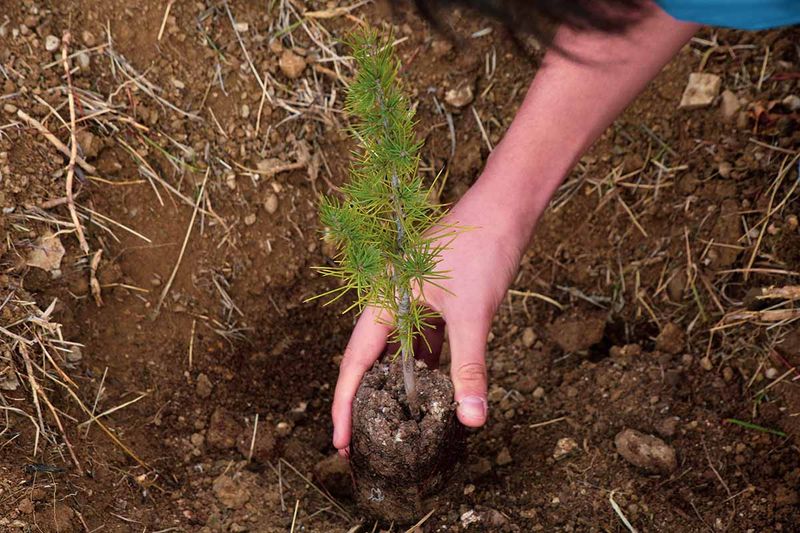
Want a lot less browning drama when next September rolls around in your front yard? A little planning now keeps your trees tougher, greener, and far less stressed when summer heat returns.
Spacing matters more than many people think, especially with arborvitae hedges packed tightly together for privacy. Crowded plants compete for water and trap humid air, which invites mites and fungus to move in.
Pick the right spot, too, since pines and arborvitae generally crave at least six hours of sun. Keep them away from salty roadsides, where winter plow spray can brown foliage and stress roots.
Choosing the right species for your site helps as well. Green Giant arborvitae handles New Jersey summers well and tends to resist many common needle diseases.
Watering habits make a big difference, especially in the sandy, fast-draining soils found across South Jersey. Aim for about one inch of water per week, from early spring right through late fall.
A simple rain gauge stuck in the lawn tells you when nature has done the job. Before winter arrives, wrapping young arborvitae loosely in burlap can shield them from cold, drying winds.
A soil test through Rutgers Cooperative Extension reveals pH and nutrient levels before you plant. Matching trees to your soil from the start sets them up for many green, healthy, low-stress years.