How To Gather Chinese Chestnuts In North Carolina Before Wildlife Beats You To Them
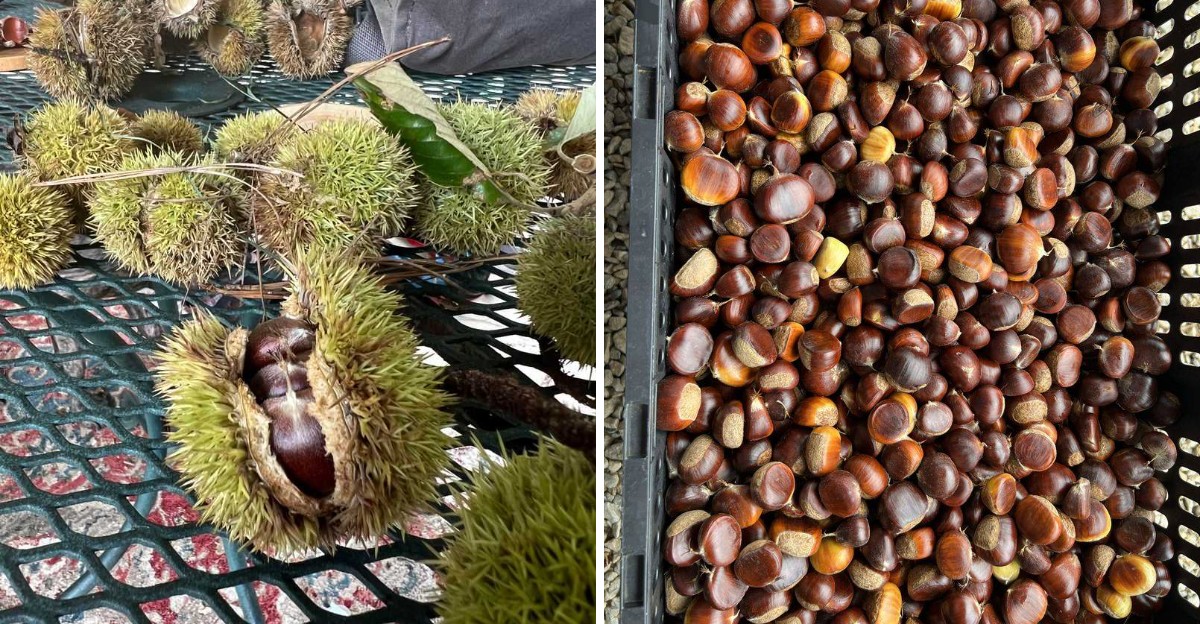
Chinese chestnut trees drop their spiny, prickly-hulled nuts in a relatively narrow window each fall, and squirrels, deer, and other wildlife are often watching that timing just as closely as any human forager.
Because these nuts fall to the ground rather than staying on the tree, gathering them promptly after they drop is essential, since a single overnight visit from hungry wildlife can clear out a surprising quantity in just a few hours.
Wearing gloves while collecting is practical necessity rather than caution, given how sharp the spiny outer hulls can be to bare hands.
Checking beneath trees daily during peak drop season, rather than waiting for a large accumulation, tends to yield far better results than infrequent collection trips.
For North Carolina growers hoping to actually taste their harvest, timing and persistence make all the difference against determined wildlife competition.
1. Know When Chestnuts Start Dropping
Every fall, a quiet race begins under North Carolina chestnut trees, and the squirrels usually know the start date better than we do. The moment the first nuts hit the ground, wildlife start making regular visits.
Gardeners who know the harvest window can get out there right away instead of finding an empty lawn.
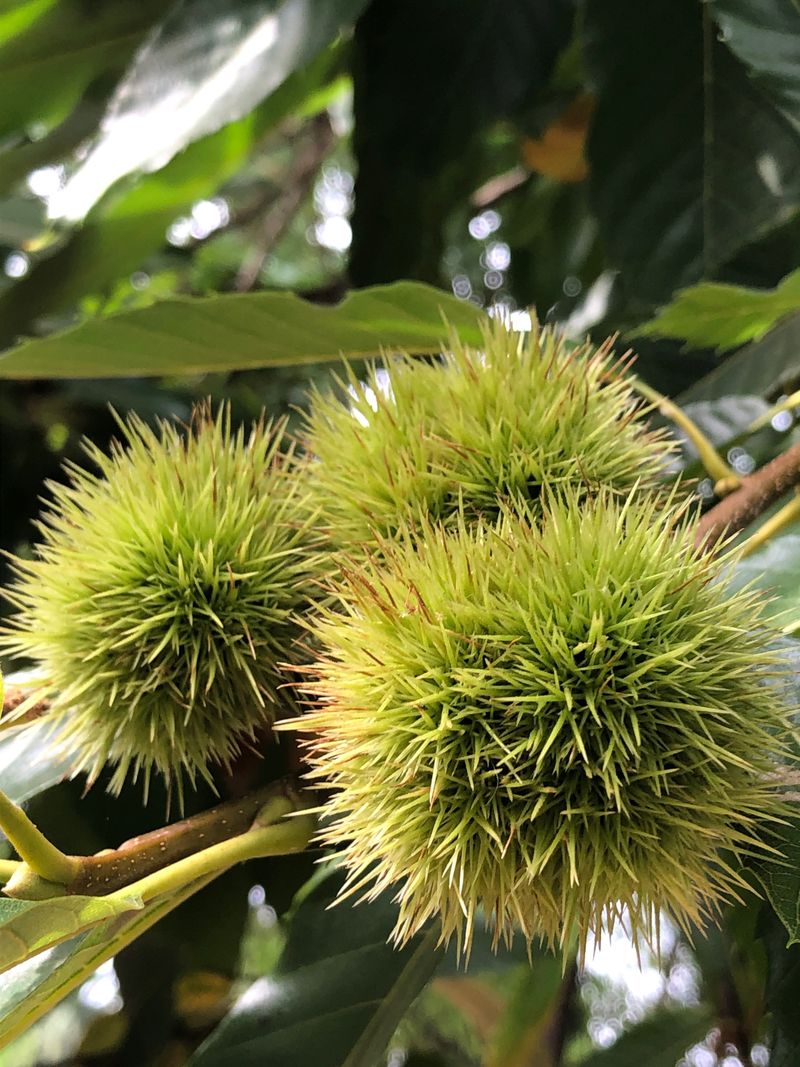
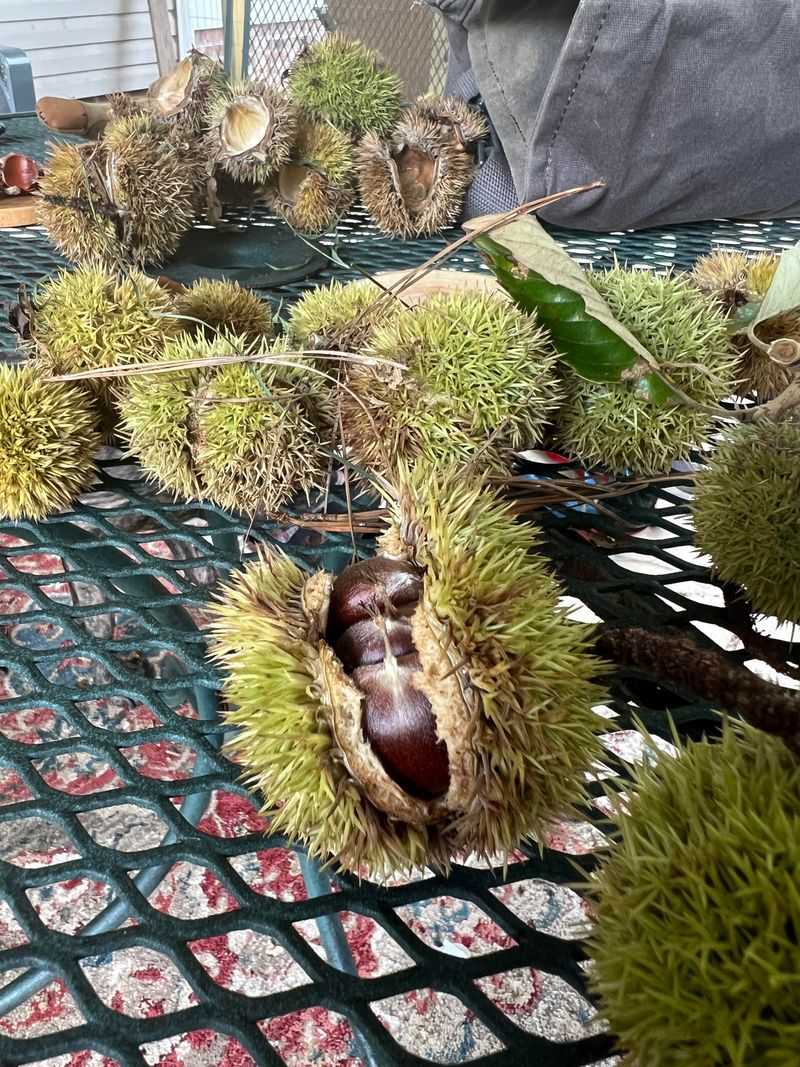
Chinese chestnuts, known to scientists as Castanea mollissima, ripen inside prickly green burs. As the nuts mature, the burs turn yellowish brown and split open, letting the shiny brown nuts fall free.
In the Piedmont and Coastal Plain, most trees drop their nuts from late August through September.
Mountain trees often run a little later, with many dropping well into October thanks to cooler nights and a shorter growing season. A single tree does not release everything at once.
Instead, it drops nuts over about two to four weeks as different burs open on their own schedule.
Mark your calendar a week or two before your tree usually starts. Walk under the branches and look up for burs that are starting to crack or change color. A few early nuts on the ground are your signal that the season has officially begun.
So why are these trees so common across the state? The American chestnut once filled Appalachian forests, but chestnut blight swept through in the early 1900s and ruined nearly all of those giants.
Chinese chestnuts resist the blight, which is why they became a favorite in home orchards from Asheville to Wilmington. Knowing your tree’s rhythm gives you a real head start each year.
2. Clear The Ground Before The First Drop
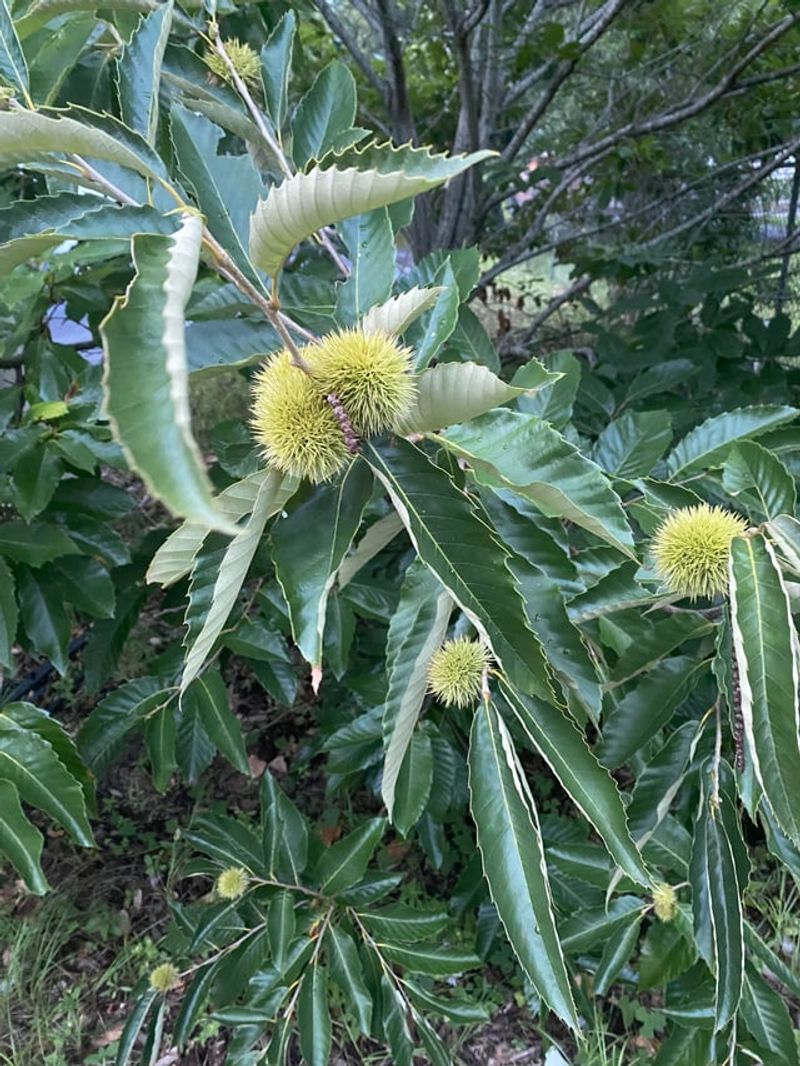
Trying to find brown chestnuts in tall grass is a bit like hunting for a lost earring in shag carpet. You can walk right past a dozen nuts and never see them. Squirrels and deer have no such trouble, because they find chestnuts by smell.
A little ground work before harvest season makes a huge difference. Mow the grass short under the entire canopy just before the first nuts are expected to fall. Short grass lets the nuts sit on top where your eyes can catch them quickly.
Your North Carolina Garden Changes Every Week. Your Plan Should Too.
Gardening in North Carolina changes quickly throughout the season. Every Friday you’ll receive a simple weekly plan showing exactly what to plant, prune, fertilize, harvest, and protect so you never miss the right timing.
Next, grab a sturdy rake and clear away last year’s old burs, fallen twigs, and leaf litter. Old burs look a lot like new ones, and they can hide fresh nuts or poke your hands while you search. A clean area also makes it easier to tell which burs just dropped.
If the ground under your tree is rough, rocky, or full of weeds, tarps are a smart shortcut. Spread them under the branches and pin the edges down with landscape staples or a few rocks.
Nuts land on a smooth surface, and you can scoop them up in minutes.
North Carolina adds a twist to this chore. Warm late summer weather keeps grass growing strong right up to harvest time, so a lawn mowed in early August may be tall again by September.
Plan on mowing more than once as the drop gets close. A quick trim during harvest keeps the space tidy and turns gathering into an easy job instead of a frustrating search.
3. Collect Fallen Nuts Every Day
Wildlife keeps a better schedule than most of us. Squirrels, deer, wild turkeys, raccoons, and other animals check chestnut trees at dawn, at dusk, and all through the night.
Nuts left on the ground for even a day or two are often gone or chewed up by the time you return.
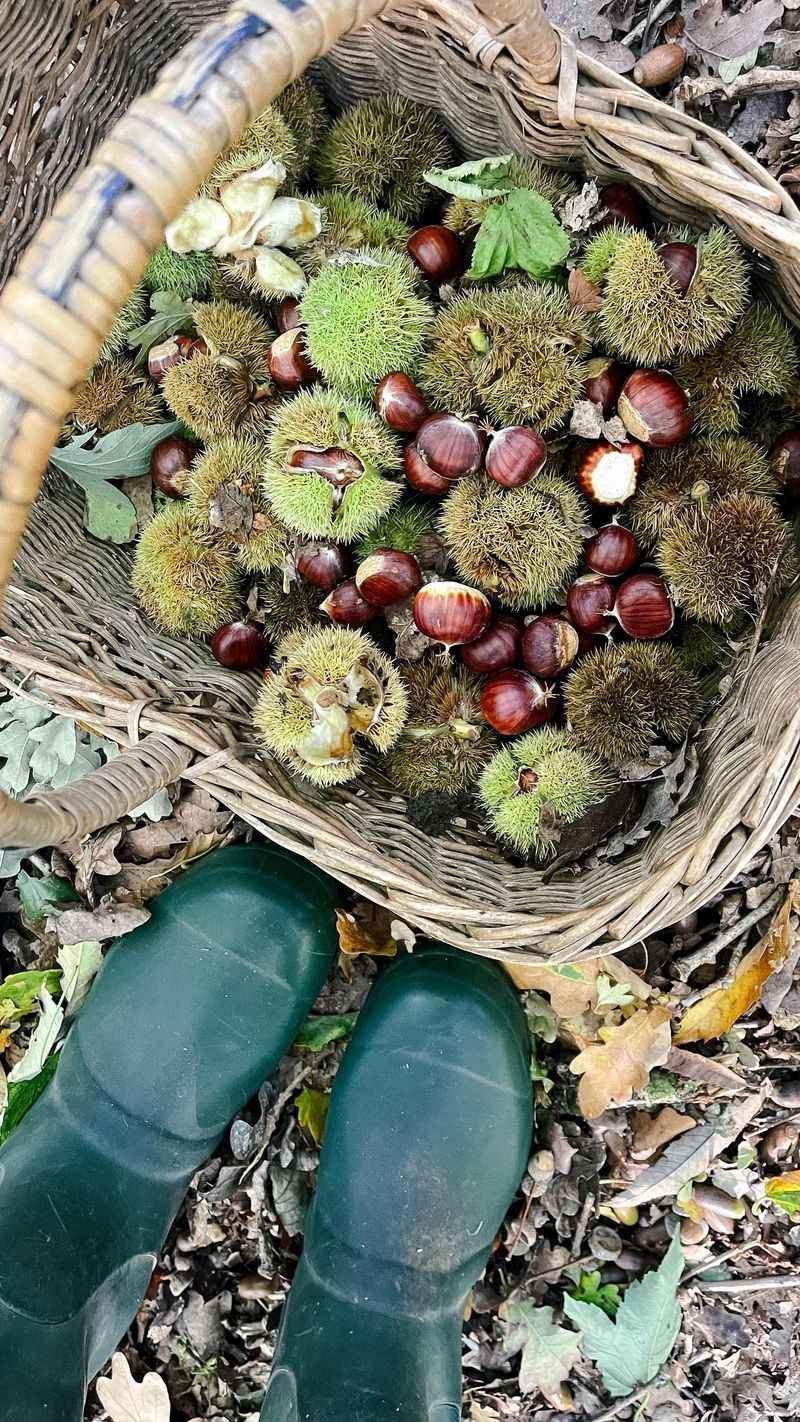
The fix is simple, though it takes some commitment. Head out every morning during the drop with a bucket and gather whatever fell overnight. Early collection beats the morning visitors and gets you the freshest nuts.
During peak fall, when burs are splitting open quickly, add a second trip in the evening. A quick sweep before dark means fewer nuts sit out overnight when deer and raccoons are most active.
Many growers find that two short visits beat one long one. Pick up every nut you see, not just the big, pretty ones.
Small or lopsided nuts might not seem worth the effort, but anything left behind acts like an invitation for animals to keep coming back. Once wildlife learns your tree is a reliable snack bar, they will visit even more often.
North Carolina has healthy wildlife numbers in both rural farmland and suburban neighborhoods. Fall is when these animals hunt for high-energy foods to prepare for colder months, and chestnuts are packed with carbohydrates.
Your tree may be one of the best food sources on the block. Turn the daily trip into a routine, like grabbing the mail. Kids often love helping, and a few minutes each morning adds up to a much bigger harvest by the end of the season.
4. Handle Spiny Burs Safely
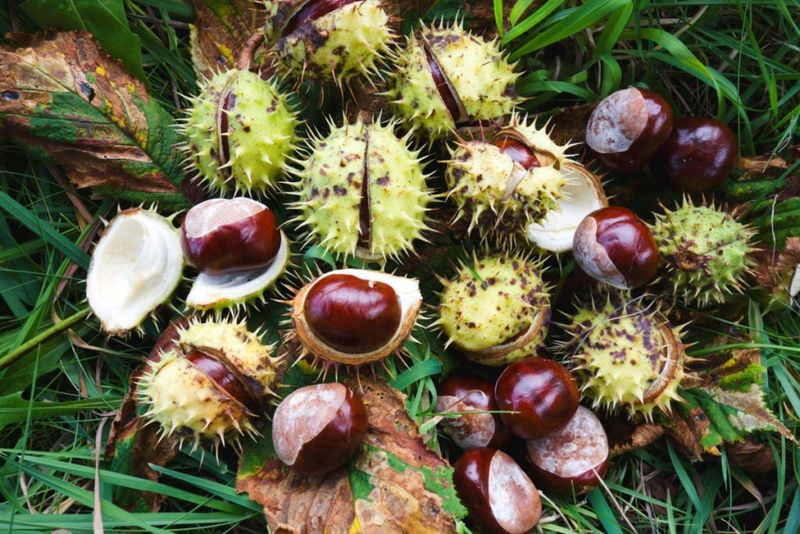
Anyone who has grabbed a chestnut bur bare-handed usually only does it once. Chestnuts grow inside round, spiny husks that look like small green sea urchins.
The spines are sharp enough to poke right through skin and even thin cloth gloves. Start with the right gear. Thick leather gloves are a must, and many growers also wear sturdy boots with firm soles.
Long pants help too, since burs roll around the ground and love to find ankles. Timing matters as much as protection.
Burs that are knocked down while still green and tightly closed hold nuts that are not fully developed, so they will not taste as sweet or store as well. Gather only nuts that have fallen free or come from burs that have already split open.
Some nuts stay tucked inside open burs after they land. Place your boot on the bur and roll it gently back and forth to push the nuts out. Too much pressure can crush the nuts, so go easy.
Tools save your back and your fingers. A long-handled nut roller, which is a wire cage on a pole, picks up nuts as you roll it across the ground.
Kitchen tongs also work well when you only need to grab a few nuts without bending over the spines.
North Carolina growers face plenty of burs each fall. Chinese chestnut burs are densely covered in spines, and a mature tree can drop hundreds of them in one season. Smart handling keeps harvest time fun instead of painful.
5. Keep Squirrels Off Isolated Trees
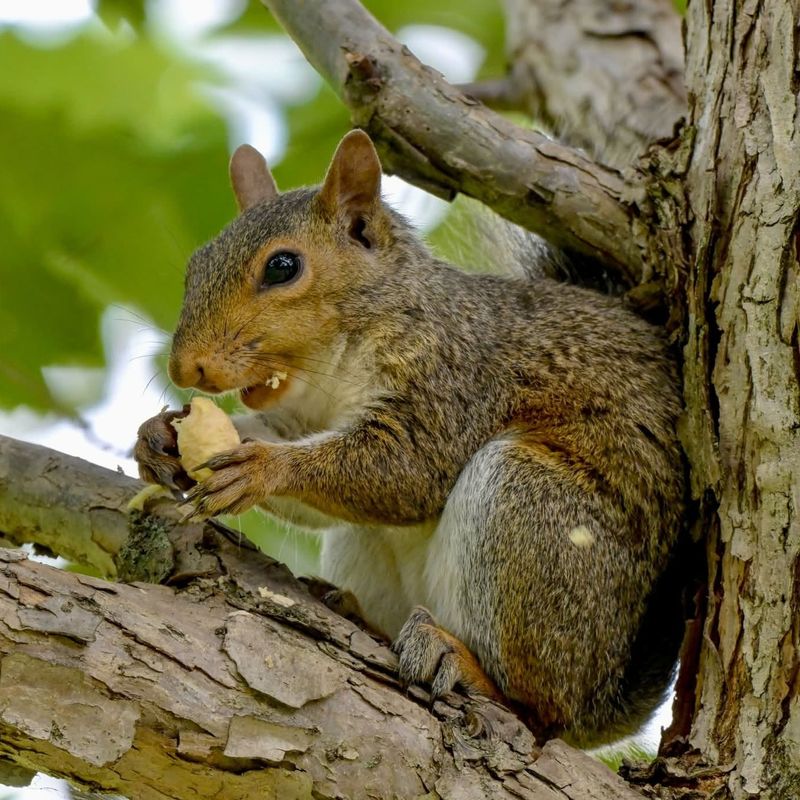
Gray squirrels do not wait politely for chestnuts to fall. They climb right up and cut burs from the branches, often before the nuts are fully ripe. For many backyard growers, these bushy-tailed bandits are the number one competition.
A trunk barrier can help a lot. Wrap a band of smooth sheet metal, about 2 feet wide, around the trunk a few feet off the ground. Squirrels cannot grip the slick surface, so they cannot climb past it.
Attach the band loosely with screws or wire so it does not cut into the bark as the tree grows. Aluminum flashing from a hardware store is easy to cut and holds up well outdoors.
There is one big catch. The barrier only works if squirrels cannot jump into the tree from somewhere else.
Gray squirrels can leap several feet, so nearby trees, fences, sheds, and rooftops all become launch pads.
Walk around your tree and look for those jump points. Trim back branches that reach toward other trees or buildings, leaving a gap of around 8 to 10 feet if possible. Every gap you create makes the metal band more effective.
Be realistic about trees near woodland edges. Branches from forest trees often tangle with the chestnut canopy, making them much harder to protect. In those spots, daily gathering matters even more.
North Carolina has gray squirrels almost everywhere, from wooded farms to busy suburbs. A lone tree in an open yard is your best candidate for a barrier, and the payoff can be a much fuller basket.
6. Protect The Harvest From Deer, Turkeys, And Bears
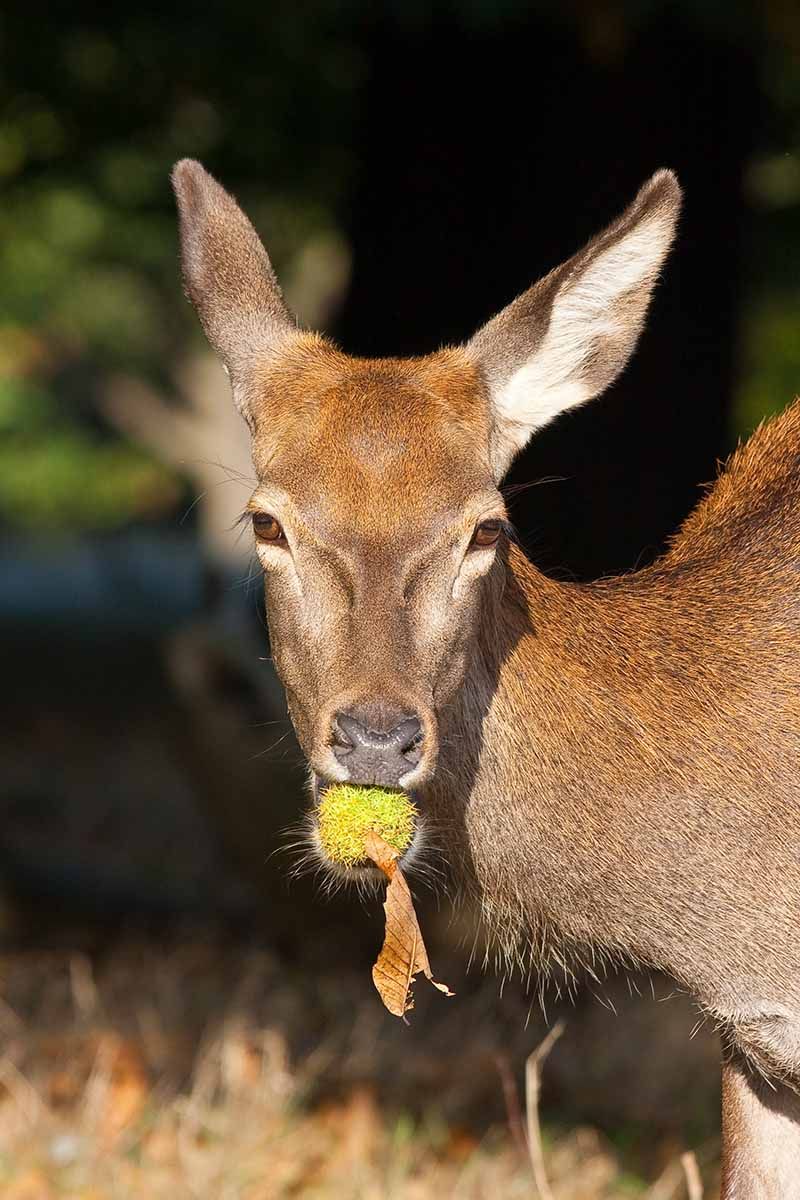
Squirrels get most of the blame, but bigger visitors love chestnuts just as much. Deer, wild turkeys, and black bears all feed heavily on fallen nuts in North Carolina. For these animals, a chestnut tree in fall is like a free buffet.
There is a good reason for their appetite. Chestnuts are rich in carbohydrates and energy, which helps wildlife build up fat reserves before winter arrives.
Unlike acorns, they are sweet and low in bitter tannins, so animals often choose them first.
Fencing is the strongest defense where deer pressure is high. Deer can jump surprisingly high, so most experts recommend deer fencing about 8 feet tall around small orchards. A shorter fence often just becomes a hurdle for a hungry buck.
Timing your harvest helps too. Deer and bears often feed overnight, so gather every nut you can find before dusk. Turkeys tend to forage during the day, which makes that morning pickup just as useful.
Never leave piles of gathered nuts or old burs sitting outside, even for a short time. A bucket on the porch can attract a curious bear, and that creates danger for your family and the bear. Bring your harvest indoors or into a secure building right away.
Location shapes the challenge. In North Carolina, black bears are most common in the Mountains and the eastern Coastal Plain, while deer and turkeys live in nearly every county.
A grower near the Great Smoky Mountains may worry about bears, while a Piedmont gardener mostly battles deer. Know your local visitors, and plan your defense around them.
7. Sort Out Weevil-Damaged Nuts
Did you know some chestnuts have a tiny tenant hiding inside? Chestnut weevils lay eggs in developing nuts while they are still on the tree.
The creamy white larvae feed on the nut, then chew their way out through small, round holes.
Sorting matters for two reasons. Damaged nuts spoil much faster than healthy ones, and they can spread mold to the rest of your stash.
Larvae that leave the nuts also drop into the soil, where they wait and return as adult weevils the next year.
Daily gathering helps break that cycle. When you collect nuts every day, larvae have less time to exit into the ground under your tree. Fewer larvae in the soil means fewer weevils next summer.
Next, look over each nut and toss any with holes. Then try a simple float test by pouring your nuts into a bucket of water. Set aside any that float, since they are often damaged by weevils or dried out.
For extra protection, many extension services suggest a hot water treatment. Soak the nuts in water held at 120°F for about 20 to 30 minutes to stop any larvae still inside.
A kitchen thermometer helps keep the temperature steady, and adding hot water slowly works well.
After soaking, dry the nuts on towels before storing them. Bag up any discarded nuts and throw them in the trash rather than tossing them on the ground, so larvae cannot escape into the soil.
Chestnut weevils are a common problem in North Carolina home orchards, so every grower benefits from a quick sort.
8. Store Chestnuts Right After Gathering
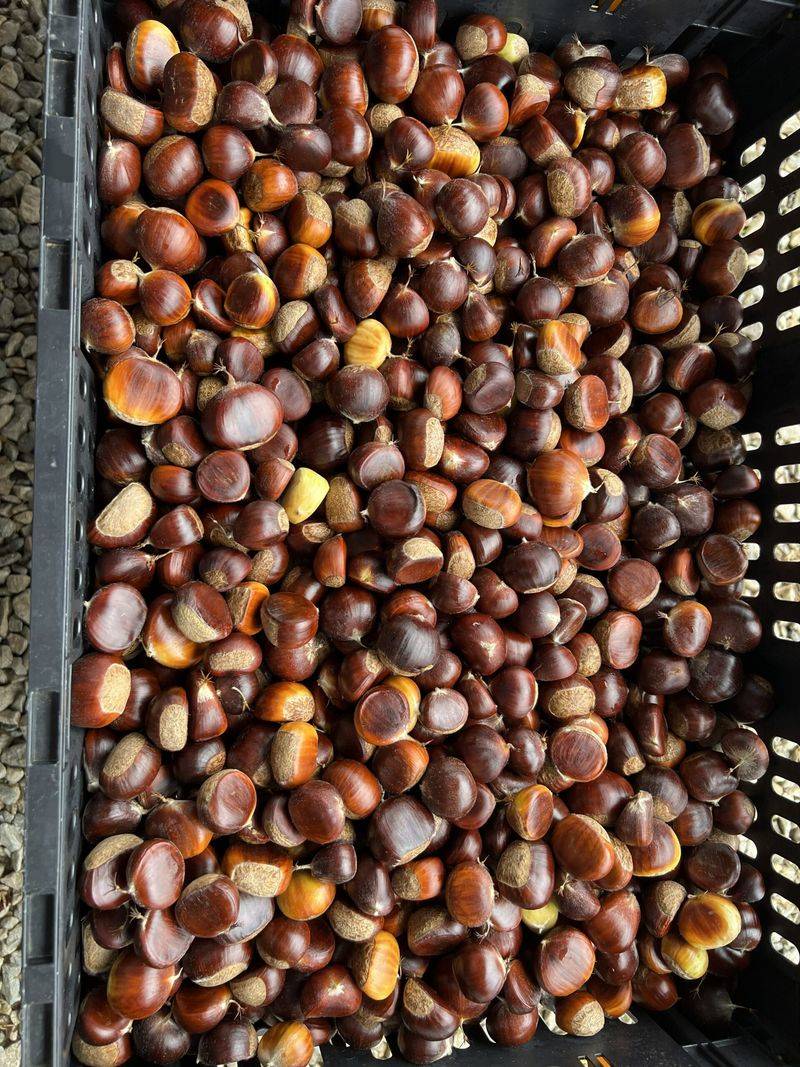
Here is a fact that surprises many new growers: chestnuts are not like other nuts. Walnuts and pecans are dry and shelf-stable, but fresh chestnuts are about half water, which makes them behave more like fresh fruit.
Left at room temperature, they spoil quickly. After weeks of racing squirrels and outsmarting deer, losing your harvest on the kitchen counter would be painful. Nuts left in a warm spot can dry out, turn rock hard, or grow mold within days.
Fast storage protects all your hard work. Some growers like to let chestnuts sit at room temperature for a few days first. During this short rest, some of the starch turns to sugar, giving the nuts a sweeter flavor.
Just keep this step brief and watch them closely. After that, move the nuts to the refrigerator. Aim for a temperature of around 32 to 40°F, which slows spoilage and keeps them fresh for weeks.
Store them in breathable bags or containers with small air holes so moisture does not build up.
Sealed plastic bags trap too much humidity, and that invites mold. Paper bags or plastic bags with a few holes poked in them work nicely. Check your stash every few days and remove any nuts that look fuzzy or smell sour.
North Carolina weather makes speed extra important. Warm September and October afternoons can push temperatures into the 80s, and freshly gathered nuts break down fast in that heat.
Get them indoors and cooled soon after each harvest. Enjoy them roasted, boiled, or tossed into holiday stuffing.