Before Virginia’s Cold Nights Arrive, Give Your Potted Geraniums This Check
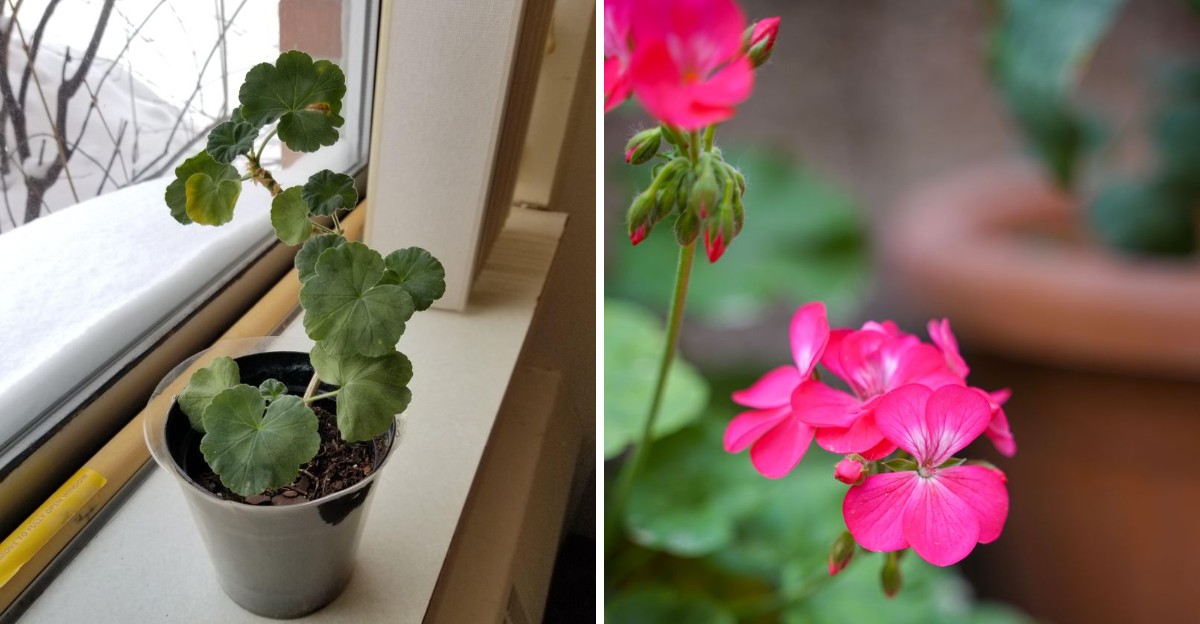
Those potted geraniums brightening your steps all summer have no defense against a hard frost. One cold night can turn cheerful red blooms into mushy, blackened stems.
Fall in Virginia often sneaks in quietly, then drops the temperature fast after sunset. The good news is that geraniums settle indoors happily and bloom again next spring.
A quick look at the leaves, soil, and stems now tells you which plants are worth saving. Healthy geraniums can return year after year, sparing you a trip to the garden center.
1. Move Containers Indoors Before Temperatures Become Damaging
Picture this: a crisp October morning in Virginia, and your once-bright geraniums are limp and dark from a surprise frost overnight. It happens to plenty of gardeners every year, and it usually could have been avoided.
Timing is everything when it comes to saving these cheerful plants.
Most potted geraniums sold in garden centers are actually pelargoniums, which are tender plants from South Africa. They simply cannot handle a hard freeze.
If temperatures drop below 28 degrees Fahrenheit for a few hours, the damage can be permanent.
Trouble starts even before frost shows up. Geraniums slow their growth once temperatures dip below about 50 to 55 degrees, and growth can stop completely near 41 degrees.
That means chilly fall nights can stress your plants well before the first frost warning hits the news.
In much of the state, the first frost arrives anywhere from mid-October in the mountains to mid-November near the coast. A smart plan is to start watching the forecast in late September.
Once nighttime lows begin sliding into the 40s, it is time to get moving.
Bringing pots inside before frost gives your plants time to adjust to lower indoor light and drier air. A gradual move is much easier on them than a sudden rescue on a freezing night.
You can start by bringing them in overnight and setting them back out on warm afternoons for a few days.
Keep a plant dolly handy for heavy containers, and your back will thank you.
2. Inspect Leaves, Stems, And Soil For Insects Before Bringing Plants Inside
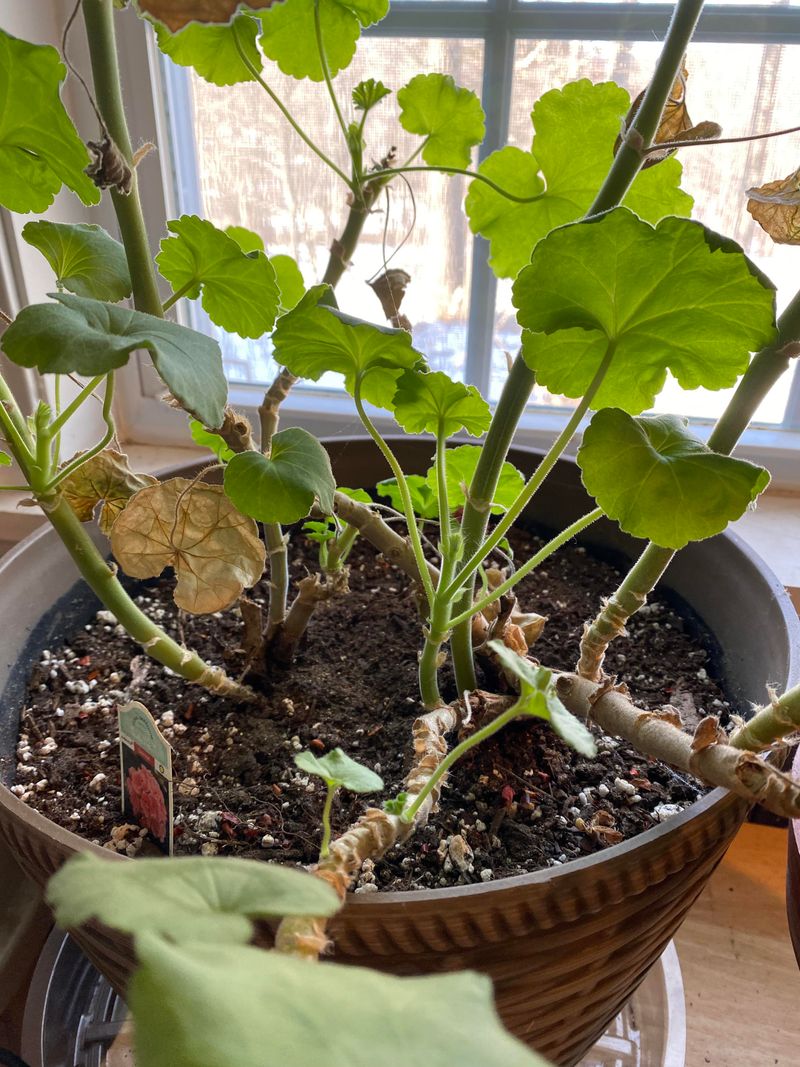
Think of yourself as a border guard for your living room. Every plant coming inside needs a careful inspection, because one tiny stowaway can turn into hundreds of bugs by January.
Aphids, spider mites, and whiteflies love the warm, calm air indoors even more than you do.
Start at the top and work your way down. Flip leaves over and look at the undersides, since that is where many pests like to hide and lay eggs.
Check the stems, the spots where leaves join the stems, and the little leaf stalks too.
Next, look at the soil surface and peek around the drainage holes under the pot. A magnifying glass or hand lens makes this job much easier.
Some pests are so small that they look like specks of dust until you get a closer view.
Found a few invaders? Spray the leaves and soil with insecticidal soap, neem oil, or horticultural oil.
Your Virginia Garden Changes Every Week. Your Plan Should Too.
Gardening in Virginia changes quickly throughout the season. Every Friday you’ll receive a simple weekly plan showing exactly what to plant, prune, fertilize, harvest, and protect so you never miss the right timing.
Some gardeners also rinse leaves with lukewarm water or dip the plant in a bucket of water mixed with a little mild dish soap.
After treatment, keep the geraniums away from your other houseplants for a few weeks. Think of it as a short quarantine.
If no new bugs show up, your plants can safely join the rest of the indoor crowd.
Here is a fun fact to keep you motivated: a single female aphid can give birth to live young without mating, so a small group can explode in number quickly. Catching them early saves you a lot of headaches later.
3. Remove Lifeless Growth To Make The Plant Easier To Manage Indoors
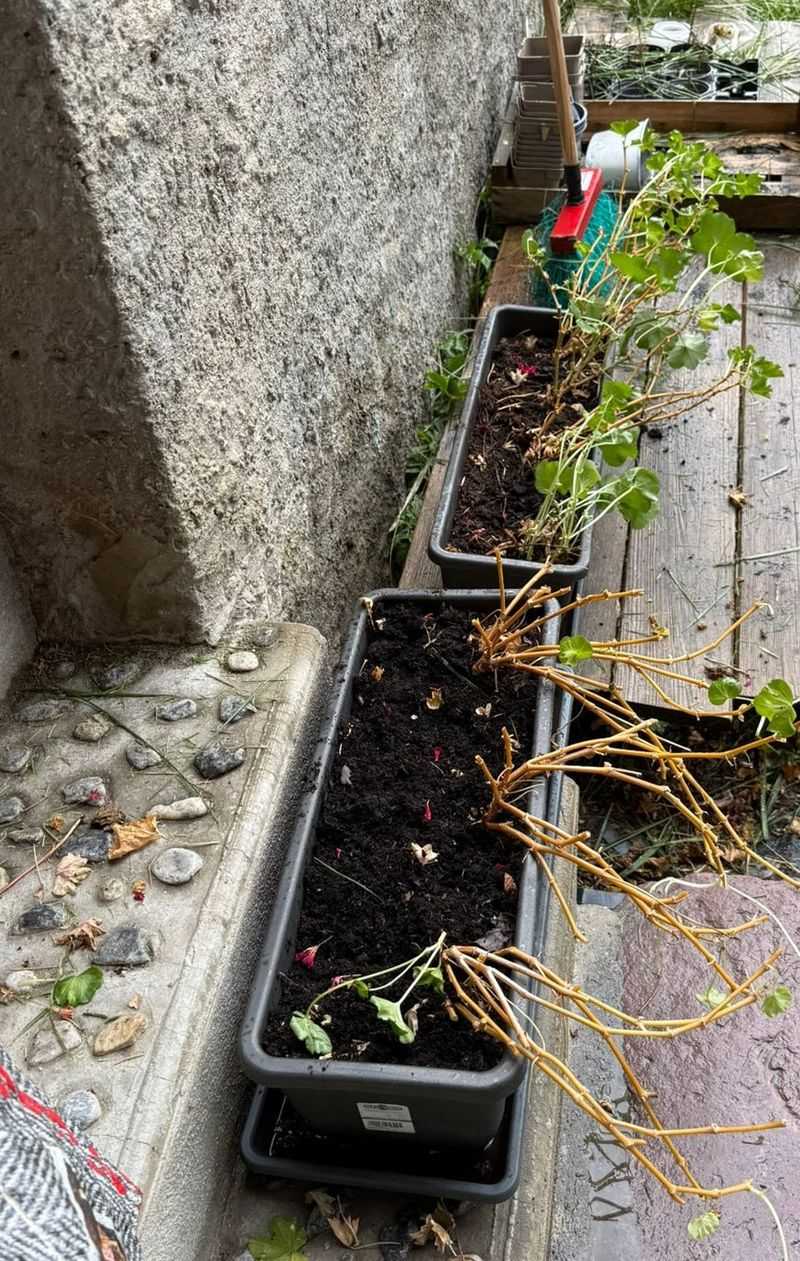
Every plant deserves a good haircut before a long winter indoors. By the end of summer, most potted geraniums look a little wild, with leggy stems, faded flowers, and a few crispy leaves.
A quick trim turns that tangled mess into a neat plant that fits nicely on a windowsill.
Begin by pulling off anything lifeless, shriveled, moldy, or yellow. Spent blooms should go too, along with any leaves that show spots or signs of disease.
Old plant material can hold fungus spores, and you do not want those spreading inside your home.
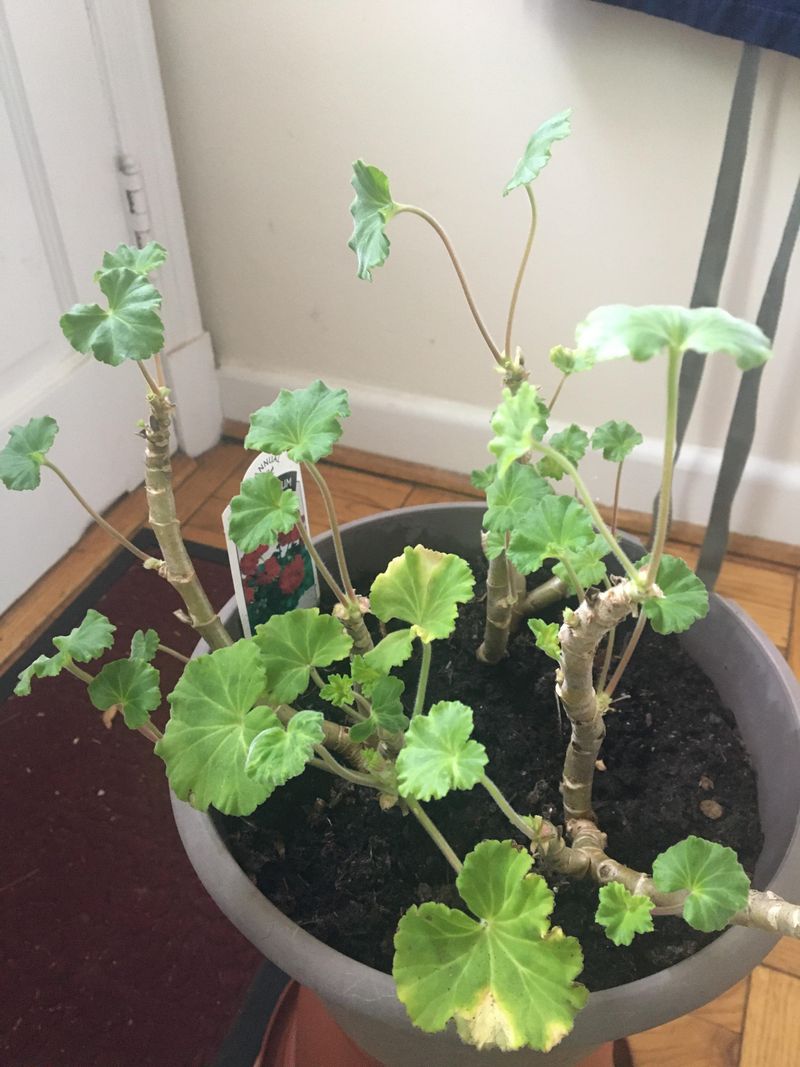
Once the cleanup is done, grab clean, sharp pruners and cut the plant back by one-third to one-half of its height. Make each cut just above a leaf joint, which is the little bump where new growth will sprout.
It may feel harsh, but geraniums bounce back surprisingly well.
Pruning offers several rewards at once. A smaller plant needs less water and fewer nutrients while growth slows in winter.
It also lets more air move through the stems and encourages bushier, fuller growth later.
Wipe your pruner blades with rubbing alcohol between plants. That simple habit keeps diseases from hopping from one pot to the next.
Did you know those healthy trimmings do not have to go in the trash? Many gardeners dip cut ends in rooting hormone and poke them into small pots of moist potting mix.
In a few weeks, you could have brand-new baby geraniums to share with friends or tuck into spring containers.
4. A Bright Window Helps Geraniums Maintain Healthy Growth Through Winter
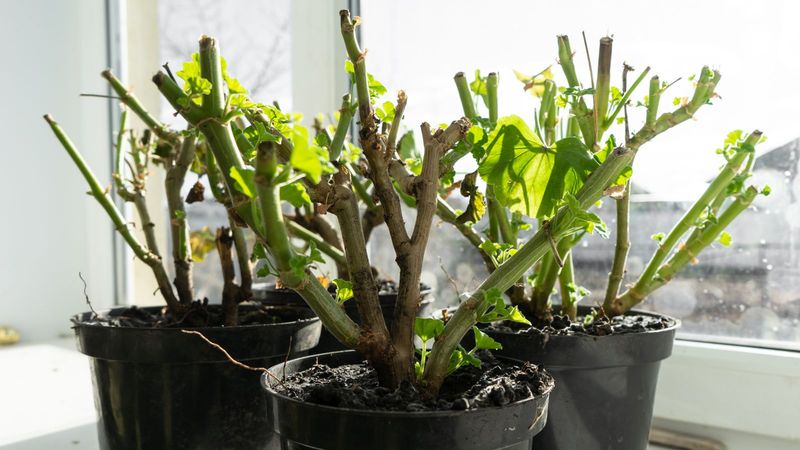
Geraniums are sun lovers at heart. Out on the porch, they soaked up long summer days, and they still crave that brightness after moving inside.
Without enough light, they get pale, stretchy, and stop blooming.
For the best results, aim for six to eight hours of direct sunlight each day. A south-facing window is usually the top choice, with a west-facing window coming in second.
East windows can work in a pinch, but north windows rarely provide enough light during short winter days.
Turn the pots a quarter turn every week or so. Otherwise, the stems will lean hard toward the glass, and the plant will look lopsided.
It is a tiny chore that keeps your geraniums balanced and full.
Short on sunny windows? A grow light can fill the gap nicely.
One tried-and-true method uses a 40-watt daylight fluorescent bulb hung about 12 inches above the plants for around 16 hours a day, though modern LED grow lights work well too and use less electricity.
Temperature matters as much as light. Geraniums are happiest at 65 to 70 degrees during the day and around 55 degrees at night.
That slight nighttime cool-down actually helps them stay sturdy and may even encourage a few winter flowers.
Keep pots away from heat vents, radiators, and fireplaces, since hot, dry air can scorch leaves. Also watch for icy drafts from leaky windows on frigid nights.
If the leaves touch cold glass, slide the pot back a few inches so nothing gets frostbitten.
5. Indoor Watering Should Be Lighter Than During The Outdoor Growing Season
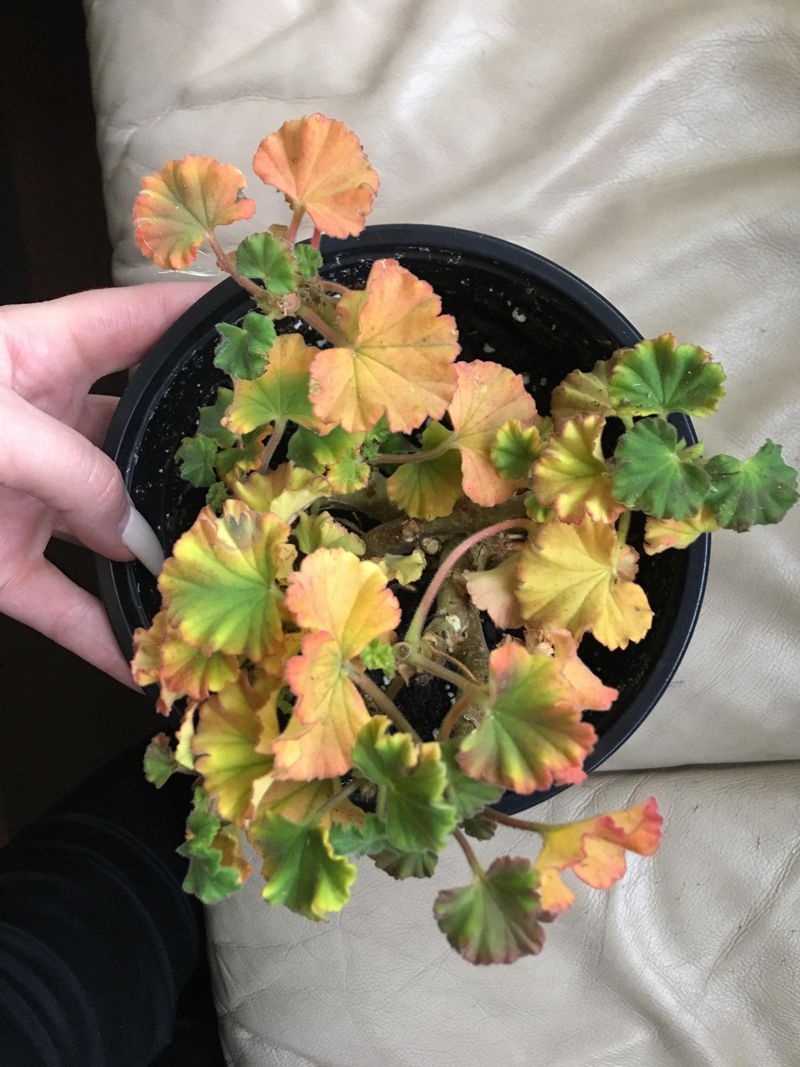
Here is a surprising truth: more geraniums struggle from too much water indoors than from too little. During summer, hot sun and breezy days dried out their pots fast, so frequent watering made sense.
Inside a cozy house in December, the story changes completely.
Once growth slows, the roots drink far less. If you keep watering on your old summer schedule, the soil stays soggy and the roots can start to rot.
Yellowing leaves and droopy, wilting blossoms are often the first warning signs.
The finger test is your best friend here. Push a finger into the soil about an inch deep.
If it feels dry, go ahead and water; if it feels damp, wait a few more days and check again.
When you do water, pour slowly at the base of the plant rather than over the leaves. Wet foliage in a cool room can invite fungus and leaf spots.
Let the extra water drain out the bottom, and empty the saucer so the pot is not sitting in a puddle.
Many people find that watering every one to two weeks works well in winter, but every home is different. A sunny, warm room will dry soil faster than a cool, shady one.
Let the soil guide you, not the calendar.
Lifting the pot can help too. A freshly watered container feels heavy, while a dry one feels noticeably lighter.
After a few weeks of practice, you will be able to tell when your geranium is thirsty just by picking it up.
6. Good Air Circulation Helps Prevent Problems In An Indoor Setting
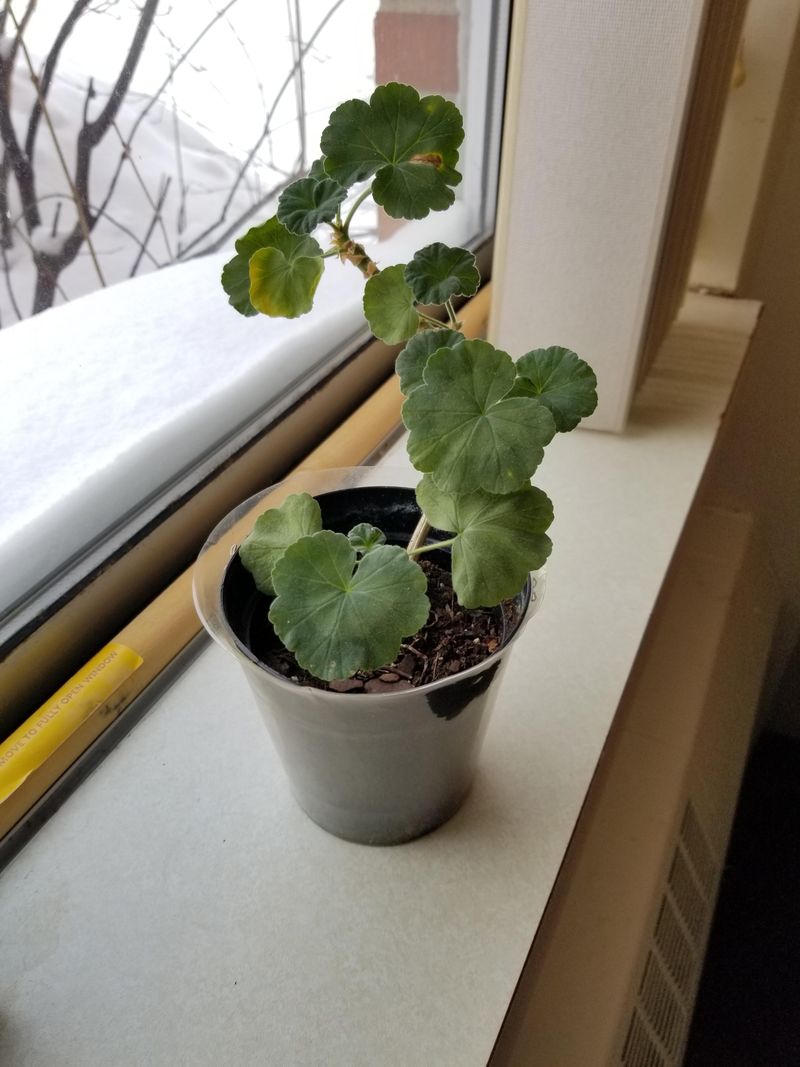
Stuffy rooms are great for napping but terrible for geraniums. When air sits still around damp leaves, mold and mildew get the perfect chance to settle in.
Gray, fuzzy patches on leaves or stems are a clear sign the plant needs more breathing room.
One of the easiest fixes is spacing. It is tempting to squeeze every pot onto one sunny windowsill, but crowded plants trap moisture between their leaves.
Leave a few inches between containers so air can flow freely around each one.
A small fan on a low setting can make a big difference, especially in a closed-up room. Point it near the plants, not directly at them, and let it run for a few hours a day.
The gentle movement also helps stems grow a bit stronger.
Cracking a door or opening a window briefly on a mild winter afternoon can freshen the air too. Virginia often gets a few surprisingly warm days in January and February, so take advantage of them.
Just close things up before the evening chill returns.
Some gardeners store geraniums in a dormant state instead of keeping them growing. If you try the old-fashioned method of hanging bare-root plants in paper bags or tucking them into boxes, keep the bags open or poke holes in the boxes.
Without airflow, those sleeping plants can turn moldy fast.
Keep an eye on fallen leaves and petals as well. Tidying them up every week or so removes a common hiding spot for fungus and keeps your indoor garden looking sharp.
7. Fertilizing Can Be Reduced While Winter Growth Slows
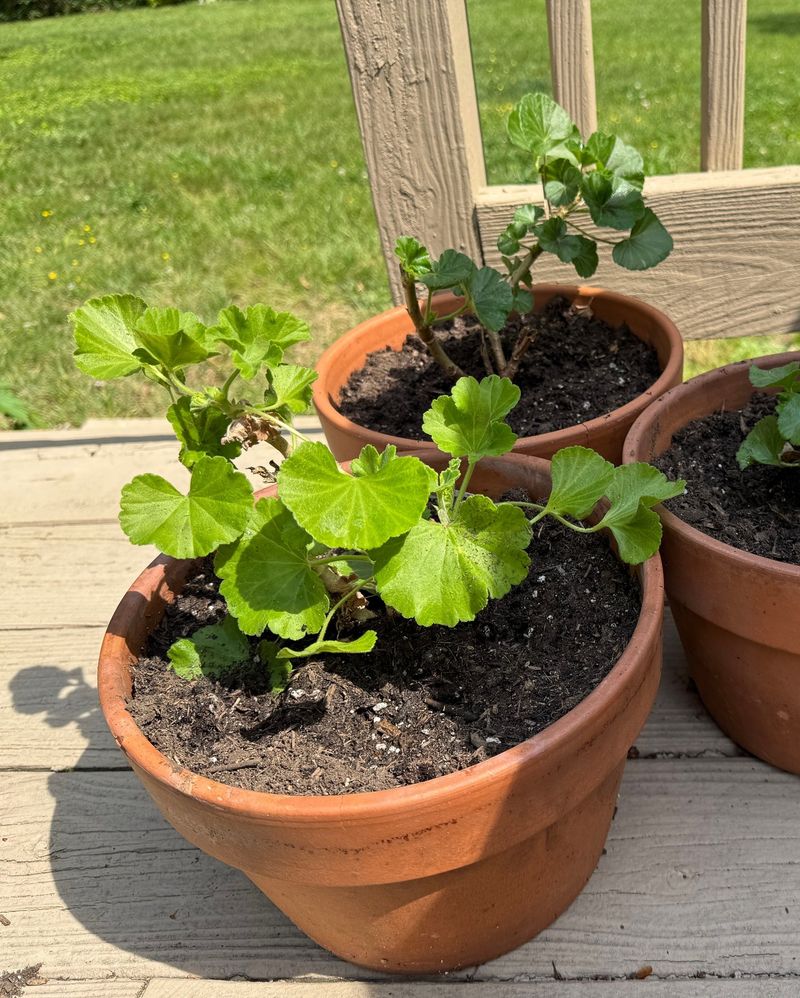
Imagine someone handing you a giant dinner right as you are getting ready for bed. That is sort of what heavy fertilizing feels like to a geranium in winter.
With shorter days and cooler temperatures, the plant is resting, and it simply does not need much food.
Too much fertilizer during this slow season can cause problems. Unused salts can build up in the soil and burn tender roots.
It can also push weak, floppy growth that stretches toward the window without much strength.
So how much should you feed? Gardeners have different opinions.
Some skip fertilizer completely until spring, especially if their plants are mostly dormant.
If your geranium is still putting out new leaves and a few blooms in a bright window, a light snack is fine. Use a balanced liquid fertilizer mixed at half strength, and apply it about once a month.
Always water first so the roots are not dry when the fertilizer hits them.
Watch for white crust on the soil or around the pot rim. That buildup is a sign of extra salts, and it can be flushed out by slowly running plain water through the pot until it drains freely.
As spring approaches, things start waking up. In late March or early April, when fresh green growth appears, you can return to a regular feeding schedule.
A balanced or high-phosphorus fertilizer will help fuel a strong burst of flowers once the plants head back outside.
Think of it like breakfast after a long night’s sleep.
8. Frost-Damaged Stems Should Be Removed Once The Damage Becomes Clear
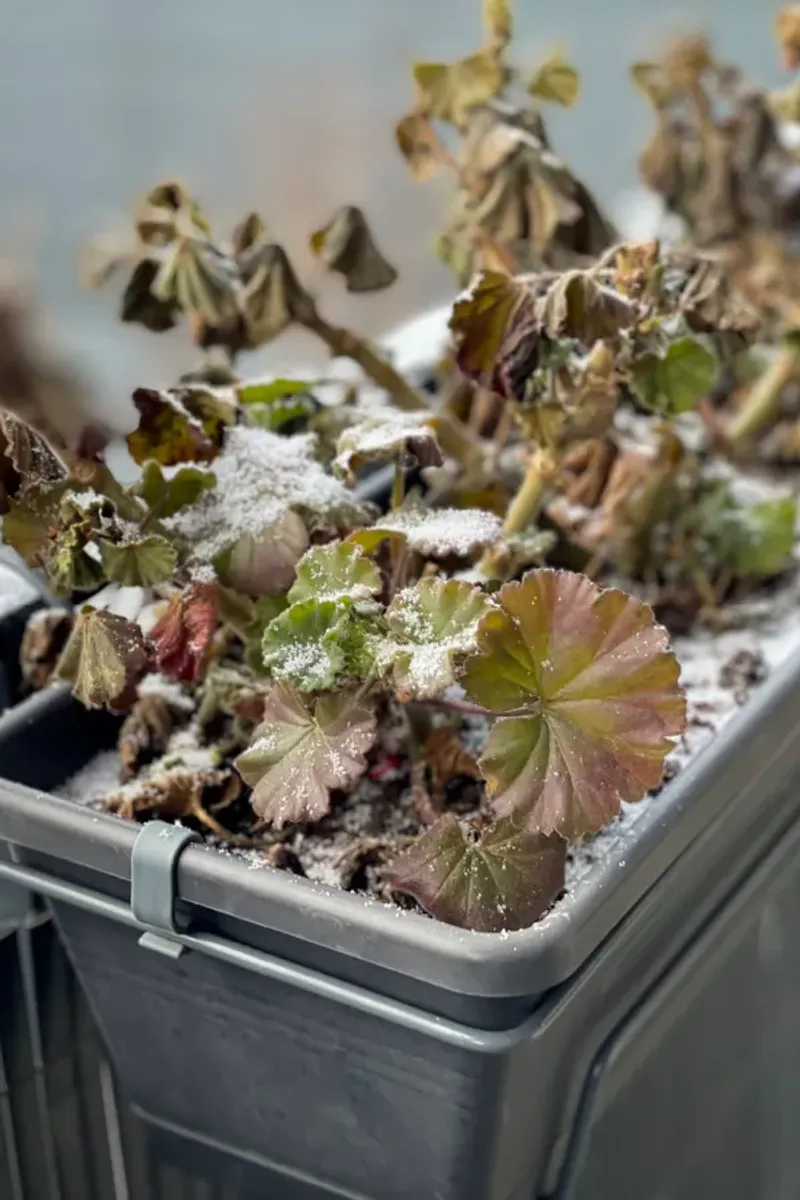
So the weather service missed the mark, and a sneaky frost hit before you brought your pots inside. Take a deep breath, because all is not lost.
Geraniums are tougher than they look, and many recover from a light frost with a little patience.
Frost damage often does not show up right away. The next morning, leaves may look fine or just slightly droopy.
Over a few days, damaged areas turn dark, mushy, or water-soaked, and later they dry out and become brown and crispy.
Resist the urge to start snipping immediately. Wait until the damage becomes clear, usually within several days, so you can tell exactly which parts are hurt.
Cutting too early might remove stems that would have survived just fine.
Once you can see the difference, remove damaged leaves first. Then check each stem by gently scratching the surface with your fingernail.
Healthy stems show green underneath, while lifeless ones look brown or feel soft and hollow.
Trim each damaged stem back to where firm, green growth begins. Use clean, sharp pruners and make your cuts just above a leaf joint.
That gives the plant the best chance to push out new shoots.
If the main stems and roots are still healthy, the plant usually bounces back. Move it into a bright spot indoors and water lightly while it heals.
Hold off on fertilizer until you spot fresh leaves forming.
Within a few weeks, those small green buds are a happy reminder that second chances do happen in the garden.
9. Gradually Acclimate Plants Before Returning Them Outdoors In Spring
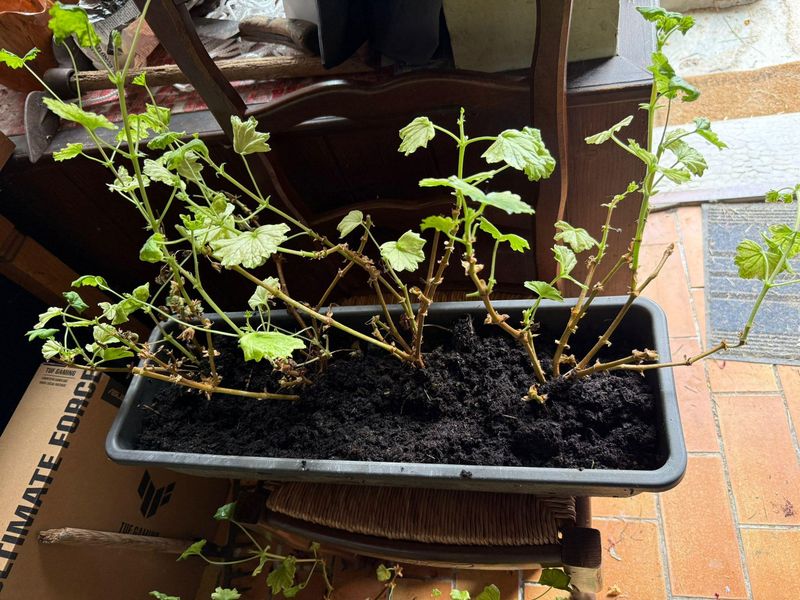
After months of watching snow and cold rain through the window, spring in Virginia feels like a celebration. Your geraniums are probably just as eager to get back outside.
Still, rushing them straight into full sun can do more harm than good.
Plants that spent winter indoors are used to softer light, calm air, and steady temperatures. Direct sun can scorch their leaves, and gusty winds can snap tender stems.
The answer is a slow, steady process called hardening off.
First, wait until all danger of frost has passed. A good rule of thumb is to move pots outside when nighttime temperatures stay in the mid-40s or warmer.
In most of the state, that happens sometime between mid-April and early May, with mountain areas running a bit later.
Start by setting your geraniums in a shady, sheltered spot for several days to a week. Next, shift them to an area with dappled shade, where they get some filtered sunlight.
Over another week or two, move them step by step toward their full-sun summer home.
Keep watching the forecast during this time. Virginia springs love to throw in a surprise cold snap.
If freezing temperatures are predicted, bring the pots back indoors for the night.
Once your plants are settled outdoors, give them a fresh start with new potting mix and a regular feeding routine. Watering will increase as the days warm up.
Soon those familiar red, pink, and white blooms will be brightening your porch again, proof that your fall check paid off.