Common Mistakes Michigan Gardeners Make When Wrapping Up The Vegetable Garden
Closing out a vegetable garden feels like a simple end-of-season task, but a handful of common missteps can quietly set next year’s garden up for problems before winter even arrives.
Leaving diseased plant debris in place rather than removing it lets pathogens overwinter comfortably in the soil, ready to reinfect whatever gets planted in the same spot come spring.
Pulling everything too early, before plants have finished contributing organic matter or before frost has actually arrived, can waste weeks of potential growing time that Michigan’s short season doesn’t easily forgive.
Skipping a final soil test or cover crop planting also means missing one of the easiest windows all year to actually improve growing conditions rather than just maintain them.
A little extra care during garden cleanup can mean starting next spring from a genuine advantage instead of repeating the same avoidable setbacks.
1. Waiting Too Long To Harvest Tender Crops
One chilly September night can undo months of hard work. Michigan gardeners know the feeling of stepping outside to find tomato leaves gone black and limp, with peppers turning soft and mushy on the vine.
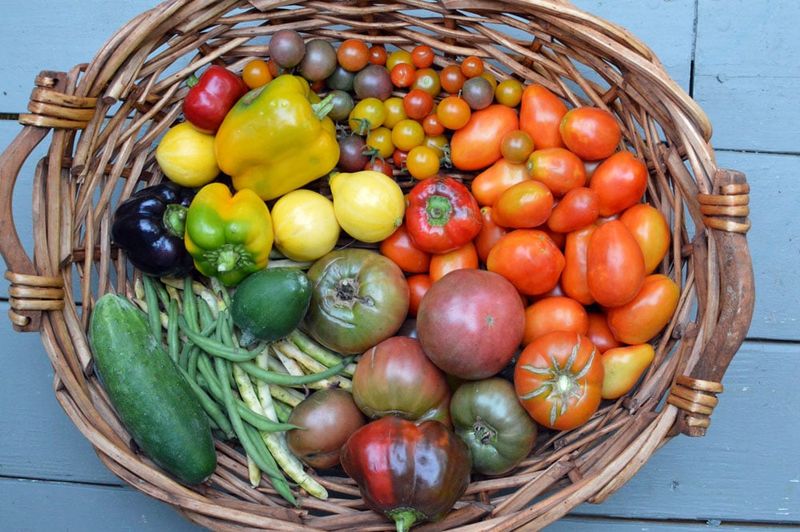
Tender crops like tomatoes, peppers, eggplant, basil, beans, and winter squash simply cannot handle frost.
Waiting too long is one of the most common end-of-season slipups in the state. Many of us hope for just one more warm week so the last green tomatoes can ripen.
The trouble is that a single cold night can damage both fruit and leaves, and frost-damaged winter squash often rots in storage instead of lasting into winter.
Start watching the forecast closely once September arrives. When temperatures near freezing show up in the extended outlook, harvest all ripe and mature fruit right away.
Pick winter squash when the rind is hard enough that your fingernail barely dents it, and leave a few inches of stem attached to help keep out rot.
Butternut and hubbard squash also benefit from curing. Set them in a warm spot, around 80 degrees if possible, for about 10 to 14 days to toughen the skin before moving them to cool storage.
Basil is even fussier and can darken on nights in the 40s, so snip it early. Timing depends a lot on where you live.
The Upper Peninsula and northern Lower Peninsula often see frost by mid to late September, while southern Michigan usually waits until early to mid October.
Gardens near the Lake Michigan shoreline often enjoy extra weeks, since the big lake holds summer warmth and keeps nearby nights milder.
2. Pulling Cold Hardy Crops Too Early
Seasoned growers share a little secret: the first frost is not the finish line. Plenty of gardeners see frosty grass one morning and rush to clear out every bed. In doing so, they yank out crops that still have weeks of good eating left.
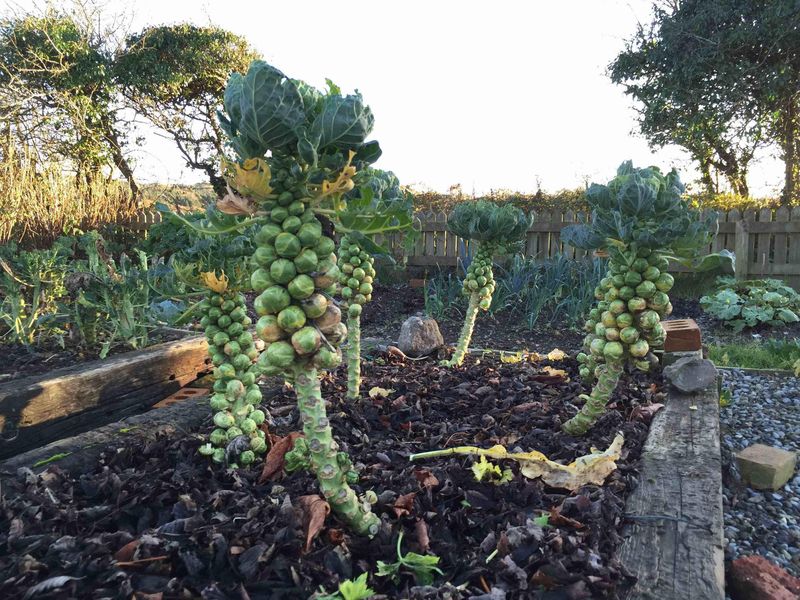
Kale, collards, Brussels sprouts, cabbage, leeks, carrots, and parsnips all shrug off light frost. Some of them actually get better with a chill.
When temperatures drop, carrots, parsnips, kale, and Brussels sprouts convert stored starches into sugars, which acts like a natural antifreeze and gives them a noticeably sweeter flavor.
Your Michigan Garden Changes Every Week. Your Plan Should Too.
Gardening in Michigan changes quickly throughout the season. Every Friday you’ll receive a simple weekly plan showing exactly what to plant, prune, fertilize, harvest, and protect so you never miss the right timing.
Many old-time farmers swore that parsnips were not worth eating until after a hard frost. A frosty parsnip can taste almost like candy compared to one pulled in August.
So leave these hardy crops right where they are through late fall. Harvest what you need for dinner, and let the rest keep growing in the cool air.
Cabbage heads and Brussels sprouts hold nicely on the plant, and kale leaves can be picked a few at a time from the bottom up.
Carrots and parsnips need a little extra help as the weather turns colder. Pile a thick layer of straw or shredded leaves, around 8 to 12 inches deep, over the rows.
The blanket keeps the soil from freezing solid so you can keep digging roots even after other beds go quiet.
Michigan’s crisp fall weather is ideal for these tough veggies. In the southern Lower Peninsula, some of them can be harvested well into November, and a lucky few gardeners pull fresh kale in December.
3. Leaving Diseased Plants In The Garden
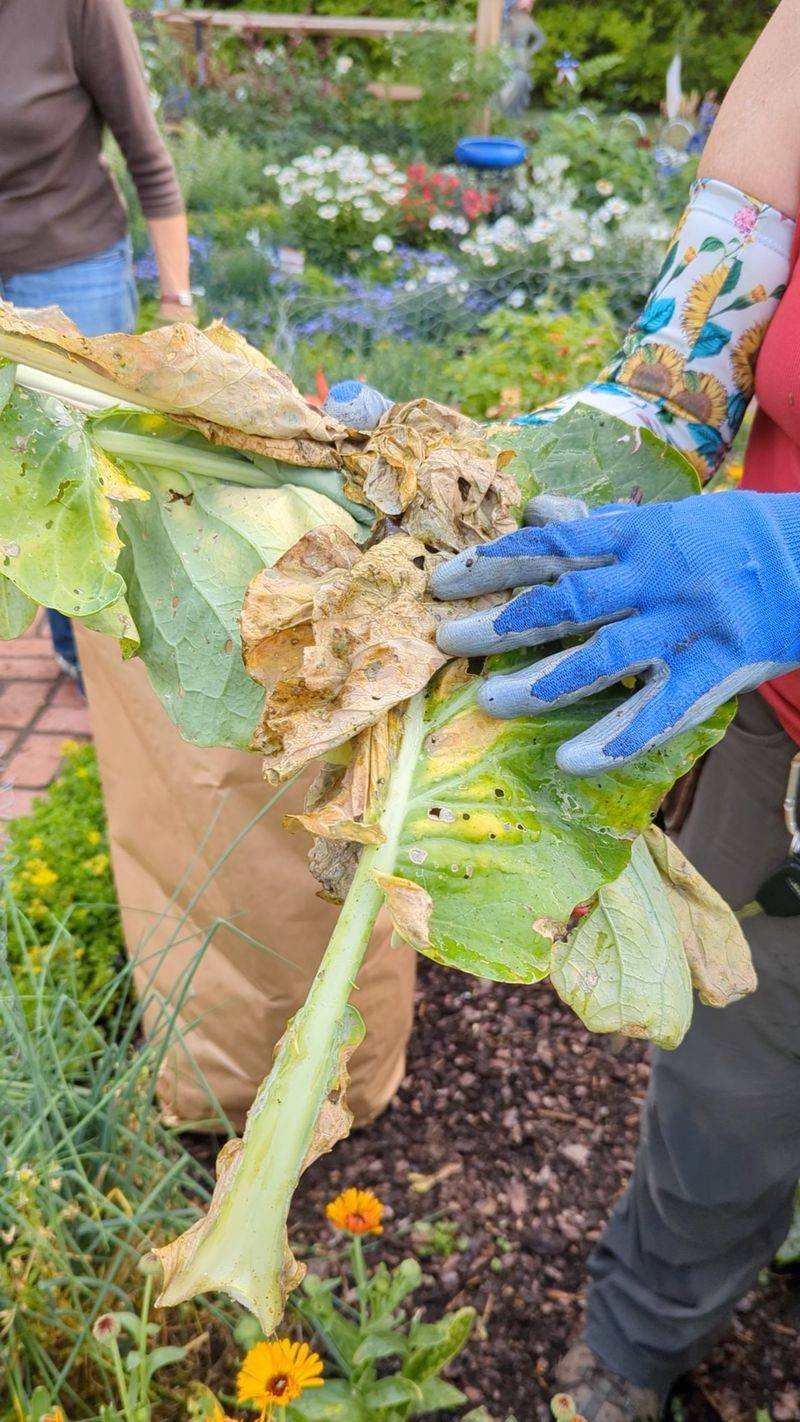
Ever notice the same spotted, yellowing tomato leaves showing up summer after summer? The problem may not be bad luck at all.
Diseased tomato, potato, squash, and cucumber plants left in the garden over winter often carry trouble right into next year.
Fungal diseases like early blight and septoria leaf spot survive on old plant debris. Those brown, crinkly leaves lying on the soil can hold spores that wait patiently for spring rain to splash them onto fresh seedlings.
Potatoes bring their own risk, since tubers left in the ground can carry late blight to next season’s plants.
Late blight has a famous history. It was behind the Irish Potato Famine in the 1840s, and it still shows up in gardens and farms during wet years.
A thorough cleanup is your best defense. After harvest, pull out diseased vines, leaves, and any fallen fruit rotting on the ground.
Dig carefully through potato beds and remove every leftover spud, even the tiny ones. Bag infected material and send it out with the trash, rather than leaving it in a corner of the yard. Next year, rotate tomatoes, potatoes, and peppers to a different bed.
All three belong to the same plant family and share many of the same diseases, so moving them around breaks the cycle. Michigan summers are often warm and humid, which is exactly what these diseases love.
Many people assume our frigid winters wipe the slate clean, but cold alone does not reliably eliminate disease from plant debris. A little fall effort now saves a lot of spotted leaves later.
4. Composting Diseased Plants And Weed Seeds
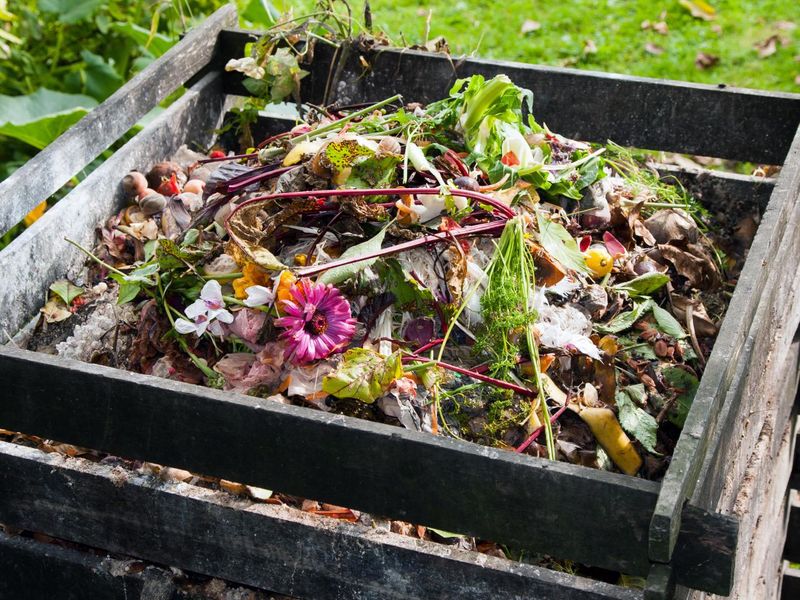
Tossing everything onto the compost pile feels wonderfully thrifty. Old vines, pulled weeds, and moldy squash all seem like free fertilizer in the making. Unfortunately, some of that material can come back to haunt you.
Diseased plants and seed-filled weeds spread problems all over the garden when they go into a home compost pile. To break down disease organisms and weed seeds, a pile usually needs to stay between about 131 and 160 degrees for several days in a row.
Most backyard piles never get that hot, or they only heat up in the very center.
When you spread finished compost next spring, those survivors ride along. Suddenly you have lambsquarters and pigweed popping up in every bed, plus a fresh round of leaf spots on your tomatoes.
A single pigweed plant can produce tens of thousands of seeds, sometimes far more, so one careless toss adds up fast.
Compost only healthy plant material, like clean vines, spent lettuce, and fallen leaves. Pull weeds before they flower and set seed, and put diseased or seedy material in yard waste collection instead, since large municipal sites get much hotter than a home bin.
Turning the pile every week or two also helps a lot. Fresh air feeds the tiny microbes that do the work of breaking things down and creating heat.
Michigan’s cool fall weather makes all of this even trickier. Chilly air slows compost piles down, so reaching high temperatures in October and November is tough. Keep your pile clean and active, and it will reward you with rich, trouble-free compost.
5. Leaving Soil Bare Over Winter
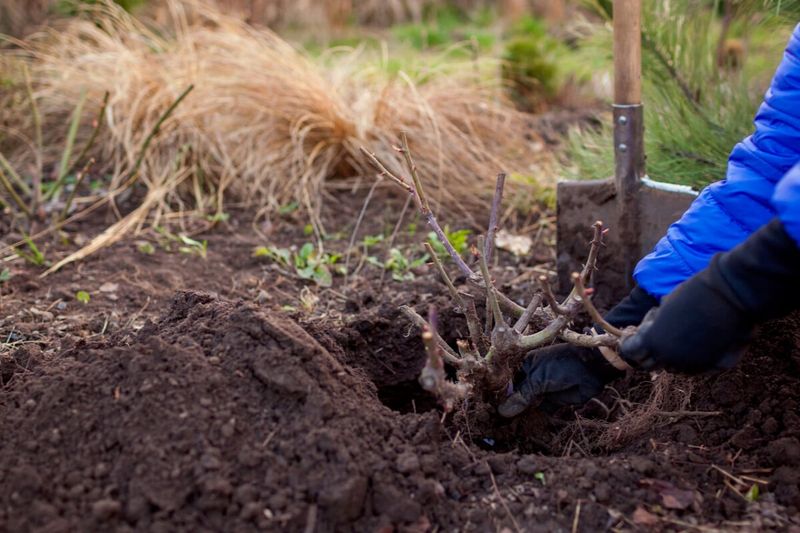
Soil is alive, and it does not like being left out in the cold with nothing on. After a big fall cleanup, many gardeners admire their neat, empty beds. Those tidy rows look great in October, yet bare soil faces a rough winter ahead.
Rain and melting snow wash away precious topsoil and leach nutrients deeper than roots can reach. Sandy soils lose nutrients especially fast because water runs straight through them.
Heavy clay has its own issue, since pounding rain packs the surface down and forms a hard crust.
Cereal rye is a favorite cover crop for good reason. It tolerates cold remarkably well, roots quickly, and can often be sown into October in Michigan.
Those busy roots hold soil in place, while the green tops shield the ground from rain and wind.
Short on time or seed? Spread a few inches of shredded leaves or straw over empty beds instead. Fall leaves are free, plentiful, and turn into rich organic matter as they slowly break down.
Come spring, you have options. Turn the rye or leaves into the soil a few weeks before planting, or pull back the mulch and rake it aside.
Cut or mow rye before it forms seed heads, because tall rye gets tough and harder to manage.
Michigan’s soil types make covering beds extra important. West Michigan’s sandy soils lose nutrients easily, especially with heavy lake-effect snow melting in spring.
Southeast Michigan’s heavy clay soils compact under winter rain and snow, turning spring planting into a chore. A simple blanket of green or brown makes a real difference.
6. Working Wet Clay Soil In Fall
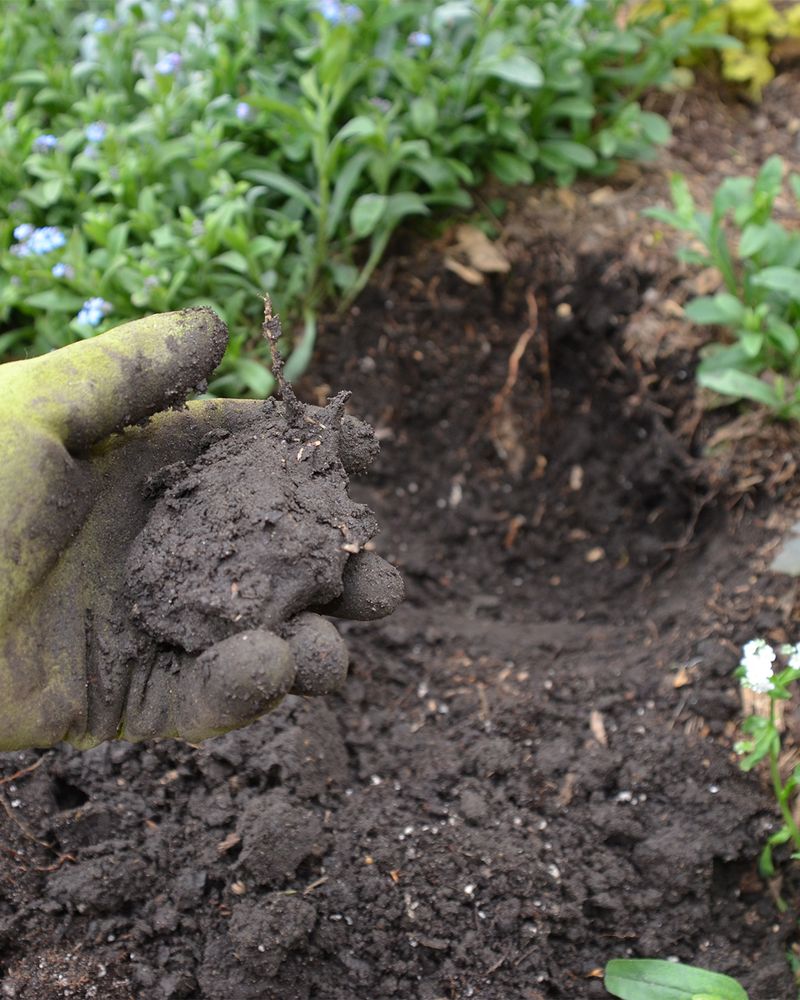
An old farming saying warns that if the soil sticks to your boots, it is too wet to work. Tilling or digging garden beds while the soil is soggy can damage its structure for months.
Healthy soil is full of tiny air pockets that let water drain and roots breathe. When you dig wet clay, you squeeze those pockets flat, much like pressing a sponge.
The soil then dries into hard clods that stay compacted well into spring, making it tougher for roots and water to move through.
Luckily, a quick test tells you when the timing is right. Grab a handful of soil and squeeze it in your fist.
If it crumbles apart when you poke it, go ahead and work it, but if it forms a sticky ball that holds its shape, give it more time to dry.
Deep tilling is not really needed in fall anyway. Instead, spread compost or shredded leaves right on top of the beds.
Earthworms and soil life will pull that organic matter down over the winter, loosening the clay naturally without any heavy lifting from you.
Foot traffic matters too. Stay off garden beds after heavy rain, since every step presses the soil down.
Laying boards or stepping stones along paths spreads out your weight and protects the growing areas.
In Michigan, this mistake is easy to make. Heavy clay is common across much of southeast and mid Michigan, and steady fall rains often keep the ground wet for weeks. A little patience now means softer, crumblier soil when planting season rolls around.
7. Planting Garlic At The Wrong Time
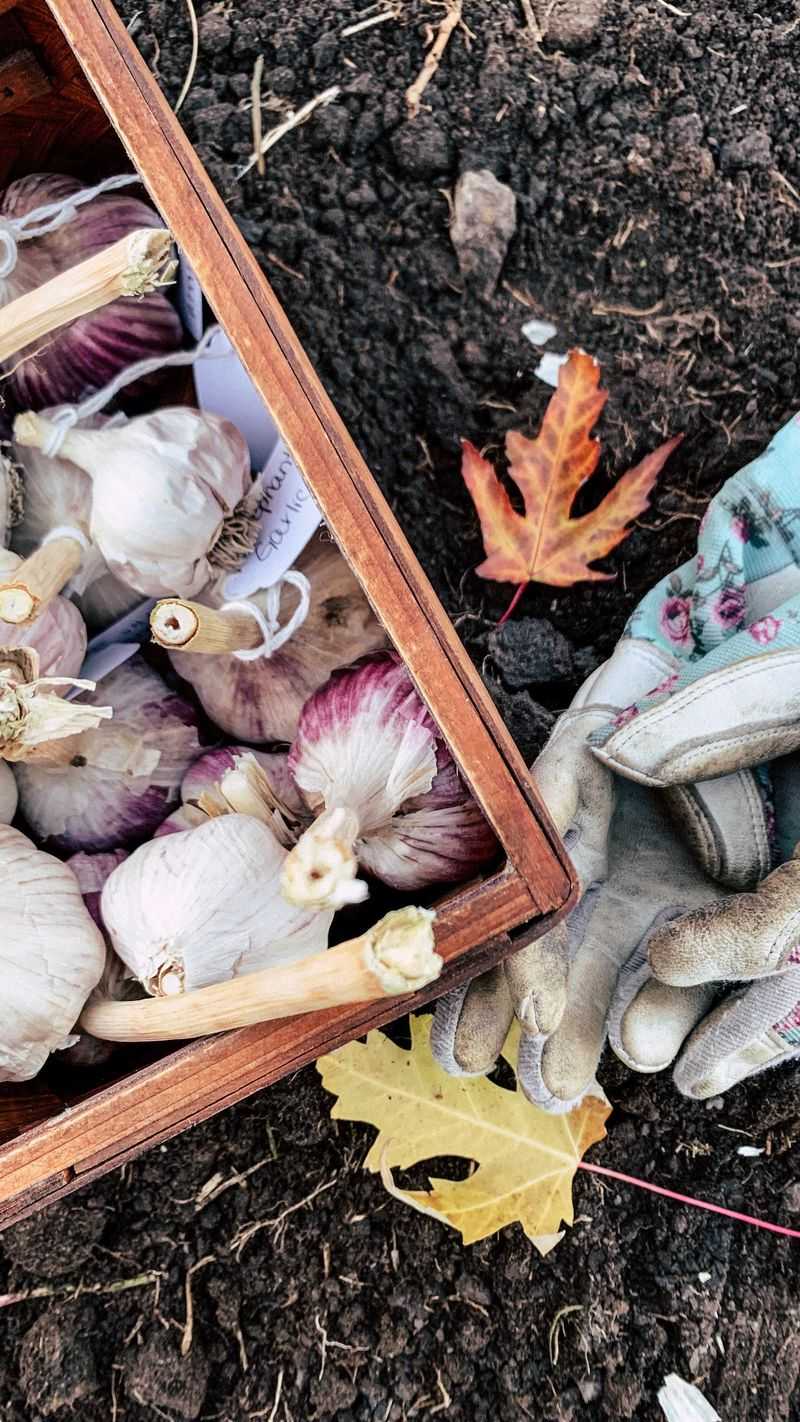
Garlic is the rebel of the vegetable garden. While most crops go into the ground in spring, garlic wants to be tucked in during fall, and getting that timing wrong is a surprisingly common mistake.
Plant too early, and the warm soil may trick cloves into pushing up green shoots before winter. Those tender leaves can get damaged by the cold, which weakens the plant.
Plant too late, and the cloves will not have time to grow roots before the ground freezes solid.
The sweet spot is a few weeks before the ground freezes. In most of Michigan, that usually lands around early to mid October, while the Upper Peninsula should plant earlier, often in late September.
Your goal is strong roots underground with little or no growth showing on top. Separate the bulb into cloves just before planting, and keep the papery skins on. Set each clove pointed end up, about 2 inches deep and roughly 6 inches apart.
Once the soil cools, cover the bed with 4 to 6 inches of straw. The mulch protects cloves from harsh temperature swings and keeps them from heaving out of the ground during freeze and thaw cycles.
Pull some of it back in spring when green shoots appear. Michigan winters are actually a gift for garlic lovers. Garlic needs a long chilling period to form full bulbs with separate cloves, and our cold months provide exactly that.
Hardneck types like Music and German Extra Hardy perform especially well here, and they reward you with those curly scapes in early summer.
8. Forgetting Hoses, Drip Lines, And Tools
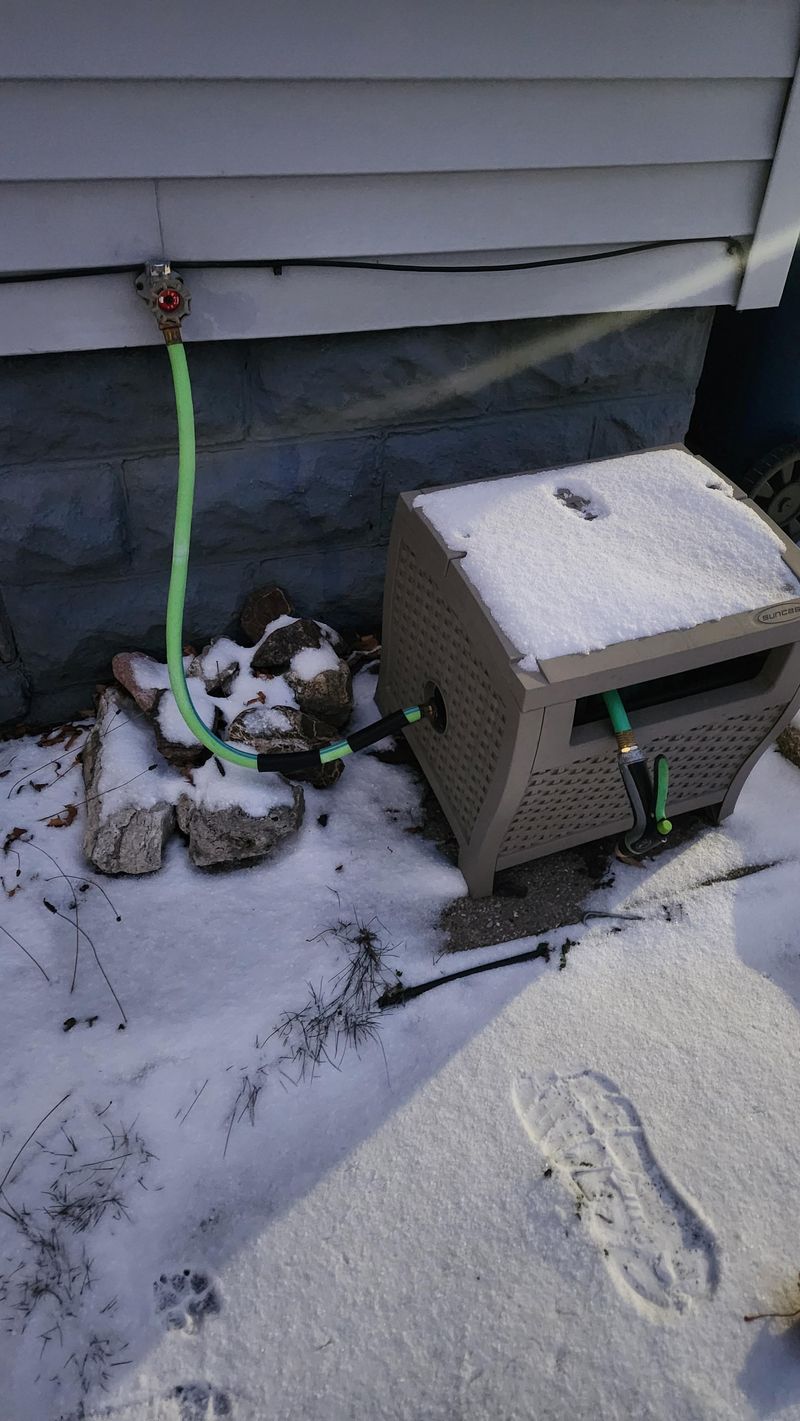
Nothing stings quite like finding a split garden hose in April. Leaving hoses, drip irrigation, rain barrels, and tools outside all winter might seem harmless, yet it often leads to costly repairs.
Water expands by about 9 percent when it freezes. Any water trapped inside hoses, drip lines, and outdoor spigots pushes outward as it turns to ice, which can split tubing and crack pipes.
A burst pipe inside the wall behind a spigot can even cause water damage in your home.
Start by draining hoses completely, then coil them and store them in a garage or shed. Drip systems need attention too, so open the end caps to drain the lines or blow them out with an air compressor on low pressure.
Empty rain barrels and turn them upside down, or store them indoors so ice cannot crack them.
Outdoor spigots are easy to forget. Shut off the indoor valve that feeds each one, then open the outside faucet to let remaining water drain out.
Frost-free spigots still need hoses disconnected, or trapped water can freeze inside. Tools deserve some love as well. Shovels, hoes, and trowels left in damp soil quickly rust.
Scrub off the dirt, dry them well, and wipe metal parts with a light coat of oil before storing them indoors.
Michigan winters are tough on outdoor gear. Hard freezes arrive early in the north, and across the whole state, long winters bring months of freezing and thawing. Pack everything away now, and your equipment will be ready to go when spring arrives.