What It Means When You Spot A Wild Turkey In Your New York Yard This Fall
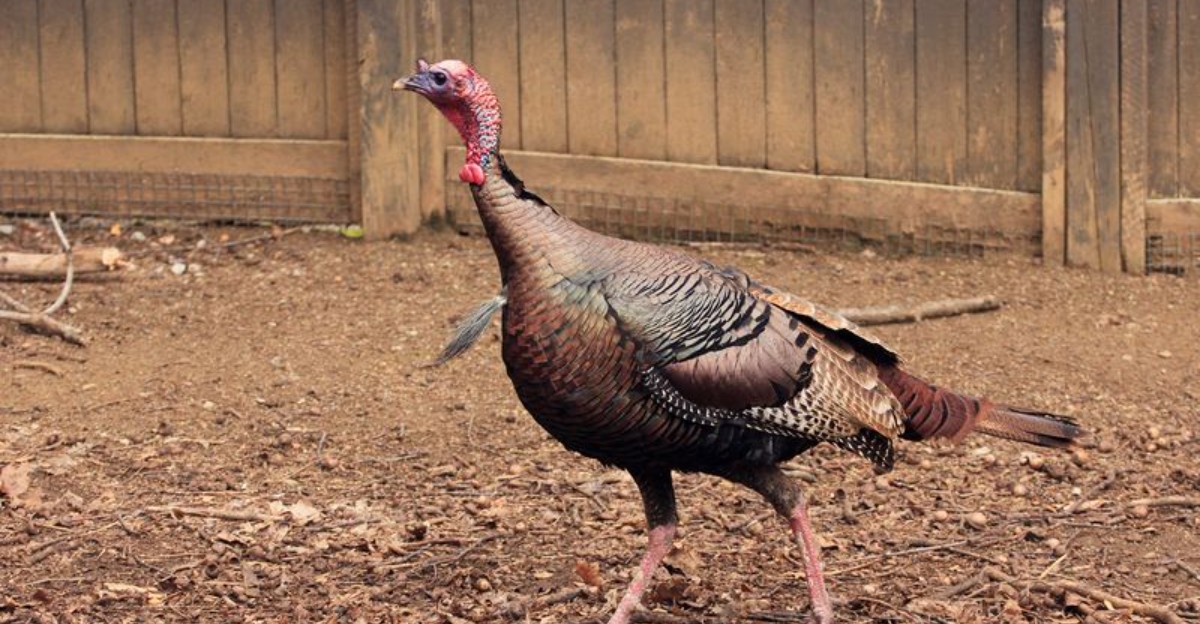
A bronze bird just claimed your patio table, and it wants your muffin. Wild turkeys usually arrive with a motive, and you’re sitting on theirs.
September pushes hens and their summer poults into tight, chattering brood flocks. Those gangly youngsters now stand nearly as tall as their mothers.
They seek acorns, beechnuts, grasshoppers, and grubs hiding in your leaf litter. Your lawn delivers the protein they need before frost arrives.
New York restored its turkey population after heavy logging shrank the birds’ habitat. Biologists carefully relocated wild flocks into forests across the state.
Now their descendants strut confidently through suburbs like yours. Keen eyes let them track your curious dog through the glass.
Busy autumn woods across New York may nudge flocks toward quieter ground, possibly yours. Before you wave them off, you need to know what they’re telling you.
A Sign Of Healthy Habitat And Easy Autumn Food
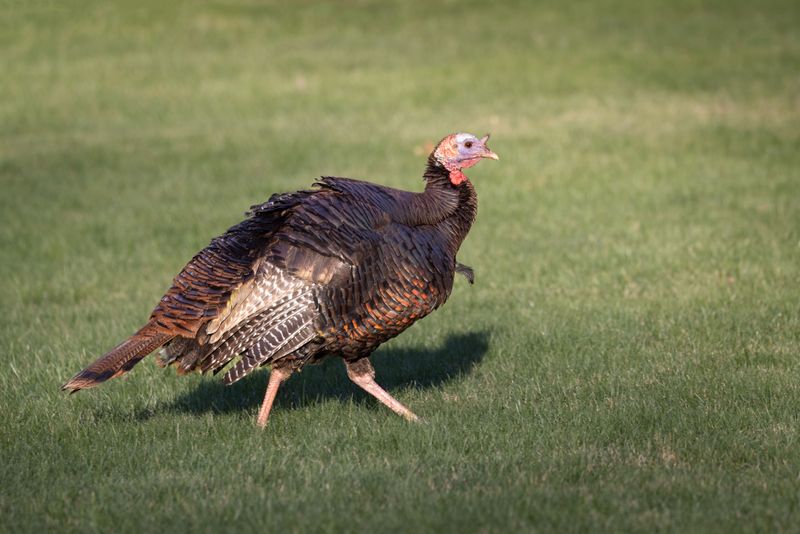
If you aren’t feeding them, their visit often says something good about your yard. Wild turkeys tend to linger where they find natural food, cover, and a feeling of safety.
In New York, fall is snack season for these big birds. They hunt for acorns, beechnuts, wild grapes, and crunchy grasshoppers hiding in the grass.
A lawn with mature oak trees nearby is like a free buffet to them. Fallen seeds from your garden and bugs in the soil add a few extra courses.
Their visit also hints that your area has good tree cover. Turkeys fly up into tall trees at night to roost, safely away from foxes and coyotes.
Here is a fun bit of history worth sharing at dinner. By the mid-1800s, turkeys had disappeared from New York entirely, driven out by unregulated hunting and forest clearing.
Around 1948, a few birds wandered over from Pennsylvania into the western part of the state. Starting in 1959, wildlife experts moved flocks around the state, and today well over 100,000 turkeys roam New York.
So seeing one strolling past your shed is a small comeback story. You are watching the result of decades of careful work by people who cared about wildlife.
Think of each visit as a quiet thumbs-up from nature. Few compliments come with feathers, but this one certainly does.
Enjoy the moment, grab your phone for a quick photo, and keep a respectful distance. If the turkeys are here for natural food, your yard is likely doing something right.
The September Shift From Summer Broods To Winter Flocks
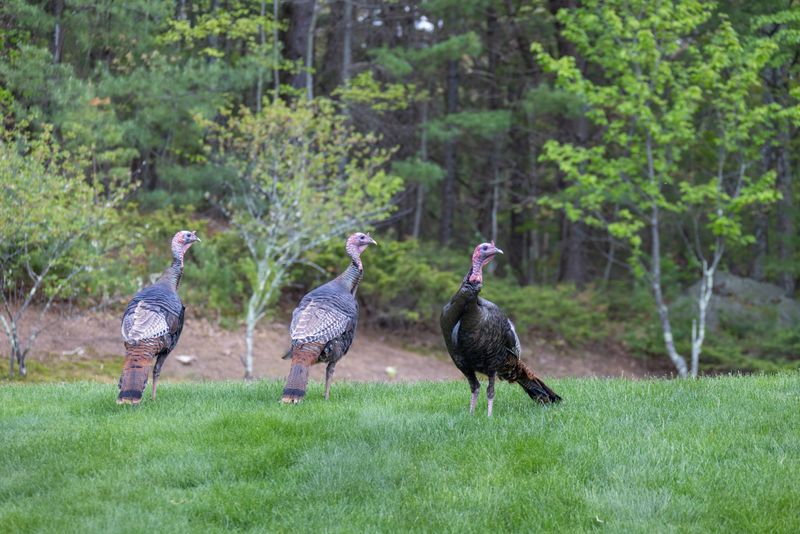
Back in June, a mother turkey likely led a parade of fluffy chicks through nearby fields. By September, those babies, called poults, are nearly grown and very hungry.
Early fall is when these family groups start to change shape. Several hens and their young often join together into one larger flock.
Meanwhile, the adult males, called toms, form their own bachelor clubs. Young males, known as jakes, sometimes hang out in rowdy little gangs of their own.
That shuffle explains why you might see one bird in August and twenty in October. The group is growing as winter gets closer.
Your New York Garden Changes Every Week. Your Plan Should Too.
Gardening in New York changes quickly throughout the season. Every Friday you’ll receive a simple weekly plan showing exactly what to plant, prune, fertilize, harvest, and protect so you never miss the right timing.
Bigger flocks help the whole group stay safer. More eyes mean someone spots a hawk or coyote before it gets too close.
Daylight also plays a big part in their schedule. As days shorten, turkeys spend more time eating to build fat for the cold months ahead.
You will usually spot them in the early morning and late afternoon. Midday is often nap and preening time somewhere quiet under the trees.
A flock may follow the same loop through several yards each day. If your property sits on that route, expect regular visits until the snow gets deep.
Try keeping a simple notebook of dates, times, and flock sizes. It turns your kitchen window into a fun backyard science project for the whole family.
Kids especially love guessing which birds are this year’s youngsters. Poults are a bit smaller and scruffier than the grown-up hens walking beside them.
The Birdseed Mistake Many Homeowners Make
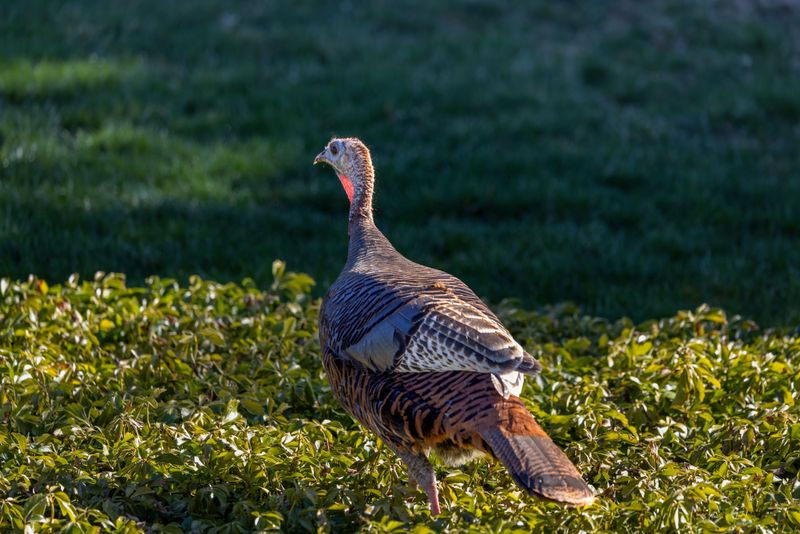
Tossing out a handful of cracked corn feels kind and harmless at first. Feeding wild turkeys is a common mistake among New York homeowners.
Once these birds learn your yard means free food, they stop acting wild. They grow bold, pushy, and surprisingly stubborn about leaving your property.
Some New York communities, including Staten Island, have dealt with bold turkeys approaching and following people. Others report birds pecking at shiny car doors because they see their own reflection.
Birdfeeders cause trouble too, even when you only meant to feed the chickadees. Seeds that spill on the ground become a turkey snack bar overnight.
Crowding at a feeding spot also helps germs spread from bird to bird. Diseases pass more easily when many beaks share the same small patch of dirt.
The New York State Department of Environmental Conservation asks people not to feed turkeys. Natural foods are usually plentiful in fall, so the birds do not need our help.
If you love your feeders, try raising them higher and adding a tray underneath. Cleaning up spilled seed every few days also removes most of the temptation.
Pet food left out on porches draws them in just as quickly. Bring bowls inside at night and store garbage in bins with tight lids.
Think of it this way, a hungry turkey on its own schedule is a delight. A spoiled turkey that expects breakfast on your deck is a feathered landlord.
Gentle Hazing For A Bold Or Pushy Bird
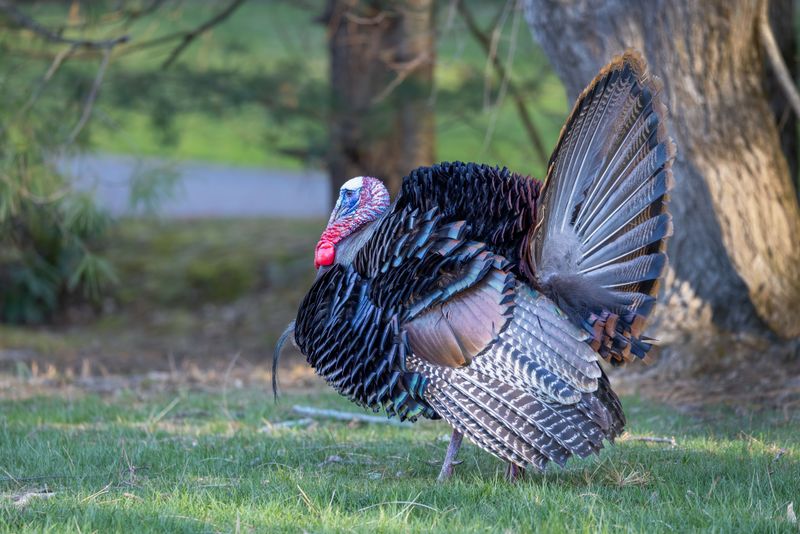
Picture a twenty-pound bird refusing to let you reach your own car. Luckily, you can teach a pushy turkey some manners without hurting it one bit.
Wildlife experts call this approach hazing, and it simply means scaring the bird away safely. The goal is to remind it that humans are big, loud, and in charge.
Start by standing tall, waving your arms, and walking toward the bird with confidence. Clapping, stomping, or shaking a jar of coins adds some helpful noise.
Opening a large umbrella in its direction works surprisingly well. A quick spray from the garden hose also sends most turkeys trotting off in a huff.
A leashed dog can help, too, since turkeys see dogs as a threat. Keep your pet close, though, because a cornered bird may kick or flap hard.
Consistency matters more than anything else in this whole process. If one family member shoos the birds while another ignores them, the lesson gets fuzzy fast.
Talk to your neighbors so everyone on the street sends the same message. A flock that feels welcome next door will simply wander back to you.
Shiny surfaces can trigger pecking, especially from males who spot their own reflection. Covering car mirrors or windows with a towel for a few weeks usually ends that behavior.
If a turkey stays persistently bold or seems injured, call your regional DEC office or a licensed wildlife rehabilitator for advice. Please avoid chasing it into traffic or trying to catch it yourself.
Garden Perks Alongside A Few Scratched Flower Beds
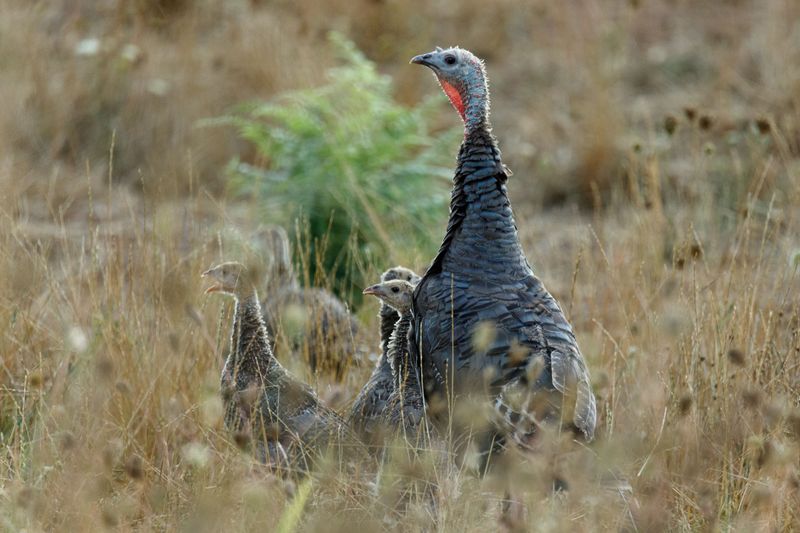
Every visitor brings a gift, and turkeys bring a few surprising ones. Their daily snacking can quietly help your garden in ways you might not expect at first.
A busy flock eats large numbers of beetles, grubs, crickets, and grasshoppers. Fewer bugs in fall can mean fewer munched leaves on your plants next spring.
Their droppings add a small boost of nutrients to the soil as well. Not glamorous, sure, but your lawn will not file a complaint.
Now for the slightly less charming side of the story. Turkeys scratch the ground with strong feet, flipping mulch and leaves while hunting for food.
Freshly planted bulbs and fall seedlings can end up tossed around like confetti. Late pumpkins and tomatoes sitting on the ground may also get a curious peck or two.
The fix is a lot easier than it sounds, thankfully. Lay chicken wire or a light garden net over new bulb beds until the ground firms up.
Harvest ripe vegetables promptly so they are not left out as temptation. A simple fence around a small vegetable plot keeps most wandering beaks out.
One more outcome to keep in mind involves ticks hiding in your lawn. Turkeys can carry ticks, so check yourself and your pets after outdoor chores.
Overall, most New York gardeners find the trade pretty fair in the end. A few messy beds seem a small price for a front-row seat to a wild show.
Yard Habits That Keep Future Visits Friendly
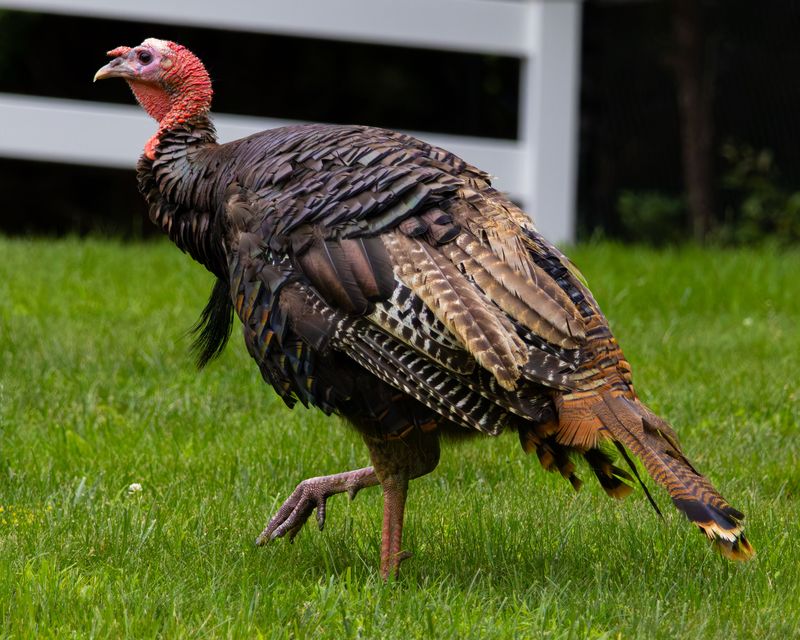
Some of the best wildlife memories happen right outside the back door. With a few smart habits, your fall turkey sightings can stay fun instead of frustrating.
Start by covering your compost bin, since scraps like corn cobs and squash are turkey magnets. A lidded bin keeps the smell and the snacks locked away.
Fall decorations can also send the wrong signal to your feathered neighbors. Those cute corn stalks and pumpkin displays on the porch look like dinner to a hungry flock.
Try placing decorations up high or simply bringing them inside at night. Motion-activated sprinklers are another clever tool that startles birds without causing harm.
Timing matters here, too, since October brings New York’s fall turkey hunting season to upstate areas, with Long Island’s season following in late November. Increased activity in the woods may lead some flocks toward calmer suburban yards for a while.
Low shrubs and brush piles near the house give turkeys easy hiding spots. Trimming them back makes your yard feel a little less cozy for long stays.
Teaching kids to watch from a distance is another smart habit. Turkeys may look slow and silly, but they can sprint about 25 miles per hour.
Want to help science while you enjoy the view? The DEC runs yearly turkey sighting surveys, and your backyard notes can help track how flocks are doing.
Balance is the real secret to sharing space with these birds. Give them room, skip the handouts, and enjoy the occasional gobble drifting across a crisp autumn morning.