The Biggest Mistake Ohio Gardeners Make When Overwintering Mandevilla
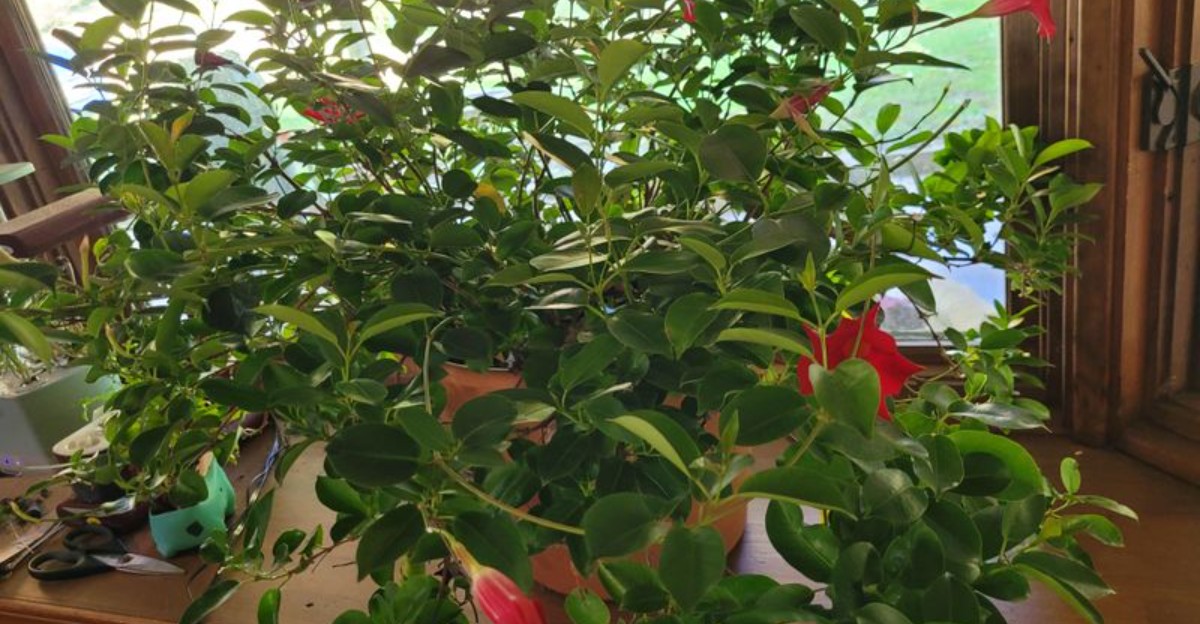
Ohio gardeners drag mandevilla inside every fall expecting it to coast through winter, and one habit undoes that plan almost every time.
Overwintering this plant looks simple on paper, find a bright spot, water occasionally, wait for spring. Most people get every step just close enough to right that the plant survives on paper while quietly declining the entire time indoors.
A handful of mistakes show up again and again, and most of them are easier to fix than gardeners expect.
By the time spring rolls around, gardeners are left wondering why their mandevilla looks nothing like the plant they brought in months earlier.
Rethink your overwintering routine before you commit to it again this year. The fix is smaller than you’d expect, but skipping it costs you the whole season.
1. Bringing Mandevilla Inside Too Late
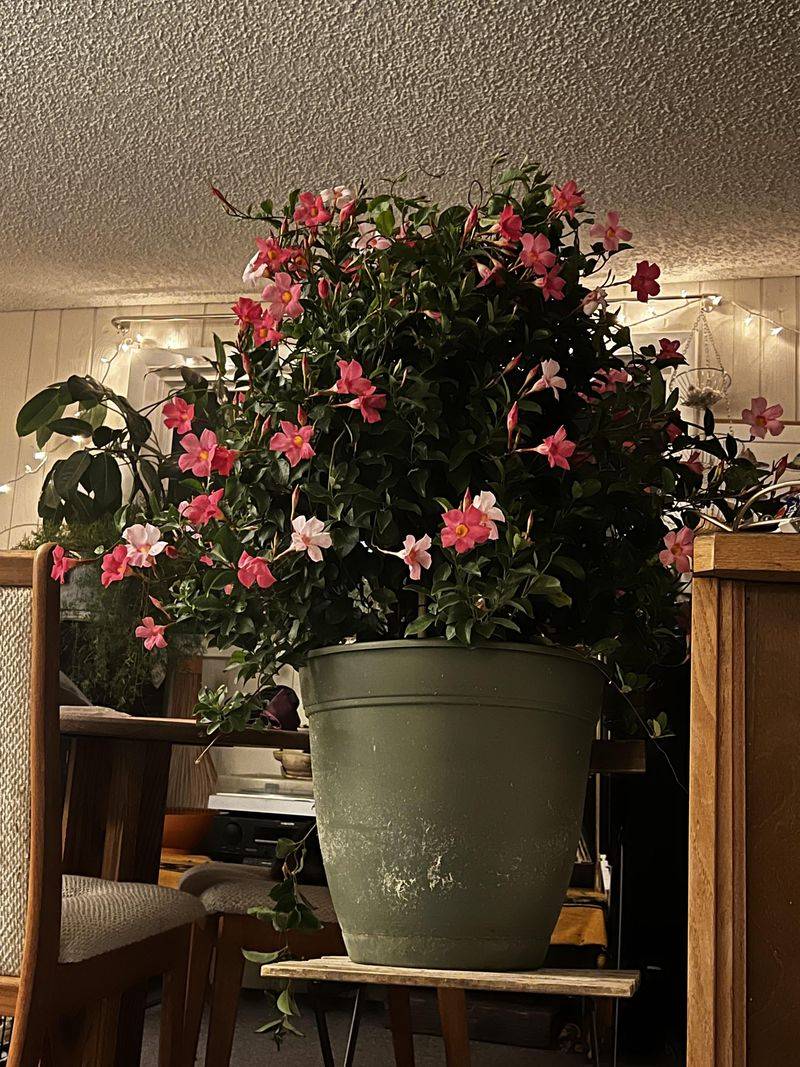
Ohio falls love to play tricks on us. A sunny 70 degree afternoon can slide into a 40 degree night before you finish supper.
Mandevilla comes from warm tropical places, so cold hits it hard. Temperatures below about 45 to 50 degrees F are the lowest it can handle.
Once nights start dipping under 60 degrees F on a regular basis, it is time to start packing up.
Waiting for the first frost warning is where many people slip. By then, the plant may already feel stressed from weeks of chilly evenings.
You might see yellow leaves, dropping foliage, slow growth, or even harmed stems.
A simple habit helps a lot here. Check your weather app each evening starting in early September.
When the ten day forecast shows nights in the 50s, make your move.
Plan the trip indoors like a small project. Pick a mild, dry day so the leaves are not soaking wet.
Clear a spot inside ahead of time, so you are not scrambling with a heavy pot in your arms.
Moving early may feel silly while summer still lingers. Still, your plant will thank you by holding onto more leaves.
A few extra weeks of warmth inside beats one cold night outside, every single year in the Buckeye State.
2. Treating Winter Growth Like Summer Growth
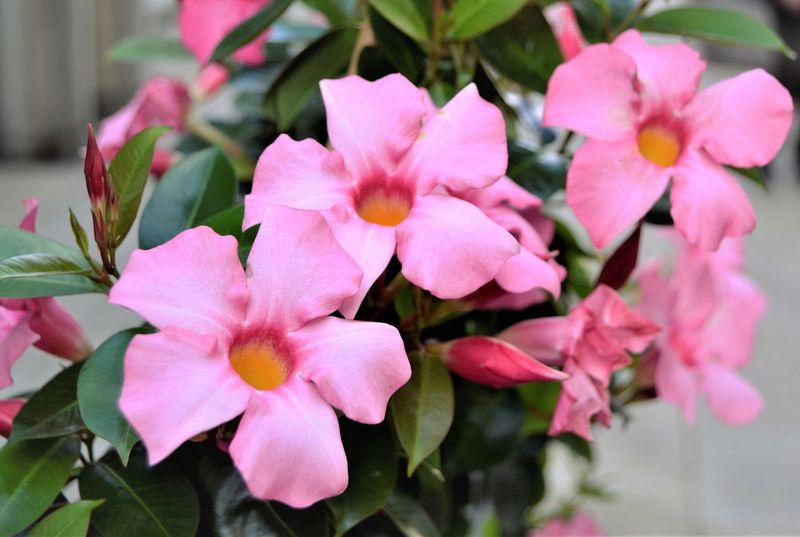
Think of your mandevilla as a bear heading into a long winter nap. It is not hungry for big meals right now.
During cold months, the plant enters dormancy or slows way down. Fewer new leaves means it drinks less and eats less.
Water also dries out of the pot more slowly indoors, since there is less heat and sun.
Here is the trap many gardeners fall into. They keep up the same summer routine of weekly feeding and heavy watering.
That extra food and moisture has nowhere useful to go.
Skip fertilizer completely through the winter rest. Extra nutrients can build up in the soil and stress the roots.
Tuck the bottle away and set a reminder for late winter instead.
When you spot fresh green shoots in late February or March, that is your signal. Start feeding again with a gentle, diluted mix.
Build up slowly as the days grow longer and brighter.
Your Ohio Garden Changes Every Week. Your Plan Should Too.
Gardening in Ohio changes quickly throughout the season. Every Friday you’ll receive a simple weekly plan showing exactly what to plant, prune, fertilize, harvest, and protect so you never miss the right timing.
A fun way to remember this is to match the plant’s energy. Busy summer plant, busy care routine.
Sleepy winter plant, quiet care routine.
Watch the plant, not the calendar alone. Its leaves and new growth will tell you when it is ready for more.
Patience in winter pays off with a stronger, happier vine come spring.
3. Keeping The Soil Constantly Wet
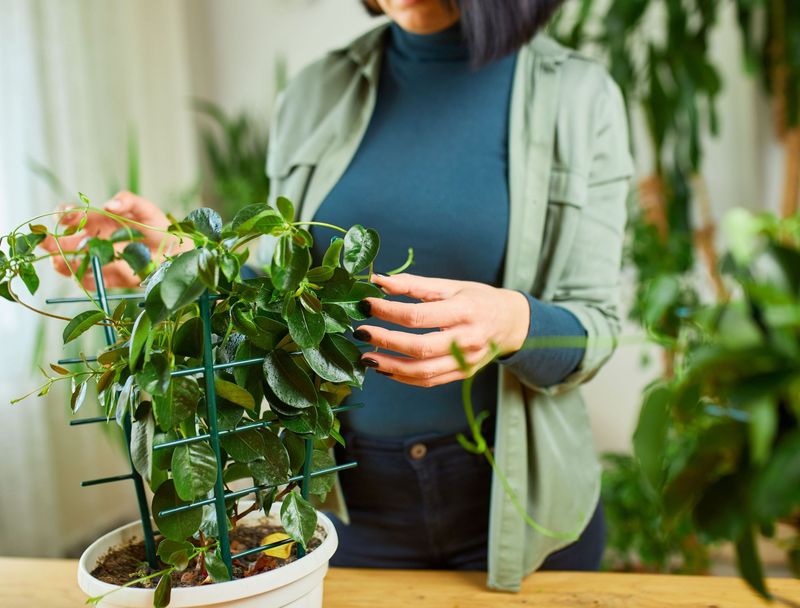
Love can look a lot like a watering can. Many kind gardeners pour a little water every few days, hoping to help.
Sadly, soggy soil is one of the fastest ways to cause winter trouble. Mandevilla roots need air as much as moisture.
When the pot stays wet all the time, roots can rot and leaves turn yellow.
The fix is simple and costs nothing. Push your finger into the soil about one to two inches deep.
If it feels dry at that depth, go ahead and water.
When you do water, give a good drink until some drains out the bottom. Then dump any water left sitting in the saucer.
Letting the pot sit in a puddle is like wearing wet socks all day.
Did your plant drop most of its leaves? Keep the soil even drier than usual.
Without leaves, it barely uses any water at all.
Pot choice matters too. Containers with drainage holes are a must.
Terra cotta pots also help because they breathe and dry out a bit faster.
Try writing watering dates on a sticky note by the plant. Over a few weeks, you will learn its rhythm.
Most indoor mandevillas in winter need water far less often than you might guess.
4. Choosing A Dim Room For Winter
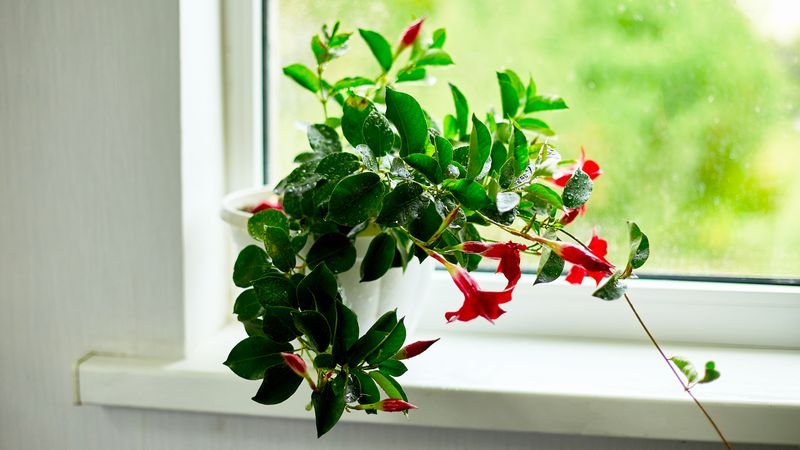
Ohio winters are famous for gray skies that hang around for weeks. That gloom makes light the most precious gift you can give your plant.
Mandevilla grows best in bright, indirect sunlight while indoors. A south-facing window is often the sweet spot.
East or west windows can work too if they get several hours of good light.
Tucking the pot into a back bedroom or dark corner is a common misstep. Without enough light, the plant grows weak, stretchy stems and drops leaves.
It may look sad and pale by February.
Short on sunny windows? A simple LED grow light can save the day.
Set it on a timer for about 12 to 14 hours daily, and place it a foot or so above the leaves.
Some gardeners store dormant plants in a heated garage or basement kept around 50 to 60 degrees F. That can work for a resting plant.
Even so, some light still matters, and more light usually means a healthier vine.
Clean your windows before winter settles in. Dust and grime can block a surprising amount of sunlight.
Wipe the leaves gently now and then too.
Turn the pot a quarter turn each week. That keeps growth even instead of leaning toward the glass.
5. Ignoring Pests Before The Indoor Move
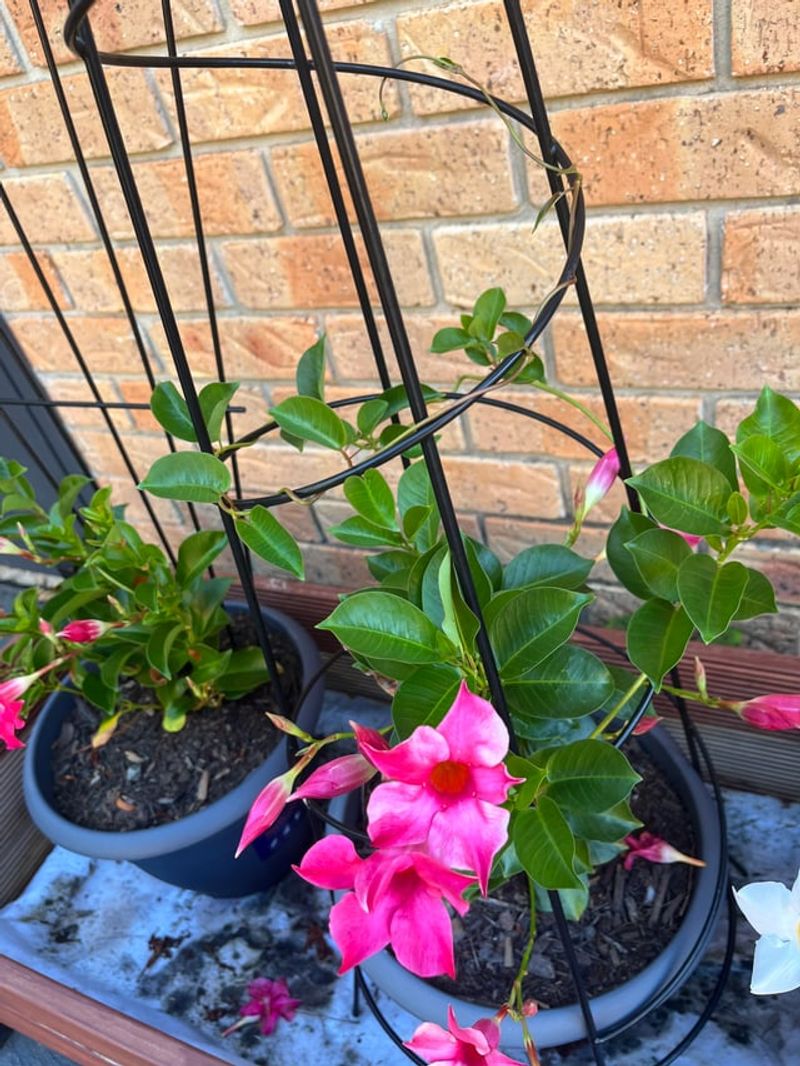
Imagine inviting one friend over and ten uninvited guests sneak in behind them. That is what can happen when bugs hitch a ride on your mandevilla.
Outdoors, birds and good bugs keep pests in check. Inside your warm, dry home, those pests suddenly have no enemies.
Spider mites, mealybugs, scale, aphids, and whiteflies can multiply fast.
Before the move, give the plant a careful checkup. Flip leaves over and look along stems and joints.
Watch for tiny webs, white fluff, sticky spots, or small bumps.
Found something? Start with a strong spray from the garden hose to knock pests off.
Follow up with insecticidal soap or neem oil, covering the tops and bottoms of leaves.
Check the soil surface and pot rim too. Eggs and critters like to hide there.
Some gardeners even scrape off the top inch of soil and add fresh mix.
Once inside, keep the mandevilla apart from your other houseplants. A few weeks alone gives you time to spot any stragglers.
Think of it as a short quarantine.
Keep checking every week or two all winter. Catching trouble early means a quick fix instead of a big battle.
A little detective work now saves your whole plant collection later.
6. Skipping A Thorough Pruning Session
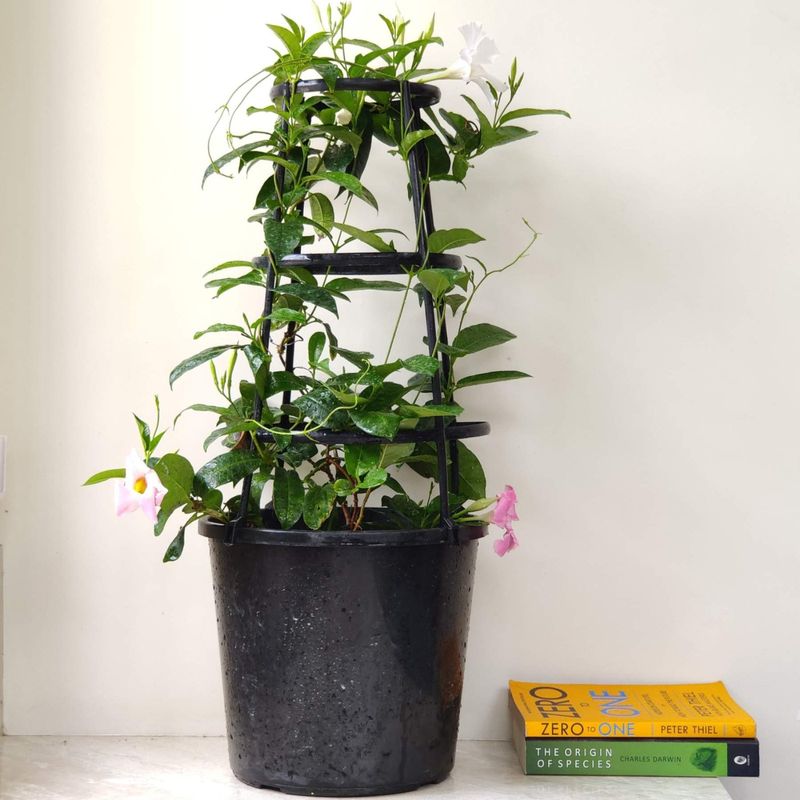
Cutting back a plant you love can feel scary, almost like giving a kid a big haircut. Trust the process, because it grows back.
By fall, most mandevillas have long, wild vines. Hauling all that growth indoors makes the plant hard to fit and hard to support.
It also forces the roots to feed more leaves than they can handle in low winter light.
You can trim the plant back by up to half. Potted plants can even be cut down to around 8 to 12 inches tall.
Use clean, sharp pruners and cut just above a leaf joint.
A smaller plant usually drops fewer leaves while it adjusts to life indoors. It also pushes out new growth better suited to your home.
Less plant also means fewer places for pests to hide.
Wear gloves while you work. Mandevilla stems release a milky sap that can bother sensitive skin.
Here is a fun fact to keep in mind. Mandevilla flowers form on new growth, not old stems.
That means a second light trim in late winter or early spring can set up a bigger bloom show.
So grab those pruners with confidence. A short, tidy plant now leads to a fuller vine later.
7. Keeping Mandevilla Too Close To Heat Vents
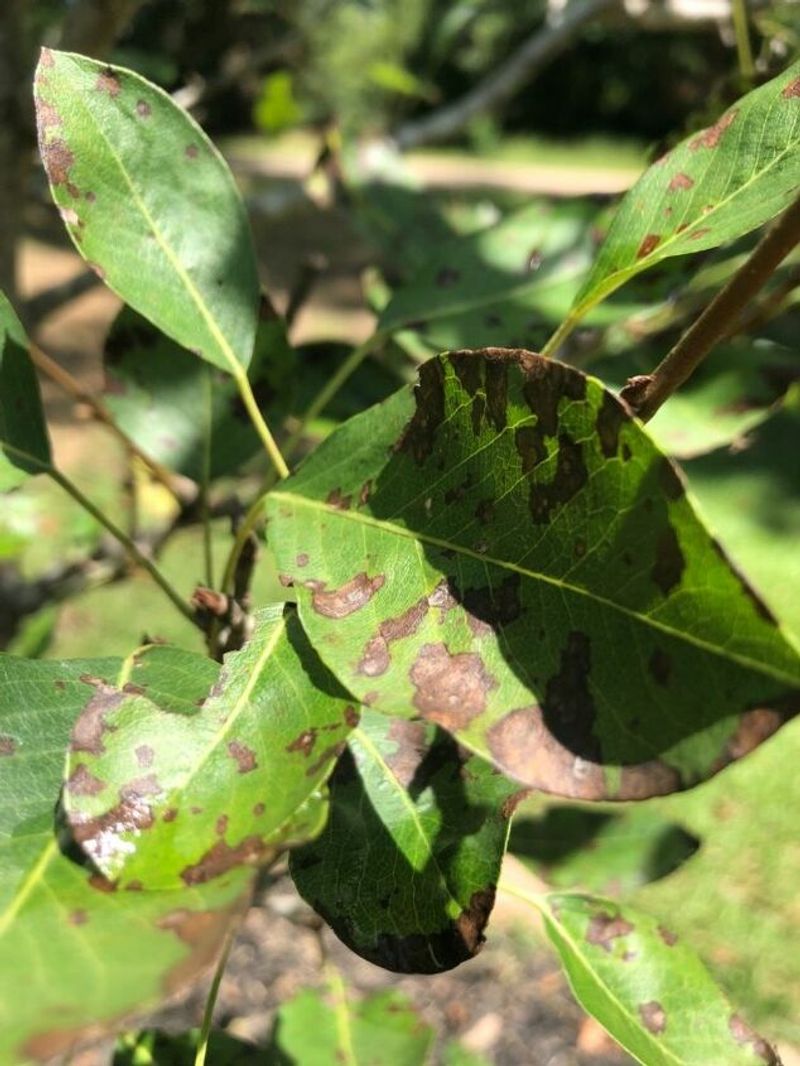
Blasting furnaces keep us toasty, but they can turn a living room into a desert. Your tropical plant notices that dry air right away.
Placing mandevilla right next to a heat vent or radiator is a sneaky mistake. Hot, dry air blowing across the leaves pulls moisture out fast.
Soon you may see yellow or brown, crispy patches.
Cold drafts cause trouble as well. Drafty doors and leaky windows can chill leaves on frosty nights.
Aim for a steady spot with no strong air flow in either direction.
Move the pot at least a few feet from vents, fireplaces, and space heaters. Hold your hand near the plant.
If you feel warm or cold air rushing by, keep searching for a calmer home.
Mandevilla loves humidity, like its rainforest roots. Try setting the pot on a tray filled with pebbles and water.
As the water evaporates, it adds moisture around the leaves.
Misting the leaves now and then can help too. A small room humidifier works even better during the driest weeks.
Grouping plants together also raises humidity a bit. They share moisture like friends huddled around a campfire.
Your skin might enjoy the extra humidity too, so everyone wins this winter.
8. Expecting Summer Blooms During Short Days
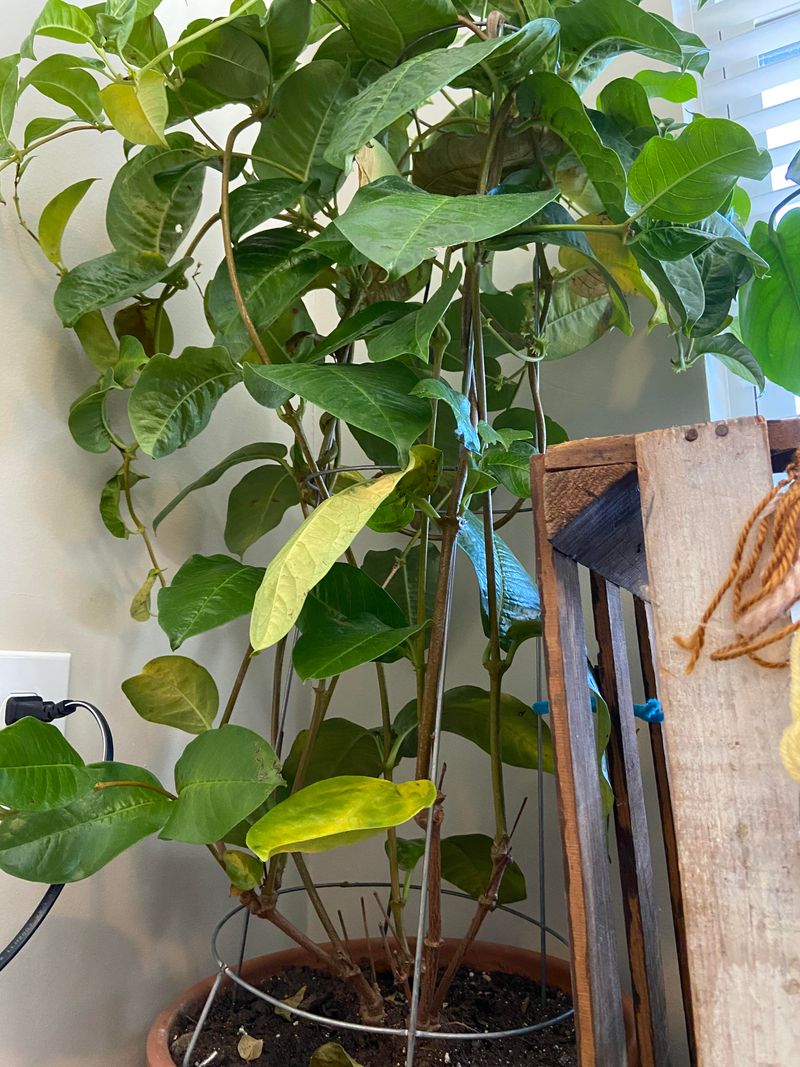
“Why won’t it bloom?” might be the most common winter question about mandevilla. The honest answer is that it simply needs a break.
In summer, long sunny days and warm temps fuel those bold trumpet flowers. Winter in Ohio flips that script.
Days get short, light gets weak, and the plant slows way down or goes dormant.
Some gardeners try to push blooms by adding fertilizer or moving the pot around. That usually just stresses the plant more.
A resting vine is not a broken vine.
Instead, shift your goal for the season. Aim for healthy stems, some green leaves, and strong roots.
Those are the building blocks of next summer’s flowers.
Once spring arrives and you move the plant back outside, blooming should pick back up. Warm sun and longer days wake it right up.
Many plants burst with color by early to mid summer.
If you spot an odd flower or two indoors, enjoy it as a bonus. Just do not measure success by blossoms in January.
Think of winter as halftime in a big game. The team rests, grabs a drink, and plans ahead.
The real show comes back when the sun returns and the patio warms up again.
9. Sending It Back Outdoors Too Quickly
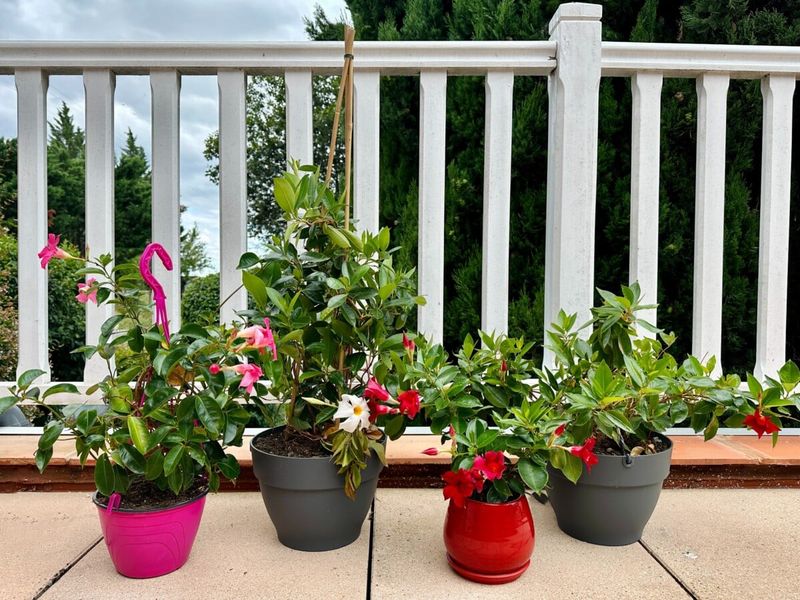
That first 70 degree day in April feels like a party invitation. Many of us rush our plants outside right away, and that is where spring trouble starts.
Ohio weather loves a late cold snap. A warm week can be followed by a frosty May night.
Mandevilla should stay inside until frost danger has fully passed for your area.
A good rule is to wait until nights stay above 50 degrees F. Daytime temps should reach at least 60 degrees F.
In much of Ohio, that often means mid to late May.
Even then, do not toss the plant into full sun on day one. Leaves that grew indoors are soft and tender.
They can scorch or show burn marks from strong sunlight and wind.
Harden it off slowly over a couple of weeks. Start with an hour or two in shade, then add more time and more sun each day.
Bring it back in if a chilly night pops up.
Some leaf burn may still happen, and that is okay. New tougher leaves will replace the tender ones soon.
Once settled, start regular feeding and watering again. Before long, those cheerful blooms will be back, ready to brighten your porch all summer long.