8 California Native Plants To Consider For A Fall Pollinator Garden
It is late September in a California backyard, and something’s off from what most people expect.
The garden is buzzing louder than it did back in April. Bees tumble through purple asters. A hummingbird darts between red trumpet flowers that shouldn’t still be blooming this deep into summer.
Most people assume pollinator gardens are a spring thing, done and dusted by June.
Something about a specific group of native plants disagrees entirely, timing their biggest show for exactly the moment everyone else assumes the season’s over.
Curious which plants are quietly running the fall shift while the rest of the garden clocks out? The answer starts with a hot September afternoon and a color nothing else in the yard is wearing.
1. California Fuchsia Feeds Late Season Hummingbirds
A hot September afternoon when most of your garden looks tired and crispy is exactly when California fuchsia decides to show off.
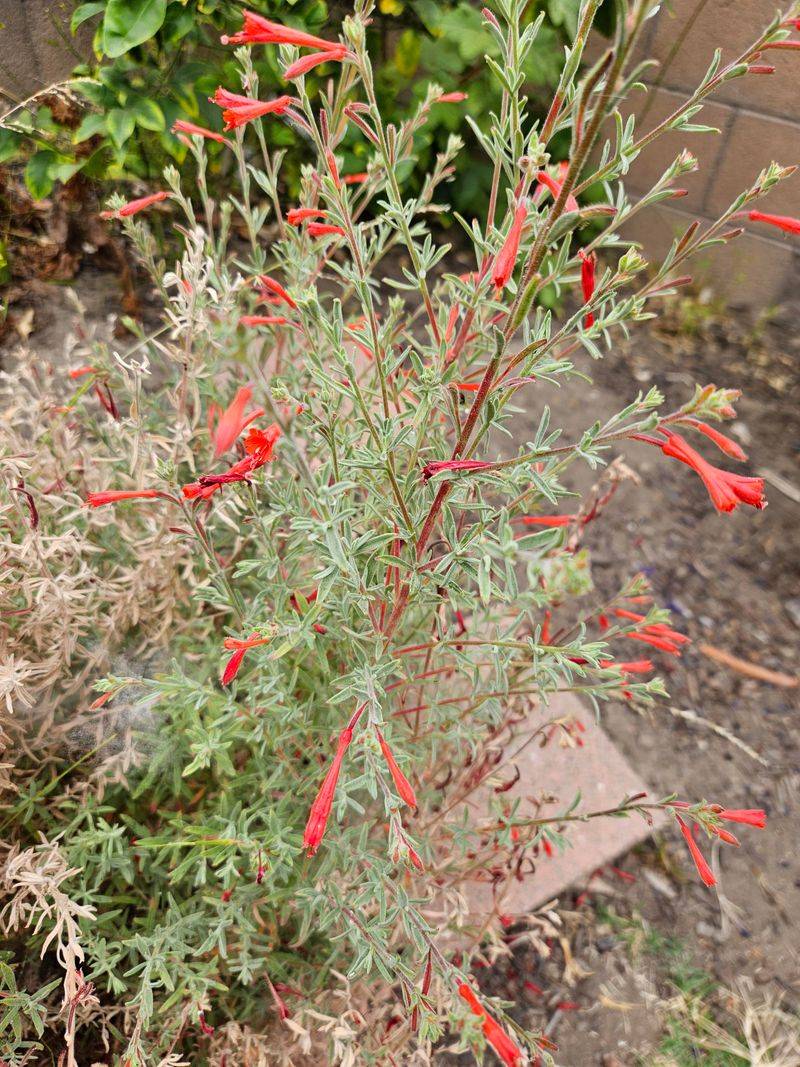
A patch of bright red-orange trumpets catches your eye, and a hummingbird zips in to sip from one flower after another. That little show is what this plant is famous for.
Known to botanists as Epilobium canum, this tough perennial usually starts blooming in late summer and can keep going into fall.
Its long, tube-shaped flowers are shaped just right for a hummingbird’s slender bill. Many gardening experts point to it as one of the best late-season hummingbird plants in the state.
Anna’s hummingbirds, which live in much of California all year, visit it often.
Migrating hummingbirds passing through in early fall may stop for a quick refuel too. Bees and other insects sometimes visit, but birds are the main guests.
Planting it is simple if you follow a few tips.
Give it full sun and soil that drains well, since soggy roots can cause it to rot. Once it settles in, it needs very little summer water.
The plant spreads slowly by underground roots, so leave it some room or place it near a path edge where it can fill in.
After blooming ends and the stems look brown, cut it back hard in late fall or winter. Fresh green shoots will return in spring.
2. California Aster Draws Bees Into Fall
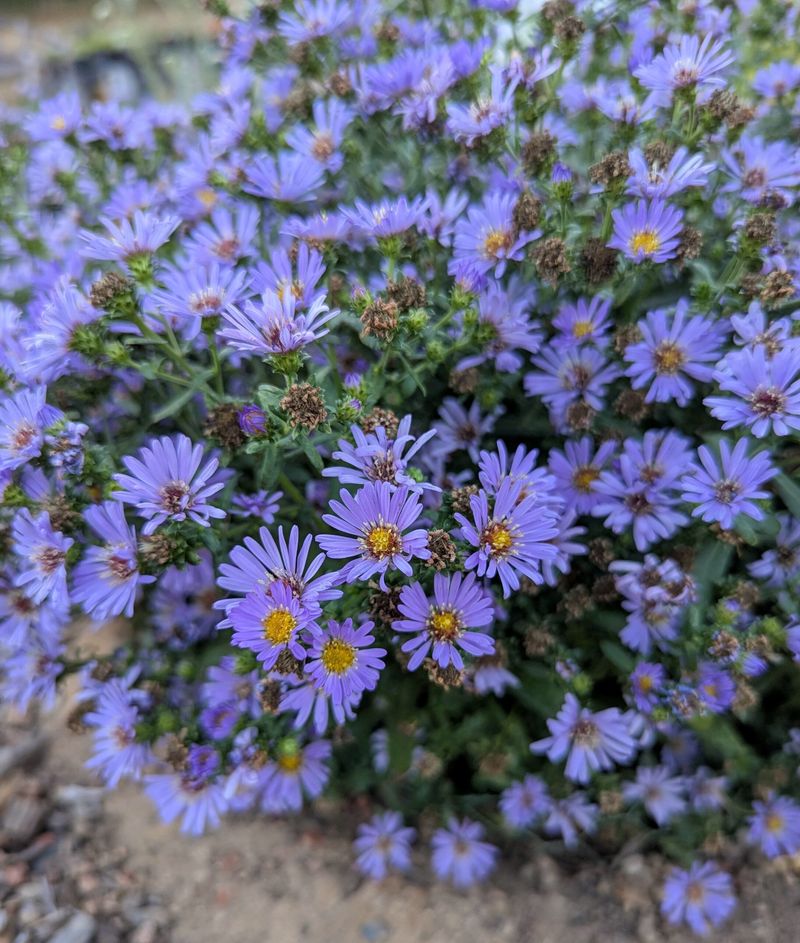
Notice a cloud of soft purple daisies on a coastal hillside in October? Chances are you were looking at California aster, also called Pacific aster.
Its scientific name is Symphyotrichum chilense, which is quite a mouthful for such a cheerful flower.
Each bloom has thin lavender petals around a sunny yellow center.
The flowers usually open in late summer and carry on into fall, right when many spring bloomers have already gone to seed. That timing makes it a welcome stop for native bees looking for pollen and nectar before cooler weather sets in.
Small native bees, bumble bees, and honey bees all visit asters.
Butterflies drop by as well, especially on sunny afternoons. If you sit nearby with a cup of cocoa, you can watch them work flower by flower.
Your California Garden Changes Every Week. Your Plan Should Too.
Gardening in California changes quickly throughout the season. Every Friday you’ll receive a simple weekly plan showing exactly what to plant, prune, fertilize, harvest, and protect so you never miss the right timing.
California aster grows best in full sun to light shade.
It handles many soil types, including clay, and it can tolerate a bit more water than some dry-loving natives. In very dry gardens, occasional summer watering helps keep it blooming longer.
A heads-up for small yards: this plant spreads by underground stems.
That can be great for filling bare spots or holding soil on a slope. In a tidy flower bed, though, you may need to pull extra shoots now and then.
3. California Buckwheat Feeds A Range Of Insects
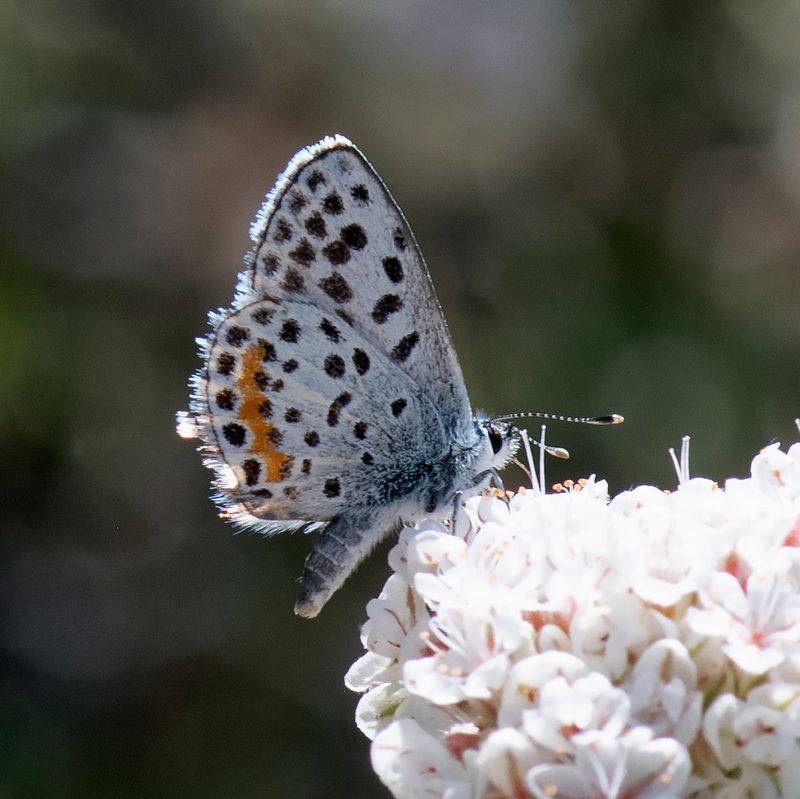
If native insects held a vote for their favorite neighborhood diner, California buckwheat might win in a landslide.
This scrappy shrub, Eriogonum fasciculatum, is visited by a huge range of insects, from tiny native bees to butterflies, wasps, flies, and beetles. Native plant groups often list it among the most valuable plants for supporting local insect life.
The flowers grow in round, fluffy clusters that start out white or pale pink.
Bloom often begins in late spring and can stretch through summer, with some plants still flowering in early fall depending on the area and the weather. As the season goes on, the old flower heads slowly turn a rusty brown color.
Don’t rush to clip those rusty heads off.
They add warm autumn color to the yard, and birds may pick at the seeds. Leaving them also gives your garden a relaxed, wild look.
Buckwheat is also a host plant for several small butterflies, such as certain blues and metalmarks.
That means caterpillars can feed on it, not just adult butterflies.
Growing it is easy in most of lowland California.
Plant it in full sun with fast-draining soil and water only while it gets established. Too much summer water can shorten its life, so treat it like the tough hillside plant it is.
4. Coyote Brush Blooms When Little Else Does
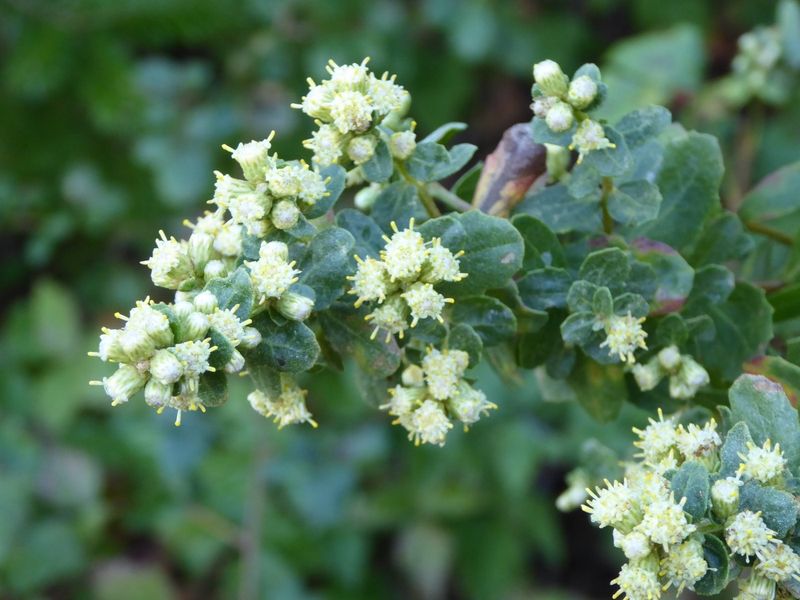
By November, a lot of California native gardens have gone quiet.
Coyote brush picks that moment to burst into bloom, covering itself in tiny cream-colored flowers. For hungry insects, that late show can feel like finding an open snack bar on a holiday.
Coyote brush, or Baccharis pilularis, usually flowers from late summer or fall into early winter.
It has separate male and female plants, which is a little unusual. Male plants carry yellowish pollen flowers, while female plants make fluffy white seeds that drift on the wind like tiny parachutes.
The flowers are small, but the guest list is long.
Native bees, wasps, flies, beetles, and butterflies all show up to feed. Many of those visitors, like tiny parasitic wasps, also help keep garden pests in check.
Coyote brush is tough as old boots.
It handles wind, poor soil, clay, and dry summers once it has settled in. Coastal gardeners love it because it shrugs off salty breezes.
You can find low, spreading kinds such as Pigeon Point and Twin Peaks that work well as ground cover.
One practical tip: if falling fluff bothers you, choose a male plant from a nursery, since many garden types are male.
5. California Goldenrod Extends The Nectar Season
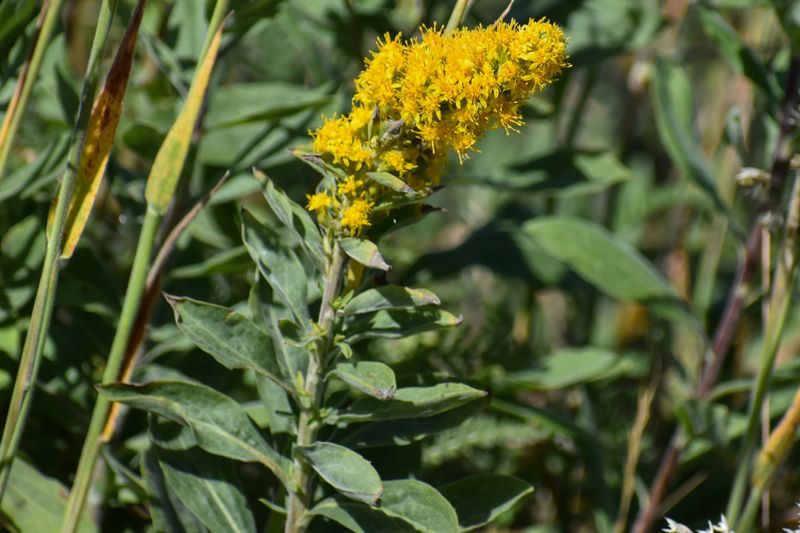
Poor goldenrod has a bad reputation it never earned.
Many people blame it for fall sneezing, but the real troublemaker is usually ragweed, which blooms around the same time. Goldenrod pollen is heavy and sticky, so it rides on insects instead of floating through the air.
California goldenrod, Solidago velutina subspecies californica, grows wild in grasslands, open woods, and chaparral across much of the state.
Its bright yellow flower sprays usually appear from late summer into fall. As earlier plants fade, goldenrod steps in and helps stretch the nectar season a few more weeks.
Bees love it, especially native bees stocking up before winter.
You’ll also spot butterflies, beneficial wasps, and soldier beetles crawling over the golden plumes. On a warm October day, a single patch can hum with activity.
Planting goldenrod is pretty forgiving.
It likes full sun or light shade and can grow in many soil types, from sandy to clay. Once established, it gets by on little summer water, though an occasional drink may extend its bloom.
Keep in mind that it spreads by underground runners, which can crowd out small neighbors in a tight bed.
6. Deerweed Keeps Producing Through Late Summer
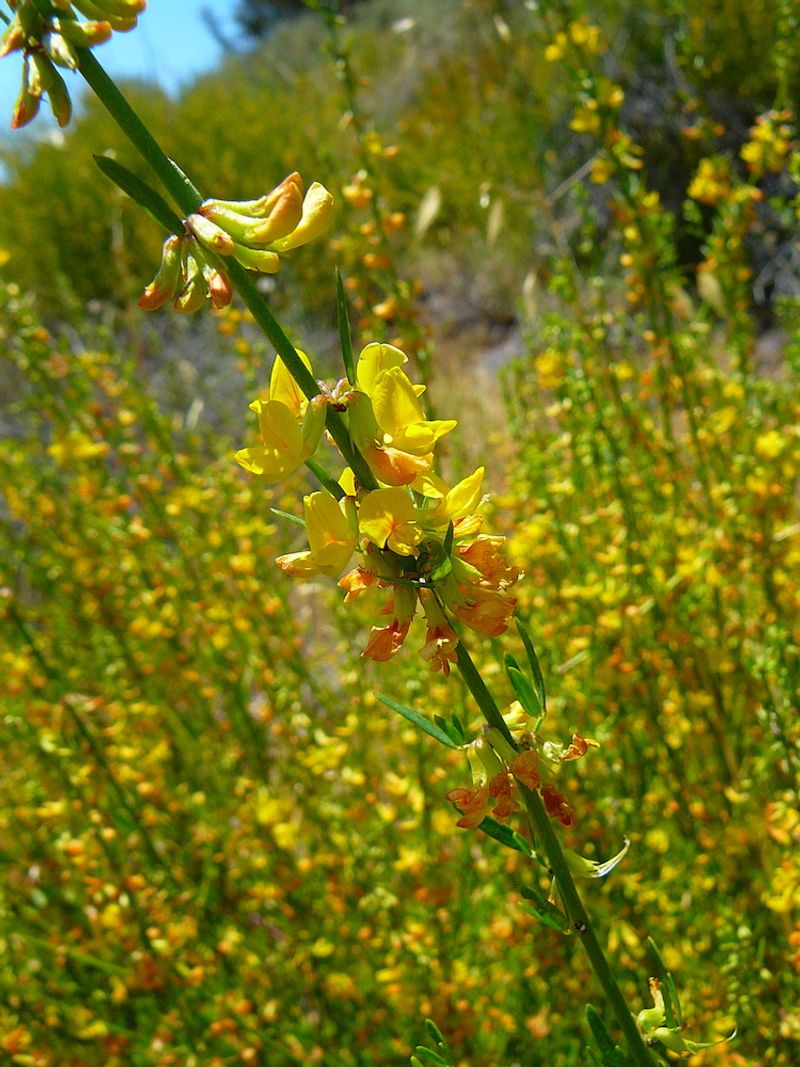
After a wildfire, one of the first plants to cover blackened California hillsides is often deerweed.
Its seeds can wait in the soil for years, then sprout when fire or disturbance opens up space. It’s a true comeback kid.
Deerweed, or Acmispon glaber, is a loose, airy shrub with thin green stems and tiny leaves.
Small yellow pea-shaped flowers line the branches, often turning orange or red as they age. The plant belongs to the pea family and adds nitrogen to the soil, which helps nearby plants.
Now for an honest note about timing.
Deerweed usually starts blooming in spring, and in many areas it keeps producing flowers well into summer. Whether it lasts into early fall depends on your location, rainfall, and whether you give it a little water.
Bees adore it, including bumble bees and many native solitary bees.
It also serves as a host plant for several butterflies, such as some blues and the bramble hairstreak, whose caterpillars nibble the leaves and flowers.
Deerweed is easy but short-lived, often lasting only a few years.
7. Yarrow Rounds Out A Pollinator Friendly Yard
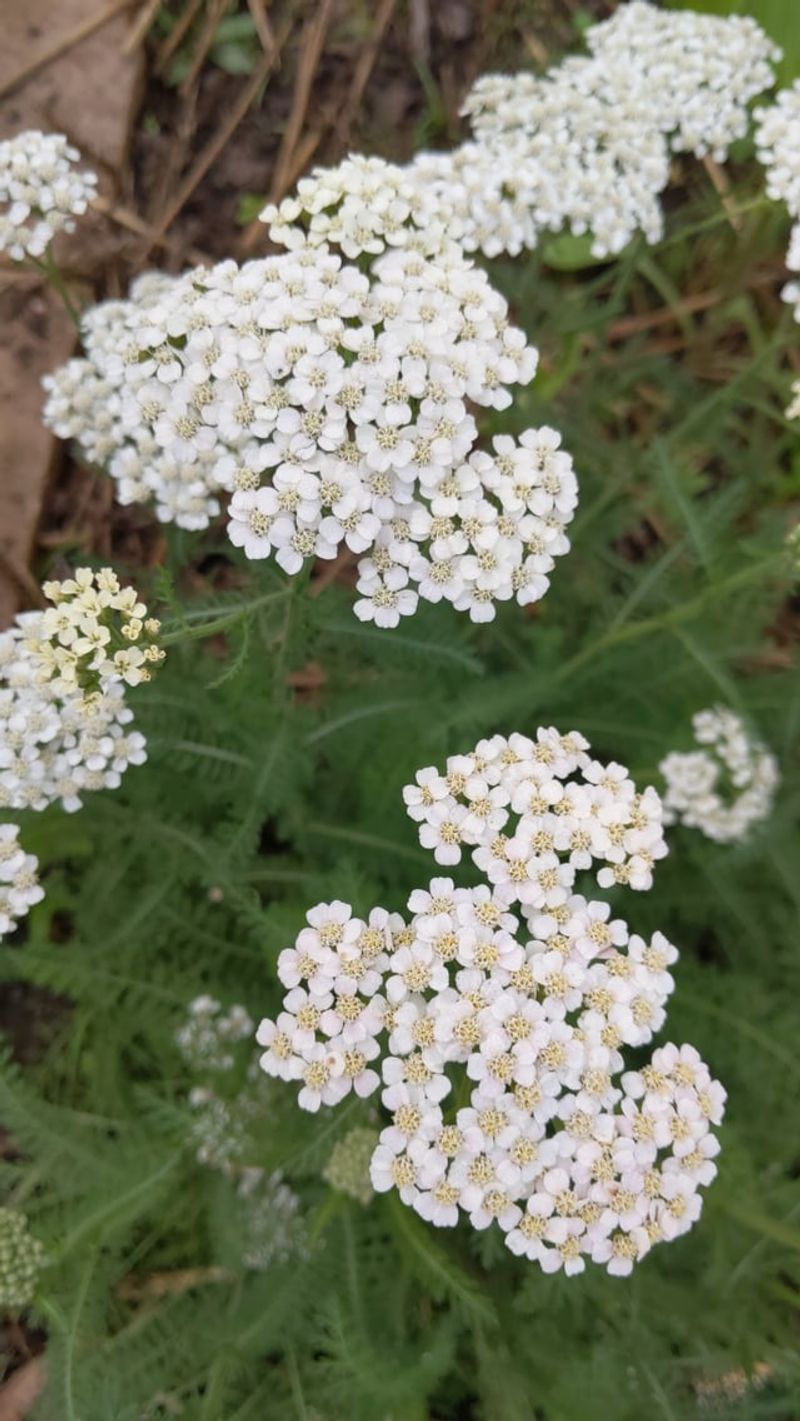
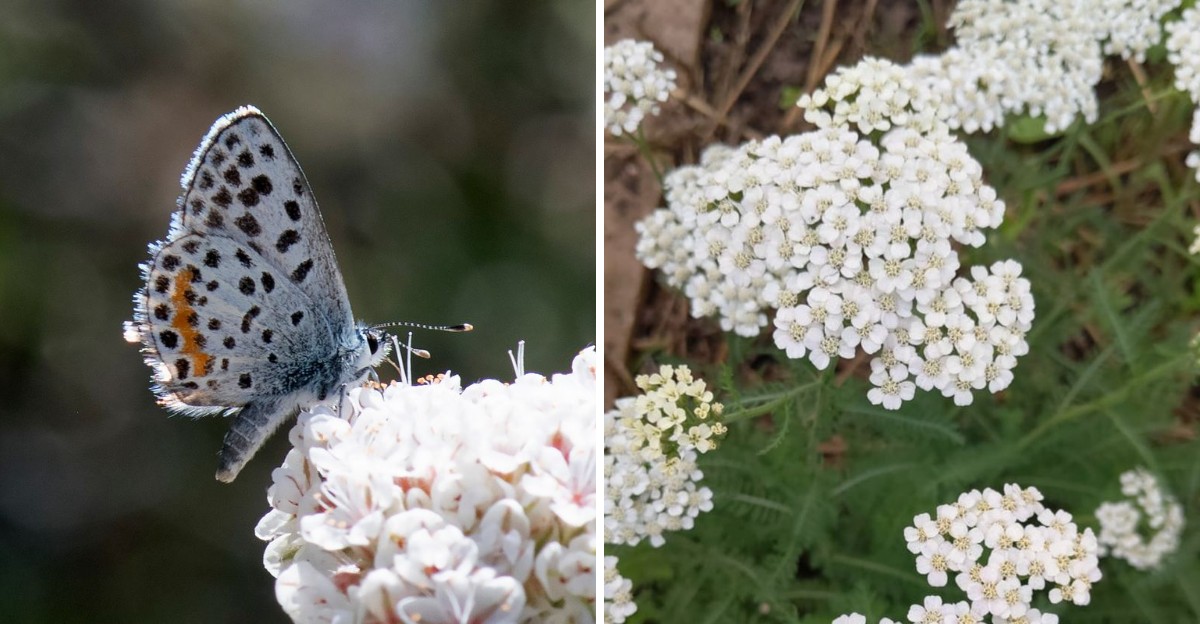
Grandma’s garden may have had yarrow, but California has its own native form growing from beaches to mountain meadows.
Achillea millefolium sports feathery, fern-like leaves and flat clusters of tiny white flowers. Crush a leaf and you’ll notice a strong, herby smell.
Yarrow has one of the longest bloom seasons of any plant on this list.
It often flowers from spring through summer, and cutting off faded blooms can encourage more flowers into fall. Its flat flower tops work like landing pads for small native bees, hover flies, tiny wasps, and butterflies.
It is also wonderfully easy.
Yarrow grows in sun or part shade, handles many soils, and needs little water once established, though a bit more keeps it greener. Some gardeners even mow it into a low, flowering lawn replacement.
Now picture all seven plants working together.
Deerweed and buckwheat carry the garden through summer, while yarrow fills gaps from spring onward. As late summer arrives, California fuchsia, aster, and goldenrod take the stage, and coyote brush finishes the season into early winter.
8. Cleveland Sage Bridges Summer Into Early Fall
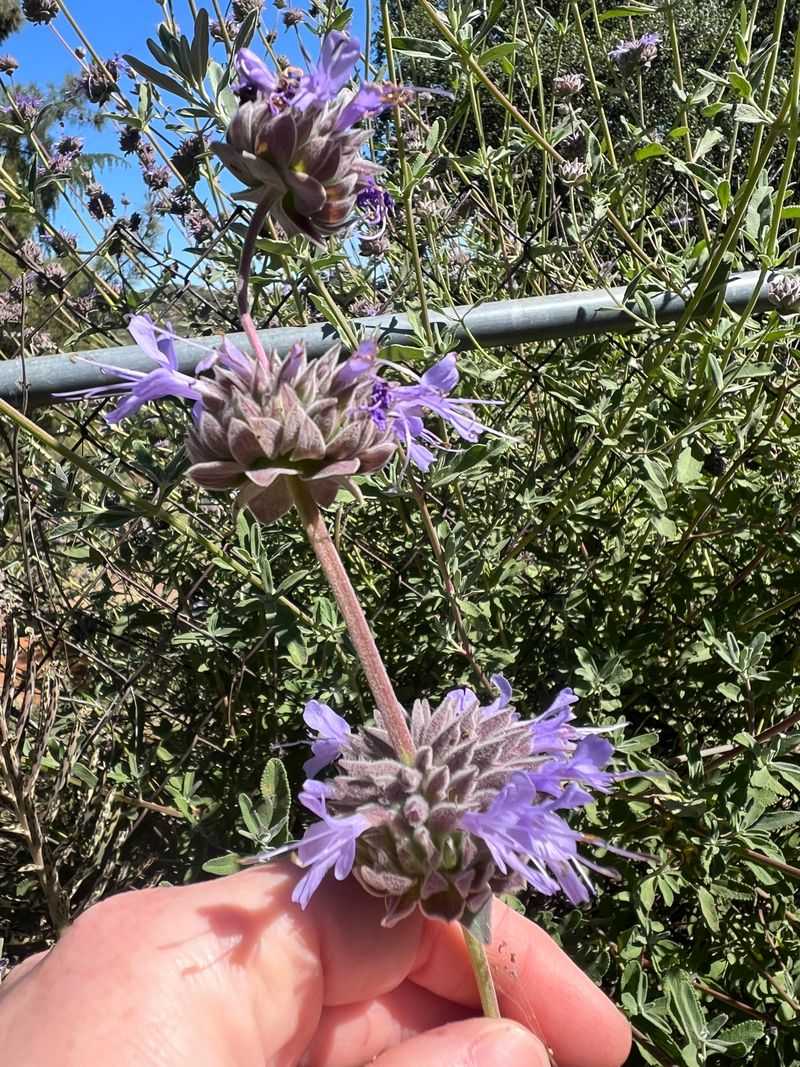
While most sages on a typical plant list peak and fade by midsummer, Cleveland sage tends to hang on a bit longer, offering scattered blooms well into the early weeks of fall in mild California climates.
Salvia clevelandii carries one of the most fragrant flowers in the entire sage family, releasing a strong, herby scent the moment a breeze moves through the leaves or a hand brushes against them.
Its main flush of blue-purple flower whorls arrives in late spring, but established plants often continue producing scattered blooms sporadically through summer, giving bees and hummingbirds a reliable stop even during the hottest, driest stretch of the year.
Native bees work these flowers steadily, and the plant’s compact, rounded shape makes it a natural anchor point in a pollinator bed, something smaller flowering plants can be grouped around for visual structure as well as food value.
This sage wants lean, fast-draining soil and full sun, mimicking the rocky coastal slopes of Southern California where it grows wild. Rich, amended soil or frequent water tends to produce weak, floppy growth and a noticeably shorter lifespan.
Once established, deep occasional watering during the driest stretches is plenty, and many gardeners stop supplemental water entirely after the second year without any real decline in bloom.
Light pruning right after the main flush keeps the plant compact and encourages that secondary scattering of blooms to continue longer into the season, though heavy cutting into old, bare wood should wait until late winter.
Planted alongside California buckwheat or coyote brush, Cleveland sage helps carry pollinator activity through the gap between spring’s big show and the true late-season bloomers taking over as summer winds down.