Hummingbirds Are Moving Through Florida This September – Here’s What They’re Looking For In Your Yard
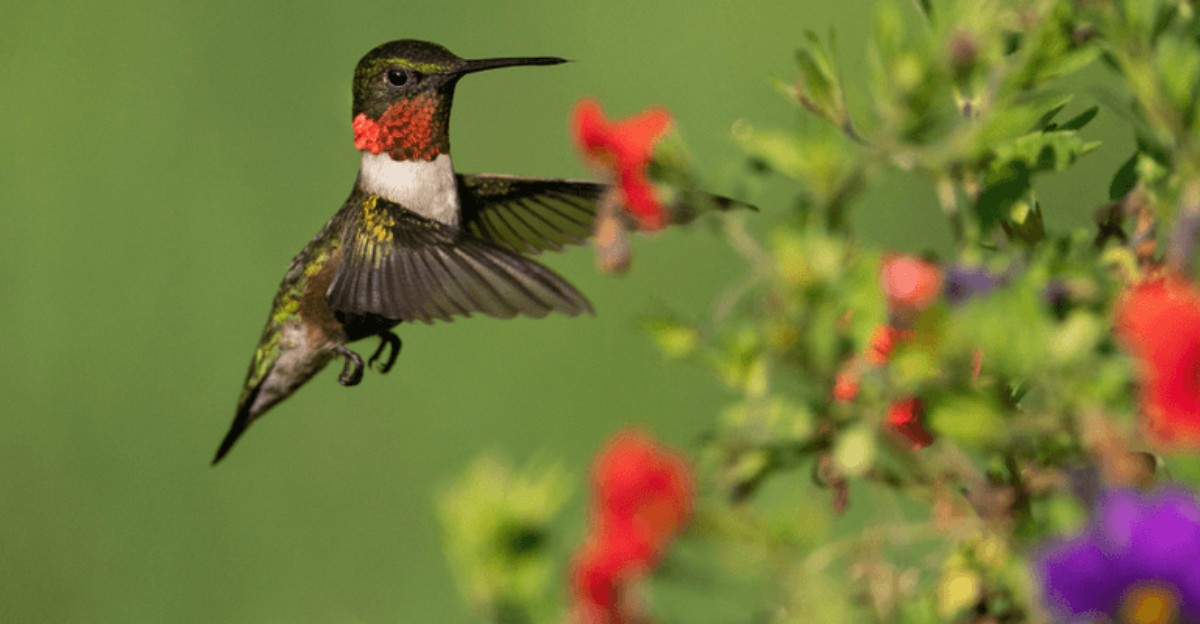
Hummingbirds are passing through your Florida yard right now, and most of them are flying straight past without stopping.
September marks peak migration for these birds moving south, and Florida sits directly on their route. That doesn’t mean every yard gets a visit though.
Birds burning through serious energy on this trip are scanning for very specific things, and yards missing even one of them get skipped in favor of the property next door.
It’s not just about flowers either, though that’s where most homeowners stop thinking. A few other details make the difference between a yard hummingbirds treat as a pit stop and one they fly right over.
Take a look at what your yard’s actually offering this week. A few small changes might be all it takes to turn your yard into a stop instead of a flyover.
1. Firebush Gives Hummingbirds A September Nectar Stop
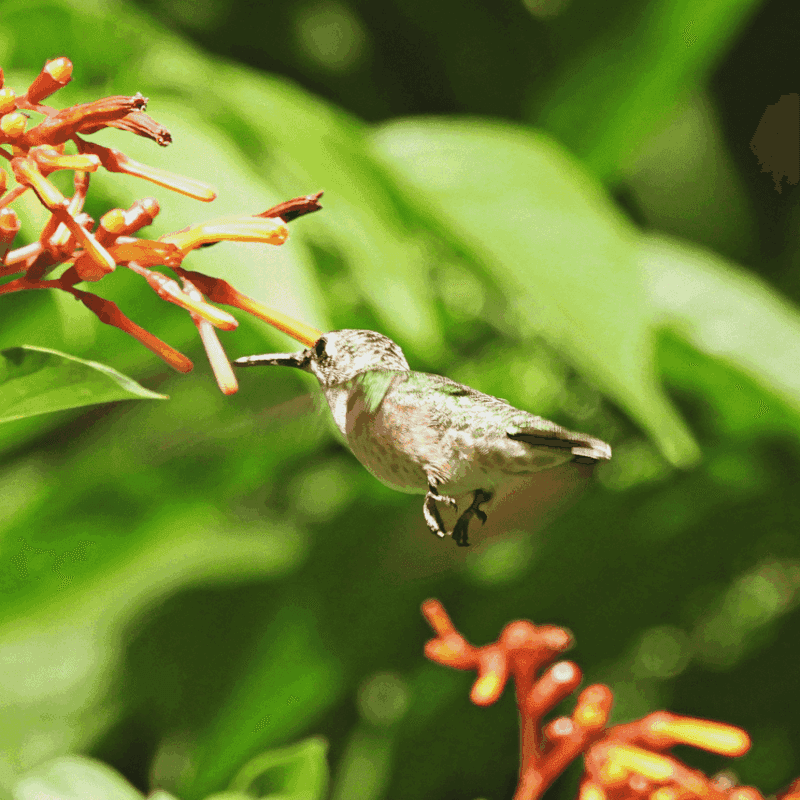
Picture a shrub that looks like it caught fire in the best way possible. Firebush glows with clusters of orange-red tubes, and hummingbirds spot it from far away.
Known to plant fans as Hamelia patens var. patens, firebush is a native shrub or small tree in southern Florida. It blooms from summer through fall, and in warm tropical spots it can flower all year.
That long season makes it a dependable fuel station during September travel.
Here is the fun part for busy gardeners. Firebush loves heat and full sun, so it handles our summers with a grin.
In colder parts of the state, a frost may knock it back to the ground. Most of the time it sprouts again from the base in spring, ready for another round.
After the flowers fade, small berries appear. Songbirds such as catbirds and mockingbirds enjoy them, so one plant feeds several kinds of visitors.
Want the best results? Plant firebush where you can see it from a window, since the action is worth watching.
Give it room to spread, because it can grow tall and wide. A light trim in late winter keeps it tidy without cutting off too many future blooms.
Water new plants often until roots settle, and then let this tough native do its thing.
2. Coral Honeysuckle Adds Another Fall Food Source
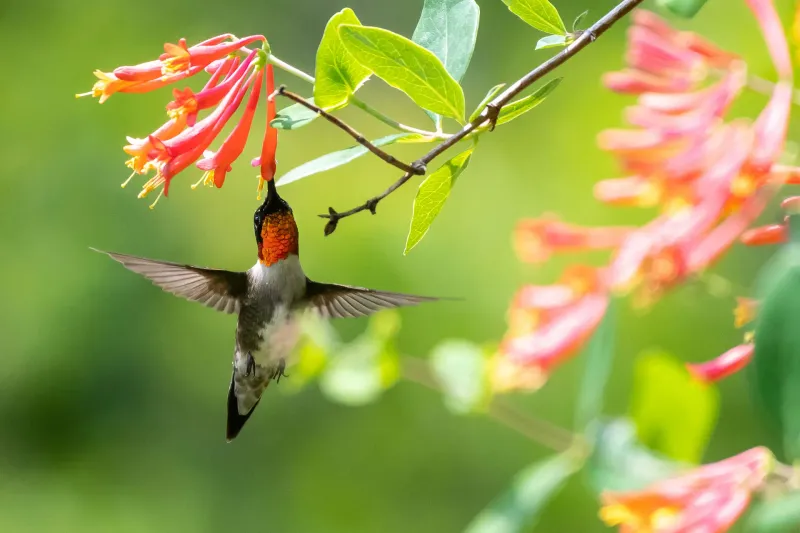
Some vines act like party crashers that take over the whole yard. Coral honeysuckle is the polite guest who shows up, looks great, and stays in its lane.
Also called trumpet honeysuckle, Lonicera sempervirens is a native vine found all over the state. It grows clusters of bright red tubular flowers on new growth.
Unlike the pushy Japanese honeysuckle, this one does not smother nearby plants.
Spring and summer bring its main show. Many plants then surprise you with a second wave of flowers in fall, right when migrating birds need them.
Ruby-throated hummingbirds are especially fond of its sweet, nectar-packed blooms.
Fall also brings small red berries. Songbirds snack on them, which adds even more life to your garden.
Your Florida Garden Changes Every Week. Your Plan Should Too.
Gardening in Florida changes quickly throughout the season. Every Friday you’ll receive a simple weekly plan showing exactly what to plant, prune, fertilize, harvest, and protect so you never miss the right timing.
Getting started is simple. Give the vine a fence, arbor, or mailbox post to climb.
It likes sun for the most flowers, though it can handle a bit of shade. Once it settles in, it needs little water beyond normal rain in most areas.
A quick tip from longtime growers: trim lightly after the spring bloom. That pushes fresh growth, and fresh growth means more flowers later.
Think of it as setting the table early for your September guests. A single healthy vine can keep hummingbirds coming back day after day.
3. Salvia Flowers Keep Nectar Flowing Between Stops
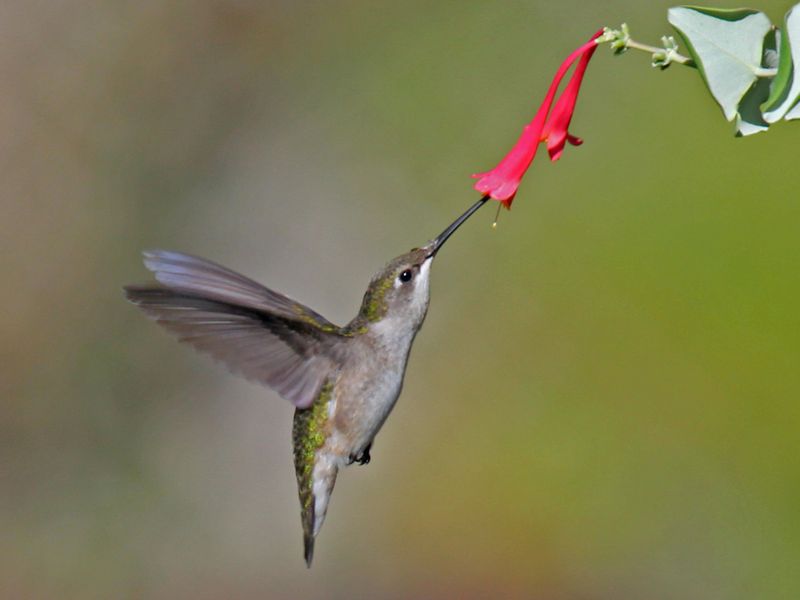
Ask ten bird-loving gardeners for one favorite hummingbird plant, and many will say salvia. There is a good reason this plant keeps winning popularity contests.
Salvias make loads of tubular flowers packed with nectar. They come in red, purple, blue, and pink, so you can match almost any garden style.
A hummingbird tongue is long and fits deep inside each bloom like a key in a lock.
Did you know? A hummingbird tongue splits at the tip and works almost like a tiny mop, soaking up nectar in quick laps.
Many salvia types bloom from late spring through fall. With a little care, some keep flowering nonstop all summer long.
For Florida yards, tropical sage (Salvia coccinea) is a native choice that handles heat well and reseeds on its own.
Here is the secret to more flowers. Snip off faded blooms, a job called trimming, and the plant pushes out new buds.
That means a steady nectar supply when travelers arrive in September.
Plant salvias in groups instead of one here and one there. A large patch of color is easier for a passing bird to notice from above.
Mix in a few colors if you like, but keep plenty of red in the mix. Your yard becomes a reliable stop between longer flights.
4. Turk’s Cap Brings Late-Season Blooms To The Yard
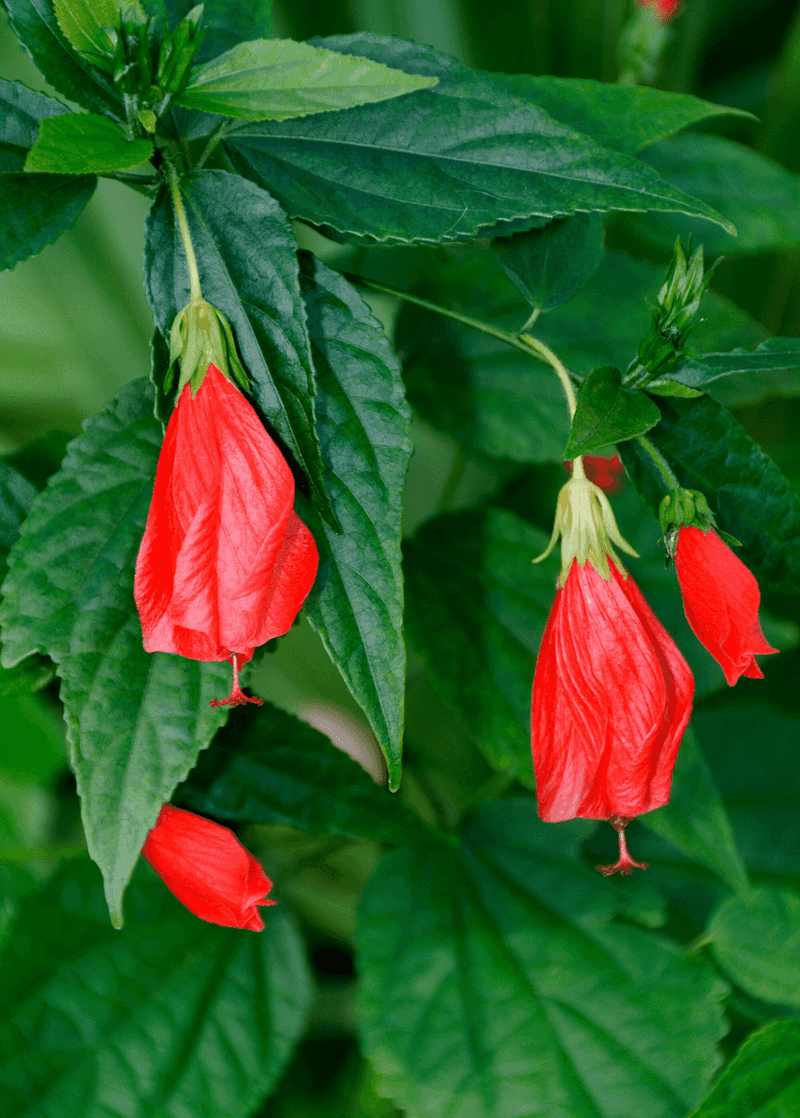
At first glance, Turk’s cap flowers look like they forgot to open. The petals stay twisted and furled, like tiny red pinwheels waiting for a breeze.
Hummingbirds do not mind one bit. That swirled shape still holds plenty of nectar, and the birds know exactly how to reach it.
Turk’s cap, or Malvaviscus arboreus var. drummondii, is a native perennial shrub across the Southeast, including Florida. It blooms from midsummer well into fall.
For Ruby-throated hummingbirds heading south, those late flowers are a big deal.
The plant is also generous to other wildlife. Butterflies and moths visit the blooms, too.
In fall, dark red berries ripen, and birds and small mammals enjoy them as a snack.
Gardeners love how easygoing this shrub is. It grows in sun or partial shade, which makes it handy for spots under tall trees.
Many flowering plants sulk in shade, but Turk’s cap keeps blooming anyway.
Plant it along a fence line or near a shady patio where you can watch the visitors. It can spread over time, so give it some space.
A trim in late winter keeps it neat. With very little fuss, you get a shrub that stays busy with wings through the end of the season.
5. Pentas Keep Hummingbirds Working Through Fall
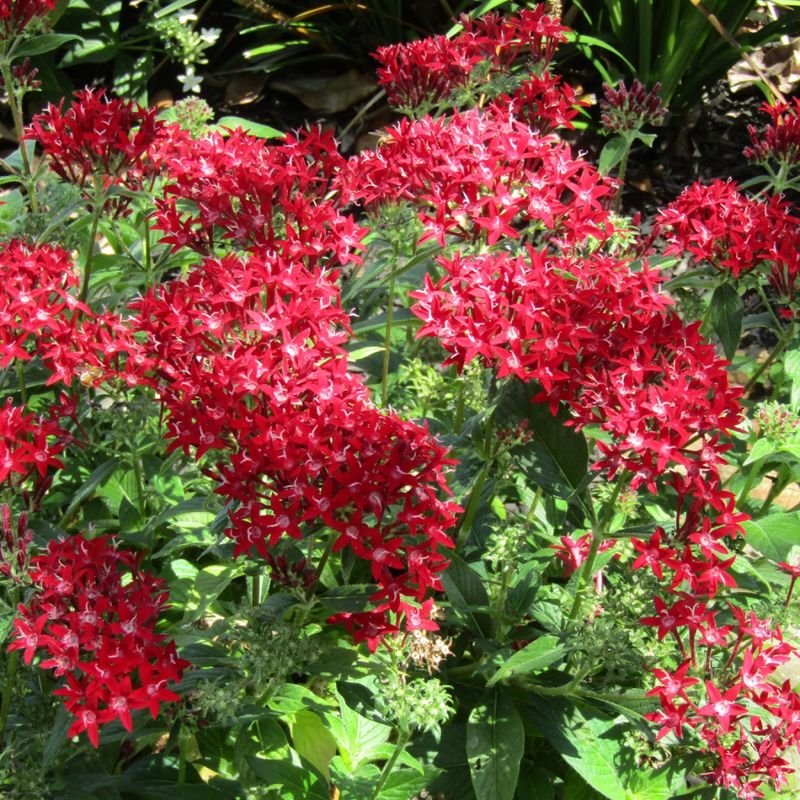
Tiny stars bunched into round clusters might sound like a craft project. With pentas, that is simply what the flowers look like, and pollinators flock to them.
Pentas lanceolata, sometimes called Egyptian star flower, blooms all through the hot summer months. Better yet, it keeps going strong into fall.
That makes it a great late-season food source when hummingbirds are passing through.
Each small star is actually the open end of a skinny tube. Hummingbirds love that shape, and red pentas seem to get the most attention from them.
Pink, white, and purple varieties exist, but red tends to steal the show.
Bees and butterflies also visit these flowers. Your garden bed can turn into a lively little neighborhood with lots of coming and going.
Florida weather suits pentas nicely. They handle heat and sticky humidity that would wear out many other bedding plants.
Plant them in full sun to part shade, and water regularly during dry spells.
A handy trick is to pinch back tall stems now and then. The plant grows bushier and makes more flower clusters.
Tuck pentas into containers on a patio, too, since they look cheerful up close. When you choose plants at the nursery, look for older, larger-flowered types, which often hold more nectar than some compact varieties.
6. Tubular Flowers Make Nectar Easier To Reach
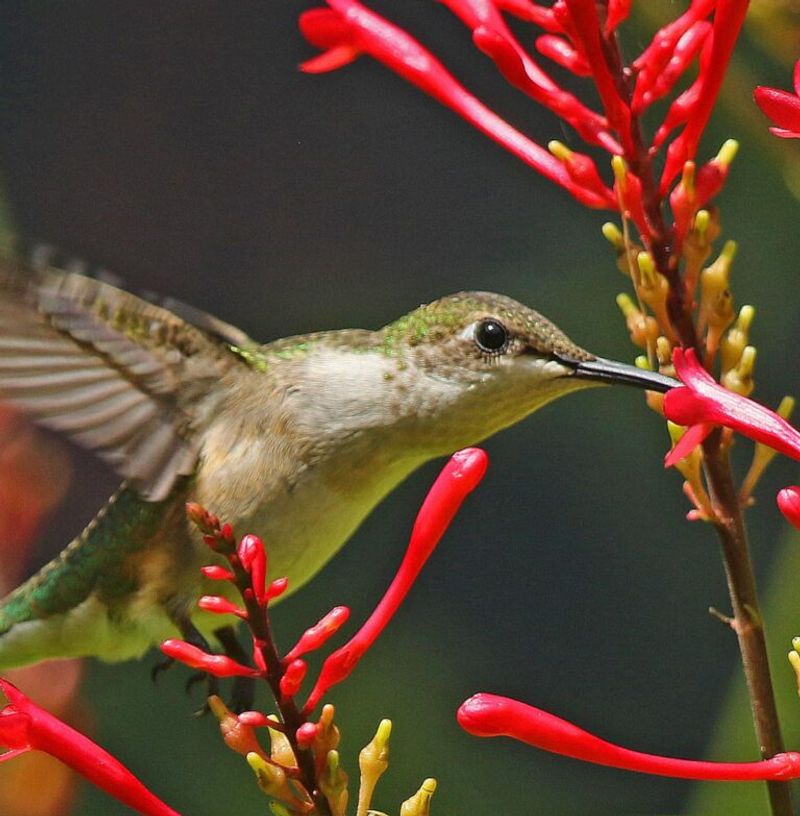
Think of a hummingbird beak as a drinking straw built by nature. Now imagine flowers shaped like tall, skinny cups, and you can see why the two fit so well.
Hummingbirds are drawn to tubular flowers in bright red, orange, or pink. Their long beaks and stretchy tongues reach nectar hidden deep inside trumpet-shaped blooms.
It is a perfect match that has developed over a very long time.
That narrow opening does another job, too. Many insects cannot easily reach the nectar, so the hummingbird gets more of it.
It is a bit like having a private snack bar.
Here is a quirky fact. Flowers that rely on birds usually have little or no scent.
Birds have a weak sense of smell, so these plants focus on bold color instead of perfume.
Height matters as well. Flowers held high on spikes or above the leaves are easier for a hovering bird to reach.
The bird can zip in, sip, and zip out without bumping into branches.
So when you shop for plants, use a simple checklist. Look for tube-shaped flowers, bright warm colors, and blooms that stand up tall.
Examples include firebush, salvia, coral honeysuckle, and firespike. Choose a few that bloom at different times, and your yard stays useful all season.
7. Insects Supply The Protein Hummingbirds Also Need
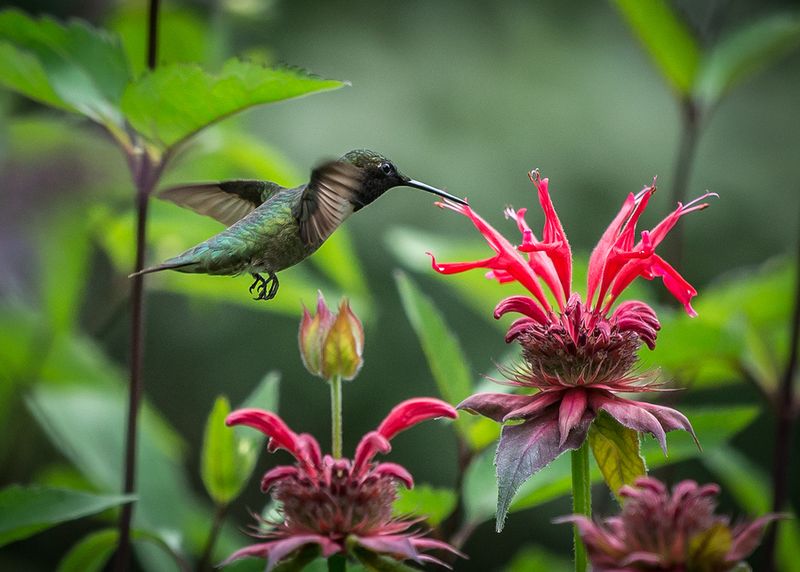
Here is a surprise for many backyard watchers. Those sweet little nectar sippers are also skilled bug hunters.
Hummingbirds eat insects and spiders to get protein and minerals. These tiny meals supply fats, electrolytes, and other nutrients that sugar water alone cannot provide.
Bugs can make up a surprisingly large share of their meals, even though nectar supplies most of their energy.
The hunting style is impressive. A hummingbird may pluck bugs off leaves and bark, or snatch fruit flies, gnats, mosquitoes, and aphids right out of the air.
Some even steal small insects from spider webs.
Protein matters a lot for young birds. It helps build strong bones and healthy feathers.
For migrating adults, it adds staying power for long trips.
So what can you do? First, go easy on bug sprays.
Pesticides wipe out the very snacks these birds are hunting for. If you must treat a problem, choose a targeted option and use it sparingly.
Next, let a little wildness stay in your yard. Native plants attract native insects, and a small pile of leaves under shrubs becomes a bug buffet.
Some gardeners even set out overripe bananas to draw fruit flies. A yard with a healthy insect population is a yard that truly feeds hummingbirds, not just sweetens their day.
8. Clean Feeders Give Passing Birds A Reliable Refuel
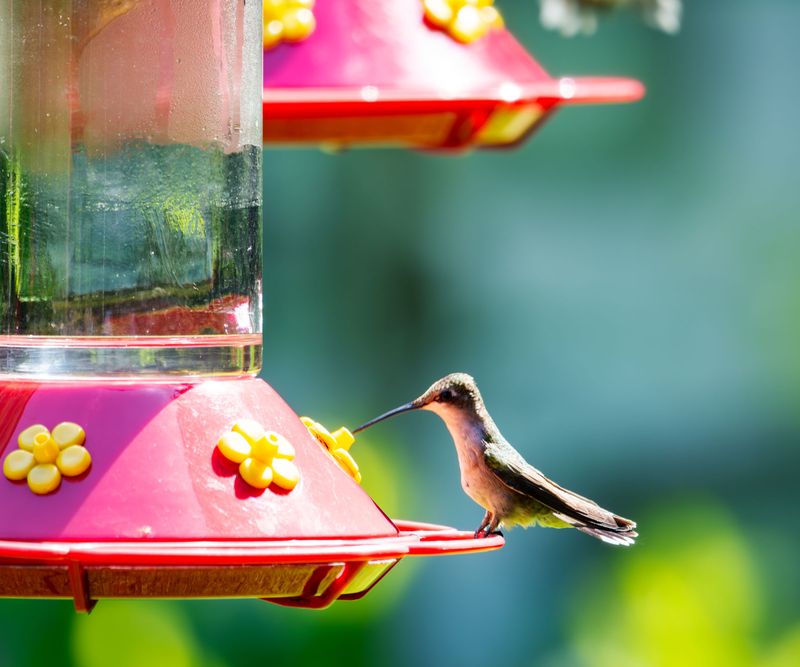
A feeder can be a lifesaver for a tired traveler, or a problem if it gets grimy. In Florida heat, the line between those two can be just a few days.
Nectar is basically sugar water, and warm weather helps mold and bacteria grow fast. Mold can cause breathing trouble for birds, and bacteria can lead to serious illness.
Cloudy or fermented nectar is not safe to offer.
So how often should you clean? At least once a week in mild weather.
During hot spells, aim for every two to three days, and daily when temperatures climb above 86 degrees.
Cleaning is easier than it sounds. Take the feeder fully apart so you can reach hidden corners.
Scrub with hot water and a mild soap or a vinegar solution, then rinse very well. A small bottle brush helps with ports and tight spots.
For fresh nectar, mix one part white sugar with four parts water. Skip the red dye, since birds do not need it and the feeder parts are usually red already.
One more pro tip: fill the feeder only partway in hot weather. Less nectar means less waste when you change it often.
Hang it near flowers, and passing birds will learn your yard is a trustworthy stop.
9. Shrubs And Trees Provide Cover Between Feeding Stops
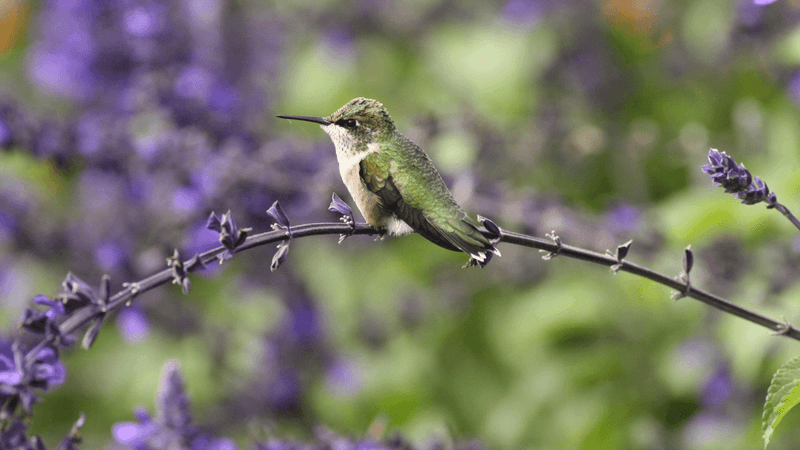
Even the busiest flyer needs a break. After a round of sipping, a hummingbird often darts into a leafy shrub and sits perfectly still.
Shrubs and trees give these birds shelter and safe resting spots. Dense leaves and sturdy branches, especially low to the ground, block wind and hide them from hawks and cats.
A yard with only open lawn feels risky to a tiny bird.
Native plants do double duty here. They offer cover plus food, including flowers and the insects that live on them.
Good choices include elderberry, viburnum, dogwood, coralbean, and firebush.
Height adds another layer of comfort. Larger trees like Geiger tree, Bahama strongbark, or cinnamon bark give birds a high lookout.
From a bare twig up top, a male hummingbird can guard his favorite flowers.
Try thinking of your yard in layers. Put low shrubs near the ground, medium shrubs in the middle, and a few trees above.
That mix gives birds places to perch, hide, and rest between meals.
Place feeders and nectar plants within a short flight of cover. Birds feel safer when a hiding spot is close by.
Over time, your yard becomes more than a snack stop. It turns into a welcoming rest area on a long southern journey.