The September Garden Change That Can Make Your Florida Yard More Attractive To Painted Buntings
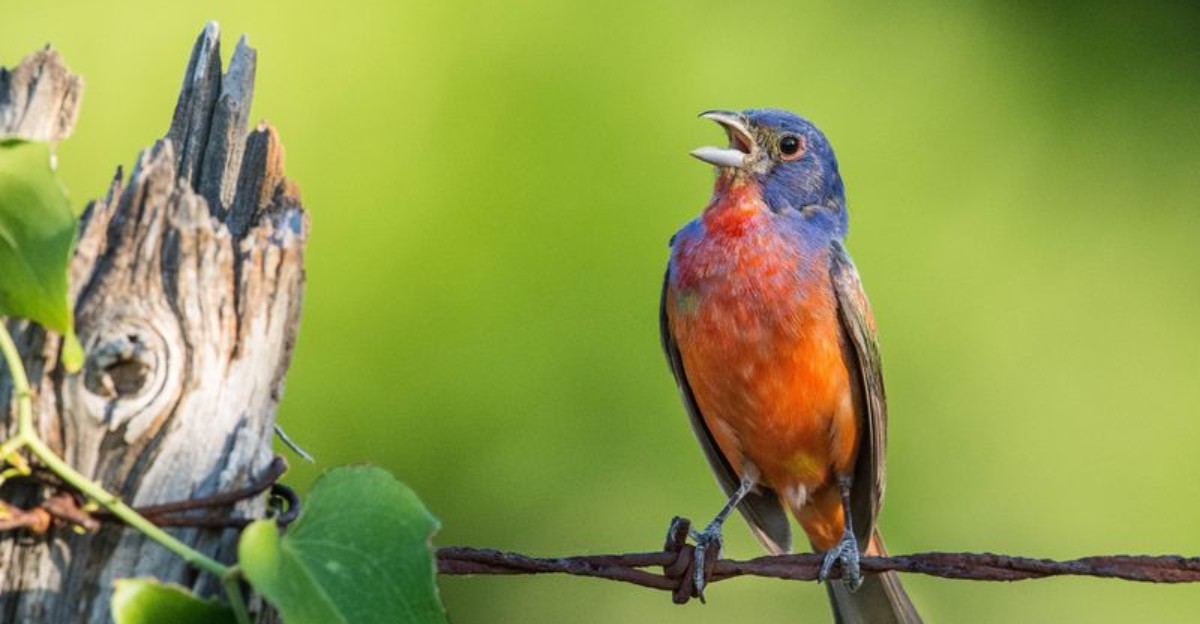
One shift in your Florida yard this month could be the reason a painted bunting finally shows up instead of skipping past.
These birds rank among the most sought-after visitors for backyard birdwatchers, and yet plenty of yards that look perfectly inviting to humans never catch their attention at all.
September timing matters here more than most people realize, lining up with when buntings start moving through and start scouting out where to stop.
One specific change tips the odds in your favor, something most yards are missing without the owner ever realizing it’s the gap keeping these birds away.
Take a look at what your yard’s offering this month. The difference between never seeing a painted bunting and hosting one regularly might come down to a single overlooked detail.
1. Let Native Grasses Grow Taller For Painted Buntings
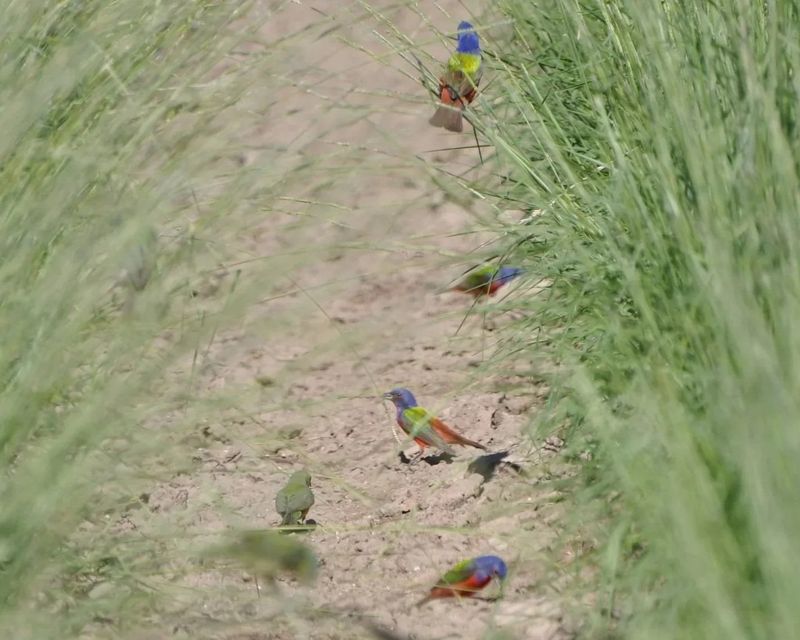
Picture your lawn mower taking a well-earned vacation. Letting native grasses grow tall is one of the simplest favors you can do for painted buntings this fall.
Short turfgrass looks tidy, but it offers birds very little. Taller native grasses give them seeds to eat, stems to cling to, and thick bases where they can hide.
Painted buntings eat seeds for much of the year, so these plants act like a pantry that restocks itself.
In South Florida, great choices include muhly grass, switchgrass, Fakahatchee grass, Elliott’s lovegrass, and lopsided indiangrass. Muhly grass puts on a fluffy pink show in fall that neighbors tend to admire.
Fakahatchee grass forms big, leafy clumps that work well along fences or near a patio.
Let these grasses form full clumps instead of trimming them into neat little balls. Cutting them back early removes the very seeds and shelter the birds are searching for.
You can wait until late winter to tidy them up.
Start small if a wild look worries you. A single border bed or a corner patch can make a real difference.
Add a simple edge of mulch or stones so the area looks planned. That way, your yard feels cared for while the birds enjoy a grassy buffet right at your doorstep.
2. Add Beautyberry For More Natural Cover
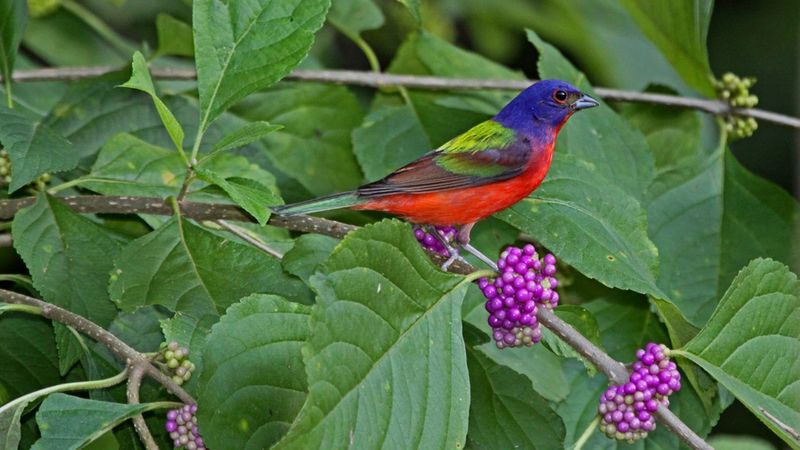
Few shrubs look like they were decorated by a candy maker, but American beautyberry comes close. Its bright magenta berries grab attention from people and birds alike.
Beautyberry, known to scientists as Callicarpa americana, is a woody shrub native to Florida. Clusters of berries wrap around its stems from late summer into winter.
Painted buntings have been spotted nibbling on them, which makes this plant a smart September pick.
The shrub also offers something just as valuable as food. Its branches grow thick and arching, creating shady hiding spots for small birds.
When a hawk flies overhead, a bunting can dash inside and wait it out.
Here is the fun part for gardeners. Beautyberry grows well in every region of Florida and handles dry or moist soil.
It accepts full sun or partial shade, so it fits many yards without fuss.
Your Florida Garden Changes Every Week. Your Plan Should Too.
Gardening in Florida changes quickly throughout the season. Every Friday you’ll receive a simple weekly plan showing exactly what to plant, prune, fertilize, harvest, and protect so you never miss the right timing.
Expect it to reach three to eight feet tall and spread up to eight feet wide. Give it room near the edge of your yard, where it can blend with other plants.
A quick pruning in late winter keeps it full and healthy.
Fun fact: some old Southern stories say crushed beautyberry leaves were used to keep mosquitoes away. The birds, however, are only here for the berries.
3. Leave Seed Heads Standing Through September
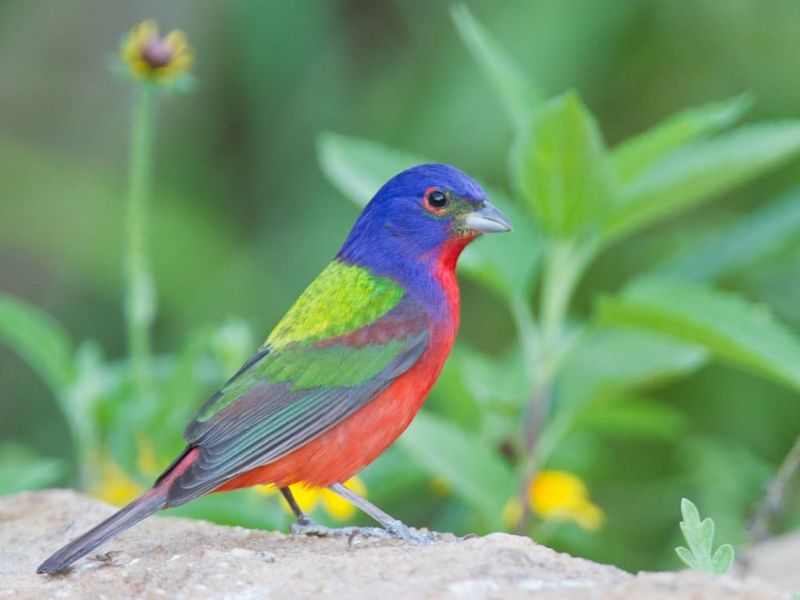
Those brown, scraggly stalks after flowers fade might look like chores waiting to happen. To a painted bunting, they look like a dinner menu.
Seed heads form after plants finish blooming. Painted buntings eat mostly seeds for much of the year, so these dried tops become an important food source.
Yards that keep seed heads standing tend to attract buntings more often than perfectly groomed lawns.
Nature also helps spread the meal around. Some seed heads break open on their own, scattering seeds onto the ground.
Small birds like buntings and finches then hop along below, picking up the fallen snacks.
Many common plants make seeds buntings enjoy. Foxtail, amaranth, bristle grass, panic grass, wood sorrel, spurge, and sedges are all on the list.
Some of these may pop up on their own, so you might already have a bunting buffet without knowing it.
Resist the urge to snip everything once the blooms fade. Hold off on trimming through September and into fall.
If a bed looks messy, trim only the front edge and leave the rest standing.
Think of it like leaving cookies out for guests. The plants did the hard work of growing the seeds.
All you need to do is let them stay put a little longer.
4. Grow Paspalum Where Buntings Can Feed
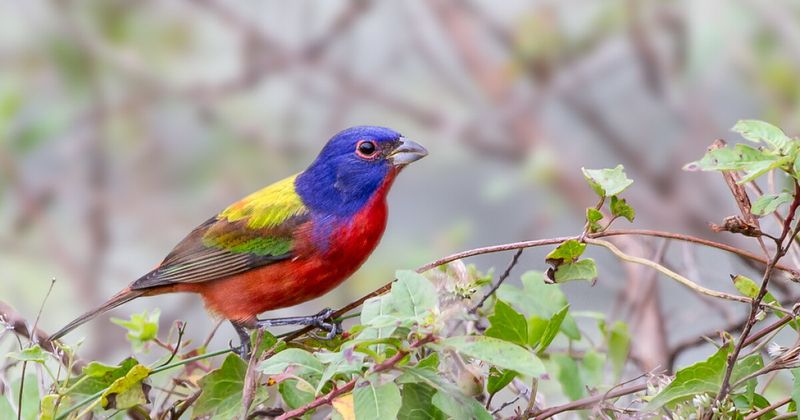
Plenty of Florida yards already have paspalum growing somewhere. You may have walked past its thin, branching seed stalks without a second glance.
Paspalum is a group of grasses that often shows up in sunny, open spots across the state. Its seed stalks sit low enough for small birds to reach.
While experts do not single it out as a top bunting plant, it fits the bigger picture of growing a mix of native, seed-producing grasses.
Painted buntings rely heavily on grass seeds, so variety matters. Pair paspalum with muhly grass, switchgrass, Elliott’s lovegrass, or lopsided indiangrass.
Sedges from the Carex group are a nice addition, too, since they offer seeds early in the season.
Placement is the real secret here. Buntings like to feed on or near the ground, but they stay nervous in wide open spaces.
Grow these grasses along the edge of a bed, close to shrubs where birds can scoot for cover.
Let the grasses set seed and stay standing into fall. Skip mowing that patch for a while, and consider marking it with a small garden sign.
Neighbors often become curious once they learn the patch is a bird cafe.
With a little patience, that low grassy strip can become a favorite feeding spot.
5. Skip A Full Yard Cleanup Before Migration
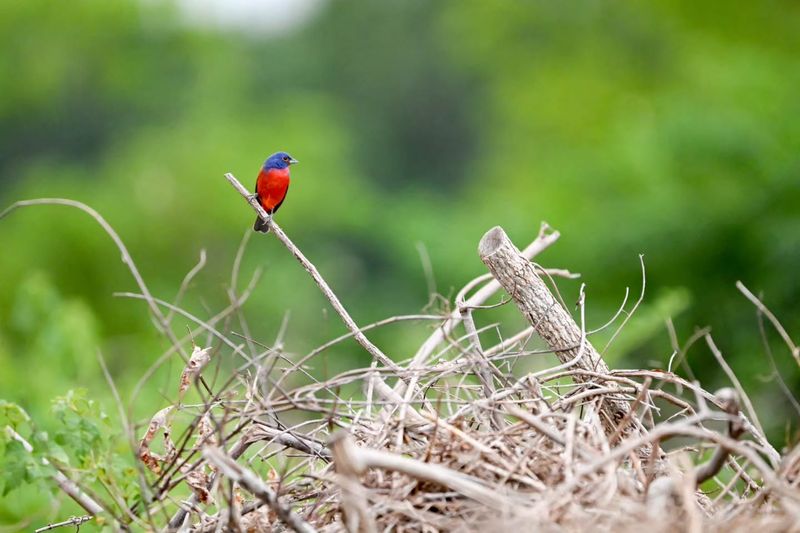
Good news for anyone who dislikes raking. A messier yard in early fall can be a real welcome mat for painted buntings.
These birds are shy and careful. A bare, heavily trimmed lawn feels exposed to them, with nowhere to hide from hawks or cats.
Instead of stopping, they often keep flying to find safer ground.
So put the leaf blower down for a bit. Fallen leaves tucked under shrubs hide insects and seeds that birds love.
A small brush pile made from branches gives buntings a quick escape spot when danger shows up.
Patches of native grasses and wildflowers help, too. When plants of different heights grow together, they support more bugs, more seeds, and more shade.
Birds can then move through the yard while staying partly hidden.
Cutting everything back too early removes those helpful features. Try tidying only the areas people use most, like walkways and the front entry.
Leave the back corners and bed edges a bit wild.
Here is a simple rule to try. For every section you clean, leave another section alone until late winter.
You will save time and energy, and the birds will find more reasons to stay. Calling it wildlife gardening sounds much better than calling it skipping chores.
6. Keep Dense Shrubs Near Open Feeding Areas
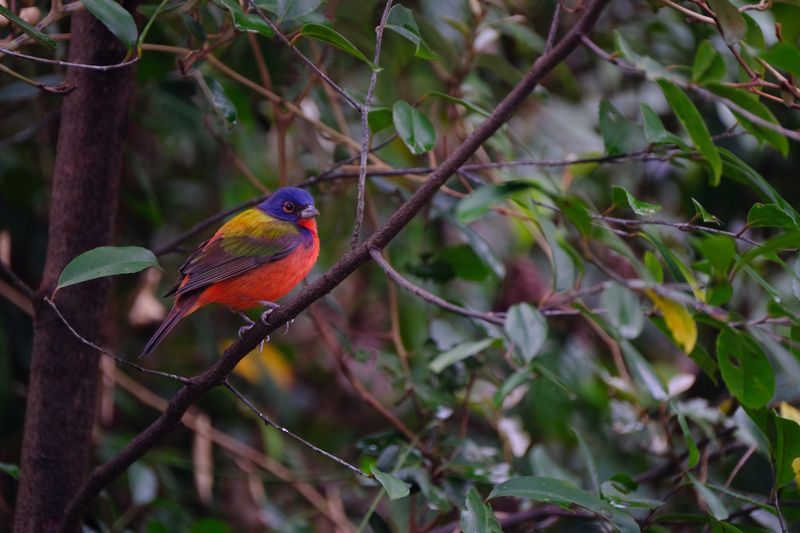
Imagine eating lunch in the middle of a parking lot with no place to duck. Painted buntings feel the same way about open lawns without nearby shelter.
These birds prefer low, thick shrubs, tangles, and brushy edges. Placing dense shrubs next to open feeding spots gives them a place to perch, rest, and hide in a flash.
That short escape route helps them feel brave enough to feed on the ground.
South Florida gardeners have many native shrubs to pick from. Wax myrtle, Simpson’s stopper, wild coffee, and firebush are popular choices.
Beautyberry, saw palmetto, coontie, cocoplum, Walter’s viburnum, and marlberry also work well.
Mix a few types together for the best results. Different shrubs offer berries, flowers, and leaf cover at different times of year.
Firebush, for example, draws hummingbirds and butterflies as a bonus.
If you use a seed feeder, set it close to these shrubs. Leave enough open space around it so birds can look around for trouble.
A few feet of clear ground between the feeder and the thickest cover usually strikes a nice balance.
Watch how the birds behave after you make changes. You may notice them darting from branch to feeder and back again.
That pattern means your layout is doing its job.
7. Offer Water Where Birds Can See Approaching Predators
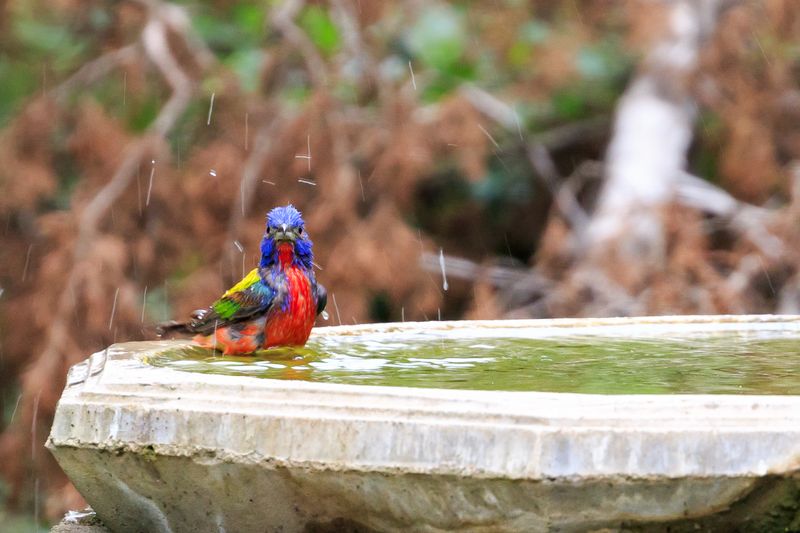
A splash of water on a hot Florida afternoon feels amazing, and birds agree. Still, a birdbath in the wrong spot can make a small bird feel like it is being watched.
Shallow water attracts painted buntings, especially when moving water catches their eye. A simple dripper or mister adds gentle sound and sparkle.
Birds often notice that motion from a distance.
Where you put the bath matters most. Place it about ten feet away from thick shrubs where a cat might hide.
That distance lets birds spot trouble coming, yet keeps safe cover close enough for a quick retreat.
Raising the bath on a stand can improve their view even more. Choose a bowl with a matte finish in earthy colors like tan, brown, or gray.
These shades reduce glare and help birds feel less exposed.
Shape counts, too. A wide, shallow bowl works best for small birds like buntings.
Add a layer of river rocks or pebbles so they can grip the bottom and judge how deep the water is.
Refresh the water every couple of days to keep it clean and cool. Scrub the bowl weekly to stop algae from building up.
Your feathered guests will reward you with plenty of cheerful bath time.
8. Reduce Pesticide Use Where Buntings Are Feeding
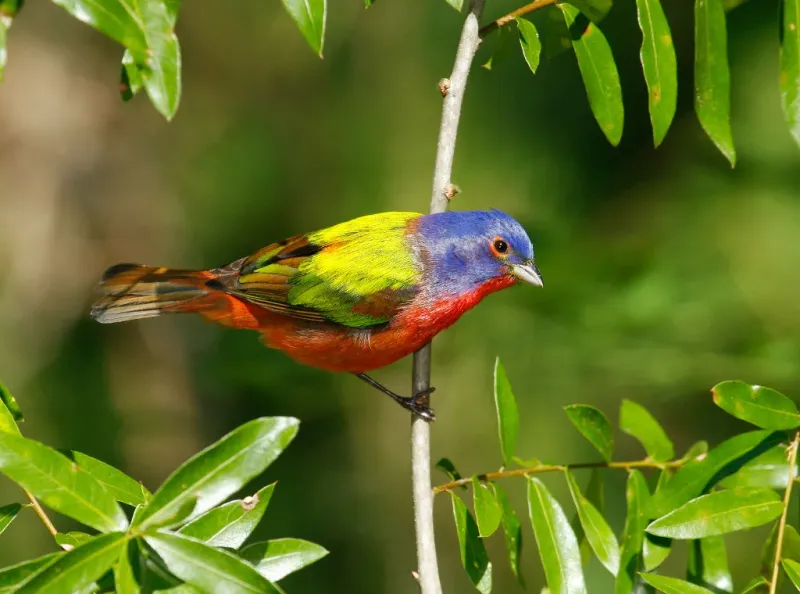
Bugs might be the reason you reach for a spray bottle. For painted buntings, though, those same bugs can be an important part of the menu.
Pesticides can harm birds in several ways. They shrink food supplies by wiping out insects and weeds that make seeds.
Birds may also swallow pesticide granules by mistake, thinking they are seeds.
The trouble can spread further. Birds can take in chemicals by eating tainted insects or drinking from treated puddles.
Over time, this may affect their energy, their health, and even their ability to raise young or migrate well.
Weed destroyers deserve extra attention. Many so-called weeds are the very plants that feed buntings seeds.
Spraying them removes a free and natural food source.
A friendlier plan is easier than it sounds. Pull weeds by hand in small areas where looks really matter.
Use a hose spray to knock pests off plants, or pick them off with gloves.
Planting a wide mix of natives helps too. Healthy gardens attract helpful insects like ladybugs that keep pests in check.
These insects also feed birds, especially during nesting season.
Think of it as trading a chemical shortcut for a living, balanced yard. The buntings, butterflies, and bees will all benefit.
9. Give Painted Buntings A Safer Place To Refuel
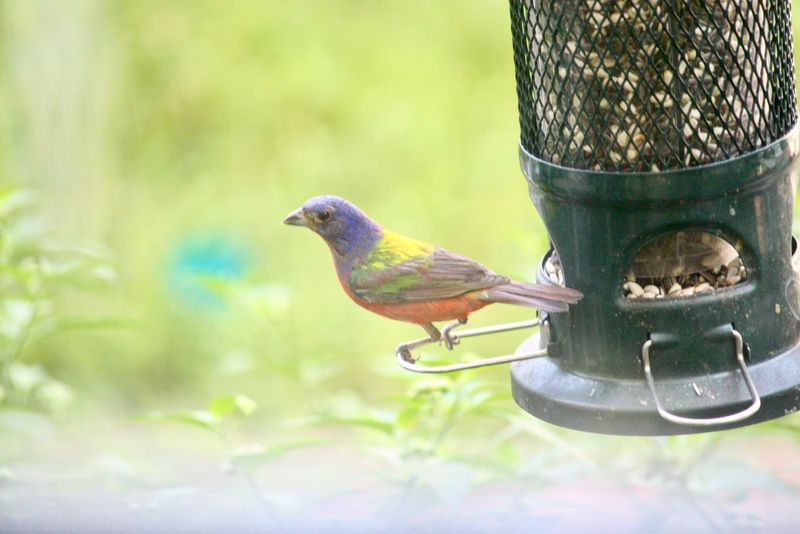
Every fall, Florida becomes a rest stop and winter home for painted buntings. Your yard could be one of the places they count on.
These birds move low and carefully, like tiny secret agents. They need safe paths between food and cover.
A single shrub or a lone feeder in the middle of the lawn often feels too risky.
Try building a brushy native edge instead. Layer low wildflowers in front, grasses in the middle, and shrubs at the back.
This setup gives birds a hidden hallway through your yard.
Feeders can help when set up wisely. A caged feeder keeps out larger birds and some predators, giving buntings a calmer meal.
White millet is a well-loved choice for them.
A few other steps make a big difference. Keeping pet cats indoors protects birds that feed and nest low.
Turning off extra outdoor lights at night helps migrating birds find their way.
Swapping invasive plants for natives also pays off over time. Native plants offer the right food and resting spots these birds have used for generations.
Once everything comes together, keep an eye out on cool mornings. A flash of blue, red, and green may appear at the edge of your garden.
That moment makes every small change worthwhile.