Why Georgia Gardeners Should Check Camellia Buds Before September Ends
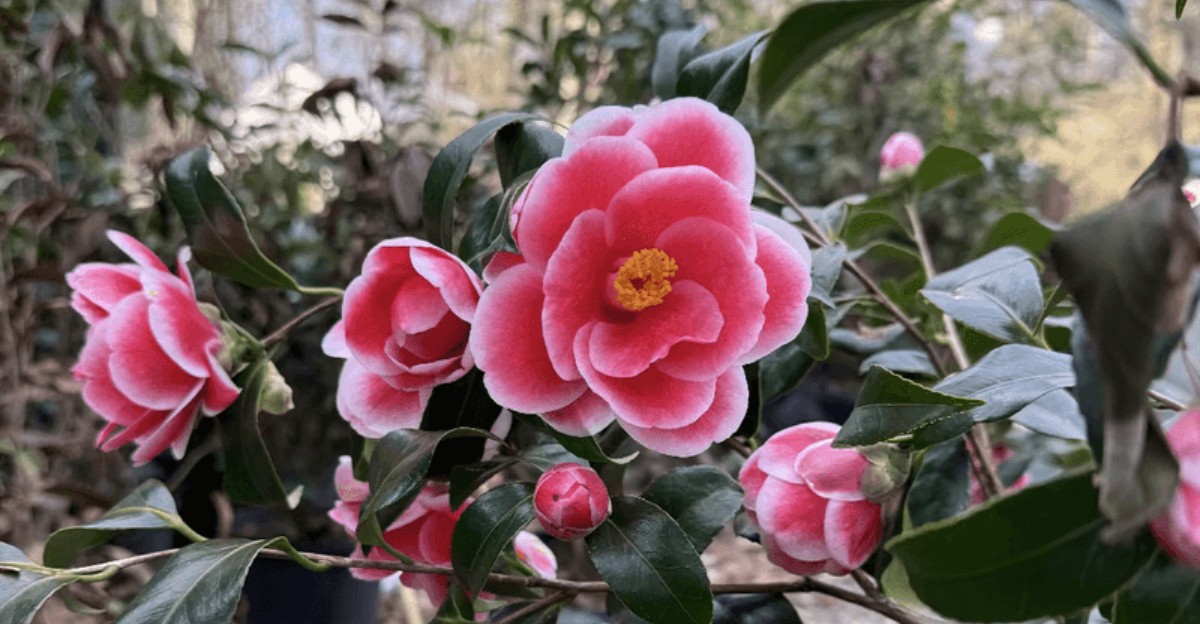
Camellias can look settled in September, even while next season’s flowers are already taking shape. Those developing buds deserve a closer look before the month ends.
Checking them now gives you an early glimpse of how the shrubs are heading into fall.
Healthy buds should be forming along the stems, but their condition can reveal whether something has interfered with development. In Georgia, summer heat and stress can influence what you find.
So spend a few minutes examining the branches instead of waiting for bloom season.
Knowing what looks normal makes unusual changes easier to recognize while there is time to respond. You may also avoid fall care that disrupts those future flowers.
Check the buds carefully now, and you will understand what your camellias are quietly preparing for next.
1. Those Small Buds Are Already Holding Important Clues
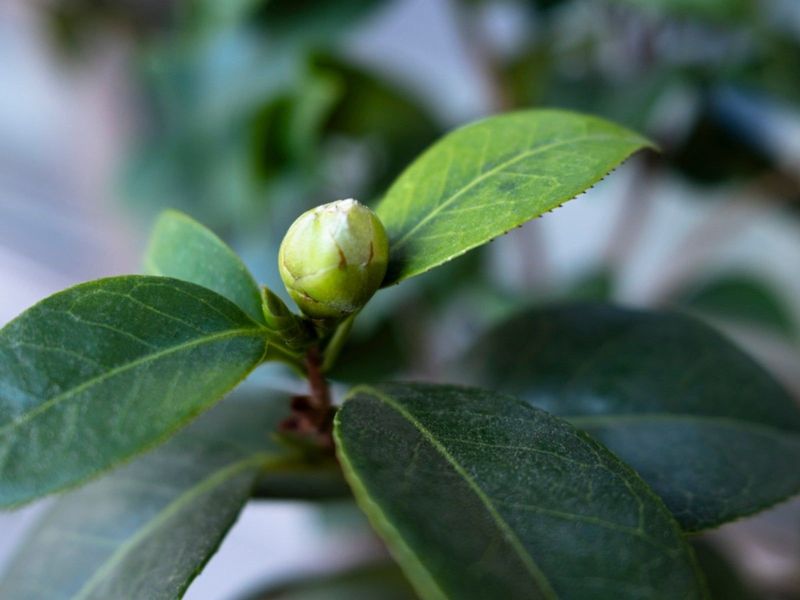
Pinch a branch tip gently and you learn more in five seconds than a month of guessing. Camellia buds show their condition early, long before petals ever appear.
A fat, rounded bud with tight overlapping scales usually means the plant had enough water and light during summer. Flat or hollow-feeling tips often point to stress.
Count them loosely as you walk the shrub. Heavy bud set on some branches and almost none on others can hint at uneven sun or root problems on one side.
Color matters too, though it varies by variety. Most healthy buds look green with a slight brown or reddish edge on the scales at this stage.
Gardeners across Georgia often assume camellias run on autopilot, and mature plants usually do. Still, the buds are a free progress report, and reading them costs nothing.
Take a quick photo with your phone while you look. Comparing that shot to one taken in late October shows whether buds are swelling or stalling.
Write down anything odd, like a branch with browned tips or buds that feel loose against the stem. Small notes now make November decisions easier.
Nothing here requires tools or products. Curiosity and a few minutes outside handle most of the work, and the plant tells you the rest.
2. Camellias Form Flower Buds Well Before Blooming Begins
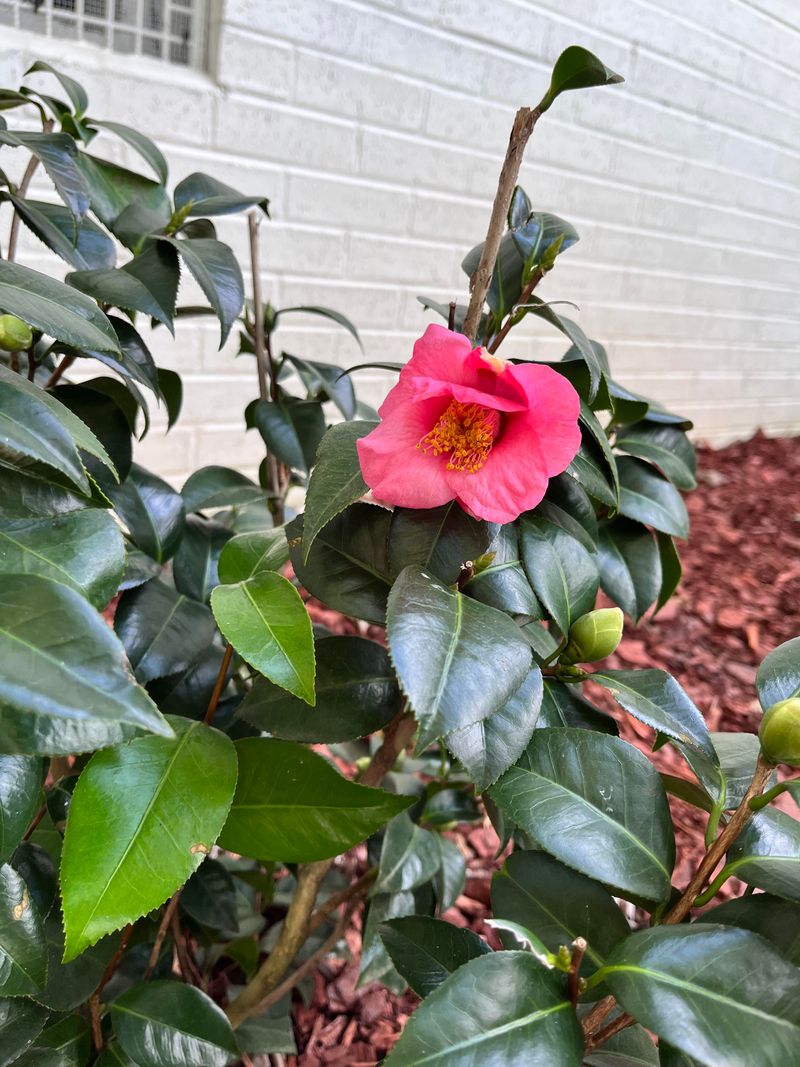
Blooming season gets all the attention, but the real decisions happened back in early summer. Camellias set their flower buds during the warm months, then hold them for weeks or months.
Sasanqua types generally open first, often from October into December. Japonica varieties tend to follow, stretching from midwinter into spring depending on the cultivar and the weather.
That long holding period is exactly why September checks help.
Whatever happens to a bud between now and opening day shows up in the flower. Drought, cold snaps, or rough handling can all leave marks.
Fertilizer timing shifts once buds are set. Feeding late in the season can push tender new growth that has little time to firm up before cold arrives.
Most gardeners in Georgia do better applying an acid-forming fertilizer in spring after flowering, then leaving the plant alone through fall. Soil tests through your county Extension office can confirm what your beds actually need.
Your Georgia Garden Changes Every Week. Your Plan Should Too.
Gardening in Georgia changes quickly throughout the season. Every Friday you’ll receive a simple weekly plan showing exactly what to plant, prune, fertilize, harvest, and protect so you never miss the right timing.
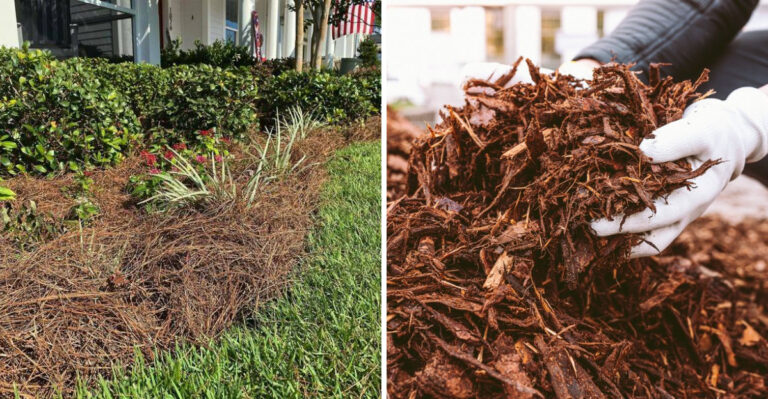
Mulch is a safer autumn move. A couple of inches of pine straw or shredded bark keeps roots cooler and moisture steadier.
Knowing the bloom window for your specific variety also sets expectations. A japonica sitting tight in November is not behind schedule, it is simply doing what it does.
3. Healthy Buds Should Feel Firm And Look Full
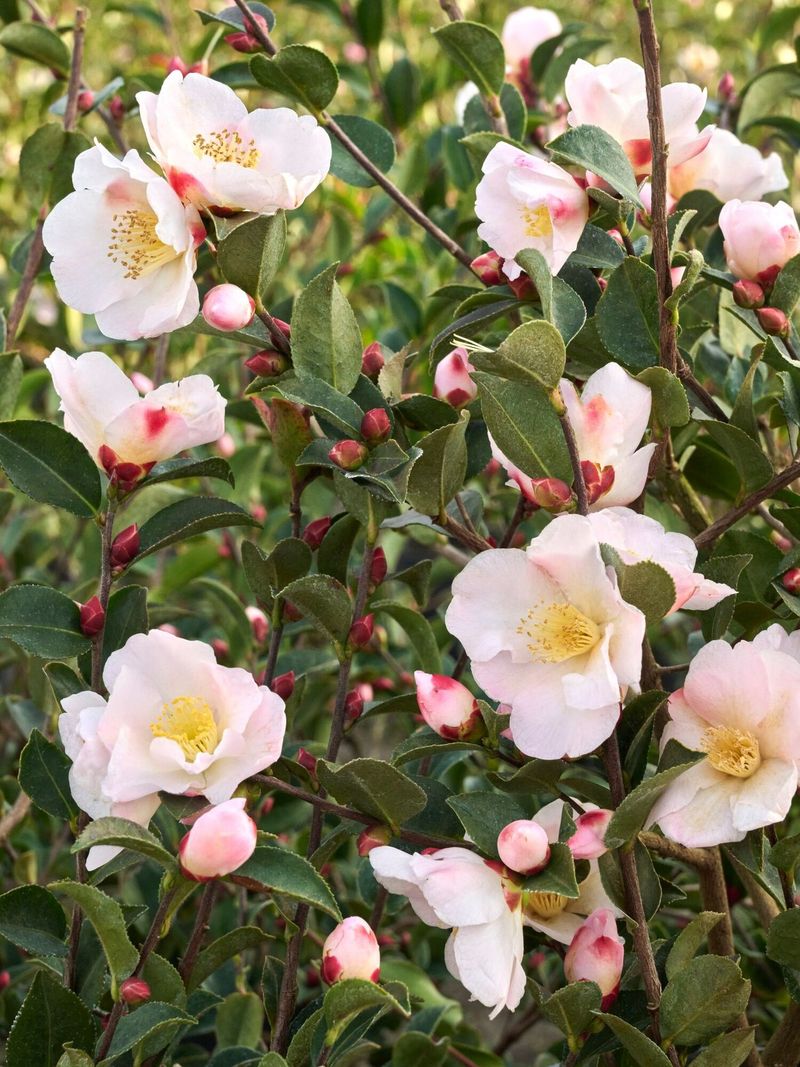
Firmness is the single easiest thing to test, and it says plenty. A good camellia bud resists slightly when you press it, almost like a small unripe berry.
Squishy buds or ones that crumble under light pressure have usually run into trouble. Sometimes that trouble is old and already finished.
Look at the scales wrapped around the outside. Tight, overlapping layers suggest normal development, while gaps or peeling edges can mean uneven moisture.
Size varies a lot between varieties, so avoid comparing your plant to a neighbor’s. Compare each shrub to itself, branch by branch.
Bud drop happens with camellias more often than people realize, and it is not rare in Georgia yards after a dry stretch. Plants sometimes shed extras they cannot support.
A little natural thinning is fine. Losing most of the buds on a branch is worth investigating further.
Check the leaves nearby while you are there. Glossy, deep green foliage usually travels with well-fed buds, and yellowing leaves can point to root or drainage issues.
Some gardeners hand-thin crowded clusters to get larger flowers, leaving one or two buds per tip. That step is optional and mostly matters if you enter shows or want big single blooms.
4. Dry Weather Can Affect Developing Flowers
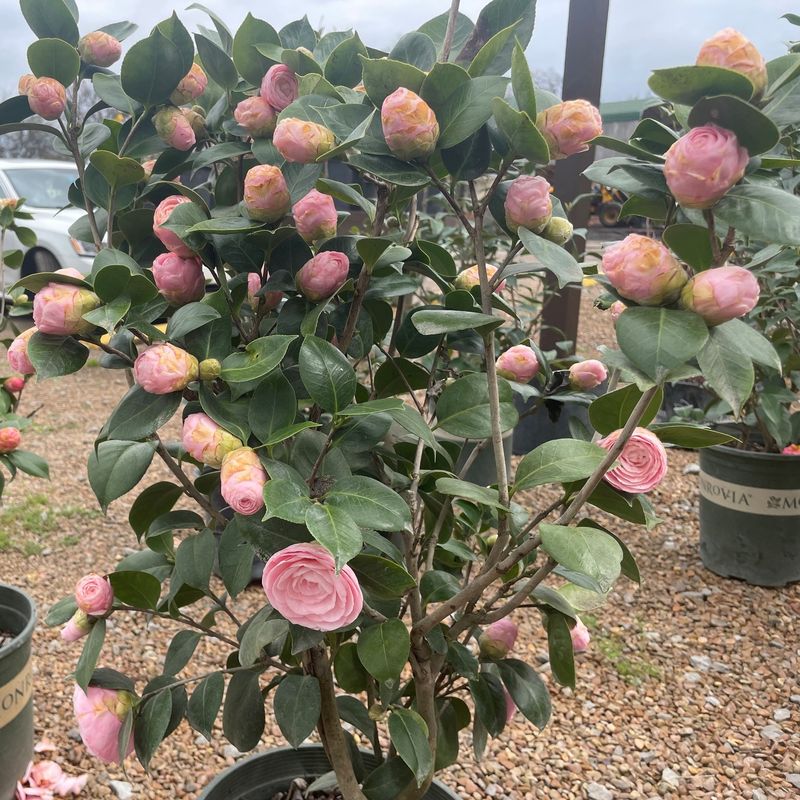
Water is the one thing camellias rarely forgive. Late summer dry spells hit right when buds are sizing up, and the damage often shows later as small or dropped flowers.
Shallow roots make the problem worse. Camellias keep much of their root mass in the top foot of soil, so surface dryness reaches them fast.
Stick a finger or a screwdriver into the soil near the drip line. If the top few inches feel dry and crumbly, the plant likely needs a deep soak.
Slow watering beats quick spraying every time. A soaker hose running for thirty minutes or so does more good than a brief pass with a sprinkler.
September rainfall in Georgia swings wildly from year to year, and a wet August can be followed by three dry weeks. Watching your own beds matters more than watching averages.
Mulch helps hold what you give.
Container camellias dry out fastest and need checking more often, sometimes every day or two in warm spells. Pots on sunny patios are the usual trouble spots.
Bud drop from drought stress cannot be reversed once it starts, but steady moisture protects the buds still hanging on. Keep watering into fall until real cold weather settles in.
5. Insect Damage May Show Up Around Tender Growth
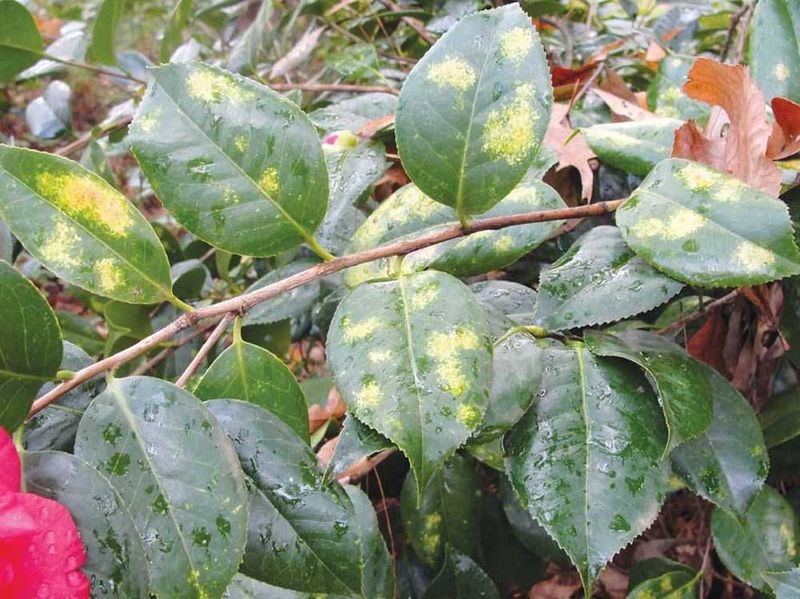
Flip a few leaves over. Most camellia pest problems in southern gardens hide on the undersides, not out in plain view.
Tea scale is the usual suspect, showing up as tiny tan or white bumps clustered along leaf veins. Sticky residue and black sooty mold on upper leaf surfaces often give it away first.
Aphids favor soft new shoots, curling the tips as they feed.
Spider mites become more noticeable during hot, dry stretches. Leaves take on a dull, dusty look, and fine webbing sometimes appears near the stems.
Heavy scale infestations can weaken a shrub over time, which affects how well it holds buds. Catching it early keeps treatment simple.
Horticultural oil is a common option, though timing matters and label directions should guide the rate. Spraying in extreme heat can burn foliage, so cooler mornings work better.
Pruning out badly infested interior branches improves air movement too. Better airflow makes the plant less inviting to several pests at once.
Extension agents around Georgia can identify pests from a photo or a leaf sample, which beats guessing at the garden center. Free advice like that is easy to overlook.
Not every blemish signals an infestation, and older leaves naturally show wear. Watch for spreading patterns rather than reacting to a single spotted leaf.
6. Heavy Pruning Now Can Remove The Coming Display
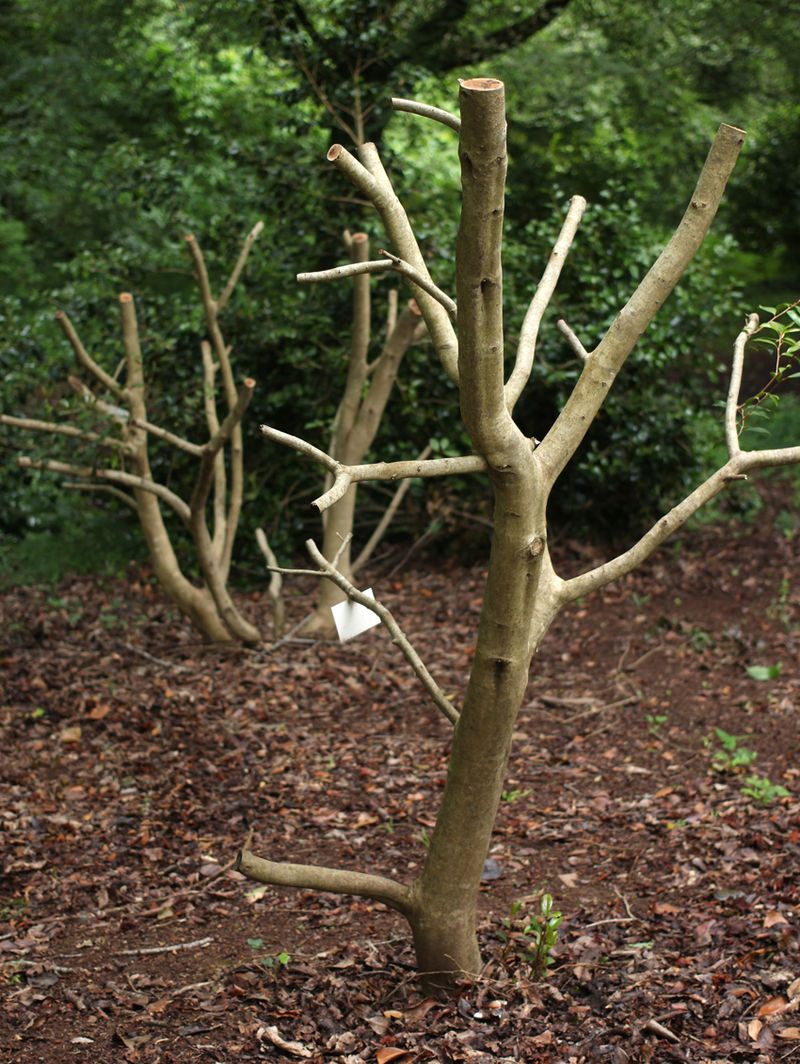
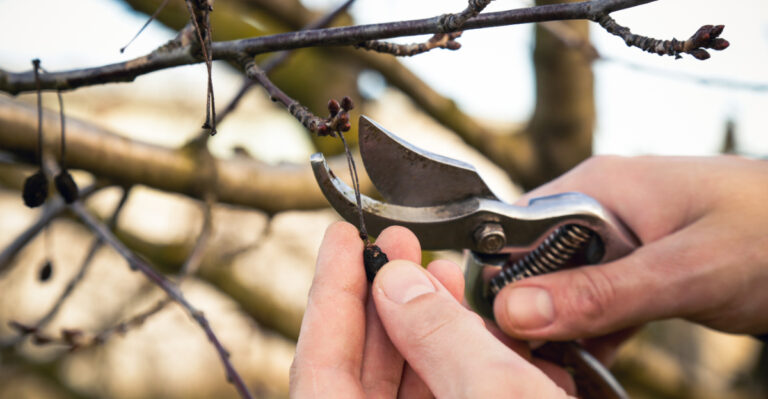
Grab the shears in September and you may be trimming away winter’s flowers. Camellia buds sit on wood that formed earlier in the year, so cutting branch tips removes the blooms directly.
Timing is the whole issue here. Right after flowering finishes is the traditional window for shaping camellias, which gives the plant time to grow and set new buds.
Light work is still fine.
Removing a broken limb, clearing crossing branches, or snipping out a damaged twig will not ruin the season. Save the serious size reduction for spring.
Hedge trimming causes the most heartbreak, especially when a landscape crew shears camellias along with the boxwoods. A single pass can strip nearly every bud on the outer shell.
Talk with whoever maintains your yard before fall cleanup starts. One conversation prevents a long wait for the next bloom cycle.
Older, leggy camellias sometimes genuinely need hard renewal pruning, and many Georgia gardeners handle that in late winter or early spring. Accept that you trade one season of flowers for better structure afterward.
Overgrown plants respond surprisingly well to that kind of reset. Recovery takes a year or two, though results vary with age, variety, and site conditions.
Mark your calendar for the right window instead of relying on memory.
7. A Quick September Check Can Prevent Unwanted Surprises
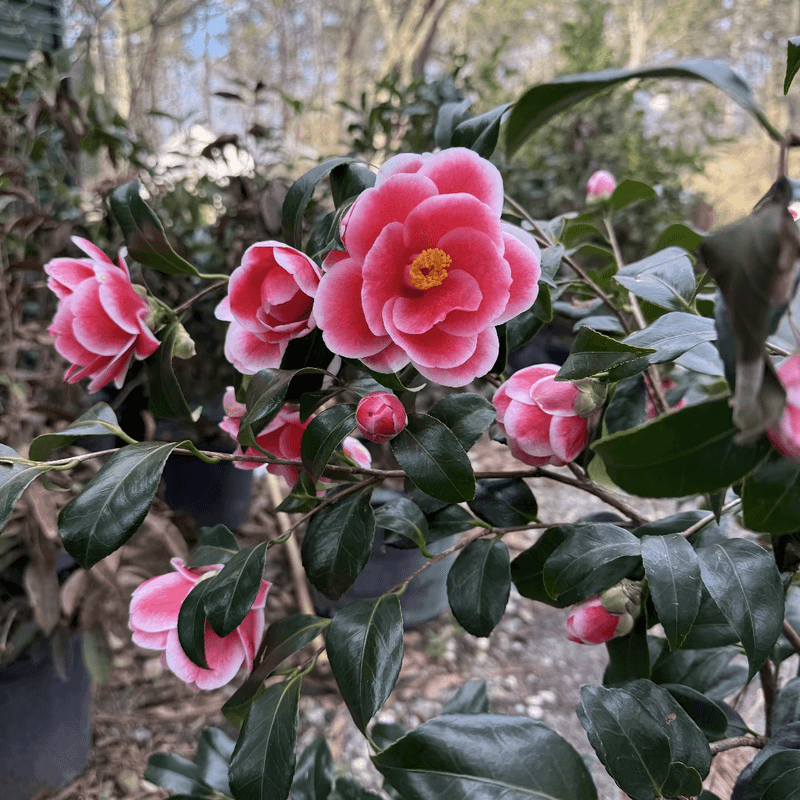
Ten minutes now beats a whole winter of wondering what went wrong. Camellias hold their buds so long that early problems have plenty of time to get worse.
Build a simple routine. Walk each shrub, check bud firmness, flip a few leaves, and press your finger into the soil.
Note anything that looks off and give it a week before deciding.
Watering is usually the first fix, and it is the easiest one to keep up with through fall. Pests come next, then mulch, then structure.
Keep mulch pulled back a couple of inches from the trunk so the base stays dry. Piling it against the stem invites rot.
Bud sludge, browning petal edges, and blossom blight tend to appear later in the bloom season, and raking up fallen flowers reduces the spread. Cleanup is unglamorous but genuinely useful.
Weather can still override your best efforts, since a hard freeze during peak bud swell may brown some flowers regardless of care. Sheltered spots on the east or north side of a house often fare better.
Camellias remain one of the most rewarding shrubs Georgia yards can grow, partly because they bloom when little else does. A short September walk protects that payoff.