Everything Your Missouri Pond Needs Before Winter Hits
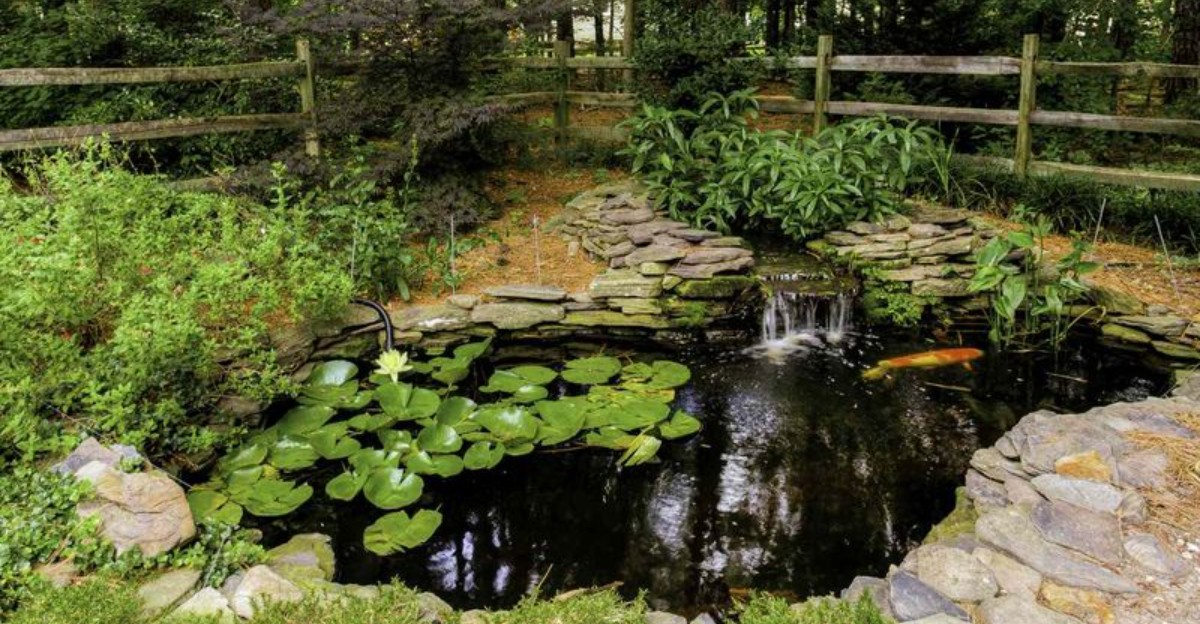
September in Missouri smells like wet leaves, warm hay, and the first hint of wood smoke. Your backyard pond sits there looking calm, shiny, and just a little smug about it all.
Frogs are still plopping off the rocks, and the fish still rush over when your shadow hits the water. Everything seems perfectly fine out there, like a postcard from late summer.
Under that glassy surface, though, a quiet mess is already starting to build up. Most pond owners stroll right past it, and spring hands them the bill with interest.
By March, that mess can turn into cloudy water, cranky fish, and a smell your neighbors will politely mention. Your pond has acted smug all summer, so it is time somebody grabbed rubber boots and checked its homework.
Netting The Pond Before Leaves Start Falling
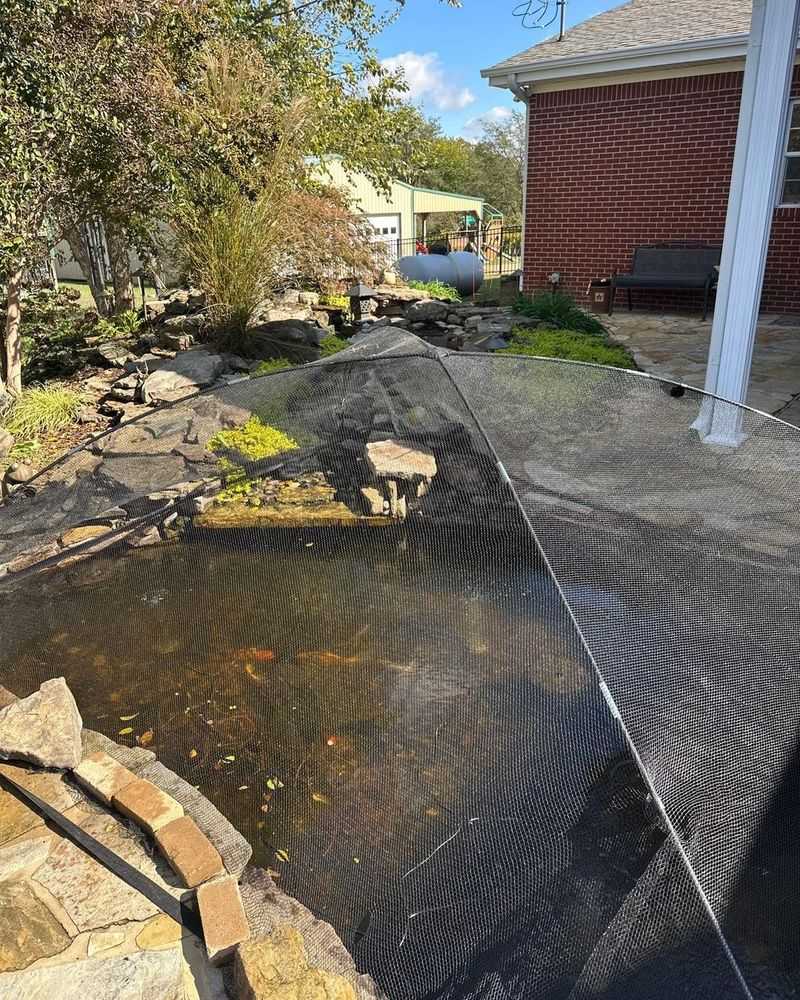
Picture a big oak tree dropping thousands of leaves right into your water, one lazy twirl at a time. A simple net stretched over the pond catches that mess before it ever touches the surface.
In Missouri, oaks, maples, and sweetgums start shedding in late September and keep going well into November. Getting the net on early means you beat the first big wave instead of chasing it.
Leaves that sink break down slowly and release gunk that feeds algae and eats up oxygen. Come spring, that sludge can turn clear water into something that looks like weak tea.
Pick a fine mesh net, around half an inch or smaller, so small leaves and pine needles stay out. Stretch it tight and pin it down with stakes, bricks, or smooth rocks along the edges.
A saggy net dips into the water and turns into a soggy leaf hammock. Some folks build a low tent shape with PVC pipe so leaves roll off to the side.
Empty the net every few days, especially after a windy night or a rainstorm. Heavy piles can stretch the mesh and dump everything in the moment you lift one corner.
Here is a bonus you might not expect from a cheap roll of netting. Herons and raccoons hate getting tangled, so your fish get a free security guard all fall.
Leave the net up until the last tree near your yard is bare. In most of Missouri, that lands somewhere around Thanksgiving.
Skimming Debris Before It Sinks To The Bottom
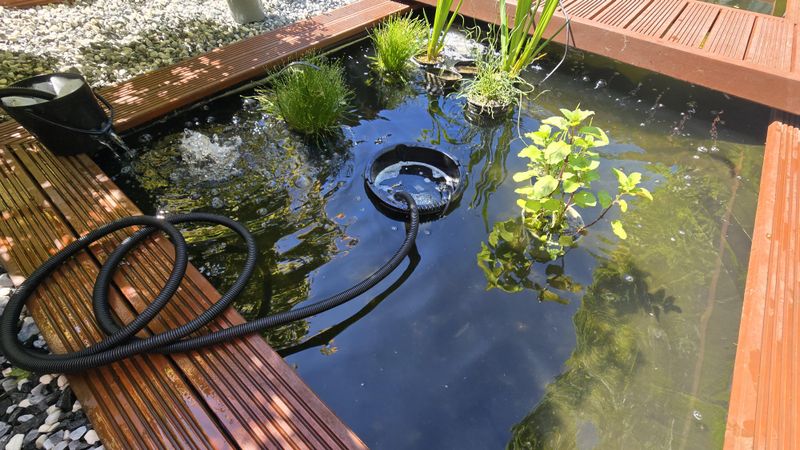
Ever notice how a floating leaf looks harmless, almost cute, drifting across the pond like a tiny boat? Give it about three days, and that little boat heads straight for the bottom.
Once debris soaks up water and sinks, it becomes much harder to reach. Surface skimming is the easy window, and fall is when that window matters most.
Even with a net in place, seeds, twigs, and grass clippings sneak through the gaps. Wind also blows in bits from the sides, so a quick daily sweep keeps you ahead.
A long-handled skimmer net costs less than a pizza and does most of the work. Look for a telescoping pole so you can reach the middle without wading in.
Your Missouri Garden Changes Every Week. Your Plan Should Too.
Gardening in Missouri changes quickly throughout the season. Every Friday you’ll receive a simple weekly plan showing exactly what to plant, prune, fertilize, harvest, and protect so you never miss the right timing.
Morning is a smart time to skim, since leaves tend to gather along one edge overnight. The breeze does the herding, and you just scoop up the pile.
If you have a built-in skimmer box, check the basket every couple of days. A packed basket slows water flow and can make your pump work way too hard.
Toss the scooped leaves into your compost pile instead of the trash. Pond leaves are soaked with nutrients, so your garden beds will happily take them.
Kids often love this chore, especially if you pay them a nickel per leaf. Just set a daily limit, or your wallet may regret the deal.
Five minutes a day feels like nothing in September. Skip it, and those same minutes turn into a whole Saturday of muck raking next April.
Trimming Back Aquatic Plants For Winter
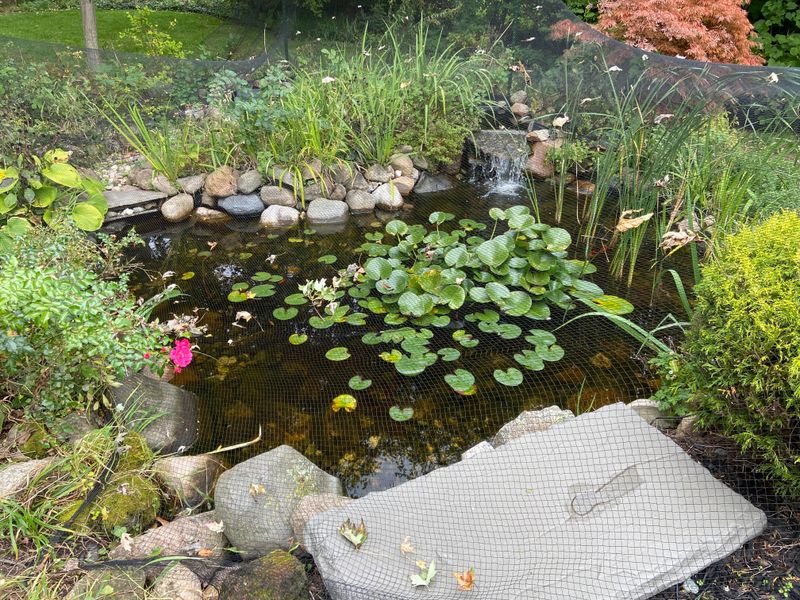
My neighbor calls her water lilies the divas of the pond, gorgeous all summer and messy by October. Every September she grabs her shears and gives them a firm but loving haircut.
As nights cool down, lily pads, cattails, and pickerel weed start turning yellow and brown. Left alone, all that old growth flops over and melts into the water.
Old plant matter breaks down into the same kind of sludge that fallen leaves create. Trimming now keeps the pond cleaner and helps plants wake up stronger and healthier next spring.
For hardy water lilies, snip off yellow pads and old flower stems close to the crown. Then lower the pot to the deepest part of the pond, where it stays safe from ice.
Marginal plants like cattails and irises can be cut down to a few inches above the water. Leave a little stem showing, since hollow stems can flood and soften if cut too low.
Tropical plants, such as water hyacinth and tropical lilies, cannot handle a Missouri winter outdoors. Bring them inside to a sunny tub, or treat them as annuals and compost them.
Water hyacinth is actually banned from sale in some states because it spreads so fast. Please do not toss leftover plants into a local creek or lake.
Wear gloves and keep a bucket nearby so clippings go straight out of the pond. Your future self, staring at crystal clear water in April, will send a thank-you note.
Thinning Out Overgrown Submerged Growth
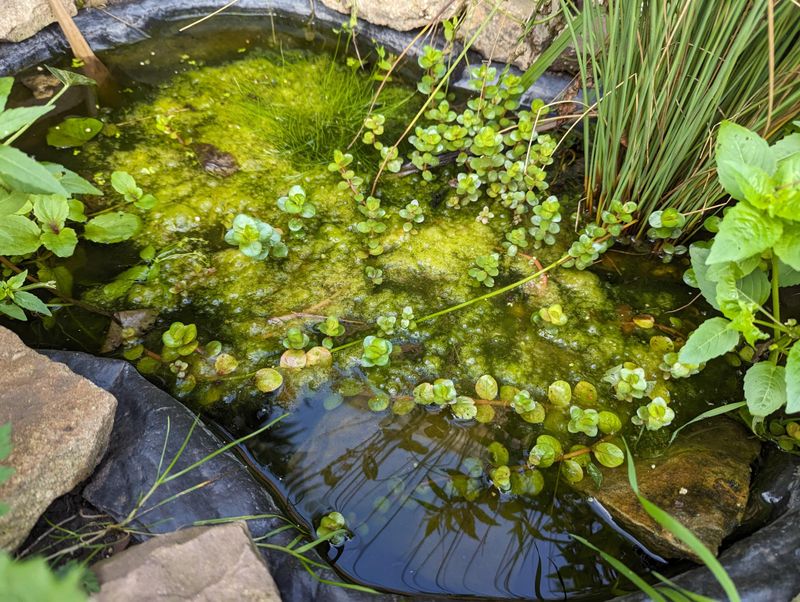
Hornwort, anacharis, and coontail are the quiet workhorses of a pond, pumping out oxygen all summer long. By fall, though, they can grow into a tangled underwater jungle.
Here is the funny twist about these helpful plants. Greenery that makes oxygen by day uses it up at night, and even more as it breaks down.
Under winter ice, a thick mat of old plant growth can steal the oxygen your fish need. Thinning it out in September gives your pond a much better shot at a calm winter.
Aim to remove about half to two-thirds of the growth, not all of it. A little leftover greenery still shelters baby fish and gives your pond a head start next year.
A garden rake or a pond rake works great for pulling out long strands. Twist the rake slowly, like winding spaghetti on a fork, and lift the clump out gently.
Before tossing each clump, set it on the bank for an hour or so. Tadpoles, snails, and tiny fish often hitch a ride and can wiggle back into the water.
Potted oxygenators are even easier to manage than loose ones. Just lift the pots, trim the long stems with scissors, and set them back down where they were.
String algae often hides in these tangles too, so pull that out while you are at it. Toss the slimy strands in a bucket and haul them away from the pond edge.
Expect wet sleeves and a few surprised frogs along the way. It is messy work, but the kind that pays off.
Moving Fish To A Safe Depth Or Indoors
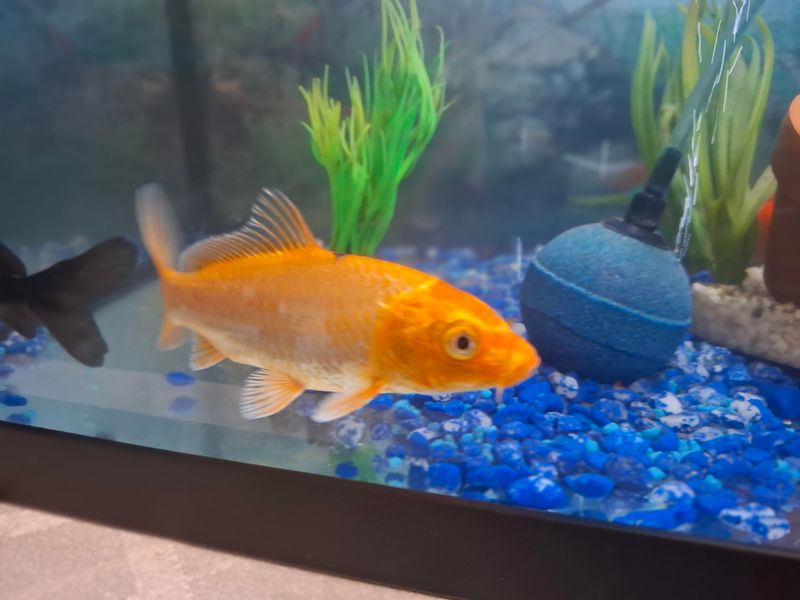
Goldfish and koi are tougher than they look, and many survive Missouri winters outside just fine. The trick is making sure they have a deep, calm spot to ride out the cold.
Most experts suggest a depth of at least 18 to 24 inches for overwintering fish. Water at the bottom stays around 39 degrees, even when the surface freezes over.
That warmer bottom layer is where fish slow way down and rest until spring arrives. Their hearts beat slower, and they barely move, a bit like a bear napping in a cave.
If your pond is shallower than 18 inches, bringing fish indoors is the safer choice. A large stock tank or big aquarium in a cool garage or basement works well.
Move them before the water drops below 50 degrees, while they are still active. Scoop them gently with a soft net, and float them in a bag to match temperatures.
Indoor tanks need a filter, an air stone, and a lid, since koi love to jump. Keep the tank somewhere cool and dim so the fish do not wake up hungry all winter.
For fish staying outside, slow down feeding as the water cools through September and October. Switch to a wheat germ food, then stop feeding once the water hits 50 degrees.
Cold fish cannot digest food well, and leftovers just sit and foul the water. A cheap floating pond thermometer takes the guesswork out of feeding time.
Pulling Pumps And Filters Before The First Freeze
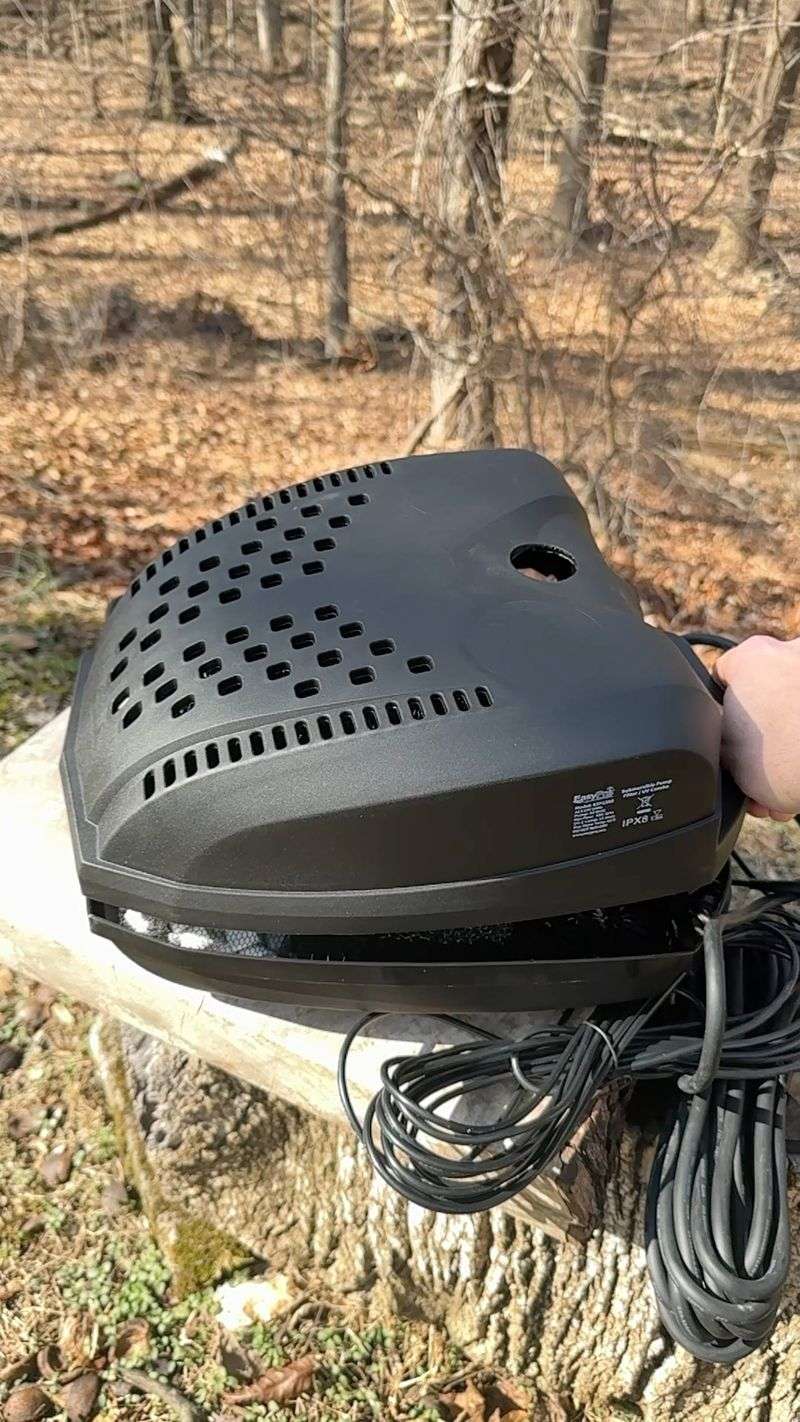
Imagine a frosty November morning when your backyard makes a strange little crack. Ice has formed inside your pump overnight, and the plastic housing has split like an eggshell.
Water expands when it freezes, and pumps are full of tight spaces where that pressure builds. Pulling them before the first hard freeze saves you a replacement bill next spring.
In much of Missouri, the first freeze usually shows up between mid-October and early November. Plan to shut things down once water temps settle below 50 degrees.
Unplug everything first, then lift the pump out and rinse off the slime with a garden hose. Check the impeller for wear, and clear out any small stones or twigs stuck inside.
Many pump makers suggest storing pumps in a bucket of water in a frost-free spot. Keeping the seals wet stops them from drying out and cracking over the winter.
Pressurized filters, UV clarifiers, and fountain heads should come inside too. Drain every drop from the lines, since leftover water can freeze and split the fittings.
Some owners keep a small pump or aerator running near the surface all winter. That keeps a hole open in the ice so harmful gases can escape.
If you go that route, place the aerator a foot or so below the surface, not on the bottom. Stirring up the deep water can chill the warm pocket where your fish rest.
Snap a quick photo of how everything connects before you take it apart. Come April, that picture will feel like finding a treasure map.
Cleaning Filter Media Before Storing It
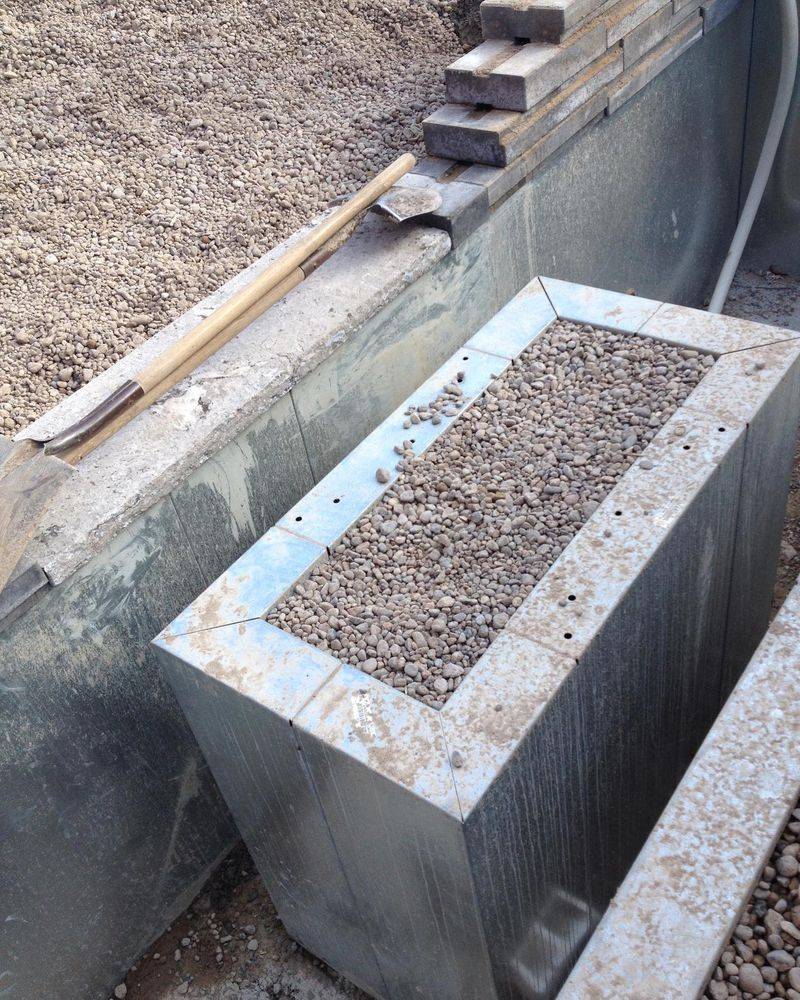
Nobody brags at dinner parties about scrubbing pond filters, and honestly, that is fair. It is a slimy, smelly job that most folks put off until the pads look like brown oatmeal.
Putting dirty media into storage is like shoving wet gym socks in a drawer all winter. Open it up in spring, and you will get a smell that makes your eyes water.
Filter pads, bio balls, and lava rock all trap gunk and hold helpful bacteria. Those tiny bacteria break down fish waste, so you want to keep some of them around.
Rinse the media in a bucket of pond water rather than straight tap water. Chlorine in city water can wipe out the good bacteria you worked all season to build.
Swish, squeeze, and repeat until most of the sludge is gone. The pads do not need to look brand new, just clean enough that water flows through easily.
Next, let everything dry out fully on a sunny rack or clean tarp. Damp media stored in a closed bin can grow mold, and that is a gross surprise.
Pack the dry media in a labeled mesh bag or plastic tub with a loose lid. Store it in a garage or shed where mice cannot turn it into a cozy nest.
Check for torn or crumbling pads while you work, and add replacements to your spring shopping list. Old foam loses its shape and lets dirt slip right past.
Doing A Partial Water Change Before Closing Things Down
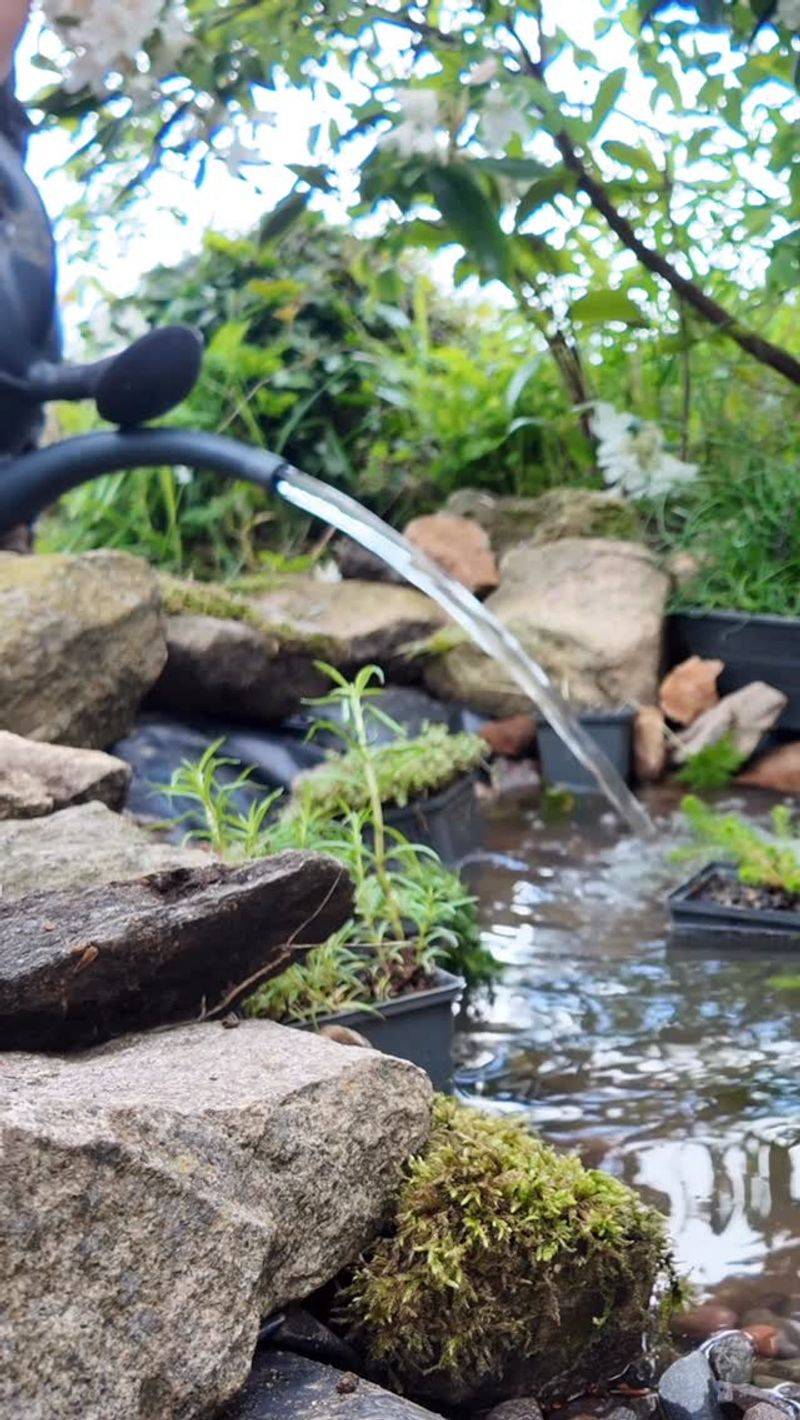
Think of this last step as opening the windows before you lock up a cabin for winter. A little fresh water clears out the stale leftovers of a long, busy summer.
All season, fish waste, fertilizer runoff, and broken-down plants add extra nutrients to your pond. Swapping out some water lowers those levels before ice seals the surface.
Replace about 10 to 20 percent of the water, and stop there. Big changes can shock fish with sudden shifts in temperature and water chemistry.
A pond vacuum or a small pump can pull water from the bottom, taking some muck along with it. That way you remove the dirtiest water first, which is a nice bonus.
If you use city water for the refill, add a dechlorinator first. It only takes a capful, and it protects your fish and the tiny microbes living there.
Let the hose run slowly so the new water mixes in gently. Pouring cold tap water in fast can stress fish that are already slowing down for the season.
Well water users can skip the dechlorinator but should still refill slowly. Well water often runs colder than pond water in early fall.
Try to finish this step in late October, after most leaves are out. That timing keeps new debris from undoing all your hard work.
Once the water is fresh, the plants are trimmed, and the gear is tucked away, you can finally relax. Grab a lawn chair and enjoy the sight of a pond that is truly ready for winter.