Missouri’s Rose Bushes Need One More Task Before The First Freeze
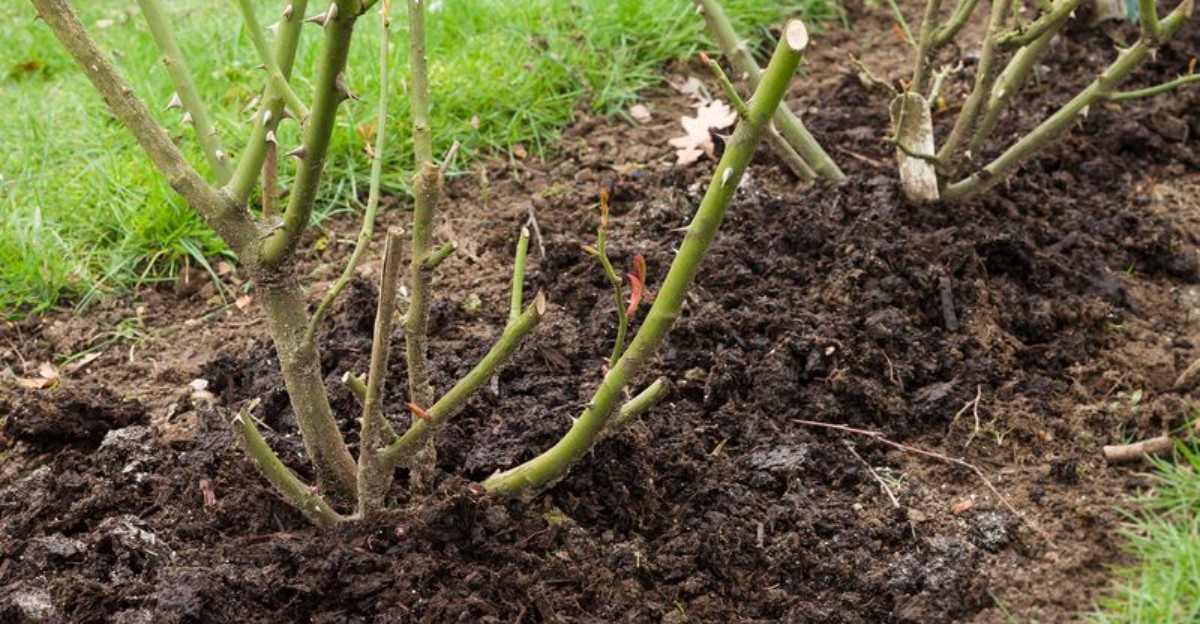
September in Missouri smells like cut grass, warm dust, and the first hint of wood smoke. Your garden still looks proud, but the nights are starting to whisper something chilly.
Those thorny beauties by the fence have worked hard all summer long. They gave you blooms, scent, and a few scratches you probably still remember.
Now a cold front is lurking somewhere past Kansas, waiting for its big moment. One sneaky night can undo years of careful pruning and feeding.
The fix costs almost nothing and takes about ten minutes per plant. You do not need fancy gear, a greenhouse, or a degree in horticulture.
Missouri weather has a habit of showing up uninvited, like a cousin who smells the casserole. Your thorny friends deserve better than getting caught in their summer pajamas.
Mounding Soil Around The Base Of Each Bush
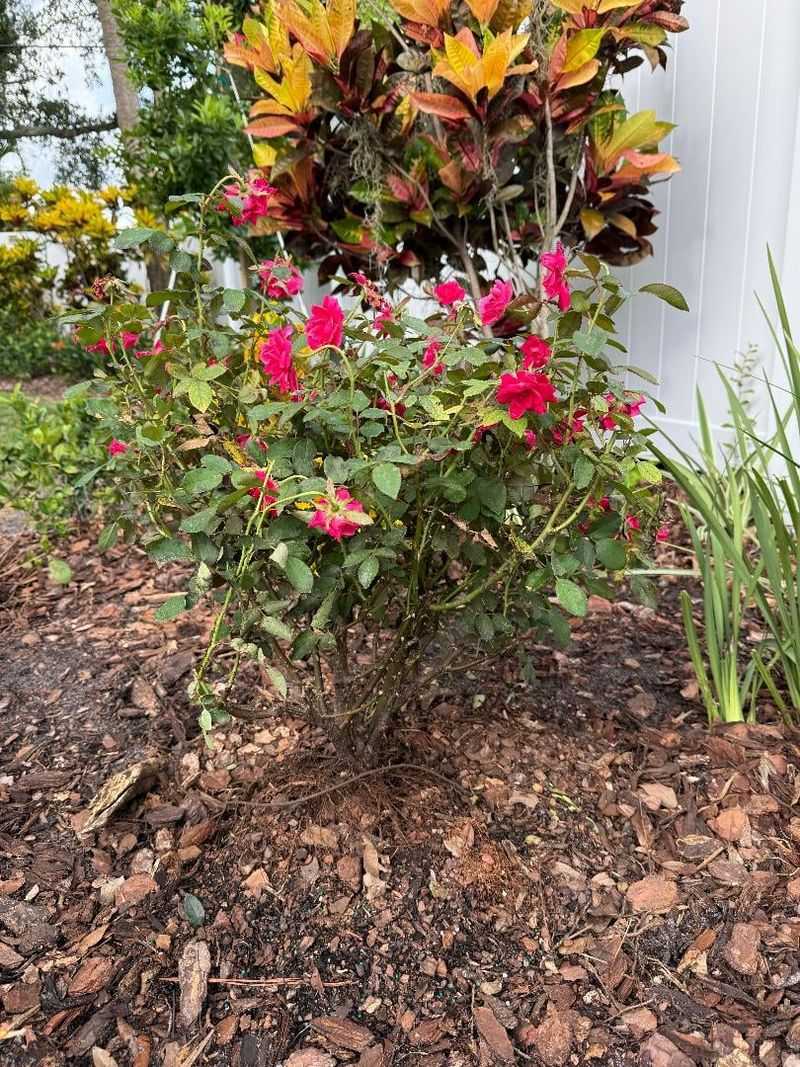
Picture a small hill of dirt hugging the bottom of your rose bush like a winter scarf. That humble pile is the one chore Missouri gardeners should finish before the first hard freeze arrives.
Gardeners call it hilling or mounding, and it has protected roses for generations. Grandparents across the Midwest did it long before anyone sold fancy frost covers or foam cones at big stores.
The idea is simple enough for a beginner to master on a Saturday morning. You pile loose material over the lower canes and crown so the most important parts stay insulated.
Start by clearing fallen leaves and old petals away from the base of each plant. Those soggy scraps can hide fungus spores, and you do not want to bury trouble under your mound.
Next, grab a shovel or a sturdy bucket and scoop your chosen material right onto the crown. Pat it gently with your hands so it forms a cone shape instead of a flat pancake.
A cone sheds rain better and holds its shape through gusty November winds. Aim for a mound roughly as wide as a dinner plate at the bottom and tapered at the top.
Most gardeners can finish a whole row of roses in under an hour. Your back might grumble a little, but your roses will thank you with a strong comeback next spring.
Fall is busy, but this job deserves a spot near the top of the list. Ten minutes of dirt work now beats replacing a pricey shrub in April.
Why This Protects The Graft Union Underground
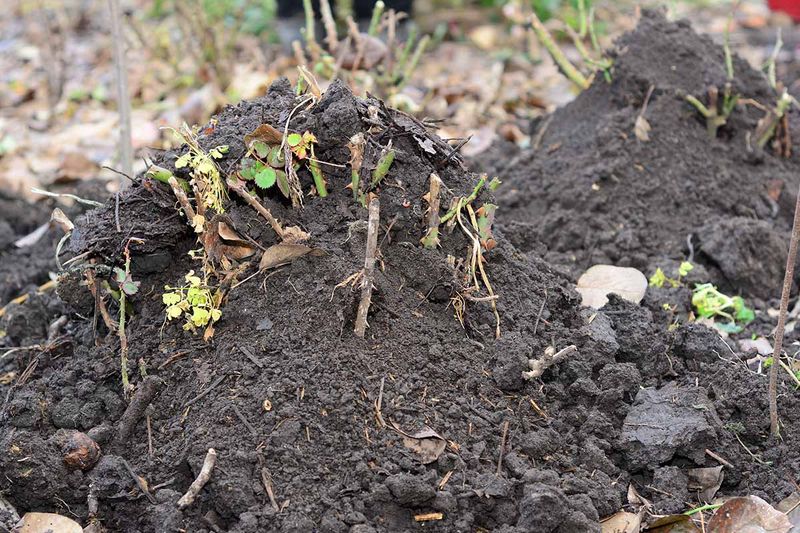
Most roses sold in garden centers are actually two plants living as one. Growers attach a fancy flowering variety onto a tough rootstock, and the knobby joint between them is the graft union.
Look near the soil line of your bush and you will likely spot a swollen bump. That lump is the heart of your rose, and it is surprisingly fragile in winter.
If freezing air damages the graft, the pretty top part of the plant may stop producing blooms altogether. Sometimes only the rootstock survives, sending up plain canes with small, dull red flowers.
Your Missouri Garden Changes Every Week. Your Plan Should Too.
Gardening in Missouri changes quickly throughout the season. Every Friday you’ll receive a simple weekly plan showing exactly what to plant, prune, fertilize, harvest, and protect so you never miss the right timing.
Fun fact: one popular rootstock variety is responsible for many of those mystery blooms across the country. Gardeners are often puzzled when their yellow rose suddenly turns into a scrappy red climber.
Soil works like a thick blanket because the ground holds warmth longer than the air does. Even on a bitter January night, a few inches down stays several degrees warmer.
The mound also blocks drying winter winds that suck moisture out of exposed canes. It softens the wild swings between sunny Missouri afternoons and frosty nights that crack tender tissue.
Those freeze and thaw cycles are sneaky troublemakers in our state, where winter changes its mind weekly. Keeping the graft snug and steady is the whole reason this chore matters so much.
Own-root roses, which grow on their own roots, have no graft to worry about. They still appreciate a mound, though, since it guards the crown and lower buds.
How Many Inches Of Soil Actually Do The Job
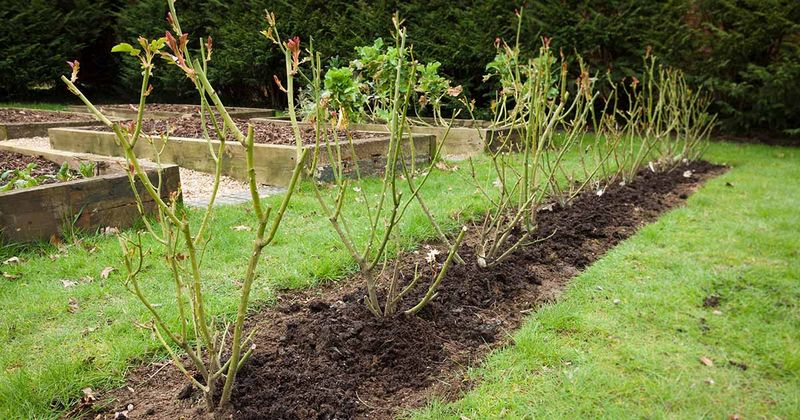
Grab a ruler, because guessing is how good intentions end up as sad little dirt piles. Most rose experts recommend a mound about 8 to 12 inches tall for a typical Missouri winter.
That height covers the graft union plus several healthy buds on the lower canes. If the top of the plant suffers damage, those protected buds can push out fresh growth in spring.
Southern Missouri gardeners near Springfield or the Bootheel can usually get by with around 8 inches. Folks in the northern counties, where temperatures dip lower, should lean toward a full foot.
Missouri sits mostly in USDA zones 5 and 6, with a sliver of zone 7 down south. Knowing your zone helps you decide how generous to be with your pile.
Tender hybrid teas and grandifloras deserve the taller mound every single time. Hardy shrub roses like Knock Outs can often handle a smaller cover without much fuss or worry from you.
Keep in mind that mounds settle over time as rain and snow press them down. A 12-inch pile built in late October might shrink to about 9 inches by January.
Check your mounds after heavy storms and top them off whenever they look slumped or lopsided. A quick bucket of extra material takes seconds and keeps that important coverage in place.
Too much is rarely a problem, so err on the tall side if you feel unsure. Your roses will not complain about an extra few inches of cozy cover.
Timing It Close To The First Real Freeze

Getting the schedule right feels a bit like catching a baseball, since too early or too late both cause trouble. Your goal is to mound roses right around the first hard freeze, not weeks ahead of it.
In most of Missouri, that moment usually arrives somewhere between late October and mid-November. Northern towns like Kirksville often see it sooner than southern spots like Branson or Poplar Bluff.
Mounding in September, while days are still warm, can trick roses into staying active. Warm, damp soil piled against green canes can also invite rot and fungal problems.
Waiting too long brings its own headache, because frozen ground is tough to dig. Nobody wants to chip at icy dirt with a shovel while their fingers slowly go numb in the wind.
The sweet spot comes after a few light frosts have nudged your roses toward dormancy. Leaves may start yellowing and dropping, which signals the plant is settling in for winter.
September is the perfect month to prepare, even if you hold off on the actual mounding. Gather materials now and stash them in a handy corner near your rose bed.
Also, stop fertilizing roses about six weeks before your expected freeze date. Late feeding pushes soft new shoots that a sudden frost can easily scorch and damage.
Keep a weather app on your phone and watch for nights forecast in the low 20s. When those numbers show up, grab your shovel that weekend and get to work.
Materials That Work Better Than Loose Garden Soil
Plain dirt scooped from the rose bed seems like the easy choice, but it can backfire. Digging near the plant exposes roots and leaves shallow holes right where you need protection.
Missouri clay adds another wrinkle, since it packs down hard and holds water like a sponge. Soggy clay around the crown can freeze into a solid block and cause rot.
Bagged compost is a favorite choice because it stays loose, drains well, and feeds the soil later. Come spring, you can spread it around the bed instead of hauling it away.
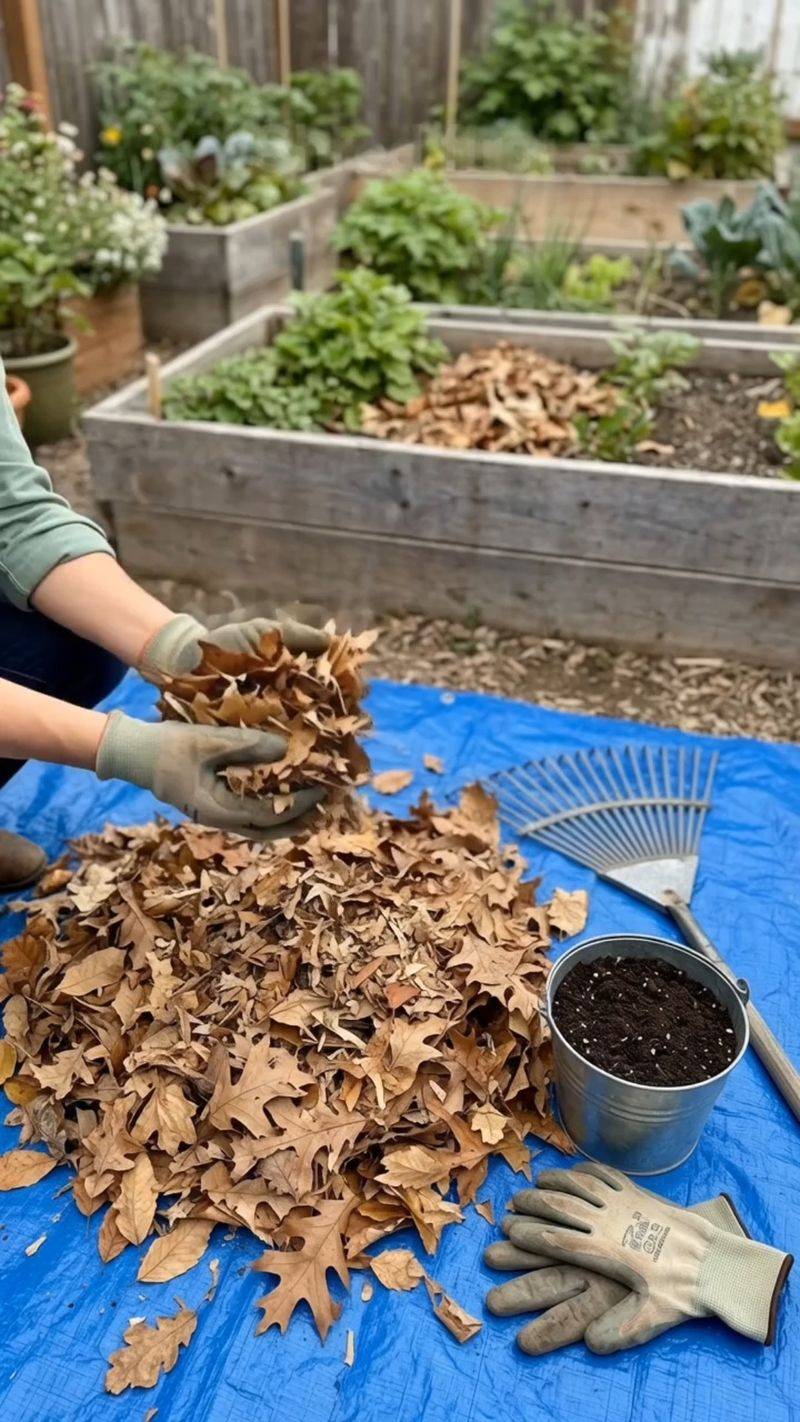
Shredded leaves work nicely too, and your oak tree hands them out for free each fall. Run them over with a mower first so they do not mat into a soggy layer.
Pine needles, straw, and aged wood chips also make fine options for a fluffy, breathable mound. Just skip fresh manure, which can burn tender stems and attract hungry critters looking for snacks.
Loose materials can blow away, so many gardeners use a simple wire or plastic collar. A cylinder of hardware cloth around the bush holds everything in place through windy months.
Rose collars sold online snap together in seconds and can be reused for years. Fill them with compost or leaves, and you have a tidy mound that stays put.
One bag of compost usually covers two or three bushes, depending on their size. Buy a few extra bags now, since garden centers sometimes run low by November.
Removing The Mound Once Spring Growth Starts

Spring in Missouri arrives in fits and starts, with sunny days followed by surprise snow flurries. Your roses will send clear signals when it is time to uncover them.
Look for plump reddish buds swelling along the canes, usually from late March to mid-April. Forsythia blooming in the neighborhood is another reliable clue that the soil is waking up.
Old-timers in the Ozarks often waited until the redbuds flowered before pulling back their mounds. That folk wisdom still works well, since redbuds bloom when hard freezes are mostly over.
Remove the material gradually over a week or two rather than all at once. A sudden cold snap can still sneak in, and a little leftover cover softens the blow.
Use your hands or a soft garden hose spray instead of a sharp shovel. Pale new shoots hiding under the mound are tender and can snap off with one careless jab.
Spread the compost or shredded leaves around the bed as a fresh layer of mulch. Your roses get a nutrient boost, and you avoid hauling heavy bags to the curb.
Give the uncovered crown a gentle drink if spring rains turn out to be scarce that year. A light feeding of balanced rose fertilizer can follow once the first true leaves unfold.
Once the mound is gone, prune away any blackened or brittle canes down to healthy green wood. Then stand back and enjoy the show, because the hard work already paid off.