The Aquatic Plants New York Homeowners Should Move To A Deeper Spot Now
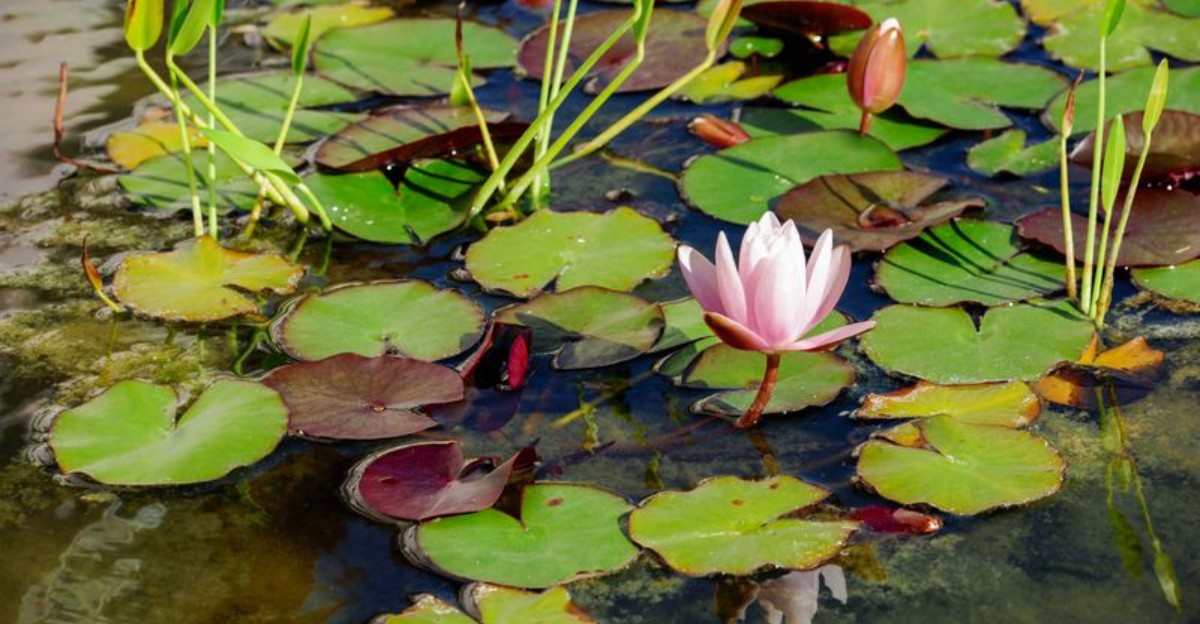
Your backyard pond looks peaceful now, but winter has a sneaky plan for it. Here in New York, the top of that sparkling water can freeze hard as a brick by January.
Plants that looked lush all summer suddenly face ice creeping down toward their roots. The good news is that a little shuffling now can save a lot of heartbreak later.
Some pond favorites just need a deeper, darker spot to snooze until spring. Others prefer a cozy trip indoors, tucked away like potatoes in a cellar.
Knowing which is which makes all the difference when the thermometer starts to dip. Think of it as tucking your pond in for a long, quiet nap under the snow.
1. Hardy Water Lilies Head For The Deep End
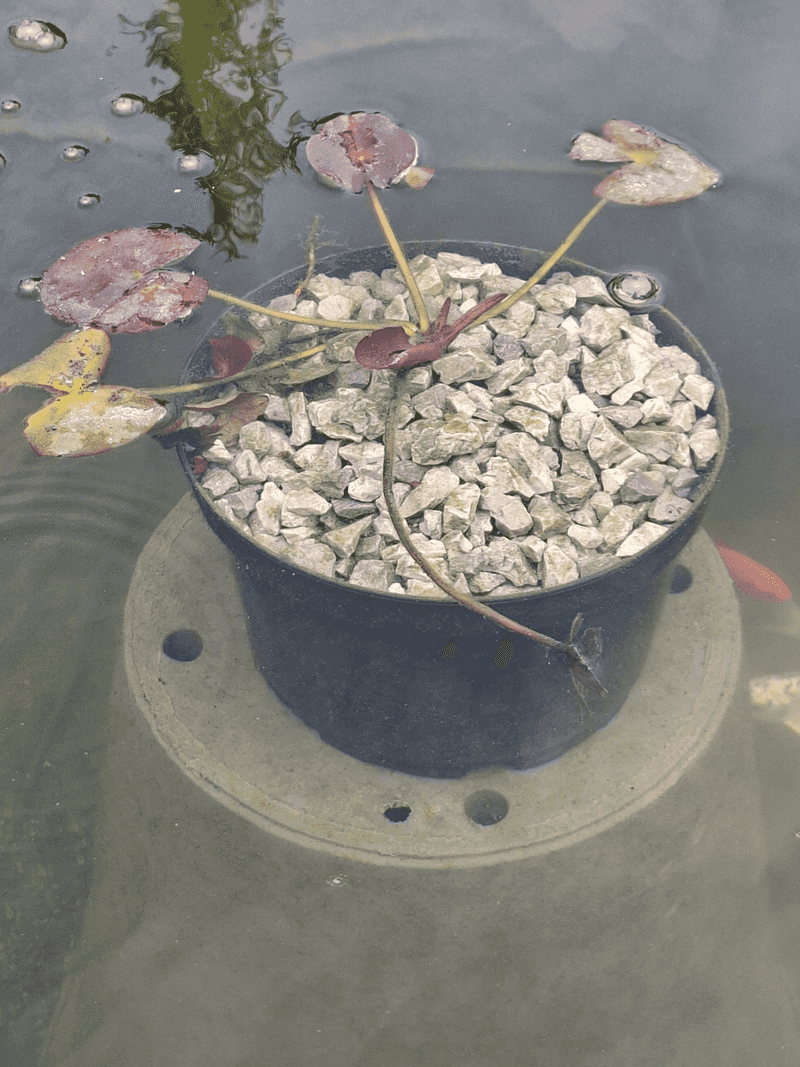
Picture a lily pad in July, fat and glossy, floating like a green dinner plate. By November, that same plant is quietly getting ready for a long winter nap.
Hardy water lilies slip into dormancy as pond water cools each fall. Their thick roots, called rhizomes, need protection so they do not freeze solid over winter.
Start by trimming the older leaves back to a few inches above the crown. A sharp pair of pruners makes quick work of the job without tearing tender tissue.
Next, lower the pot into the deepest part of your pond. Aim for 2 to 4 feet of water, keeping the crown safely below the ice.
Lifting a soggy pot can be awkward, so grab a helper or use rope handles. Lower it slowly to avoid stirring up muck and clouding the water for your fish.
Some folks think a heated indoor pond would be kinder, but lilies actually need the cold. Skipping their chilly rest can leave them weak and slow to bloom next summer.
Across much of New York, pond ice can get thick during a January cold snap. Deep water stays warmer than the surface, so the rhizome rests in a steady, cozy pocket.
When spring sunshine warms the pond to around 50 degrees, bring the pot back up in stages. Moving it gradually lets new leaves reach the surface without stress.
Fun fact: some hardy lily varieties can thrive for decades with simple seasonal care like this. A little effort each fall pays off with years of fragrant flowers.
2. Lotus Tubers Can’t Handle A Frozen Pot
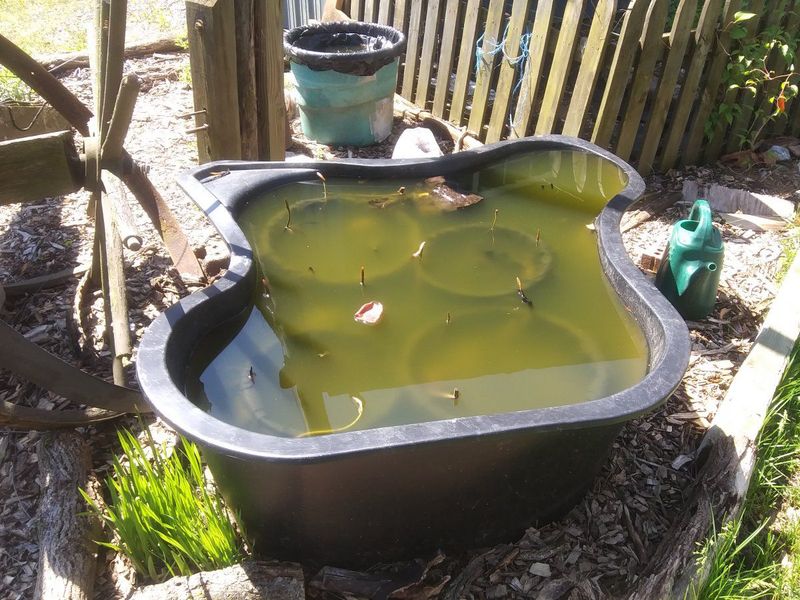
Nothing breaks a gardener’s heart quite like a mushy lotus tuber in April. Sadly, a pot that freezes solid over winter often leads to exactly that.
Lotus tubers look tough, a bit like chunky bananas linked together. Underneath that skin, though, they are surprisingly delicate and cannot survive ice forming around them.
If your pond is deep enough to avoid freezing to the bottom, sink the pot low. The deeper water acts like a blanket and holds a steadier temperature.
Shallow ponds and patio tubs in upstate New York need a different plan. In those cases, lifting the tubers and storing them indoors is the safer bet.
Your New York Garden Changes Every Week. Your Plan Should Too.
Gardening in New York changes quickly throughout the season. Every Friday you’ll receive a simple weekly plan showing exactly what to plant, prune, fertilize, harvest, and protect so you never miss the right timing.
Begin by trimming away spent leaves and gently washing off the mud. Then soak the tubers for about an hour in one tablespoon of bleach per gallon of water.
After their bath, tuck them into damp sand, sphagnum moss, or a sealed zip-top bag. Your refrigerator’s vegetable drawer works surprisingly well for the job.
Keep storage temperatures between 40 and 50 degrees in a dark spot. Check on them every few weeks, since healthy tubers feel firm and slightly moist.
Watch for two troublemakers: drying out and too much moisture. Shriveled tubers struggle to sprout, while soggy ones can develop mold or rot.
Come spring, replant the tubers once water temperatures climb into the 60s. Handle the growing tips carefully, because a snapped tip can stall the whole plant.
Did you know lotus seeds have sprouted after resting for over a thousand years? Their tubers are less patient, so a little winter care goes a long way.
3. Pickerelweed Winters Best On The Pond Floor
Bumblebees adore pickerelweed, and you can hardly blame them for those purple flower spikes. Once frost arrives, though, the whole show packs up and heads underwater.
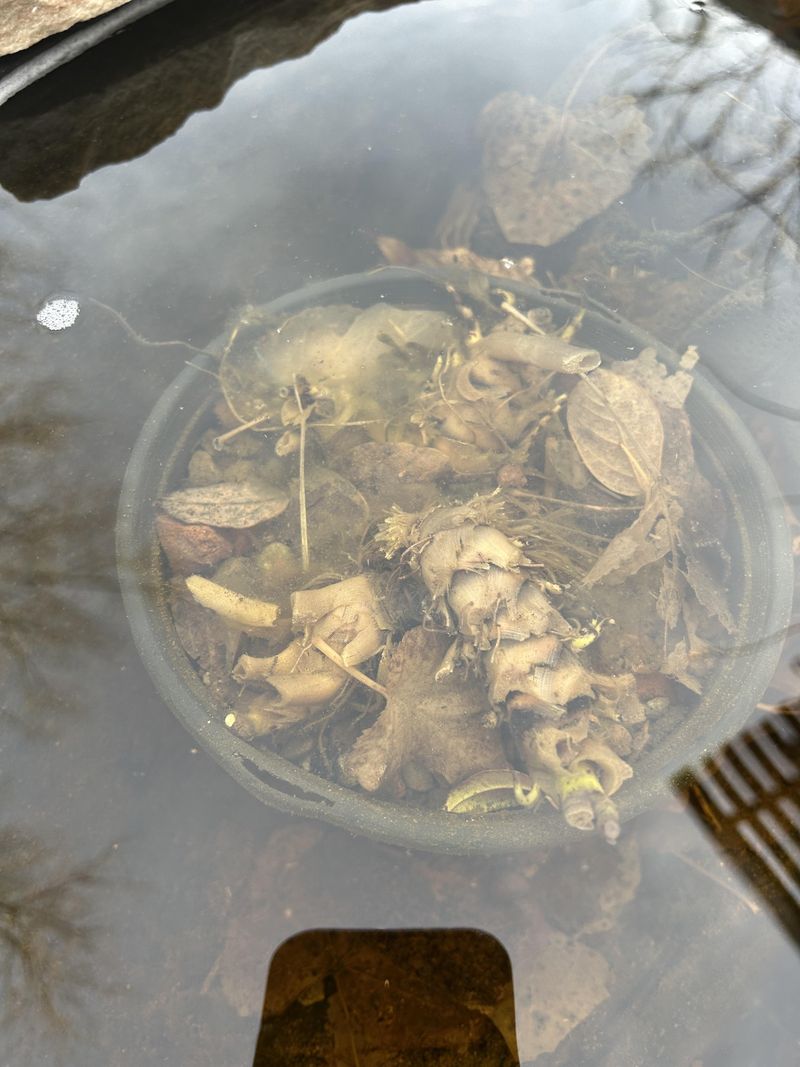
Pickerelweed goes fully dormant in winter, with its leaves fading back to the rootstock below. That hidden rootstock is the part you truly need to protect.
Many gardeners grow it on a shallow shelf, which is lovely in summer but risky in winter. A shallow pot can freeze solid, trapping the roots in a block of ice.
Here is the simple fix: lower the pot to the pond floor before hard freezes hit. Even a surface layer of ice is fine if the crown stays covered by water.
Keep the crown safely below the ice line through every freeze. In New York, a foot or more of water over it is a safer bet.
Before you move it, clear away the mushy, collapsed foliage. Rotting leaves release gunk that fouls the water and feeds algae later on.
No deep spot in your pond? Try setting the pot against a sheltered wall and piling mulch generously over the root zone.
Pickerelweed is native to much of eastern North America, including wetlands around the Hudson Valley. Wild plants handle winter by sitting in deeper marsh muck, so you are copying nature.
Label each pot with a bright plant tag before sinking it. Finding the right container in murky April water is much easier with a quick visual clue.
In spring, bring the pot back up once new shoots appear. Those fresh green spears are a cheerful sign that your winter plan worked.
4. Arrowhead Tubers Need Shelter From Hard Freezes
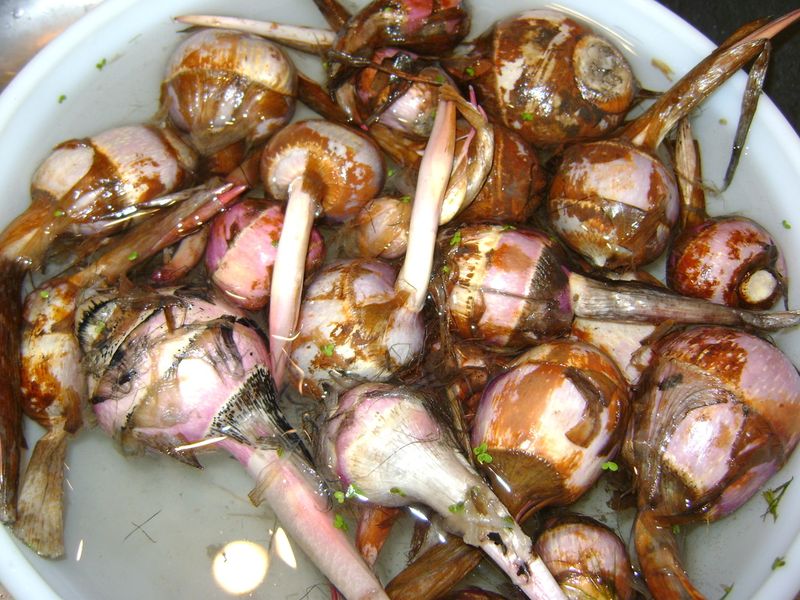
Ever notice those leaves shaped like perfect little spear tips along a marsh edge? Meet arrowhead, whose underground tubers once fed both people and ducks.
Native arrowhead, also called duck potato, handles cold fairly well in the wild. Potted plants are another story, since containers freeze much faster than natural mud.
A hard freeze can turn a shallow pot into a solid ice cube. When that happens, the starchy tubers turn soft and fail to sprout in spring.
For hardy types, sink the pots below the ice line before December arrives. Around 18 inches or deeper usually gives the tubers enough cushion from the cold.
Tender varieties need a different game plan altogether. Some arrowheads, like giant arrowhead from warmer regions, can’t handle any frost outdoors.
Bring those plants inside once nighttime temperatures stay below 50 degrees. Pick a bright spot away from chilly window glass and hot radiators.
Indoors, growth slows way down, so water much less often than you did in summer. Cool, soggy soil is a quick path to root rot.
Hold off on fertilizer until spring returns. Boost humidity by misting the leaves or setting the pot on a tray of wet pebbles.
Not sure which kind you own? Check the original plant tag or snap a photo and ask your local garden center.
Mark your calendar for mid-October as a handy reminder. Acting before the first hard freeze saves you from scrambling on a frosty weekend morning.
Fun history bit: Lewis and Clark’s journals mention Native Americans gathering these tubers as a food source. Some folks still call them wapato, a name with deep roots.
5. Blue Flag Iris Appreciates A Deeper Winter Spot
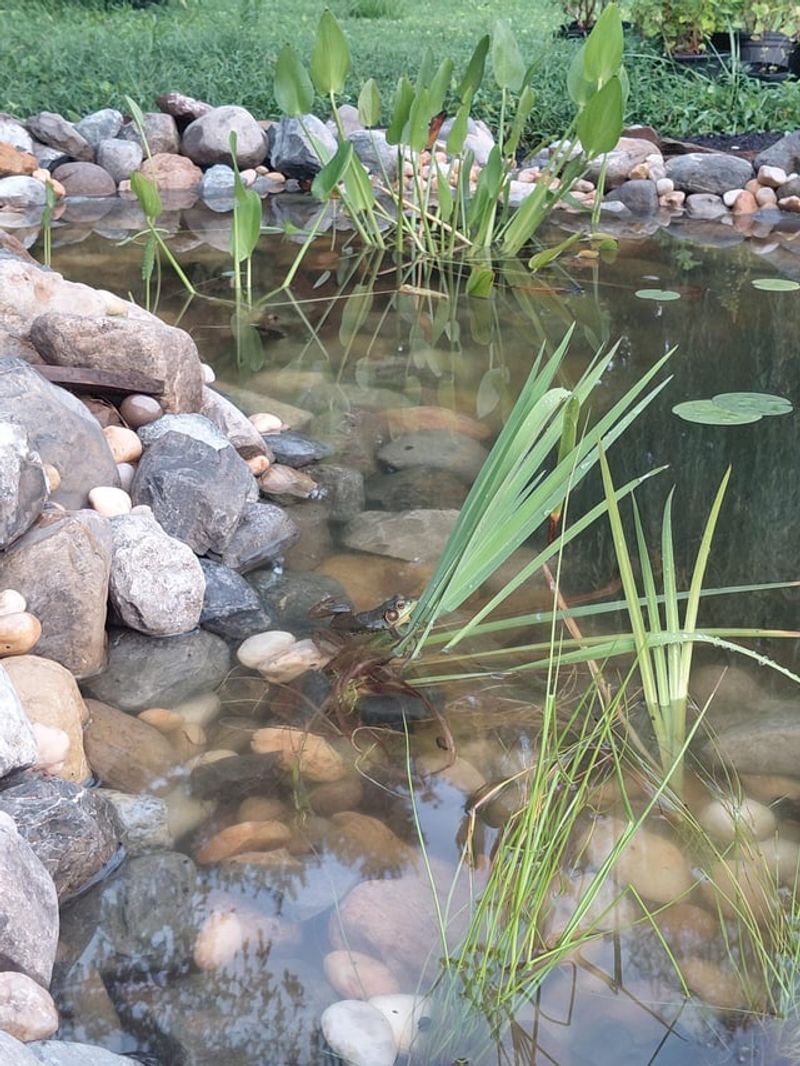
Blue flag iris brightened New York wetlands long before anyone dug a backyard pond. Its violet petals, veined with yellow and white, feel like a little piece of wild history.
Being native, the iris is tough and handles cold winters with grace. Still, plants living in containers face harsher conditions than their wild cousins.
In a marsh, roots spread deep into mud that rarely freezes all the way through. A plastic pot on a shallow shelf offers far less insulation.
Roots trapped in solid ice can suffer serious damage, even on a hardy plant. Moving the pot to a deeper area keeps those roots below the freeze line.
Before sinking it, cut the leaves down to about 3 or 4 inches. Tidy foliage keeps decaying material from piling up in the pond over winter.
Plenty of pond owners learn the hard way after leaving an iris on the top ledge. The plant often limps back in spring with only a handful of skinny leaves.
Around 12 to 18 inches of water above the pot usually does the trick. Heavier gravel on top of the soil helps keep the pot steady during winter.
Wildlife benefits too, since tidy iris clumps give tiny pond critters a sheltered hiding spot. Frogs and dragonfly larvae often linger nearby as the water cools.
Once ice melts and buds swell, lift the pot back to its sunny shelf. Blooms usually return by late May or June in most of the state.
Heads up: all parts of blue flag iris can upset stomachs if eaten. Wear gloves when handling the roots, and keep curious pets away from trimmings.
6. Cattails Stay Safer Below The Ice Line
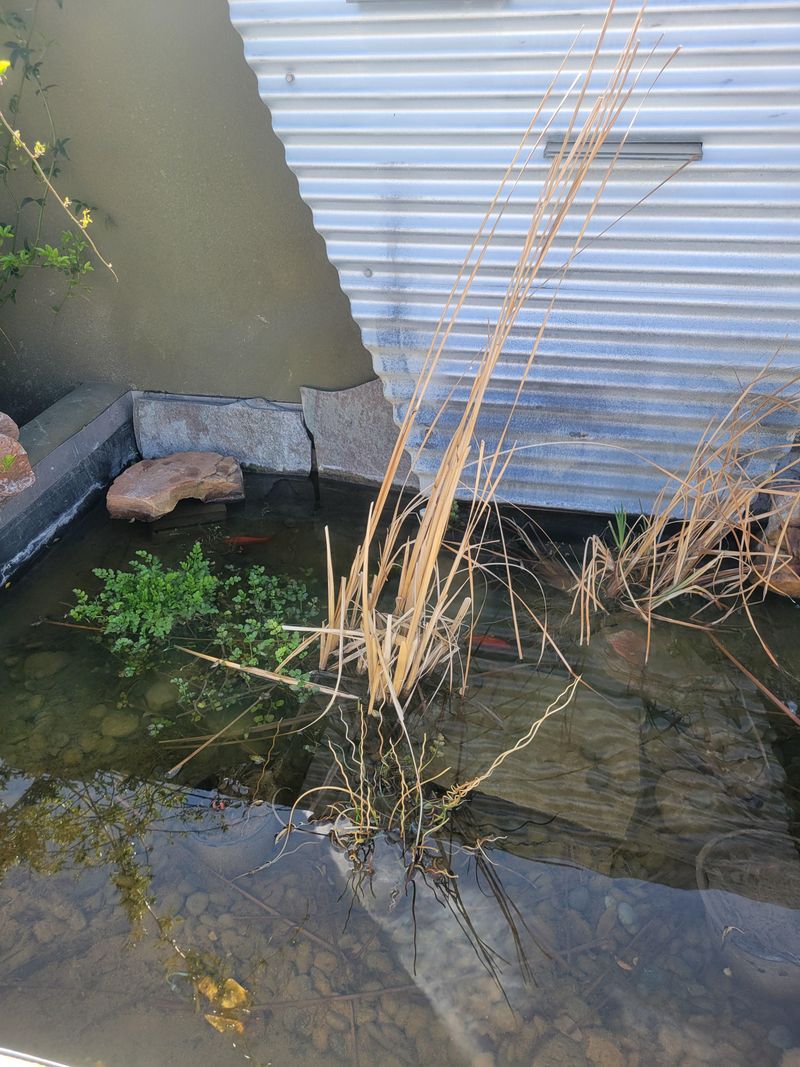
Cattails look like corn dogs on sticks, and kids love pointing them out on walks. Behind that silly shape is a tough plant with serious staying power.
Heat or cold barely fazes them, with a range from below freezing to over 100 degrees. They grow happily in USDA zones 3 through 10, covering every corner of the state.
So why move them at all? Potted cattails are a different beast, since a small container freezes much faster than a wild marsh.
Lowering pots below the freeze line keeps their rhizomes healthy and ready for controlled spring growth. In the wild, cattails prefer shallow flooding of about 1 to 1.5 feet.
For winter, go a bit deeper than their summer spot. Around 2 feet usually keeps the root zone out of the ice.
Here’s a sneaky trick for keeping them in check. Cutting stalks below the waterline in late summer or fall drains the roots’ food reserves.
Water then fills the hollow stems and slows next year’s spread. Many pond owners use the method to stop cattails from taking over the whole pond.
Keep them in sturdy pots, not loose in the pond, if space is tight. Their creeping roots can poke through liners and spread faster than you expect.
Miniature cattail, or Typha minima, is a tidy choice for small backyard ponds. It stays under 2 feet tall and needs the same deep-water winter treatment.
Quirky fact: the fluffy seed heads once stuffed life jackets and pillows during World War II. Each fuzzy spike can release thousands of seeds on the wind.
7. Sweet Flag Rests Easy In Deeper Water
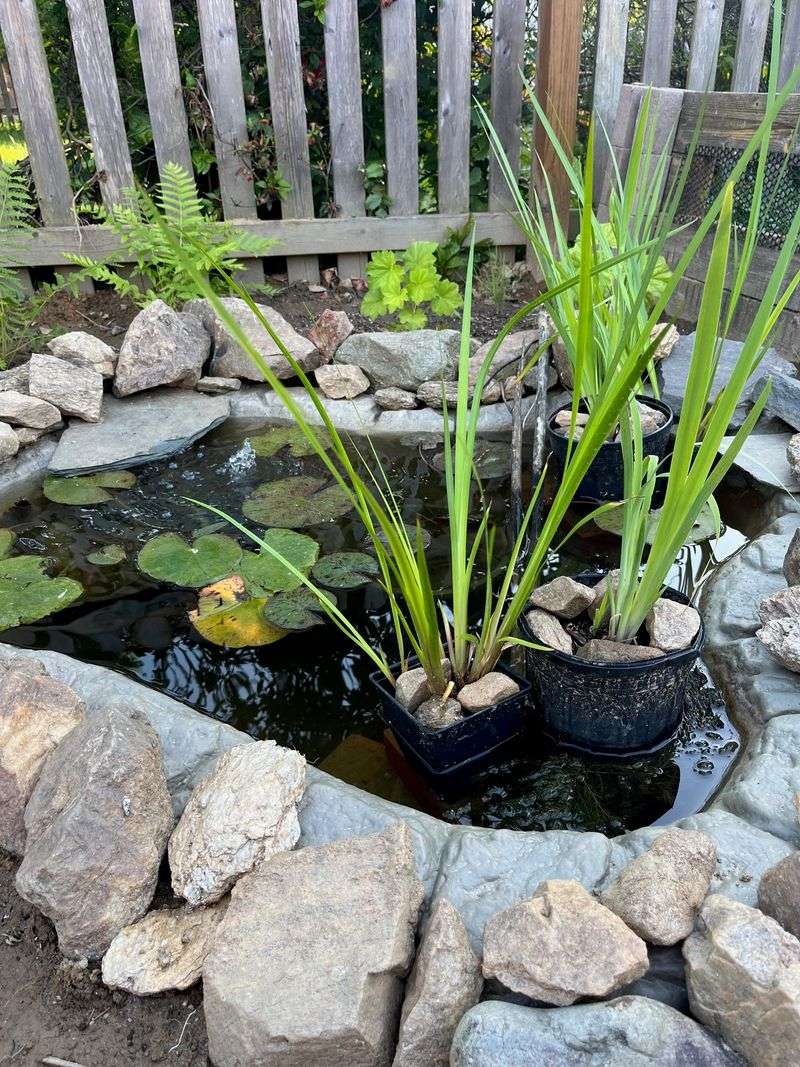
Crush a leaf of sweet flag, and a spicy, citrus-like scent drifts up. People have enjoyed that fragrance for centuries, even strewing it on floors in old castles.
Luckily, sweet flag is one of the easiest plants to winter over. Hardy to USDA zone 4, it copes with most local winters outdoors.
It can stay in shallow water or damp soil, even where ponds freeze solid. Even so, a little extra depth helps it rest easier and green up faster.
Late fall is the perfect time for a gentle tidy-up. Snip away any brown or spent foliage, but leave the healthy green growth in place.
Why hold back on the pruning? Existing leaves act like a little tent, sheltering the crown from icy wind and heavy snow.
Moving potted plants to a deeper shelf adds a layer of insulation. Six to 12 inches of water over the crown makes a cozy winter bed.
Gardeners in the coldest pockets, like the Adirondacks or Tug Hill, have another option. A frost-free garage or basement protects the root zone from deep freezing.
If you store pots indoors, keep the soil moist but not swampy. A quick check every couple of weeks keeps the roots from drying out.
Variegated sweet flag, with its cream and green stripes, needs the same care. It adds a bright pop along pond edges once spring warms up.
Come April, fresh shoots poke up fast. Trim winter-burned tips then for a neater look.
History buffs might enjoy knowing that early settlers chewed the root to soothe sore throats. Modern experts advise against eating it, so enjoy the scent instead.
8. Hardy Thalia Needs Extra Protection In Colder Zones
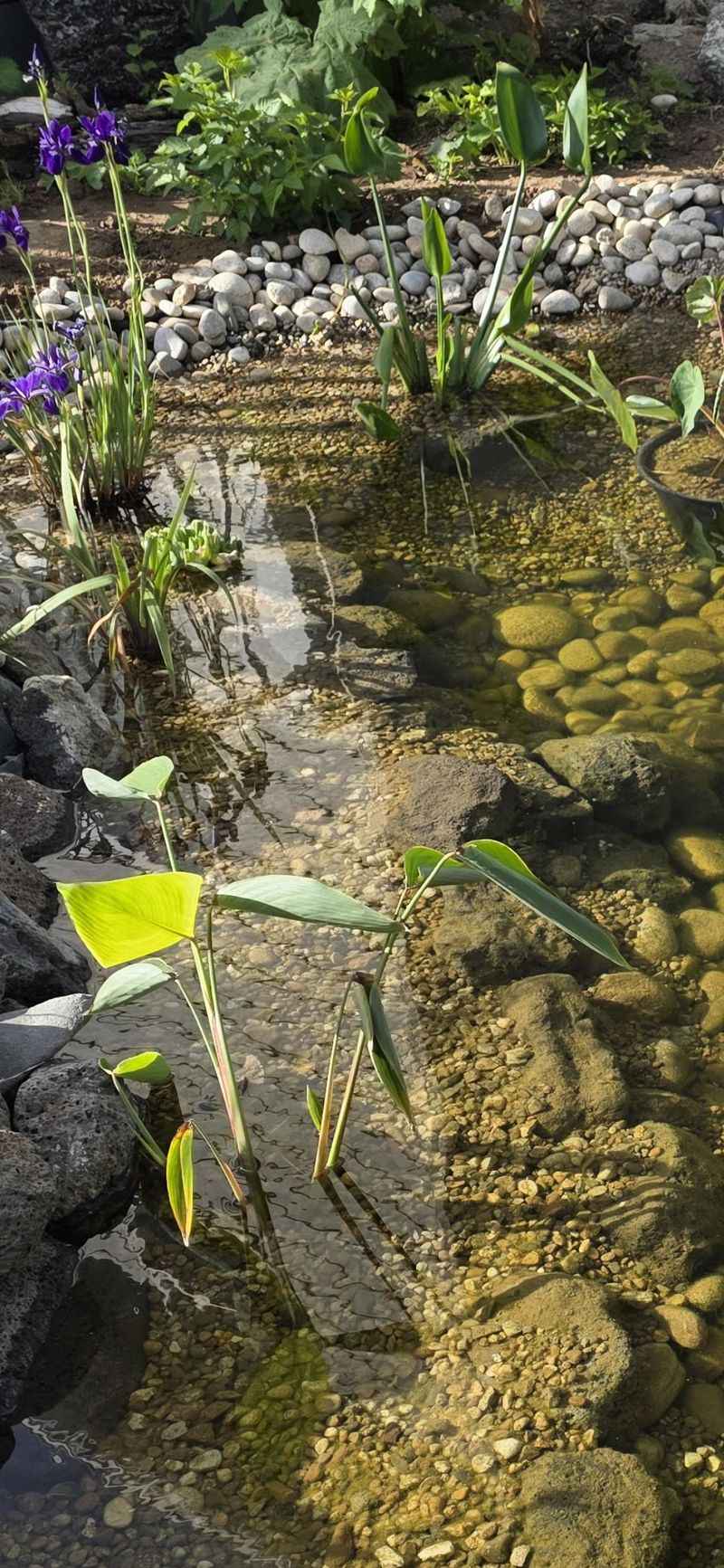
Standing up to 6 feet tall, hardy thalia looks like it wandered in from a tropical swamp. Its purple flowers dangle on long, arching stems that sway in the breeze.
Most sources rate powdery thalia hardy to about USDA zone 6. Some growers list it only for zones 8 through 11, so caution makes sense.
Much of New York falls in zones 5 and 6, right at or below the edge of what thalia tolerates. Even milder spots on Long Island can see stretches of bitter weather.
Once frost hits, the tall foliage browns and collapses back to the rhizomes. Those chunky roots are what you need to guard all winter long.
During the growing season, thalia sits happily with 6 to 18 inches of water over its crown. For winter in colder areas, sink the container to 18 to 24 inches.
Deep placement keeps the roots below the ice line, where temperatures stay steadier. Cut the old stems down to a few inches first, so the pot is easier to move.
Don’t have a deep enough pond? Lift the rhizomes and store them indoors in moist sand between 41 and 50 degrees.
A cool basement corner or unheated but frost-free garage often works well. Check the sand monthly and mist it lightly if it starts feeling dusty.
For plants in bog gardens, pile mulch generously over the crown in late autumn. Shredded leaves or straw help keep soil temperatures more stable through freeze-thaw cycles.
Thalia wakes up late, so don’t panic if shoots stay hidden until June. Patience pays off with one of the most dramatic plants any backyard pond can hold.