What A Fall Coyote Sighting Really Says About Your New York Yard
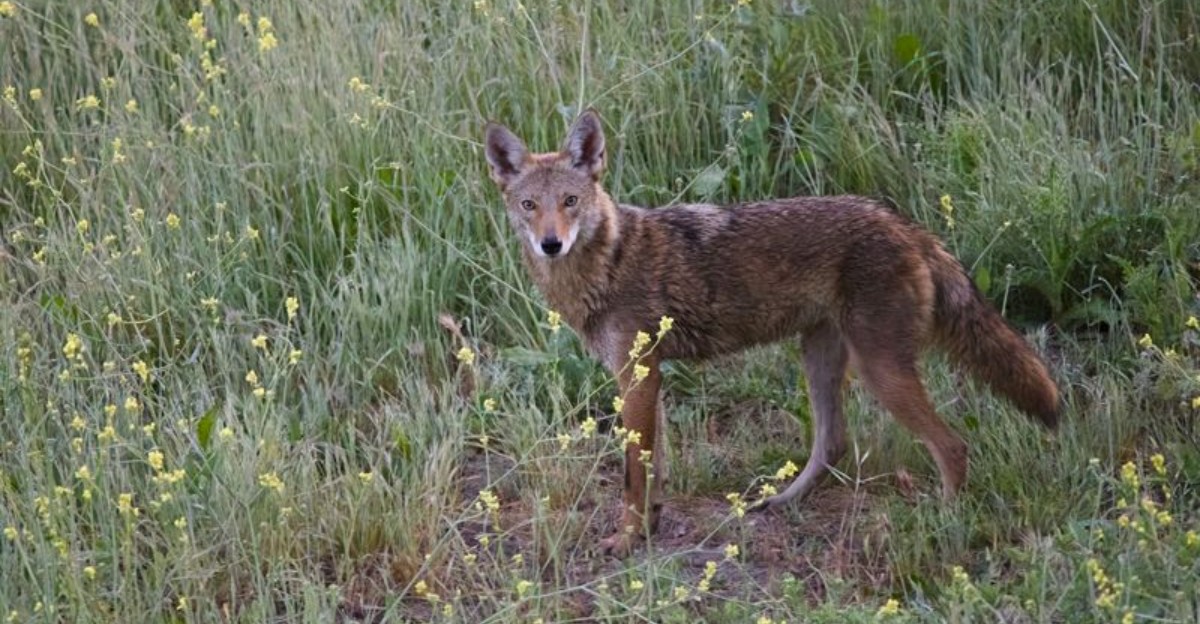
A rustle in the leaves, a flash of grayish fur, and your quiet backyard suddenly feels a little wilder. If a coyote just trotted through your New York yard, you’re far from alone.
Fall is a busy season for these clever canines. Family groups are at their largest, and this year’s pups are starting to strike out on their own.
A sighting can feel as startling as spotting a stranger at the window. Yet that brief visit is also a clue about what your property offers.
Food, water, shelter, and easy travel routes all send signals to a passing coyote. Learn to read those signals, and a few simple changes can make your yard far less inviting.
Your Yard Connects To Woods Or Green Space Coyotes Already Use
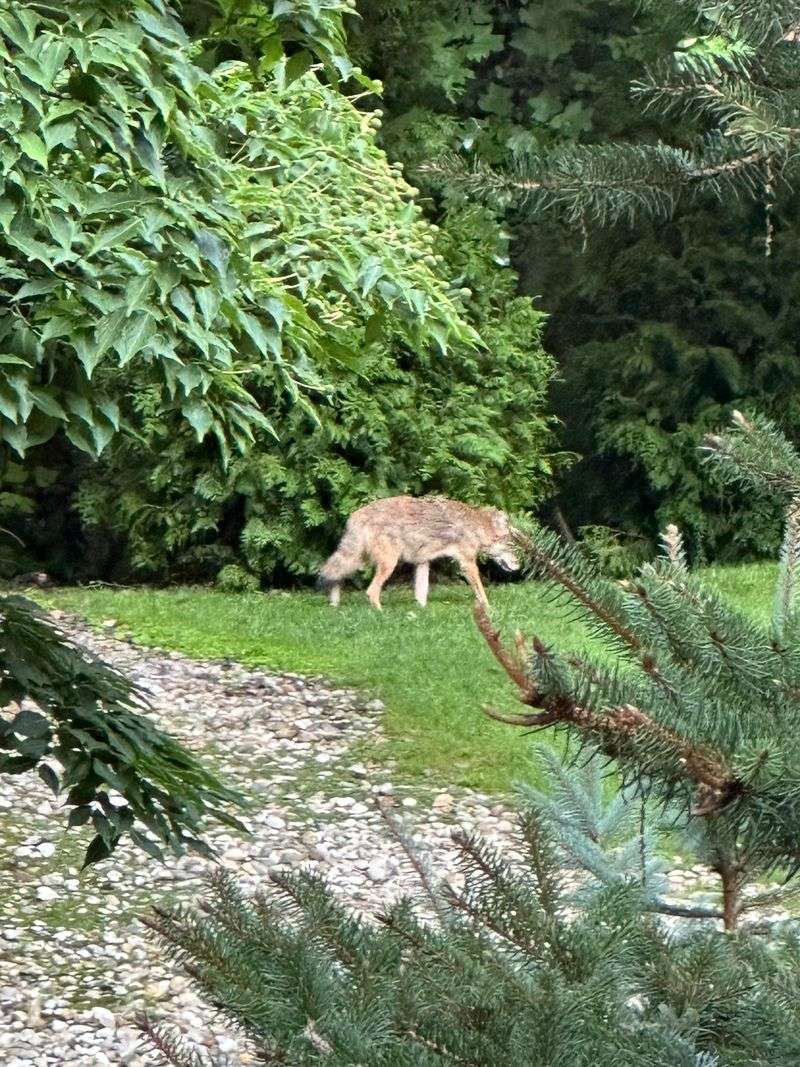
Picture a quiet highway that only animals can see, winding behind your fence and through the trees. Coyotes travel these hidden routes every night, and your yard might sit right beside one.
Across New York, coyotes live in urban forests, parklands, and ordinary suburban neighborhoods. They move easily between wild patches and developed spaces, using strips of green like sidewalks.
A single coyote family may claim a home range of 2 to 15 square miles. Such a huge area can include creek beds, golf courses, cemeteries, and backyards just like yours.
So a fall sighting often means your property is part of a regular travel path. The coyote was probably passing through, not moving in or targeting your family.
Grab a map app and look at the satellite view of your block. Notice any wooded strips, streams, power line corridors, or parks that touch your lot line.
Those green threads are likely coyote corridors, especially at dawn and dusk. Knowing where they run helps you guess where an animal might enter your yard.
Motion-activated lights near the edge of those corridors can make the crossing feel less comfortable. Some homeowners also add a trail camera to learn exactly when visitors show up.
Living next to green space is a real perk, so there is no need to panic. The goal is simply to make your yard a boring stop on the coyote route.
Share what you learn with nearby neighbors, since coyotes pay no attention to property lines. A few households working together can shift traffic away from the whole street.
A Young Coyote May See Your Neighborhood As Open Territory
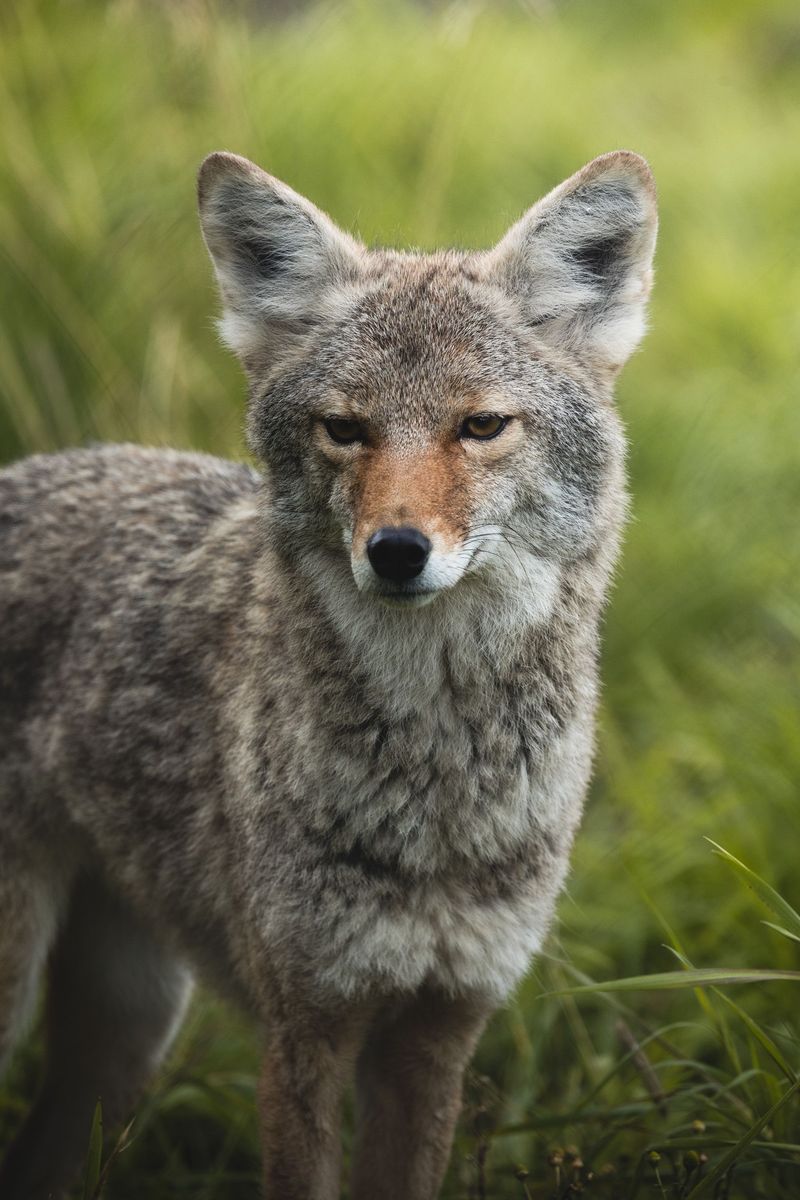
Remember being a teenager and itching to leave home? Young coyotes feel a similar pull every fall, and it can bring them right past your porch.
Pups born in spring reach nearly full size by around nine months old. By late summer and fall, many of them leave their parents to find their own space.
Biologists call these wandering youngsters transients, and they can cover 50 to 100 miles. They are searching for a territory and a mate, which keeps them on the move.
Here in New York, fall is when coyote numbers peak for the year. With so many young animals traveling, sightings naturally rise in suburbs and even city edges.
Your New York Garden Changes Every Week. Your Plan Should Too.
Gardening in New York changes quickly throughout the season. Every Friday you’ll receive a simple weekly plan showing exactly what to plant, prune, fertilize, harvest, and protect so you never miss the right timing.
A transient coyote may look thin, curious, or a little unsure of itself. Spotting one during daylight does not automatically mean it is sick, since coyotes are not strictly nocturnal.
Still, a young animal is testing boundaries and learning what works. If your yard teaches it that people are harmless and food is easy, it may return.
Hazing is the best lesson you can give. Yell, wave your arms, bang pots, or spray a hose until the coyote leaves.
Keep at it until the animal is fully out of sight, not just a few steps away. Stopping too early can teach it that a little patience earns a return visit.
Most transients keep moving within days or weeks if nothing convinces them to settle. Your job is to make sure your neighborhood looks like a poor place to unpack.
There’s An Easy Meal Within Reach
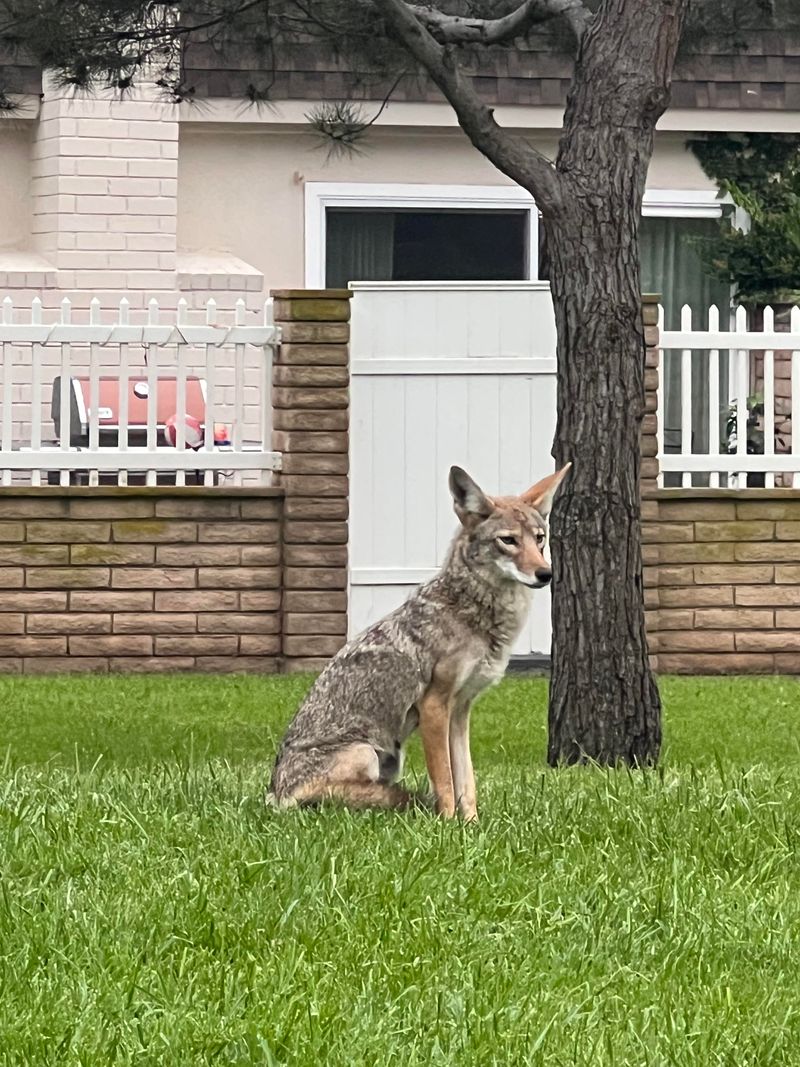
Coyotes are the ultimate snack hunters, and they are not picky about the menu. If your yard offers food with little effort, a visiting coyote will happily take notes.
Eastern coyotes are opportunistic omnivores, so their diet shifts with the seasons. Mice, voles, rabbits, squirrels, groundhogs, birds, and even insects all make the list.
In cities and suburbs, human leftovers can be just as tempting. Pet food left on a porch or a trash bag by the curb is basically a free buffet.
Walk your yard at dusk with fresh eyes, like a hungry animal would. Look for bowls of kibble, greasy grill drippings, and garbage cans with loose lids.
Feed pets indoors whenever you can, and bring empty bowls inside after meals. Clean your grill after each use, including the grease trap underneath.
Store trash in sturdy cans with tight lids, or keep them in a garage until pickup morning. Bungee cords or locking lids help if raccoons have already figured out your bins.
Rodents matter too, since a yard full of mice is a yard full of coyote snacks. Sealing woodpiles and cleaning up clutter cuts down on the small critters coyotes chase.
Here is a quirky fact about these clever eaters. Coyotes have been spotted eating watermelon, sneaking into cornfields, and snapping grasshoppers out of the air.
Such flexibility is why they thrive near people. Take away the easy calories, and your yard quickly becomes less interesting than the next patch of woods.
Your Bird Feeder Is Feeding More Than Birds
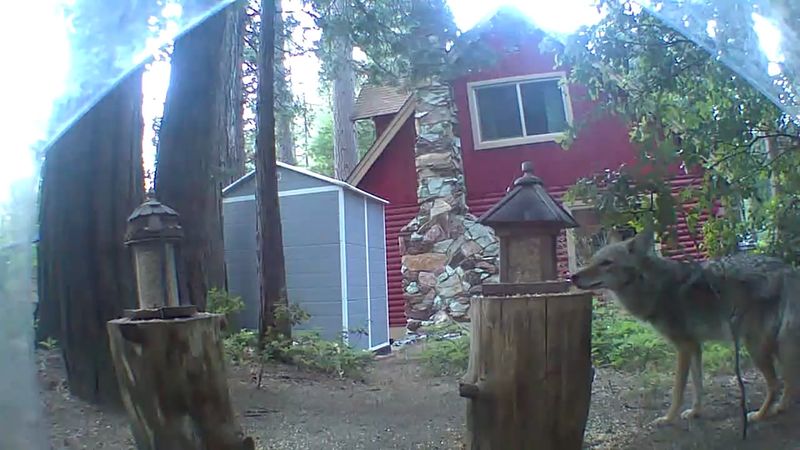
You filled the feeder for cardinals and chickadees, but the guest list quietly grew. Squirrels, chipmunks, and mice gather under it, and coyotes notice that crowd.
Coyotes rarely care about the seed itself. What draws them is the steady line of rodents and ground-feeding birds munching on spills below.
The New York State Department of Environmental Conservation recommends removing feeders when coyotes are seen nearby. It sounds tough for bird lovers, but a short break can make a big difference.
Try taking feeders down for a few weeks after a fall sighting. Birds will find natural food in autumn, when seeds and berries are still plentiful.
When you rehang them, focus on keeping the ground underneath clean. A tray attached below the feeder catches dropped seed before it lands in the grass.
Switching to no-mess blends, like hulled sunflower hearts, also helps a lot. Birds eat the whole piece, so fewer shells and scraps pile up for rodents.
Rake or sweep under the feeder every few days, especially before dark. Mice and voles do most of their feeding at night, right when coyotes start hunting.
Placement makes a difference as well. Hanging feeders closer to the house, away from shrubs and fence lines, gives visitors fewer shadows for sneaking in.
Did you know a coyote can hear a vole squeaking under grass from a surprising distance? A seed-scattered lawn packed with rodents basically rings a dinner bell for them.
Enjoying backyard birds and staying coyote-smart can go together with a little extra tidying. Your feathered friends will not mind, and your nighttime visitors will lose interest.
Fallen Fruit And Open Compost Are Drawing Attention

That sweet smell of apples fermenting under the tree is lovely to you. To a coyote, it smells like an open invitation.
Many folks are surprised that coyotes eat fruit, but they really do. In late summer and early fall, berries, apples, pears, and grapes become a big part of their diet.
Across the region, backyard orchards and berry bushes peak right when young coyotes are roaming. Fallen fruit also pulls in mice, raccoons, and deer, adding even more reasons to visit.
Pick up dropped fruit every day or two during harvest season. A simple rolling fruit picker saves your back and makes the chore go faster.
Compost piles deserve a close look as well. Open heaps with kitchen scraps, especially meat, dairy, or cooked leftovers, send strong scents across the neighborhood.
Switch to a closed bin or tumbler with a secure lid. Keep meat, bones, and greasy foods out entirely, and bury fresh scraps under dry leaves.
Garden leftovers count too. Split pumpkins, rotting tomatoes, and fallen squash in October can draw hungry noses long after your harvest ends.
A quick fall cleanup of the vegetable patch removes these treats and tidies the soil for spring. Toss spoiled produce into your sealed bin rather than leaving it on the ground.
Think of your yard like a snack shelf at a store. The fewer free samples lying around, the less reason a coyote has to linger.
Neighbors with fruit trees can share the workload, too. Swapping picking duties or splitting a bushel keeps the whole street tidier and less tempting.
Overgrown Brush Offers A Perfect Hiding Spot
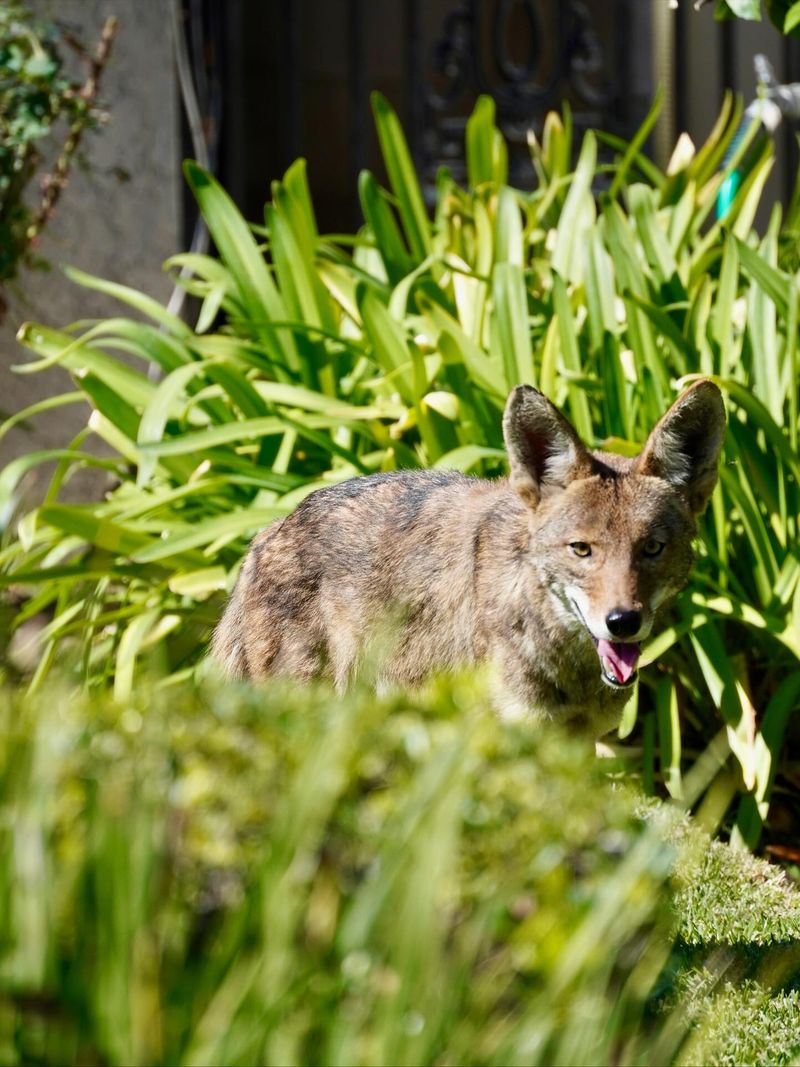
Coyotes are shy by nature, and they love a good hiding place. A tangle of thick brush at the back of your yard can feel like a cozy waiting room.
Most coyotes prefer cover when resting during the day or watching an area before moving in. Brush piles, tall grass, and dense shrubs let them stay out of sight while staying close.
In New York City, overgrown lots and empty buildings offer the same kind of shelter. Suburban yards with wild corners work just as well from a coyote point of view.
Start your fall cleanup at the edges of your property. Trim back shrubs so you can see underneath them, ideally about a foot or two off the ground.
Mow tall grass and weedy patches, especially near fences and sheds. Short grass leaves nowhere to crouch, and it makes rodents feel exposed too.
Brush piles are a tricky one, since they help birds and pollinators. If you keep one, place it far from your house and away from pet play areas.
Clearing clutter also matters. Stacks of old lumber, forgotten tarps, and unused equipment create shady nooks that coyotes and their prey both enjoy.
Here is a helpful trick after trimming. Walk your yard at dusk and look for any spot where a medium dog could hide unnoticed.
Those are the places to open up with pruning shears or better lighting. A yard that feels bright and open makes a secretive animal nervous about stopping.
You do not need a bare, boring lawn to stay safe. Tidy, trimmed plantings still look beautiful while giving coyotes fewer places to settle in.
Your Fence May Be Easier To Get Past Than You Think
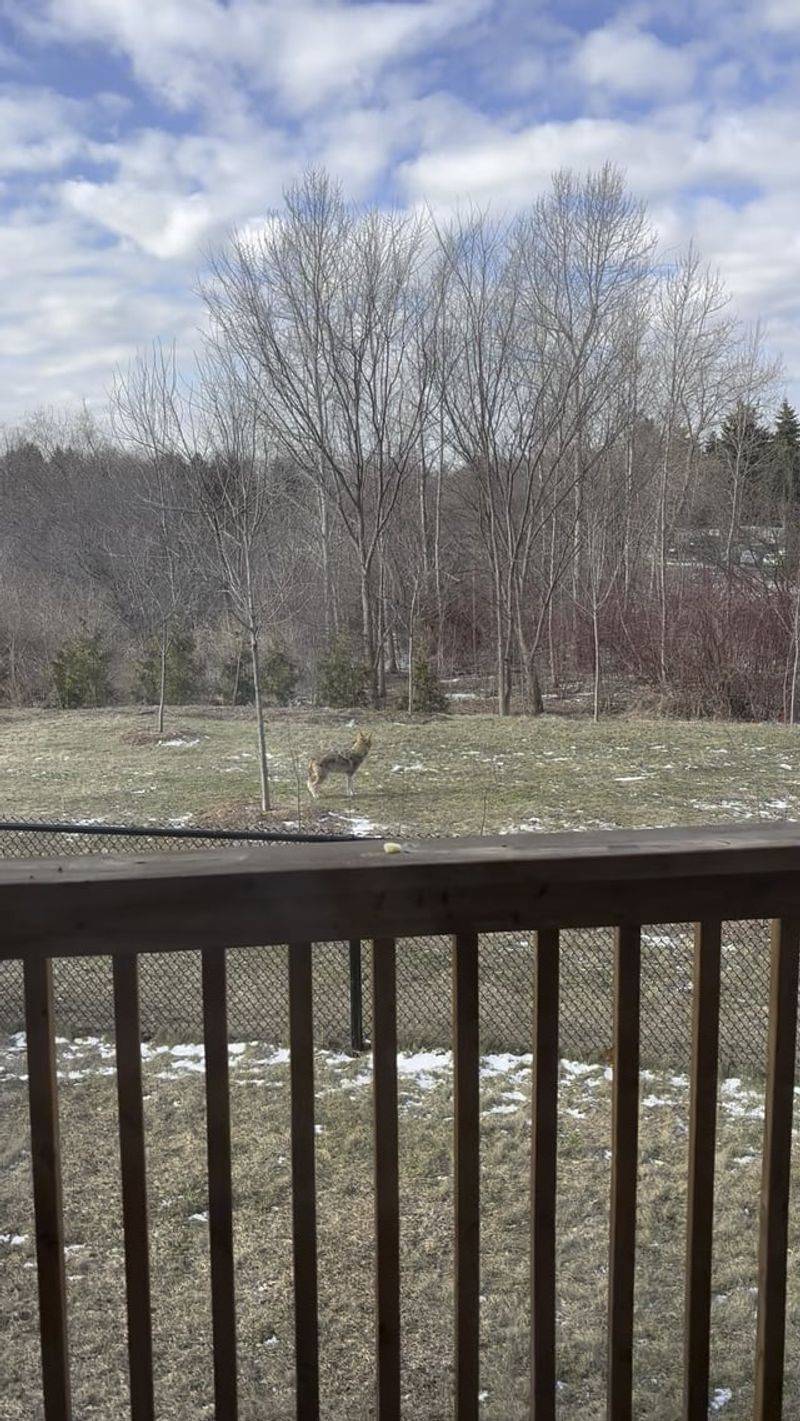
Many homeowners trust their fence like a castle wall. Coyotes, however, treat most backyard fences more like a hurdle at a track meet.
Agile canines like coyotes can clear a 6-foot fence from a standstill. By leaping and hooking the top with their front paws, some scramble over barriers 8 feet or taller.
Chain-link is especially easy to climb, since the gaps act like a built-in ladder. Coyotes are also strong diggers, so a loose bottom edge invites them to tunnel under.
Start by walking your fence line and checking the base. Fill any dips or holes, and look for spots where soil has washed away.
Wildlife experts suggest fences at least 6 to 8 feet tall for serious protection. Extending wire mesh 6 inches below ground, or adding an outward apron, helps stop digging.
Climbing is a different challenge. Coyote rollers, which are spinning bars along the top, keep paws from getting a solid grip.
Angled overhangs or a line of mesh bent outward at the top also discourage climbers. Some families add these only around a dog run to save money.
Gates are a common weak spot. Make sure they close tightly, latch securely, and do not leave big gaps at the bottom.
Keep items like grills, woodpiles, and trash cans away from the fence line. Those objects can become handy stepping stones for a clever animal.
A good fence is still one of your best tools. It just works best when you close the loopholes coyotes already know about.
Ponds And Outdoor Water Bowls Are Easy To Find
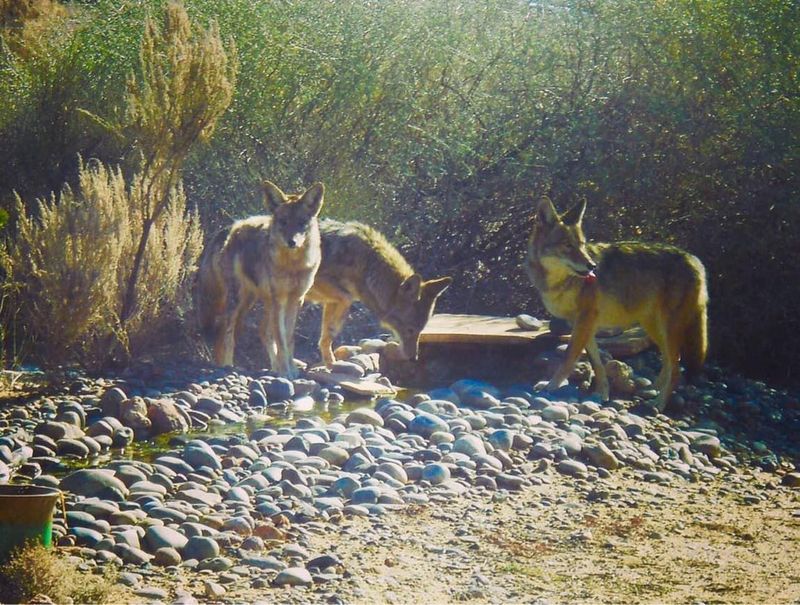
Water is the one thing every animal needs, even a coyote on a quick stroll through town. If your yard offers a reliable drink, it may become a regular rest stop.
Coyotes happily sip from creeks and ponds, but they are just as happy with human sources. Pet water bowls, birdbaths, rain barrels, swimming pools, and even skylight puddles all count.
Some city coyotes have even been spotted lapping rainwater off low skylights. Clever problem solvers like these will find water wherever people leave it.
Dry autumn weeks make backyard water even more valuable. When streams run low, a full dog bowl on the patio looks like a fancy oasis.
Bring outdoor pet bowls inside at night, or set them out only while your pet is outside. Change the water often, since shared bowls can spread germs between wildlife and pets.
Birdbaths can stay, but consider emptying them in the evening during active coyote weeks. Refill them in the morning when birds are most likely to visit.
Garden ponds are harder to move, of course. Clear tall plants around the edges so the area feels open, and add a motion-activated light nearby.
Rain barrels should have tight lids, which also keeps mosquitoes from breeding. Pool covers help too, especially once swimming season ends in September.
Fixing leaky hoses and drippy spigots is an easy bonus step. Small puddles near the house can attract rodents first, and coyotes follow the rodents.
Fewer drinks in your yard mean fewer reasons for a visitor to hang around. A thirsty coyote will simply move along to the nearest creek instead.
Small Pets In The Yard Could Look Like Prey
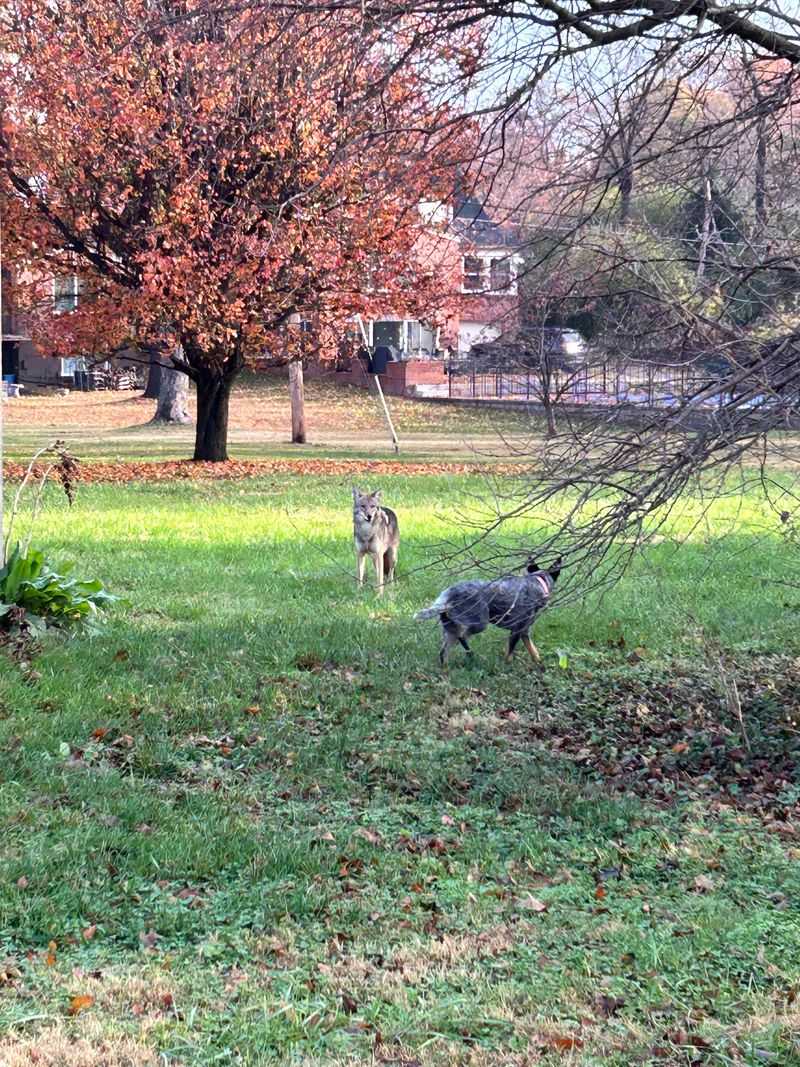
Your tabby sees herself as the queen of the backyard. A hungry coyote, sadly, may see her as a snack-sized opportunity.
Cats and small dogs look a lot like the rabbits and groundhogs coyotes hunt. Conflicts with pets are among the most common coyote problems reported across the state.
Dawn, dusk, and nighttime are the riskiest hours. Stay outside with your pets during those times, even for a quick bathroom break.
Keep dogs on a short leash, ideally six feet or less, during walks. Retractable leashes let a dog wander too far for you to react quickly.
Cats are safest indoors, but outdoor lovers can enjoy a catio. A screened enclosure lets them sniff fresh air without being exposed to wandering predators.
Coyotes can be surprisingly sneaky with dogs. Some use playful behavior, like bowing and bouncing, to lure a loose pup into the woods.
Once there, other coyotes may be waiting, so recall training really matters. Practice a strong come command with tasty rewards until your dog responds reliably.
Cats face their own challenges. Coyotes can outrun them, and some will patiently wait below a tree for a cat to climb down.
Carry a whistle, air horn, or small umbrella during evening walks. Popping an umbrella open suddenly makes you look bigger and can scare off a bold coyote.
A reflective vest or light-up collar helps you spot your pet quickly after dark. Quick reactions give you precious seconds to scoop up a small dog.
Staying close is the kindest step you can take. With a little planning, your furry family members can keep enjoying your yard safely.