The Underrated Virginia Porch Plant That Helps Discourage Wasps By Your Door
Nothing ruins a sweet tea moment faster than a wasp buzzing past your nose at the front door. Anyone who has spent a Virginia summer on the porch knows that drone all too well.
A tall, grassy plant with a bright lemony scent might help you push back. It looks handsome in a pot, smells like a fresh kitchen, and asks for very little in return.
Most shoppers walk right past it at the garden center without a second glance. Once you learn what it can do, your porch may never look the same.
Its secret lies in the fragrant oils packed inside those slender leaves. Research on oil blends that include it suggests wasps aren’t fans of the smell.
The trick is knowing how to grow it, where to place it, and what to pair it with. This humble porch helper deserves far more credit than it gets.
Lemongrass Is The Plant Worth Knowing
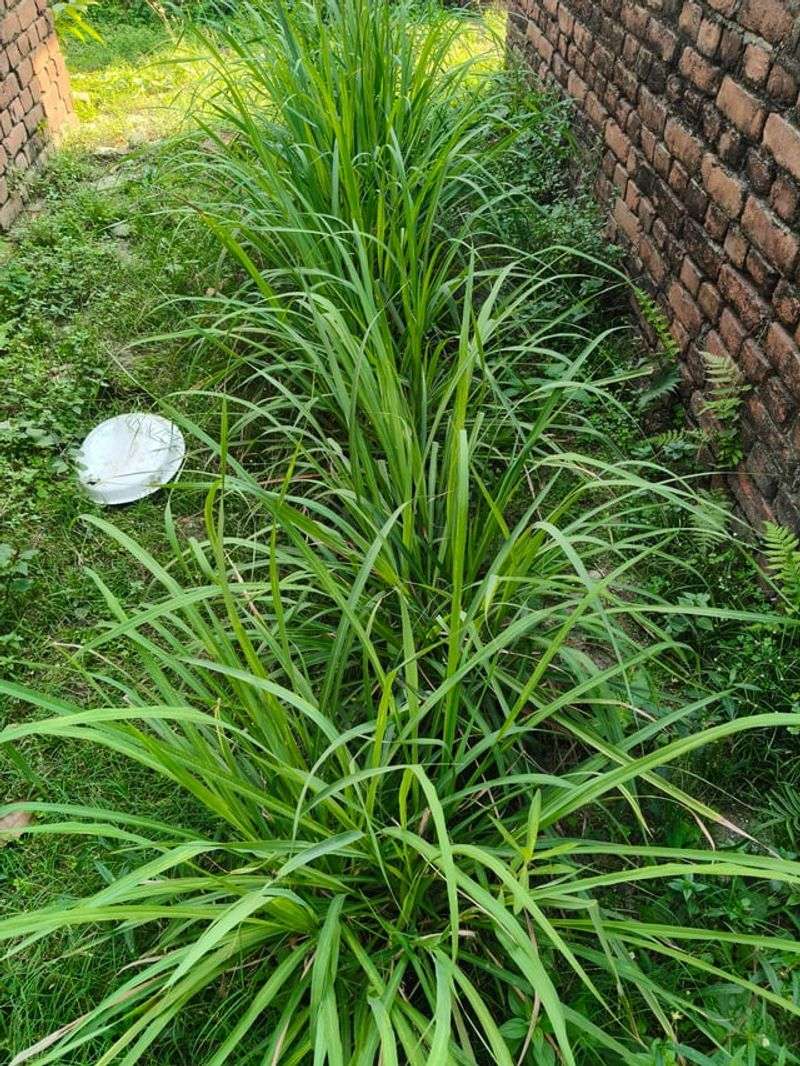
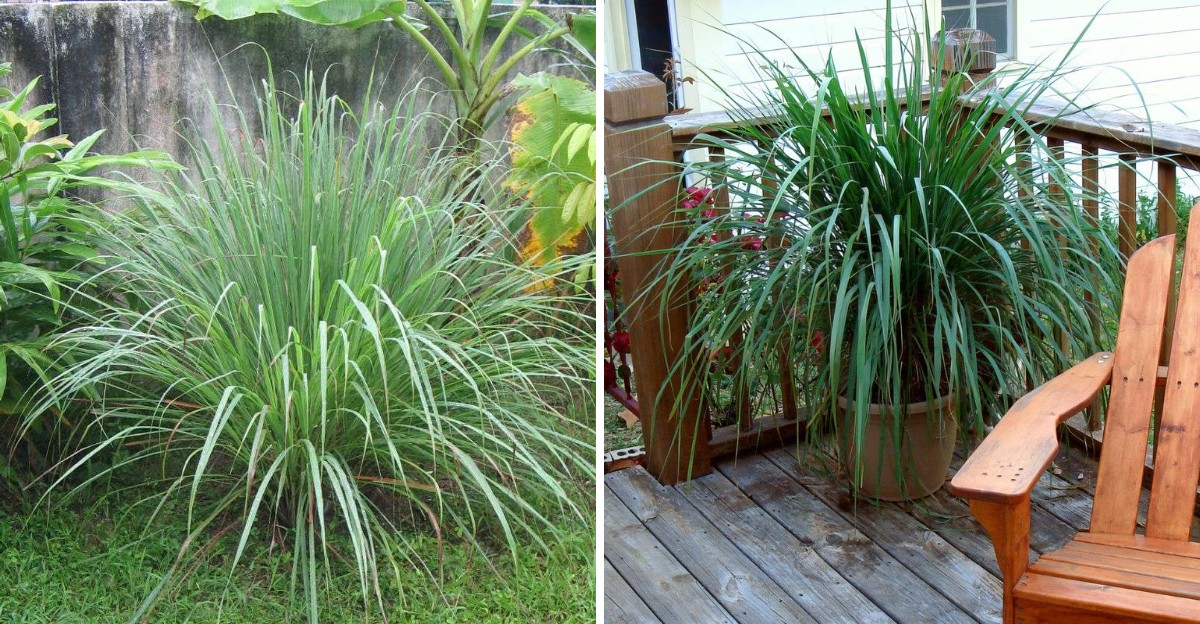
Picture a fountain of bright green blades swaying beside your welcome mat. Lemongrass looks like fancy ornamental grass, yet it hides a zesty secret inside.
Its scientific name is Cymbopogon citratus, and it comes from southern India and Sri Lanka. Back home, it grows in thick clumps that can fill a whole garden bed.
Most plants reach two to four feet tall on porches. They also spread about two or three feet wide, so give them elbow room.
Run your hand along a blade, but go slowly and carefully. The leaf edges can be surprisingly sharp, a bit like the edge of fresh paper.
Cooks love this plant for its lemony punch in soups, curries, and teas. You have probably tasted it in Thai food without even knowing its name.
Beyond the kitchen, its oil shows up in soaps, candles, and bug sprays. People have also used it in folk remedies for upset stomachs and minor aches.
Fun fact: lemongrass rarely blooms outside its tropical homeland. So in Virginia, you grow it for leaves, stalks, and scent rather than flowers.
Here is a smart first step for beginners. Buy a few fresh stalks from an Asian grocery store and root them in water.
Tiny white roots usually appear within two or three weeks. Once they reach an inch or so, move the stalks into soil.
Starting this way costs only a few dollars. It also gives you a fun little science project before the real porch planting begins.
Its Citrusy Oils Have Shown Wasp-Repelling Promise In Research
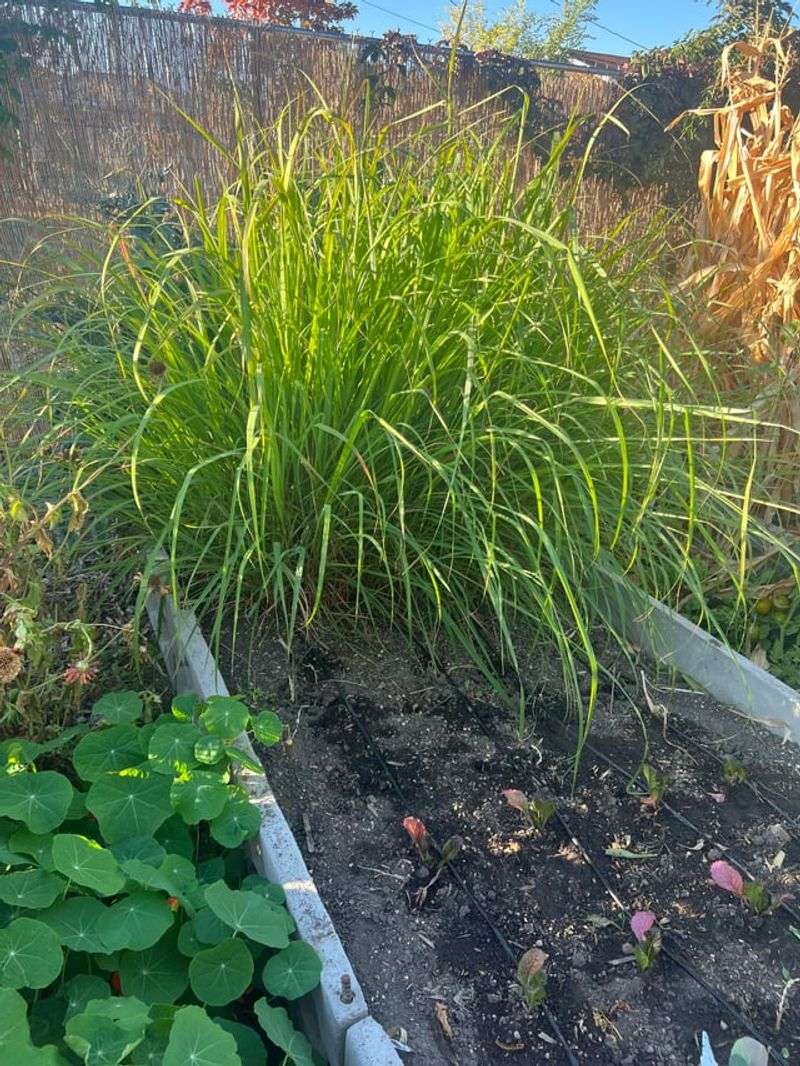
Scientists have been sniffing around lemongrass for years, and the results are encouraging. Its oils contain citral, geraniol, and citronella, a trio that many insects dislike.
Wasps rely heavily on smell to find food and nesting spots. A strong citrus blast can confuse those senses and make an area feel less inviting.
One study tested a blend of clove, geranium, and lemongrass oils. The mix blocked wasps from being drawn to baits and sharply cut yellowjacket visits.
That sounds impressive, but keep your expectations realistic. A single potted plant will not create an invisible force field around your house.
Your Virginia Garden Changes Every Week. Your Plan Should Too.
Gardening in Virginia changes quickly throughout the season. Every Friday you’ll receive a simple weekly plan showing exactly what to plant, prune, fertilize, harvest, and protect so you never miss the right timing.
Instead, think of lemongrass as one helpful layer. It works best alongside good habits, like covering sugary drinks and keeping trash cans sealed.
Want a stronger boost on busy days? Mix about ten to fifteen drops of lemongrass oil into a spray bottle of water.
Add a small squirt of dish soap so the oil blends better. Shake well and mist railings, door frames, and porch corners where wasps like to linger.
Test a hidden spot first, since oils can stain some paint or fabric. Reapply every few days, especially after rain washes the scent away.
Keep the spray away from eyes, pets, and small kids. Essential oils are natural, but they are still strong and can irritate skin.
Pairing a living plant with an occasional spray gives you steady scent. It also keeps your porch smelling like a fresh lemon bar all afternoon.
Crushed Leaves Release Far More Scent Than An Untouched Plant
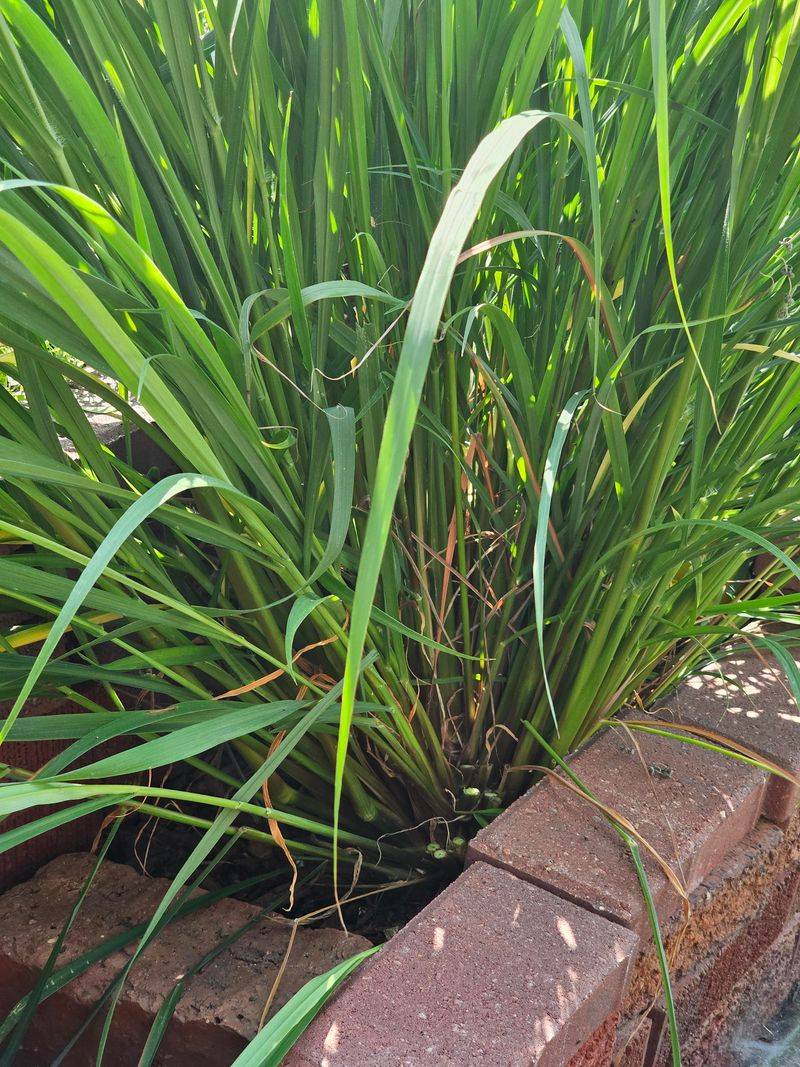
Try a quick experiment the next time you pass your plant. Sniff it first, then pinch and twist a leaf between your fingers.
Suddenly, the air smells like a freshly sliced lemon. Bruising breaks tiny oil pockets inside the leaves, letting the fragrance escape.
An untouched plant keeps most of its perfume locked away. It still smells pleasant up close, but the scent does not travel very far.
Aromatic plants tend to work this way for a clever reason. Many release strong smells when chewed, which helps protect them from hungry critters.
You can borrow that trick for your porch. Each morning, gently crush a few leaf tips while you sip your coffee.
Another easy idea is to snip a handful of blades and roll them. Tuck the bruised bundles into a small bowl on your porch table.
Swap them out every day or two as the scent fades. Old leaves can go into the compost pile, so nothing goes to waste.
Some folks rub crushed leaves along door frames before guests arrive. The quick burst of citrus freshens things up and may nudge curious wasps elsewhere.
Research on crushed leaves alone is thinner than studies on pure oil. Still, the basic idea makes sense, since more released oil means more scent.
Wear light gloves if your skin feels sensitive. Those sharp edges and potent oils can leave a mild itch on tender hands.
Big Pots Right Beside The Door Work Best
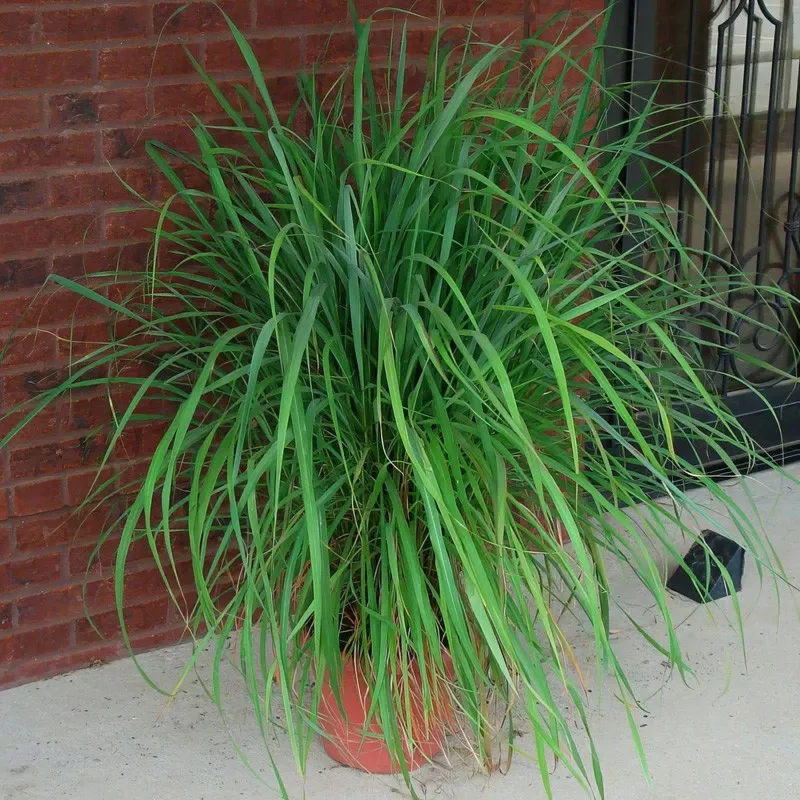
Location matters more than most people expect with this plant. A lonely pot at the far end of the yard will do little for your doorway.
Set containers right beside the front door or near your favorite porch chair. That way, the citrus scent sits exactly where people and wasps cross paths.
Size makes a real difference too. Choose a pot that holds at least five gallons so roots can stretch out comfortably.
Bigger pots also hold more soil, which dries out more slowly. That extra buffer helps during those scorching July afternoons in Virginia.
Sunlight is the other big piece of the puzzle. Lemongrass wants at least six hours of direct sun each day to grow tall and fragrant.
Shady porches can still work with a little creativity. Try placing pots on the sunniest step or on a wheeled plant caddy you can move around.
Wind is a sneaky problem for tall potted grasses. A strong gust can tip a lightweight pot and scatter soil across your porch.
Add a few rocks to the bottom for weight, or pick heavy ceramic containers. Tucking pots against a wall also shields them from breezy storms.
Drainage holes are a must, so check before you buy. Soggy roots quickly turn a happy plant yellow and droopy.
Consider using two matching pots, one on each side of the door. You get double the scent and a tidy, welcoming look for visitors.
It Loves Hot, Humid Summers
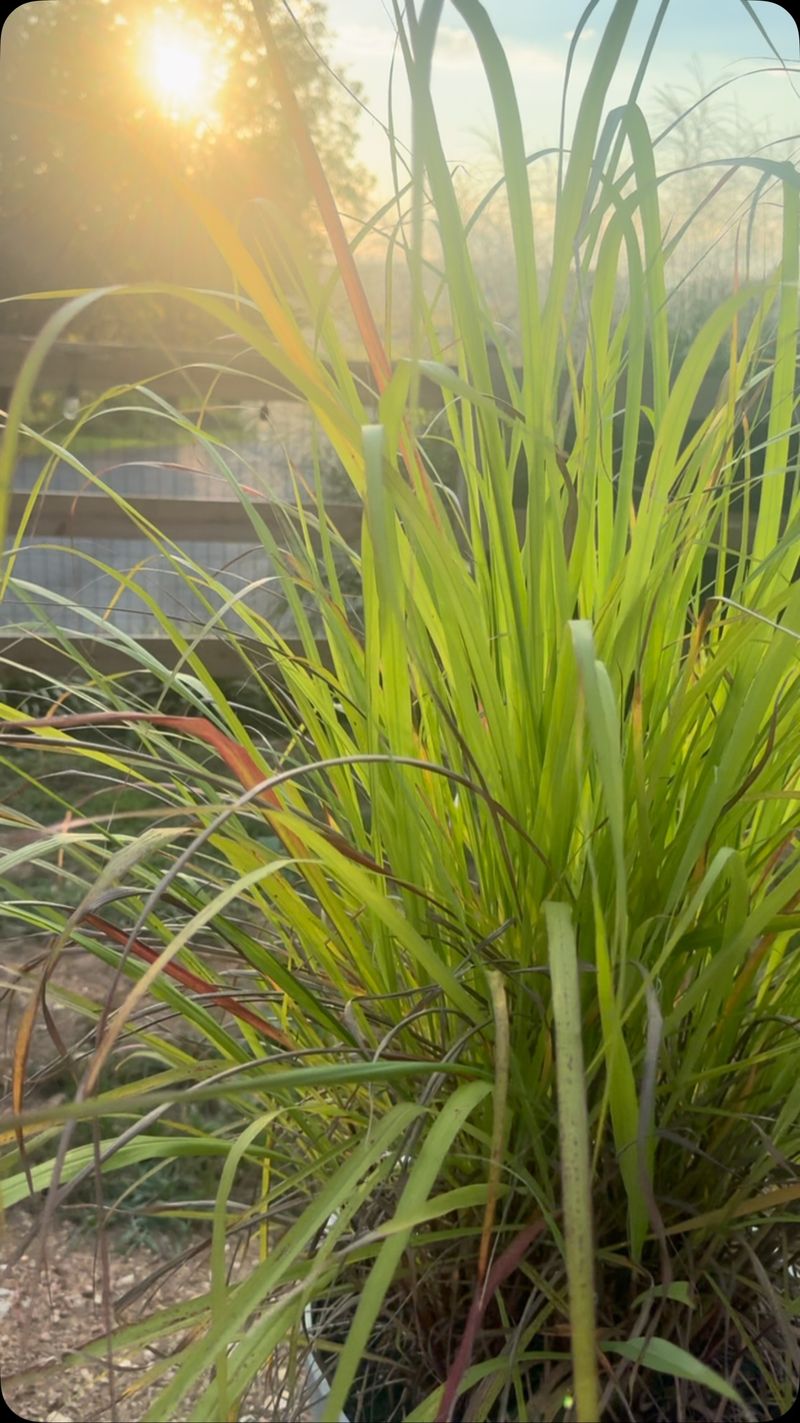
Sticky weather that makes your shirt cling to your back? Lemongrass thinks that sounds like a vacation.
Being a tropical grass, it thrives when temperatures stay warm and the air feels thick. Ideal growing days fall between about 70 and 90 degrees Fahrenheit.
Summers across Virginia fit that description nicely. From Richmond to Norfolk, June through September often brings exactly the muggy heat this plant craves.
While your petunias wilt in August, lemongrass tends to stretch taller. Many gardeners are surprised by how quickly it bulks up once real heat arrives.
Timing your planting helps you ride that wave. Wait until nighttime temperatures stay above 50 degrees, usually in early to mid May.
Planting too early can stall growth for weeks. Cold soil makes the roots sluggish, and chilly nights can yellow the leaf tips.
Full sun fuels the whole engine. More sunshine means thicker stalks, stronger oils, and a more noticeable lemony smell around your doorway.
Humid air also helps keep the leaves supple. In drier spells, a quick morning mist can give blades a refreshing lift.
Here is a handy tip for fast growth. Feed your plant with a balanced liquid fertilizer every two to three weeks in summer.
Grass-type plants love nitrogen, which pushes out fresh green blades. Just follow label directions, because too much food can burn roots and cause trouble.
Steady Watering Keeps The Stalks Lush
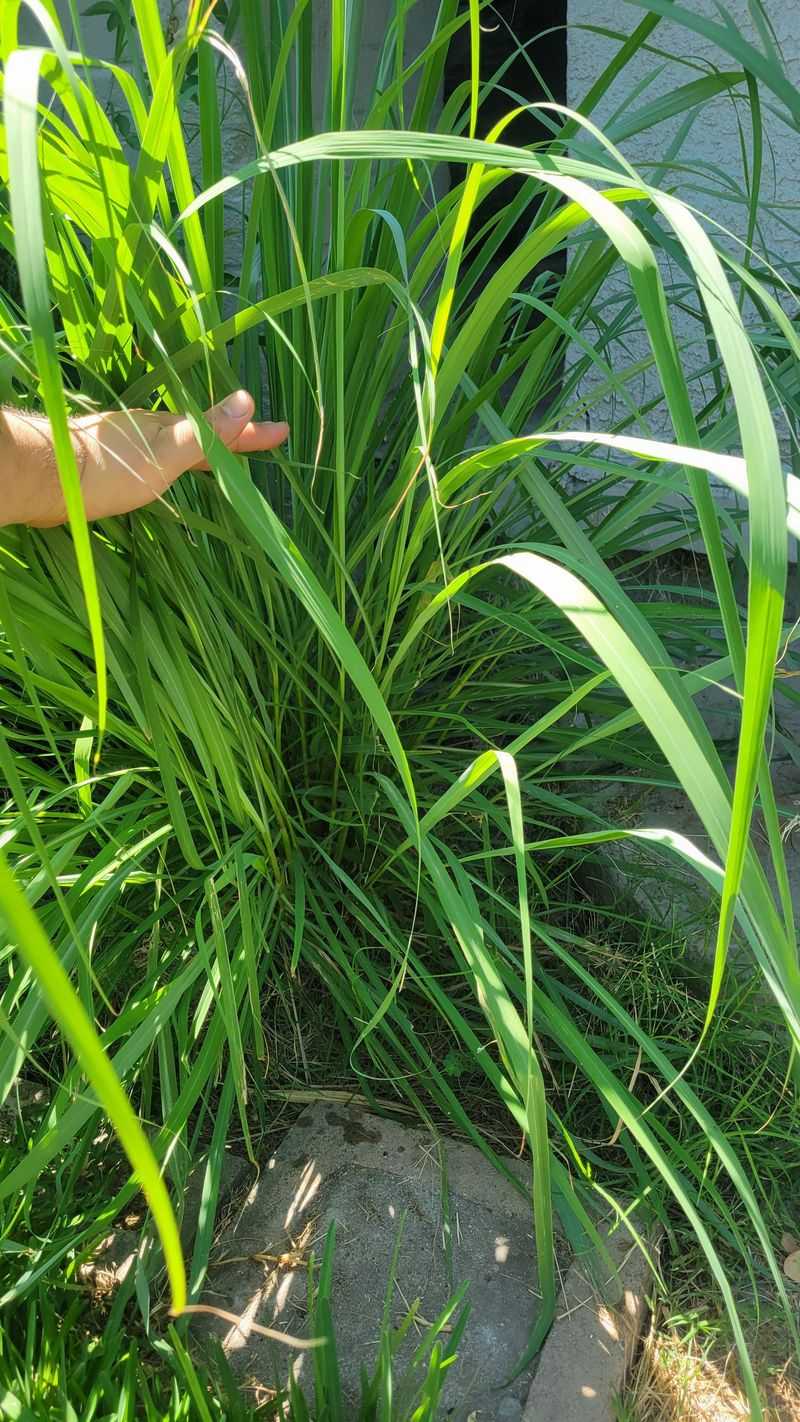
Think of lemongrass as a thirsty teenager after soccer practice. It wants regular drinks, especially when the weather turns hot and windy.
Consistent moisture keeps stalks plump, tender, and full of flavor. Let the soil go bone dry, and the blades turn brown and brittle fast.
A simple finger test works wonders here. Poke a finger into the soil, and water when the top inch or two feels dry.
During heat waves, potted plants may need water every day. On cooler weeks, every two or three days might be plenty.
How you water matters as much as how often. Deep, slow soaks encourage roots to grow downward instead of staying near the surface.
Pour until water runs out the drainage holes. Then let the pot drain fully, and empty any saucer underneath.
Standing water is the enemy of healthy roots. Waterlogged soil can cause rot, which shows up as mushy bases and a sour smell.
Good soil sets you up for success. Use a rich potting mix with plenty of compost for moisture and drainage together.
A two-inch layer of mulch on top can slow evaporation. Shredded bark or straw both work well and look neat on a porch.
Going on vacation for a long weekend? A self-watering pot or a buried water spike can keep your plant happy until you return.
Frost Sends It Indoors Or Straight Into The Kitchen
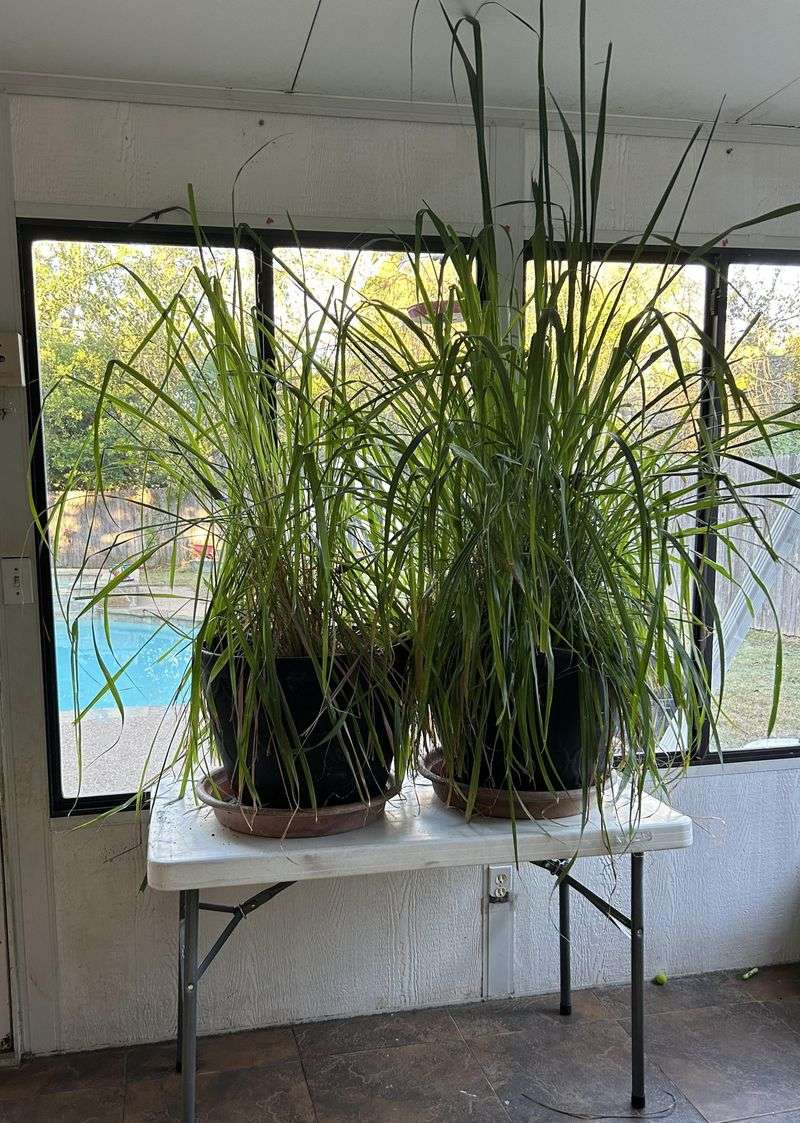
October in Virginia brings crisp mornings, pumpkin spice, and a problem for your lemongrass. Frost can quickly turn those lush blades brown and limp.
Most of the state sits in USDA zone 7, which is too chilly. Lemongrass truly thrives year round only in zones 10 and 11.
You have a few good choices before the first frost arrives. Each one lets you enjoy your plant a little longer.
Option one is bringing the pot indoors. Trim the blades back to about a foot, then set it in a bright, south-facing window.
Growth slows way down during winter months. Keep the soil barely moist, since overwatering indoors is a common mistake.
Option two works well if window space is tight. Cut the plant low and store the pot in a cool, dark basement or garage.
Water it lightly only a few times over winter. In spring, bring it back into the sun and watch fresh shoots appear.
Option three is the tastiest route. Harvest all the stalks, chop them, and store them in freezer bags for cooking.
Frozen lemongrass keeps its flavor surprisingly well for months. Toss pieces into soups, stir fries, or hot tea on cold nights.
Many gardeners combine options, freezing some stalks and saving one small clump. Mark your calendar for mid October so an early frost does not surprise you.
Some Wasps Are Garden Helpers Worth Tolerating
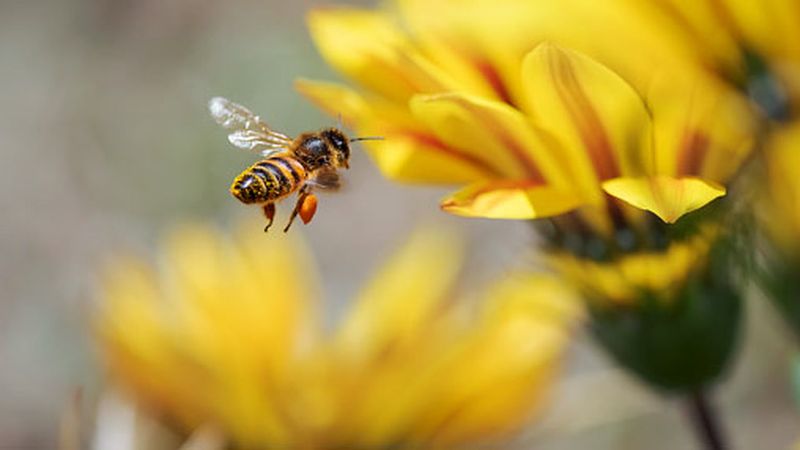
Here is a twist you might not expect: plenty of these buzzing insects are quietly working for you in the garden.
Many wasps hunt pests like caterpillars, aphids, flies, and grubs. They carry those pests home to feed their young, which means fewer chewed tomatoes.
Paper wasps, often seen under Virginia eaves, are skilled caterpillar hunters. They also visit flowers and help with a bit of pollination along the way.
Bald-faced hornets snack on flies and even yellowjackets. Tiny parasitic wasps, like braconids and trichogramma, target pest eggs and larvae.
Solitary types such as mud daubers and digger wasps rarely sting people. They mostly mind their own business while chasing specific garden pests.
So the goal is not to banish every wasp from your yard. Instead, gently steer them away from doors and busy seating areas.
Lemongrass near the entry does exactly that kind of steering. Meanwhile, the back garden can stay welcoming for helpful hunters.
Want to invite more good guys? Plant flowers with small, shallow blooms, like yarrow, fennel, asters, goldenrod, and mountain mint.
Skip broad-spectrum pesticides whenever possible. Those sprays harm beneficial insects along with pests, often making problems worse over time.
Striking that balance is what smart Virginia gardening looks like. Your doorway stays calm, your veggies stay healthier, and nature does some heavy lifting for free.