Why California Gardeners Should Check Tree Stakes Before Winter Storms Arrive
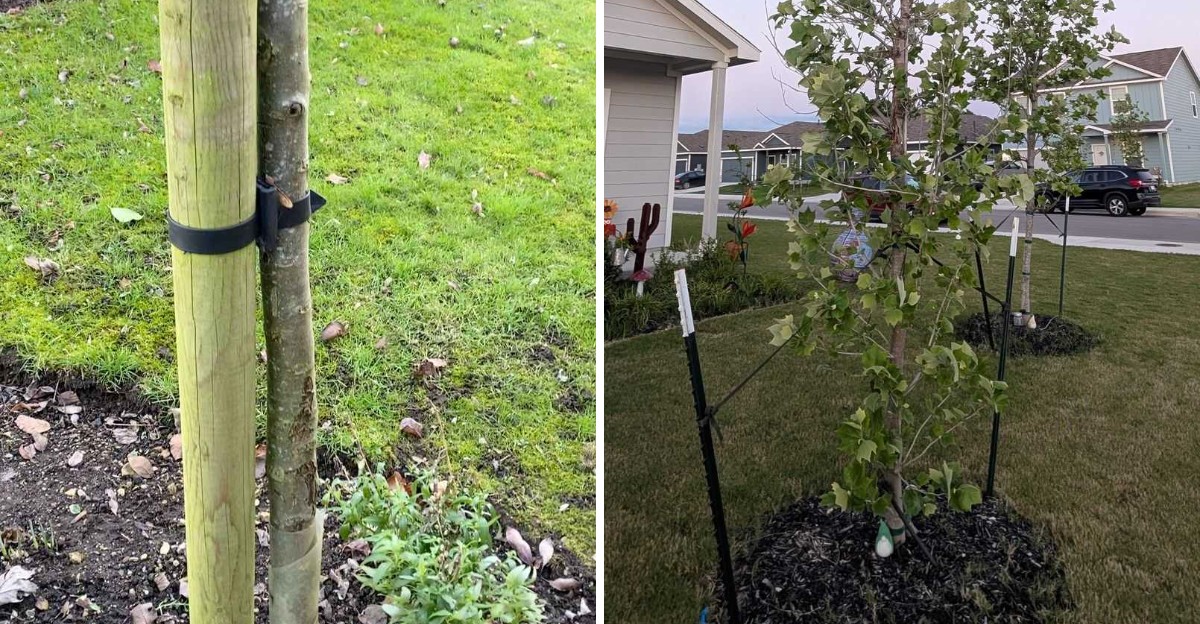
Your young tree has a secret. It looks calm in the yard. Straight trunk. Neat setup. Everything in its place.
But something small may be working against it. Most gardeners walk past it every day without a second glance. It seemed helpful once. It might even have been your idea.
So here is a question. When did you last take a close look at your trees? Not a quick glance from the driveway. A real, up-close look.
California winters love a dramatic entrance. Months of dry weather, then soggy soil and gusts with something to prove. Young trees feel that shift first. The weak spots show up fast, and the wind has zero patience.
The good news? The fix takes less time than a coffee break. You need gloves, a pair of clippers, and a few curious minutes.
Your tree may be sending you signals already. Some are easy to miss. Others hide in plain sight.
Ready to find out what yours is trying to say?
1. Loose Ties Let Trunks Move Naturally
A young tree on a breezy day sways a little, then springs back. That wiggle is not a flaw. It is a workout.
Trunk movement tells a tree where to build strength. Each flex nudges it to add wood near the base. Over time, the trunk grows thicker at the bottom and slimmer toward the top.
That shape is called taper. It helps a tree handle wind without extra help.
A tree tied tight to a stake skips gym day. It often grows tall and skinny, like a pencil with ambitions. Once the stake comes off, that thin trunk may lean or bend badly.
The sweet spot sits somewhere in the middle.
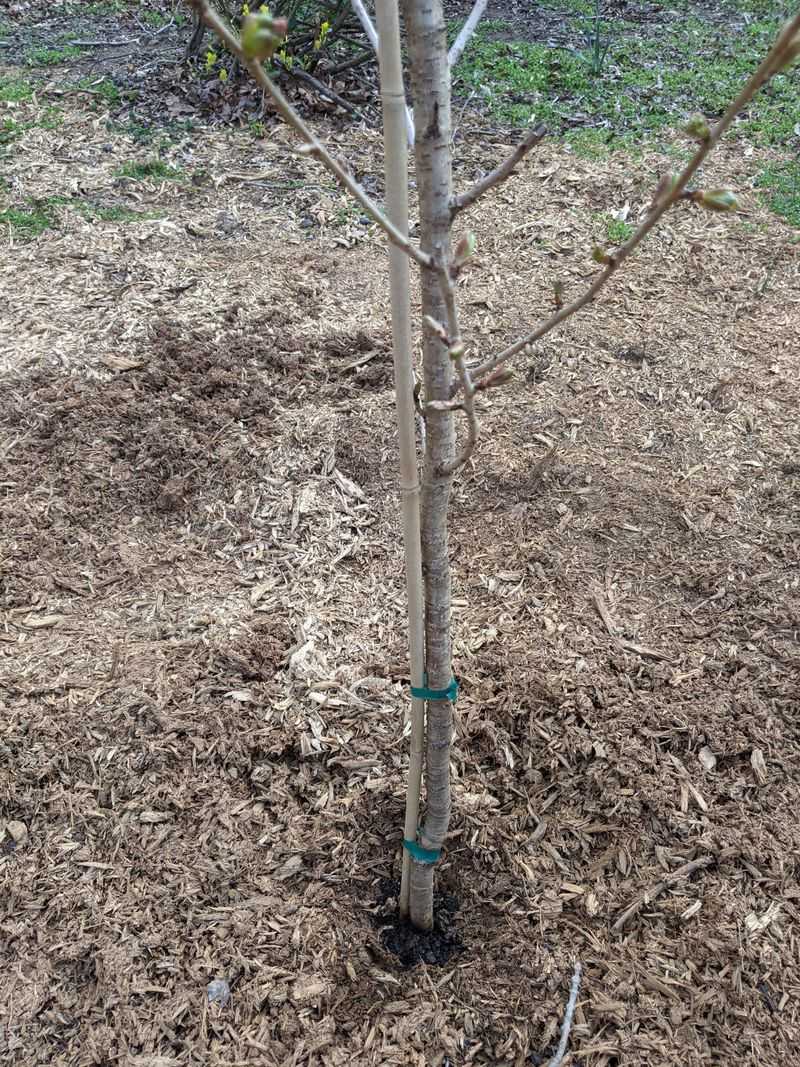
A good tie steadies the roots but lets the upper trunk move. Place ties as low as possible while the tree still stands upright. A figure-eight loop between stake and trunk works well. It adds a cushion and keeps bark away from rough wood.
Now for a quick test, and yes, you can do this in slippers. Gently push the trunk above the tie. It should move a bit, then return to center.
A trunk frozen in place tells you the ties are too snug. Give them some slack before storm season rolls in.
Your tree will thank you in the only language it knows: a thicker trunk. Honestly, that is more gratitude than most houseplants offer.
2. Overly Tight Ties Can Girdle Growth
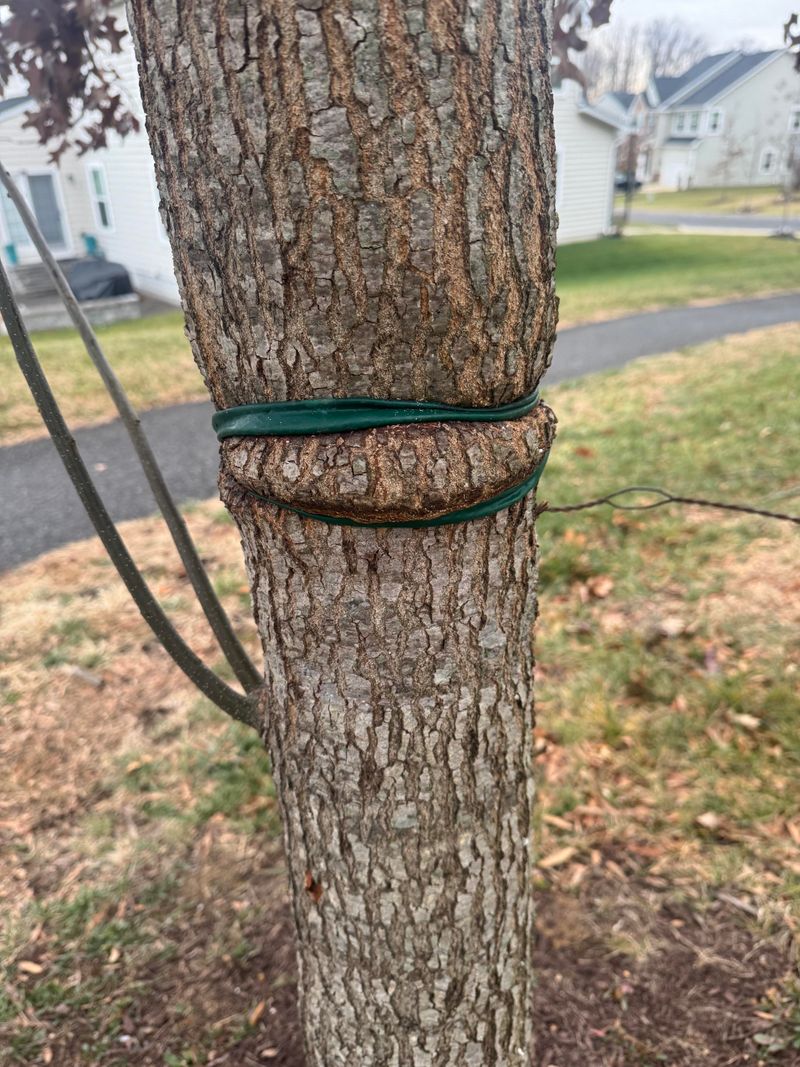
A wire twist tie looks harmless on day one. A few years later, that same tie may sit buried in bark. It is like a belt nobody bothered to loosen after the holidays.
Trees grow wider every year. A tie that fit perfectly in spring may squeeze the trunk by next fall. Arborists refer to this as a girdled trunk. It happens when something presses around the whole trunk.
The reason this matters sits just under the bark. A thin layer there carries food and water through the tree. Pressure on that layer slows the flow.
Your California Garden Changes Every Week. Your Plan Should Too.
Gardening in California changes quickly throughout the season. Every Friday you’ll receive a simple weekly plan showing exactly what to plant, prune, fertilize, harvest, and protect so you never miss the right timing.
Branches above the tie may weaken. Leaves can turn pale. The trunk also gets thinner at the pinch point, and a strong gust can break it right there.
Time to play tree detective. Grab your glasses and check every tie in the yard.
Watch for swollen bark that bulges above or below a tie. Deep grooves and rubbed, raw spots are red flags too. Plastic ties that turned brittle in the sun deserve extra suspicion.
Cut away any tie that digs in. Swap it for a wide, soft, stretchy material at a fresh spot on the trunk. Skip bare wire, string, and thin cord.
Your tree needs a hug, not a headlock. Save those moves for family game night.
3. Established Trees Rarely Need Stakes Anymore
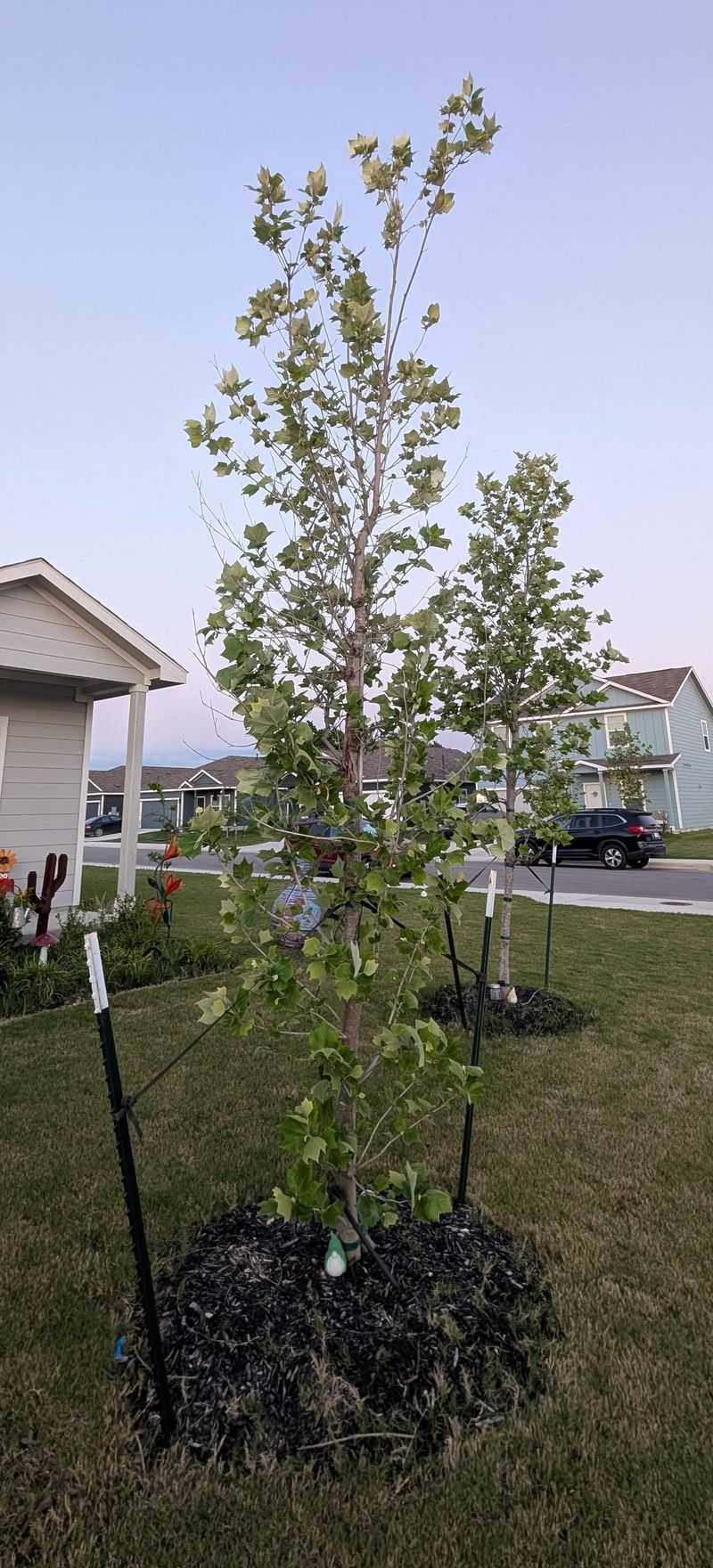
That little maple feels like last year’s project. The calendar might say otherwise. Three or four seasons can slip by fast, and stakes tend to linger long after their shift ends.
Most trees are ready to lose their stakes within one to two years. By then, roots have usually spread into the nearby soil. Those roots anchor a tree far better than a wooden post.
Every tree keeps its own schedule, though. Fast growers in rich soil may be ready sooner. Trees in windy spots or sandy ground might need a little longer.
Still, few trees need support past the two-year mark. A tree that still wobbles after that may have root trouble or a poor start in the ground. An arborist can take a closer look.
Now comes the fun part, and it requires zero special skills. Pick a calm day and carefully loosen the ties. Push the trunk gently near the base.
The root ball should stay put, and the trunk should stand tall on its own. A tree that rocks at the soil line needs a loose tie again. Check back in a few months.
Your future self will love this tip. Save the date each tree went in the ground as a phone note. A quick reminder every fall keeps stake removal on the to-do list.
Soon enough, your tree can stand on its own two roots. No applause needed, though it probably would not mind.
4. Stakes Left Too Long Weaken Trunks
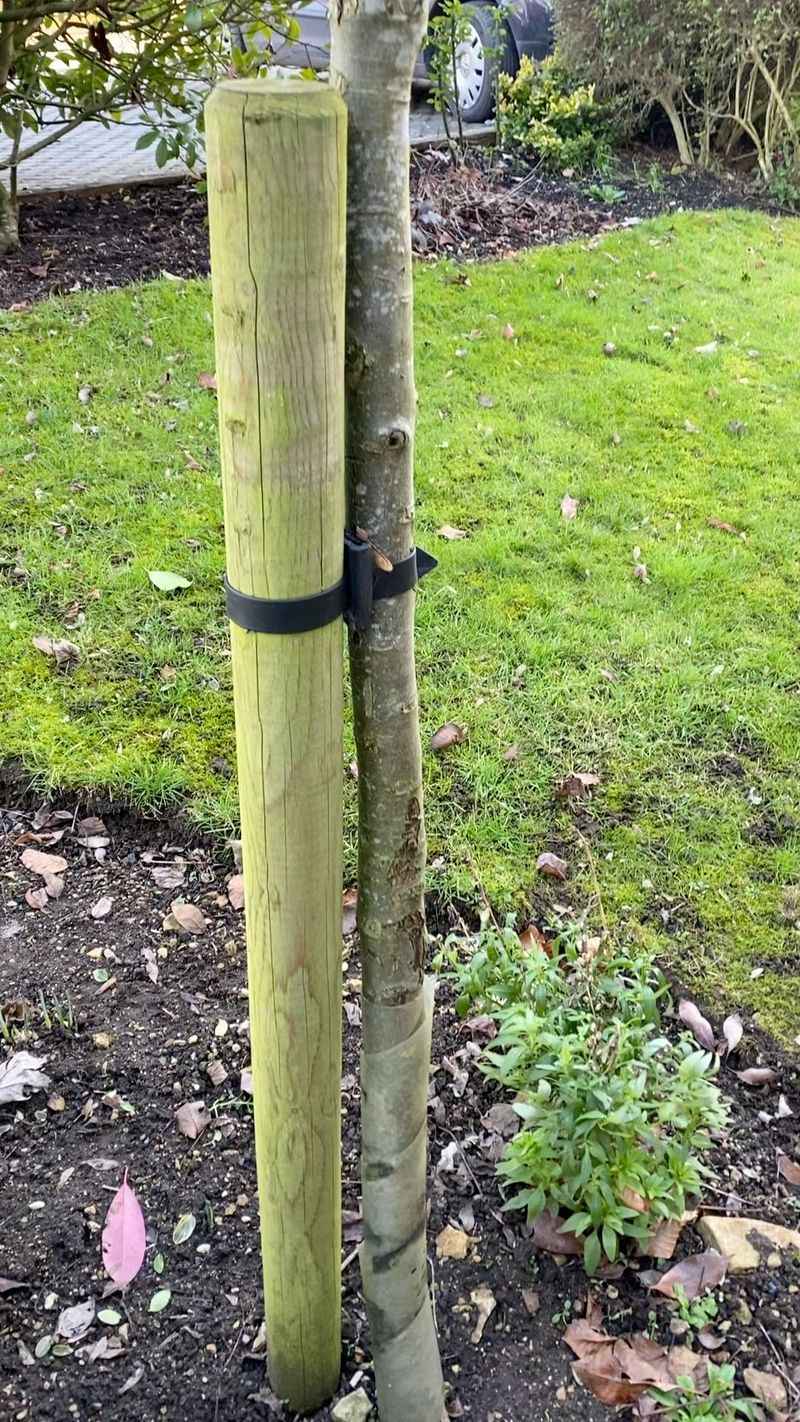
A toddler carried everywhere would end up with wobbly legs. Trees play by a surprisingly similar rule.
Stakes left in place for years hold the trunk still. Without movement, the tree gets no signal to thicken its base. Staked trees often grow taller but end up with less taper. They look fine from the sidewalk but lack real backbone.
Things tend to get worse with time. The trunk may grow stronger right at the tie and weaker just below it. That uneven growth creates a hinge point.
Strong storm winds love a hinge. The trunk can crack at that exact spot. Many young trees broken in California storms show this pattern.
Old stakes bring other headaches too. Wood can rub bark raw on every windy day. Those wounds invite insects and decay. Tall stakes may also scrape branches up in the canopy.
Here comes your homework, and it is the easy kind. Take a stroll and count every tree still wearing a stake. At each one, try to recall the year it went in.
Anything past two years deserves a hard look and probably your clippers. Stake removal before a storm may feel risky. Still, a weak trunk held rigid is often the bigger danger.
Let your tree bend a little now so it does not break later. Trees, like people, handle pressure better with a bit of flexibility. Yoga class not required.
5. Storm Winds Test Every Weak Point
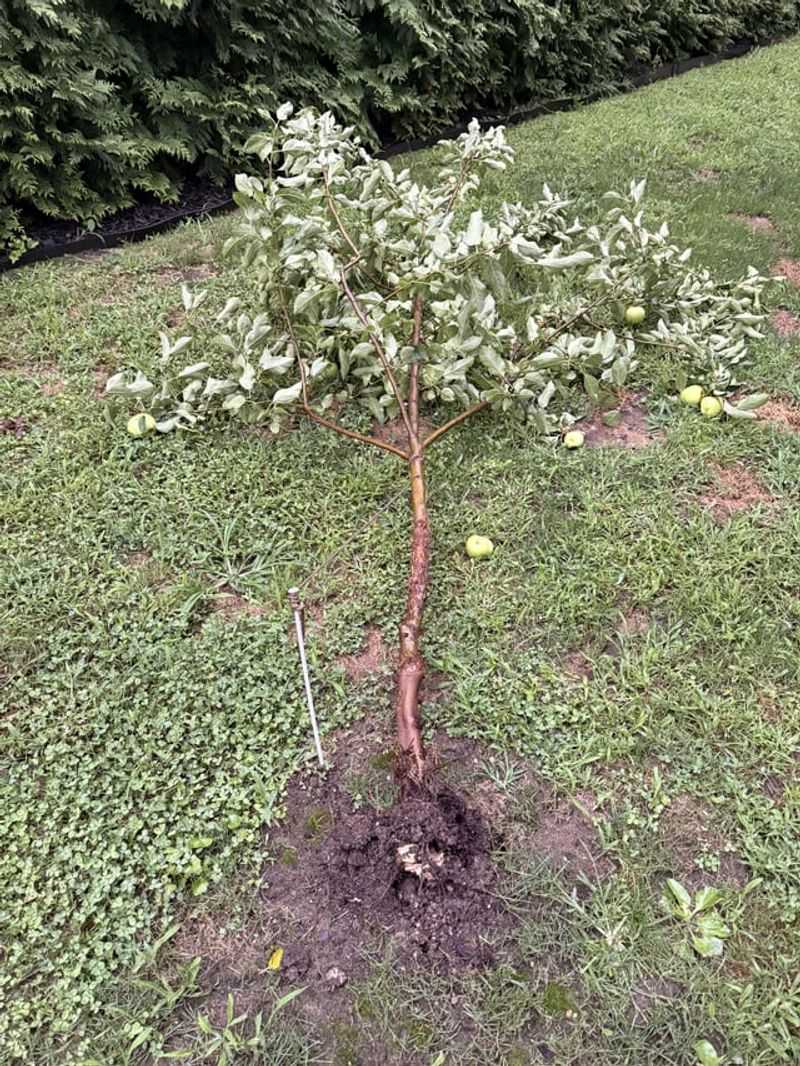
California storms rarely knock politely. One week the yard is dusty. The next, an atmospheric river dumps inches of rain while gusts roar down the street.
Wet soil changes the whole game. Heavy rain turns the ground soft, and roots lose their grip. A tree that stood proud all summer may suddenly lean. Stakes can loosen in the mud too, and a wobbly one may bang against the trunk all night.
Storms seem to sniff out every flaw. Tight ties turn into pressure points as the trunk strains. Cracked stakes can break and fall onto the tree. Frayed ties may give out halfway and leave the trunk bent at an odd angle.
So beat the weather to the punch. Take a slow walk around the yard while skies are still calm. Bring this short checklist along:
Wiggle each stake to see how firmly it sits.
Check every tie for tightness, cracks, or rub marks.
Look for bark wounds, lean, or loose soil at the base.
Clear away broken branches that could turn into flying debris.
Fix what you can right away. Bigger jobs, like a large tree with a split trunk, belong with a certified arborist.
A little prep turns a scary storm night into a dull one. In tree care, boring is the goal. It is the one time a snooze-fest earns five stars.
6. Replace Broken Or Rotting Stakes Now
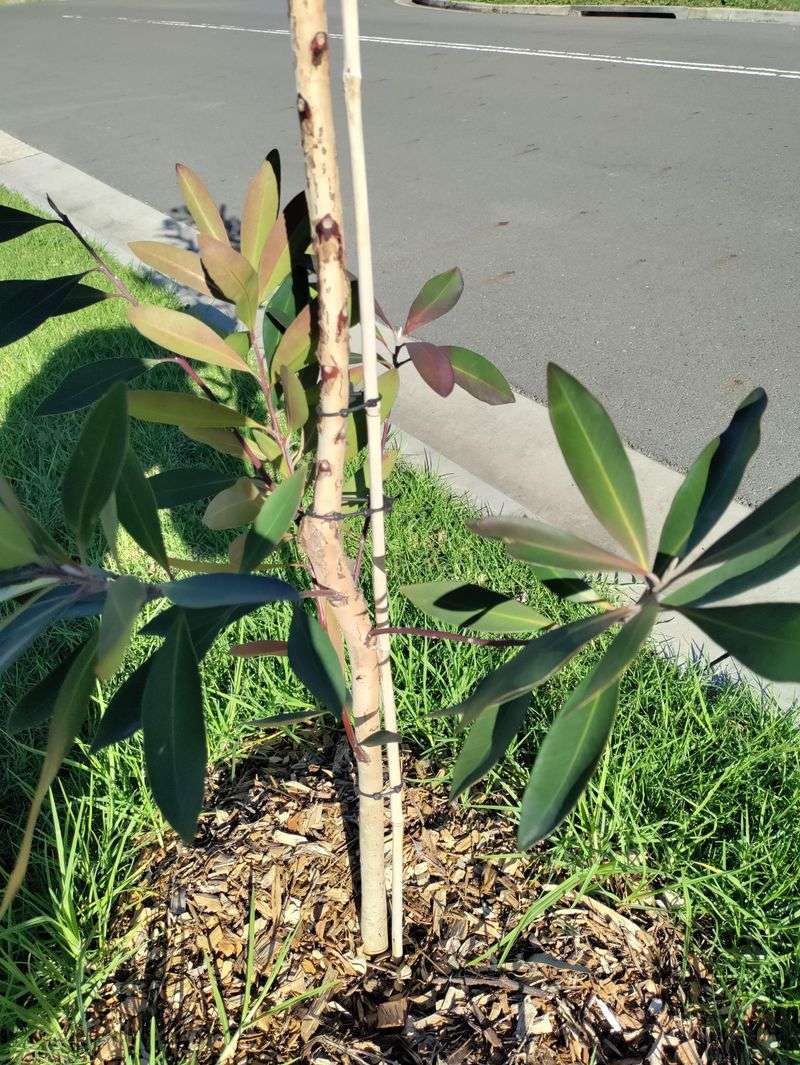
Knock on an old stake near the soil line. A solid thunk is good news. A soft, hollow thud means rot has moved in, and that stake is on borrowed time.
Wooden stakes break down faster than most people expect. Sprinklers, mulch, and termites all speed up decay at ground level. A stake may look fine up top while the bottom crumbles like stale bread. In a storm, it can topple and take the young tree with it.
Start with the big decision. Some trees have been in the ground for a year or two and stand firm. Those can simply lose their stakes. No replacement required.
Younger trees that still need help deserve fresh support. Two stakes on opposite sides of the tree tend to work best. Set them outside the root ball, since a stake driven through it can harm roots. Position them so the usual wind pushes the trunk between them, not into them.
Your inner neat freak gets to shine here. Trim stakes just above the highest tie so they do not rub branches. Attach flexible ties low on the trunk with room to move. Then haul the rotten pieces away from your tree.
Try to tackle this job on a dry day before the first big rain. Soggy ground makes new stakes hard to set firmly.
Do it now, and you will not get stuck in the mud later. That is one sticky situation nobody needs.
7. A Quick Check Prevents Real Damage
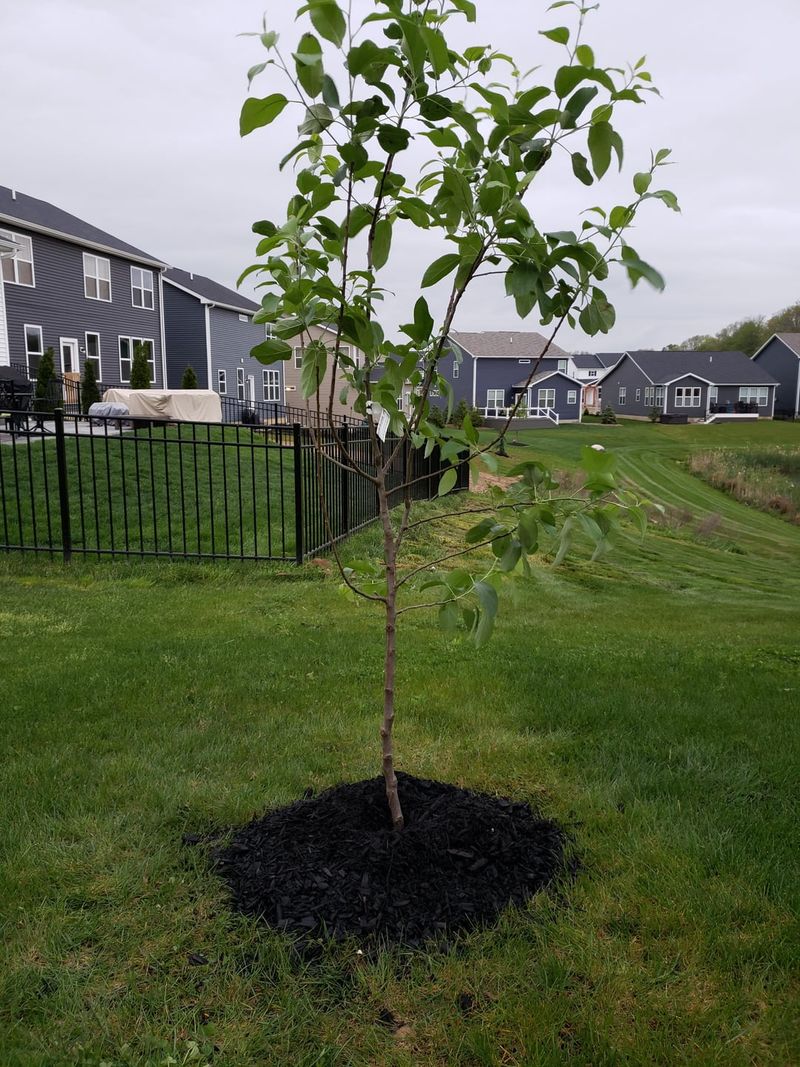
Fifteen minutes. That is about how long it takes to inspect the staked trees in a typical California yard. Compare that to hours of cleanup after a broken trunk, and the math gets easy.
A new young tree costs real money. Nursery trees can range from a few dollars to several hundred, depending on size. Then comes the dig, the replant, and years of patience before fresh shade arrives. A fallen tree can also crack fences, crush plants, or dent a car parked nearby.
The good news is that this check needs no fancy gear. Bring clippers, a few soft replacement ties, and maybe a mallet. Loosen anything tight. Remove stakes from trees with solid roots. Swap out stakes that are cracked or rotten. Jot down dates for trees that still need support.
Make it a yearly habit. Early fall suits most of California, since dry soil is easy to work and storms have not arrived yet. Some gardeners pair the task with another chore, like gutter cleanup or fresh smoke alarm batteries. Honestly, your trees are far better company than your gutters.
Also, take another look after the first big storm passes. Heavy rain can shift stakes and loosen soil, so a second glance catches new trouble early.
Healthy trees repay this small effort for decades. Give yours the freedom to sway today. It will grow strong enough to weather whatever tomorrow blows in, and that is a forecast worth trusting.
8. Mulch Rings Help Roots Hold Their Ground
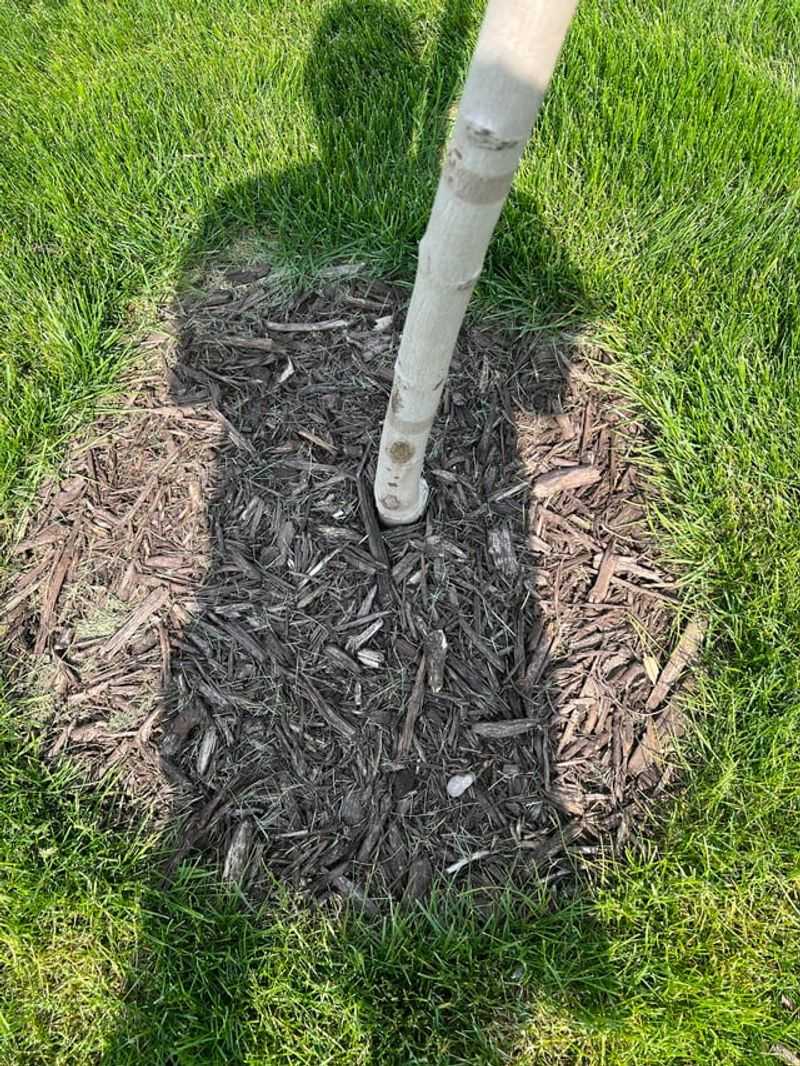
Stakes get most of the attention. The real anchor sits underground, minding its own business.
Roots hold a tree steady long after the stakes leave. Soil around them matters more than most gardeners expect. Soggy ground loosens their grip. Dry, compacted ground slows their spread.
A simple mulch ring helps on both fronts. Spread two to four inches of wood chips in a wide circle around the tree. Aim for a ring a few feet across, and wider for bigger trees.
Mulch soaks up heavy rain and releases it slowly. It also keeps soil from crusting over after the storm passes. It breaks down and feeds the soil life that roots love.
Now for the part where many gardeners slip up. Keep mulch a few inches away from the trunk. Piles of mulch against bark can trap moisture and invite rot.
Arborists have a name for those tall heaps: mulch volcanoes. Cute name, bad idea.
Take a quick look at the base of each tree this week. Pull back any mulch that touches the trunk. Rake the ring flat so water spreads evenly.
Watch for puddles that linger for days after rain. Standing water near the roots can point to poor drainage. An arborist or local nursery can help sort it out.
Get the ground right, and your tree keeps a firm grip all winter. It also gets a tidy brown skirt for the season. Fashion critics may shrug, but the roots are thrilled.