One Sonoran Desert Toad Can Eat Plenty Of Arizona Yard Insects – Here Is What The Evidence Actually Shows
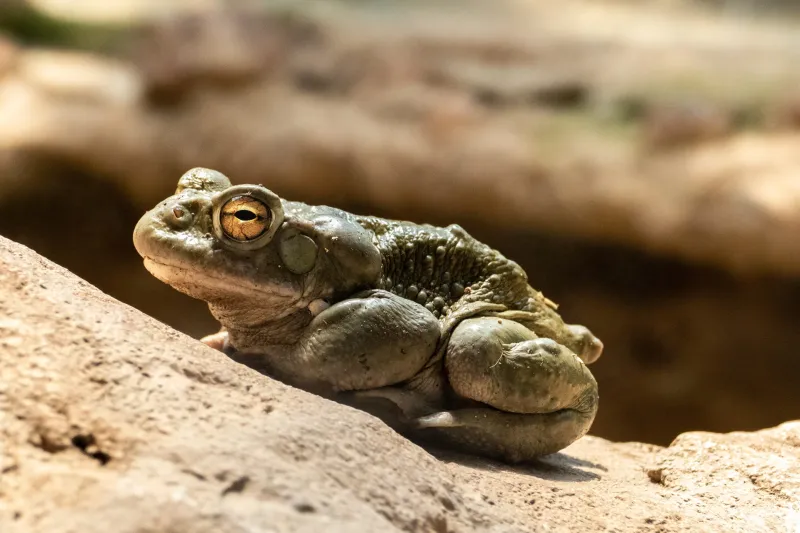
If you have spotted a large, olive-brown toad sitting in your yard after a summer monsoon storm, chances are it was a Sonoran Desert toad. These toads are real insect-eaters, and that makes them interesting neighbors for Arizona homeowners.
But some of the claims floating around about how many pests one toad can clear in a season go well beyond what researchers have actually measured. Here is a closer look at what the science says and how to share your yard with these animals safely.
What the diet evidence actually shows
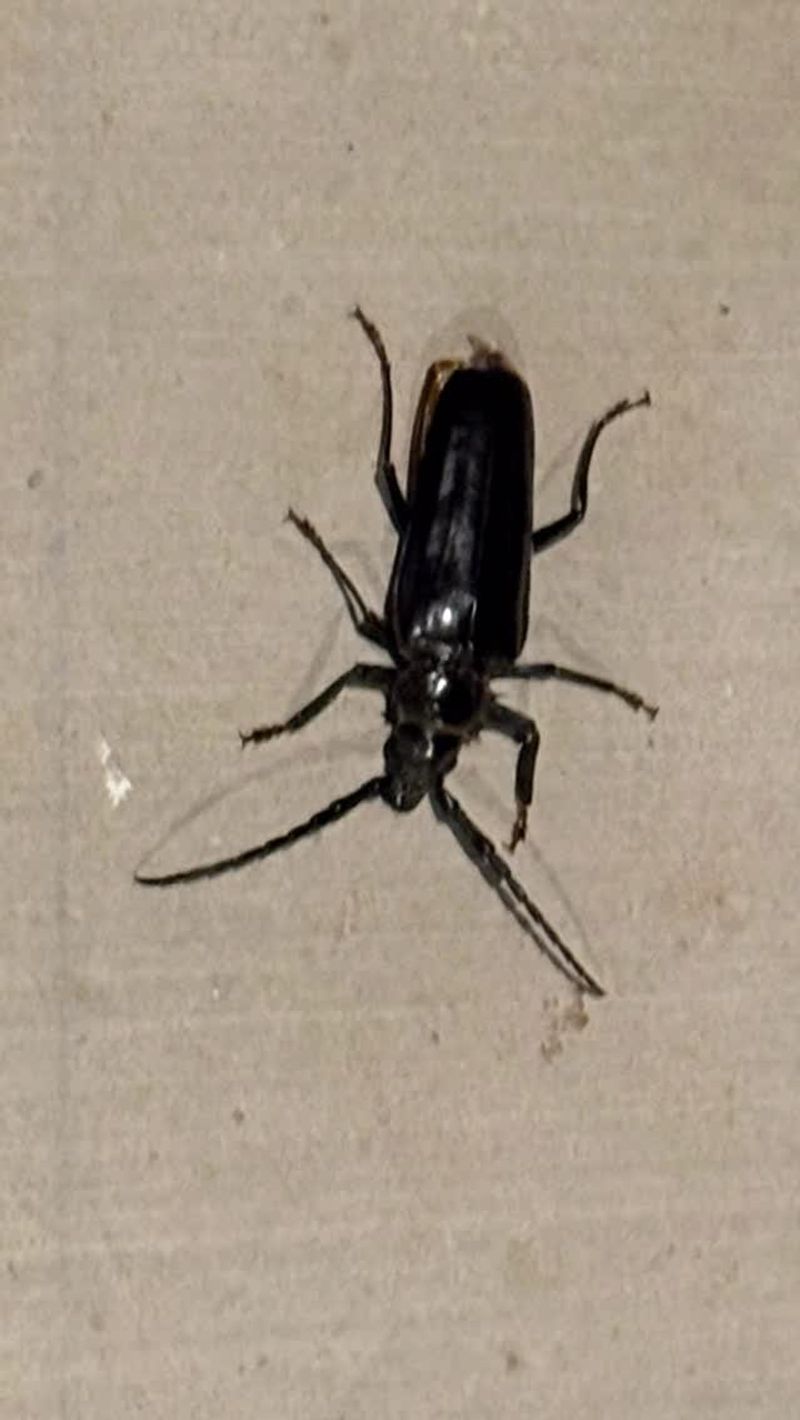
A 2025 study gave researchers their most detailed look yet at what Sonoran Desert toads actually eat. Scientists examined stomach and fecal samples from 30 toads and identified 216 arthropod prey items total across the entire group.
Of those, 135 were hymenopterans, and 134 of the 135 were ants. Beetles made up another 68 items.
The researchers also found a cricket, a grasshopper, cockroaches, a scorpion, and a handful of other arthropods.
Those numbers describe a collective snapshot from 30 animals, not a running tally of what a single toad consumes over a whole season. The 2025 PLOS ONE diet study treats each sample as a moment-in-time record, and the authors point out that hard-shelled prey like beetles may be overrepresented because shells survive digestion better than soft tissue does.
The Arizona-Sonora Desert Museum describes adult Sonoran Desert toads as eating primarily beetles, which lines up with the study findings. Ants and beetles are the best-supported common prey, full stop.
The research confirms that these toads are opportunistic insect-eaters, but it does not tell us how many insects one individual eats across an Arizona summer.
Why toads appear after warm summer rains
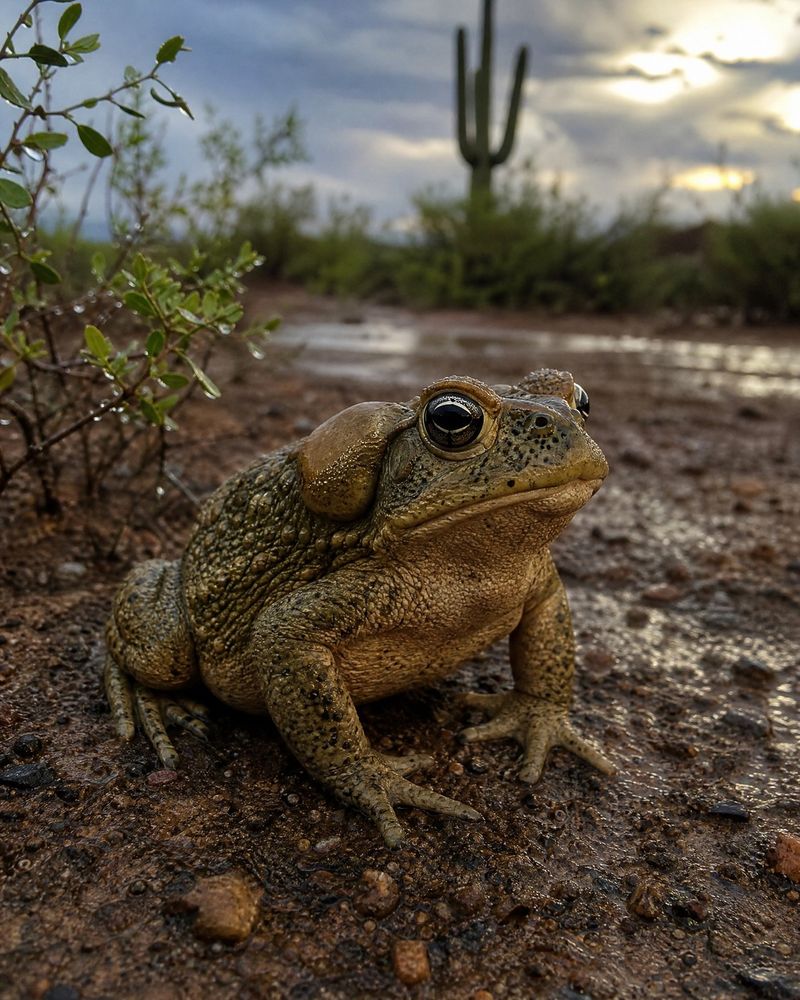
Spotting one of these toads in your yard is almost always a monsoon-season event. Sonoran Desert toads are nocturnal in hot weather, so they spend daylight hours underground or tucked into sheltered spots.
When warm summer rains arrive, usually between late June and September, the toads become noticeably active above ground, both to forage and to breed.
Breeding draws them to water, including temporary rainpools, backyard ponds, and any low spot that holds standing water after a storm. According to the National Park Service’s Saguaro National Park amphibian pages, these toads spend much of the year in burrows, emerging mainly during the summer rainy season.
Their timing is tightly tied to temperature and moisture, not to the presence of a particular yard or garden.
Foraging and breeding are two different activities. A toad moving through your yard after a storm may be searching for insects, looking for a mate, or simply traveling between water sources.
The species’ appearance near homes is a reflection of monsoon conditions across the low desert, not a sign that your yard has something special to offer. No landscaping change reliably guarantees a visit from this particular animal.
Eating insects is not proof of pest control
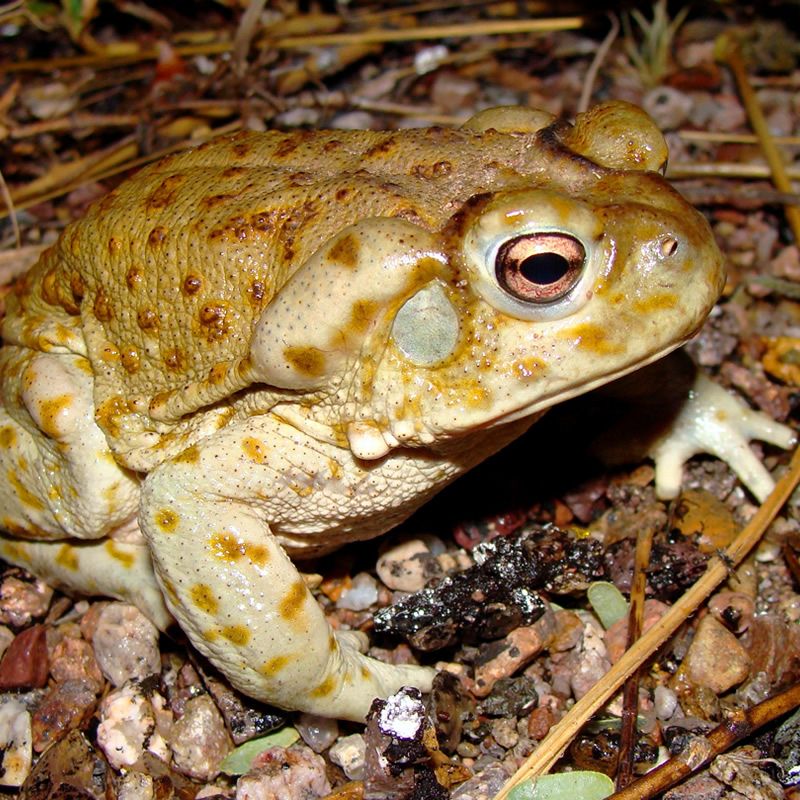
Finding ants and beetles in a toad’s stomach tells us what that animal ate at a given moment. It does not tell us whether toad activity reduced the number of ants or beetles in a nearby garden, or by how much.
Your Arizona Garden Changes Every Week. Your Plan Should Too.
Gardening in Arizona changes quickly throughout the season. Every Friday you’ll receive a simple weekly plan showing exactly what to plant, prune, fertilize, harvest, and protect so you never miss the right timing.
Those are two separate questions, and the 2025 diet study was not designed to answer the second one. It measured prey identity, not pest-population change or garden outcomes.
The same study recorded a single cricket among all 216 prey items from 30 toads. A grasshopper also appeared once.
Cutworms, which are sometimes listed in popular articles about toad diets, were not documented in the findings reviewed here. Presenting beetles, crickets, and cutworms as equally established toad prey overstates what the research actually captured.
Ants and beetles are the items with real support; everything else is incidental or unverified.
Seasonal feeding totals for individual Sonoran Desert toads have not been measured in the sources reviewed. A toad that passes through your yard and eats some insects along the way is doing what toads do, but that behavior has not been shown to produce a measurable drop in the pest insects troubling your tomatoes or roses.
Counting on a toad to handle a garden pest problem sets an expectation the evidence cannot support.
Support wildlife without trying to lure a toad
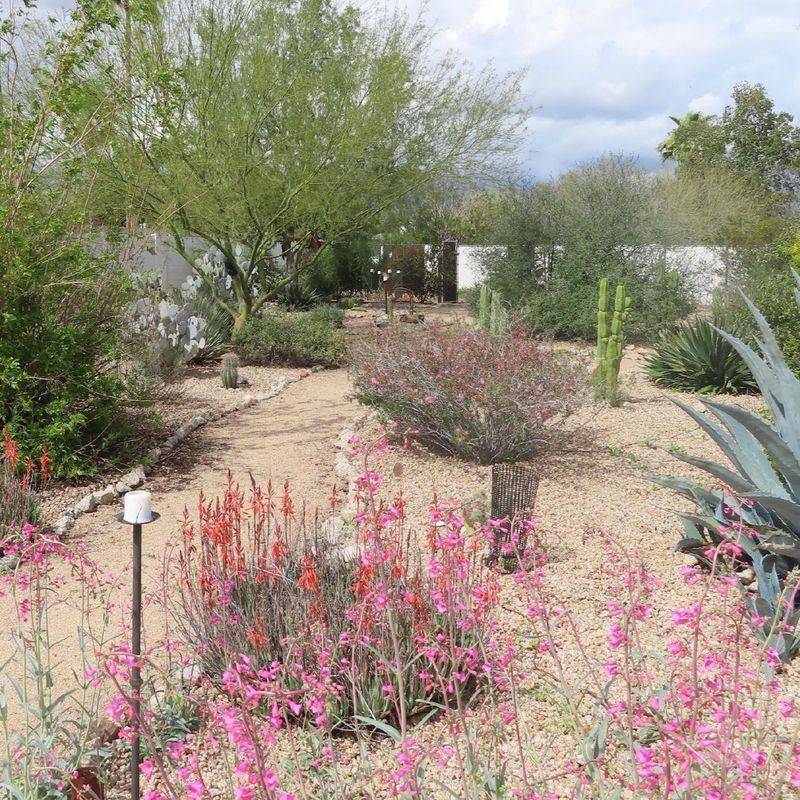
The most practical thing an Arizona homeowner can do is avoid making the yard hostile to wildlife in general. Broad-spectrum pesticide applications do not stop at pest insects.
They reach ants, beetles, and other arthropods that form the base of the food web for animals like toads, lizards, and birds. Arizona DEQ’s pollution prevention guidance recommends considering integrated pest management before reaching for a spray, partly because pesticides can affect helpful insects and other wildlife.
Native vegetation supports the insects, shelter, and microhabitats that a range of desert animals use. Plants like palo verde, desert willow, and native penstemon provide structure without demanding heavy irrigation.
Leaving a brush pile, a flat rock, or a low-water groundcover in a shaded corner gives small animals a place to rest. These are general habitat-support measures, not a tested recipe for drawing a Sonoran Desert toad to your specific address.
Do not attempt to handle, capture, or relocate a toad you find in the yard. Wild toads are best left to move on their own.
Adding a dedicated water feature to attract toads carries real considerations around pet exposure and local water-management rules, which the next section covers directly.
Keep dogs away from toads
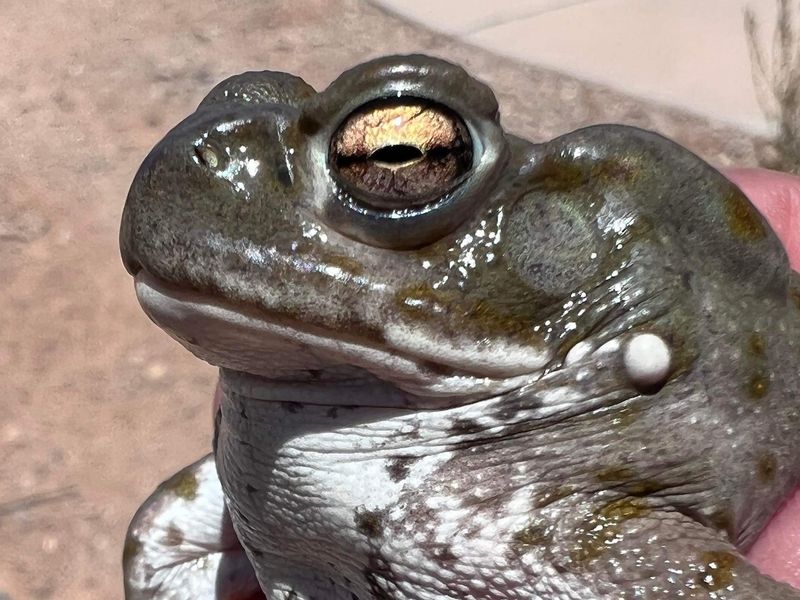
Sonoran Desert toads have large parotoid glands on their shoulders that release a milky, defensive secretion when the animal feels threatened. For people, casual outdoor contact is generally low risk, but dogs are a different story.
A dog that mouths, licks, or picks up one of these toads can absorb enough of the toxin to become seriously ill within minutes.
Symptoms in dogs can include drooling, pawing at the mouth, disorientation, and in severe cases, seizures. If you think your dog has had contact with a toad, act immediately.
ASPCA guidance on toad toxicity says to rinse a conscious pet’s mouth with running water, with the muzzle pointed downward so the water drains out rather than being swallowed. Then contact a veterinarian right away.
Do not try to induce vomiting unless a vet specifically tells you to. The goal of rinsing is to remove toxin from the mouth and gums, not to treat internal exposure.
Monsoon season, when toads are most active at night, is the highest-risk period for backyard encounters. Keeping dogs on a leash or supervised during evening outings between July and September is the simplest way to avoid a bad outcome.
Water features that attract toads also increase the chance of a dog-toad encounter.
Choose coexistence over a pest-control promise
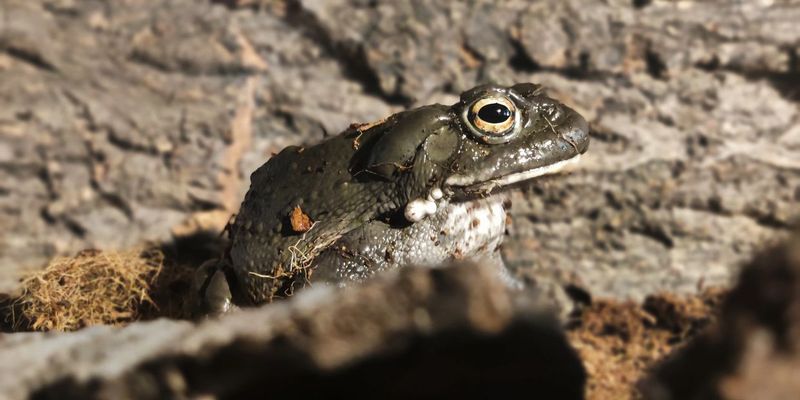
A Sonoran Desert toad in your yard is a wild animal passing through on its own schedule. The right response is to leave it alone, keep pets indoors or supervised, and let it move on when it is ready.
No study reviewed here shows that encouraging toads to stay produces measurable pest reduction, and no specific landscaping trick has been shown to reliably bring one in.
The yard practices worth adopting, such as reducing unnecessary pesticide use, planting natives, and leaving natural shelter, benefit a broad range of Arizona wildlife, not just toads. Those habits make sense on their own terms, independent of whether a toad ever shows up.
Toads have been navigating the Sonoran Desert through monsoon seasons long before suburban yards existed. When one pauses in your space, it is doing what it has always done, moving, eating, and surviving the Arizona summer.
That is worth appreciating on its own, without needing the animal to earn its keep as a pest-control service.