Why Hoosiers Still Tuck Hedge Apples Into Basements Each Fall
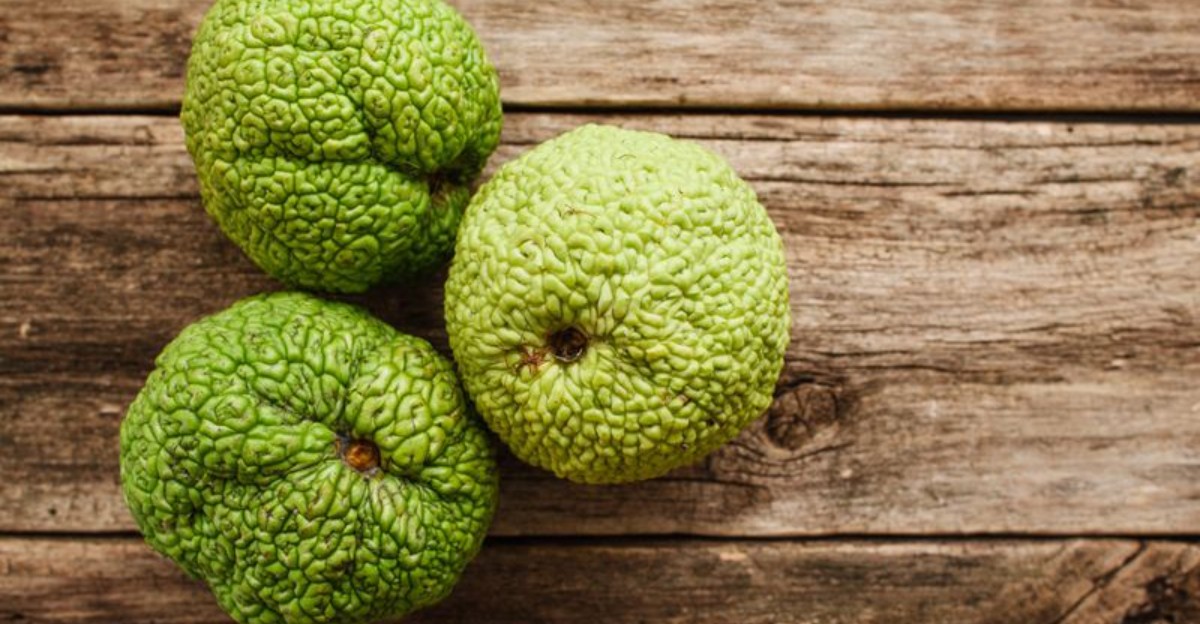
Every September, something lumpy and green starts showing up in Indiana basements. It looks like a brain that wandered in from a science fiction movie.
Grandmas swear by it, and uncles nod like they invented it. The smell is faintly citrus, a bit like orange peel mixed with fresh-cut grass.
You set one near the water heater and hope for the best. Then you wait, peeking into shadowy corners with a flashlight like a nervous detective.
Some folks say the trick works wonders, while others just shrug and sweep. Nobody seems quite sure who started the tradition in the first place.
So is it smart folk wisdom or just a fancy basement decoration? Either way, the cobwebs probably have an opinion, and they are not sharing.
An Old Home Remedy With Little Science Behind It
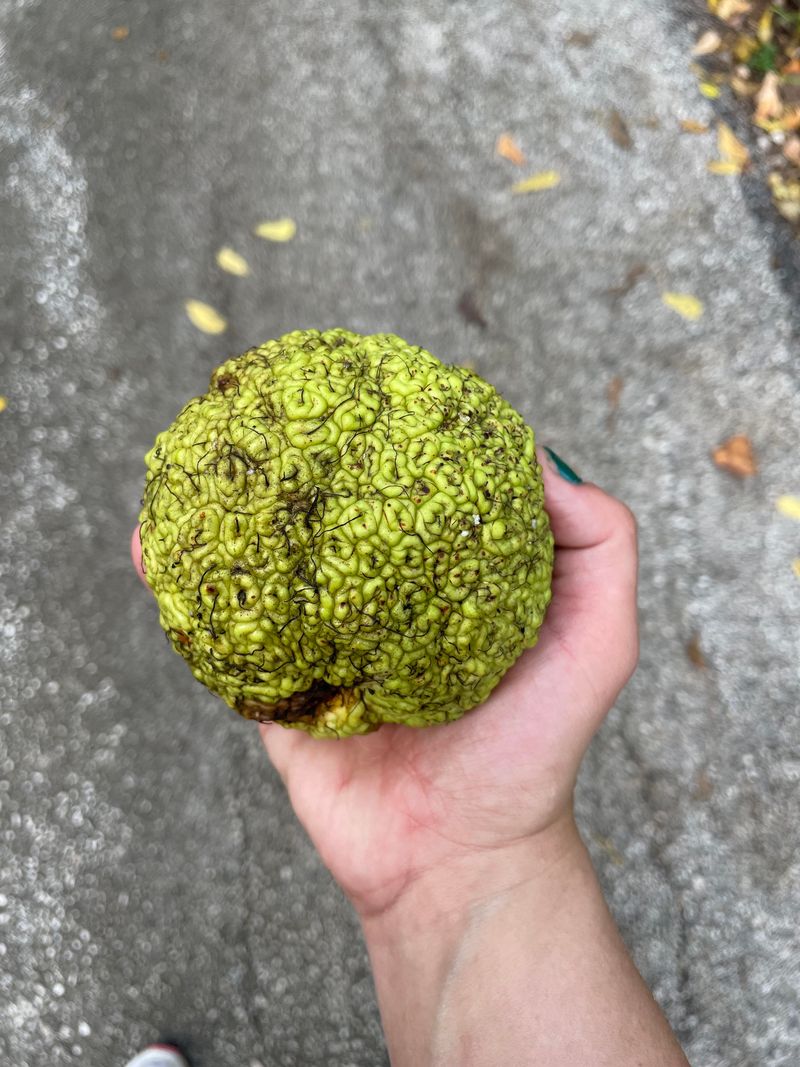
Picture your great-grandpa in 1950, setting a bumpy green ball beside the coal bin. He believed it would keep spiders and crickets far away.
Hedge apples have held that job in Midwest homes for generations. People place them in corners, under beds, and near basement windows each fall.
The idea spread by word of mouth, not by lab reports. Families passed it down like a favorite recipe for apple butter.
Here is the catch, though. Scientists have found very little proof that a whole fruit sitting on the floor changes bug behavior.
Many extension offices, including Purdue University and Iowa State, have looked at the claim. Their answer is usually a polite, friendly maybe not.
So why does the habit stick around? Part of it is comfort, since the fruit is free, natural, and easy to find in September.
Another part is simple coincidence. Bugs often move indoors in fall, then settle down on their own, and the fruit gets the credit.
If you enjoy the tradition, go ahead and keep it. Just do not count on it as your only line of defense.
Think of it like a lucky rabbit’s foot for your basement. It feels nice, but the real work happens with a broom and some caulk.
Also, nobody should feel silly for trying it. Old remedies often start with a real observation, even when the science falls short later.
Osage Orange Roots In Indiana Farm Fences
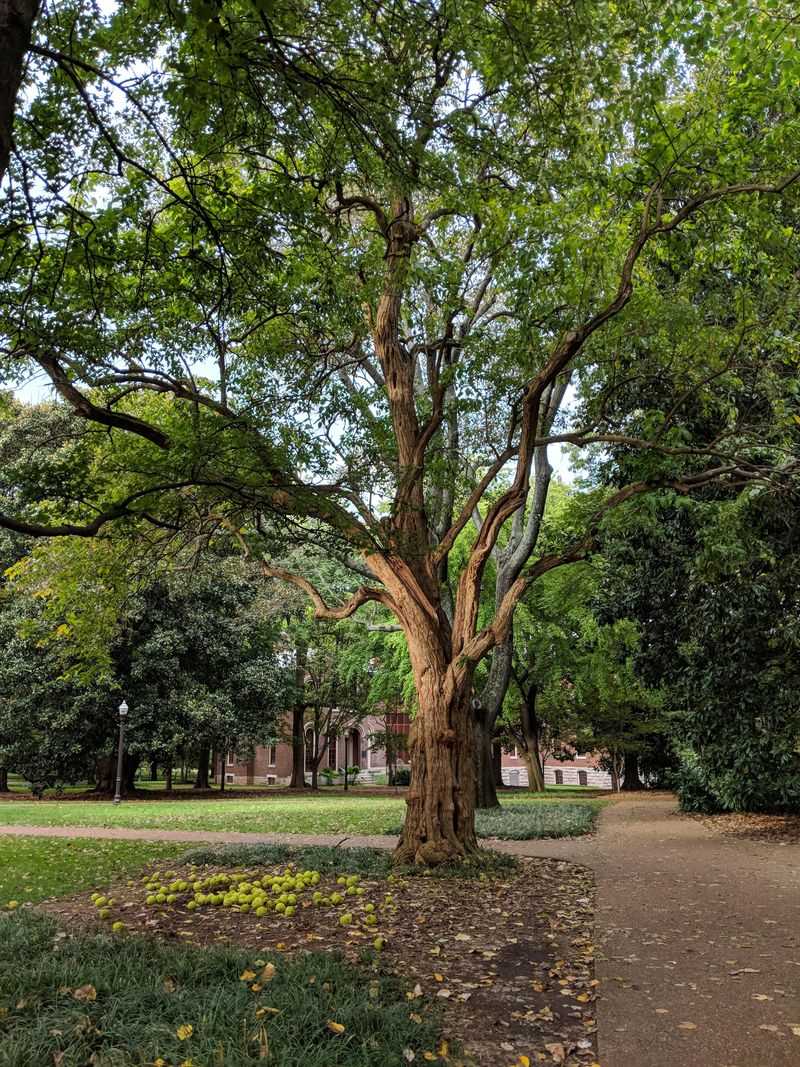
Before barbed wire arrived, Indiana farmers needed a cheap way to keep cows from wandering off. Their answer grew right out of the ground.
Osage orange trees were planted in tight rows to form living fences. Their thorny branches tangled so thickly that livestock could not push through.
People said a good hedge was horse-high, bull-strong, and pig-tight. That old farm saying shows how much folks trusted these tough trees.
The tree is native to parts of Texas, Oklahoma, and Arkansas. The Osage Nation lived near its range, which gave the tree its name.
In the mid-1800s, nurseries shipped seeds and seedlings across the Midwest by the millions. Indiana farm country soon had hedgerows stretching for miles.
The wood also earned fame as some of the hardest in North America. Fence posts made from it could last for decades in wet soil.
Your Indiana Garden Changes Every Week. Your Plan Should Too.
Gardening in Indiana changes quickly throughout the season. Every Friday you’ll receive a simple weekly plan showing exactly what to plant, prune, fertilize, harvest, and protect so you never miss the right timing.
Native Americans prized the springy wood for hunting bows. Some bowmakers still search for straight Osage branches today.
When barbed wire took over in the late 1800s, many hedges were left alone. Those trees kept growing and dropping fruit every autumn.
That is why you can still spot hedge apples along country roads in September. They thump onto gravel like green softballs.
So the basement habit comes from a simple fact. Hoosiers had tons of these fruits nearby, and they wanted to put them to good use.
The Compound Researchers Tested On Insects
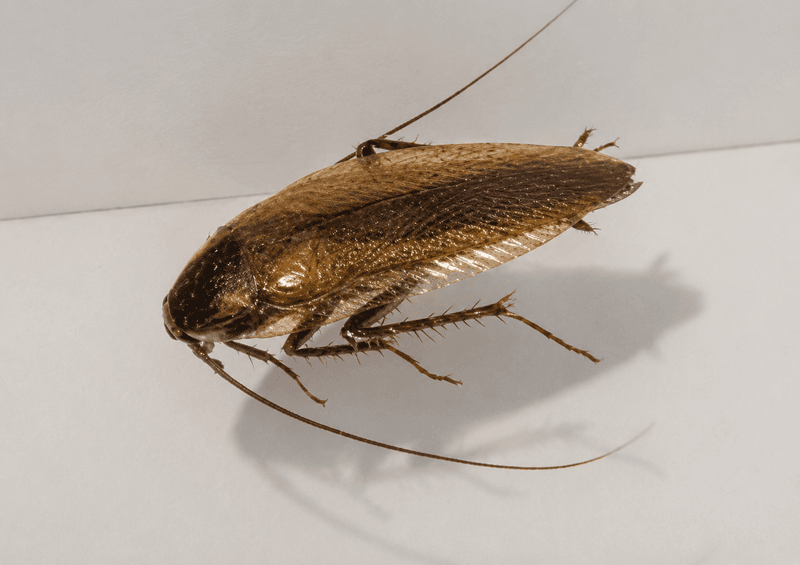
Science finally took a closer look at hedge apples around the late 1990s. Researchers at Iowa State University wanted to know if the old claims held up.
They ground up the fruit and pulled out its natural oils in the lab. Then they tested those extracts on common household insects.
One compound called elemol got plenty of attention. It showed real repellent power against German cockroaches in controlled tests.
Other chemicals from the fruit also bothered mosquitoes, ticks, and some other pests. Hoosiers Still Tuck Hedge Apples Into Basement Corners Each Fall, But Do They Actually Work
Every September, something lumpy and green starts showing up in Indiana basements. It looks like a brain that wandered in from a science fiction movie.
Grandmas swear by it, and uncles nod like they invented it. The smell is faintly citrus, a bit like orange peel mixed with fresh-cut grass.
You set one near the water heater and hope for the best. Then you wait, peeking into shadowy corners with a flashlight like a nervous detective.
Some folks say the trick works wonders, while others just shrug and sweep. Nobody seems quite sure who started the tradition in the first place.
So is it smart folk wisdom or just a fancy basement decoration? Either way, the cobwebs probably have an opinion, and they are not sharing.
An Old Home Remedy With Little Science Behind It
Picture your great-grandpa in 1950, setting a bumpy green ball beside the coal bin. He believed it would keep spiders and crickets far away.
Hedge apples have held that job in Midwest homes for generations. People place them in corners, under beds, and near basement windows each fall.
The idea spread by word of mouth, not by lab reports. Families passed it down like a favorite recipe for apple butter.
Here is the catch, though. Scientists have found very little proof that a whole fruit sitting on the floor changes bug behavior.
Many extension offices, including Purdue University and Iowa State, have looked at the claim. Their answer is usually a polite, friendly maybe not.
So why does the habit stick around? Part of it is comfort, since the fruit is free, natural, and easy to find in September.
Another part is simple coincidence. Bugs often move indoors in fall, then settle down on their own, and the fruit gets the credit.
If you enjoy the tradition, go ahead and keep it. Just do not count on it as your only line of defense.
Think of it like a lucky rabbit’s foot for your basement. It feels nice, but the real work happens with a broom and some caulk.
Also, nobody should feel silly for trying it. Old remedies often start with a real observation, even when the science falls short later.
Osage Orange Roots In Indiana Farm Fences
Before barbed wire arrived, Indiana farmers needed a cheap way to keep cows from wandering off. Their answer grew right out of the ground.
Osage orange trees were planted in tight rows to form living fences. Their thorny branches tangled so thickly that livestock could not push through.
People said a good hedge was horse-high, bull-strong, and pig-tight. That old farm saying shows how much folks trusted these tough trees.
The tree is native to parts of Texas, Oklahoma, and Arkansas. The Osage Nation lived near its range, which gave the tree its name.
In the mid-1800s, nurseries shipped seeds and seedlings across the Midwest by the millions. Indiana farm country soon had hedgerows stretching for miles.
The wood also earned fame as some of the hardest in North America. Fence posts made from it could last for decades in wet soil.
Native Americans prized the springy wood for hunting bows. Some bowmakers still search for straight Osage branches today.
When barbed wire took over in the late 1800s, many hedges were left alone. Those trees kept growing and dropping fruit every autumn.
That is why you can still spot hedge apples along country roads in September. They thump onto gravel like green softballs.
So the basement habit comes from a simple fact. Hoosiers had tons of these fruits nearby, and they wanted to put them to good use.
The Compound Researchers Tested On Insects
Science finally took a closer look at hedge apples around the late 1990s. Researchers at Iowa State University wanted to know if the old claims held up.
They ground up the fruit and pulled out its natural oils in the lab. Then they tested those extracts on common household insects.
One compound called elemol got plenty of attention. It showed real repellent power against German cockroaches in controlled tests.
Other chemicals from the fruit also bothered mosquitoes, ticks, and some other pests. That sounded like great news for anyone with a bug problem.
Researchers even compared elemol to DEET, the famous ingredient in bug spray. In some tests, it held its own surprisingly well.
So does that mean the grandmas were right? Well, sort of, but there is a big twist coming.
The studies used concentrated extracts, not a whole fruit resting quietly in a corner. That difference matters a lot more than most people realize.
Spiders were also not the main focus of those experiments. Most tests centered on insects, and spiders are arachnids, a separate group.
Think of it like orange juice versus an orange sitting on your counter. One packs a punch, while the other mostly just sits there looking pretty.
Still, the research shows the fruit is not pure myth. There really is something inside it that bugs do not like.
Concentration Levels Far Beyond A Single Fruit
Imagine trying to scare off a whole basement of bugs with one drop of perfume. That is roughly what a single hedge apple is attempting.
In lab tests, scientists soaked materials in strong extracts made from many fruits. Bugs had to be very close to feel any effect.
A whole fruit, sitting on concrete, gives off only a tiny amount of those compounds. The scent barely drifts a few inches away.
Basements are big, drafty spaces with plenty of hiding spots. One green ball in the corner cannot fill all that air.
Extension experts often point out that you would need huge amounts of extract to match the lab results. We are talking far more than any pile of fruit could provide.
The fruit also loses strength as it ages. After a few weeks, it shrinks, softens, and turns brown.
So even if the fresh fruit had a little power, it fades fast. By Halloween, it may be more compost than protection.
Here is a fun test you can try at home. Set a hedge apple near a spot where you often see crawlers, and watch for a week.
Keep notes on what you see before and after. Many families find the bugs show up just as often as before.
Curious kids might enjoy this as a mini science project. It teaches a great lesson about testing ideas instead of just trusting them.
Mold Risk In Damp Basement Corners
Nobody wants to discover a fuzzy gray blob behind the furnace. Sadly, that is how many hedge apple experiments end.
The fruit is full of moisture and sticky, milky sap. Once it starts breaking down, it becomes a perfect snack for mold.
Basements already tend to be cool, dark, and damp in the fall. Add a rotting fruit, and you have set up a tiny mold party.
Mold spores can float into the air and bother people with allergies or asthma. A musty smell can also creep upstairs into living areas.
Soft, mushy fruit can stain carpet, wood, or concrete too. The sap is sticky and can be tough to scrub off.
If you still want to use hedge apples, set them on a paper plate or tray. That keeps juices off the floor and makes cleanup simple.
Check them every week or so for soft spots and dark patches. Toss any fruit that looks wrinkled, fuzzy, or smells sour.
Wear gloves when handling them, since the sap can irritate some skin. Wash your hands afterward, and keep the fruit away from curious pets.
A dehumidifier helps a lot in damp basements. Keeping humidity below about 50 percent makes life harder for both mold and many bugs.
That last point is worth remembering. Drier air may do more for your basement than any fruit ever could.
Basement Habits That Discourage Spiders
Here’s something worth cheering about if you shiver at eight hairy legs. A few easy habits work far better than any hedge apple.
Start by sealing cracks around windows, pipes, and doors with caulk. Spiders and the bugs they eat slip through surprisingly tiny gaps.
Next, add or fix door sweeps on outside doors. A small strip of rubber can block a big parade of crawlers.
Clutter is a spider’s dream home. Store items in sealed plastic bins instead of cardboard boxes, which offer cozy hiding spots.
Vacuum corners, ceiling edges, and under stairs every couple of weeks. That removes webs, egg sacs, and the tiny insects spiders hunt.
Lighting matters too, since bright outdoor bulbs pull in moths and gnats. Switch to yellow bug lights, and fewer spiders will follow the buffet.
Keep firewood, leaf piles, and mulch a few feet from your foundation. Those spots shelter bugs that later wander inside as nights turn chilly.
Sticky traps placed along walls can show you where pests travel most. They also catch a few visitors along the way.
Most house spiders are harmless and even helpful, since they eat other pests. Still, it is fair to want them out of your laundry area.
Mix these habits together, and your basement will feel much calmer this fall. Keep a hedge apple around too, if you love the tradition.
Researchers even compared elemol to DEET, the famous ingredient in bug spray. In some tests, it held its own surprisingly well.
So does that mean the grandmas were right? Well, sort of, but there is a big twist coming.
The studies used concentrated extracts, not a whole fruit resting quietly in a corner. That difference matters a lot more than most people realize.
Spiders were also not the main focus of those experiments. Most tests centered on insects, and spiders are arachnids, a separate group.
Think of it like orange juice versus an orange sitting on your counter. One packs a punch, while the other mostly just sits there looking pretty.
Still, the research shows the fruit is not pure myth. There really is something inside it that bugs do not like.
Concentration Levels Far Beyond A Single Fruit
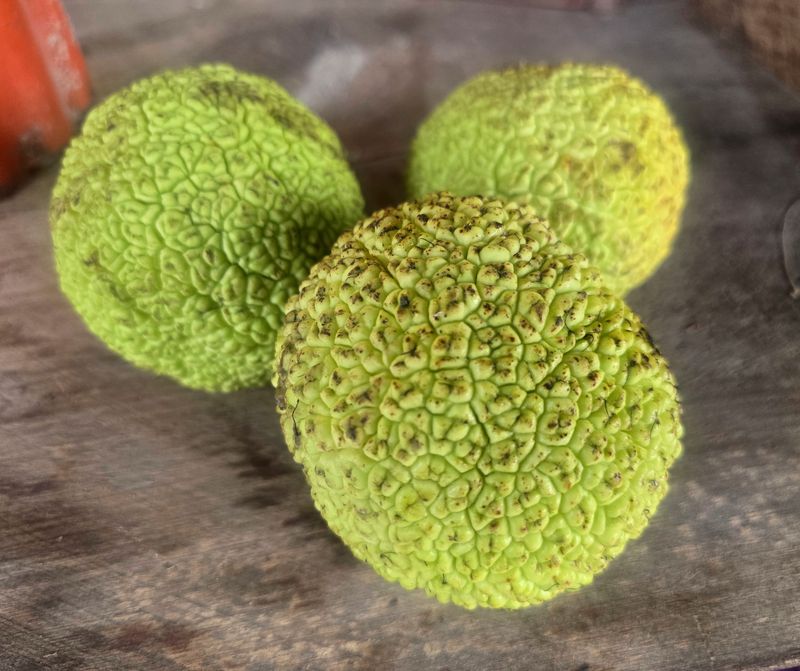
Imagine trying to scare off a whole basement of bugs with one drop of perfume. That is roughly what a single hedge apple is attempting.
In lab tests, scientists soaked materials in strong extracts made from many fruits. Bugs had to be very close to feel any effect.
A whole fruit, sitting on concrete, gives off only a tiny amount of those compounds. The scent barely drifts a few inches away.
Basements are big, drafty spaces with plenty of hiding spots. One green ball in the corner cannot fill all that air.
Extension experts often point out that you would need huge amounts of extract to match the lab results. We are talking far more than any pile of fruit could provide.
The fruit also loses strength as it ages. After a few weeks, it shrinks, softens, and turns brown.
So even if the fresh fruit had a little power, it fades fast. By Halloween, it may be more compost than protection.
Here is a fun test you can try at home. Set a hedge apple near a spot where you often see crawlers, and watch for a week.
Keep notes on what you see before and after. Many families find the bugs show up just as often as before.
Curious kids might enjoy this as a mini science project. It teaches a great lesson about testing ideas instead of just trusting them.
Mold Risk In Damp Basement Corners
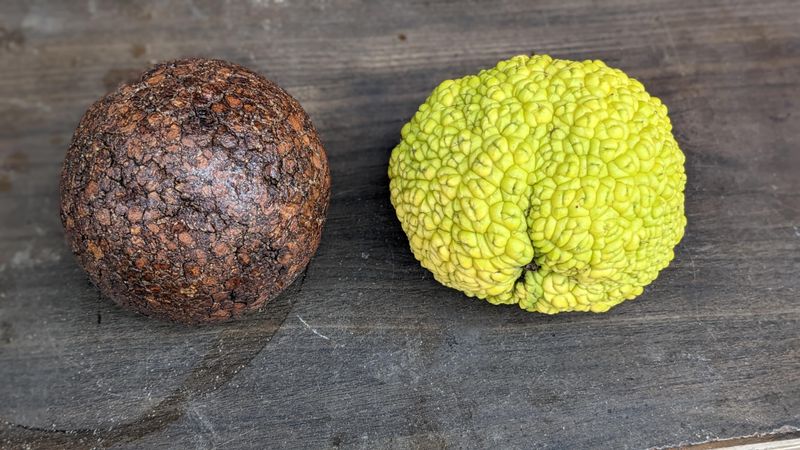
Nobody wants to discover a fuzzy gray blob behind the furnace. Sadly, that is how many hedge apple experiments end.
The fruit is full of moisture and sticky, milky sap. Once it starts breaking down, it becomes a perfect snack for mold.
Basements already tend to be cool, dark, and damp in the fall. Add a rotting fruit, and you have set up a tiny mold party.
Mold spores can float into the air and bother people with allergies or asthma. A musty smell can also creep upstairs into living areas.
Soft, mushy fruit can stain carpet, wood, or concrete too. The sap is sticky and can be tough to scrub off.
If you still want to use hedge apples, set them on a paper plate or tray. That keeps juices off the floor and makes cleanup simple.
Check them every week or so for soft spots and dark patches. Toss any fruit that looks wrinkled, fuzzy, or smells sour.
Wear gloves when handling them, since the sap can irritate some skin. Wash your hands afterward, and keep the fruit away from curious pets.
A dehumidifier helps a lot in damp basements. Keeping humidity below about 50 percent makes life harder for both mold and many bugs.
That last point is worth remembering. Drier air may do more for your basement than any fruit ever could.
Basement Habits That Discourage Spiders
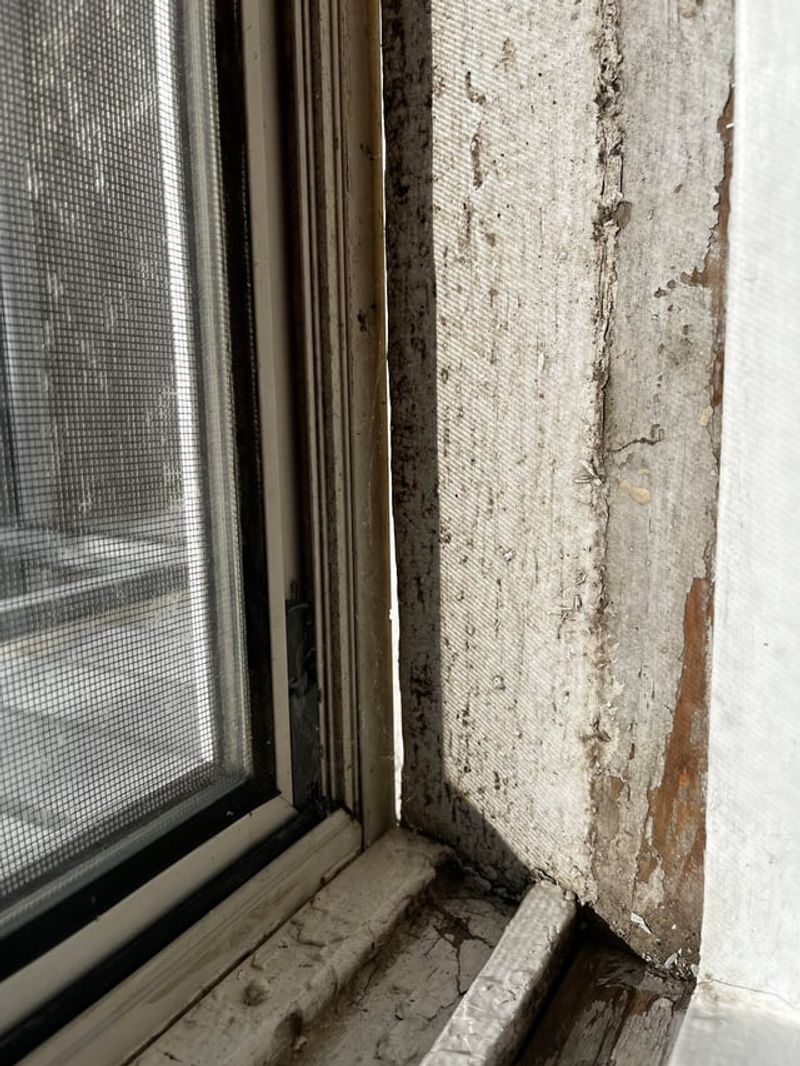
Here’s something worth cheering about if you shiver at eight hairy legs. A few easy habits work far better than any hedge apple.
Start by sealing cracks around windows, pipes, and doors with caulk. Spiders and the bugs they eat slip through surprisingly tiny gaps.
Next, add or fix door sweeps on outside doors. A small strip of rubber can block a big parade of crawlers.
Clutter is a spider’s dream home. Store items in sealed plastic bins instead of cardboard boxes, which offer cozy hiding spots.
Vacuum corners, ceiling edges, and under stairs every couple of weeks. That removes webs, egg sacs, and the tiny insects spiders hunt.
Lighting matters too, since bright outdoor bulbs pull in moths and gnats. Switch to yellow bug lights, and fewer spiders will follow the buffet.
Keep firewood, leaf piles, and mulch a few feet from your foundation. Those spots shelter bugs that later wander inside as nights turn chilly.
Sticky traps placed along walls can show you where pests travel most. They also catch a few visitors along the way.
Most house spiders are harmless and even helpful, since they eat other pests. Still, it is fair to want them out of your laundry area.
Mix these habits together, and your basement will feel much calmer this fall. Keep a hedge apple around too, if you love the tradition.