What Every New York Homeowner Should Plant This October Before First Frost
You are about to overlook the best planting window of the year. Autumn soil in New York holds warmth long after the air turns crisp. Roots you plant now keep pushing deeper while top growth slows.
That hidden growth hands you a serious head start. Garlic cloves you press in this month anchor themselves before the ground hardens. By July, you lift plump, pungent bulbs that store for months.
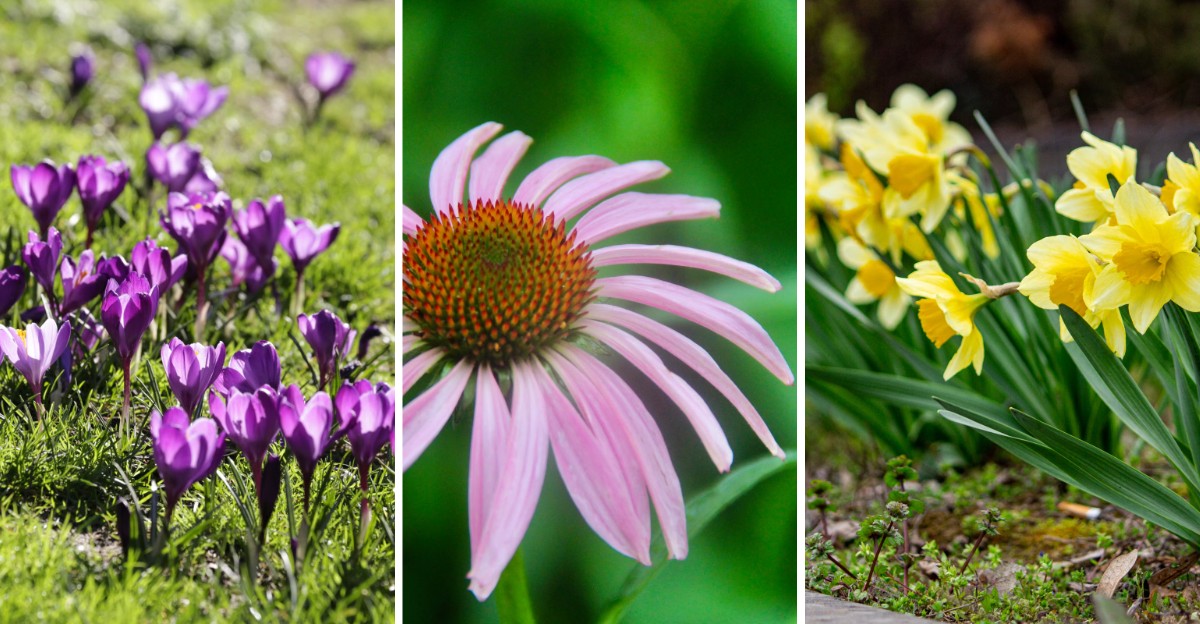
Tulips, daffodils, and crocuses need a long chill before they bloom. Skip autumn planting, and you miss their spring show. Spinach you sow now rests under straw and regrows at the spring thaw.
Cold weather sweetens spinach, because chilly air converts its starches into sugar. Frost reaches much of New York by late October. Grab your trowel this weekend, and you stay well ahead. Here is exactly what you plant now.
1. Garlic Cloves For A Flavor-Packed Summer Harvest
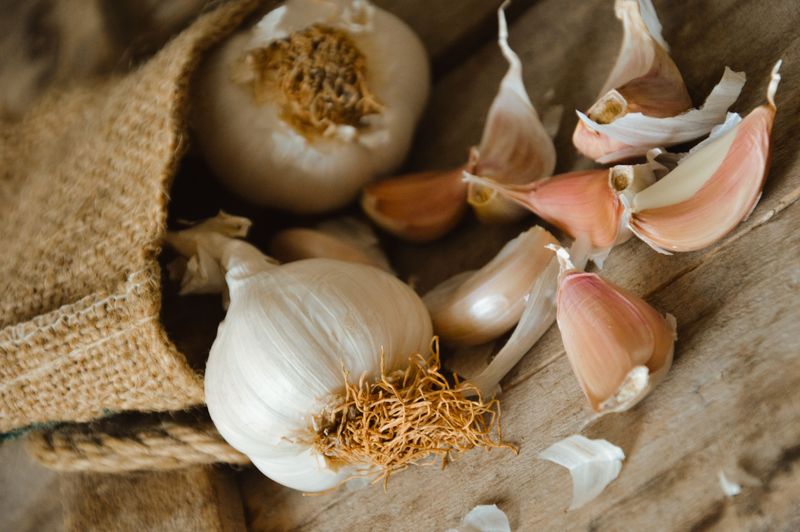
Grandma had it right when she tucked garlic cloves into the dirt every fall. Garlic needs a cold winter nap to form those plump, juicy bulbs you love.
Planting in spring usually gives you tiny, sad heads that barely fill a spoon. October planting lets roots settle in before the ground freezes solid.
Grab seed garlic from a local farm or garden center instead of the grocery store. Store garlic may be treated to slow sprouting or be a variety unsuited to cold winters, so it may not grow well.
Hardneck types like Music or German White handle New York winters like champs. They also give you a bonus crop of curly scapes in early summer.
Break the bulb apart gently and keep the papery skin on each clove. Push them pointy side up, about two inches deep and six inches apart.
Pick a sunny spot with loose soil that drains well after rain. Mix in some compost first, since garlic is a hungry little plant.
Once the ground gets chilly, cover the bed with four inches of straw or shredded leaves. That blanket keeps the cloves from heaving out during freeze and thaw cycles.
By next July, the leaves will start to brown, telling you it is harvest time. Few things beat the smell of homegrown garlic sizzling in a pan.
Save your biggest, fattest bulbs to replant again next fall. Over several seasons, your garlic will adapt well to your exact backyard.
2. Tulip Bulbs For A Rainbow Of Spring Color
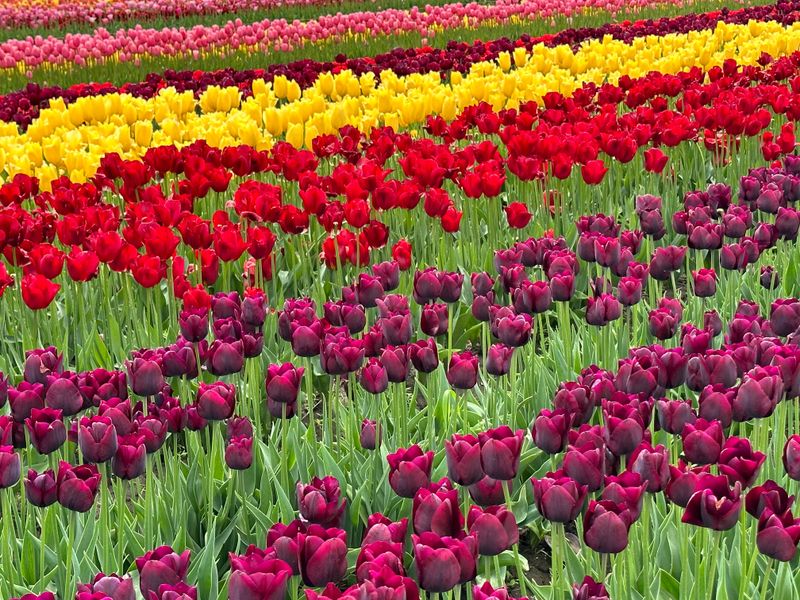
Picture a front yard bursting with red, yellow, and purple cups while neighbors are still shoveling slush. That kind of spring magic starts with a few brown bulbs this October.
Tulips need about twelve to sixteen weeks of cold to bloom well. Luckily, New York winters happily provide that deep chill for free.
Wait until soil temperatures drop below sixty degrees, usually mid to late October upstate and into November downstate. Planting too early can trick bulbs into sprouting before winter arrives.
Dig holes six to eight inches deep, roughly three times the height of the bulb. Set each one pointy end up, then cover and water well.
Your New York Garden Changes Every Week. Your Plan Should Too.
Gardening in New York changes quickly throughout the season. Every Friday you’ll receive a simple weekly plan showing exactly what to plant, prune, fertilize, harvest, and protect so you never miss the right timing.
Squirrels treat freshly planted tulips like a free buffet. Lay chicken wire over the bed to spoil their snack plans, since crushed red pepper washes off in rain.
Deer adore tulips too, so fenced backyards work better than open front lawns in the suburbs. Some gardeners mix tulips with daffodils, though results with deer vary.
Plant in clusters of ten or more instead of neat single rows. Groups look fuller and more natural, like a bouquet popping out of the ground.
Fun fact: a few rare tulip bulbs in seventeenth century Holland reportedly sold for the price of a house. People traded bulbs like stocks during a craze called Tulip Mania, though historians debate how wild it really was.
Many modern hybrids fade after a few years, so treat them as short-term guests. Darwin hybrids and species tulips tend to return longer and ask for less fuss.
Snip spent flowers in spring but leave the leaves until they yellow. Those leaves feed the bulb for next year’s show.
3. Daffodil Bulbs For Blooms The Deer Ignore
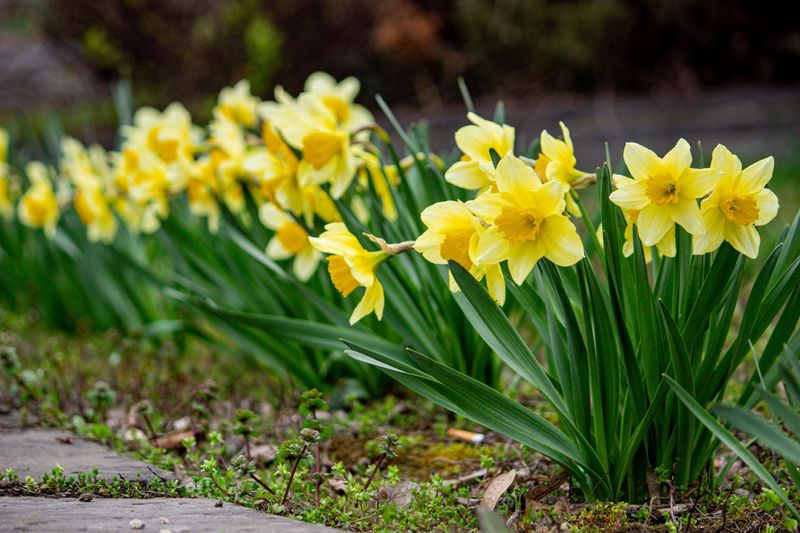
Tired of deer treating your garden like a salad bar? Daffodils are the rebels of the bulb world, because their bulbs are toxic to critters.
Deer, rabbits, squirrels, and voles all walk right past them. That makes daffodils a smart pick for homes near woods in the Hudson Valley or Catskills. They also come back year after year, often multiplying into bigger clumps.
Aim to plant by early to mid October, a bit earlier than tulips. Daffodils like extra time to grow roots before the ground turns hard.
Dig about six inches deep and space bulbs five or six inches apart. Water them in well, since fall rain can be spotty some years.
Sunny spots give the best show, but light shade under leafless trees works fine. Trees leaf out after daffodils bloom, so the flowers still get spring sunshine.
Try mixing varieties that bloom at different times for a longer display. Early types like February Gold pair nicely with late ones like Thalia.
Daffodils are the traditional flower for March birthdays and a classic sign of hope. After blooming, let the foliage flop and fade on its own for about six weeks.
Cutting it early weakens the bulb and means fewer flowers next spring. Plant them behind perennials if the fading leaves bug you. Your patience will pay off with a sunnier show year after year.
4. Crocus Bulbs For Some Of The Earliest Flowers Of The Year
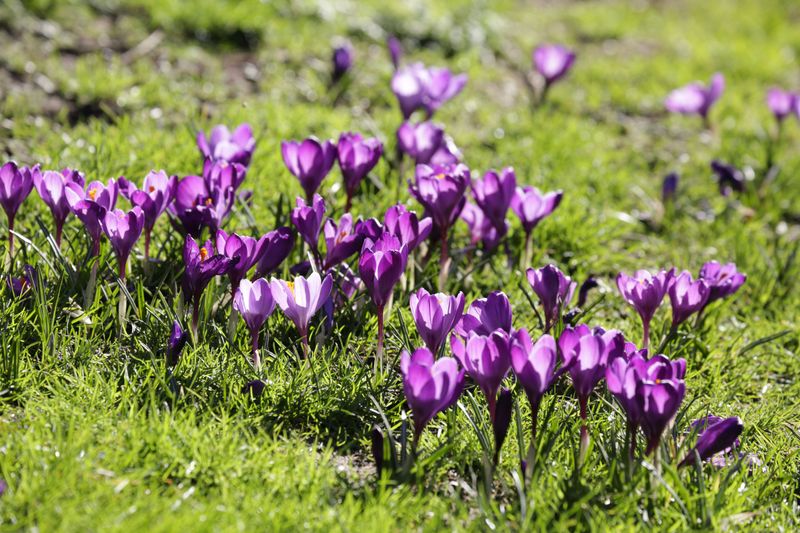
Snow still covers the lawn, yet tiny purple cups are poking through like they own the place. Crocuses bring that late winter surprise, often blooming in early March downstate and later upstate.
They are small, cheap, and easy, which makes them perfect for first-time gardeners. A bag of fifty is usually inexpensive.
Plant the little corms about three to four inches deep, pointed side up. Space them a few inches apart, since they look best in dense drifts.
One fun trick is planting crocuses right into your lawn. Wait to mow until their leaves turn yellow, so the corms can recharge for next year.
Bees wake up hungry in early spring, and crocuses offer one of the first meals around. Your yard becomes a pollinator snack stop before most trees even bud.
Squirrels do love digging them up, especially right after planting. A layer of chicken wire under the mulch keeps paws out.
Choose a sunny spot, because crocus flowers only open wide in bright light. On cloudy days, they stay closed like tiny umbrellas waiting for better weather.
Did you know saffron comes from a fall-blooming crocus? Each flower holds three red threads, and it takes about seventy thousand flowers to make one pound.
Spring crocuses will not give you saffron, but they will give you joy. They also spread over time, forming bigger patches each year.
Tuck some near your front steps or mailbox where you pass daily. Spotting that first bloom feels like finding money in an old coat.
5. Pansies For Cheerful Color That Laughs At Cold
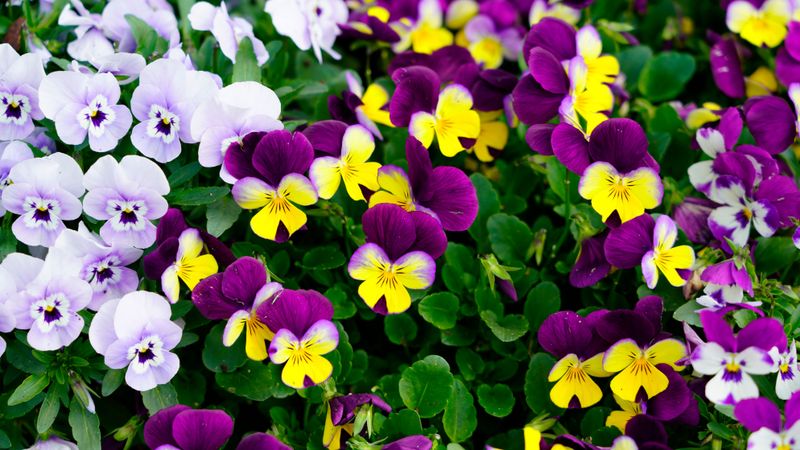
Pansies are basically the tough little kids of the flower world, cheerful faces and all. They shrug off frost that would flatten most summer annuals.
Swapping out tired mums and petunias for pansies adds instant fall color. Better yet, many will make it through winter and bloom again in spring, especially downstate.
Plant them in early October so roots can grip the soil before hard freezes. Garden centers across New York stock trays of them this time of year.
Pick healthy plants with lots of buds and sturdy green leaves. Skip leggy ones that look stretched, since they struggle to bounce back.
Pansies love sun but appreciate a break from harsh afternoon heat. Window boxes, porch pots, and the edges of flower beds all suit them well.
Space plants about six to eight inches apart in rich, well-drained soil. Water deeply after planting and keep the soil lightly moist through fall.
When the thermometer dips into the teens, toss a light layer of straw or pine needles over them. Pull it back on mild days so they can soak up sunshine.
Here is a fun surprise: pansy flowers are edible and taste a little like lettuce. Chefs sprinkle them on salads and cupcakes for a pop of color, but eat only flowers grown without pesticides.
Look for cold-hardy series like Cool Wave or Matrix for the best winter staying power. Cool Wave even trails, making it great for hanging baskets.
Pinch off faded blooms every week or so to keep new flowers coming. Your porch will look cheerful in fall and again in spring, with winter blooms in milder areas.
6. Spinach Seeds For Sweet Early Spring Greens
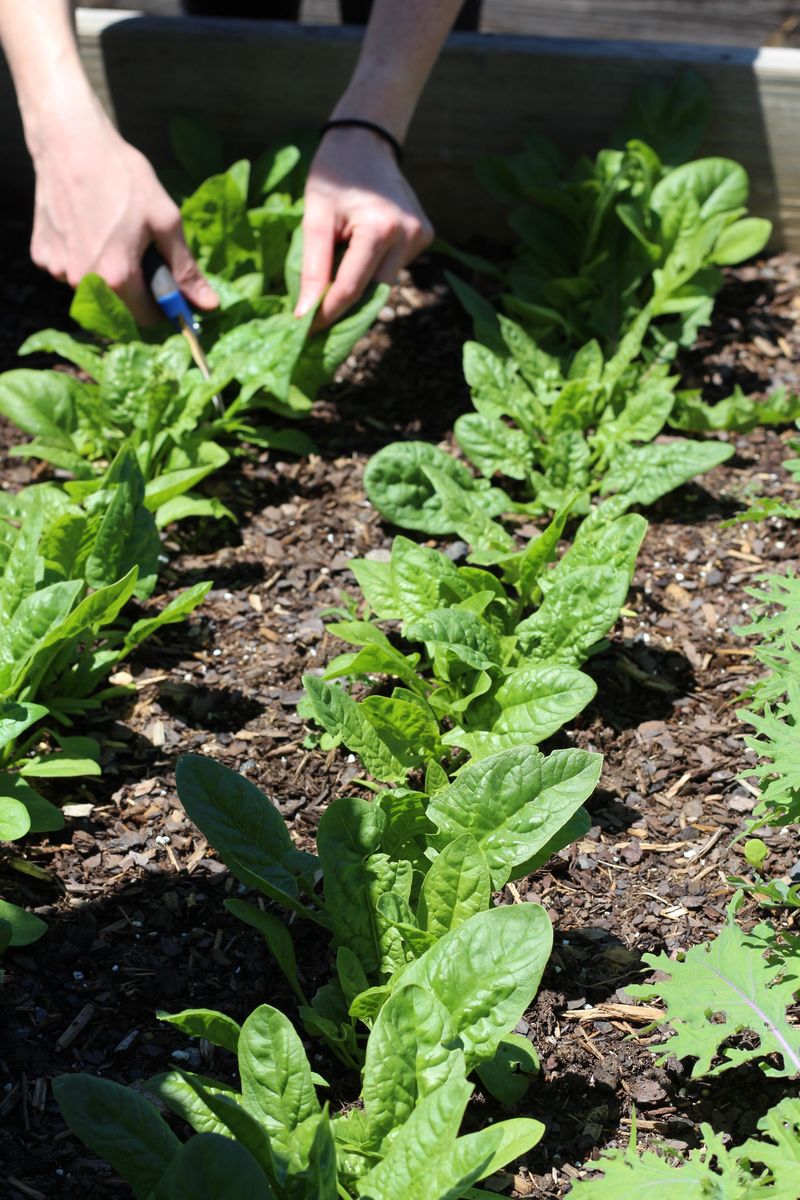
Imagine picking fresh salad greens in March while grocery store spinach costs a fortune. Fall-sown spinach makes that dream surprisingly easy for New Yorkers.
Spinach is one of the most cold-hardy vegetables around. Young plants can handle temperatures down into the teens with a little protection.
Sow seeds by mid September upstate or early October downstate, about half an inch deep and two inches apart. Upstate gardeners sowing in October should use a cold frame to give seedlings enough protection.
Seedlings will sprout, grow a few leaves, then pause for winter. That winter pause is the real secret to this whole plan. Come spring, the roots are already set, so plants take off weeks ahead of spring-sown spinach.
Chilly weather also makes the leaves taste noticeably sweeter than summer spinach. Plants turn some starches into sugars as a natural antifreeze, which is pretty clever.
Cover your rows with a floating row cover or a simple cold frame. An old window propped on hay bales works as a budget greenhouse.
Varieties like Winter Bloomsdale and Giant Winter are bred for this kind of chill. Their thick, crinkly leaves hold up better against snow and wind.
Mulch lightly with straw once the ground starts freezing to protect the crowns. Remove it gradually in early spring as days grow longer.
Popeye made spinach famous for muscles, and it is rich in vitamins A and K, with some iron. Fresh homegrown leaves beat anything that sat on a truck for days.
Start harvesting outer leaves once plants have six or more. Keep picking regularly, and you will enjoy salads until summer heat arrives.
7. Native Trees For Shade And Stronger Roots
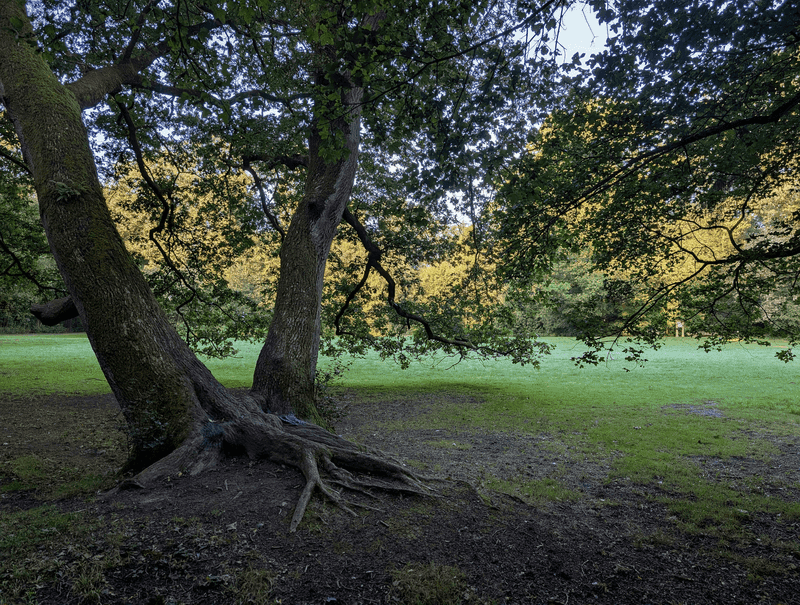
An old saying claims the best time to plant a tree was twenty years ago. The second best time is this October, and there are great reasons why.
Fall planting lets trees focus on roots instead of leaves. Cool air eases stress while warm soil keeps roots growing until the ground freezes.
Native trees like red maple, serviceberry, and pin oak thrive in New York soil. They also feed local birds, butterflies, and caterpillars far better than exotic picks.
Oaks as a group support more than five hundred caterpillar species in the eastern United States. Those caterpillars feed baby songbirds, making oaks a key part of the backyard food chain.
Dig the hole two to three times wider than the root ball but not deeper. The spot where the trunk flares out should sit right at ground level.
Loosen circling roots gently with your fingers before setting the tree in place. Fill with native soil, not fancy potting mix, so roots learn to spread.
Water deeply once a week until the ground freezes, especially during dry spells. Young trees drink a lot, even when leaves have dropped.
Spread mulch two to three inches deep in a wide circle. Keep it a hand’s width from the trunk instead of piling it like a volcano.
Shade trees on the south or west side can lower summer cooling bills noticeably. Your future self will thank you every sweaty July afternoon.
Many county soil districts hold low-cost tree sales, usually taking orders in winter for spring pickup. Check with your local Cornell Cooperative Extension office for deals and advice.
8. Hardy Perennials For A Head Start On Next Summer
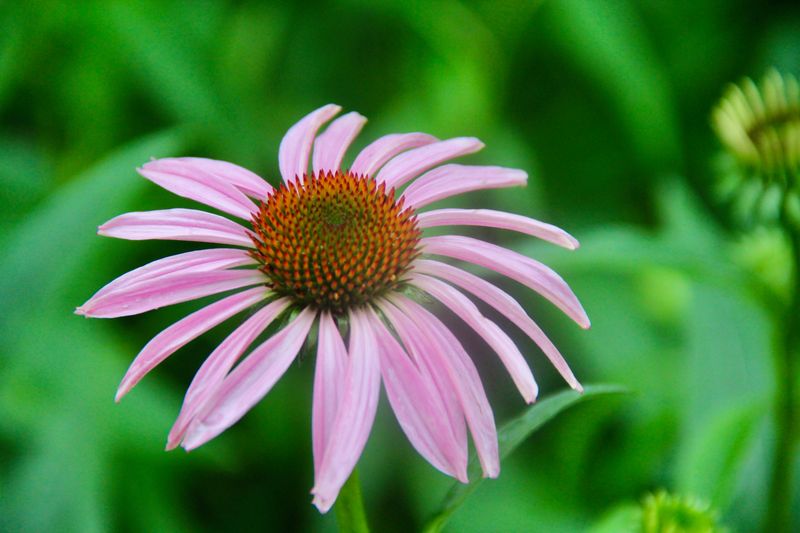
Garden centers slash prices on perennials in fall, and savvy gardeners pounce. Planting now gives you bargain plants plus a head start on next summer.
Perennials planted in October spend the cool months building roots quietly underground. By June, they look like they have lived in your yard for years.
Black-eyed Susan and New England aster, both New York natives, plus purple coneflower, a regional native, are tough choices. They handle New York winters, summer droughts, and clay soil without much fuss.
Try to plant at least six weeks before the ground freezes. For most of the state, that means finishing by mid October.
Dividing big, overgrown clumps is another smart and thrifty October job. Dig up crowded hostas or daylilies, both non-native favorites, split them with a spade, and replant the pieces.
Free plants are the best kind, and neighbors often happily swap extras. It is a friendly way to fill empty spots and meet the folks next door.
Water new perennials well and add a light layer of shredded leaves once frost arrives. Leave the seed heads standing through winter instead of cutting everything back.
Goldfinches love snacking on coneflower seeds when snow covers the ground. Hollow stems also give native bees a cozy spot to spend the cold months.
Mark new plantings with sticks or tags so you remember where they are. That way, you avoid damaging a dormant plant with your shovel in April.
A little effort now means a blooming, buzzing garden next summer. Grab those clearance plants and get them in the ground before it freezes.