Gray Smudges On Indiana Trees Need Scraping Before Winter
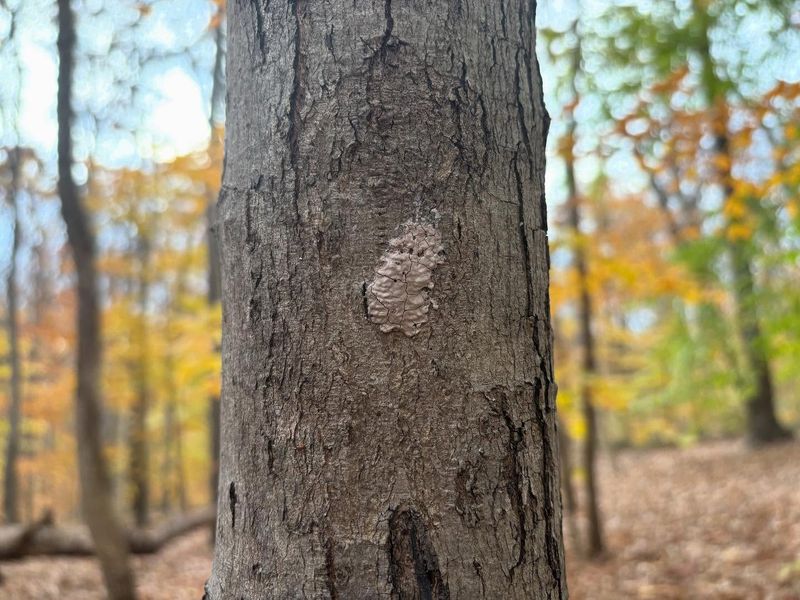
Fall in Indiana smells like wood smoke, crunchy leaves, and apple cider from the orchard down the road. It is a lovely season, until you notice something odd stuck to your favorite maple.
At first glance, it looks like a smear of gray mud or a wad of old chewing gum. You might even blame a sticky-fingered kid or a very messy squirrel.
Yet that little smudge is not dirt, and it is not harmless decoration either. It is a secret stash, tucked quietly into the bark while you were busy enjoying summer.
Across Indiana, more homeowners are spotting these patches on trees, fences, and even patio chairs. The strange part is how easily they blend in, like tiny gray ninjas wearing bark costumes.
After one good look, your backyard suddenly feels a lot more suspicious. Even the squirrel seems to be giving you a knowing look now.
Tiny Insect Nurseries Hiding In Plain Sight
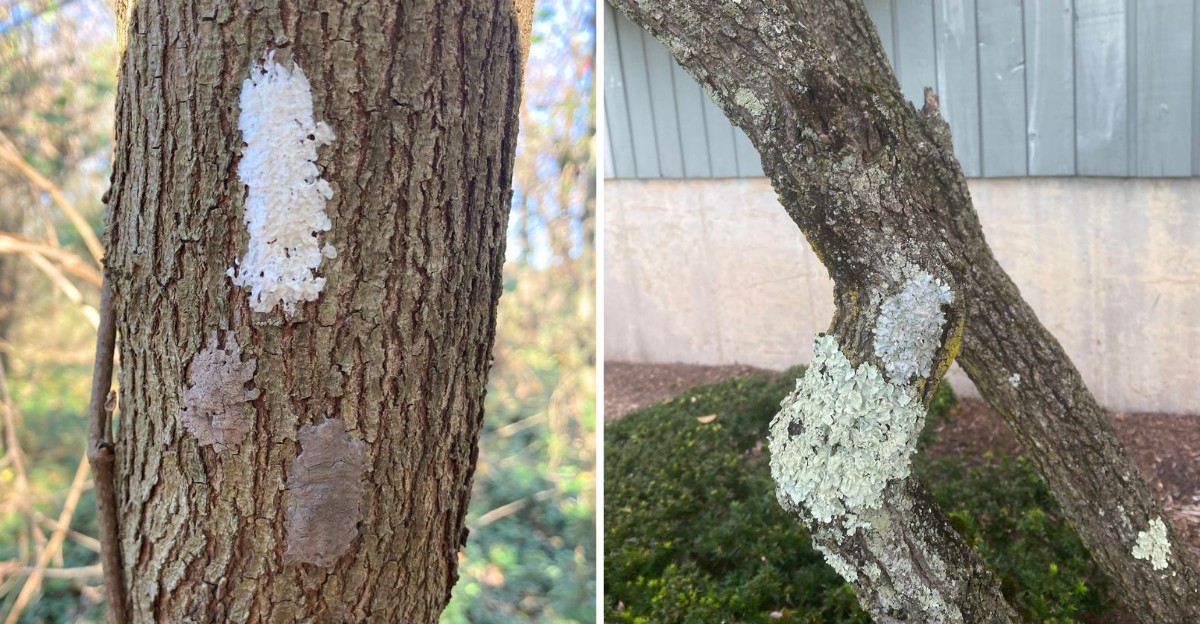
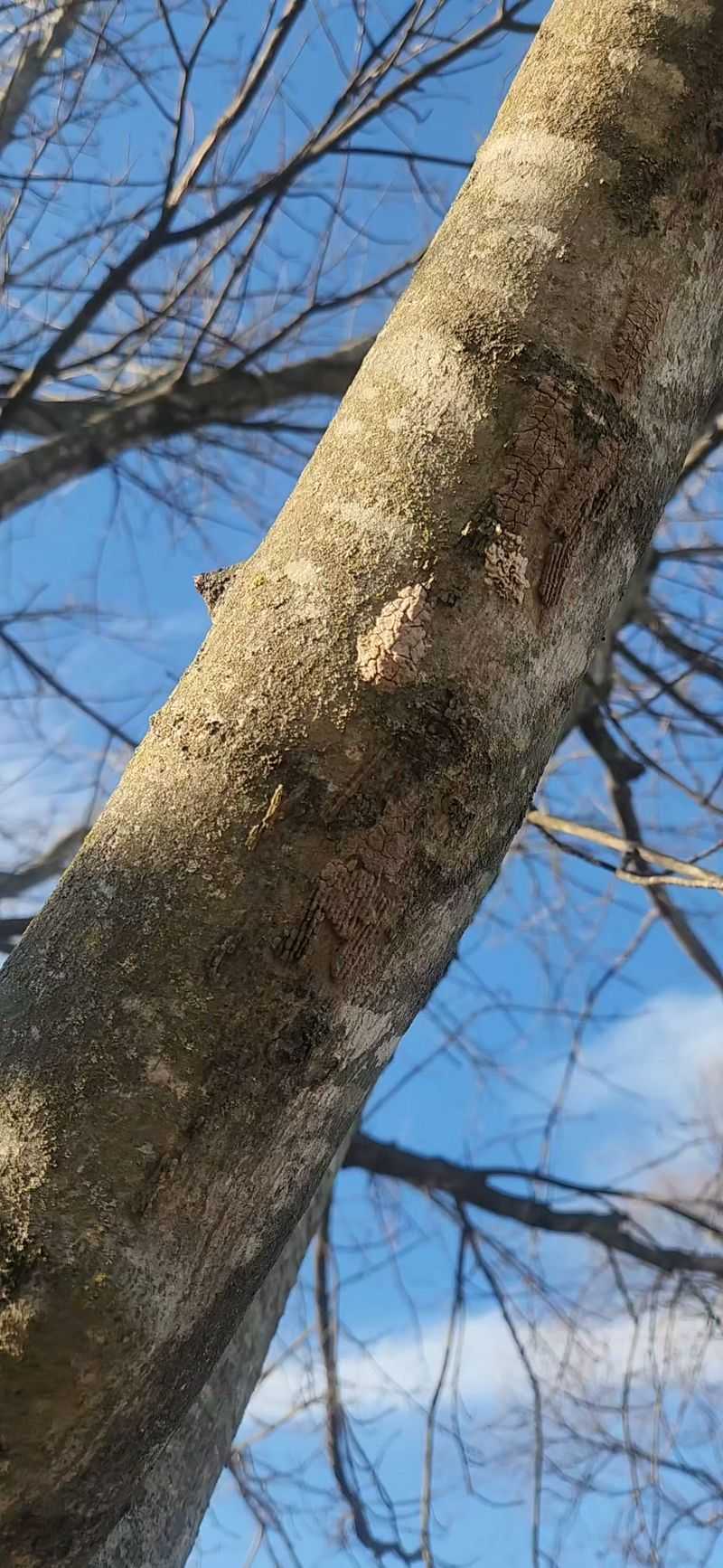
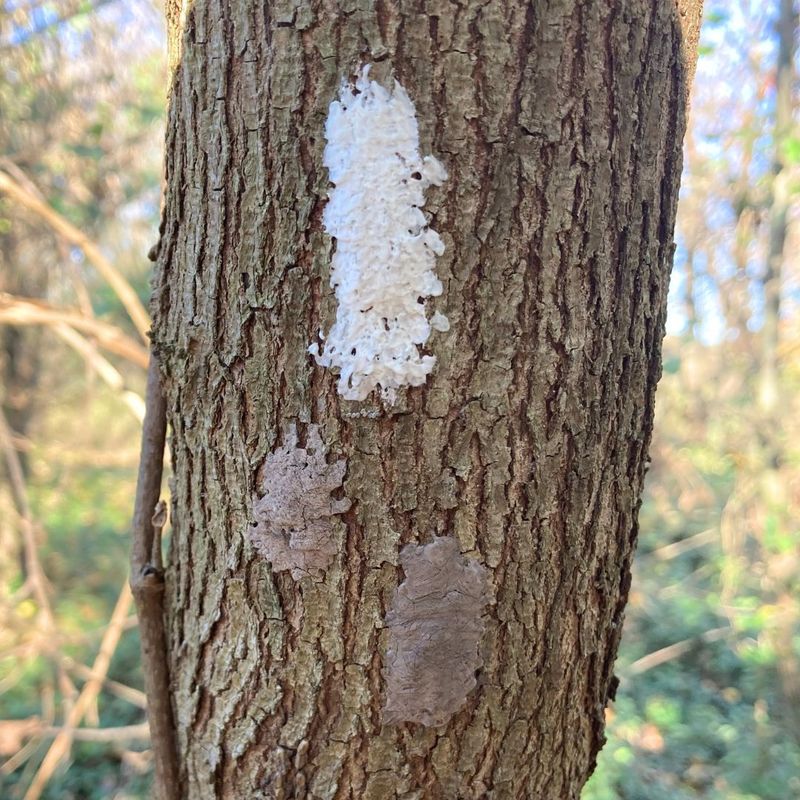
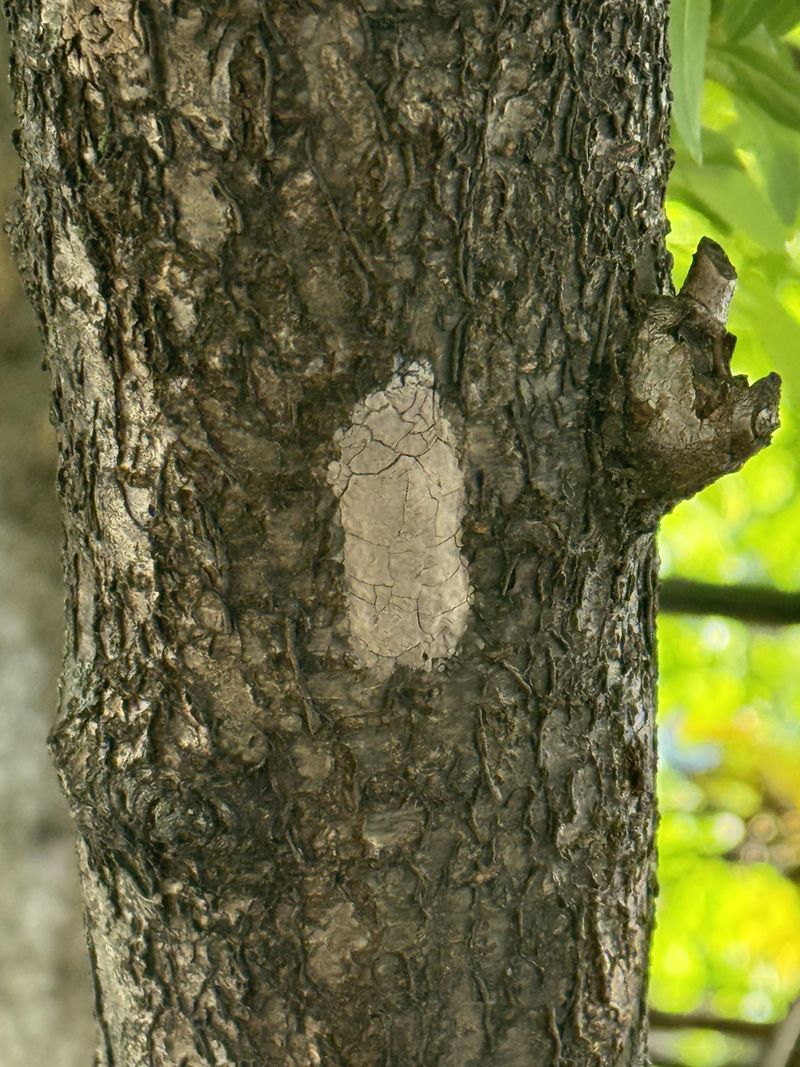
That gray smear on your maple might look like someone wiped a muddy thumb across the bark. In reality, it is likely a spotted lanternfly egg mass, and each one holds roughly 30 to 50 future pests.
Fresh masses look shiny and grayish, a bit like wet putty or dried gray chewing gum. As weeks pass, the coating dries, cracks, and starts to resemble a patch of old, flaky cement.
Females cover their eggs with this goo on purpose, because it works like camouflage and a winter coat. Birds, curious kids, and even careful gardeners can walk right past them.
Indiana confirmed its first population in Switzerland County in July 2021, and sightings have spread to several other counties since then. So a strange gray patch on a local tree deserves a second, closer look.
Scraping matters because every mass you remove means dozens fewer sap-sucking insects next summer. Those insects weaken trees, coat decks with sticky honeydew, and invite black sooty mold.
Look for patches about one to one and a half inches long, often in neat rows under a smooth waxy cover. Old hatched masses show tiny holes or empty little tubes where the young already crawled out.
A slow walk around each trunk works better than a quick glance, since the gray coating blends in so well with bark, stone, and weathered wood.
If you spot one, snap a photo before you touch it. That picture helps experts confirm the find and track how far the pest has traveled across the state.
The Late Summer Into Fall Laying Season
Picture September as the lanternfly version of a baby shower season. Adults spend summer feeding, then switch gears and start laying eggs as the nights grow cooler.
Egg laying usually begins in early fall and keeps going until a hard freeze ends the adults’ season. In most Indiana years, that stretch runs from September through November or even December.
Mild fall weather can stretch the laying period longer, so a tree that looked clean in early October may look different by December.
Those eggs then sit quietly through snow, ice, and January winds with little trouble. The waxy coating protects them well, so cold weather alone does little to reduce their numbers.
Your Indiana Garden Changes Every Week. Your Plan Should Too.
Gardening in Indiana changes quickly throughout the season. Every Friday you’ll receive a simple weekly plan showing exactly what to plant, prune, fertilize, harvest, and protect so you never miss the right timing.
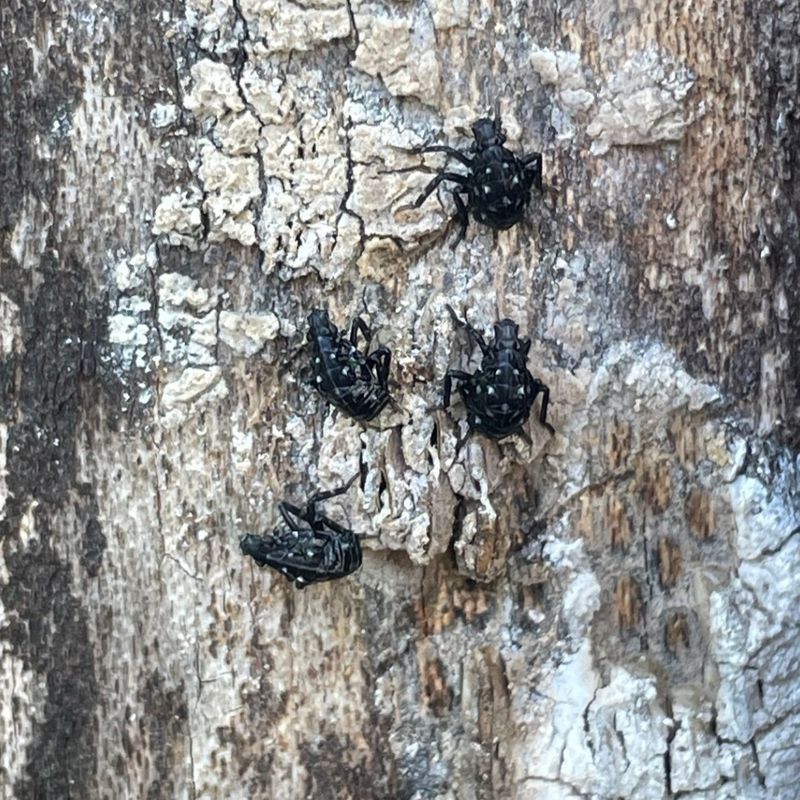
Come late April through June, tiny black nymphs with white spots pop out and start hunting for sap. By then, scraping is too late for that batch because the insects have already scattered.
That gives you a helpful window between early fall and early spring. Starting in September lets you catch fresh masses before snow piles up or leaves hide the lower trunks.
Bare winter branches actually make masses easier to see, so a second check after leaf drop pays off. A sunny afternoon in late fall is a cozy time for a quick tree walk.
Think of it as a seasonal chore, like raking leaves or cleaning gutters. One walk now and another in winter can keep your yard from turning into a nursery.
The Trouble With A Quick Flick
A common story goes like this: a homeowner proudly knocks a dozen gray patches off a fence with a stick. Sadly, that only moves hundreds of eggs from the fence to the grass below.
Egg masses that simply fall to the ground can still hatch in spring. The coating keeps protecting them, whether they rest on bark, mulch, or a pile of fallen leaves.
Leaf litter and mulch can hide fallen masses, so it helps to look at the ground under any tree where scraping has already happened.
Another common slip is scraping only the easy spots at eye level. Females often lay eggs high in the canopy, under branches, or on the shady side of the trunk.
People also forget that lanternflies are not picky about surfaces. Masses show up on stones, fence posts, grills, trailers, firewood, and even car bumpers parked near infested trees.
Moving any of those items can carry eggs to a new county without anyone noticing. That is one way the pest hitchhikes long distances so quickly.
Some folks also reach for harsh chemical sprays on the eggs. Most sprays barely get through that tough coating, so the money and effort usually go to waste.
The smarter plan is simple: scrape, capture, and dispose of every mass you can reach safely. A little patience beats a fast swipe that only relocates the problem.
A Plastic Card Plus A Jar Of Disinfecting Solution
An old gift card is one of the best scraping tools around, and no special gear is needed. A plastic putty knife works just as well.
First, fill a zip-top bag or small jar with a disinfecting solution. Hold it right under the egg mass so nothing escapes onto the ground.
Next, press the card flat against the bark and scrape downward with firm, steady strokes. Let the eggs fall straight into the container, then give the bag a good squish.
Wear gloves while scraping, and wash your hands and the card afterward. Sealing the bag before you leave the tree keeps the mess contained.
Seal it tightly and leave it for a few days before tossing it in the trash. The solution soaks through the coating and keeps the eggs from hatching.
If the solution is not handy, crushing the eggs firmly with the card also works. Make sure each egg is flattened, not just smeared around.
For high branches, a long-handled scraper or pole tool can help, but skip wobbly ladders. Safety comes first, and a local arborist can handle the tall spots.
Finally, report your find to the Indiana DNR through its online reporting form so experts can track the spread. A photo, the location, and the date make your report extra useful.
Fewer Hungry Hoppers By Next Spring
Here is a little math that feels pretty rewarding. Scrape just ten egg masses, and you could stop roughly 300 to 500 insects before they hatch.
That means fewer nymphs climbing your trees next May and fewer adults crowding the trunks in August. Your patio furniture and car are also less likely to end up sticky with honeydew.
Honeydew is the sugary liquid lanternflies release while feeding, and it drips like syrup. It attracts wasps and ants, then grows a black sooty mold that coats leaves and decks.
Even a small yard can make a difference, because clearing masses early means fewer insects moving on to the neighbor’s trees next summer.
Healthy trees handle stress better when fewer mouths are draining their sap. Maples, black walnuts, and river birches are favorites, so protecting them keeps your shade trees strong.
Fruit growers across southern Indiana worry about the pest too, because heavy feeding can stress orchard trees and other crops. Your backyard scraping helps shrink the numbers that might drift toward those farms.
Results also add up across a neighborhood. When several families scrape together, the pest has a much harder time building big populations on any one street.
Fun fact: despite the name, spotted lanternflies do not glow. They are planthoppers, and their bright red hind wings flash when they jump or fly.
A Fall Tree Check Worth Keeping
Imagine a treasure hunt where the prize is a healthier yard. A monthly tree check from September through March turns scraping into a habit instead of a panic.
Start with trees of heaven, since lanternflies love them more than almost any other plant. These fast-growing invasive trees have smooth gray bark and crushed leaves that smell a bit like stale peanut butter.
Many experts suggest removing trees of heaven or leaving just one as a trap tree. Talk with a certified arborist before cutting, because stumps can sprout back aggressively.
Write down the date and spot of each find in a phone note. Those small records make a report to the DNR faster and show whether a tree is a repeat hot spot.
Next, inspect outdoor items that sit still for weeks. Check grills, firewood stacks, trailers, lawn furniture, and the undersides of boats before moving them anywhere.
Buy firewood locally and burn it where you buy it. Hauling logs between counties is one of the easiest ways to spread egg masses into brand-new areas.
Keep a small scraping kit by the back door with a card, gloves, and a sealed bag of disinfecting solution. Having supplies ready makes quick action much more likely.
Finally, teach kids to spot the gray smudges too, since sharp young eyes often find them first. Turning it into a friendly contest keeps everyone looking all season.