The California Garden Mistakes That Can Leave Newly Planted Trees Vulnerable To Wind
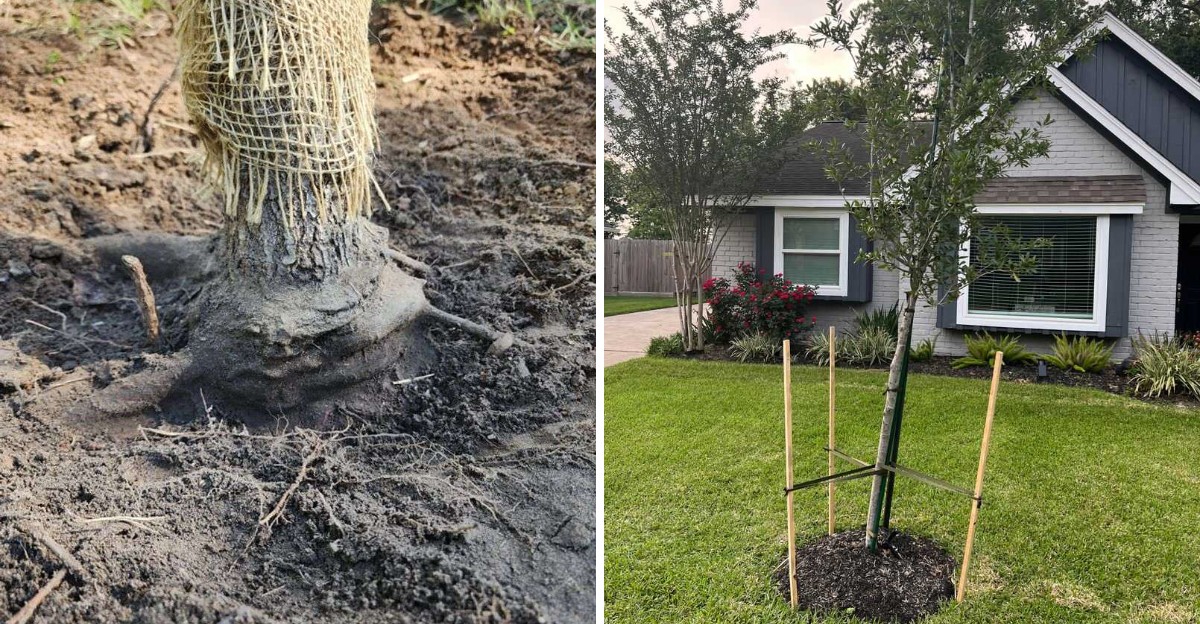
Every California windstorm comes with a surprise quiz. The subject? Your newest tree.
The test covers more than you might expect. Some questions sit underground. Others hide around the trunk, in spots most gardeners forget within a week.
A new tree can look perfect on day one. Straight trunk. Fresh mulch. Proud owner with a phone full of photos.
Then the first big gust rolls through, and the report card arrives.
So how would your tree score right now? A solid A? Or a nervous C minus with a slight lean?
The tricky part is that most slip-ups look harmless. Some even feel like good care. A few come straight from advice passed around for years.
The good news is that wind leaves hints long before it knocks anything over. A curious eye can catch them early. A few quick tweaks can turn a shaky start into a sturdy future.
Ready to find out which habits help and which ones work against you? Grab your gloves. Class is in session.
1. Removing Stakes Too Early Costs You Support
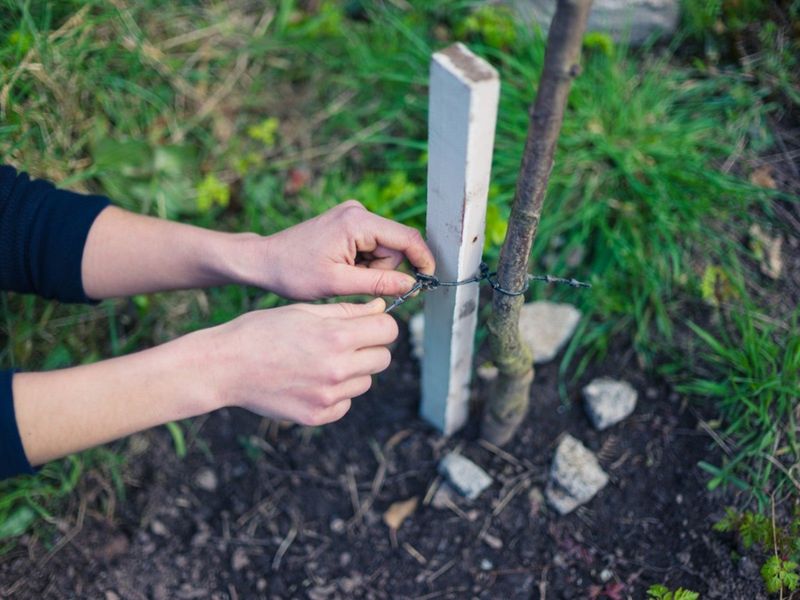
Training wheels come off a bike at the right moment. Yank them off on day two, and the scraped knees start fast.
A new tree works in a similar way. Nursery trees arrive with roots packed into a small ball. Those roots need time to grow out and grip the surrounding soil.
Until then, the root ball can rock in strong wind. Each rock can tear tiny new roots that just started to spread.
Stakes belong only on trees that cannot stand upright alone. They should come off once the tree supports itself. For many young trees, that moment arrives after about one full season of growth. The exact schedule depends on the tree and the site.
A common slip happens after only a few weeks. The tree looks fine on a calm day, so the stakes come out. Then the first real gust arrives with other plans.
Time for a quick readiness test, and your hands are the only tool required. Loosen the ties on a still day and gently push the trunk. A steady root ball and a trunk that springs back upright both point to a tree ready to go solo.
A base that shifts or a trunk that flops means more time is needed. Retie it and check again in a few months.
Patience costs nothing here. A toppled tree, meanwhile, means a new trip to the nursery and an awkward chat at the counter.
2. Ties That Are Too Rigid Cause Problems Too
A little wobble is actually good news for a young tree. That surprises plenty of gardeners. Trunks grow stronger through movement, much like muscles grow stronger through exercise.
Tight ties clamp a trunk to a stake and stop all motion. Trees held rigidly tend to grow taller but thinner. They also develop less taper at the base.
Taper means the trunk widens near the ground. That wide base helps a tree stay upright once the stakes leave.
Your California Garden Changes Every Week. Your Plan Should Too.
Gardening in California changes quickly throughout the season. Every Friday you’ll receive a simple weekly plan showing exactly what to plant, prune, fertilize, harvest, and protect so you never miss the right timing.
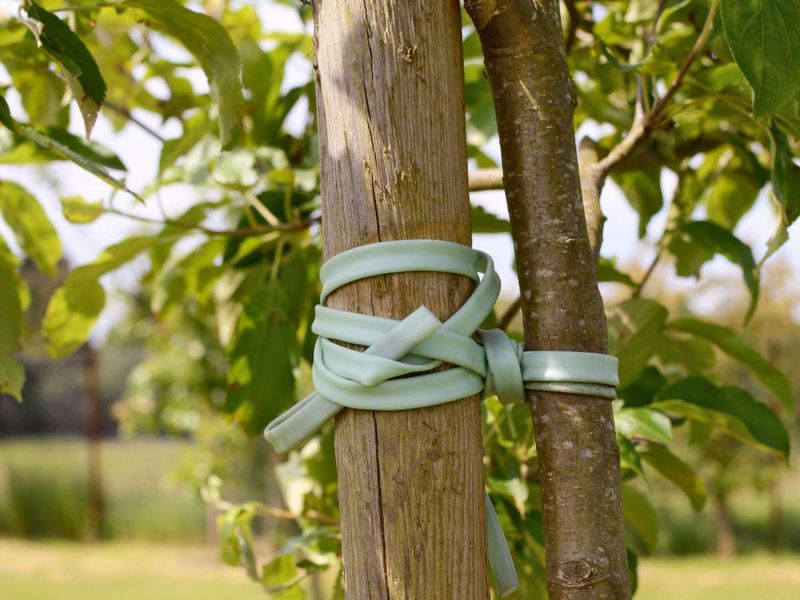
Rigid ties can also rub and cut into bark. Wire, nylon rope, or plastic without stretch may girdle the trunk as it grows. That squeeze slows the flow of water and food. The damaged spot then turns into a weak point where a gust can break the trunk.
A better choice looks soft and flexible. Rubber or wide cloth straps work well. Loop them in a figure-eight between the stake and the trunk. The loop lets the trunk sway a bit in every direction while it still blocks a big lean.
Now for the Goldilocks part, because too loose causes trouble too. Ties that hang slack offer no real support. They let the trunk slam against the stakes on windy nights.
Aim for a snug but forgiving fit. Check the ties every few months so they stay out of the bark.
Your tree wants a dance partner, not a straitjacket. A little sway now can mean a lot of swagger later.
3. Shallow Planting Weakens The Whole Root System
A tent pegged into an inch of sand makes a poor shelter. One strong gust, and the whole thing takes flight. A tree set too high in the ground faces a similar problem.
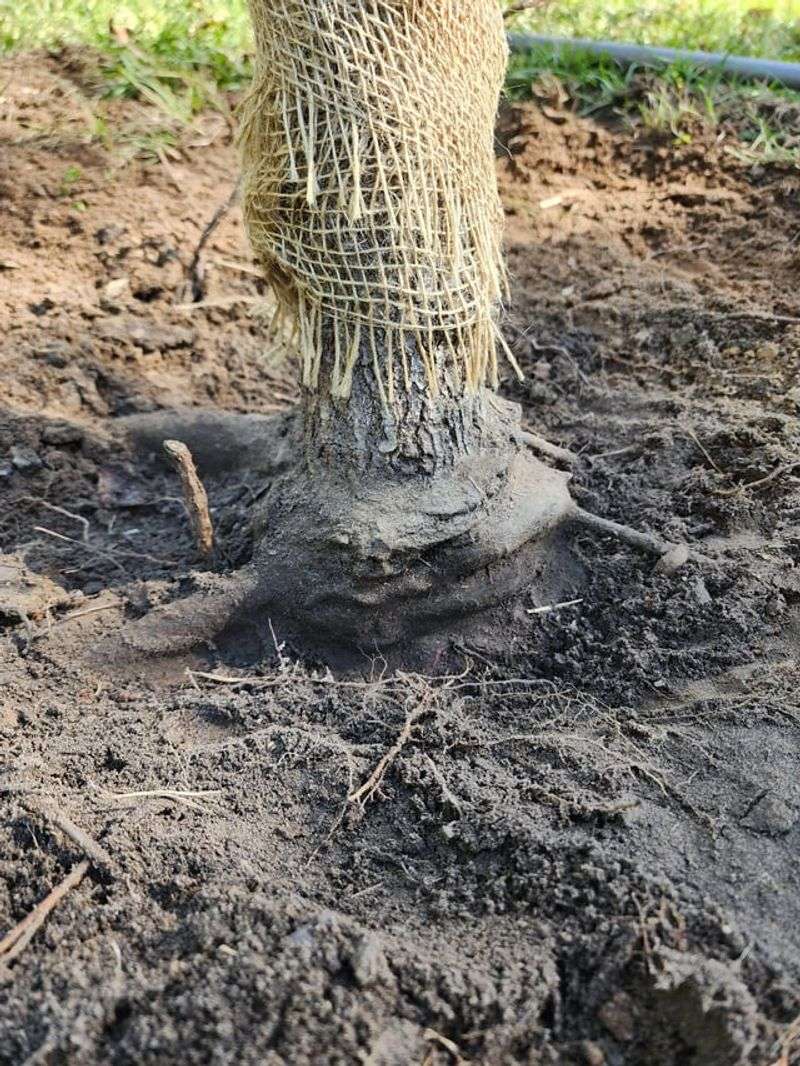
Depth takes a little balance. The root flare is where the trunk widens into the first roots. It should sit at or slightly above soil level. Too deep causes harm, but too shallow brings its own trouble, especially in windy spots.
A root ball perched well above the ground dries out fast in warm California weather. Roots near the surface struggle and refuse to grow outward. The tree ends up with a small, weak anchor. Loose or rain-soaked soil then makes a tip-over much easier.
This mistake can sneak in by accident too. Soft, fluffy soil at the bottom of a hole may let the root ball sink or shift unevenly. On a slope, one side of the root ball can end up exposed.
Grab your shovel, because the fix is refreshingly simple. Dig the hole no deeper than the root ball. Keep the bottom soil firm so the tree stays level. Make the hole two or three times as wide so roots can spread with ease.
Backfill with native soil and press gently. Then check that the flare sits right at ground level.
Your tree gets a solid foundation from the start. That is the difference between a sandcastle and a lighthouse.
4. Skipping Water Slows Real Root Establishment
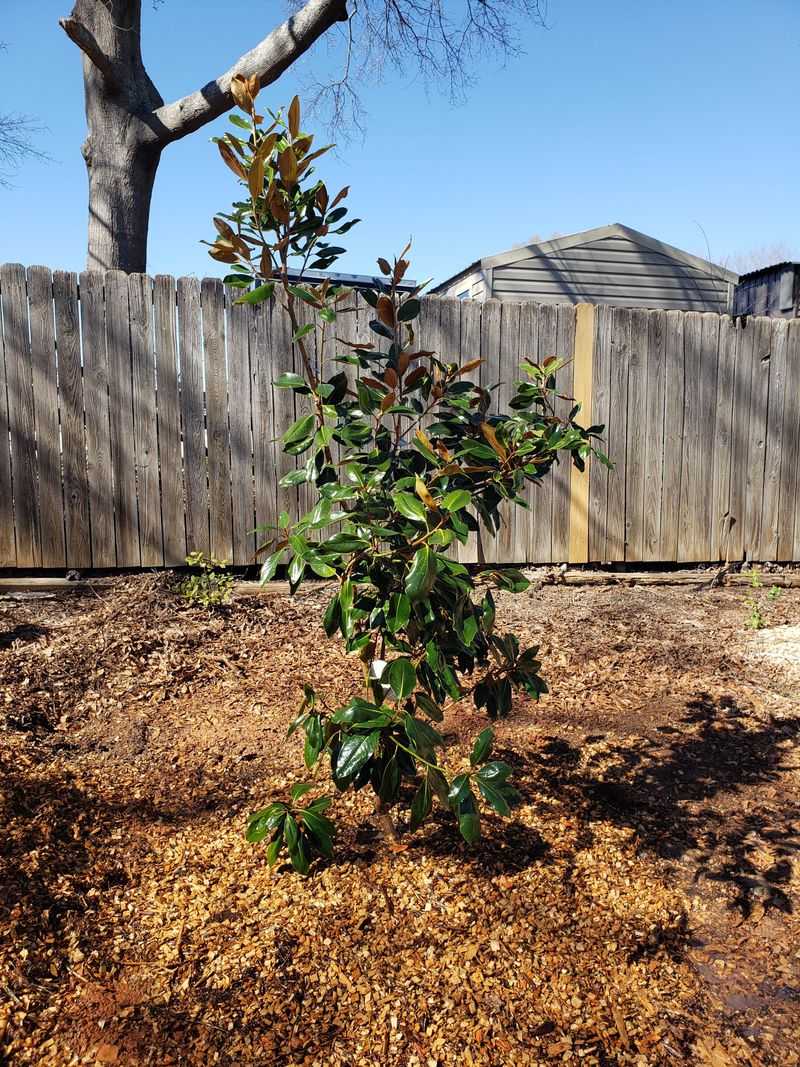
One homeowner planted a pair of Chinese pistache trees and watered them twice. Rain, he figured, would handle the rest. By fall, one tree leaned hard after a windy night. Its roots had barely left the nursery ball.
Roots grow outward only where moisture waits for them. For the first couple of years, a new tree relies almost entirely on the water you give it. Its roots still sit in a small, crowded space.
Even drought-tolerant trees need regular water through this settle-in period.
Missed water days hit the root ball first. It often dries out faster than the soil around it. The tree survives, but it spends its energy on the basics. A tree with a tiny root zone gives the wind an easy win.
Now for the part where you get to play landscape engineer. Build a small soil basin around the root ball so water soaks down instead of a quick runoff. Water deeply instead of a light sprinkle. Check the soil with a finger or a trowel before the next round.
A layer of mulch helps too. Keep it a few inches away from the trunk. It holds moisture and keeps roots cooler.
As the tree grows, widen the water zone to follow the spreading roots. Steady care builds a strong underground anchor.
Your tree may not say thank you, but it will quit the limbo routine every time the wind blows.
5. Over Pruning Removes Needed Canopy Balance
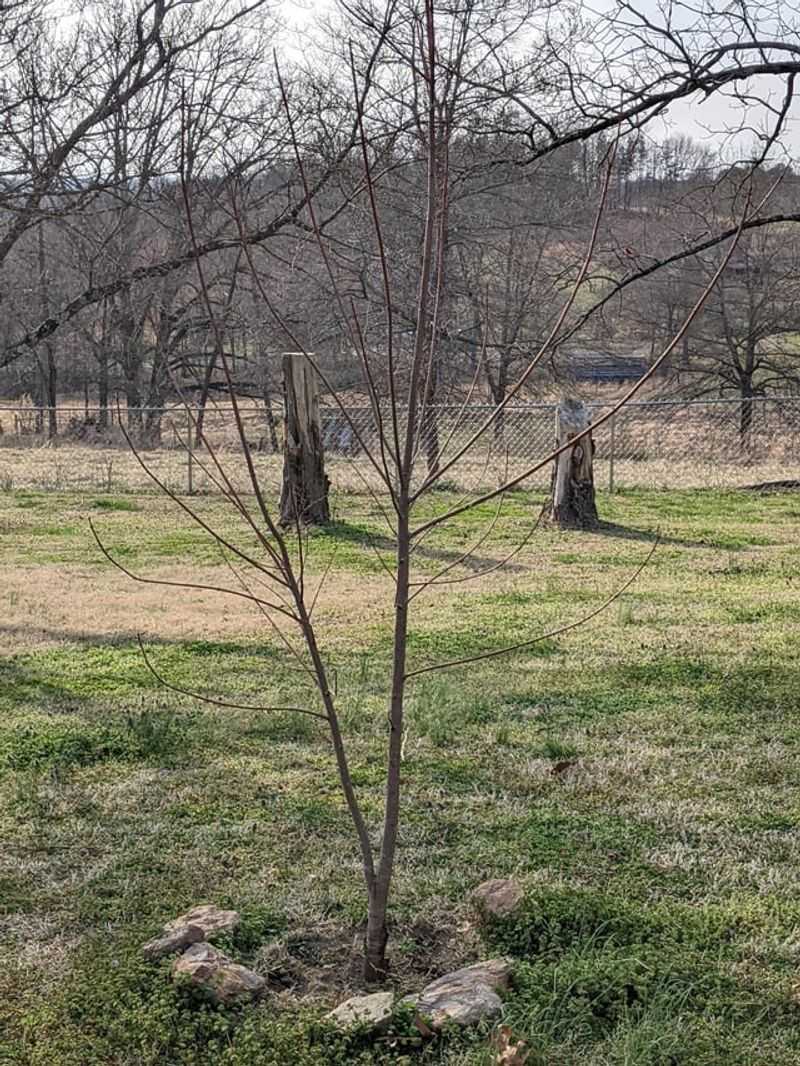
Snip, snip, snip. A fresh tidy-up on a new tree feels satisfying. Too much enthusiasm with the pruners, though, can leave it thin, top-heavy, and shaky.
Leaves act as the tree’s food factories. They make the energy a young tree uses to grow roots. More roots mean a better anchor. On day one, keep cuts to a minimum. Remove only broken or badly damaged branches.
One popular mistake turns a tree into a lollipop. All the lower branches come off, and only a leafy ball sits on top.
Those small side branches, sometimes called temporary branches, help the trunk thicken and build taper. Without them, the trunk stays skinny. The leafy top then catches wind like a sail.
Another old habit involves a hard cut to the canopy to make up for root loss. That trick does not help a tree settle in. It slows growth and can trigger clusters of weak shoots that break in later storms.
Put the pruners down, because this next tip is the easy one. Leave the lower branches in place for the first few years. Shorten them a little once they get too long. After the tree settles in, remove them gradually over several seasons.
Save serious structural cuts for later, when the tree grows strong and healthy. A certified arborist can help pick the right ones.
Your tree does not need a buzz cut. A light trim and a little trust will do just fine.
6. Poor Staking Height Fails To Protect The Trunk
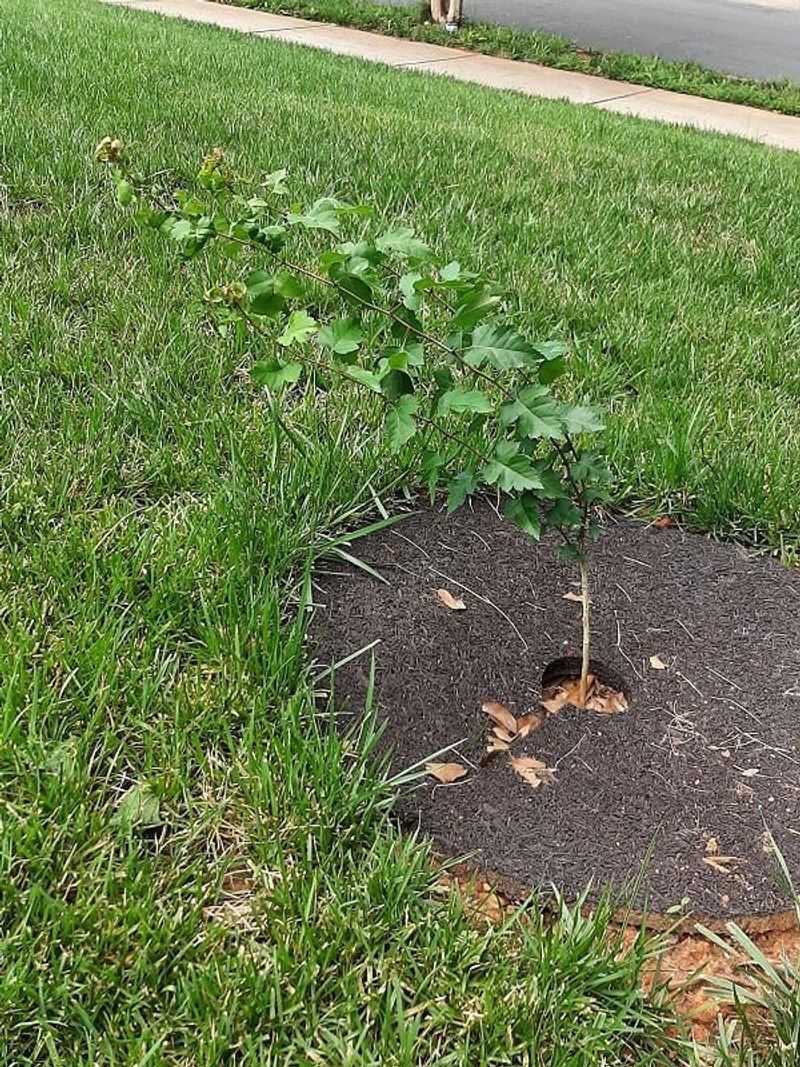
Stakes come in all sizes, and the tallest ones at the garden store look mighty tempting. Height matters more than most people guess, though. The wrong choice can leave a trunk poorly protected in either direction.
Ties belong at the lowest point on the trunk where the tree still stands upright. That spot is easy to find. Hold the trunk in your hand and slide down until the top starts to droop.
The ties go slightly above that point. Stakes can then be cut off just above the ties.
Ties set too high lock the top of the trunk in place. Only the lower part can move. That creates a stress point, and a strong gust can break the trunk just below the ties. Tall stakes that poke into the canopy can also rub branches and scrape bark.
Ties set too low cause the opposite problem. The upper trunk flops around with little support. The tree may lean or bend for good in the direction of the wind.
This part feels a bit like a game of tree Twister, so stretch those arms. Most young trees do well with two stakes outside the root ball, one on each side. Line them up across the direction of the strongest wind.
Check the setup after big storms, since stakes can loosen, tilt, or break.
And skip the extra-tall stakes. Nobody needs goalposts in the front yard, unless the tree plans to go pro.
7. Getting The Basics Right Prevents Most Damage
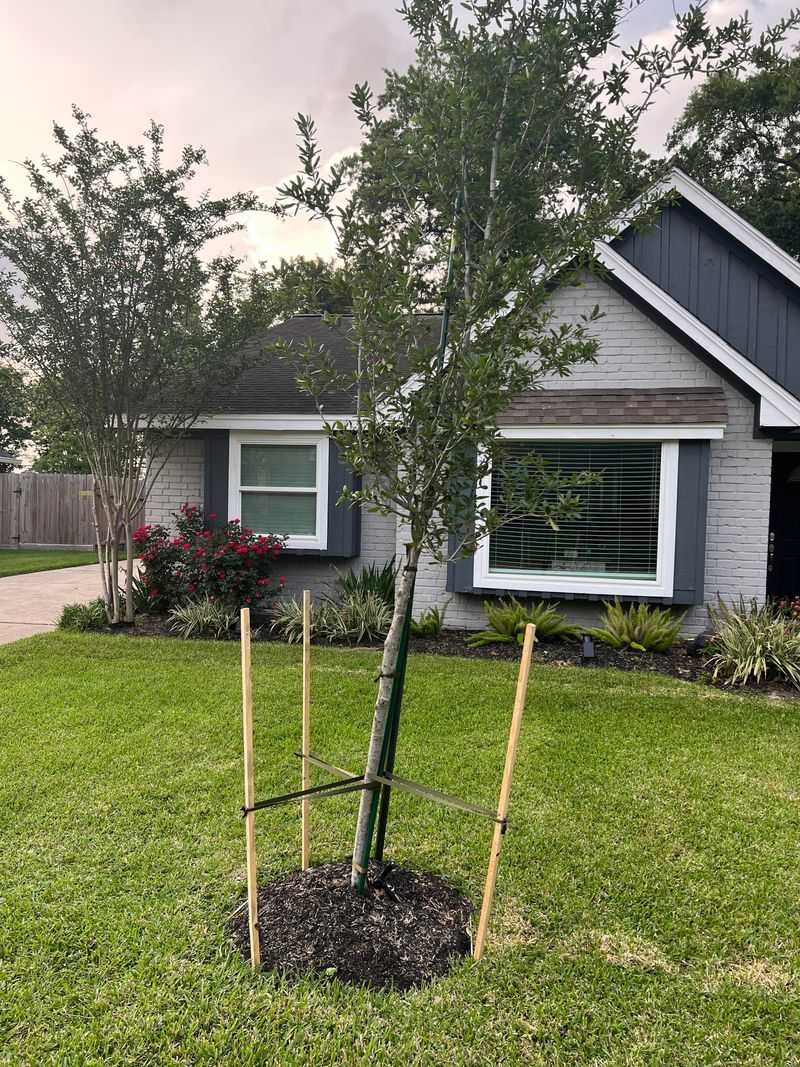
A young tree rarely falls because of one mistake. More often, a few small problems stack up. A shallow root ball dries out. A skinny trunk sits in ties that are too tight. Together, they add up to trouble.
That is why one fix alone often falls short. A perfectly staked tree can still tip over when its roots stay cramped from too little water. A well-watered tree might still break after a harsh prune or poorly placed ties.
Grab a notepad, because this quick checklist fits on a sticky note. Set the root flare at or slightly above soil level. Water deeply and regularly through the first couple of years.
Prune only what is broken or damaged. Stake only when the tree truly needs it, with soft, flexible ties placed low. Check ties and stakes every few months. Remove stakes once the trunk stands on its own, usually after a season or so.
Fun fact: trees with some freedom to sway often grow sturdier, more tapered trunks than trees held perfectly still. Nature seems to reward a little shake, rattle, and roll.
California winds show up in winter storms and dry Santa Ana gusts alike. They are not going anywhere. With these basics in place, a new tree has a great shot at a strong, steady future in your yard.
Your tree will weather the gusts with style. Meanwhile, the wind can go bother someone’s patio umbrella instead.
8. Circling Roots Left In Place Weaken The Anchor
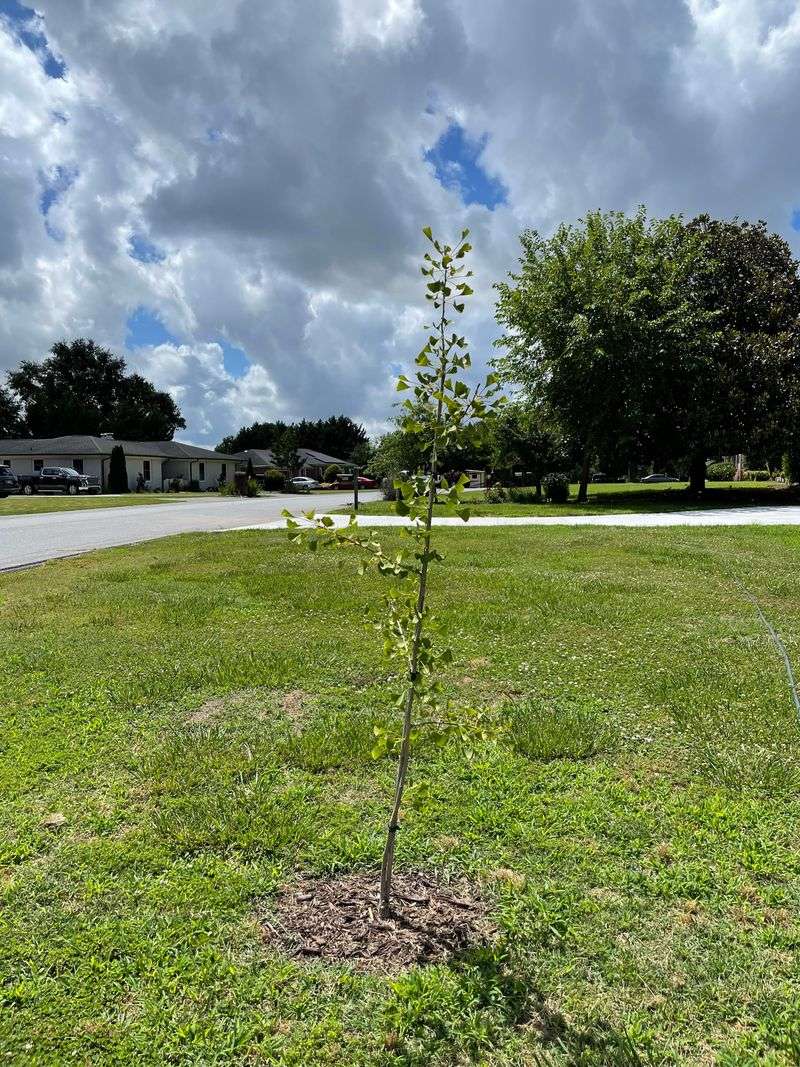
Slide a young tree out of its nursery container, and you may find a surprise. Roots wrap around and around the root ball like a ball of yarn. That tangle looks harmless, but it can cause big trouble.
Roots that circle in the pot tend to stay on that path in the ground. They follow the old container shape and ignore the new soil around them. The tree ends up with a tight, compact root mass and very little grip on the earth.
Over time, some of those roots can wrap around the base of the trunk. As both grow thicker, they squeeze each other.
A tree with this kind of root knot may look fine for years. Then a strong gust pushes it over in one piece.
Now roll up your sleeves, because this fix happens right at the start. Check the root ball before it goes in the hole. Gently tease circling roots loose with your fingers.
Very tight roots may need a few shallow vertical cuts along the sides. A clean pair of pruners can trim any that are badly kinked. Fresh roots grow from those cuts and head outward.
At the nursery, peek at the roots before you buy. A tree with fewer circling roots gets a much better start.
Your tree needs roots that reach for the neighborhood, not roots that just hug themselves. Save the group hugs for the family reunion.