The Nuts Thudding Onto Missouri Roofs This Month Come From A Tree That Doesn’t Share Its Soil
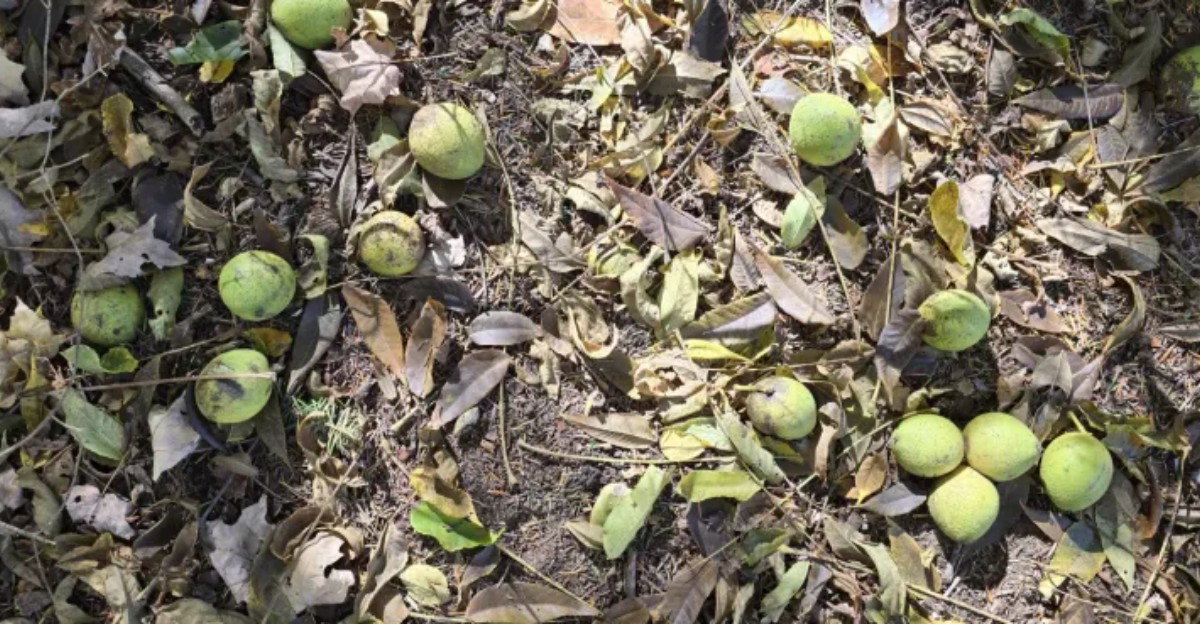
Thunk. Something just bounced off your roof like a tiny bowling ball, and the dog is barking at the gutters again. Out in the yard, green balls the size of tennis balls are piling up in the grass.
They smell sharp and citrusy, a bit like lemon polish mixed with pepper. Grab one bare-handed and your fingers may wear brown stains for a week.
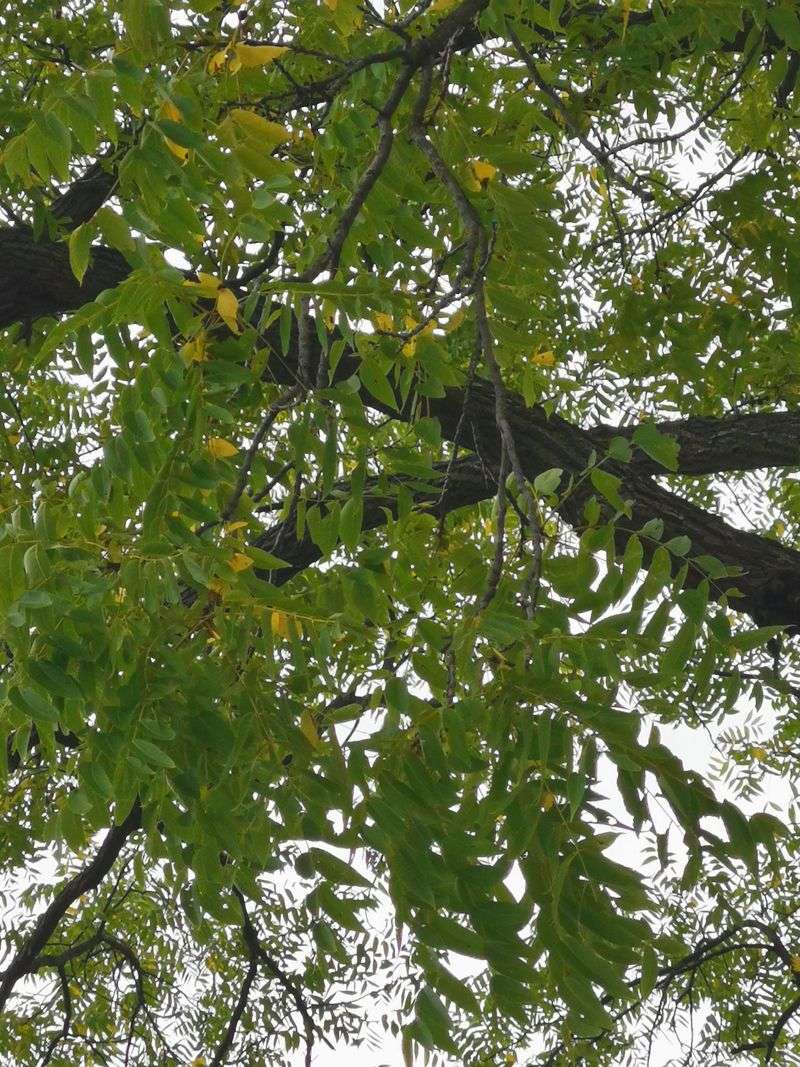
The tree dropping them looks friendly, with long feathery leaves and shade made for a picnic. Yet the tomatoes planted nearby keep curling up and sulking like toddlers at bedtime.
Gardeners across Missouri notice this puzzle every September, often blaming bugs, weather, or bad luck. The real story is hiding underground, and it is stranger than any bug.
So pick up a rake, or maybe a helmet. Your roof is not haunted, but your tree might be a little bit selfish.
A Native Tree That Releases A Growth-Blocking Compound Into The Ground
The black walnut is a Missouri native that has claimed its space long before anyone planted a garden. It can grow over 100 feet tall and live for more than a century.
Its main defense is a natural chemical called juglone, pronounced JUG-lone. The tree stores it in its roots, leaves, bark, twigs, and nut hulls.
When juglone seeps into soil, it blocks how many plants breathe and use energy. Sensitive neighbors wilt, turn yellow, and stop growing, even with plenty of water.
Scientists call this trick allelopathy, which is a fancy word for plants competing with chemicals. It helps the walnut cut down on competition for sunlight, water, and food.
Missouri actually leads the nation in black walnut harvests, gathering millions of pounds each fall. Hulling stations pop up across the state every October to buy nuts from families.
Should you cut your walnut down because of all this? Probably not, since it offers shade, wildlife food, and valuable wood.
A smarter move is learning which plants get along with it and planting accordingly. Think of it like seating a grumpy relative at a family dinner.
Give it space, pick friendly companions, and everyone can still enjoy the party. The tasty nuts are a nice bonus for your patience.
Squirrels will happily help with cleanup, burying nuts all over your yard for winter. Some of those forgotten nuts may sprout into surprise walnut seedlings next spring.
Pull those tiny sprouts early, before their roots dig deep and start spreading juglone. A quick tug in April saves plenty of headaches later.
Vegetables Most Affected Beneath Its Branches
Picture a healthy tomato plant in June that suddenly droops by July, like someone let the air out. Leaves yellow, stems brown inside, and fruit barely forms.
Tomatoes are among the most sensitive crops near walnut trees. Their cousins in the nightshade family, including peppers, eggplants, and potatoes, struggle just as much.
Other vegetables that often sulk include asparagus, cabbage, and many peas. Blueberries and blackberries can also suffer, which stings for anyone dreaming of homemade pie.
Your Missouri Garden Changes Every Week. Your Plan Should Too.
Gardening in Missouri changes quickly throughout the season. Every Friday you’ll receive a simple weekly plan showing exactly what to plant, prune, fertilize, harvest, and protect so you never miss the right timing.
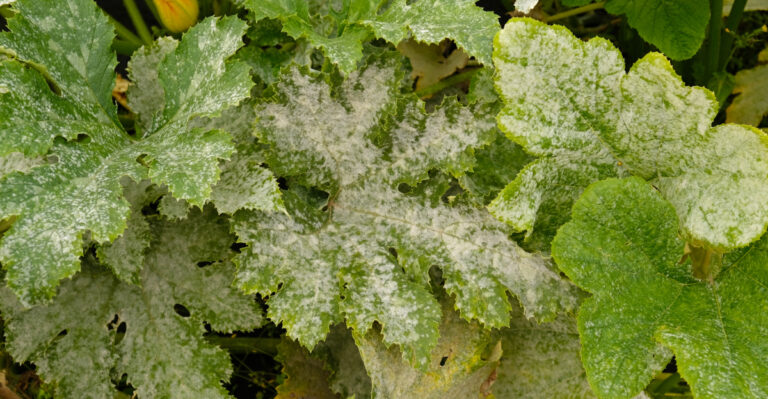
The damage can look like disease, so gardeners sometimes spray fungicide that does nothing. If a whole row wilts on the walnut side, juglone is a likely suspect.
Here is a simple test worth trying. Check if plants farther from the tree look healthier than the ones closest to it.
Symptoms usually appear within a few weeks of roots reaching juglone-rich soil. Wilting often starts on hot afternoons and gets worse as summer moves along.
Moving these crops is the easiest fix, even if it means giving up a sunny spot. Raised beds with a barrier underneath can help if space is tight.
September is a great month to plan next year’s layout while problems are fresh in your memory. Sketch your yard, mark the tree, and keep tomatoes far away.
Your future salsa will thank you. So will your patience, since nothing hurts like watching a whole summer of tomatoes fizzle out.
Tuck easygoing crops closer to the trunk instead, which we will cover soon. Save the prime distant spots for your pickiest vegetables.
The Root Zone Reaches Farther Than The Canopy
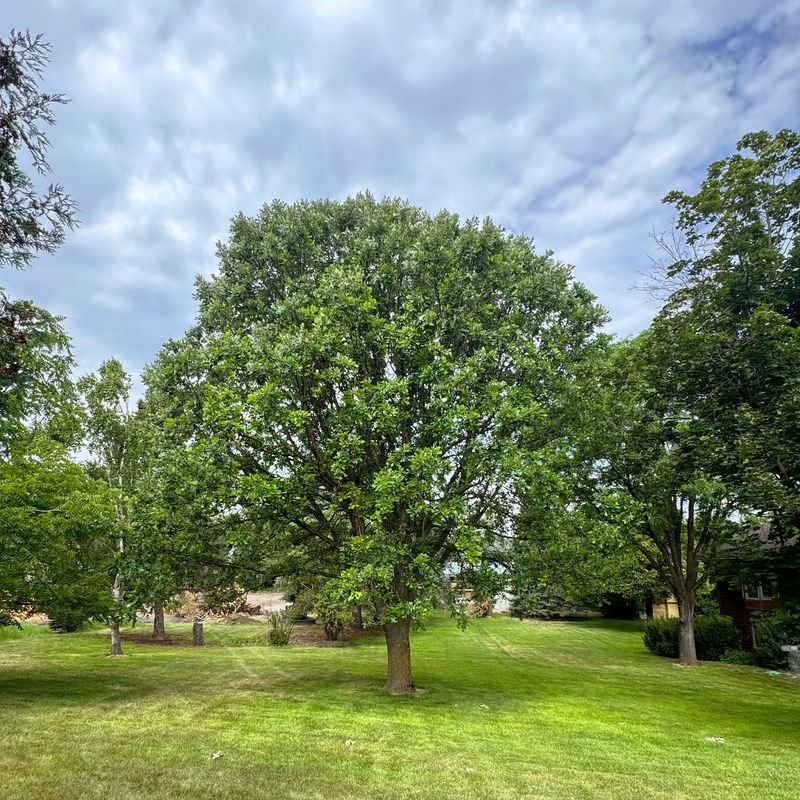
Guess how far a walnut’s roots can travel? The answer surprises most people, because roots can stretch two to three times the width of the branches.
Many gardeners assume the trouble ends where the shade ends. Underground, though, the tree is quietly spreading out like spilled syrup on a pancake.
Experts often suggest keeping sensitive plants at least 50 to 80 feet from a mature trunk. For really large trees, roots may reach even farther.
Juglone lingers in the soil around these roots and moves slowly through water. It does not travel far in loose, well-drained ground, but clay soils hold onto it.
That matters here, since much of Missouri sits on heavy clay. Poor drainage means the chemical may stick around longer near your beds.
Want to map the danger zone yourself? Measure from the trunk to the drip line, then multiply that distance by two or three.
Mark the edge with flags or a garden hose to see it clearly. Neighbor trees count too, since roots do not care about property lines.
Even after a walnut is cut down, roots can keep releasing juglone for several years. Stumps and old roots break down slowly, so plan on waiting.
Grinding the stump and removing large roots can speed things up a bit. Until then, treat that area like a zone for tough, forgiving plants only.
Knowing the true reach of those roots saves money on wasted seeds and transplants. It also saves you from blaming yourself for plants that stood little chance.
Plants Known To Tolerate Nearby Soil
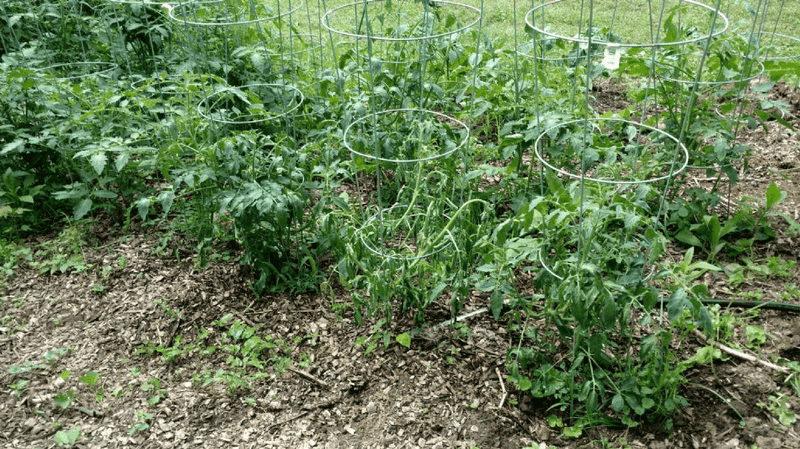
Plenty of plants shrug off juglone like it is no big deal. In the vegetable patch, try beans, beets, carrots, corn, onions, squash, and melons. Many gardeners report solid harvests with these crops close to walnut trees.
For flowers, black-eyed Susans, daylilies, hostas, and Virginia bluebells are trusty picks. Zinnias, marigolds, and many ferns tend to do fine as well.
Native Missouri plants often handle walnuts best, since they grew up side by side. Wild ginger, astilbe, and purple coneflower can brighten a shady spot.
Shrubs like forsythia, viburnum, and many sumacs usually tolerate the soil. Redbud, dogwood, and pawpaw are small trees that can share the neighborhood.
Fruit lovers can try black raspberries, which often hold up better than blackberries. Wild grapes and some cherries also show decent tolerance in many backyards.
Keep in mind that shade matters too, not just chemistry. A plant might handle juglone yet still sulk under a thick, sun-blocking canopy.
Early fall is a fantastic time to plant perennials and shrubs in Missouri. Cooler air and warm soil help roots settle in before winter arrives.
Start small with a few tough plants and watch how they perform through next summer. Add more of the winners, and swap out anything that pouts.
With the right cast, the space under a walnut can turn into a lush, shady retreat. Add a bench, and you have the coziest reading nook on the block.
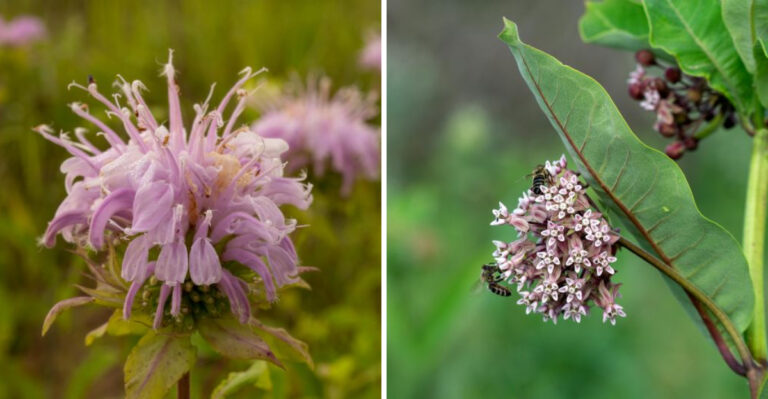
Hummingbirds love bee balm and bluebells, so your walnut corner may attract flying guests too. Butterflies will visit the coneflowers well into early fall.
Fallen Husks Carry The Same Compound
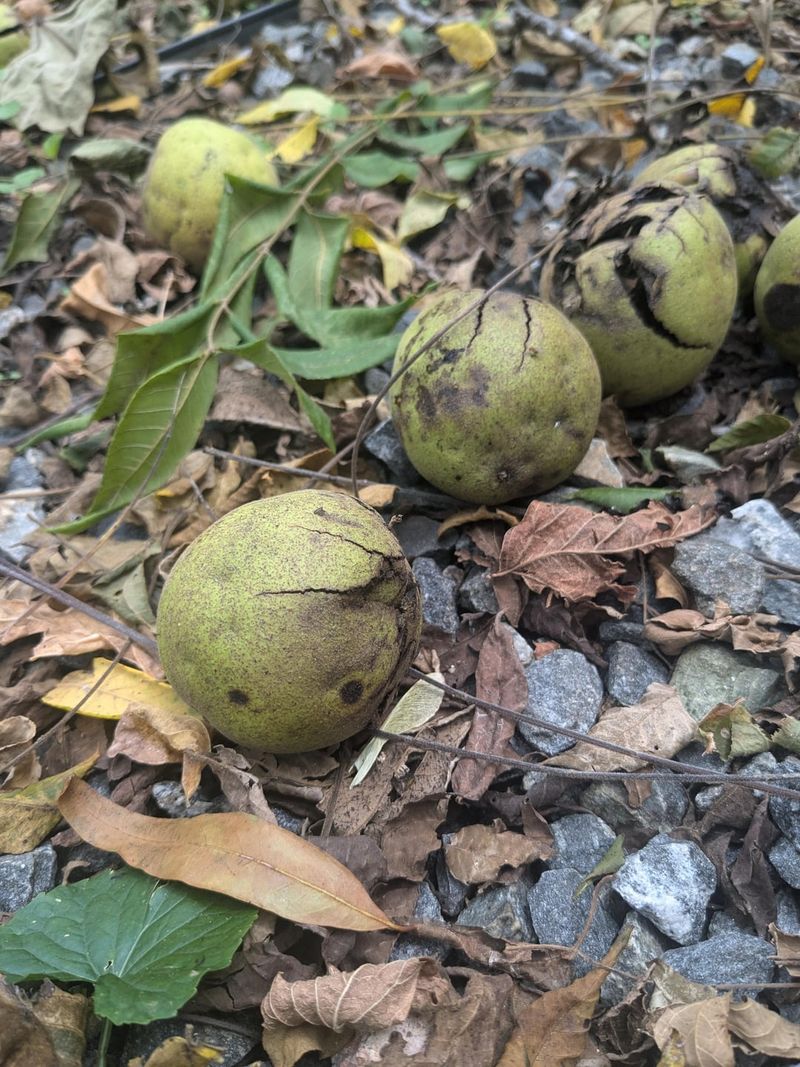
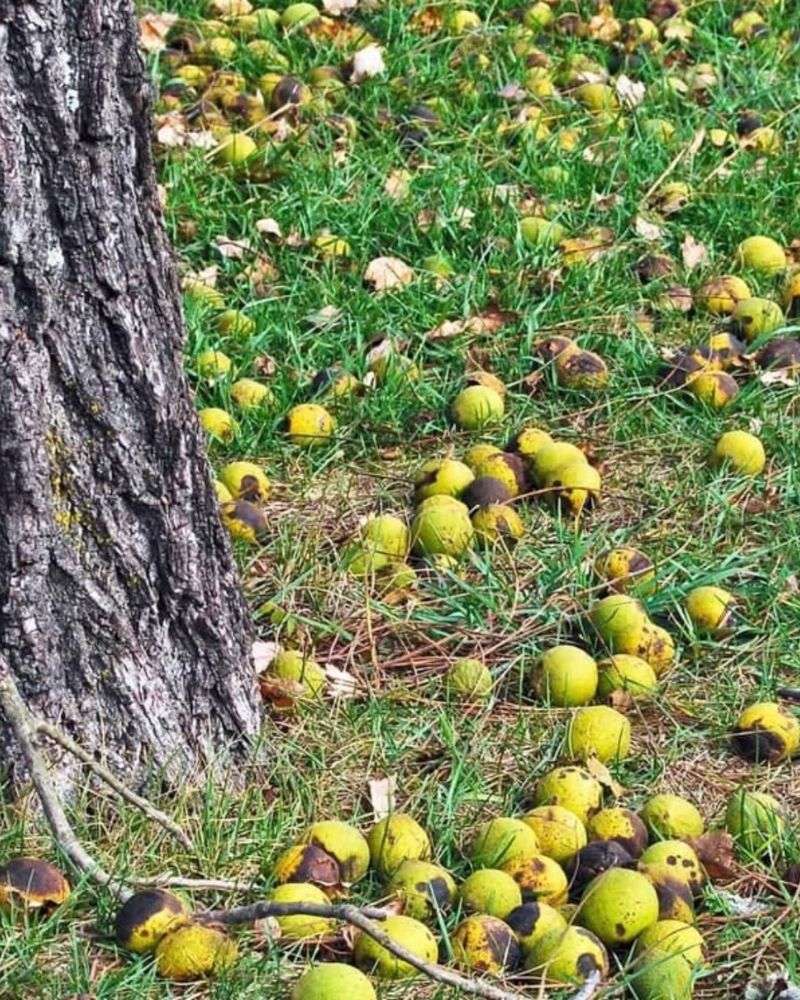
Those green, lemony balls bouncing off your roof are not just noisy. Their thick outer husks are packed with juglone, just like the roots.
As husks sit on the ground, rain washes the chemical into the soil below. Over weeks, the green shells turn black, mushy, and stain everything they touch.
Leaves and twigs carry juglone too, though in smaller amounts than the hulls. Raking regularly in September and October keeps them from piling up near gardens.
Wear sturdy gloves when handling husks, because that dark juice stains skin for days. Pioneers once used it to dye cloth brown and even color their hair.
Keep husks out of the vegetable garden and away from mulch piles. Also avoid using fresh walnut wood chips around sensitive plants.
Pets deserve some attention here too. Moldy hulls can make dogs very sick, so pick up fallen nuts before your pup gets curious.
Want to save the nuts for eating? Remove husks soon after they fall, then rinse, dry, and cure the shells for a few weeks.
Some folks roll husks under a car tire on the driveway to crack them loose. It works, but be ready for stained concrete and a very messy grin.
Missouri hulling stations also buy whole nuts, paying cash by the pound each fall. It is an easy way to clear the yard and earn a little pocket money.
Bag leftover husks and send them away with yard waste if you cannot compost them properly. A tidy lawn now means happier flower beds next spring.
Composting Time Needed Before Using Walnut Debris In Beds
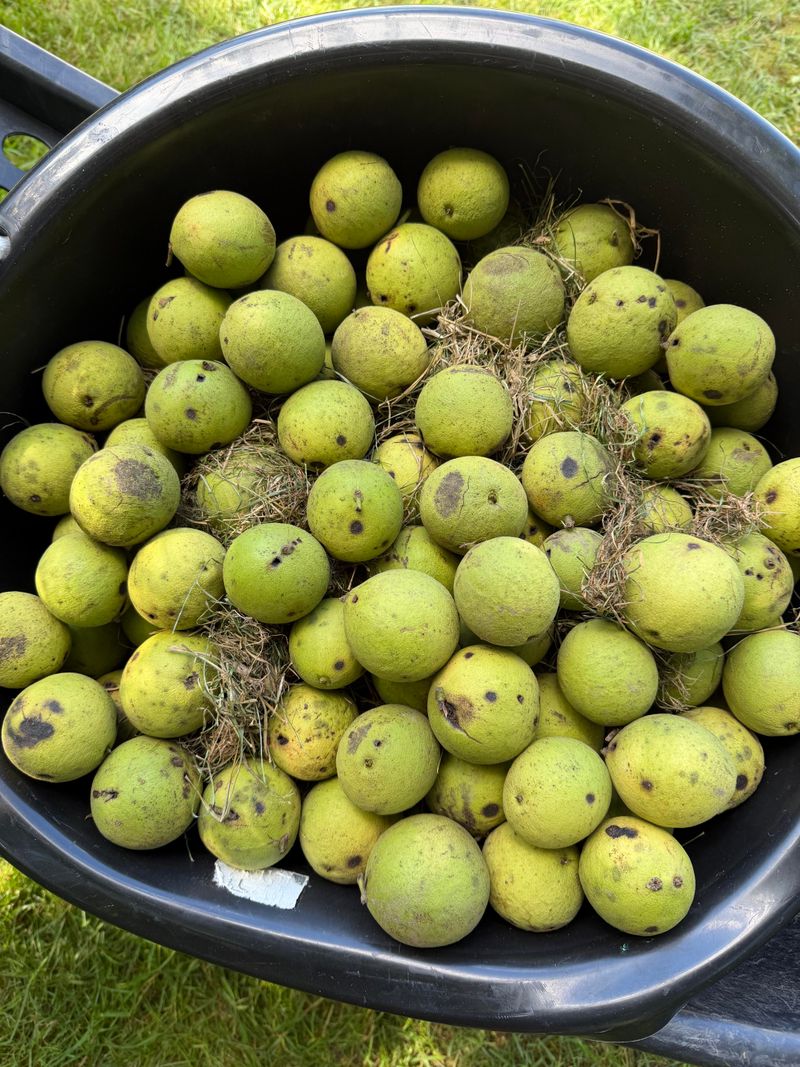
Patience pays off with walnut debris, and compost is where that patience gets tested. Juglone breaks down when exposed to air, water, and busy soil microbes.
Most experts suggest composting leaves and husks for at least two to six months. Thicker materials like bark and wood chips may need six months or longer.
A hot, active pile works fastest, so mix walnut debris with grass clippings and kitchen scraps. Turn the pile every week or two to keep oxygen flowing.
Starting a pile in September gives it a strong head start before cold weather slows things down. By late spring, much of the juglone may be gone.
Not sure if your compost is ready? Try a simple tomato seed test before spreading it in your garden.
Plant a few tomato seeds in a pot of finished compost and watch them grow. Healthy sprouts after two weeks suggest the compost is safe to use.
Wilting or yellow seedlings mean the pile needs more time. Give it another month or two, then test again.
Walnut wood chips work better as path mulch than garden mulch. Let them age for at least six months before placing them near sensitive plants.
Separate piles help if you have lots of walnut debris each fall. Label one bin for walnut material so it does not sneak into your tomato bed early.
Think of compost as a slow kitchen that turns a grumpy ingredient into something useful. With a little time, the tree’s leftovers become rich food for your garden.