These Yard Features Attract More Coyotes To Your Texas Yard
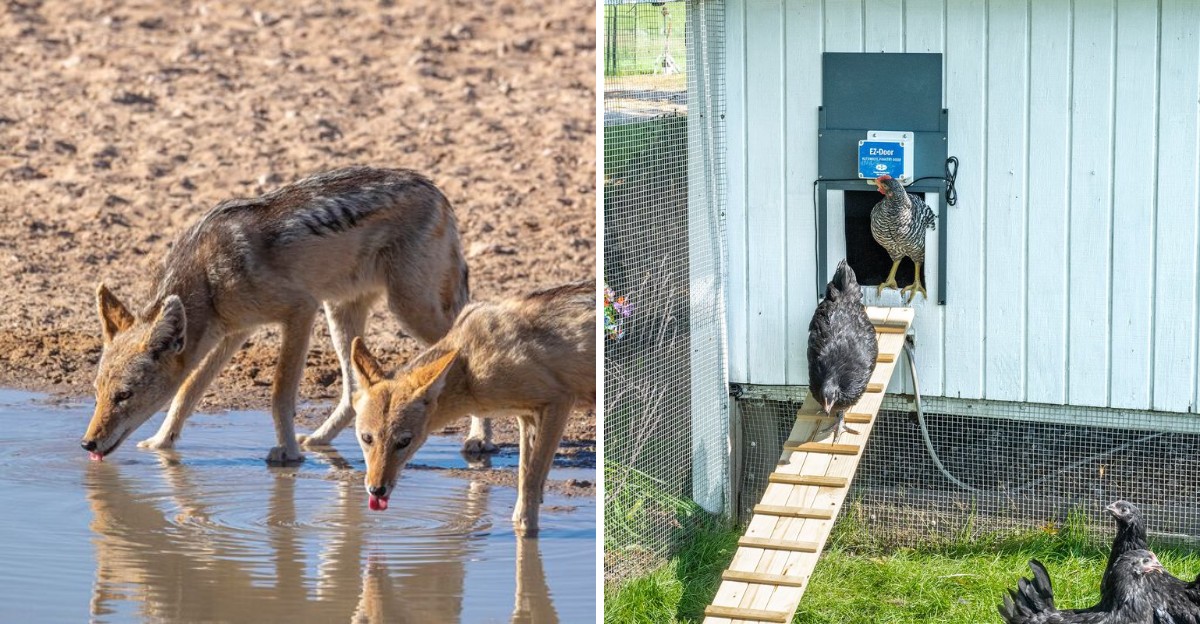
Across Texas, coyotes aren’t just roaming ranches and open fields anymore. They’re showing up in suburbs, cul-de-sacs, and even big-city backyards.
And here’s the part most people don’t realize: your yard might be sending them an open invitation.
Coyotes are smart, and they’re always looking for an easy meal, a safe place to rest, or a quick drink of water.
Some of the most common things in a Texas yard check all three boxes. That bird feeder you love? That cozy brush pile by the fence? They might be doing more harm than you think.
Let’s walk through the yard features that attract coyotes, so you can make a few simple changes and keep your family and pets safer.
1. Pet Food Left Outside
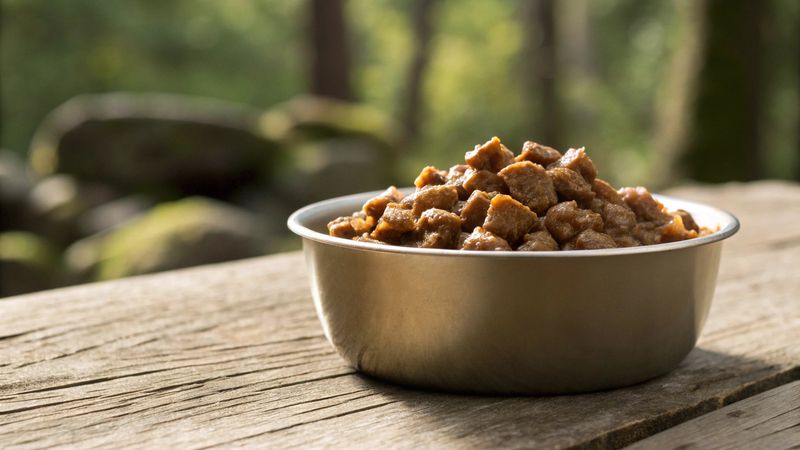
Late one summer night, a family in San Antonio heard their dog bowl clanking on the patio. They flipped on the porch light and saw a coyote licking it clean. It had come back three nights in a row.
Pet food is one of the easiest meals a coyote can find. It smells strong, it sits out in the open, and it does not run away. To a hungry coyote, a full bowl on the porch is like a free buffet with no line.
Many people feed outdoor cats or leave food out for dogs during the day. The problem is that coyotes remember where they find food.
Once they get a taste, they will return often. Over time, they may lose their fear of people and start showing up in daylight.
Leftover food also draws in other animals. Rats, mice, raccoons, and opossums love pet food too. Coyotes eat those animals, so your yard becomes a double reward. That is a big reason to be careful.
Fixing the issue is not hard. Feed your pets indoors whenever you can. If your pets must eat outside, pick up the bowls as soon as they finish. Never leave food out overnight.
Store pet food bags in a sealed metal or thick plastic bin. Keep the bin inside a garage or shed. Wipe up spilled kibble, since even a few pieces can leave a scent trail.
Did you know? Coyotes can smell food from more than a mile away on a calm night. That sharp nose is one reason they do so well in cities.
Small habits make a big difference. Bring the bowl in, and you take away one of the strongest reasons a coyote has to visit.
2. Unsecured Trash Cans
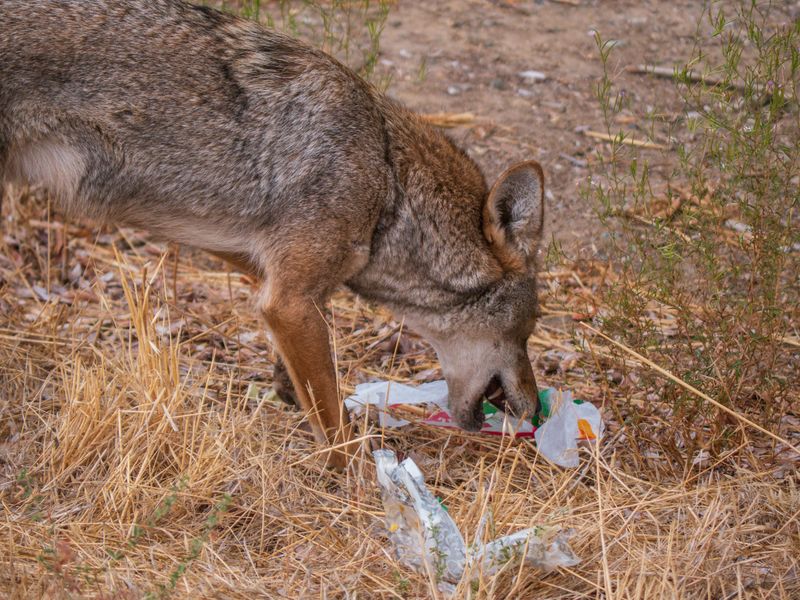
Trash day in Texas can be a feast for wildlife. If you have ever walked outside to find garbage scattered across your driveway, you know the mess. Raccoons often get the blame, but coyotes are just as guilty.
Garbage cans hold all kinds of smells that coyotes love. Meat scraps, greasy wrappers, and old leftovers send out a strong signal. A lid that pops open easily is basically an open door.
Coyotes are smart and patient. They learn which houses leave cans out the night before pickup. Some will even tip over light cans to get to the goodies inside.
Your Texas Garden Changes Every Week. Your Plan Should Too.
Gardening in Texas changes quickly throughout the season. Every Friday you’ll receive a simple weekly plan showing exactly what to plant, prune, fertilize, harvest, and protect so you never miss the right timing.
So what can you do? Start with a sturdy can that has a tight locking lid. Some brands make cans with clips or latches made for animal-proofing. Bungee cords across the lid also work well in a pinch.
Keep your cans in a garage or shed until the morning of trash day. If you must store them outside, place them against a wall or inside a small fenced area. That makes tipping harder.
Here are a few other quick tips:
Rinse cans with soap and water every few weeks to cut down on smells. Double bag meat and fish scraps before tossing them. Freeze very smelly scraps until trash day, then toss them out.
Neighbors matter too. If one house on the block leaves trash open, coyotes will keep hanging around the whole street. Share tips with the people next door so everyone stays on the same page.
A clean, locked can may seem like a small change. Still, it removes a steady food source and makes your yard far less exciting to a curious coyote.
3. Fallen Fruit From Backyard Trees
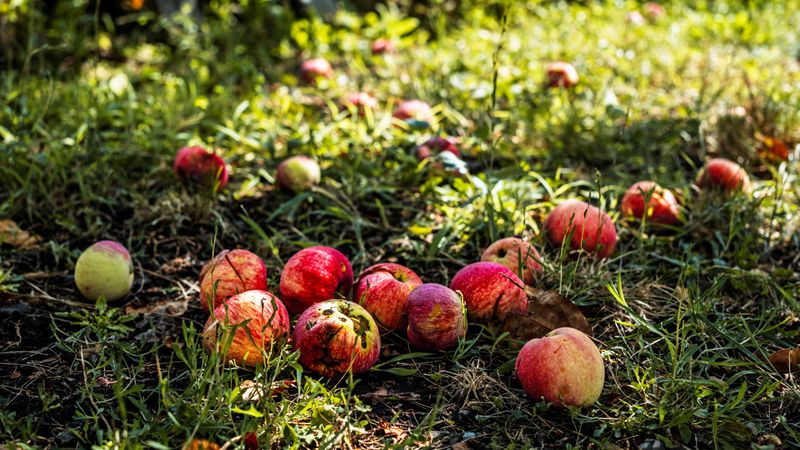
Most folks think of coyotes as meat eaters. Surprise! They also have a serious sweet tooth. Coyotes will happily munch on peaches, figs, berries, melons, and even pecans.
Texas yards are full of fruit trees. Peach trees in the Hill Country, citrus in the Rio Grande Valley, and pecans almost everywhere all drop food to the ground. When that fruit piles up, it becomes a snack bar for wildlife.
Rotting fruit smells sweet and strong. That scent drifts far and pulls in coyotes, along with deer, raccoons, squirrels, and rodents.
Remember, those smaller animals are also on a coyote’s menu. So one fallen peach can lead to a whole food chain in your yard.
You do not have to cut down your favorite tree. Instead, stay on top of cleanup. Walk your yard every day or two during harvest season and pick up anything on the ground.
Harvest ripe fruit as soon as you can. If you have more than you can eat, share it with friends or donate it to a local food pantry. That way nothing goes to waste.
Garden beds need care too. Tomatoes, watermelons, and cantaloupes are coyote favorites. A simple fence around your garden can help protect your crops.
Compost piles can be tricky. Avoid tossing meat or dairy in them, and use a closed bin instead of an open heap. That keeps smells down and critters out.
Fun fact: in some parts of Texas, coyotes eat so much fruit in the summer that their droppings are packed with seeds. They actually help spread plants across the land.
A tidy yard during fruit season keeps your harvest for you, not for the neighborhood coyotes.
4. Bird Feeders Spilling Seed
“We just wanted to see some cardinals,” one Fort Worth homeowner said. Then the squirrels came. After that, so did the coyote.
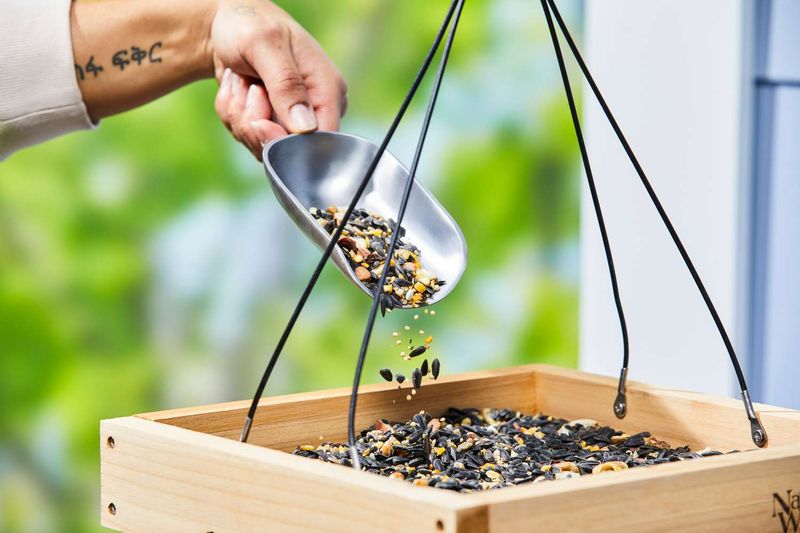
Bird feeders bring color and song to any yard. Sadly, they can also start a chain reaction. Coyotes rarely eat birdseed. Still, they love the animals that do.
Seed falls to the ground every time a bird pecks at the feeder. That spilled seed draws squirrels, rabbits, mice, and rats.
Before long, your yard is full of small animals. To a coyote, that looks like a well-stocked hunting ground.
You can still enjoy birds without inviting trouble. Pick a feeder with a tray underneath to catch falling seed. Some feeders are built to cut down on spills, so look for those options.
Choose seed that birds eat completely. Hulled sunflower seeds, often called sunflower hearts, leave very little mess. Cheap mixes are full of filler seeds that birds toss aside.
Rake up spilled seed every few days. Bring feeders in at night, since that is when rodents and coyotes are most active. You might also take a short break from feeding if you notice coyotes nearby.
Placement helps as well. Hang feeders away from thick bushes where a coyote could hide and wait. An open area makes it harder for predators to sneak up.
Birdbaths are a nice choice too. Many birds love fresh water just as much as seed, and a birdbath does not scatter food on the ground. Just keep it cleaned often.
With a few smart tweaks, your feathered visitors can keep coming while your yard stays off the coyote map.
5. Easy-To-Reach Water Sources
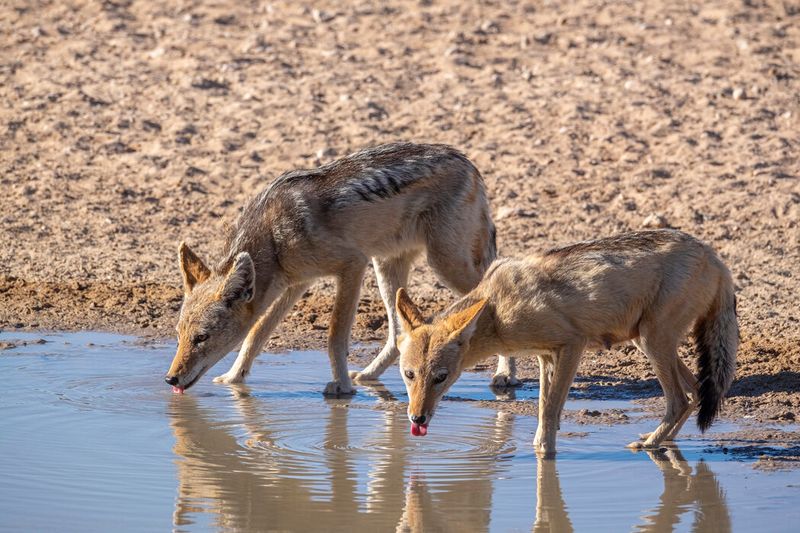
Texas summers are brutal. When creeks dry up and temperatures climb past 100 degrees, every living thing goes searching for water. Coyotes are no exception.
Your yard may hold more water than you realize. Swimming pools, fish ponds, fountains, pet water bowls, and leaky hoses all count. During a drought, those spots can look like an oasis to a thirsty coyote.
Water also brings in other wildlife. Frogs, birds, and small mammals gather near ponds and fountains. That gives a coyote both a drink and a possible snack in one trip.
Start by checking for leaks. A dripping faucet or broken sprinkler can create muddy puddles that draw animals. Fix those quickly, and you will also save money on your water bill.
Keep pet water bowls inside at night. If your pets need water outside, refill it in the morning and bring it in before dark.
Pools should have covers when not in use. A cover keeps out leaves, bugs, and curious critters. It also adds a layer of safety for kids and pets.
Backyard ponds are lovely but need extra care. Adding a fence or a sturdy mesh cover can protect fish and make access harder. Motion-activated sprinklers nearby can also startle coyotes and send them running.
Coyotes can get some of their water from the food they eat, like fruit and prey. Even so, during hot, dry spells, they need an extra drink just like we do.
You cannot remove every drop from your yard. Still, cutting back on easy water keeps your space less inviting during those long, thirsty Texas summers.
6. Thick Brush And Hiding Spots
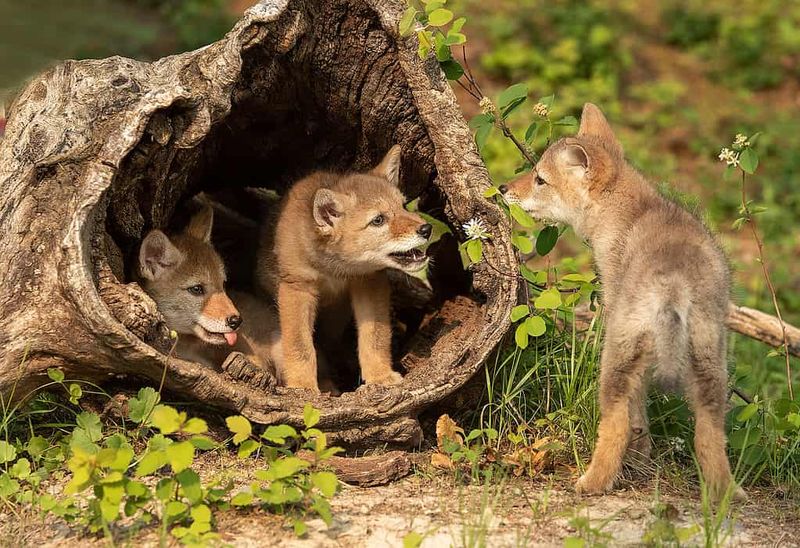
A coyote needs a safe place to nap, just like your cat curled up on the couch. Overgrown corners of a yard make perfect hideouts. Some coyotes even raise their pups under decks and sheds.
Tall grass, thick shrubs, woodpiles, and junk piles all provide cover. Coyotes use them to rest during the day and to hide while they watch for prey. A messy yard basically offers them a cozy bedroom.
Spring is an especially important season. Coyote pups are usually born around April and May in Texas.
During that time, parents search hard for quiet, protected den sites. The space under a porch or a shed can seem ideal.
The fix starts with a little yard work. Mow your lawn often and trim bushes so you can see underneath them. Cut back branches that hang low to the ground.
Stack firewood neatly on a rack, raised off the ground. Clear away old lumber, tires, and piles of leaves. These spots also hide rodents and snakes, so cleaning them up has extra benefits.
Check under decks, porches, and sheds. If there are gaps, close them with hardware cloth or lattice. Bury the bottom edge a few inches into the soil to stop digging.
Be careful before sealing any spaces. Make sure no animals are already inside. If you think a coyote has a den on your property, call your local animal control or Texas Parks and Wildlife for help.
A neat, open yard feels exposed to a coyote. Without good cover, it has little reason to stick around. Plus, you get a cleaner, better-looking outdoor space for your family to enjoy.
7. Low Fences And Open Chicken Coops
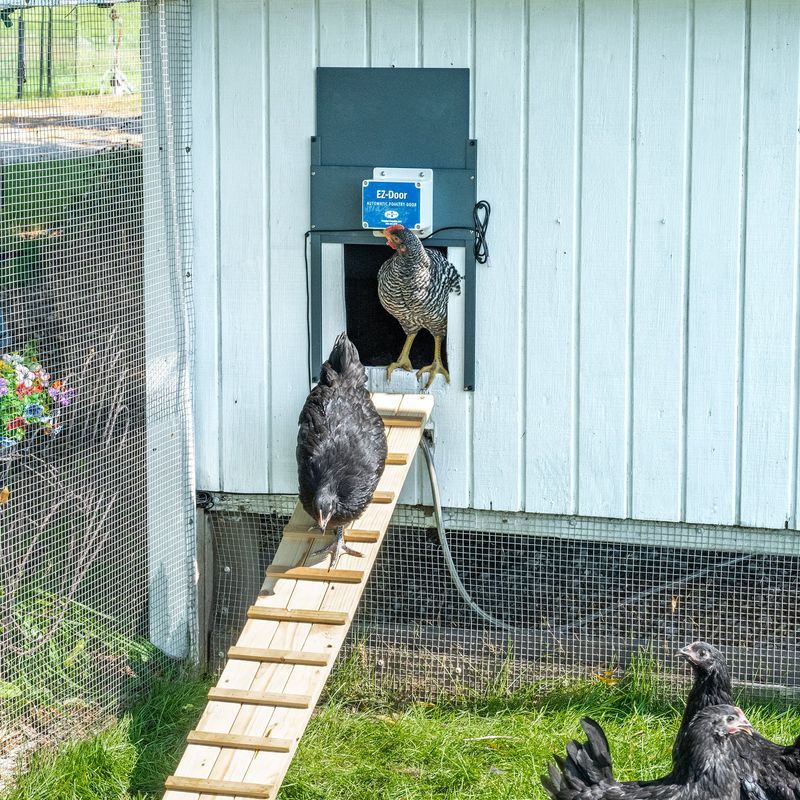
Backyard chickens are booming across Texas. Fresh eggs are a treat, and hens are fun to watch. Unfortunately, coyotes find them just as appealing, only for a very different reason.
Chickens, ducks, rabbits, and small pets are easy targets for coyotes. A flimsy coop or a short fence will not slow them down much. Coyotes can leap over a four-foot fence with ease and dig under ones that stop at ground level.
Honestly, many losses happen because of small gaps. A coop door left open at dusk or a loose wire panel is all a coyote needs. They often test fences quietly, looking for any weak spot.
Strong fencing is your best defense. Aim for a fence at least six feet tall. Adding a roller bar or angled top makes it hard for coyotes to climb over.
Protect the bottom as well. Bury wire mesh about a foot deep, or lay an apron of wire flat along the ground outside the fence. That stops diggers in their tracks.
For coops, use hardware cloth instead of chicken wire. Chicken wire keeps chickens in, but it does not keep predators out. Lock your birds inside every evening before the sun goes down.
Small dogs and cats need care too. Stay with them outside at night and in the early morning. Those are the hours when coyotes are most active.
Motion lights and noise makers can add another layer of protection. Some ranchers even use guard animals like donkeys or livestock dogs.
Good fencing takes some effort and money. Still, it pays off with safe animals and a lot less worry every night.