7 California Garden Jobs That Are Easier To Finish Before Shorter Days Arrive
September in California has a funny way of fooling everyone. The sun still blazes like July, yet the evenings quietly sneak in earlier. One week you’re out until eight, and the next you’re reaching for a jacket by seven.
You step outside after dinner, coffee in hand, and the light is already fading to gold. Crickets tune up while the tomato vines sag under the weight of a long summer. The air smells like cut grass and cooling pavement.
Summer gardens get a little wild by now, full of crispy leaves and overeager weeds. The dirt smells warm and dusty after weeks without rain. Even the pots on the porch look tired, leaning toward whatever shade they can find.
The days are shortening faster than most people notice this time of year. Every week you wait shaves a little more off your after-work garden time, until you’re suddenly working by porch light instead of sunset.
Cooler air makes chores feel easier, but darker evenings make them harder to squeeze in. Somewhere in the yard, an oversized zucchini is taking over its bed.
1. Plant Cool-Season Veggies While The Soil Is Still Warm
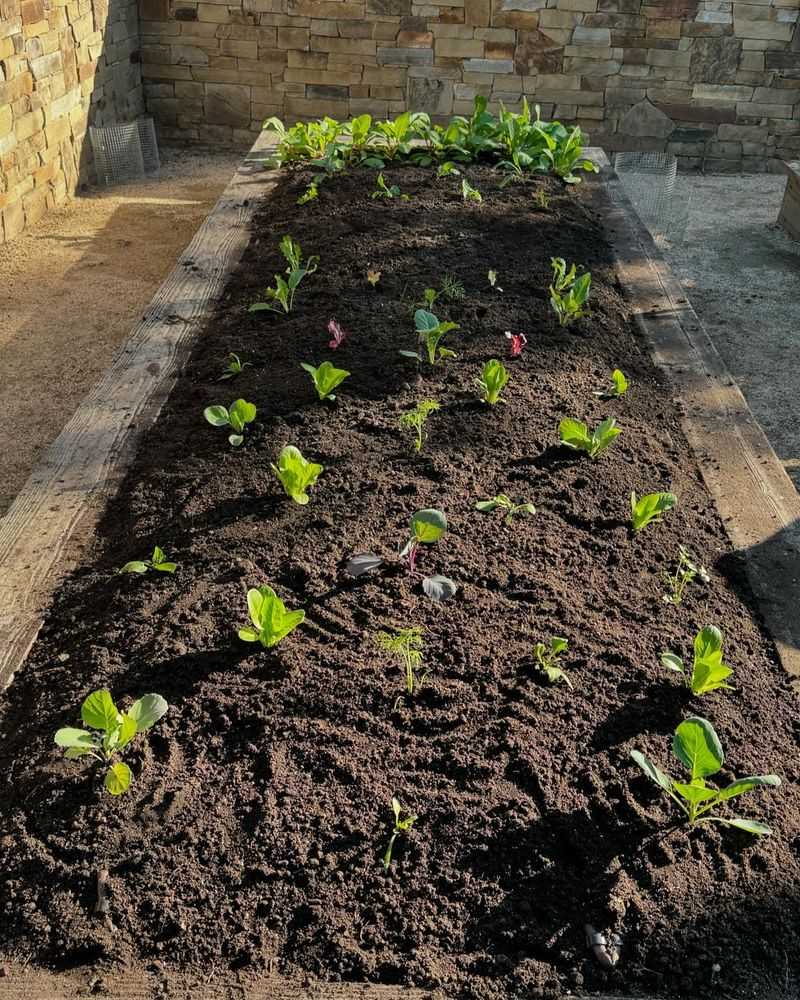
Picture warm soil hugging a tiny broccoli seedling like a cozy blanket on a chilly night. That underground warmth is a real gift, and September is the best month to take advantage of it.
Cool-season crops like lettuce, kale, carrots, and peas sprout faster when the ground still holds summer heat. Their roots settle in quickly, which means stronger plants before winter arrives.
Across most of California, fall is actually a second spring for vegetable gardens. Mild winters let many leafy greens grow straight through until March in coastal and valley regions.
Waiting until November can cause trouble, though. Seeds sit in cold, soggy soil and sprout slowly, and short afternoons give seedlings less light to grow sturdy leaves.
Start by pulling spent summer plants and loosening the top few inches of soil. Mix in a couple of inches of compost so the new crops have plenty to eat.
Sow carrot, radish, and beet seeds directly into the bed. Transplants work better for broccoli, cabbage, and cauliflower, since those crops need a longer head start.
Water gently every morning until the seeds pop up, because warm September days dry the surface fast. A light layer of straw helps keep moisture in and hungry birds out.
Here is a fun bonus for patient gardeners. Kale often tastes sweeter after a cool night, because the plant turns some starch into sugar as a natural antifreeze.
By the time holiday dinners roll around, you could be tossing homegrown salads. That feels a lot better than paying grocery store prices for a sad bag of wilted spinach.
2. Divide And Replant Crowded Perennials
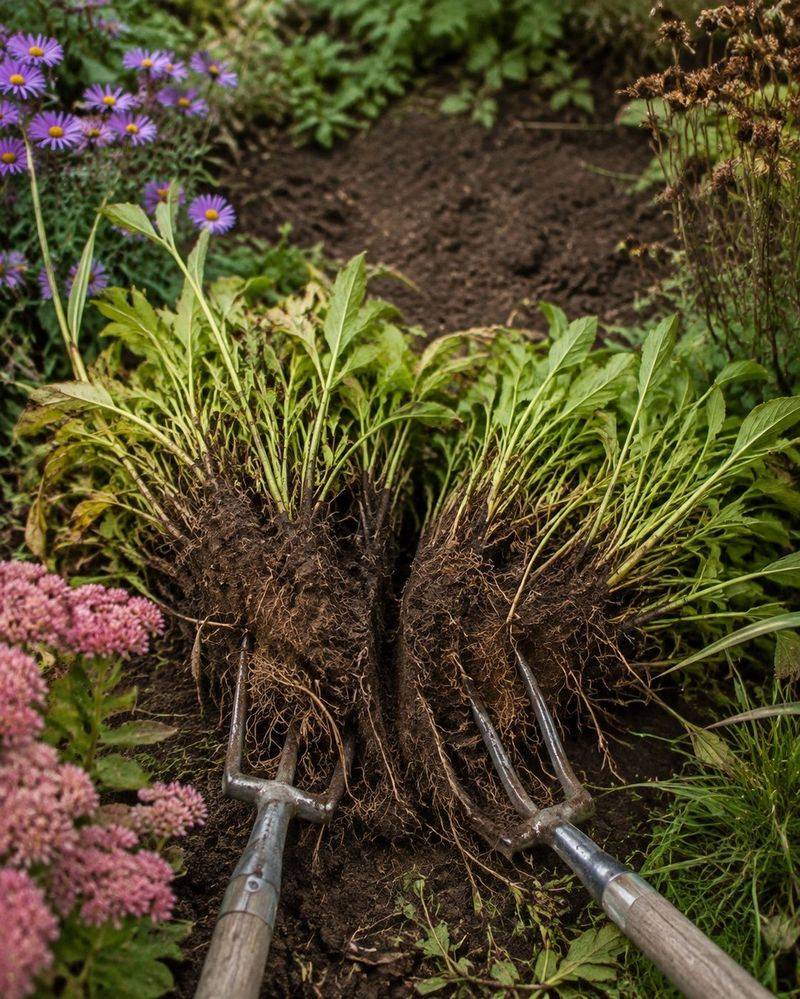
Your daylilies used to look neat, but now the clumps are tightly packed and crowding each other out. Dividing them in early fall gives every plant some breathing room again.
Perennials like agapanthus, daylilies, irises, society garlic, and ornamental grasses slowly form thick clumps. Over time, the centers get woody and flowering drops off in a noticeable way.
Your California Garden Changes Every Week. Your Plan Should Too.
Gardening in California changes quickly throughout the season. Every Friday you’ll receive a simple weekly plan showing exactly what to plant, prune, fertilize, harvest, and protect so you never miss the right timing.
September works well in most California regions because the air is cooling while the soil stays warm. Freshly split roots can grow new feeder roots quickly, long before winter slows everything down.
The job also goes faster with plenty of daylight left after school or work. Digging, splitting, and replanting a big clump can easily take an hour or more.
Water the plant deeply the day before you dig, since moist soil lifts out much more easily. Then use a sturdy spade to circle around the clump and pry it up.
Split the clump into smaller pieces with a sharp shovel, garden knife, or two forks back to back. Each piece should have healthy roots and at least a few green shoots.
Replant the divisions at the same depth they grew before, then water them well. Keep the soil lightly moist for several weeks while the roots settle into their new homes.
Extra pieces make wonderful gifts for neighbors, friends, or a local school garden. You might start a whole block full of matching irises without spending a single dollar.
Gardeners have shared divided plants this way for centuries. Some heirloom irises in California yards may trace back to clumps carried west by families in covered wagons.
3. Clean Up Summer Leftovers And Start A Compost Pile
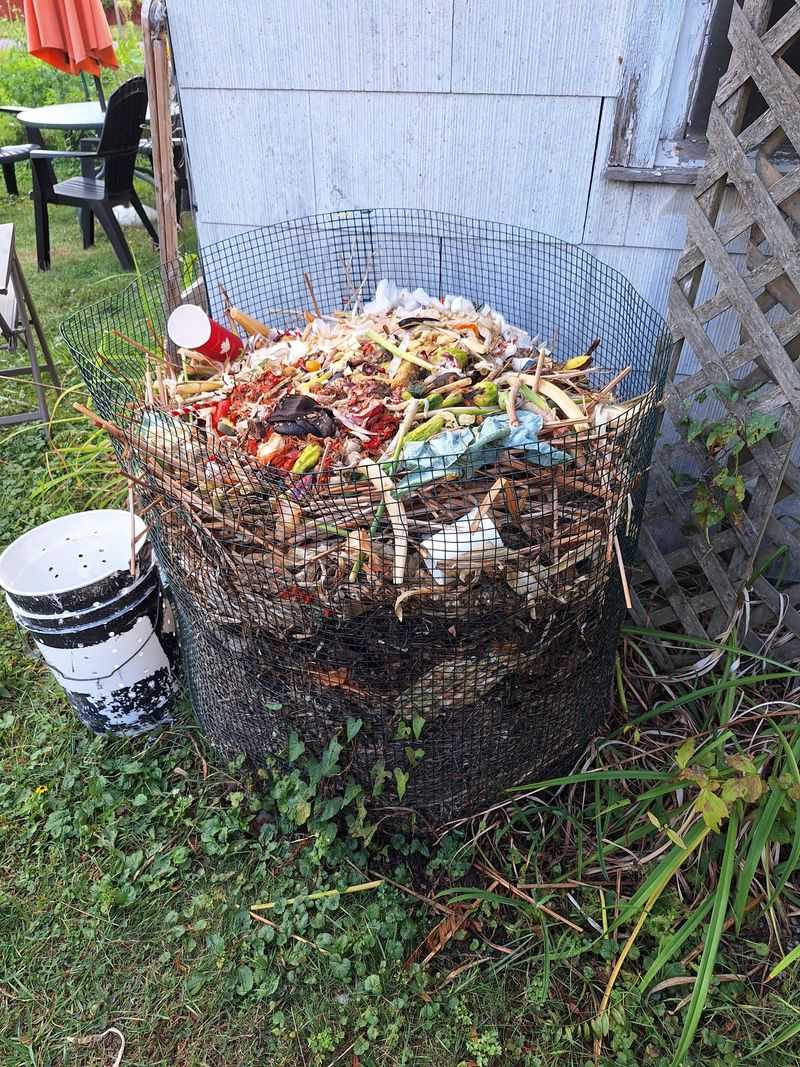
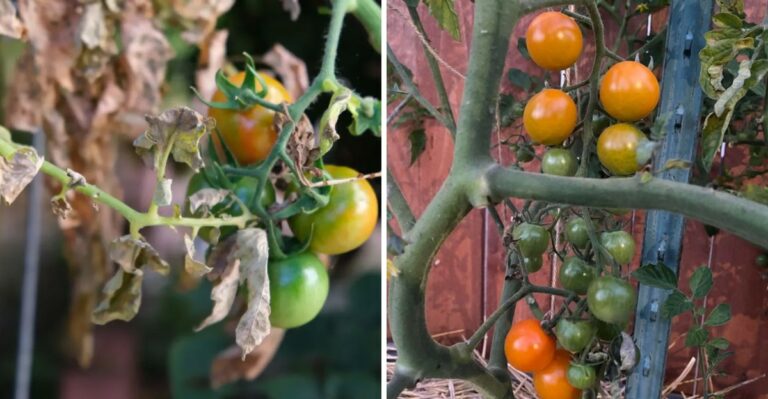
Let’s be honest, the zucchini patch has seen better days. By now, crispy leaves, split tomatoes, and powdery squash vines make it clear summer crops are done.
Clearing out tired summer crops might feel like a chore, but it pays off quickly. Old plants can hide aphids, whiteflies, and fungus spores that happily move into your fall beds.
Doing this job in September is easier for a simple reason. Long, dry afternoons let you work comfortably, and the plant material dries fast for easy chopping and hauling.
Toss healthy stems, leaves, and fallen fruit into a compost pile or bin. Skip anything covered in mildew or clearly sick, since home piles may not get hot enough to destroy germs.
A good compost recipe mixes brown materials with green ones. Dry leaves, straw, and shredded cardboard count as browns, while fresh clippings and kitchen scraps count as greens.
Aim for roughly three parts brown to one part green, and keep the pile damp like a wrung-out sponge. Turn it with a pitchfork every week or two.
Warm fall temperatures help the tiny microbes inside work faster. By spring, that messy heap can turn into dark, crumbly compost that smells like a forest floor.
Starting now also gives you a head start before winter rains soak everything. Soggy plants are heavy, slimy, and far less fun to drag across the yard in December. A single handful of healthy compost can hold more living organisms than there are people on Earth.
4. Tune Up The Irrigation System Before The Rainy Season
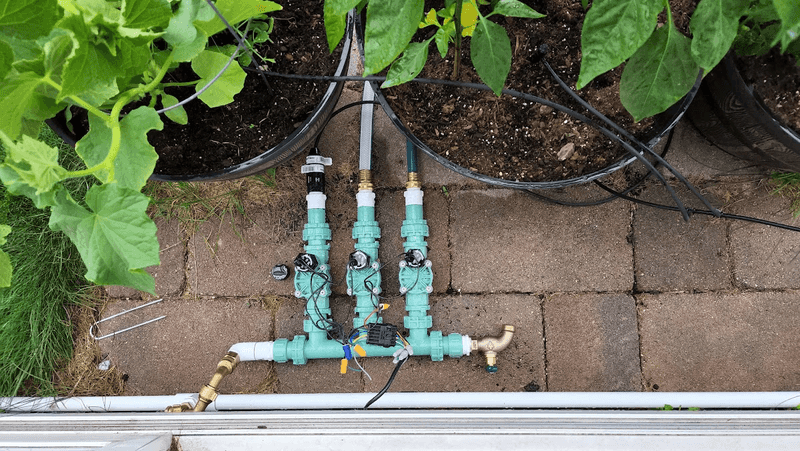
Nothing ruins a peaceful evening faster than a sprinkler head spraying the sidewalk instead of your roses. Fall is the perfect season to finally fix those sneaky leaks.
Summer in California puts irrigation systems through a real workout. Months of daily watering can clog drip emitters, crack old tubing, and knock sprinkler heads out of line.
Tackling repairs now makes sense because plants still need regular water through September and often October. Finding problems while the system runs daily is much easier than guessing later.
Turn on each zone one at a time and walk the whole yard. Look for puddles, dry patches, geysers, and heads that spray walls, fences, or driveways.
Drip lines deserve a close look too. Squirrels and gophers love chewing tubing, and hard water can leave white mineral crust that blocks tiny emitter holes.
Most fixes need only a few inexpensive parts from the hardware store. Replacement emitters, goof plugs, and tubing connectors usually cost less than a fancy coffee.
Once repairs are done, adjust your controller for cooler weather. Plants drink less as temperatures drop, so cutting watering time can save money and prevent soggy roots.
Many smart controllers can even pause watering on their own when rain shows up in the forecast. Some California water districts offer rebates that make these gadgets surprisingly affordable.
Crawling around checking pipes is simply nicer in bright afternoon light. Trying to spot a tiny drip with a flashlight at six o’clock in December is no picnic.
A quick tune-up now can save hundreds of gallons each month. Your water bill and your thirsty plants will both thank you.
5. Sow Wildflower And California Native Seeds
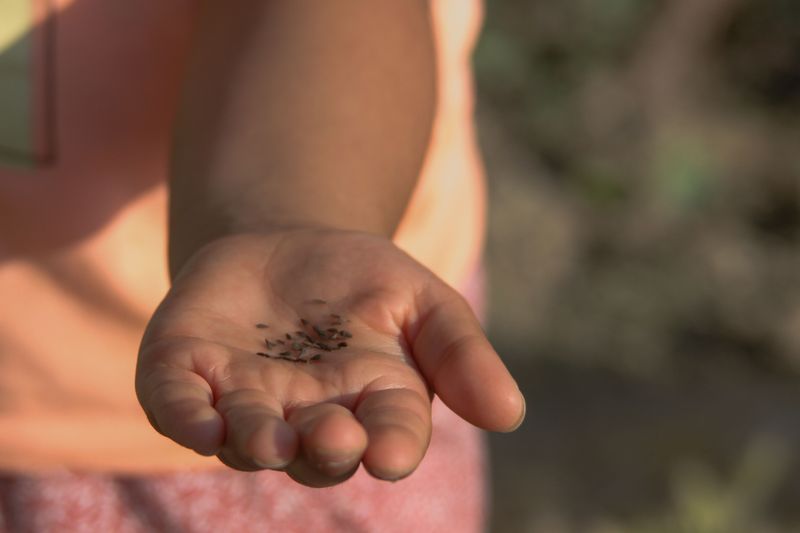
Nature has been running a fall seed program in California for thousands of years. Poppies, lupines, and clarkias drop their seeds in late summer and wait patiently for rain.
Copying that natural schedule gives your own wildflower patch the best shot at success. Seeds sown in fall get winter rain for free, which helps roots grow deep before spring.
Getting the job done before shorter days arrive matters more than you might think. Clearing weeds and preparing the ground takes time, and it goes smoother in long, sunny afternoons.
Pick a sunny spot that gets at least six hours of light daily. Pull weeds, rake the surface lightly, and skip heavy fertilizer, since most natives prefer lean soil.
Mix tiny seeds with a handful of sand before scattering them. The sand shows where you have already sown and helps spread seeds more evenly across the bed.
Press the seeds gently into the soil with your feet or a flat board. Most wildflower seeds need contact with the dirt, not a thick blanket of soil on top.
Timing your sowing just before the first rain in the forecast works beautifully. If fall stays dry, sprinkle the area lightly to help sprouts get started.
Your reward arrives in spring as a burst of orange, purple, and gold. Bees, butterflies, and hummingbirds will show up like guests at a neighborhood block party.
Here is a fun fact about the state flower. California poppies fold their petals closed at night and on cloudy days, then open again when sunshine returns.
6. Prune Shrubs And Clear Fire Zones Around The Home
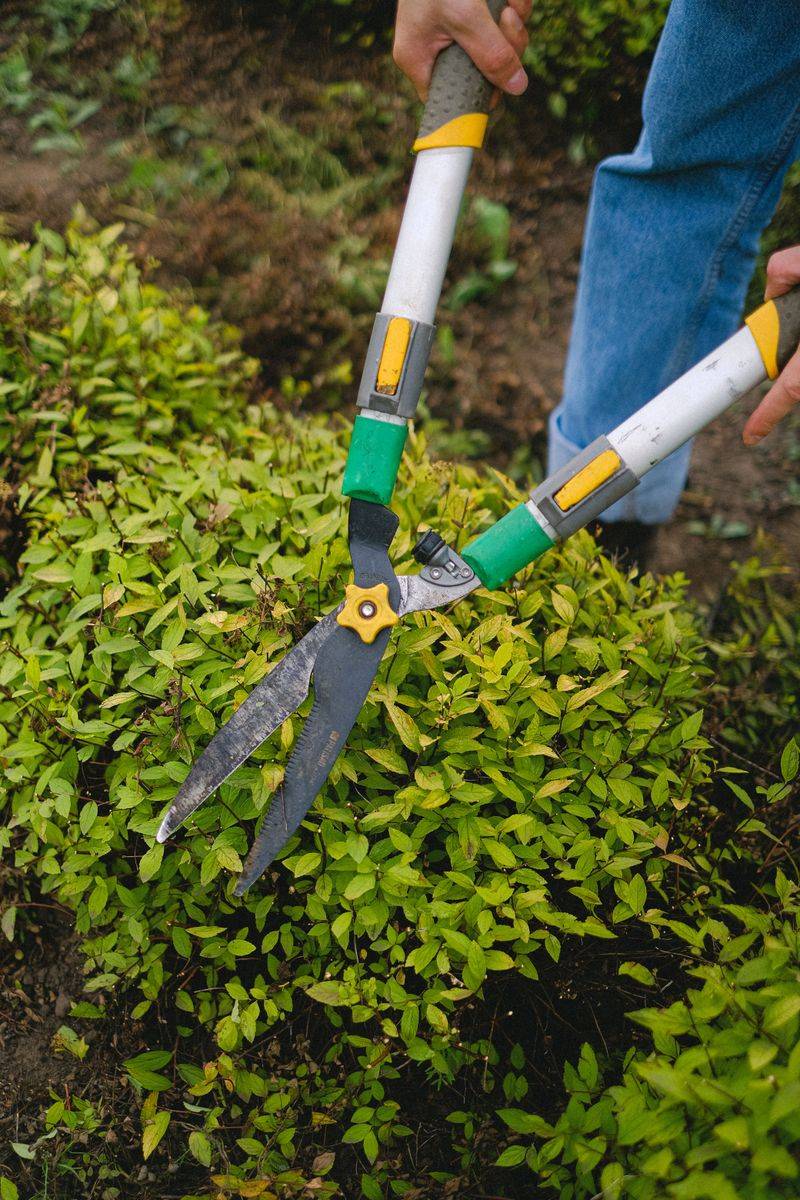
Wildfire season in California often peaks in September and October, right when dry brush is at its crunchiest. A little trimming now can make your home noticeably safer.
Firefighters talk about defensible space, which is the buffer zone around a house. The first five feet should stay especially clean, with no dry leaves, woody mulch, or overhanging branches.
Start by raking pine needles and leaves out of gutters, off the roof, and away from walls. Those piles act like kindling if an ember drifts in on a windy day.
Next, trim tree limbs so they sit at least ten feet from your chimney. Cut back lower branches too, so flames on the ground cannot climb into the canopy.
Summer-flowering shrubs like lavender, salvia, and rosemary also appreciate a light shaping this month. Cut away spent blooms and woody stems, but avoid removing more than one third of any plant.
Getting this done early gives fresh growth time to toughen up before any winter chill. It also means you can haul brush away before rain turns everything heavy and muddy.
Long daylight hours matter here more than for most chores. Pruning with loppers and saws after dark is risky, and green waste pickup days rarely wait for you.
Check with your local fire department about specific rules for your area. Many cities offer free chipping programs that turn your trimmings into useful mulch for back areas.
A tidy yard feels calmer and safer during windy fall evenings. Your shrubs will look neater too, like they just got a fresh haircut before school pictures.
7. Refresh Mulch And Feed The Soil For Winter
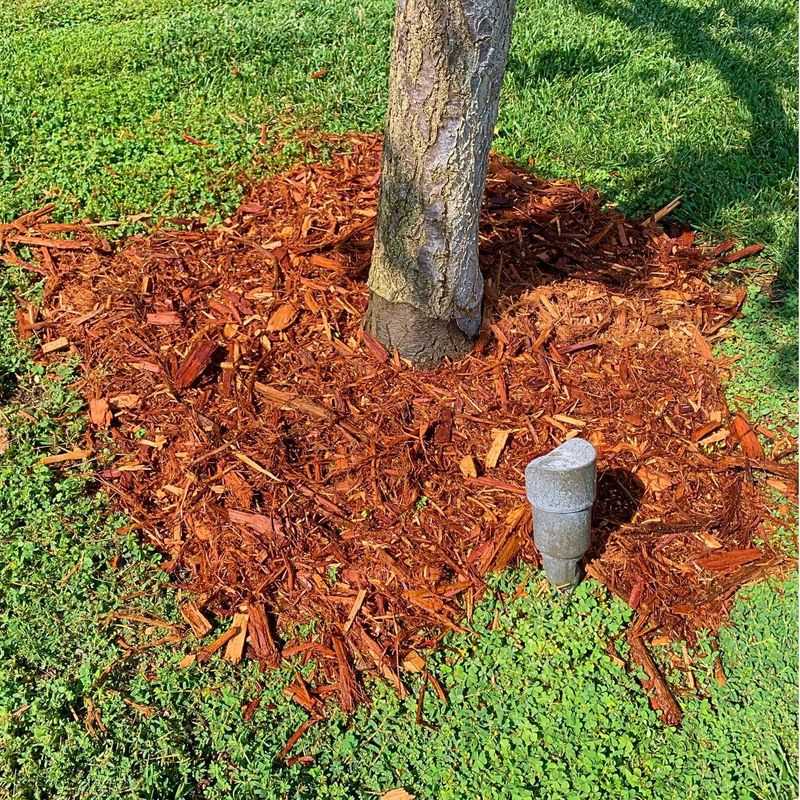
Think of mulch as a warm, cozy jacket for your garden beds. After a long, hot summer, that jacket has probably worn thin in quite a few spots.
California sun breaks down wood chips and bark faster than most people expect. By September, many beds show bare dirt that bakes in the afternoon and crusts over.
Adding fresh mulch now brings several helpful benefits at once. It holds in moisture, blocks weed seeds from sprouting, and keeps soil temperatures steady as nights cool down.
Spread two to three inches of shredded bark, wood chips, or leaf mulch across your beds. Keep it a few inches back from tree trunks and plant stems to prevent rot.
Before mulching, give the soil a meal as well. A thin layer of compost or slow-release organic fertilizer feeds earthworms and helpful microbes all winter long.
Winter rain will slowly carry those nutrients down to the roots. By spring, your soil should feel softer, darker, and much easier to dig with a trowel.
Mulching is heavy, sweaty work involving wheelbarrows and lots of trips back and forth. Doing it on a mild September afternoon beats hauling bags in chilly, early twilight.
Many cities give away free mulch made from local tree trimmings. Call your public works department or check their website, since the piles often disappear fast in fall.
Here is a surprising fact about earthworms. Red wigglers and other composting worms can eat close to their own body weight in organic matter each day.
Your garden will rest easy under its new blanket. Come spring, you will be glad you did the hard part early.