Why California Gardeners Should Watch For Slugs After The First Fall Rains
Riddle time.
It has no legs, yet it travels every night. It carries no map, yet it finds your best lettuce with ease. It sleeps through the summer and wakes up with a serious appetite.
Any guesses yet?
Hold that answer for a moment. The more interesting question involves the calendar. Why does this little mystery guest show up the very week your fall garden starts to look promising? And why does it vanish before breakfast?
California gardeners face this puzzle every autumn. The first real rain rolls in. The soil smells amazing. New seedlings stand in neat little rows.
Then one morning, something looks off. A few leaves seem nibbled. A strange shimmer crosses the path. Nobody saw a thing.
The good news is that this riddle has a solution. A few smart moves, some simple tools, and one late-night stroll can tip the odds back in your favor.
Ready to solve the case before the damage adds up? Grab a flashlight. The answer comes out after dark.
1. Dry Summer Conditions Kept Them Dormant
Late August in a California garden feels like a desert. The soil cracks. The sun blazes. Not a single slimy trail crosses the patio. The slugs may seem long gone, but they are simply on pause.
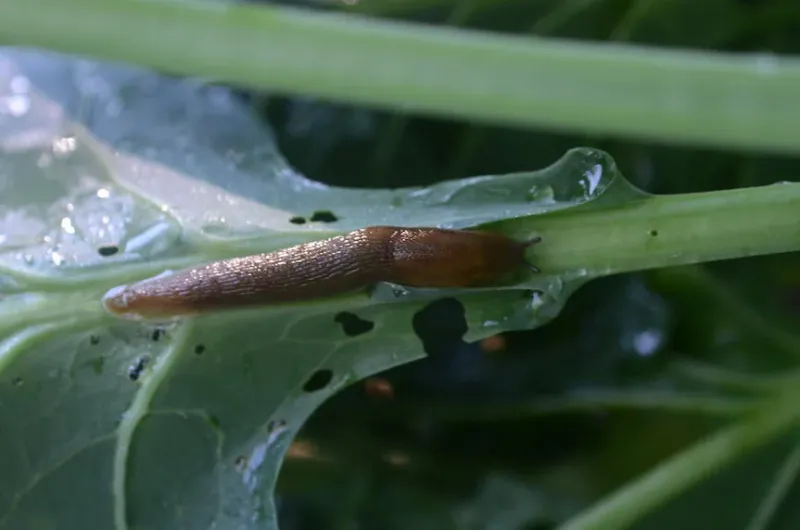
Slugs need moisture to function. Their soft bodies lose water quickly, and they rely on slime to move. Hot, dry weather sends them into a quiet, inactive state in protected, damp spots.
That dry stretch can last for months. Most of the state gets little or no rain from late spring through early fall. Slugs tuck themselves under boards, rocks, thick groundcovers, and loose soil where a bit of moisture lingers.
The sneaky part comes next. Slugs rarely show up in summer, so they slip off the radar. Plenty of gardeners plan fall beds without a single slug thought.
A few slugs do stay active in gardens with heavy sprinklers or shady, damp corners. Most, though, sit quiet and hidden, ready for a change in the weather.
Here comes a clever move, and it works best with a cup of coffee in hand. Use the summer lull to scout. Lift a few boards or flowerpots near your vegetable beds on a cool morning.
Slugs tucked underneath reveal exactly where trouble will start once rain returns. That is a sneak peek at the fall guest list, minus the RSVP.
2. Rain Brings Them Out To Feed
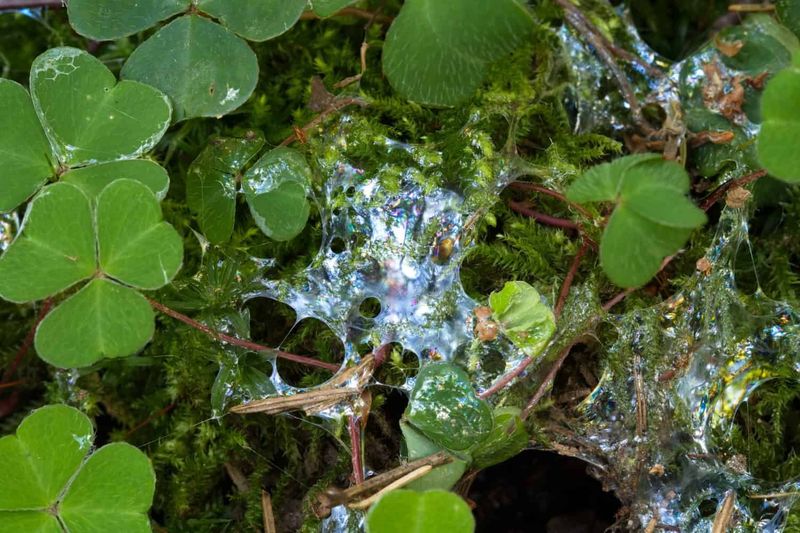
One good soak changes everything. After months out of sight, slugs sense damp air and wet soil. Out they crawl, and they are hungry.
Slugs stay most active in moist conditions, especially at night and on cloudy or foggy days. The first real fall rain delivers exactly that. The ground stays wet, nights grow cooler, and the kitchen opens.
This works like an alarm clock after a very long nap. Slugs that spent summer tucked away come out to feed after a long fast. Moist soil also gives them great spots to lay eggs. More slugs can show up in the weeks that follow.
Your California Garden Changes Every Week. Your Plan Should Too.
Gardening in California changes quickly throughout the season. Every Friday you’ll receive a simple weekly plan showing exactly what to plant, prune, fertilize, harvest, and protect so you never miss the right timing.
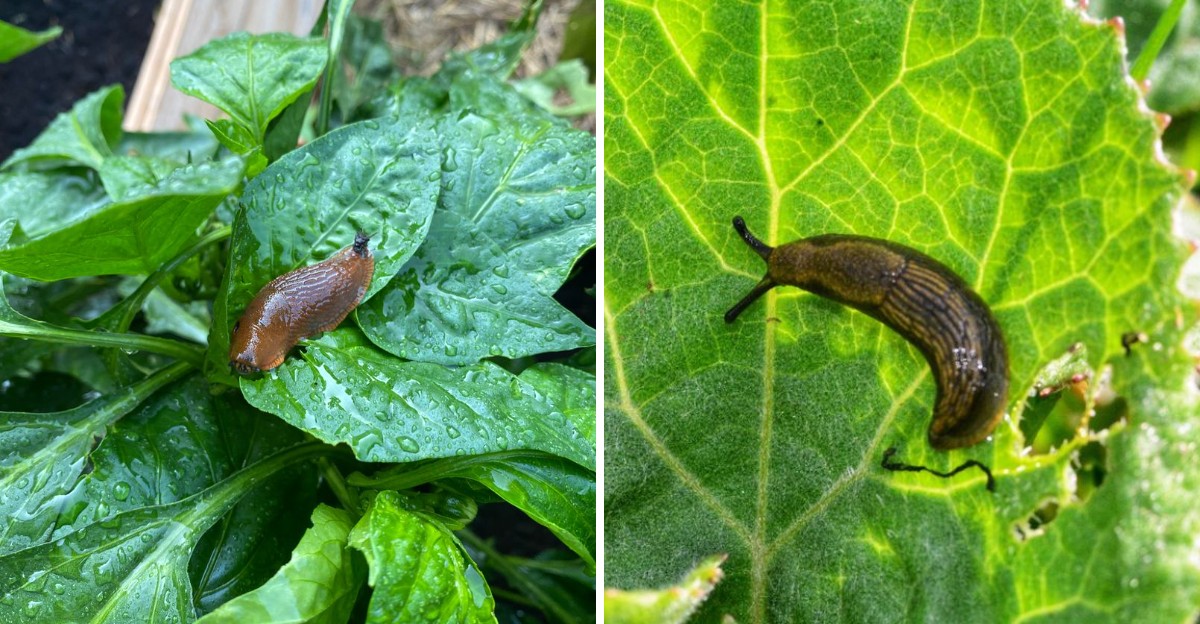
Now put on your detective glasses, because the clues are easy to spot once you know them. Shiny, silvery slime trails show up on walkways, pots, and leaves in the morning. Irregular holes with smooth edges appear in leaves. Seedlings chewed down to little stubs are a classic sign too.
Fall in California often mixes rain, fog, and heavy morning dew. Even a few damp days in a row keep slugs busy. Foggy coastal areas may see activity stretch across many weeks.
So treat the season’s first storm in the forecast as a reminder. Plan a quick evening check a night or two after the rain. An early catch keeps their numbers down before they settle in.
Slugs may move slowly, but they sure do not dawdle at dinnertime.
3. Tender Seedlings Face The Highest Risk
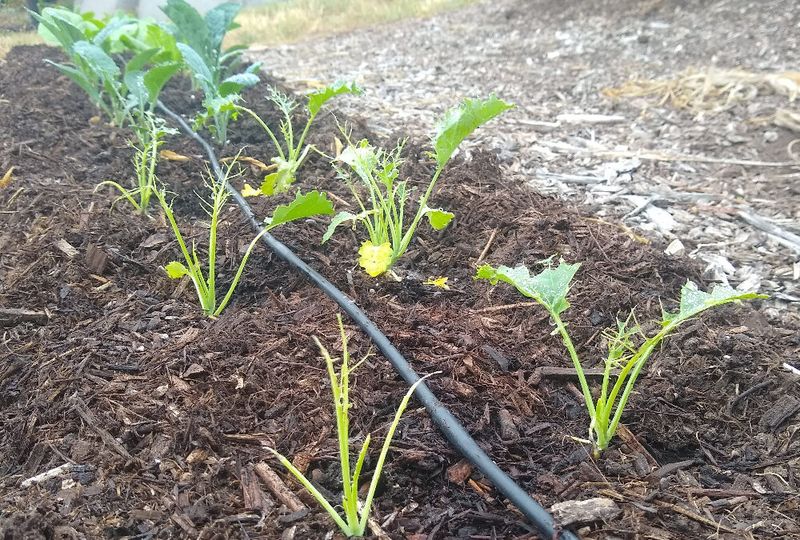
A mature cabbage can lose a few leaves and keep on growing. A tiny lettuce sprout with two leaves cannot. That difference explains why fall transplants sit in the danger zone.
Fall is a favorite season for new plants in much of California. Lettuce, spinach, kale, chard, broccoli, peas, and pansies go in right around the time rain returns. Seedlings and young plants are especially likely to suffer slug damage.
Now line up the calendar. Slugs wake up hungry just as fresh, soft transplants hit the ground. It is a bit like a buffet set out the same week the guests arrive.
Young plants have thin, juicy leaves and small stems. A few slugs can chew through a seedling in one night. With only a few leaves, a baby plant has little stored energy to regrow. Many simply cannot bounce back.
Direct-sown seeds face even more danger, and this part may explain a few past mysteries in your garden. Sprouts can vanish the moment they poke through the soil. It may seem like the seeds failed. In reality, slugs may have eaten them before you ever saw them.
Start seeds in pots and let them grow a bit larger before they move outside. Plant a few extras too, so a small loss does not empty a whole row.
Your seedlings get a fighting chance, and the slugs get a much tougher menu. Tough salad is not on any slug’s wish list.
4. Nighttime Is When The Real Damage Happens
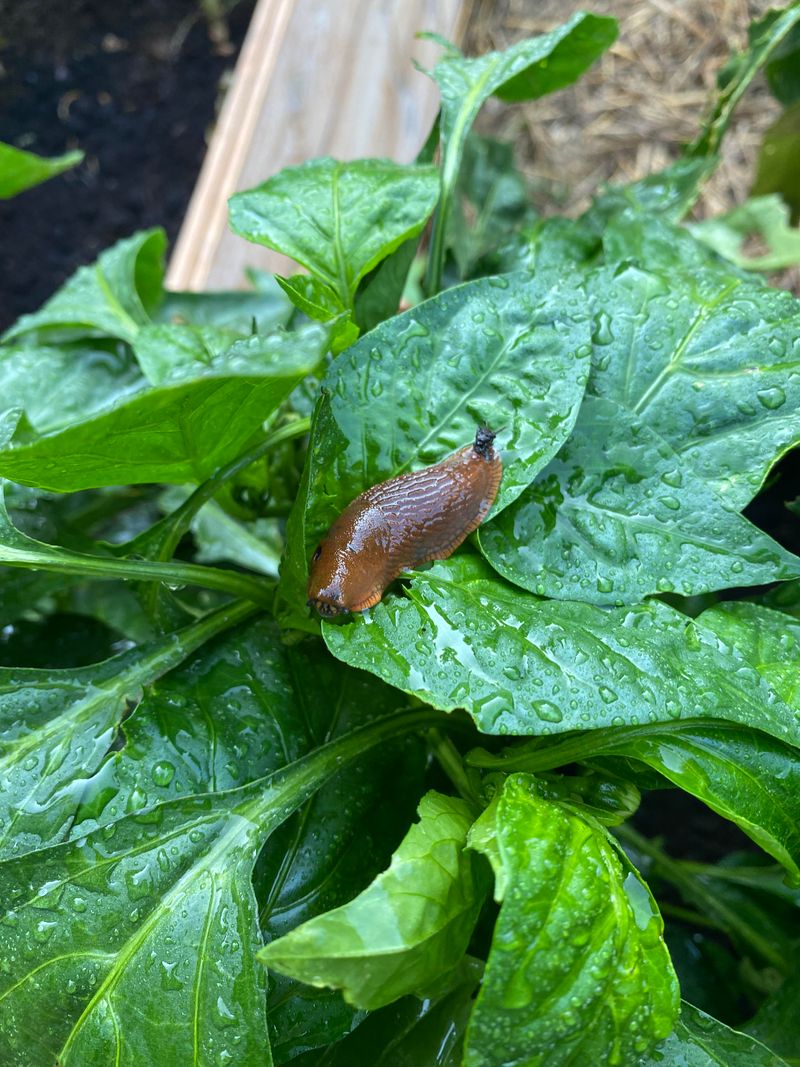
Shredded seedlings in the morning, and no culprit in sight. That scene frustrates plenty of California gardeners. Slugs are true masters of the night shift.
They feed mainly after dark and during cloudy or foggy weather. Darkness protects them from the drying sun. By sunrise, most have slipped back into their shelters.
That is why a quick daytime look can fool you. Earwigs, cutworms, or birds often take the blame for the holes. Slime trails are a good clue, but they can dry up or wash away. The surest proof comes from slugs caught in the act.
Grab a flashlight and head out about two hours after sunset. Check the undersides of leaves, the edges of beds, and the base of young plants. Nights after rain or irrigation tend to be the busiest.
While you are out there, pick them off by hand. Wear gloves or use a small tool, and drop slugs into a container of soapy water. Regular pickups early in the season make a real difference.
Now here is where the kids come in, because this job turns into an instant adventure. A nighttime slug hunt beats most board games.
Head out every few nights for a couple of weeks after the first rains. That routine can put a big dent in the population. It also reveals which plants the slugs love most.
Flashlight, gloves, and a bucket. Pest control rarely gets this many giggles.
5. Mulch And Debris Offer Daytime Shelter
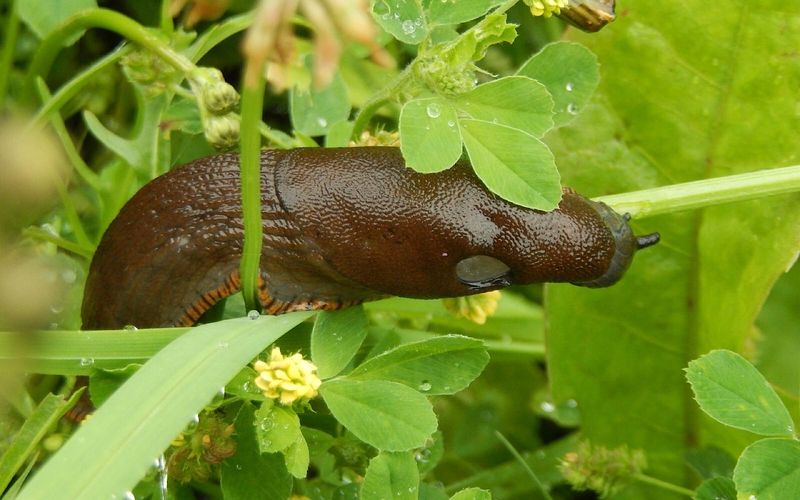
Slugs are total homebodies. After a night out, they want somewhere cool, dark, and damp to rest until evening.
Their favorite daytime spots stay moist and shady. Thick mulch, leaf piles, boards, rocks, low decks, and overturned pots all qualify. Dense groundcovers like ivy and weedy edges make the list too. Anything that traps moisture near the soil can turn into a slug hotel.
Mulch does great things for plants, so there is no need to remove it everywhere. Just pull thick mulch back a few inches from the stems of new seedlings. That gap keeps slugs from a cozy nap right next to their dinner.
A little tidy-up helps too. Rake up old leaf piles. Stack pots off the ground. Remove boards or bricks near your beds. Trim back weedy borders, since each hideout you remove makes the garden less welcoming.
Now for the sneaky part, because you can turn their habits against them. Set a board on the ground, raised slightly on small supports so slugs can crawl underneath. Each morning, flip it over and collect the sleepy guests.
Irrigation habits matter as well. Morning water lets the soil surface dry out before night. Drip lines keep less of the ground wet overall. That leaves fewer comfy spots for slugs between meals.
Checkout time comes early at this hotel. Unfortunately for the guests, it also comes with a bucket of soapy water.
6. Simple Barriers Protect Vulnerable Transplants
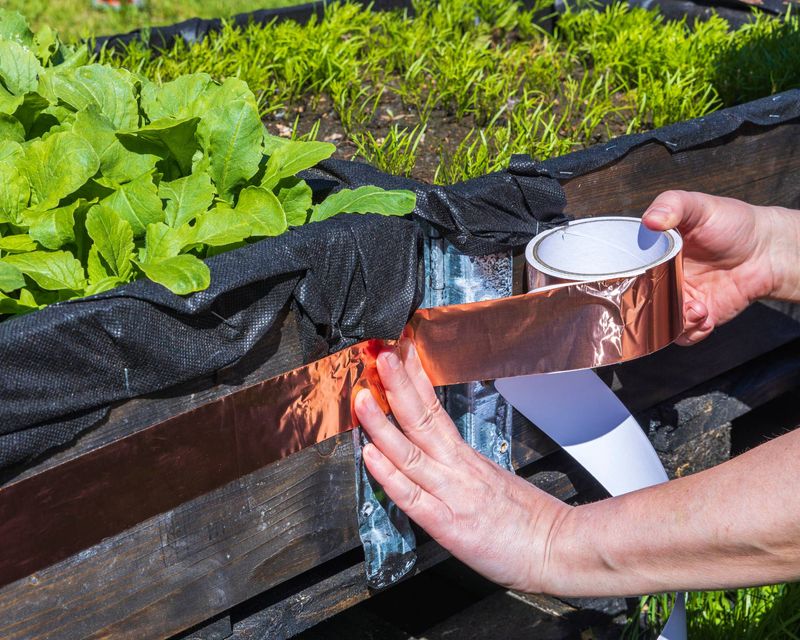
Sometimes the best defense is a simple wall. Physical barriers stop slugs before they reach your plants, and they work without chemicals.
Copper is a popular pick. Contact with the metal seems to give slugs an unpleasant jolt, so many turn back. Copper strips or foil work well around the top edges of raised beds or planter boxes. Just trim leaves that hang over the edge, since they act as bridges.
Single transplants can wear little collars. Cut the tops and bottoms off plastic cups or bottles. Press them gently into the soil around each seedling. That small shield guards a young plant through its most tender weeks. Once the plant toughens up, the collar can come off.
This is where your blue bin gets a surprise promotion. Those old yogurt cups and water bottles suddenly have a second career.
Raised beds give you a head start. Their clear edges make barriers easier to add and easier to check. Keep the area around them trimmed so slugs have fewer approach routes.
Some gardeners reach for crushed shells or wood ash. Those may slow slugs when dry, but they lose their punch once wet. Rainy fall nights are exactly when slugs roam, so copper and collars tend to perform better.
Check barriers often. Slugs already inside will keep feeding, so remove any before the walls go up. Otherwise, you just built them a private dining room.
7. Early Action Saves Your Fall Crops
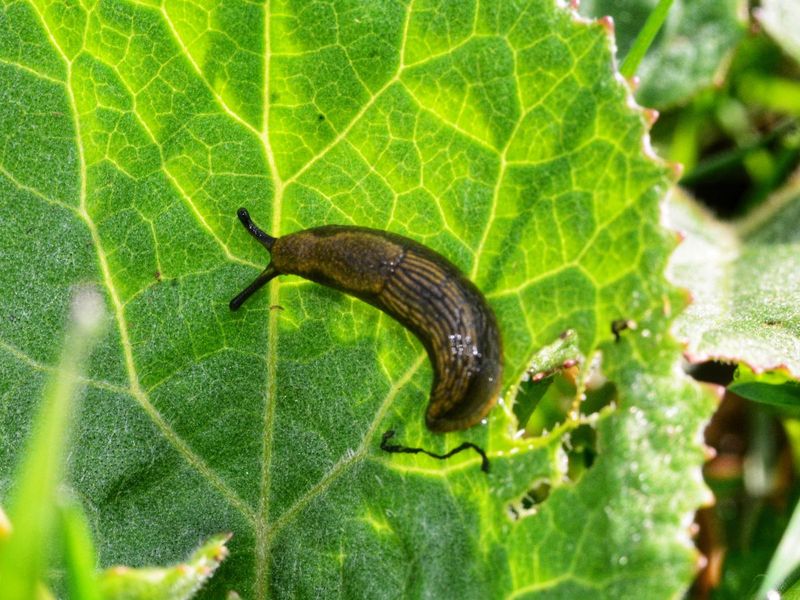
A few slugs in early October can turn into a crowd by winter. Every fall gardener learns this sooner or later. Early action makes the whole season easier.
Slugs lay eggs in moist soil, and the wet months give them plenty of chances. Each slug removed in the first weeks after rain means fewer eggs and fewer hungry youngsters later. Wait until damage looks obvious, and you end up a step behind.
A short early-season plan keeps you ahead of the slime. Clear hideouts and set out board traps before new plants go in. After the first rain, do nighttime checks for two or three weeks. Protect new transplants with collars or copper right away, not after the first losses.
Bait is an option too, and a little label homework goes a long way here. Iron phosphate baits are a lower-toxicity choice.
They are safer around pets and wildlife than metaldehyde products. Scatter them lightly around plants and follow the label. Bait works best as part of a team, not as a solo act.
The calendar matters most while plants are small. Bigger leaves and sturdier stems can handle a little nibble. Your goal is to get seedlings through those first fragile weeks.
The same storm that waters your garden also sounds the slug dinner bell. Answer first, and the fall harvest stays yours. The slugs can go find their own salad bar.
8. Natural Predators Lend A Helping Hand
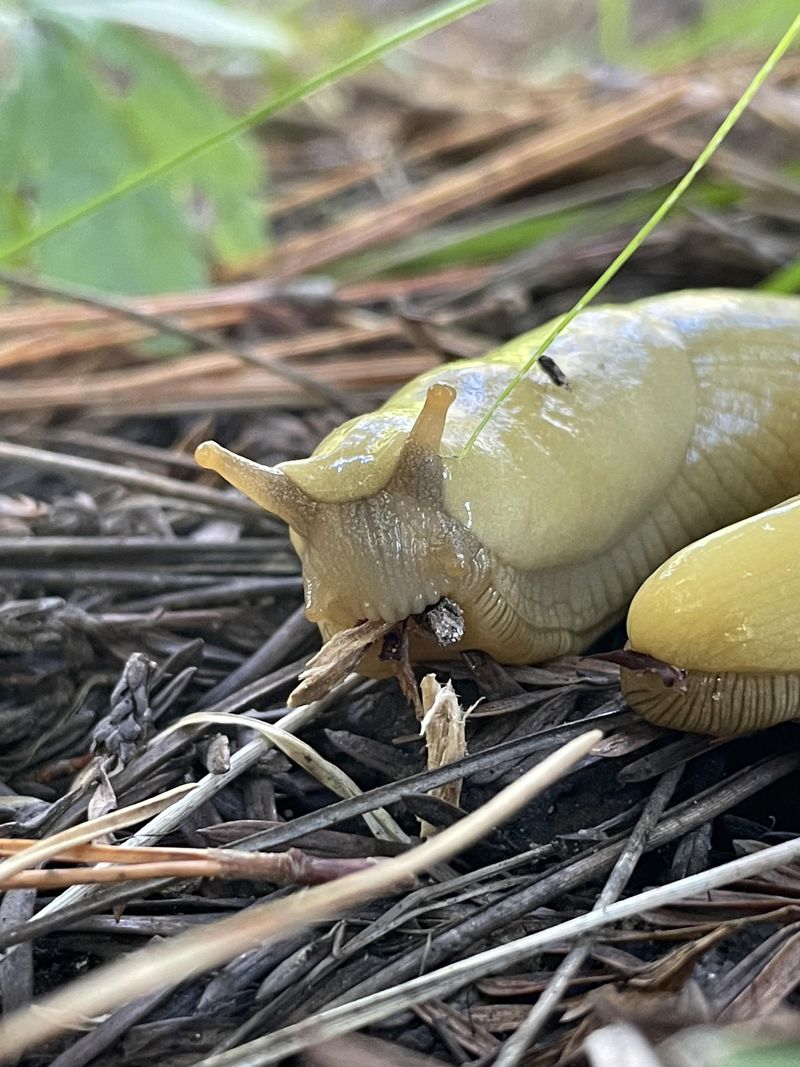
Slugs have more enemies than most people realize. Toads, frogs, garter snakes, and many songbirds all see a slug as a tasty snack. Some of the best helpers, though, stay low and out of sight.
Ground beetles and rove beetles hunt at night, right when slugs roam. They patrol the soil and gobble up slugs and slug eggs. A healthy beetle crew can quietly keep numbers in check.
The trick is to make these allies feel at home. Broad-spectrum pesticides hit beneficial insects just as hard as pests. Skip them, and the good guys stick around. Metaldehyde slug baits deserve extra caution, since they can harm pets and wildlife.
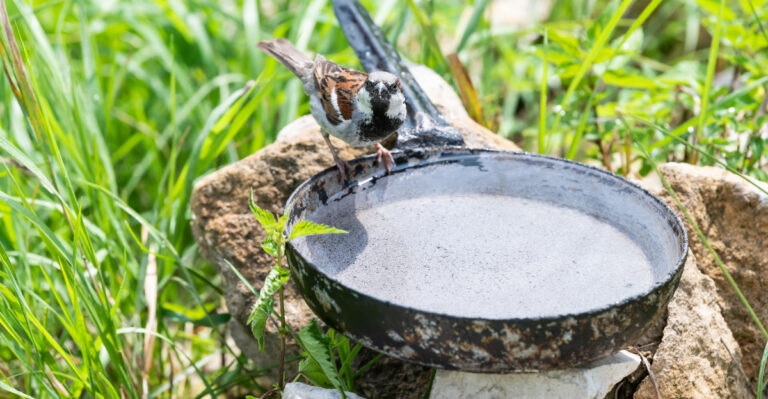
Now for a fun weekend project, and the whole family can pitch in. Set up a small toad retreat with an upside-down clay pot. Chip a doorway in the rim and nestle it in a shady spot. A shallow dish of water nearby helps frogs, toads, and birds alike.
A few flat stones or a small log pile can shelter beetles too. Place these a little away from vegetable beds, since slugs like the same spots.
Backyard chickens and ducks also love slugs. Supervised visits after rain can turn cleanup into snack time, though they may nibble your greens as well.
Your garden gets a night-shift security team that works for free. The toads may not wear uniforms, but they take the job very seriously.